
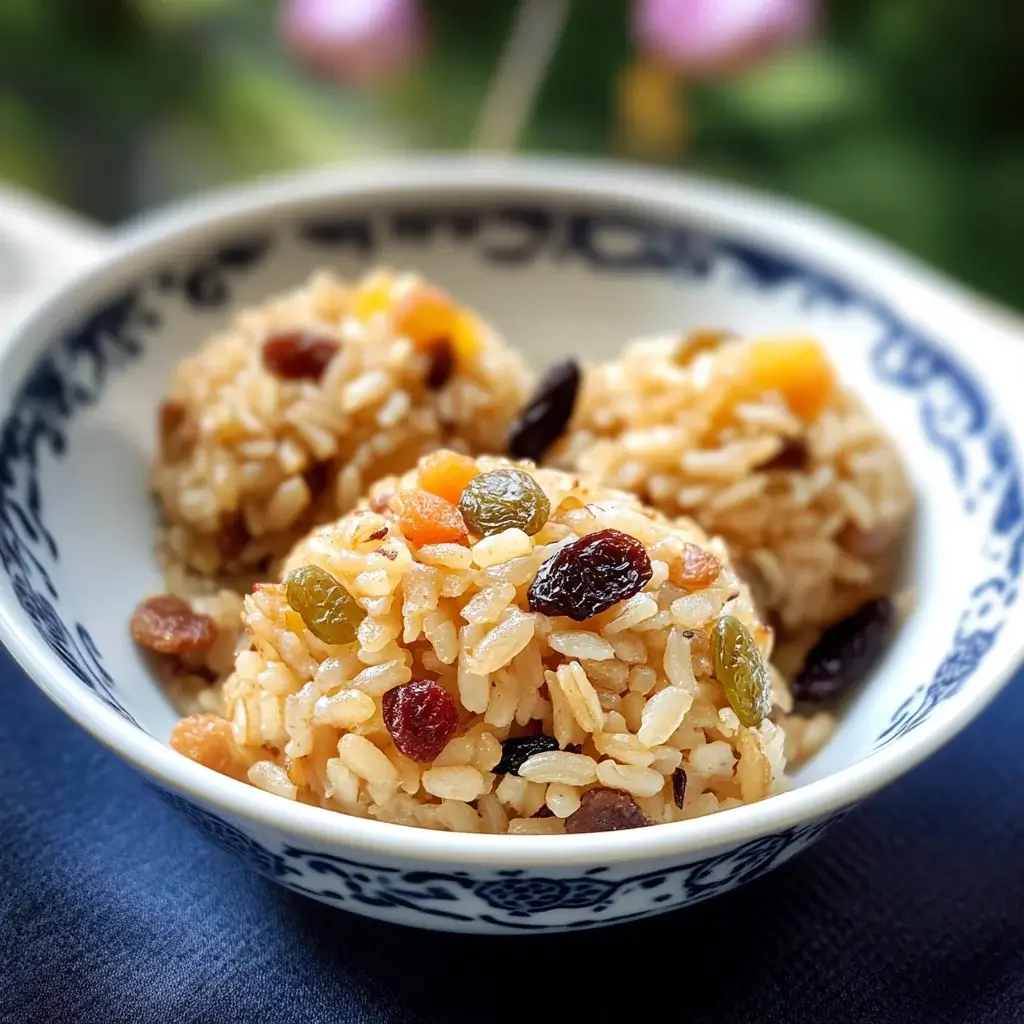

There’s a certain magic to dishes that manage to be both comforting and celebratory, and for me, Sweet Rice with Dried Fruits and Nuts perfectly embodies this delightful paradox. The first time I made a version of this dish, it was for a family gathering, and I was a little nervous about how a “sweet rice” would be received as a dessert. The aroma alone, wafting through the house – a fragrant blend of cardamom, saffron, and gently toasted nuts – was enough to pique everyone’s curiosity. When it was finally served, warm and glistening with little jewels of dried fruit, it was an instant hit. The kids loved the sweetness and the chewy bits of fruit, while the adults appreciated the sophisticated blend of textures and aromatic spices. It has since become a requested favorite for holidays and special occasions, a dish that feels both ancient in its roots and wonderfully contemporary. It’s more than just a recipe; it’s a bowl full of warmth, tradition, and shared joy.
A Tapestry of Flavors: Understanding Sweet Rice Traditions
Sweet rice dishes, adorned with dried fruits and nuts, are not a singular invention but rather a beautiful culinary theme that echoes across diverse cultures and continents. From the opulent “Shirin Polo” (Persian Jeweled Rice) to the festive “Zarda Pulao” of India and Pakistan, and various sweet rice porridges and puddings across Asia and Europe, the concept of enriching rice with sweeteners, aromatics, fruits, and nuts has a long and cherished history.
These dishes often hold significant cultural importance, frequently prepared for celebrations, religious festivals, weddings, and special family meals. They symbolize prosperity, happiness, and abundance. The “jewels” – the brightly colored dried fruits and glistening nuts – are not just for flavor and texture; they represent the richness and beauty of life.
Key Elements Across Cultures:
- Aromatic Rice: Long-grain basmati is a popular choice for its fragrance and ability to cook into separate, fluffy grains. However, other varieties like jasmine, or even short-grain rice (for a creamier, pudding-like texture in some versions), are also used.
- Sweeteners: Sugar is common, but honey, jaggery (unrefined cane sugar), date syrup, or maple syrup can also lend their unique sweetness.
- Aromatic Spices: Cardamom (green or black) is a near-universal star, often complemented by cinnamon, cloves, saffron (for color and exquisite aroma), nutmeg, and sometimes even a hint of rose water or orange blossom water.
- Dried Fruits: Raisins (golden or black), apricots, dates, figs, cranberries, cherries, and even candied citrus peel add bursts of sweetness, tartness, and chewiness.
- Nuts: Almonds (slivered or blanched), pistachios (for their vibrant green), walnuts, cashews, and sometimes even pine nuts provide crunch and richness. They are often toasted to enhance their flavor.
- Richness: Ghee (clarified butter) is traditionally used for its nutty aroma and high smoke point, especially in South Asian and Middle Eastern versions. Butter or a neutral oil can also be used.
The beauty of these dishes lies in their adaptability. While certain combinations are classic, there’s ample room for personalization based on available ingredients and taste preferences. This particular recipe aims to capture the essence of these festive rice dishes, offering a balanced, aromatic, and visually appealing result that’s perfect for sharing.
The Foundation: Choosing the Right Rice
The type of rice you choose will significantly impact the final texture and aroma of your sweet rice dish. Here are some common choices and their characteristics:
- Basmati Rice: This is often the preferred choice for many sweet rice pilafs like Zarda or Shirin Polo.
- Pros: Long, slender grains that cook up fluffy and separate. It has a distinct, prized aroma that complements spices beautifully.
- Cons: Can be a bit more expensive. Needs proper rinsing and sometimes soaking to achieve the best texture.
- Jasmine Rice: Another aromatic long-grain rice, primarily from Southeast Asia.
- Pros: Wonderful floral aroma. Grains are slightly softer and tend to cling together a bit more than basmati, which can be desirable for a slightly moister dish.
- Cons: The aroma might be slightly different from the traditional expectation for certain Middle Eastern or South Asian sweet rice dishes.
- Sella Basmati Rice (Parboiled Basmati): This rice has been parboiled before milling.
- Pros: The grains are very firm and remain distinctly separate when cooked, making it almost foolproof against becoming mushy. It also absorbs flavors well. Often preferred for biryanis and pulaos where distinct grains are paramount.
- Cons: The texture can be slightly chewier, and it might lack some of the delicate aroma of regular basmati. Requires longer soaking.
- Short-Grain Rice (e.g., Arborio, Calrose, or Sushi Rice): These rices have a higher starch content.
- Pros: Creates a creamier, softer, more porridge-like consistency if that’s what you’re aiming for. Excellent for rice pudding variations.
- Cons: Not ideal if you want separate, fluffy grains. The dish will be much stickier.
- Glutinous Rice (Sticky Rice): Used in many Asian sweet rice desserts.
- Pros: Very chewy, sticky texture that is unique and highly prized in dishes like mango sticky rice or sweet rice cakes.
- Cons: Completely different texture profile than pilaf-style sweet rice. Requires specific cooking methods (often steaming).
For this recipe, aiming for a balance of fragrant, relatively separate grains that still absorb the sweet syrup beautifully, high-quality aged Basmati rice is highly recommended. If unavailable, Jasmine rice would be a good second choice.
The Crowning Glory: Selecting Dried Fruits and Nuts
The dried fruits and nuts are what transform a simple sweet rice into a “jeweled” masterpiece. The key is to choose a variety that offers a pleasing contrast of flavors, textures, and colors.
Dried Fruits:
- Raisins (Golden and/or Black): A classic. Golden raisins (sultanas) offer a mild sweetness, while black raisins can be tangier.
- Apricots: Provide a lovely tartness and a beautiful orange hue. Choose unsulphured if possible for a more natural flavor, though they will be darker. Dice them into smaller, bite-sized pieces.
- Dates: Offer intense, caramel-like sweetness and a soft, chewy texture. Medjool dates are particularly luscious. Pit and chop them.
- Figs: Similar to dates, they provide sweetness and a unique texture with their tiny seeds. Chop them.
- Cranberries: Add a vibrant red color and a welcome tartness to balance the sweetness.
- Cherries (Dried): Offer a sweet-tart flavor and a deep red color.
- Candied Orange/Lemon Peel (or Zest): Adds a bright citrusy note. Use sparingly as it can be potent.
Preparation Tip: If your dried fruits are very hard, you can briefly soak them in hot water for 10-15 minutes to plump them up before adding them to the rice. Drain them well.
Nuts:
- Almonds: Slivered, blanched, or roughly chopped almonds are a staple. They provide a delicate crunch.
- Pistachios: Unsalted pistachios offer a beautiful green color and a distinct, slightly sweet flavor. Use them slivered or roughly chopped.
- Walnuts: Add a more robust, slightly earthy flavor and a good crunch. Chop them.
- Cashews: Provide a creamy, buttery crunch. Use whole or halved.
- Pecans: Similar to walnuts but often milder and sweeter.
- Pine Nuts: Small, delicate, and buttery. Best toasted lightly.
Preparation Tip: Always toast your nuts! This simple step makes a world of difference, intensifying their flavor and making them crunchier. You can toast them in a dry skillet over medium heat for a few minutes, stirring frequently, until fragrant and lightly golden, or spread them on a baking sheet and toast in a preheated oven at 350°F (175°C) for 5-8 minutes.
Achieving Balance:
Don’t go overboard with too many varieties. Choose 2-3 types of dried fruits and 2-3 types of nuts that complement each other. Consider a mix of sweet (dates, raisins) and tart (apricots, cranberries) fruits, and a variety of nut textures.
The Soul of the Dish: Spices and Sweeteners
The careful selection and use of spices and sweeteners are what elevate sweet rice from merely pleasant to truly enchanting.
Spices – The Aromatic Orchestra:
- Cardamom (Elaichi): The queen of spices in many sweet dishes. Green cardamom pods offer a complex, sweet, and highly aromatic flavor. You can use whole pods (bruised slightly to release flavor) or ground cardamom. Black cardamom has a smokier, camphoraceous note and is less common in very sweet dishes but can add depth.
- Cinnamon (Dalchini): Provides warmth and a sweet, woody aroma. Use a cinnamon stick during cooking or a pinch of ground cinnamon.
- Cloves (Laung): Intensely aromatic and pungent with a warm, slightly sweet flavor. Use whole cloves sparingly, as they can be overpowering.
- Saffron (Kesar): The most luxurious spice, saffron imparts an exquisite golden-yellow color and a unique, subtly sweet, and earthy aroma. A few strands soaked in warm milk or water (“bloomed”) are usually enough.
- Nutmeg (Jaiphal): Warm, nutty, and slightly sweet. Best freshly grated. Use sparingly.
- Star Anise: Adds a distinct licorice-like flavor. Use one whole star if desired.
- Rose Water or Orange Blossom Water: These floral waters are often added at the end of cooking in Middle Eastern versions for a delicate, perfumed aroma. Use with a light hand as they are potent.
Sweeteners – The Foundation of Indulgence:
- Granulated Sugar: The most common and straightforward sweetener. Dissolves easily.
- Brown Sugar: Adds a molasses note and a slightly deeper color.
- Jaggery (Gur): Unrefined cane sugar popular in South Asia. It has a rich, caramel-like, slightly smoky flavor and adds a beautiful golden hue. Needs to be grated or broken up.
- Honey: Provides a distinct floral or fruity note depending on the type. Add it towards the end of cooking or drizzle over the finished dish, as prolonged high heat can diminish its nuanced flavors and beneficial properties.
- Maple Syrup: Offers a unique, rich, caramel-like flavor. Best suited for certain flavor profiles.
- Date Syrup/Molasses: Provides intense sweetness and dark color.
The amount of sweetener can be adjusted to your preference. Remember that dried fruits also contribute significantly to the overall sweetness.
Festive Sweet Rice with Dried Fruits and Nuts Recipe
This recipe balances aromatic spices, a delightful mix of fruits and nuts, and perfectly cooked Basmati rice for a truly special dish.
Yields: 6-8 servings
Prep time: 20 minutes (plus 30 minutes rice soaking time)
Cook time: 30-35 minutes
Ingredients:
- 1.5 cups high-quality Basmati rice
- 2 tablespoons ghee (clarified butter) or unsalted butter (or a neutral oil like canola for a dairy-free version)
- 4-5 green cardamom pods, lightly bruised
- 1 cinnamon stick (2-inch piece)
- 3-4 whole cloves
- 1/4 cup slivered almonds
- 1/4 cup unsalted pistachios, roughly chopped or slivered
- 1/4 cup golden raisins
- 1/4 cup dried apricots, diced
- 1/4 cup dried dates, pitted and chopped
- 3/4 cup to 1 cup granulated sugar (adjust to your preferred sweetness)
- 2.5 cups water (or a mix of water and milk for richer flavor)
- Pinch of saffron strands (about 1/4 teaspoon) soaked in 2 tablespoons warm milk or water
- Optional: 1 teaspoon rose water or orange blossom water (add at the end)
- Extra toasted nuts and dried fruits for garnish
Instructions:
- Prepare the Rice: Rinse the Basmati rice thoroughly in several changes of cold water until the water runs clear. This removes excess starch and helps keep the grains separate. Soak the rinsed rice in fresh cold water for at least 30 minutes. After soaking, drain the rice completely in a fine-mesh sieve.
- Toast Some Nuts (for Garnish & Initial Flavor): In a heavy-bottomed pot or Dutch oven, melt 1 tablespoon of the ghee (or butter/oil) over medium-low heat. Add half of the slivered almonds and half of the pistachios. Sauté for 2-3 minutes, stirring constantly, until they are lightly golden and fragrant. Remove them with a slotted spoon and set aside for garnish. Be careful not to burn them.
- Sauté Aromatics: To the same pot, add the remaining 1 tablespoon of ghee. Once melted, add the bruised cardamom pods, cinnamon stick, and whole cloves. Sauté for about 1 minute until fragrant.
- Add Rice and Remaining Nuts/Fruits: Add the drained soaked rice to the pot. Gently stir for 1-2 minutes to coat the grains with ghee and toast them lightly. Then, add the remaining (untoasted) almonds and pistachios, along with the golden raisins, diced apricots, and chopped dates. Stir gently to combine.
- Dissolve Sugar & Add Liquid: Pour in the 2.5 cups of water (or water/milk mixture) and add the sugar. Stir gently until the sugar is dissolved.
- Add Saffron & Bring to a Boil: Pour the saffron-infused milk (or water) over the rice. Bring the mixture to a gentle boil over medium-high heat.
- Simmer: Once boiling, reduce the heat to the lowest possible setting. Cover the pot tightly with a lid (if your lid isn’t tight, you can place a clean kitchen towel between the pot and lid, ensuring the towel edges are away from the flame or heat source). Let the rice cook undisturbed for 15-20 minutes, or until all the liquid has been absorbed and the rice is tender. Do not lift the lid during this time.
- Rest: Once cooked, turn off the heat and let the rice stand, covered, for another 10 minutes. This allows the grains to firm up and finish steaming.
- Fluff and Serve: Gently fluff the rice with a fork. If using, stir in the rose water or orange blossom water. Transfer the sweet rice to a serving platter. Garnish generously with the toasted nuts you set aside earlier, and if desired, some extra dried fruits or edible rose petals. Serve warm.
Nutrition Facts (Approximate)
- Servings: This recipe yields approximately 6-8 servings.
- Calories per serving (1/8th of the recipe): Approximately 380-450 calories.
Disclaimer: Nutritional information is an estimate and can vary significantly based on specific ingredients used (especially the amount of sugar and type/quantity of nuts and dried fruits), precise serving sizes, and if milk is used instead of water. This calculation is based on using 1 cup of sugar and water for the liquid.
Preparation Time Breakdown
- Active Preparation Time: 20 minutes (rinsing rice, chopping fruits/nuts, sautéing)
- Rice Soaking Time: 30 minutes (minimum)
- Cooking Time: 30-35 minutes (including initial sauté, boiling, simmering)
- Resting Time: 10 minutes
- Total Time (including soaking and resting): Approximately 1 hour 30 minutes to 1 hour 35 minutes.
How to Serve Your Festive Sweet Rice
This versatile dish can be presented in various ways, depending on the occasion and cultural context:
- As a Standalone Dessert:
- Serve warm in individual bowls or on a platter.
- A dollop of unsweetened or lightly sweetened whipped cream, clotted cream (malai), or thick Greek yogurt can provide a lovely creamy contrast.
- A scoop of vanilla or cardamom ice cream makes it even more indulgent.
- As Part of a Festive Meal:
- In many South Asian and Middle Eastern traditions, sweet rice dishes are an integral part of a larger festive spread.
- It can be served alongside savory dishes, providing a sweet counterpoint.
- Garnishing Options:
- Beyond the toasted nuts and fruits from the recipe, consider:
- Edible silver leaf (Vark): For an extra touch of luxury, common in Indian sweets.
- Edible dried rose petals: Adds color and a delicate floral note.
- A light dusting of ground cinnamon or cardamom.
- Fresh pomegranate seeds for a juicy burst of color and tartness.
- Beyond the toasted nuts and fruits from the recipe, consider:
- Temperature:
- Warm: This is the most common and arguably the best way to enjoy it, as the aromas are at their peak.
- Room Temperature: Also perfectly acceptable, especially if prepared ahead.
- Chilled: Some people enjoy sweet rice chilled, particularly in warmer weather. The texture will be firmer.
Additional Tips for Perfecting Your Sweet Rice
- Don’t Skip Rinsing and Soaking Rice: Rinsing removes excess surface starch, preventing the rice from becoming overly sticky or clumpy. Soaking hydrates the grains, ensuring they cook evenly and achieve a tender, elongated form, especially important for Basmati.
- Gentle Handling of Rice: Once the rice is added to the pot, especially after the liquid is in, stir it minimally and very gently. Vigorous stirring can break the delicate Basmati grains, leading to a mushier texture.
- Achieve the Perfect “Dum” (Steam Cooking): The final cooking stage on low heat, covered tightly, is crucial. This is a form of steam cooking (“dum” in Hindi/Urdu). A tight-fitting lid is essential. If your lid is loose, use the kitchen towel trick (carefully) or weigh it down. This traps the steam, allowing the rice to cook perfectly without drying out or sticking to the bottom.
- Bloom Your Saffron: To get the most color and flavor from expensive saffron strands, always “bloom” them. Crush the strands slightly and soak them in a couple of tablespoons of warm (not boiling) milk or water for at least 10-15 minutes before adding to the dish. This releases their potent compounds.
- Taste and Adjust Sweetness Carefully: The amount of sugar can be subjective. Dried fruits also add considerable sweetness. If unsure, start with a slightly lesser amount of sugar (e.g., 3/4 cup), you can taste the cooking liquid (carefully!) before it fully absorbs and decide if you need more. It’s harder to correct if it’s overly sweet.
Frequently Asked Questions (FAQ) About Sweet Rice with Dried Fruits and Nuts
Q1: Can I use brown Basmati rice for a healthier version?
A1: Yes, you can use brown Basmati rice. However, keep in mind that brown rice requires a longer cooking time and more liquid (typically a rice-to-water ratio of 1:2.5 or 1:3 after soaking). The texture will also be chewier and nuttier, and the overall dish will have a more rustic feel. You may need to adjust simmering time accordingly, potentially 35-45 minutes. Soaking brown rice for at least an hour is also beneficial.
Q2: How do I store leftover sweet rice, and how long does it last?
A2: Allow the sweet rice to cool completely to room temperature. Then, transfer it to an airtight container and store it in the refrigerator. It should last for 3-4 days. When reheating, you can sprinkle a little water or milk over it and reheat gently on the stovetop in a covered pot over low heat, or in the microwave, covered, until warmed through.
Q3: Can I make this recipe vegan?
A3: Absolutely! To make it vegan:
* Replace the ghee or butter with a neutral-flavored vegetable oil (like canola, sunflower, or refined coconut oil) or a vegan butter substitute.
* If using milk in the recipe (for richness or for soaking saffron), use a plant-based milk like almond milk, soy milk, or oat milk. Full-fat coconut milk can also be used for a distinct, creamy flavor profile if that appeals to you.
Q4: My sweet rice turned out mushy. What went wrong?
A4: Several factors can lead to mushy rice:
* Too much liquid: Ensure your rice-to-liquid ratio is correct for the type of rice used.
* Not rinsing rice enough: Excess starch can make it gummy.
* Overcooking: Simmering for too long.
* Stirring too much/vigorously: This breaks the grains.
* Lid lifted too often during simmering: This releases steam and can affect even cooking.
* Rice quality: Older or lower-quality rice might be more prone to breaking down.
Q5: Can I reduce the amount of sugar significantly?
A5: Yes, you can reduce the sugar to your preference. The dried fruits themselves contribute natural sweetness. However, sugar also plays a role in the texture and preservation of the dish to some extent, and it helps create the light syrup that coats the grains. If you reduce it drastically, the flavor profile will lean more towards a savory pilaf with sweet elements rather than a distinct dessert. Start by reducing it by 1/4 cup and see how you like it. You could also explore natural sweeteners like date paste or a smaller amount of maple syrup for a different sweetness profile.
A Sweet Conclusion: The Enduring Charm of Festive Rice
Sweet Rice with Dried Fruits and Nuts is more than just a collection of ingredients; it’s a culinary embrace, a dish that speaks of celebration, tradition, and the simple joy of sharing good food. Its beauty lies not only in its vibrant appearance and delightful taste but also in its versatility and the way it connects us to a rich tapestry of global food cultures.
Whether you prepare it for a grand holiday feast, a special family dinner, or simply as a comforting treat, this dish is sure to enchant. The fragrant steam rising from the pot, the glistening jewels of fruit and nuts nestled amongst tender rice grains, and the warm, aromatic spices all combine to create an experience that is both deeply satisfying and wonderfully memorable. So, gather your ingredients, embrace the process, and get ready to create a bowlful of sweetness that will delight the senses and warm the heart.
Print
Sweet Rice with Dried Fruits and Nuts recipe
Ingredients
- 1.5 cups high-quality Basmati rice
- 2 tablespoons ghee (clarified butter) or unsalted butter (or a neutral oil like canola for a dairy-free version)
- 4–5 green cardamom pods, lightly bruised
- 1 cinnamon stick (2-inch piece)
- 3–4 whole cloves
- 1/4 cup slivered almonds
- 1/4 cup unsalted pistachios, roughly chopped or slivered
- 1/4 cup golden raisins
- 1/4 cup dried apricots, diced
- 1/4 cup dried dates, pitted and chopped
- 3/4 cup to 1 cup granulated sugar (adjust to your preferred sweetness)
- 2.5 cups water (or a mix of water and milk for richer flavor)
- Pinch of saffron strands (about 1/4 teaspoon) soaked in 2 tablespoons warm milk or water
- Optional: 1 teaspoon rose water or orange blossom water (add at the end)
- Extra toasted nuts and dried fruits for garnish
Instructions
- Prepare the Rice: Rinse the Basmati rice thoroughly in several changes of cold water until the water runs clear. This removes excess starch and helps keep the grains separate. Soak the rinsed rice in fresh cold water for at least 30 minutes. After soaking, drain the rice completely in a fine-mesh sieve.
- Toast Some Nuts (for Garnish & Initial Flavor): In a heavy-bottomed pot or Dutch oven, melt 1 tablespoon of the ghee (or butter/oil) over medium-low heat. Add half of the slivered almonds and half of the pistachios. Sauté for 2-3 minutes, stirring constantly, until they are lightly golden and fragrant. Remove them with a slotted spoon and set aside for garnish. Be careful not to burn them.
- Sauté Aromatics: To the same pot, add the remaining 1 tablespoon of ghee. Once melted, add the bruised cardamom pods, cinnamon stick, and whole cloves. Sauté for about 1 minute until fragrant.
- Add Rice and Remaining Nuts/Fruits: Add the drained soaked rice to the pot. Gently stir for 1-2 minutes to coat the grains with ghee and toast them lightly. Then, add the remaining (untoasted) almonds and pistachios, along with the golden raisins, diced apricots, and chopped dates. Stir gently to combine.
- Dissolve Sugar & Add Liquid: Pour in the 2.5 cups of water (or water/milk mixture) and add the sugar. Stir gently until the sugar is dissolved.
- Add Saffron & Bring to a Boil: Pour the saffron-infused milk (or water) over the rice. Bring the mixture to a gentle boil over medium-high heat.
- Simmer: Once boiling, reduce the heat to the lowest possible setting. Cover the pot tightly with a lid (if your lid isn’t tight, you can place a clean kitchen towel between the pot and lid, ensuring the towel edges are away from the flame or heat source). Let the rice cook undisturbed for 15-20 minutes, or until all the liquid has been absorbed and the rice is tender. Do not lift the lid during this time.
- Rest: Once cooked, turn off the heat and let the rice stand, covered, for another 10 minutes. This allows the grains to firm up and finish steaming.
- Fluff and Serve: Gently fluff the rice with a fork. If using, stir in the rose water or orange blossom water. Transfer the sweet rice to a serving platter. Garnish generously with the toasted nuts you set aside earlier, and if desired, some extra dried fruits or edible rose petals. Serve warm.
Nutrition
- Serving Size: one normal portion
- Calories: 380-450