
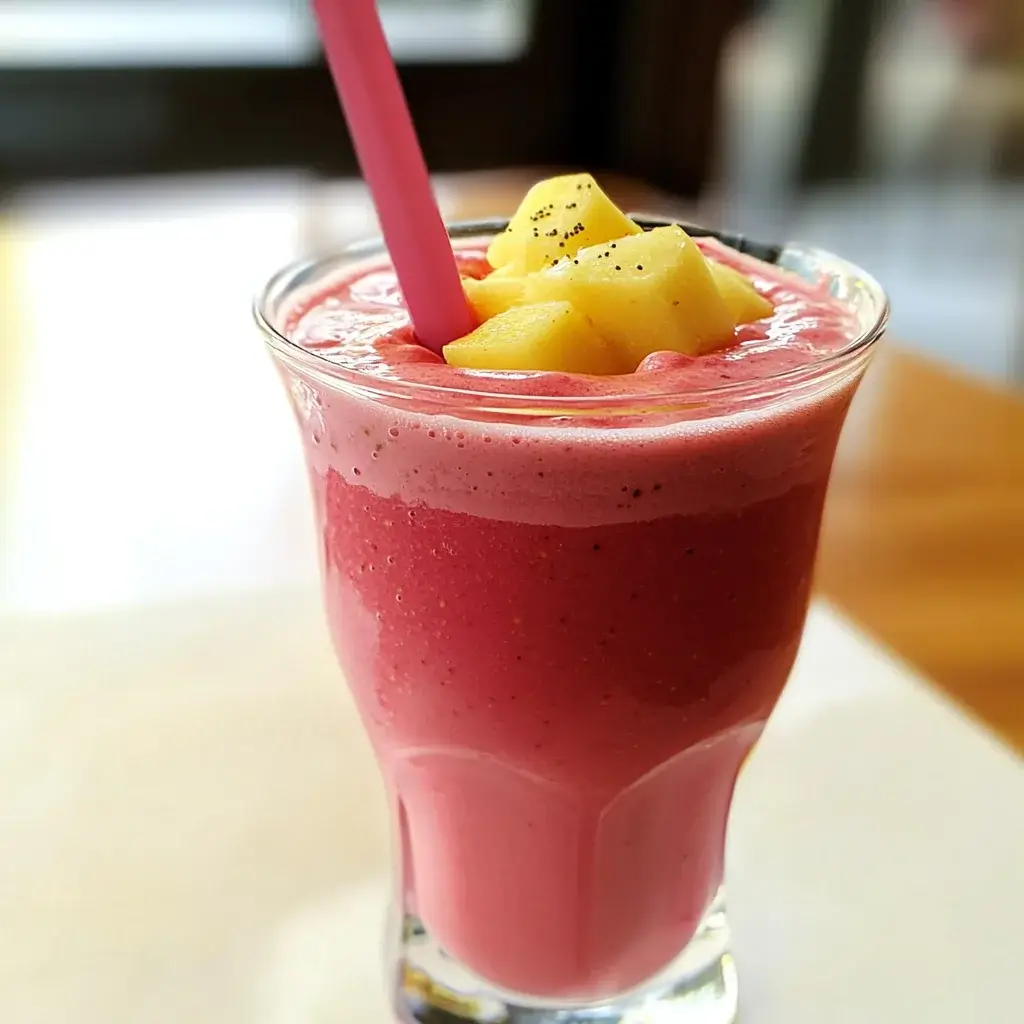

There are certain flavours and feelings that instantly scream “summer” – the warmth of the sun, the smell of sunscreen, the sound of waves (or lawnmowers!), and that deep craving for something ice-cold, refreshing, and utterly delicious. For me and my family, this “Summer in a Cup Smoothie” perfectly captures that feeling. I vividly remember the first time I threw this combination together on a sweltering July afternoon. The kids were complaining about the heat, I was feeling sluggish, and we needed a serious pick-me-up that wasn’t loaded with refined sugar. I raided the freezer for frozen tropical fruits, grabbed some berries from the fridge, added a splash of juice, and hoped for the best. The result? Pure magic. The vibrant colour was instantly appealing, but the taste – a perfect balance of sweet tropical mango and pineapple, tangy berries, and bright citrus – was exactly what we needed. It was like sipping sunshine. The kids downed theirs in record time and immediately asked for more. Since then, this smoothie has become our official kick-off-to-summer tradition and our go-to refresher all season long. It’s incredibly easy, packed with goodness, and tastes like a vacation in a glass.
Ingredients for Your Taste of Summer
Capturing the essence of summer in a smoothie relies on using fruits that are bursting with flavour, colour, and natural sweetness. This recipe uses a combination of tropical and berry notes for a perfectly balanced, refreshing blend. Using frozen fruit is highly recommended as it creates a thick, ice-cold smoothie without needing to add ice, which can water down the flavour.
Here’s what you’ll need to blend up this vibrant summer treat (makes 1 large or 2 medium servings):
- Frozen Mango Chunks: 1 cup (about 150g) – Provides a creamy texture and intense tropical sweetness. Mango is the backbone of that “sunshine” flavour. Ensure you’re using ripe mango that was frozen at its peak for the best taste.
- Frozen Pineapple Chunks: 1 cup (about 150g) – Adds a delightful tanginess and tropical punch that complements the mango perfectly. Pineapple also contains bromelain, an enzyme known for its digestive benefits.
- Frozen (or Fresh) Strawberries: ½ cup (about 75g), hulled – Lend a beautiful pinkish-red hue, classic berry sweetness, and a dose of Vitamin C. Frozen strawberries contribute to the thick texture; if using fresh, your smoothie might be slightly thinner (you can add a few ice cubes if desired). Raspberries or a mixed berry blend can also be substituted.
- Orange Juice: 1 cup (240 ml) – Acts as the primary liquid base, adding necessary hydration for blending and a bright, citrusy flavour that ties everything together. Choose 100% pure orange juice (no added sugar preferably). You can substitute with pineapple juice, mango nectar (which will be sweeter), coconut water for extra hydration, or even plain water if you prefer less sweetness.
- Banana (Optional, for creaminess): ½ medium banana, fresh or frozen – While not strictly necessary, adding half a banana lends extra creaminess, body, and a touch of natural sweetness. Frozen banana chunks work exceptionally well for an even thicker, colder smoothie. If you dislike banana, omit it or try adding ¼ avocado for healthy fats and creaminess.
- Greek Yogurt (Optional, for protein and tang): ¼ cup (about 60g) – Plain Greek yogurt adds a protein boost, making the smoothie more satisfying and satiating. It also contributes a pleasant tang that balances the fruit’s sweetness and enhances the creamy texture. Use plain, unsweetened yogurt (full-fat or low-fat). For a dairy-free/vegan version, use a plant-based yogurt alternative (coconut, almond, soy) or simply omit.
Optional Boosters (Customize Your Cup!):
- Chia Seeds or Flax Seeds: 1 tablespoon – Adds fibre, omega-3 fatty acids, and helps thicken the smoothie slightly.
- Hemp Seeds: 1 tablespoon – Provides plant-based protein and healthy fats.
- Spinach or Kale: 1 small handful – A great way to sneak in some greens! The fruit flavours usually mask the taste, though it will change the colour.
- Protein Powder: 1 scoop (Vanilla or Unflavored) – For an extra protein hit, perfect for a post-workout refreshment.
- Mint Leaves: A few fresh leaves for an extra burst of freshness.
- Lime Juice: A small squeeze (about 1 teaspoon) to brighten the flavours further.
Having your ingredients prepped, especially the frozen fruit, makes assembling this smoothie incredibly quick and easy.
Blending Your Way to Sunshine: Step-by-Step Instructions
Making this Summer in a Cup Smoothie is as easy as measure, pour, and blend! Following a specific order when adding ingredients to your blender can often lead to a smoother blend, especially if your blender isn’t super high-powered.
Step 1: Gather Your Tools and Ingredients
- Ensure you have a sturdy blender capable of handling frozen fruit.
- Measure out all your ingredients: frozen mango, frozen pineapple, strawberries (fresh or frozen), orange juice, and optional banana and Greek yogurt (plus any boosters you’re using).
Step 2: Load the Blender Correctly
- Liquids First: Pour the orange juice into the blender jar first. Having the liquid at the bottom helps the blades move freely initially and prevents the solid ingredients from getting stuck.
- Soft Ingredients & Powders: If using fresh strawberries, add them now. Also add the optional banana (fresh or frozen), Greek yogurt, and any boosters like seeds, protein powder, or spinach. Placing softer items closer to the blades helps create a vortex to pull down the harder ingredients.
- Frozen Fruit Last: Add the frozen mango chunks and frozen pineapple chunks (and frozen strawberries if using) on top. The weight of the frozen fruit helps push everything down towards the blades.
Step 3: Blend to Perfection
- Secure the Lid: Make sure the blender lid is securely fastened. Nobody wants a smoothie explosion!
- Start Low, Go High: Start blending on a low speed for about 10-15 seconds. This helps break up the larger chunks without putting too much strain on the motor.
- Increase Speed: Gradually increase the speed to high and blend continuously for 30-60 seconds, or until the smoothie is completely smooth, creamy, and lump-free. You should see a swirling vortex in the centre if things are blending well.
- Use the Tamper (If Needed): If your blender has a tamper tool and the ingredients get stuck or form an air pocket around the blades, use the tamper while the blender is running (only use the one designed for your blender model!) to push the ingredients down towards the blades.
- Check Consistency: Stop the blender and check the consistency.
- Too Thick? Add a small splash more orange juice or water and blend briefly.
- Too Thin? Add a few more pieces of frozen fruit (mango or pineapple work well) or a couple of ice cubes and blend again until smooth.
Step 4: Taste and Adjust (Optional)
- Give the smoothie a quick taste. While the natural sweetness from the ripe fruit is usually perfect, you can adjust if needed:
- Needs More Sweetness? Add a teaspoon of honey, maple syrup, or a pitted Medjool date and blend briefly.
- Needs More Tang? A small squeeze of fresh lime juice can brighten the flavours.
Step 5: Serve Immediately
- Pour the vibrant, thick smoothie into your favourite glass (or glasses).
- Serve immediately for the best taste, temperature, and texture. Smoothies tend to separate and lose their frosty chill if left sitting for too long.
Enjoy your perfectly blended cup of summer sunshine!
Nutritional Snapshot: Healthy Refreshment
This Summer in a Cup Smoothie isn’t just delicious; it’s also packed with vitamins, minerals, and beneficial compounds from the fruits. Here’s a general look at its nutritional profile. Please note these are estimates and can vary based on specific ingredient choices (like using yogurt, banana, added sweeteners, or boosters) and exact portion sizes.
- Servings: Recipe yields approximately 1 large (about 20-24 oz) or 2 smaller (about 10-12 oz) servings.
- Calories per Serving (Approximate, based on 2 smaller servings using optional banana & Greek yogurt): 200-300 calories per serving.
Key Nutritional Benefits:
- Vitamin C Powerhouse: Thanks to the strawberries and orange juice (and mango/pineapple to lesser extents), this smoothie is loaded with Vitamin C, a potent antioxidant crucial for immune function and skin health.
- Vitamin A & Fiber: Mango is an excellent source of Vitamin A (important for vision and immune health) and dietary fibre, which aids digestion and promotes satiety. Pineapple and berries also contribute fibre.
- Hydration: The high water content in the fruits and the added orange juice make this smoothie incredibly hydrating, perfect for hot summer days.
- Natural Energy: The natural sugars (fructose) from the fruits provide a quick source of energy without the crash associated with refined sugars.
- Digestive Enzymes: Pineapple contains bromelain, an enzyme mixture that can aid protein digestion.
- Potassium: If you include the banana, you’ll get a good dose of potassium, important for maintaining fluid balance and healthy blood pressure.
- Protein Boost (Optional): Adding Greek yogurt significantly increases the protein content, making the smoothie more filling and helping with muscle recovery if consumed post-exercise. Other boosters like hemp seeds or protein powder further enhance this.
- Antioxidants: The vibrant colours of the mango, pineapple, and strawberries indicate the presence of various antioxidants, which help fight cell damage in the body.
This smoothie offers a fantastic way to consume multiple servings of fruit in one delicious, easy-to-drink package. It’s a naturally sweet, nutrient-dense alternative to sugary drinks or heavy snacks, providing refreshment and nourishment simultaneously.
Quick & Breezy: Preparation Time
One of the best things about smoothies is how incredibly fast they are to make. This Summer in a Cup recipe is no exception, making it the perfect solution for busy mornings, quick afternoon snacks, or effortless poolside refreshment.
- Preparation Time: 5 minutes
Breakdown:
- Gathering Ingredients (1-2 minutes): If you keep frozen fruit stocked and other ingredients handy, this takes moments.
- Measuring & Loading Blender (1-2 minutes): Quickly measure out the fruit, pour in the juice, add optional items.
- Blending (1 minute): Most decent blenders will achieve a smooth consistency within 60 seconds.
Total Time: Approximately 5 minutes from start to finish!
This minimal time investment yields maximum flavour and refreshment. Using pre-cut frozen fruit saves even more time, eliminating any washing or chopping steps. It’s genuinely one of the quickest ways to whip up a healthy and satisfying treat, embodying the easy-going spirit of summer.
Serving Your Summer Elixir
While simply pouring this delicious smoothie into a glass is perfectly acceptable (and often happens due to pure eagerness!), taking an extra moment for presentation can make the experience even more enjoyable, especially if serving guests or just treating yourself. Here are some fun ways to serve your Summer in a Cup Smoothie:
- Classic Glassware:
- Pour into a tall, clear glass to showcase the vibrant, sunny colour.
- A sturdy mason jar gives it a rustic, casual feel.
- Use fun, colourful reusable straws (paper, bamboo, metal, or silicone).
- Fruity Garnishes:
- Place a fresh strawberry, sliced with the green top still on, onto the rim of the glass.
- Add a small wedge of fresh pineapple or a thin slice of orange to the rim.
- Skewer a few small pieces of mango, pineapple, and a strawberry onto a cocktail pick and rest it across the top of the glass.
- Fresh Touches:
- Add a vibrant green sprig of fresh mint on top for colour contrast and a hint of aroma.
- A tiny sprinkle of shredded coconut or hemp seeds over the surface adds texture.
- Make it a Smoothie Bowl:
- Blend the smoothie with slightly less orange juice (start with ¾ cup) to achieve a thicker, spoonable consistency, like soft-serve ice cream.
- Pour into a bowl.
- Go wild with toppings! Arrange neatly or sprinkle generously:
- Sliced fresh fruits (banana, kiwi, berries)
- Granola (for crunch)
- Chia seeds, flax seeds, or pumpkin seeds
- Chopped nuts (almonds, walnuts)
- Shredded coconut (toasted or untoasted)
- A drizzle of honey or nut butter
- Transform into Popsicles:
- Pour the blended smoothie mixture into popsicle molds.
- Insert popsicle sticks and freeze for at least 4-6 hours, or until solid.
- A perfect, healthy frozen treat for kids and adults alike!
- Layered Look (Advanced):
- Blend separate batches (e.g., one mango-pineapple, one strawberry) and carefully layer the different coloured smoothies in a clear glass for a stunning visual effect.
However you choose to serve it, remember that this smoothie is best enjoyed immediately while it’s still perfectly chilled, thick, and bursting with fresh flavour.
Pro Tips for the Perfect Summer Smoothie
Achieving smoothie perfection consistently involves a few simple tricks. Elevate your Summer in a Cup Smoothie from good to exceptional with these five pro tips:
- Frozen Fruit is Non-Negotiable for Texture: While you can use fresh fruit, using predominantly frozen fruit (especially the mango and pineapple) is the secret to achieving that thick, ice-cold, creamy texture without diluting the flavour with ice cubes. Ice can make smoothies watery and less flavourful as it melts. Stock your freezer with bags of frozen mango, pineapple, and even berries for instant smoothie readiness. If you only have fresh fruit, add 1-1.5 cups of ice, but be aware the flavour intensity might be slightly reduced.
- Master the Liquid-to-Solid Ratio: The amount of liquid (orange juice in this case) dictates the final consistency. Start with the recommended amount (1 cup), but be prepared to adjust. If your blender is struggling or the smoothie is too thick to blend smoothly, add liquid a tablespoon or two at a time. If it ends up too thin, add more frozen fruit (a few chunks of mango or pineapple) or a bit of the optional frozen banana or even a few ice cubes. Aim for a consistency that’s thick but still easily drinkable through a straw (unless making a smoothie bowl).
- Leverage Your Blender’s Power: You don’t necessarily need the most expensive blender, but one that can handle frozen fruit effectively makes a difference. Always start blending on a low speed to break things up, then gradually increase to high speed for a smooth, velvety finish. Don’t be afraid to let it blend for a full minute on high to ensure all fruit fibres are broken down, especially from mango and pineapple. If needed, use the tamper tool that came with your blender to keep things moving.
- Balance Sweetness Naturally: Rely on the natural sweetness of ripe, frozen fruits first. Mango and pineapple, when frozen at their peak, are incredibly sweet. Taste the smoothie before adding any extra sweeteners. If it still needs a boost (perhaps your fruit wasn’t perfectly ripe), opt for natural options like a pitted Medjool date, a teaspoon of maple syrup or honey, or a little more banana rather than refined sugar. A squeeze of lime juice can also enhance the perception of sweetness by balancing the flavours.
- Boost Smartly, Not Randomly: While adding boosters like spinach, seeds, or protein powder is great for nutrition, be mindful of how they affect taste and texture.
- Greens: Start with a small handful of mild spinach; it usually blends in undetected flavour-wise (though it changes the colour). Kale can be stronger.
- Seeds: Chia and flax seeds will thicken the smoothie slightly, especially if left to sit. Hemp seeds blend in smoothly.
- Protein Powder: Unflavored or vanilla usually work best with fruit smoothies. Be aware that some powders can add a chalky texture or distinct taste.
- Fats: Adding healthy fats like avocado (¼ small) or a tablespoon of almond butter can increase creaminess and satiety but will also alter the flavour profile and calorie count.
Introduce boosters one at a time to see how you like the result.
Following these tips will help you consistently blend a perfectly textured, flavourful, and refreshing Summer in a Cup Smoothie every single time.
Summer Smoothie FAQs: Your Questions Answered
Have questions about making the perfect Summer in a Cup Smoothie? Here are answers to some common queries:
1. Can I use fresh fruit instead of frozen?
Yes, you can definitely use fresh mango, pineapple, and strawberries if that’s what you have available. However, keep in mind:
- Texture: Your smoothie will be much thinner and not as cold.
- Solution: To achieve that desirable frosty, thick consistency, you will need to add ice. Start with about 1 to 1.5 cups of ice cubes along with the fresh fruit and blend until smooth. Adding frozen banana (if using) can also help thicken it. Be aware that adding ice can slightly dilute the intense fruit flavour compared to using frozen fruit.
2. Can I make this smoothie ahead of time?
Smoothies are undeniably best consumed immediately after blending for optimal texture, temperature, and nutrient retention (some vitamins degrade over time when exposed to air). However, if necessary:
- Short-Term Storage: You can store it in an airtight container (like a mason jar filled to the very top to minimize air exposure) in the refrigerator for a few hours, or possibly up to 24 hours.
- Changes: Expect some separation to occur (liquid sinking to the bottom). The vibrant colour may also dull slightly.
- Reviving: Before drinking, give it a vigorous shake or a quick re-blend to recombine the ingredients. It won’t have the exact same fresh-frozen texture, but it will still be drinkable. Freezing the blended smoothie in ice cube trays and re-blending those cubes later with a splash of liquid is another option for longer-term prep.
3. How can I make the smoothie creamier without banana or yogurt?
If you want that luxurious creamy texture but want to avoid banana or dairy yogurt, you have several options:
- Avocado: Add ¼ of a ripe avocado. It provides healthy fats and incredible creaminess with a very mild flavour that the fruits easily mask.
- Plant-Based Yogurt: Use a thick, plain, unsweetened plant-based yogurt like coconut, cashew, or oat yogurt.
- Silken Tofu: A small amount (around ¼ cup) of silken tofu blends in seamlessly, adding protein and creaminess.
- Soaked Cashews: Soaking raw cashews for a few hours (or overnight) and then blending them in adds richness (you might need a high-speed blender for this).
- Coconut Cream: A tablespoon or two of full-fat canned coconut cream (the thick part) adds tropical richness and creaminess.
- More Frozen Mango: Mango itself is quite creamy when blended; simply increasing the proportion of frozen mango can help.
4. How do I add protein to this smoothie without using protein powder or Greek yogurt?
There are several ways to boost the protein content naturally:
- Hemp Seeds: Add 1-3 tablespoons of hemp seeds (hearts). They are a complete protein source and blend in easily with a mild nutty flavour.
- Chia Seeds: While known for fibre and omega-3s, chia seeds also contain protein. Add 1-2 tablespoons.
- Nut Butter: A tablespoon of almond butter, peanut butter, or cashew butter adds protein and healthy fats (but will significantly change the flavour profile – might not be ideal for this specific “summer” taste unless you enjoy that combination).
- Cottage Cheese: It sounds unusual, but adding ¼ cup of cottage cheese blends surprisingly well, providing a significant protein boost with a mild flavour and creamy texture. Choose a plain variety.
- Silken Tofu: As mentioned for creaminess, silken tofu also adds plant-based protein.
5. Is this recipe adaptable for dietary restrictions (Vegan, Dairy-Free, Gluten-Free)?
Yes, this Summer in a Cup Smoothie is very easy to adapt:
- Vegan/Dairy-Free: The base recipe using just fruit and orange juice is naturally vegan and dairy-free. If you want the optional creaminess from yogurt, simply use a plant-based alternative like coconut, almond, soy, or oat yogurt instead of Greek yogurt. Ensure any protein powder added is plant-based.
- Gluten-Free: All the core ingredients (fruits, juice, plain yogurt) are naturally gluten-free. Just ensure any optional add-ins like protein powder or granola (if making a bowl) are certified gluten-free if required for celiac disease or high sensitivity. Always double-check labels on processed ingredients if you have concerns.
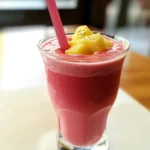
Summer in a Cup Smoothie recipe
Ingredients
- Frozen Mango Chunks: 1 cup (about 150g) – Provides a creamy texture and intense tropical sweetness. Mango is the backbone of that “sunshine” flavour. Ensure you’re using ripe mango that was frozen at its peak for the best taste.
- Frozen Pineapple Chunks: 1 cup (about 150g) – Adds a delightful tanginess and tropical punch that complements the mango perfectly. Pineapple also contains bromelain, an enzyme known for its digestive benefits.
- Frozen (or Fresh) Strawberries: ½ cup (about 75g), hulled – Lend a beautiful pinkish-red hue, classic berry sweetness, and a dose of Vitamin C. Frozen strawberries contribute to the thick texture; if using fresh, your smoothie might be slightly thinner (you can add a few ice cubes if desired). Raspberries or a mixed berry blend can also be substituted.
- Orange Juice: 1 cup (240 ml) – Acts as the primary liquid base, adding necessary hydration for blending and a bright, citrusy flavour that ties everything together. Choose 100% pure orange juice (no added sugar preferably). You can substitute with pineapple juice, mango nectar (which will be sweeter), coconut water for extra hydration, or even plain water if you prefer less sweetness.
- Banana (Optional, for creaminess): ½ medium banana, fresh or frozen – While not strictly necessary, adding half a banana lends extra creaminess, body, and a touch of natural sweetness. Frozen banana chunks work exceptionally well for an even thicker, colder smoothie. If you dislike banana, omit it or try adding ¼ avocado for healthy fats and creaminess.
- Greek Yogurt (Optional, for protein and tang): ¼ cup (about 60g) – Plain Greek yogurt adds a protein boost, making the smoothie more satisfying and satiating. It also contributes a pleasant tang that balances the fruit’s sweetness and enhances the creamy texture. Use plain, unsweetened yogurt (full-fat or low-fat). For a dairy-free/vegan version, use a plant-based yogurt alternative (coconut, almond, soy) or simply omit.
Optional Boosters (Customize Your Cup!):
- Chia Seeds or Flax Seeds: 1 tablespoon – Adds fibre, omega-3 fatty acids, and helps thicken the smoothie slightly.
- Hemp Seeds: 1 tablespoon – Provides plant-based protein and healthy fats.
- Spinach or Kale: 1 small handful – A great way to sneak in some greens! The fruit flavours usually mask the taste, though it will change the colour.
- Protein Powder: 1 scoop (Vanilla or Unflavored) – For an extra protein hit, perfect for a post-workout refreshment.
- Mint Leaves: A few fresh leaves for an extra burst of freshness.
- Lime Juice: A small squeeze (about 1 teaspoon) to brighten the flavours further.
Having your ingredients prepped, especially the frozen fruit, makes assembling this smoothie incredibly quick and easy.
Instructions
Step 1: Gather Your Tools and Ingredients
- Ensure you have a sturdy blender capable of handling frozen fruit.
- Measure out all your ingredients: frozen mango, frozen pineapple, strawberries (fresh or frozen), orange juice, and optional banana and Greek yogurt (plus any boosters you’re using).
Step 2: Load the Blender Correctly
- Liquids First: Pour the orange juice into the blender jar first. Having the liquid at the bottom helps the blades move freely initially and prevents the solid ingredients from getting stuck.
- Soft Ingredients & Powders: If using fresh strawberries, add them now. Also add the optional banana (fresh or frozen), Greek yogurt, and any boosters like seeds, protein powder, or spinach. Placing softer items closer to the blades helps create a vortex to pull down the harder ingredients.
- Frozen Fruit Last: Add the frozen mango chunks and frozen pineapple chunks (and frozen strawberries if using) on top. The weight of the frozen fruit helps push everything down towards the blades.
Step 3: Blend to Perfection
- Secure the Lid: Make sure the blender lid is securely fastened. Nobody wants a smoothie explosion!
- Start Low, Go High: Start blending on a low speed for about 10-15 seconds. This helps break up the larger chunks without putting too much strain on the motor.
- Increase Speed: Gradually increase the speed to high and blend continuously for 30-60 seconds, or until the smoothie is completely smooth, creamy, and lump-free. You should see a swirling vortex in the centre if things are blending well.
- Use the Tamper (If Needed): If your blender has a tamper tool and the ingredients get stuck or form an air pocket around the blades, use the tamper while the blender is running (only use the one designed for your blender model!) to push the ingredients down towards the blades.
- Check Consistency: Stop the blender and check the consistency.
- Too Thick? Add a small splash more orange juice or water and blend briefly.
- Too Thin? Add a few more pieces of frozen fruit (mango or pineapple work well) or a couple of ice cubes and blend again until smooth.
Step 4: Taste and Adjust (Optional)
- Give the smoothie a quick taste. While the natural sweetness from the ripe fruit is usually perfect, you can adjust if needed:
- Needs More Sweetness? Add a teaspoon of honey, maple syrup, or a pitted Medjool date and blend briefly.
- Needs More Tang? A small squeeze of fresh lime juice can brighten the flavours.
Step 5: Serve Immediately
- Pour the vibrant, thick smoothie into your favourite glass (or glasses).
- Serve immediately for the best taste, temperature, and texture. Smoothies tend to separate and lose their frosty chill if left sitting for too long.
Nutrition
- Serving Size: one normal portion
- Calories: 200-300