
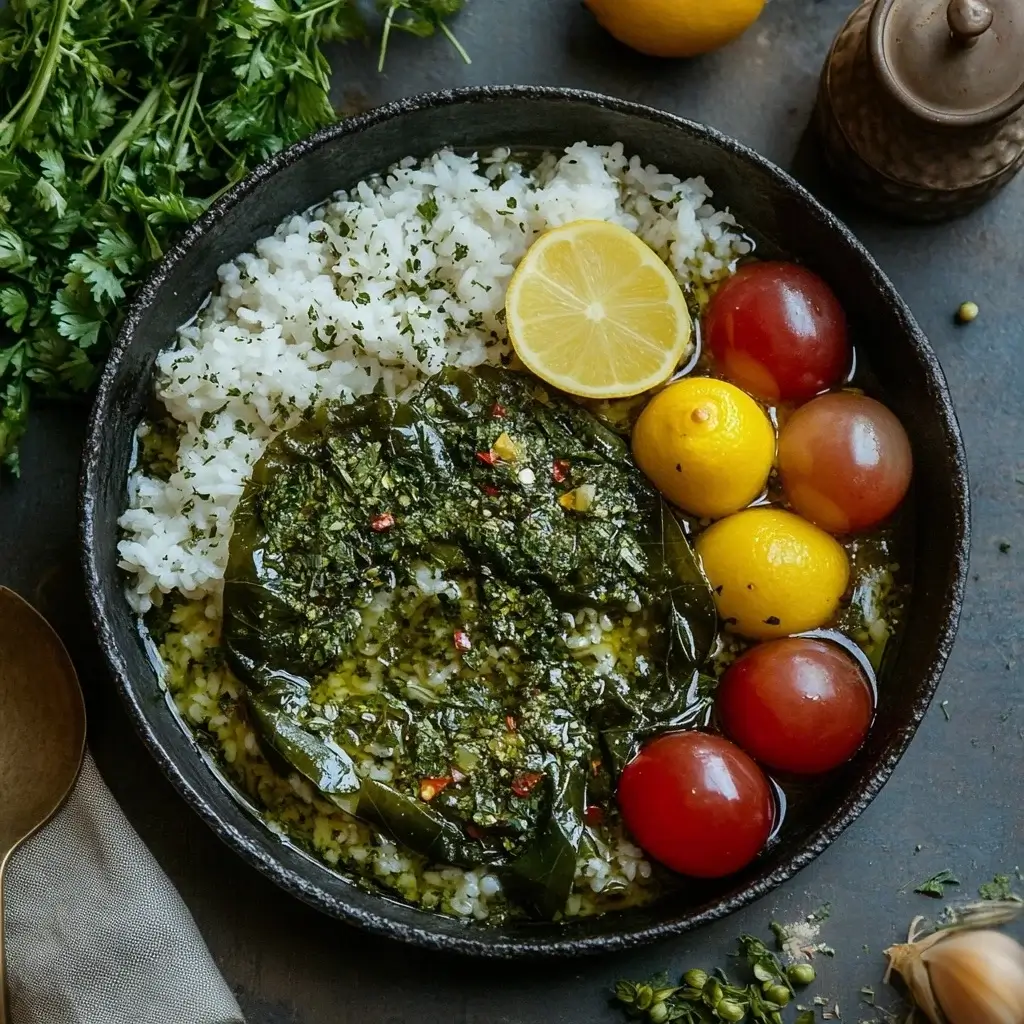

There’s something deeply comforting about preparing a dish that has been cherished across generations, cultures, and continents. Stuffed grape leaves, often known as dolmas, hold such a place in my heart and my family’s culinary traditions. Recently, I decided to make a batch of stuffed grape leaves with rice and herbs, a recipe that has been passed down in my family for decades. As the aroma of simmering grape leaves filled my kitchen, I was reminded of family gatherings where these little parcels of joy were always the highlight. My family absolutely adored them, and they quickly disappeared from the serving platter. The satisfaction of creating a dish that brings smiles to everyone’s faces is unparalleled, and I’m thrilled to share this recipe with you.
Ingredients
To make these delicious stuffed grape leaves, you’ll need the following ingredients:
- 1 jar (about 16 oz) of grape leaves, rinsed and drained
- 1 cup of uncooked white rice
- 1 onion, finely chopped
- 1/4 cup of fresh parsley, chopped
- 1/4 cup of fresh dill, chopped
- 1/4 cup of fresh mint, chopped
- Juice of 2 lemons
- 1/4 cup of olive oil
- Salt and pepper to taste
- 2 cups of water or vegetable broth
These ingredients come together to create a harmonious blend of flavors, with the herbs infusing the rice with a refreshing and earthy taste. The grape leaves add a pleasant tanginess and a slightly chewy texture that complements the rice filling perfectly.
Instructions
Follow these steps to prepare the stuffed grape leaves:
Step 1: Begin by preparing the rice filling. In a medium-sized bowl, combine the uncooked rice, chopped onion, parsley, dill, mint, half of the lemon juice, and half of the olive oil. Season the mixture with salt and pepper to taste. Mix everything together thoroughly, ensuring that the rice is well coated with the herbs and seasoning.
Step 2: Next, take a grape leaf and lay it flat on a clean surface with the veiny side facing up. Place a small spoonful of the rice mixture at the base of the leaf. Fold the bottom of the leaf over the filling, then fold in the sides, and roll it up tightly. Be careful not to overfill, as the rice will expand as it cooks. Repeat this process until all the rice mixture is used, arranging the stuffed leaves in a single layer in a large pot.
Step 3: Once all the grape leaves are rolled and placed in the pot, pour the remaining lemon juice and olive oil over them. Add the water or vegetable broth, ensuring that the grape leaves are submerged. Place a heatproof plate on top of the grape leaves to keep them from unraveling during cooking.
Step 4: Cover the pot with a lid and bring it to a boil over medium heat. Reduce the heat to low and let it simmer for about 40-50 minutes, or until the rice is fully cooked and tender. Check periodically to ensure there’s enough liquid, adding more water or broth if necessary.
Step 5: Once cooked, remove the pot from the heat and let it sit for about 15 minutes before serving. This resting period allows the flavors to meld together beautifully.
Nutrition Facts
This recipe serves approximately 6 people, with each serving containing about 200 calories. The nutritional value will vary slightly depending on the specific brands of ingredients used, but generally, stuffed grape leaves are a healthy choice, rich in fiber and antioxidants from the herbs and grape leaves.
Preparation Time
Preparing stuffed grape leaves requires some time and patience, but the results are well worth the effort. The entire process, from preparation to cooking, takes about 1 hour and 30 minutes. This includes approximately 30 minutes for preparing the rice filling and rolling the grape leaves, followed by 50 minutes of cooking time. The process can be expedited by enlisting family members to help with the rolling, making it a fun group activity.
How to Serve Stuffed Grape Leaves
Serving stuffed grape leaves, also known as dolmas, can elevate your dining experience, whether it’s a casual picnic, a festive gathering, or a formal dinner. Here’s a comprehensive guide on how to present these delicious treats in a way that highlights their flavors and enhances your meal.
Temperature and Presentation
Stuffed grape leaves can be enjoyed warm or at room temperature, making them versatile for various occasions. If you choose to serve them warm, gently reheat them in a covered dish in the oven at a low temperature, just until they are heated through. If you prefer to serve them at room temperature, allow them to sit out for about 30 minutes after cooking. This will help the flavors to meld beautifully.
When plating, arrange the stuffed grape leaves neatly on a serving platter. You can stack them in a circular pattern for a beautiful presentation or lay them out in a single layer. Consider using a decorative plate to enhance the visual appeal, as the vibrant green leaves and golden rice filling can create an attractive display.
Accompaniments
To complement the rich, savory flavors of the stuffed grape leaves, serving them with a side of yogurt or tzatziki sauce is highly recommended. The creamy texture and tangy taste of yogurt can provide a refreshing contrast to the dish. Tzatziki, made with yogurt, cucumber, garlic, and herbs, adds an extra layer of flavor, balancing the dish with its coolness and slight acidity.
For an added depth of flavor, consider drizzling some olive oil over the yogurt or tzatziki, and sprinkle with a pinch of paprika or sumac. This not only enhances the taste but also adds a touch of color to your presentation.
Ideal Settings
Stuffed grape leaves are particularly suited for picnics and outdoor gatherings due to their easy transportability. They are durable and can be safely packed in a cooler or insulated bag. Consider packing them in a single layer to avoid squishing, and surround them with ice packs to keep them fresh.
In outdoor settings, they can serve as a delightful appetizer to kick off a meal or as a side dish accompanying grilled meats or roasted vegetables. Their subtle flavors complement a variety of proteins, from grilled chicken and lamb to hearty roasted veggies, making them an excellent addition to any barbecue or potluck.
Pairing Suggestions
For a complete meal, pair stuffed grape leaves with grilled meats or seasonal roasted vegetables. The smoky flavors of grilled lamb or chicken skewers work particularly well, as do roasted bell peppers, zucchini, or eggplant, which can add a hearty, earthy balance to the meal.
For a more traditional Middle Eastern or Mediterranean feast, consider serving them alongside a mezze platter that includes items such as hummus, baba ganoush, olives, and pita bread. This creates a variety of flavors and textures that guests can enjoy.
Garnishing for Tradition
To add an authentic touch, garnish the stuffed grape leaves with extra lemon wedges and fresh mint leaves just before serving. The acidity of the lemon not only enhances the flavor of the grape leaves but also brightens the overall dish. Fresh mint leaves lend a fragrant aroma and a touch of color, making the presentation even more appealing.
You can also consider adding a sprinkle of chopped parsley or dill for additional freshness and flavor. These garnishes not only elevate the look of the dish but also invite your guests to enjoy the meal with the vibrant flavors that are characteristic of Mediterranean cuisine.
In summary, serving stuffed grape leaves is an opportunity to create an inviting and flavorful dining experience. By considering temperature, presentation, accompaniments, and garnishing options, you can enhance the enjoyment of this beloved dish and make it a memorable part of any meal.
Additional Tips for Perfect Stuffed Grape Leaves
Stuffed grape leaves, also known as dolmas or dolmades, are a delicious and versatile dish enjoyed in many cultures. To ensure your stuffed grape leaves are flavorful, well-textured, and visually appealing, here are some comprehensive tips that will help you achieve perfection every time:
Selecting Grape Leaves
When it comes to grape leaves, the quality of your ingredients can significantly influence the final result. If possible, opt for fresh grape leaves sourced from a local market or farmer’s market. Fresh leaves are typically more tender and flavorful than their jarred counterparts. Look for leaves that are vibrant green, free from blemishes, and have a velvety texture.
If fresh leaves are unavailable, jarred grape leaves are a convenient alternative. However, they often come packed in brine, which can impart a salty flavor. To mitigate this, rinse the jarred leaves thoroughly under cold water before use. This helps remove excess salt and brine, ensuring your stuffed grape leaves are not overly salty. Additionally, consider soaking the leaves in fresh water for 30 minutes to further reduce the brine flavor.
Rice Selection
The type of rice you use can greatly affect the texture and cohesiveness of your filling. For the best results, choose a short-grain or medium-grain rice, such as Arborio or Jasmine. These varieties have a higher starch content, resulting in a stickier texture that helps bind the filling together. This is especially important because the rice will expand as it cooks, absorbing flavors from the filling and the grape leaves themselves.
If you want a more robust texture, consider parboiling the rice before mixing it with other ingredients. This can also help reduce the cooking time later on. Just be cautious not to overcook the rice at this stage; it should still have a slight bite since it will continue cooking during the steaming process.
Rolling Technique
Rolling stuffed grape leaves can be a bit tricky at first, but practice makes perfect. Here are some detailed steps to guide you through the process:
- Prep the Leaf: Lay a grape leaf on a clean surface, vein side up. If the stem is thick, trim it to make rolling easier.
- Add Filling: Place a small amount of filling (about 1 tablespoon) near the stem end of the leaf. Be careful not to overfill, as this can make rolling difficult.
- Fold and Roll: Fold the sides of the leaf over the filling, then start rolling from the stem end towards the tip. Roll tightly but gently to avoid tearing the leaf. The goal is to create a neat package that holds its shape but isn’t overly tight, allowing space for the rice to expand.
- Secure the Roll: If desired, you can place a small piece of a grape leaf on top of the roll to help seal it. Alternatively, use toothpicks to secure any loose edges.
As you gain confidence, experiment with the amount of filling and the tightness of your rolls. The more you practice, the more efficient you will become.
Flavor Variations
One of the joys of making stuffed grape leaves is the opportunity to customize the flavors to suit your taste. Here are some ideas to enhance your filling:
- Herbs: Fresh herbs can elevate the flavor profile significantly. Consider adding chopped dill, parsley, mint, or even cilantro. Each herb brings its unique aroma and taste; don’t hesitate to experiment with combinations.
- Nuts and Dried Fruits: For a richer texture and taste, incorporate ingredients like pine nuts or walnuts. Toasting the nuts beforehand can amplify their flavor. Additionally, adding currants or raisins lends a subtle sweetness that beautifully contrasts the savory elements of the filling.
- Spices: Enhance the complexity of your dish by including spices such as cinnamon, allspice, or nutmeg. A pinch of these spices can add warmth and depth to your filling.
- Acidity: A splash of lemon juice or a dash of pomegranate molasses can brighten up the flavors. Consider adding these to your filling or drizzling them on top just before serving.
Make Ahead
If you’re looking to save time or simply want to enhance the flavors of your stuffed grape leaves, consider preparing them a day in advance. The resting period allows the flavors to meld beautifully, resulting in a more harmonious dish.
To make ahead:
- Assemble: Prepare the grape leaves with the filling as described.
- Store: Place the rolled grape leaves in a tightly sealed container or wrap them in plastic wrap and refrigerate.
- Reheat: When you’re ready to serve, gently reheat them in a steamer or in a pot with a little water. Be cautious not to overcook them, as they may become mushy.
By following these tips, you’ll not only improve your technique but also create a dish that’s bursting with flavor and texture. Enjoy the process, and share your delicious stuffed grape leaves with family and friends!
FAQ Section
Q1: Can I use brown rice instead of white rice?
A1: Yes, you can use brown rice, but keep in mind that it takes longer to cook. You may need to adjust the cooking time and liquid accordingly.
Q2: Are stuffed grape leaves served hot or cold?
A2: Stuffed grape leaves can be served either warm or at room temperature. Some people also enjoy them chilled, especially during hot weather.
Q3: Can I freeze stuffed grape leaves?
A3: Yes, you can freeze them. Allow them to cool completely, then place them in an airtight container or freezer bag. They can be stored in the freezer for up to three months.
Q4: What can I do with leftover grape leaves?
A4: Leftover grape leaves can be used to make more stuffed grape leaves, or you can chop them and add them to salads, stews, or soups for extra flavor.
Q5: How do I prevent the grape leaves from unrolling during cooking?
A5: Ensure the grape leaves are rolled tightly and place a heatproof plate on top of them in the pot. This will help keep them in place while they cook.