
There’s a certain kind of magic reserved for a truly great weeknight dinner. It’s the kind of meal that feels like a warm, comforting hug after a long day, yet doesn’t require hours of slaving over a hot stove. It has to be flavorful, satisfying, and something the whole family will actually eat without complaint. For years, I was on a quest for this holy grail of recipes. My culinary graveyard is filled with dishes that were too complicated, too bland, or simply failed to impress my household’s discerning panel of critics (namely, my husband and two children). Then, one chilly Tuesday evening, armed with a package of ground turkey and a desire for something with a little bit of a kick, this Spicy Turkey Pasta was born.
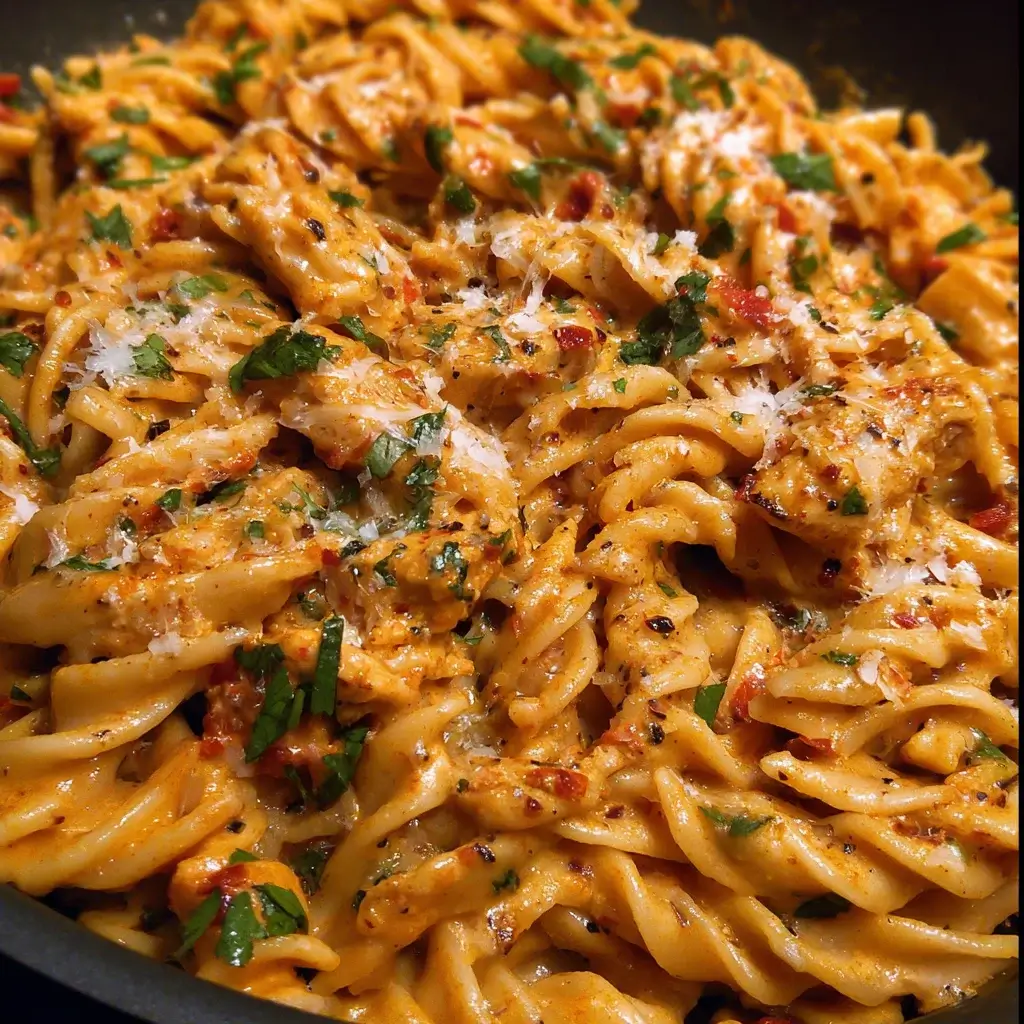
I remember that first time vividly. I was tired of the usual spaghetti and meatballs and wanted a healthier, leaner alternative that didn’t sacrifice flavor. I started by browning the turkey, letting the kitchen fill with that savory aroma. I sautéed onions and garlic, the foundational scent of any good comfort food. But the real game-changer was the spice. I added a generous pinch of red pepper flakes, watching them sizzle in the olive oil, blooming and releasing their fiery potential. As the rich tomato sauce simmered, bubbling with fragrant oregano and basil, I had a feeling this was going to be something special. The final step—tossing the perfectly al dente pasta into that glorious, spicy sauce, watching it cling to every nook and cranny—was pure satisfaction.
The true test, as always, was the dinner table. There was a moment of silence, followed by the symphony of clinking forks and happy murmurs. My husband, a man who typically favors rich, beefy sauces, looked up with a surprised grin and declared it “a keeper.” My kids, who often turn their noses up at anything unfamiliar, were too busy slurping up spicy noodles to protest. It was a resounding victory. Since that day, this Spicy Turkey Pasta has become a cornerstone of our meal rotation. It’s our go-to dish when we need something quick, our comforting meal when the weather turns cool, and our secret weapon for a healthy dinner that feels wonderfully indulgent. It’s proof that simple ingredients, a little bit of spice, and a whole lot of love can create a meal that truly feels like home.
Complete with the ingredients amount
This recipe is designed for maximum flavor with minimal fuss. It relies on pantry staples and fresh ingredients to create a robust and satisfying sauce that perfectly coats your favorite pasta. The key is in the layering of flavors, from the savory turkey to the aromatic vegetables and the warm hum of spice. This recipe generously serves 4 to 6 people.
For the Core Components:
- Pasta: 1 pound (16 ounces or 450g). A sturdy pasta shape with ridges or hollows is ideal for catching the hearty sauce. Rigatoni, penne, ziti, or cavatappi are all excellent choices.
- Ground Turkey: 1 pound (16 ounces or 450g). For the best flavor and texture, opt for 93/7 ground turkey. It has enough fat to stay moist and flavorful without being greasy. Leaner ground turkey (99/1) can also be used, but you may need to add a touch more olive oil.
- Extra Virgin Olive Oil: 2 tablespoons. Used for browning the turkey and sautéing the aromatics.
For the Aromatic Base:
- Yellow Onion: 1 large, finely chopped. A large onion provides a crucial layer of sweet and savory depth to the sauce.
- Garlic: 4 to 6 cloves, minced. Don’t be shy with the garlic! It’s a key component of the sauce’s flavor. Adjust the amount based on your personal preference.
For the Rich and Spicy Tomato Sauce:
- Crushed Tomatoes: 1 large can (28 ounces or 794g). Crushed tomatoes provide the perfect texture for a hearty pasta sauce—not too chunky, not too smooth. Fire-roasted crushed tomatoes are a fantastic option for an added layer of smoky depth.
- Tomato Paste: 2 tablespoons. This concentrated tomato product is a secret weapon for creating a sauce with a deep, rich, and complex tomato flavor.
- Red Pepper Flakes: 1 teaspoon. This is where the “spicy” comes in. One teaspoon provides a pleasant, medium level of heat. Feel free to adjust this to your taste: use ½ teaspoon for a mild warmth or up to 2 teaspoons if you love a fiery kick.
- Dried Oregano: 1 ½ teaspoons. A classic Italian herb that pairs beautifully with tomato sauce.
- Smoked Paprika (optional): ½ teaspoon. While optional, smoked paprika adds a wonderful, subtle smokiness that complements the spice and turkey.
- Low-Sodium Chicken or Vegetable Broth: ½ cup. Used to deglaze the pan and add another layer of flavor to the sauce. Reserved pasta water can also be used here.
- Salt: 1 teaspoon, plus more for the pasta water.
- Black Pepper: ½ teaspoon, freshly ground.
For Finishing and Garnish:
- Heavy Cream or Mascarpone Cheese (optional): ¼ cup. For a richer, creamier sauce, a splash of heavy cream or a dollop of mascarpone cheese stirred in at the end is pure luxury.
- Freshly Grated Parmesan Cheese: ½ cup for stirring into the pasta, plus more for serving. For the best flavor and melting quality, always grate your own from a block.
- Fresh Basil or Parsley: ¼ cup, freshly chopped. The fresh, bright flavor of herbs cuts through the richness of the sauce and adds a beautiful touch of color.
Instructions
The beauty of this dish lies in its straightforward process. By following these steps, you’ll build layers of flavor that result in a cohesive and incredibly delicious pasta dinner. Remember to read through all the steps before you begin.
Step 1: Cook the Pasta to Al Dente
Bring a large pot of water to a rolling boil. Once boiling, generously salt the water—it should taste like the sea. This is your only opportunity to season the pasta itself. Add the 1 pound of pasta to the boiling water and cook according to the package directions for al dente. “Al dente” means “to the tooth” in Italian; the pasta should be cooked through but still have a firm, pleasant bite in the center. It will continue to cook slightly when you toss it with the hot sauce.
Before draining the pasta, carefully reserve at least 1 ½ cups of the starchy pasta water. This water is liquid gold and is the key to creating a perfectly emulsified, glossy sauce that clings to every piece of pasta. Drain the cooked pasta in a colander and set it aside. Do not rinse the pasta.
Step 2: Brown the Turkey and Sauté the Aromatics
While the pasta is cooking, place a large, heavy-bottomed pot or Dutch oven over medium-high heat. Add the 2 tablespoons of olive oil. Once the oil is shimmering, add the 1 pound of ground turkey to the pot. Use a wooden spoon or spatula to break the turkey into smaller pieces. Season it with ½ teaspoon of salt and ¼ teaspoon of black pepper.
Cook the turkey, stirring occasionally, until it is browned and cooked through, about 7-10 minutes. It’s important to get a good brown sear on the turkey, as this develops a deep, savory flavor—this process is called the Maillard reaction. Once cooked, do not drain the fat unless there is an excessive amount. The rendered fat carries a lot of flavor that will enrich the sauce.
Reduce the heat to medium and add the chopped yellow onion to the pot with the cooked turkey. Sauté, stirring frequently, for about 5-7 minutes, until the onion has softened and become translucent. Add the minced garlic and cook for another minute until fragrant. Be careful not to burn the garlic, as it can become bitter.
Step 3: Build the Spicy Sauce
To the pot with the turkey and aromatics, add the 2 tablespoons of tomato paste. Stir constantly and cook for about 2 minutes. This step toasts the tomato paste, which caramelizes its sugars and deepens its flavor, removing any raw or tinny taste.
Next, sprinkle in the spices: the 1 ½ teaspoons of dried oregano, 1 teaspoon of red pepper flakes, ½ teaspoon of smoked paprika (if using), the remaining ½ teaspoon of salt, and ¼ teaspoon of black pepper. Stir continuously for about 30 seconds until the spices are fragrant. This process, known as “blooming,” wakes up the essential oils in the dried spices and infuses the entire dish with their flavor.
Pour in the ½ cup of chicken broth to deglaze the pan, using your spoon to scrape up any browned bits (fond) from the bottom of the pot. These bits are packed with concentrated flavor. Add the 28-ounce can of crushed tomatoes to the pot and stir everything together until well combined.
Bring the sauce to a gentle simmer. Once simmering, reduce the heat to low, cover the pot, and let the sauce cook for at least 15 minutes to allow the flavors to meld and develop. A longer simmer, up to 30 minutes, will result in an even richer and more flavorful sauce.
Step 4: Combine, Finish, and Serve
After the sauce has simmered, turn off the heat. If you are aiming for a creamier sauce, this is the moment to stir in the ¼ cup of heavy cream or mascarpone cheese until it is fully incorporated.
Add the drained, cooked pasta directly to the pot with the sauce. Add ½ cup of the reserved starchy pasta water and the ½ cup of freshly grated Parmesan cheese. Using tongs or a large spoon, toss everything together vigorously until the pasta is evenly coated in the sauce. The starchy pasta water will help the sauce cling to the pasta, creating a luscious, perfectly emulsified consistency. If the sauce seems too thick, add another splash of the reserved pasta water, a tablespoon at a time, until it reaches your desired consistency.
Stir in the ¼ cup of chopped fresh basil or parsley. Taste the pasta and adjust the seasoning if necessary, adding more salt, pepper, or red pepper flakes to your liking. Serve immediately in warm bowls, garnished with a generous amount of additional freshly grated Parmesan cheese and a sprinkle of fresh herbs.
Nutrition Facts (Servings and calories per serving)
The nutritional information provided here is an estimate and can vary based on the specific ingredients used, such as the fat percentage of the turkey, the type of pasta, and optional additions like cream. This recipe is designed to be a balanced meal, offering a good source of protein and carbohydrates.
- Servings: This recipe yields approximately 6 servings.
- Calories per serving: Approximately 550-650 calories. This estimate is for a version made with 93/7 ground turkey and without the optional heavy cream. Adding cream or using a fattier meat will increase the calorie count.
This dish is rich in protein from the ground turkey, which is essential for muscle maintenance and satiety. The carbohydrates from the pasta provide energy. By using lean ground turkey and loading the sauce with vegetables and spices, you are creating a more nutrient-dense meal compared to traditional beef-based pasta dishes.
Preparation time
This dish is a weeknight champion, designed to come together quickly without sacrificing deep, simmered flavor.
- Preparation Time: 10-15 minutes. This includes the time needed to chop the onion and garlic and measure out your ingredients.
- Cook Time: 30-35 minutes. This covers the time it takes to boil the pasta and simultaneously prepare the sauce.
- Total Time: Approximately 40 to 50 minutes. From start to finish, you can have a hot, delicious, and satisfying pasta dinner on the table in under an hour.
How to Serve
This Spicy Turkey Pasta is a hearty, all-in-one meal, but serving it with a few simple accompaniments can elevate it into a full-fledged feast.
- Garnishes are Key: Don’t underestimate the power of a good garnish. It adds the finishing touch of flavor, texture, and visual appeal.
- Cheese: A blizzard of freshly grated Parmesan or Pecorino Romano is non-negotiable. Its salty, nutty flavor is the perfect counterpoint to the spicy sauce.
- Herbs: A sprinkle of chopped fresh basil or flat-leaf parsley adds a burst of freshness and color.
- Spice: For the heat lovers, offer extra red pepper flakes at the table.
- Olive Oil: A final, light drizzle of a high-quality, extra-virgin olive oil over each bowl adds a fruity, peppery note.
- Simple Side Dishes:
- Salad: A crisp green salad with a simple lemon vinaigrette or a classic Caesar salad provides a fresh, acidic contrast that cuts through the richness of the pasta.
- Garlic Bread: A classic and beloved pairing. Perfect for sopping up every last bit of the delicious, spicy sauce from the bottom of the bowl.
- Roasted Vegetables: A side of simple roasted broccoli, broccolini, or zucchini tossed with olive oil, salt, and pepper complements the meal beautifully.
- Wine Pairing Suggestions:
- Red Wine: A medium-bodied Italian red like a Chianti or Montepulciano d’Abruzzo works beautifully. A fruit-forward Zinfandel can also stand up to the spice.
- White Wine: If you prefer white, look for a crisp, dry option like a Pinot Grigio or Sauvignon Blanc. A dry Rosé is also an excellent choice, as its acidity and fruit notes can cool the palate.
Additional tips (5 tips)
These five expert tips will help you perfect this recipe and adapt it to your own tastes, ensuring delicious results every time.
- The Magic of Starchy Pasta Water: Never, ever throw away all of your pasta water. That cloudy liquid is full of starch that has leached out of the pasta as it cooked. When you add this starchy water to your sauce, the starch acts as an emulsifier and a thickener. It helps the oil-based components of the sauce bind with the water-based components, creating a smooth, creamy, non-greasy sauce that beautifully coats and clings to every single piece of pasta instead of pooling at the bottom of your bowl.
- Bloom Your Spices for Maximum Flavor: Don’t just dump your dried spices into the wet sauce. The best way to coax out their full flavor potential is to “bloom” them. This means adding them to the hot pot with the cooked aromatics and a bit of fat (the rendered turkey fat and olive oil) and stirring them for about 30 seconds before adding your liquid ingredients. This brief toasting process wakes up the dormant essential oils in the spices, making them significantly more fragrant and potent.
- Brown the Turkey, Don’t Steam It: To get the most savory flavor from your ground turkey, you need to achieve a proper brown sear. This requires two things: a hot pan and not overcrowding it. Make sure your pot is sufficiently hot before adding the turkey. Once it’s in the pot, break it up but then let it sit for a few minutes without stirring to allow it to develop a brown crust on the bottom before you continue to break it apart. This browning (the Maillard reaction) creates layers of complex flavor that you can’t get from simply steaming the meat.
- You Control the Heat: “Spicy” is a subjective term. The amount of red pepper flakes in this recipe creates a pleasant, medium warmth that most people will enjoy. However, you are the master of your spice level. If you are sensitive to heat or cooking for children, start with just ¼ or ½ teaspoon. You can always add more at the end or serve extra flakes at the table. If you’re a true spice aficionado, feel free to increase the amount or even add a pinch of cayenne pepper for a different kind of heat.
- Unlock Creaminess with a Secret Ingredient: The base recipe creates a delicious, rustic tomato sauce. However, if you’re craving a richer, more luxurious texture, it’s incredibly easy to transform it into a creamy rosé-style sauce. At the very end of cooking, after you’ve turned off the heat, stir in ¼ cup of heavy cream, mascarpone cheese, or even full-fat cream cheese. The dairy will temper the acidity of the tomatoes and the heat of the peppers, resulting in a silky, velvety sauce that feels incredibly indulgent.
FAQ section (5 Q/A)
Here are answers to some of the most frequently asked questions about making this versatile Spicy Turkey Pasta.
Q1: Can I use a different type of ground meat, like chicken or beef?
A1: Absolutely! This recipe is a fantastic template for other ground meats. Ground chicken is a seamless substitute for turkey. If you use ground beef (like an 85/15 ground chuck), the flavor will be richer and beefier. You may want to drain off some of the excess grease after browning the beef before you proceed with adding the onions and garlic. Italian sausage (either sweet or spicy, with the casings removed) is another phenomenal option that adds a ton of extra flavor from its own seasonings.
Q2: How should I store and reheat leftovers for the best results?
A2: Leftovers can be stored in an airtight container in the refrigerator for up to 4 days. The flavors will actually meld and become even more delicious the next day. The best way to reheat this pasta is in a saucepan on the stovetop over medium-low heat. Add a splash of water or chicken broth to the pan to loosen up the sauce and prevent it from drying out as it warms. While you can use a microwave, reheating on the stove helps the sauce return to its original consistency much better.
Q3: Can I make this recipe gluten-free?
A3: Yes, making this dish gluten-free is very simple. The sauce itself is naturally gluten-free. The only substitution you need to make is to use your favorite brand of gluten-free pasta. Cook the gluten-free pasta according to its specific package directions, as cooking times and textures can vary widely between brands. Be sure to still reserve some of the starchy pasta water to help finish the sauce.
Q4: Can I add more vegetables to this dish to make it healthier?
A4: Definitely! This is a great recipe for incorporating more vegetables. Hearty greens like fresh spinach or kale can be wilted directly into the sauce during the last few minutes of simmering. You can also sauté other vegetables along with the onion and garlic. Chopped mushrooms, diced zucchini, or chopped bell peppers (in addition to the onion) are all excellent choices. Sauté them until they are soft and have released their excess moisture before proceeding with the sauce.
Q5: Can I freeze this Spicy Turkey Pasta?
A5: You can, but with a slight modification for the best texture. Pasta that has been cooked, sauced, and then frozen can sometimes become mushy upon reheating. For the best results, make the sauce completely and freeze just the sauce on its own. The sauce will keep beautifully in an airtight container in the freezer for up to 3 months. When you’re ready to eat, simply thaw the sauce in the refrigerator overnight, reheat it on the stovetop, and cook a fresh batch of pasta to toss with it. It’s a fantastic way to have a homemade dinner ready to go with minimal effort.
Print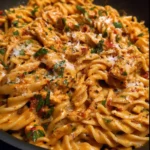
Spicy Turkey Pasta recipe
Ingredients
For the Core Components:
-
Pasta: 1 pound (16 ounces or 450g). A sturdy pasta shape with ridges or hollows is ideal for catching the hearty sauce. Rigatoni, penne, ziti, or cavatappi are all excellent choices.
-
Ground Turkey: 1 pound (16 ounces or 450g). For the best flavor and texture, opt for 93/7 ground turkey. It has enough fat to stay moist and flavorful without being greasy. Leaner ground turkey (99/1) can also be used, but you may need to add a touch more olive oil.
-
Extra Virgin Olive Oil: 2 tablespoons. Used for browning the turkey and sautéing the aromatics.
For the Aromatic Base:
-
Yellow Onion: 1 large, finely chopped. A large onion provides a crucial layer of sweet and savory depth to the sauce.
-
Garlic: 4 to 6 cloves, minced. Don’t be shy with the garlic! It’s a key component of the sauce’s flavor. Adjust the amount based on your personal preference.
For the Rich and Spicy Tomato Sauce:
-
Crushed Tomatoes: 1 large can (28 ounces or 794g). Crushed tomatoes provide the perfect texture for a hearty pasta sauce—not too chunky, not too smooth. Fire-roasted crushed tomatoes are a fantastic option for an added layer of smoky depth.
-
Tomato Paste: 2 tablespoons. This concentrated tomato product is a secret weapon for creating a sauce with a deep, rich, and complex tomato flavor.
-
Red Pepper Flakes: 1 teaspoon. This is where the “spicy” comes in. One teaspoon provides a pleasant, medium level of heat. Feel free to adjust this to your taste: use ½ teaspoon for a mild warmth or up to 2 teaspoons if you love a fiery kick.
-
Dried Oregano: 1 ½ teaspoons. A classic Italian herb that pairs beautifully with tomato sauce.
-
Smoked Paprika (optional): ½ teaspoon. While optional, smoked paprika adds a wonderful, subtle smokiness that complements the spice and turkey.
-
Low-Sodium Chicken or Vegetable Broth: ½ cup. Used to deglaze the pan and add another layer of flavor to the sauce. Reserved pasta water can also be used here.
-
Salt: 1 teaspoon, plus more for the pasta water.
-
Black Pepper: ½ teaspoon, freshly ground.
For Finishing and Garnish:
-
Heavy Cream or Mascarpone Cheese (optional): ¼ cup. For a richer, creamier sauce, a splash of heavy cream or a dollop of mascarpone cheese stirred in at the end is pure luxury.
-
Freshly Grated Parmesan Cheese: ½ cup for stirring into the pasta, plus more for serving. For the best flavor and melting quality, always grate your own from a block.
-
Fresh Basil or Parsley: ¼ cup, freshly chopped. The fresh, bright flavor of herbs cuts through the richness of the sauce and adds a beautiful touch of color.
Instructions
Bring a large pot of water to a rolling boil. Once boiling, generously salt the water—it should taste like the sea. This is your only opportunity to season the pasta itself. Add the 1 pound of pasta to the boiling water and cook according to the package directions for al dente. “Al dente” means “to the tooth” in Italian; the pasta should be cooked through but still have a firm, pleasant bite in the center. It will continue to cook slightly when you toss it with the hot sauce.
Before draining the pasta, carefully reserve at least 1 ½ cups of the starchy pasta water. This water is liquid gold and is the key to creating a perfectly emulsified, glossy sauce that clings to every piece of pasta. Drain the cooked pasta in a colander and set it aside. Do not rinse the pasta.
While the pasta is cooking, place a large, heavy-bottomed pot or Dutch oven over medium-high heat. Add the 2 tablespoons of olive oil. Once the oil is shimmering, add the 1 pound of ground turkey to the pot. Use a wooden spoon or spatula to break the turkey into smaller pieces. Season it with ½ teaspoon of salt and ¼ teaspoon of black pepper.
Cook the turkey, stirring occasionally, until it is browned and cooked through, about 7-10 minutes. It’s important to get a good brown sear on the turkey, as this develops a deep, savory flavor—this process is called the Maillard reaction. Once cooked, do not drain the fat unless there is an excessive amount. The rendered fat carries a lot of flavor that will enrich the sauce.
Reduce the heat to medium and add the chopped yellow onion to the pot with the cooked turkey. Sauté, stirring frequently, for about 5-7 minutes, until the onion has softened and become translucent. Add the minced garlic and cook for another minute until fragrant. Be careful not to burn the garlic, as it can become bitter.
To the pot with the turkey and aromatics, add the 2 tablespoons of tomato paste. Stir constantly and cook for about 2 minutes. This step toasts the tomato paste, which caramelizes its sugars and deepens its flavor, removing any raw or tinny taste.
Next, sprinkle in the spices: the 1 ½ teaspoons of dried oregano, 1 teaspoon of red pepper flakes, ½ teaspoon of smoked paprika (if using), the remaining ½ teaspoon of salt, and ¼ teaspoon of black pepper. Stir continuously for about 30 seconds until the spices are fragrant. This process, known as “blooming,” wakes up the essential oils in the dried spices and infuses the entire dish with their flavor.
Pour in the ½ cup of chicken broth to deglaze the pan, using your spoon to scrape up any browned bits (fond) from the bottom of the pot. These bits are packed with concentrated flavor. Add the 28-ounce can of crushed tomatoes to the pot and stir everything together until well combined.
Bring the sauce to a gentle simmer. Once simmering, reduce the heat to low, cover the pot, and let the sauce cook for at least 15 minutes to allow the flavors to meld and develop. A longer simmer, up to 30 minutes, will result in an even richer and more flavorful sauce.
After the sauce has simmered, turn off the heat. If you are aiming for a creamier sauce, this is the moment to stir in the ¼ cup of heavy cream or mascarpone cheese until it is fully incorporated.
Add the drained, cooked pasta directly to the pot with the sauce. Add ½ cup of the reserved starchy pasta water and the ½ cup of freshly grated Parmesan cheese. Using tongs or a large spoon, toss everything together vigorously until the pasta is evenly coated in the sauce. The starchy pasta water will help the sauce cling to the pasta, creating a luscious, perfectly emulsified consistency. If the sauce seems too thick, add another splash of the reserved pasta water, a tablespoon at a time, until it reaches your desired consistency.
Stir in the ¼ cup of chopped fresh basil or parsley. Taste the pasta and adjust the seasoning if necessary, adding more salt, pepper, or red pepper flakes to your liking. Serve immediately in warm bowls, garnished with a generous amount of additional freshly grated Parmesan cheese and a sprinkle of fresh herbs.
Nutrition
- Serving Size: one normal portion
- Calories: 550-650