


There are certain meals that feel like an event, a celebration in a bowl. For me, this Spicy Seafood Cioppino is at the top of that list. I first made it for a special anniversary dinner, wanting to create something that felt both rustic and luxurious, a dish that would transport us to a windswept coastal bistro. As I began layering the flavors—the sweet fennel and onions, the rich tomato, the fragrant garlic, the subtle hum of saffron, and the assertive kick of red pepper—the kitchen filled with an aroma so complex and intoxicating it felt like a promise of the feast to come. The moment of truth, ladling the vibrant, steaming red broth brimming with a treasure trove of seafood into our bowls, was pure magic. Each spoonful was a new discovery: a tender piece of cod, a plump shrimp, a sweet scallop, a briny mussel, all bathed in that fiery, soul-warming broth. We tore off huge chunks of crusty sourdough to soak up every last drop, and in that moment, I knew this wasn’t just a recipe; it was a memory in the making. It has since become our go-to for celebrations, big and small, a delicious and dramatic reminder that sometimes the best feasts are the ones you create right in your own kitchen.
A Fiery Feast from the Sea: The Ultimate Spicy Cioppino Recipe
Cioppino is an Italian-American masterpiece, a seafood stew that originated with the fishermen of San Francisco. It’s a beautiful, communal dish designed to use the “catch of the day.” This version honors that tradition while turning up the heat, creating a spicy, robust broth that perfectly complements the natural sweetness of fresh seafood. It’s a stunning one-pot wonder that is surprisingly straightforward to make and guaranteed to impress.
The Treasure Trove of Ingredients
The beauty of Cioppino lies in its flexibility, but a thoughtful combination of aromatics, high-quality broth, and a diverse seafood selection is what elevates it from a simple stew to an unforgettable meal.
- For the Aromatic Base (The Soffritto):
- Olive Oil: ¼ cup, extra virgin.
- Yellow Onion: 1 large, finely chopped.
- Fennel Bulb: 1 large, trimmed and finely chopped (fronds reserved for garnish).
- Celery: 2 ribs, finely chopped.
- Garlic: 6-8 cloves, thinly sliced.
- Salt: 1 teaspoon kosher salt.
- For the Spicy Tomato Broth:
- Red Pepper Flakes: 1 to 2 teaspoons (use 1 for a medium kick, 2 for a fiery stew).
- Dried Oregano: 2 teaspoons.
- Saffron Threads: A generous pinch (about ¼ teaspoon).
- Dry White Wine: 1 cup, such as Sauvignon Blanc or Pinot Grigio.
- Crushed Tomatoes: 1 (28-ounce / 800g) can of high-quality crushed tomatoes (San Marzano recommended).
- Clam Juice or Fish Stock: 4 cups (about 1 liter).
- Bay Leaves: 2 whole leaves.
- For the Seafood Medley (about 3.5 – 4 lbs total):
- Clams: 1 lb (about 450g) of littleneck or Manila clams, scrubbed well.
- Mussels: 1 lb (about 450g) of PEI mussels, scrubbed and debearded.
- Firm White Fish: 1 lb (about 450g) of a firm fish like cod, halibut, or snapper, cut into 1.5-inch chunks.
- Large Shrimp: 1 lb (about 450g) of large shrimp, peeled and deveined (tail-on or off is your preference).
- Sea Scallops: ½ lb (about 225g) of large sea scallops, side muscle removed (optional, for extra luxury).
- For Garnish and Serving:
- Fresh Parsley: ½ cup, freshly chopped.
- Crusty Bread: 1 large loaf of sourdough or ciabatta, for serving.
A Closer Look at the Key Ingredients
- The Seafood: The golden rule of Cioppino is to use the freshest seafood you can find. A mix of shellfish and firm fish creates a wonderful variety of textures and flavors. Talk to your fishmonger about what looks best. Firm white fish like cod, halibut, sea bass, or snapper are ideal because they hold their shape in the stew without falling apart.
- The Fennel: Do not skip the fennel! It is the secret weapon in a truly great Cioppino. When cooked, its anise flavor mellows into a subtle, savory sweetness that beautifully complements both the tomato and the seafood. It provides a layer of complexity that sets this stew apart.
- The Broth Base: Using a combination of clam juice and fish stock (or all of one) creates a deeply oceanic foundation for the stew. This, combined with the high-quality crushed tomatoes (San Marzano tomatoes are less acidic and have a richer flavor), builds a broth worthy of the premium seafood.
- The Spice: The heat comes from red pepper flakes. This recipe provides a range so you can tailor it to your preference. Start with the lower amount if you’re unsure; you can always add more at the end or pass extra flakes at the table.
Step-by-Step Instructions to a Perfect Cioppino
This recipe is all about building layers of flavor in a single pot. A large Dutch oven or heavy-bottomed stockpot is the perfect vessel for the job.
Step 1: Build the Aromatic Foundation
In your large Dutch oven, heat the ¼ cup of olive oil over medium heat. Add the chopped onion, fennel, celery, and 1 teaspoon of kosher salt. Sauté, stirring occasionally, for 10-12 minutes, until the vegetables are very soft and the onion is translucent. This slow cooking process builds a sweet, flavorful base. Add the sliced garlic and cook for another 2 minutes until fragrant, being careful not to let it brown.
Step 2: Bloom the Spices
Stir in the red pepper flakes and dried oregano. Cook for 1 minute, stirring constantly, until the spices are fragrant. This step, known as blooming, awakens the essential oils in the spices and deepens their flavor.
Step 3: Deglaze and Build the Broth
Pour in the 1 cup of white wine to deglaze the pot. Use a wooden spoon to scrape up any browned bits (the fond) from the bottom of the pot—this is concentrated flavor. Let the wine bubble and cook until it has reduced by about half, about 3-4 minutes. Stir in the pinch of saffron threads. Add the can of crushed tomatoes, the 4 cups of clam juice or fish stock, and the 2 bay leaves.
Step 4: Simmer the Broth
Bring the broth to a boil, then reduce the heat to low, cover the pot, and let it simmer gently for at least 30 minutes, or up to 1 hour. This simmering time is crucial for allowing the flavors to meld and develop into a rich, cohesive sauce. The longer it simmers, the deeper the flavor will be.
Step 5: Cook the Seafood in Stages
This is the most important part of the cooking process to ensure no seafood is overcooked. You will add the seafood in stages, based on how long each type takes to cook. Turn the heat up to medium to bring the broth to a steady, gentle simmer.
- First, the Bivalves: Add the scrubbed clams to the pot. Cover and cook for 5 minutes.
- Next, the Fish and Mussels: Add the mussels and the chunks of firm white fish, gently nestling them into the broth. Cover and cook for another 3-4 minutes, until the clams and mussels have started to open and the fish is becoming opaque.
- Finally, the Shrimp and Scallops: Add the shrimp and the scallops. Stir gently to submerge them in the hot broth. Cook for another 2-3 minutes, just until the shrimp are pink and curled and the scallops are opaque and firm. Be very careful not to overcook this final stage.
Step 6: The Final Touches
As soon as the shrimp and scallops are cooked, turn off the heat. Carefully remove and discard the 2 bay leaves and any clams or mussels that did not open. Gently stir in the ½ cup of freshly chopped parsley. Taste the broth and add more salt or red pepper flakes if you think it needs it.
Step 7: Serve Immediately
Ladle the hot Cioppino generously into large, shallow bowls, making sure each serving gets a good variety of all the different types of seafood and plenty of the delicious, spicy broth. Garnish with the reserved fennel fronds and serve immediately with thick slices of crusty bread.
Nutrition Facts
This stew is a powerhouse of lean protein and healthy fats, making it as nourishing as it is delicious.
- Servings: 6-8 generous servings
- Calories Per Serving: Approximately 550-650 kcal (This is an estimate and depends on the specific seafood used).
This dish is packed with lean protein from the fish, shrimp, and scallops, and is an excellent source of omega-3 fatty acids, iron, and Vitamin B12.
Preparation and Cooking Time
- Active Preparation Time: 30 minutes (includes chopping vegetables and preparing seafood).
- Cooking Time: Approximately 1 hour to 1 hour 30 minutes (includes simmering the broth and cooking the seafood).
- Total Time: Approximately 1 hour 30 minutes to 2 hours.
How to Serve Your Spicy Seafood Cioppino
Serving this stew is all about celebrating its rustic, communal nature. The goal is to ensure not a single drop of the incredible broth goes to waste.
- The Essential Accompaniment:
- Crusty Sourdough Bread: This is non-negotiable. Large, thick slices of toasted or grilled sourdough are the perfect vehicle for soaking up the spicy tomato broth. Rubbing the toasted bread with a raw garlic clove before serving adds another fantastic layer of flavor. Ciabatta or a rustic baguette are also excellent choices.
- Wine Pairings:
- Crisp White Wine: A dry, high-acid white wine cuts through the richness of the broth beautifully. A Sauvignon Blanc, Pinot Grigio, or a dry Italian Vermentino would be perfect.
- Dry Rosé: A dry rosé from Provence or Italy is another fantastic choice, offering the acidity of a white wine with a little more body to stand up to the tomato broth.
- Presentation:
- Large, Shallow Bowls: These are the best for showcasing the beautiful variety of seafood.
- A “Dipping” Bowl: Consider placing a small bowl on the table for empty shells.
- Garnish: Don’t skip the final sprinkle of fresh parsley and the delicate fennel fronds. The fresh green adds a burst of color and a clean, herbaceous flavor that brightens the entire dish.
My Top 5 Additional Tips for an Unforgettable Cioppino
- Source Your Seafood Wisely: The quality of your Cioppino is directly tied to the freshness of your seafood. Develop a relationship with a good fishmonger. Ask them what’s fresh and in season. If you must use frozen, thaw it properly: overnight in the refrigerator, not in the microwave or under hot water.
- Customize Your Seafood Medley: Don’t feel locked into the exact seafood listed. The spirit of Cioppino is versatility. Don’t like mussels? Add more clams. Want to make it extra luxurious? Add crab legs or chunks of lobster tail during the last 5-6 minutes of cooking. The key is to maintain a good variety and adjust cooking times accordingly.
- Make the Broth Ahead: This is the ultimate tip for stress-free entertaining. You can make the broth (through Step 4) up to a day in advance. Let it cool and store it in the refrigerator. When you’re ready to serve, simply bring the broth back to a simmer and proceed with Step 5, cooking the seafood just before your guests arrive. The flavor of the broth will be even deeper.
- Don’t Overcook the Seafood: This is the single most important rule. Seafood cooks incredibly quickly. A perfectly cooked shrimp is plump and tender; an overcooked one is tough and rubbery. A perfectly cooked scallop is sweet and delicate; an overcooked one is chewy. Keep a close eye on the pot during the final stages. The moment the shrimp turn pink and the fish is opaque, it’s done.
- Don’t Discard the Shrimp Shells! For an even more intensely flavored broth, make a quick shrimp stock. After you peel the shrimp, toss the shells into a saucepan with a chunk of onion, a celery rib, and a bay leaf. Cover with water, bring to a boil, then simmer for 20 minutes. Strain this liquid and use it in place of some of the clam juice or fish stock for an unparalleled depth of flavor.
Frequently Asked Questions (FAQ)
1. Can I use canned seafood for this recipe?
While fresh or frozen seafood is highly recommended for the best texture and flavor, you could use canned clams in a pinch. If you do, use the liquid from the can as part of your “clam juice” measurement and stir the canned clams in at the very end, just to heat them through, as they are already cooked and will become rubbery if simmered.
2. Is there a substitute for the white wine?
Yes. If you prefer not to use alcohol, you can deglaze the pan with an extra cup of fish stock or clam juice. Add one or two tablespoons of red wine vinegar or fresh lemon juice along with the stock to replicate the acidity that the wine provides.
3. How do I properly clean and prepare mussels and clams?
Before cooking, scrub the shells of the clams and mussels under cold running water to remove any sand or grit. For mussels, you may need to “debeard” them by pulling out the fibrous, hairy tag protruding from the shell. Discard any shells that are broken or that are wide open and don’t close when you tap them on the counter—this means they are no longer alive.
4. My broth seems too thin. How can I thicken it?
An authentic Cioppino broth is supposed to be brothy, not thick like a gravy. However, if you prefer it thicker, you can create a small slurry by mixing one tablespoon of cornstarch with two tablespoons of cold water. Stir this into the simmering broth before you add the seafood and let it cook for a minute to thicken. Alternatively, adding a tablespoon of tomato paste with the aromatics can also help create a slightly thicker, richer broth.
5. How should I store and reheat leftovers?
Cioppino is best eaten fresh, as seafood can become tough when reheated. However, if you have leftovers, store them in an airtight container in the refrigerator for up to 2 days. To reheat, do so gently in a saucepan over low heat until just warmed through. Avoid boiling it, as this will overcook the seafood. The flavor of the broth is often even better the next day
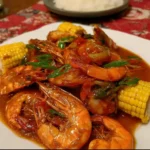
Spicy Seafood Recipe
Ingredients
-
For the Aromatic Base (The Soffritto):
-
Olive Oil: ¼ cup, extra virgin.
-
Yellow Onion: 1 large, finely chopped.
-
Fennel Bulb: 1 large, trimmed and finely chopped (fronds reserved for garnish).
-
Celery: 2 ribs, finely chopped.
-
Garlic: 6-8 cloves, thinly sliced.
-
Salt: 1 teaspoon kosher salt.
-
-
For the Spicy Tomato Broth:
-
Red Pepper Flakes: 1 to 2 teaspoons (use 1 for a medium kick, 2 for a fiery stew).
-
Dried Oregano: 2 teaspoons.
-
Saffron Threads: A generous pinch (about ¼ teaspoon).
-
Dry White Wine: 1 cup, such as Sauvignon Blanc or Pinot Grigio.
-
Crushed Tomatoes: 1 (28-ounce / 800g) can of high-quality crushed tomatoes (San Marzano recommended).
-
Clam Juice or Fish Stock: 4 cups (about 1 liter).
-
Bay Leaves: 2 whole leaves.
-
-
For the Seafood Medley (about 3.5 – 4 lbs total):
-
Clams: 1 lb (about 450g) of littleneck or Manila clams, scrubbed well.
-
Mussels: 1 lb (about 450g) of PEI mussels, scrubbed and debearded.
-
Firm White Fish: 1 lb (about 450g) of a firm fish like cod, halibut, or snapper, cut into 1.5-inch chunks.
-
Large Shrimp: 1 lb (about 450g) of large shrimp, peeled and deveined (tail-on or off is your preference).
-
Sea Scallops: ½ lb (about 225g) of large sea scallops, side muscle removed (optional, for extra luxury).
-
-
For Garnish and Serving:
-
Fresh Parsley: ½ cup, freshly chopped.
-
Crusty Bread: 1 large loaf of sourdough or ciabatta, for serving.
-
Instructions
Step 1: Build the Aromatic Foundation
In your large Dutch oven, heat the ¼ cup of olive oil over medium heat. Add the chopped onion, fennel, celery, and 1 teaspoon of kosher salt. Sauté, stirring occasionally, for 10-12 minutes, until the vegetables are very soft and the onion is translucent. This slow cooking process builds a sweet, flavorful base. Add the sliced garlic and cook for another 2 minutes until fragrant, being careful not to let it brown.
Step 2: Bloom the Spices
Stir in the red pepper flakes and dried oregano. Cook for 1 minute, stirring constantly, until the spices are fragrant. This step, known as blooming, awakens the essential oils in the spices and deepens their flavor.
Step 3: Deglaze and Build the Broth
Pour in the 1 cup of white wine to deglaze the pot. Use a wooden spoon to scrape up any browned bits (the fond) from the bottom of the pot—this is concentrated flavor. Let the wine bubble and cook until it has reduced by about half, about 3-4 minutes. Stir in the pinch of saffron threads. Add the can of crushed tomatoes, the 4 cups of clam juice or fish stock, and the 2 bay leaves.
Step 4: Simmer the Broth
Bring the broth to a boil, then reduce the heat to low, cover the pot, and let it simmer gently for at least 30 minutes, or up to 1 hour. This simmering time is crucial for allowing the flavors to meld and develop into a rich, cohesive sauce. The longer it simmers, the deeper the flavor will be.
Step 5: Cook the Seafood in Stages
This is the most important part of the cooking process to ensure no seafood is overcooked. You will add the seafood in stages, based on how long each type takes to cook. Turn the heat up to medium to bring the broth to a steady, gentle simmer.
-
First, the Bivalves: Add the scrubbed clams to the pot. Cover and cook for 5 minutes.
-
Next, the Fish and Mussels: Add the mussels and the chunks of firm white fish, gently nestling them into the broth. Cover and cook for another 3-4 minutes, until the clams and mussels have started to open and the fish is becoming opaque.
-
Finally, the Shrimp and Scallops: Add the shrimp and the scallops. Stir gently to submerge them in the hot broth. Cook for another 2-3 minutes, just until the shrimp are pink and curled and the scallops are opaque and firm. Be very careful not to overcook this final stage.
Step 6: The Final Touches
As soon as the shrimp and scallops are cooked, turn off the heat. Carefully remove and discard the 2 bay leaves and any clams or mussels that did not open. Gently stir in the ½ cup of freshly chopped parsley. Taste the broth and add more salt or red pepper flakes if you think it needs it.
Step 7: Serve Immediately
Ladle the hot Cioppino generously into large, shallow bowls, making sure each serving gets a good variety of all the different types of seafood and plenty of the delicious, spicy broth. Garnish with the reserved fennel fronds and serve immediately with thick slices of crusty bread.
Nutrition
- Serving Size: one normal portion
- Calories: 550-650 kcal