
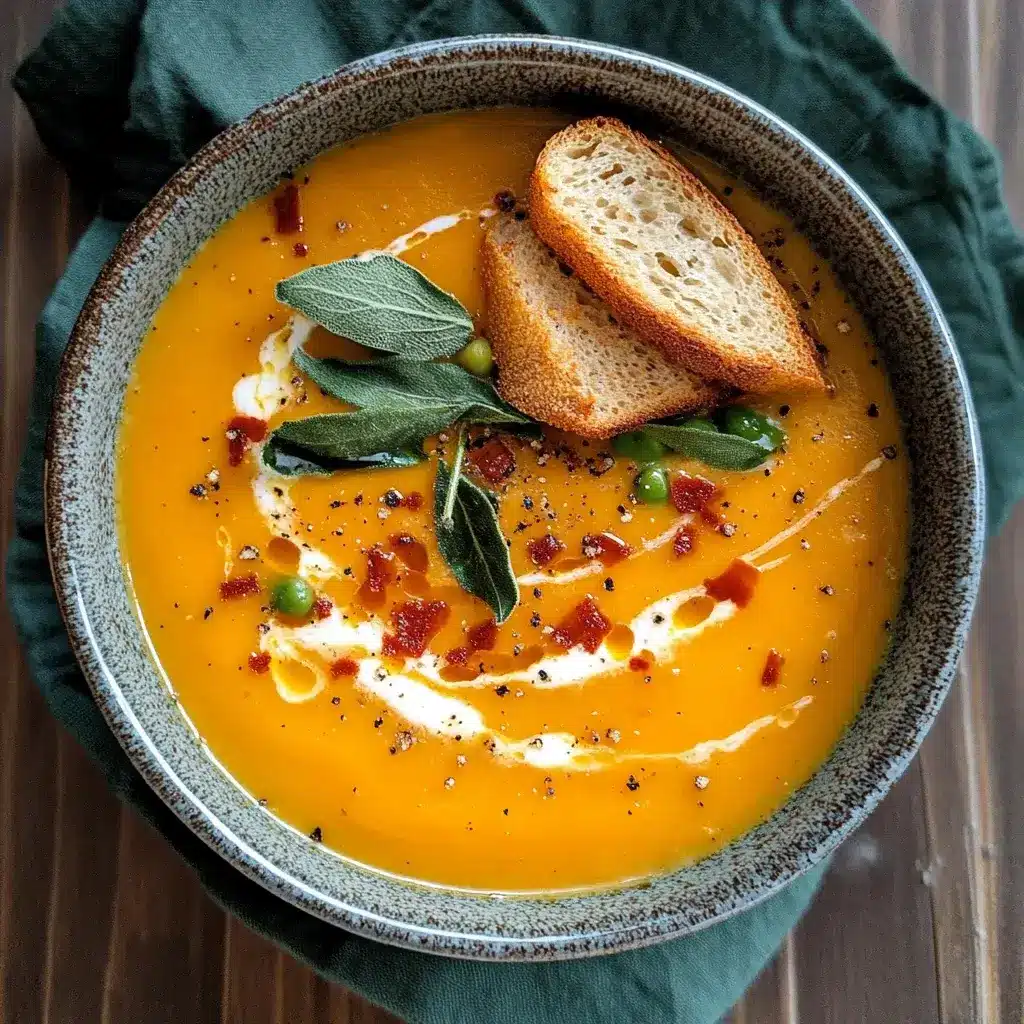

There’s something incredibly comforting about a bowl of butternut squash soup, especially as the days get shorter and a chill enters the air. For years, my go-to was a classic, sweet version. It was good, reliable, but maybe… a little predictable. Then, one particularly grey afternoon, craving warmth with a bit more personality, I decided to experiment by adding a kick of spice. The result was transformative. This Spicy Butternut Squash Soup recipe is now the only version my family requests. The gentle heat doesn’t overpower the natural sweetness of the squash; instead, it elevates it, creating a dynamic and deeply satisfying flavour profile. The creamy texture is still there, that velvety smoothness we all love, but now it dances with a subtle warmth that blooms at the back of your throat. It’s become our signature soup for cozy nights in, holiday starters that wake up the palate, and the perfect antidote to a dreary day. It’s proof that sometimes, a little spark is all you need to turn a familiar comfort food into something truly exciting.
The Ultimate Comfort Food: Spicy Butternut Squash Soup Recipe
This recipe guides you through creating a vibrant, flavourful, and perfectly spicy butternut squash soup. We focus on building layers of flavour, starting with roasting the squash for maximum sweetness and depth, then introducing aromatic vegetables and a carefully balanced blend of spices. The result is a soup that’s both comforting and invigorating, with a luxurious, creamy texture.
Yields: Approximately 6-8 servings
Prep time: 30 minutes
Cook time: 45-60 minutes (including roasting and simmering)
Total time: Approximately 1 hour 15 minutes to 1 hour 30 minutes
Ingredients You’ll Need
Gathering the right ingredients is the first step towards soup perfection. Using fresh, quality components will significantly impact the final flavour.
- For Roasting the Squash:
- 1 large butternut squash (about 3-4 pounds), peeled, seeded, and cut into 1-inch cubes
- 2 tablespoons olive oil
- 1/2 teaspoon salt
- 1/4 teaspoon black pepper
- For the Soup Base:
- 1 tablespoon olive oil (or butter for extra richness)
- 1 large yellow onion, chopped (about 1.5 cups)
- 2 medium carrots, peeled and chopped (about 1 cup)
- 2 celery stalks, chopped (about 1 cup)
- 4 cloves garlic, minced
- 1 tablespoon grated fresh ginger (optional, but adds a lovely warmth)
- 1 teaspoon ground cumin
- 1/2 teaspoon smoked paprika (adds depth and smokiness)
- 1/4 to 1 teaspoon cayenne pepper (or red pepper flakes) – Start with 1/4 tsp and adjust based on your desired heat level.
- 1/4 teaspoon ground turmeric (for colour and earthy notes)
- Pinch of ground cinnamon or nutmeg (optional, enhances sweetness)
- 6 cups vegetable broth (low-sodium preferred) or chicken broth
- 1 bay leaf
- For Finishing (Optional Creaminess & Garnish):
- 1/2 cup heavy cream, half-and-half, or full-fat coconut milk (for vegan option)
- Salt and freshly ground black pepper, to taste
- Optional Garnishes: Toasted pepitas (pumpkin seeds), swirl of cream/coconut milk, croutons, chopped fresh cilantro or parsley, red pepper flakes, drizzle of chili oil.
Ingredient Deep Dive – Why These Choices Matter:
- Butternut Squash: The star of the show. Choose a squash that feels heavy for its size with smooth, unblemished skin. Roasting it first, rather than just boiling, caramelizes its natural sugars, creating a much deeper, sweeter, and more complex flavour base for the soup. Cutting it into uniform cubes ensures even roasting.
- Olive Oil: Used for roasting the squash and sautéing the aromatics. A good quality olive oil adds subtle fruity notes. Butter can be substituted for sautéing for a richer flavour profile.
- Aromatics (Onion, Carrots, Celery): This trio, often called a mirepoix, forms the foundational savoury flavour base of many soups and stews. Onion provides pungent sweetness when sautéed, carrots add sweetness and colour, and celery offers a subtle vegetal freshness. Chopping them relatively uniformly helps them cook evenly.
- Garlic & Ginger: Garlic adds its signature pungent kick, while fresh ginger brings a distinct spicy warmth and brightness that complements both the squash and the heat. Using fresh is highly recommended over powdered for superior flavour.
- Spices (Cumin, Smoked Paprika, Cayenne, Turmeric, Cinnamon/Nutmeg): This blend is key to the soup’s character.
- Cumin: Adds earthy warmth.
- Smoked Paprika: Provides a wonderful smoky depth, distinct from regular paprika.
- Cayenne Pepper/Red Pepper Flakes: This is your primary heat source. Start small! You can always add more heat later, but you can’t easily take it away. The range (1/4 to 1 tsp) allows for significant customization from mild warmth to notably spicy.
- Turmeric: Adds beautiful golden colour and subtle earthy notes.
- Cinnamon/Nutmeg: A tiny pinch enhances the natural sweetness of the squash and adds a hint of classic autumnal warmth. Use sparingly.
- Broth (Vegetable or Chicken): The liquid base. Use a good quality low-sodium broth so you can control the final saltiness of the soup. Vegetable broth keeps the dish vegetarian/vegan, while chicken broth adds a slightly richer depth.
- Bay Leaf: Infuses a subtle herbal background note during simmering. Remember to remove it before blending!
- Finishing Creaminess (Cream/Coconut Milk): While optional, adding heavy cream, half-and-half, or full-fat coconut milk at the end creates a richer, more luxurious texture and rounds out the flavours. Full-fat coconut milk is an excellent vegan alternative that complements the squash and spices beautifully. Use unsweetened.
- Garnishes: Don’t underestimate the power of garnish! They add texture, visual appeal, and complementary flavours. Toasted pepitas (pumpkin seeds) are classic for crunch, a swirl of cream looks lovely, croutons add substance, fresh herbs add brightness, and extra chili flakes or chili oil can boost the heat for those who want it.
Step-by-Step Instructions for Perfect Spicy Butternut Squash Soup
Follow these steps carefully for a smooth, flavourful, and perfectly spiced soup.
Part 1: Roast the Butternut Squash
- Preheat Oven: Preheat your oven to 400°F (200°C). Line a large baking sheet with parchment paper for easy cleanup.
- Prepare Squash: If you haven’t already, peel the butternut squash (a sharp vegetable peeler works best). Cut it in half lengthwise, scoop out the seeds and stringy bits (a grapefruit spoon or regular spoon works well). Cut the squash flesh into roughly uniform 1-inch cubes. Consistent sizing ensures even roasting.
- Season Squash: Place the cubed squash onto the prepared baking sheet. Drizzle with 2 tablespoons of olive oil, sprinkle with 1/2 teaspoon salt and 1/4 teaspoon black pepper. Toss well with your hands or a spatula to ensure all cubes are lightly coated. Spread the squash in a single layer – don’t overcrowd the pan (use two pans if necessary). Overcrowding leads to steaming instead of roasting.
- Roast: Place the baking sheet in the preheated oven. Roast for 25-35 minutes, or until the squash is tender when pierced with a fork and lightly caramelized (golden brown edges). Roasting develops deep, sweet flavours essential for the soup.
- Remove and Set Aside: Once roasted, remove the baking sheet from the oven and set it aside.
Part 2: Build the Soup Base
- Sauté Aromatics: While the squash is roasting (or after it’s done), heat the remaining 1 tablespoon of olive oil (or butter) in a large pot or Dutch oven over medium heat. Add the chopped onion, carrots, and celery. Cook, stirring occasionally, for 8-10 minutes, or until the vegetables have softened and the onion is translucent. This step builds the foundational flavour of the soup.
- Add Garlic and Ginger: Add the minced garlic and grated fresh ginger (if using) to the pot. Cook for another 1-2 minutes, stirring constantly, until fragrant. Be careful not to burn the garlic.
- Bloom the Spices: Add the ground cumin, smoked paprika, cayenne pepper (start with 1/4 teaspoon!), turmeric, and the optional pinch of cinnamon or nutmeg to the pot. Stir constantly and cook for about 1 minute. Cooking the spices briefly in the oil helps “bloom” their flavour, making them more aromatic and potent.
- Combine and Simmer: Add the roasted butternut squash cubes to the pot with the sautéed vegetables and spices. Pour in the vegetable or chicken broth. Add the bay leaf. Stir everything together.
- Bring to Boil, Then Simmer: Increase the heat to medium-high and bring the soup to a boil. Once boiling, immediately reduce the heat to low, cover the pot, and let the soup simmer gently for 15-20 minutes. This allows the flavours to meld together beautifully. The vegetables should all be very tender at this point.
Part 3: Blend and Finish the Soup
- Remove Bay Leaf: Before blending, find and discard the bay leaf from the soup.
- Blend Until Smooth: Carefully blend the soup until it reaches your desired consistency. You have two main options:
- Immersion Blender (Easiest): Insert an immersion blender directly into the pot. Blend the soup, moving the blender around, until completely smooth and velvety. This is the safest method as you don’t need to transfer hot liquid.
- Countertop Blender: Carefully ladle the hot soup into a countertop blender in batches. Crucially, do not fill the blender more than halfway full. Hot liquids expand when blended. Remove the centre cap from the blender lid (the small plastic insert) and cover the opening loosely with a folded kitchen towel. This allows steam to escape safely. Start blending on low speed, gradually increasing to high, until smooth. Pour the blended batch into a clean pot or large bowl and repeat with the remaining soup.
- Return to Pot (if needed): If you used a countertop blender, return all the blended soup to the large pot.
- Add Creaminess (Optional): Place the pot over low heat. Stir in the heavy cream, half-and-half, or full-fat coconut milk, if using. Stir gently until heated through – do not let the soup boil after adding dairy or coconut milk, as it can curdle or separate.
- Taste and Adjust Seasoning: This is a critical step! Taste the soup. Add more salt and freshly ground black pepper as needed. If you want more heat, now is the time to stir in a little more cayenne pepper or red pepper flakes, tasting after each small addition until it reaches your preferred spice level. You might also want a tiny squeeze of lime juice or a splash of apple cider vinegar for brightness, though this isn’t traditional.
- Serve: Ladle the hot, creamy, spicy butternut squash soup into bowls. Garnish generously with your chosen toppings.
Nutritional Information (Approximate)
Please note these values are estimates per serving, assuming the recipe yields 7 servings and includes 1/2 cup of heavy cream. Actual values will vary based on squash size, specific brands of ingredients (especially broth and cream/coconut milk), portion size, and optional additions/garnishes.
- Servings: Approximately 7 servings (about 1.5 cups per serving)
- Calories per Serving: Approximately 250-350 calories
Key Nutritional Highlights:
- Vitamin A: Butternut squash is an excellent source of Vitamin A (beta-carotene), crucial for eye health and immune function.
- Fiber: Contains dietary fiber from the squash and other vegetables, aiding digestion.
- Fat: Fat content varies significantly depending on whether you add cream/coconut milk and how much. Olive oil contributes healthy monounsaturated fats. Coconut milk adds saturated fat.
- Carbohydrates: Primarily from the squash and other vegetables.
- Sodium: Controlled by using low-sodium broth and seasoning to taste.
This soup can be a nutritious part of a balanced meal, offering significant vitamins and fiber. Adjusting the amount of added fat (cream/coconut milk) allows for customization based on dietary needs.
Preparation & Cook Time Breakdown
Understanding the time involved helps fit this delicious soup into your schedule.
- Preparation Time: 30 minutes
- Peeling, seeding, and cubing squash: 15-20 minutes (can be the most time-consuming part)
- Chopping onion, carrots, celery, garlic, ginger: 10 minutes
- Measuring spices and liquids: 5 minutes
- Cook Time: 45-60 minutes
- Roasting squash: 25-35 minutes (mostly passive)
- Sautéing aromatics & spices: 10-15 minutes
- Simmering soup: 15-20 minutes (passive)
- Blending & finishing: 5 minutes
- Total Time: Approximately 1 hour 15 minutes to 1 hour 30 minutes
Time-Saving Tips:
- Buy pre-cut butternut squash from the grocery store (fresh or frozen).
- Use a food processor with a chopping blade for the onion, carrots, and celery (pulse carefully to avoid making mush).
- Prep vegetables the day before and store them in airtight containers in the fridge.
How to Serve Your Delicious Spicy Butternut Squash Soup
Presentation and pairings can elevate your soup experience. Serve this soup hot, garnished generously.
- Garnishes are Key:
- Texture: Toasted pepitas (pumpkin seeds), crunchy roasted chickpeas, homemade croutons (garlic or plain), crispy fried sage leaves.
- Creaminess/Richness: A swirl of heavy cream, coconut milk, plain yogurt, or sour cream. A drizzle of good quality olive oil or chili oil.
- Freshness/Colour: Chopped fresh cilantro (pairs well with the spice), parsley, or chives.
- Extra Heat: A sprinkle of red pepper flakes or smoked paprika.
- Perfect Pairings:
- Bread: Absolutely essential for dipping! Serve with crusty artisan bread, sourdough, warm naan, cornbread muffins, or focaccia.
- Sandwiches: A classic soup-and-sandwich combo. Pairs wonderfully with a sharp cheddar grilled cheese, a turkey and avocado sandwich, or a simple veggie wrap.
- Salads: A light, crisp green salad with a vinaigrette dressing offers a refreshing contrast to the rich soup. Think mixed greens, apple slices, walnuts, and a lemon vinaigrette.
- Serving Occasions:
- Cozy Dinner: Serve larger bowls as a main course with plenty of bread.
- Lunch: A warming and satisfying midday meal.
- Appetizer/Starter: Serve smaller portions in cups or small bowls as a starter for a dinner party or holiday meal (like Thanksgiving or Christmas).
- Thermos Lunch: Pack it hot in a thermos for a comforting lunch on the go.
Pro Tips for Elevating Your Soup Game
Take your spicy butternut squash soup from great to gourmet with these five tips:
- Embrace Roasting for Depth: Don’t skip the roasting step for the butternut squash! While boiling works, roasting caramelizes the natural sugars in the squash, creating a much deeper, sweeter, and nuttier flavour base that boiling simply can’t replicate. Ensure the squash cubes have space on the baking sheet and get some nice golden-brown edges for maximum flavour impact.
- Layer Your Spices and Flavours: Build flavour in stages. Sauté the aromatics (onion, carrot, celery) until softened to develop their sweetness. “Bloom” the dried spices by cooking them briefly in the oil with the aromatics before adding liquid – this intensifies their flavour. Use fresh ginger and garlic for brightness. Consider the finishing touches – the creaminess, the final seasoning adjustment, and the garnishes all add final layers of flavour and texture.
- Master the Blend for Perfect Texture: For the ultimate velvety smooth soup, use a high-powered blender (either immersion or countertop). If using a countertop blender, blend in batches and vent the lid (remove centre cap, cover with a towel) to prevent dangerous pressure buildup from the hot steam. Blend for longer than you think you need to – at least 1-2 minutes per batch on high speed – to get it truly silky smooth. If you prefer a slightly more rustic texture, blend for less time.
- Control the Heat – Start Low, Go Slow: Spice level is personal. The recipe suggests starting with 1/4 teaspoon of cayenne pepper, which provides noticeable warmth without being overpowering for most people. Taste the soup after blending and before serving. If you desire more heat, add more cayenne or red pepper flakes in very small increments (like 1/8 teaspoon at a time), stir well, and taste again. Remember, the heat can intensify slightly as it sits. You can always offer extra red pepper flakes or chili oil at the table for individual adjustment.
- Make-Ahead and Storage Savvy: This soup is fantastic for meal prep as the flavours meld and deepen overnight. Let the soup cool completely before storing it in airtight containers in the refrigerator for up to 4-5 days. For freezing, let it cool completely. If you plan to freeze, consider adding the cream or coconut milk after thawing and reheating, as dairy can sometimes separate or become grainy upon freezing and thawing (though coconut milk often fares better). Freeze in portions for easy meals later (up to 3 months). Reheat gently on the stovetop or in the microwave, stirring occasionally. You may need to add a splash of broth or water to thin it slightly upon reheating.
Frequently Asked Questions (FAQ)
Addressing common queries about making this spicy squash soup:
1. Can I make this soup vegan?
Yes, absolutely! It’s very easy to make this recipe vegan:
- Use olive oil instead of butter for sautéing the aromatics.
- Ensure you use vegetable broth (not chicken broth).
- For the optional creamy finish, use full-fat unsweetened coconut milk instead of heavy cream or half-and-half. Cashew cream (soaked cashews blended with water) is another excellent vegan alternative.
- Ensure any garnishes used are vegan (e.g., use olive oil instead of a dairy-based swirl).
2. Can I use frozen butternut squash cubes instead of fresh?
Yes, you can use frozen butternut squash cubes to save time on peeling and chopping. You have two options:
- Roast from Frozen: Toss the frozen cubes with oil and seasonings as directed and roast. They may need a slightly longer roasting time (add 5-10 minutes) and might release more water, so ensure they aren’t overcrowded on the pan.
- Add Directly to Pot: Skip the roasting step and add the frozen cubes directly to the pot along with the broth after sautéing the aromatics and spices. You will miss the deep flavour developed from roasting, but it will still make a tasty soup. You’ll need to increase the simmering time (perhaps 25-30 minutes or longer) to ensure the squash is completely tender before blending.
3. How spicy is this soup with the recommended amount of cayenne? How can I adjust it?
With 1/4 teaspoon of cayenne pepper, the soup has a noticeable but generally mild-to-moderate background warmth – enough to tingle but not typically considered “hot” by most spice enthusiasts.
- To Make Milder: Start with only 1/8 teaspoon cayenne, or omit it entirely and rely on the ginger and smoked paprika for warmth. You could also use a pinch of black pepper instead.
- To Make Spicier: Start with the 1/4 teaspoon. After blending, taste and add more cayenne (or red pepper flakes, or even a dash of your favorite hot sauce like Sriracha or Tabasco) in small increments (1/8 tsp at a time), stirring well and tasting after each addition until you reach your desired heat level. Remember, you can always add more heat, but you can’t take it away easily! Offering chili flakes at the table is also a great option.
4. How long does this soup last, and can I freeze it?
- Refrigerator: Once cooled completely, store the soup in an airtight container in the refrigerator for up to 4-5 days. The flavours often taste even better the next day.
- Freezer: This soup freezes very well! Let it cool completely first. If you added dairy (heavy cream/half-and-half), be aware it might affect the texture slightly upon thawing (it can sometimes become grainy, though blending again can help). Coconut milk generally freezes better. For best results, consider freezing the soup before adding the cream/coconut milk, then add it during reheating. Portion the soup into freezer-safe containers or heavy-duty freezer bags (lay flat to save space). It will keep well in the freezer for up to 3 months. Thaw overnight in the refrigerator and reheat gently on the stove or microwave.
5. What if I don’t have an immersion blender?
No problem! You can use a regular countertop blender. However, safety is paramount when blending hot liquids.
- Blend in Batches: Do NOT fill the blender more than one-third to one-half full with the hot soup. Hot liquids expand significantly when blended, and overfilling can cause the lid to blow off, leading to serious burns.
- Vent the Lid: Remove the centre piece (feeder cap) from the blender lid. Place a clean, folded kitchen towel over the opening. This allows steam to escape safely while preventing splatters. Hold the lid down firmly with the towel while blending.
- Start Slow: Begin blending on the lowest speed and gradually increase to high.
- Transfer: Pour the blended batch into a clean pot or bowl and repeat with the remaining soup until it’s all smooth.

Spicy Butternut Squash Soup recipe
Ingredients
-
- For Roasting the Squash:
-
- 1 large butternut squash (about 3–4 pounds), peeled, seeded, and cut into 1-inch cubes
-
- 2 tablespoons olive oil
-
- 1/2 teaspoon salt
-
- 1/4 teaspoon black pepper
-
- For Roasting the Squash:
-
- For the Soup Base:
-
- 1 tablespoon olive oil (or butter for extra richness)
-
- 1 large yellow onion, chopped (about 1.5 cups)
-
- 2 medium carrots, peeled and chopped (about 1 cup)
-
- 2 celery stalks, chopped (about 1 cup)
-
- 4 cloves garlic, minced
-
- 1 tablespoon grated fresh ginger (optional, but adds a lovely warmth)
-
- 1 teaspoon ground cumin
-
- 1/2 teaspoon smoked paprika (adds depth and smokiness)
-
- 1/4 to 1 teaspoon cayenne pepper (or red pepper flakes) – Start with 1/4 tsp and adjust based on your desired heat level.
-
- 1/4 teaspoon ground turmeric (for colour and earthy notes)
-
- Pinch of ground cinnamon or nutmeg (optional, enhances sweetness)
-
- 6 cups vegetable broth (low-sodium preferred) or chicken broth
-
- 1 bay leaf
-
- For the Soup Base:
-
- For Finishing (Optional Creaminess & Garnish):
-
- 1/2 cup heavy cream, half-and-half, or full-fat coconut milk (for vegan option)
-
- Salt and freshly ground black pepper, to taste
-
- Optional Garnishes: Toasted pepitas (pumpkin seeds), swirl of cream/coconut milk, croutons, chopped fresh cilantro or parsley, red pepper flakes, drizzle of chili oil.
-
- For Finishing (Optional Creaminess & Garnish):
Ingredient Deep Dive – Why These Choices Matter:
-
- Butternut Squash: The star of the show. Choose a squash that feels heavy for its size with smooth, unblemished skin. Roasting it first, rather than just boiling, caramelizes its natural sugars, creating a much deeper, sweeter, and more complex flavour base for the soup. Cutting it into uniform cubes ensures even roasting.
-
- Olive Oil: Used for roasting the squash and sautéing the aromatics. A good quality olive oil adds subtle fruity notes. Butter can be substituted for sautéing for a richer flavour profile.
-
- Aromatics (Onion, Carrots, Celery): This trio, often called a mirepoix, forms the foundational savoury flavour base of many soups and stews. Onion provides pungent sweetness when sautéed, carrots add sweetness and colour, and celery offers a subtle vegetal freshness. Chopping them relatively uniformly helps them cook evenly.
-
- Garlic & Ginger: Garlic adds its signature pungent kick, while fresh ginger brings a distinct spicy warmth and brightness that complements both the squash and the heat. Using fresh is highly recommended over powdered for superior flavour.
-
- Spices (Cumin, Smoked Paprika, Cayenne, Turmeric, Cinnamon/Nutmeg): This blend is key to the soup’s character.
-
- Cumin: Adds earthy warmth.
-
- Smoked Paprika: Provides a wonderful smoky depth, distinct from regular paprika.
-
- Cayenne Pepper/Red Pepper Flakes: This is your primary heat source. Start small! You can always add more heat later, but you can’t easily take it away. The range (1/4 to 1 tsp) allows for significant customization from mild warmth to notably spicy.
-
- Turmeric: Adds beautiful golden colour and subtle earthy notes.
-
- Cinnamon/Nutmeg: A tiny pinch enhances the natural sweetness of the squash and adds a hint of classic autumnal warmth. Use sparingly.
-
- Spices (Cumin, Smoked Paprika, Cayenne, Turmeric, Cinnamon/Nutmeg): This blend is key to the soup’s character.
-
- Broth (Vegetable or Chicken): The liquid base. Use a good quality low-sodium broth so you can control the final saltiness of the soup. Vegetable broth keeps the dish vegetarian/vegan, while chicken broth adds a slightly richer depth.
-
- Bay Leaf: Infuses a subtle herbal background note during simmering. Remember to remove it before blending!
-
- Finishing Creaminess (Cream/Coconut Milk): While optional, adding heavy cream, half-and-half, or full-fat coconut milk at the end creates a richer, more luxurious texture and rounds out the flavours. Full-fat coconut milk is an excellent vegan alternative that complements the squash and spices beautifully. Use unsweetened.
-
- Garnishes: Don’t underestimate the power of garnish! They add texture, visual appeal, and complementary flavours. Toasted pepitas (pumpkin seeds) are classic for crunch, a swirl of cream looks lovely, croutons add substance, fresh herbs add brightness, and extra chili flakes or chili oil can boost the heat for those who want it.
Instructions
-
- Preheat Oven: Preheat your oven to 400°F (200°C). Line a large baking sheet with parchment paper for easy cleanup.
-
- Prepare Squash: If you haven’t already, peel the butternut squash (a sharp vegetable peeler works best). Cut it in half lengthwise, scoop out the seeds and stringy bits (a grapefruit spoon or regular spoon works well). Cut the squash flesh into roughly uniform 1-inch cubes. Consistent sizing ensures even roasting.
-
- Season Squash: Place the cubed squash onto the prepared baking sheet. Drizzle with 2 tablespoons of olive oil, sprinkle with 1/2 teaspoon salt and 1/4 teaspoon black pepper. Toss well with your hands or a spatula to ensure all cubes are lightly coated. Spread the squash in a single layer – don’t overcrowd the pan (use two pans if necessary). Overcrowding leads to steaming instead of roasting.
-
- Roast: Place the baking sheet in the preheated oven. Roast for 25-35 minutes, or until the squash is tender when pierced with a fork and lightly caramelized (golden brown edges). Roasting develops deep, sweet flavours essential for the soup.
-
- Remove and Set Aside: Once roasted, remove the baking sheet from the oven and set it aside.
Part 2: Build the Soup Base
-
- Sauté Aromatics: While the squash is roasting (or after it’s done), heat the remaining 1 tablespoon of olive oil (or butter) in a large pot or Dutch oven over medium heat. Add the chopped onion, carrots, and celery. Cook, stirring occasionally, for 8-10 minutes, or until the vegetables have softened and the onion is translucent. This step builds the foundational flavour of the soup.
-
- Add Garlic and Ginger: Add the minced garlic and grated fresh ginger (if using) to the pot. Cook for another 1-2 minutes, stirring constantly, until fragrant. Be careful not to burn the garlic.
-
- Bloom the Spices: Add the ground cumin, smoked paprika, cayenne pepper (start with 1/4 teaspoon!), turmeric, and the optional pinch of cinnamon or nutmeg to the pot. Stir constantly and cook for about 1 minute. Cooking the spices briefly in the oil helps “bloom” their flavour, making them more aromatic and potent.
-
- Combine and Simmer: Add the roasted butternut squash cubes to the pot with the sautéed vegetables and spices. Pour in the vegetable or chicken broth. Add the bay leaf. Stir everything together.
-
- Bring to Boil, Then Simmer: Increase the heat to medium-high and bring the soup to a boil. Once boiling, immediately reduce the heat to low, cover the pot, and let the soup simmer gently for 15-20 minutes. This allows the flavours to meld together beautifully. The vegetables should all be very tender at this point.
Part 3: Blend and Finish the Soup
-
- Remove Bay Leaf: Before blending, find and discard the bay leaf from the soup.
-
- Blend Until Smooth: Carefully blend the soup until it reaches your desired consistency. You have two main options:
-
- Immersion Blender (Easiest): Insert an immersion blender directly into the pot. Blend the soup, moving the blender around, until completely smooth and velvety. This is the safest method as you don’t need to transfer hot liquid.
-
- Countertop Blender: Carefully ladle the hot soup into a countertop blender in batches. Crucially, do not fill the blender more than halfway full. Hot liquids expand when blended. Remove the centre cap from the blender lid (the small plastic insert) and cover the opening loosely with a folded kitchen towel. This allows steam to escape safely. Start blending on low speed, gradually increasing to high, until smooth. Pour the blended batch into a clean pot or large bowl and repeat with the remaining soup.
-
- Blend Until Smooth: Carefully blend the soup until it reaches your desired consistency. You have two main options:
-
- Return to Pot (if needed): If you used a countertop blender, return all the blended soup to the large pot.
-
- Add Creaminess (Optional): Place the pot over low heat. Stir in the heavy cream, half-and-half, or full-fat coconut milk, if using. Stir gently until heated through – do not let the soup boil after adding dairy or coconut milk, as it can curdle or separate.
-
- Taste and Adjust Seasoning: This is a critical step! Taste the soup. Add more salt and freshly ground black pepper as needed. If you want more heat, now is the time to stir in a little more cayenne pepper or red pepper flakes, tasting after each small addition until it reaches your preferred spice level. You might also want a tiny squeeze of lime juice or a splash of apple cider vinegar for brightness, though this isn’t traditional.
-
- Serve: Ladle the hot, creamy, spicy butternut squash soup into bowls. Garnish generously with your chosen toppings.
Nutrition
- Serving Size: one normal portion
- Calories: 250-350