
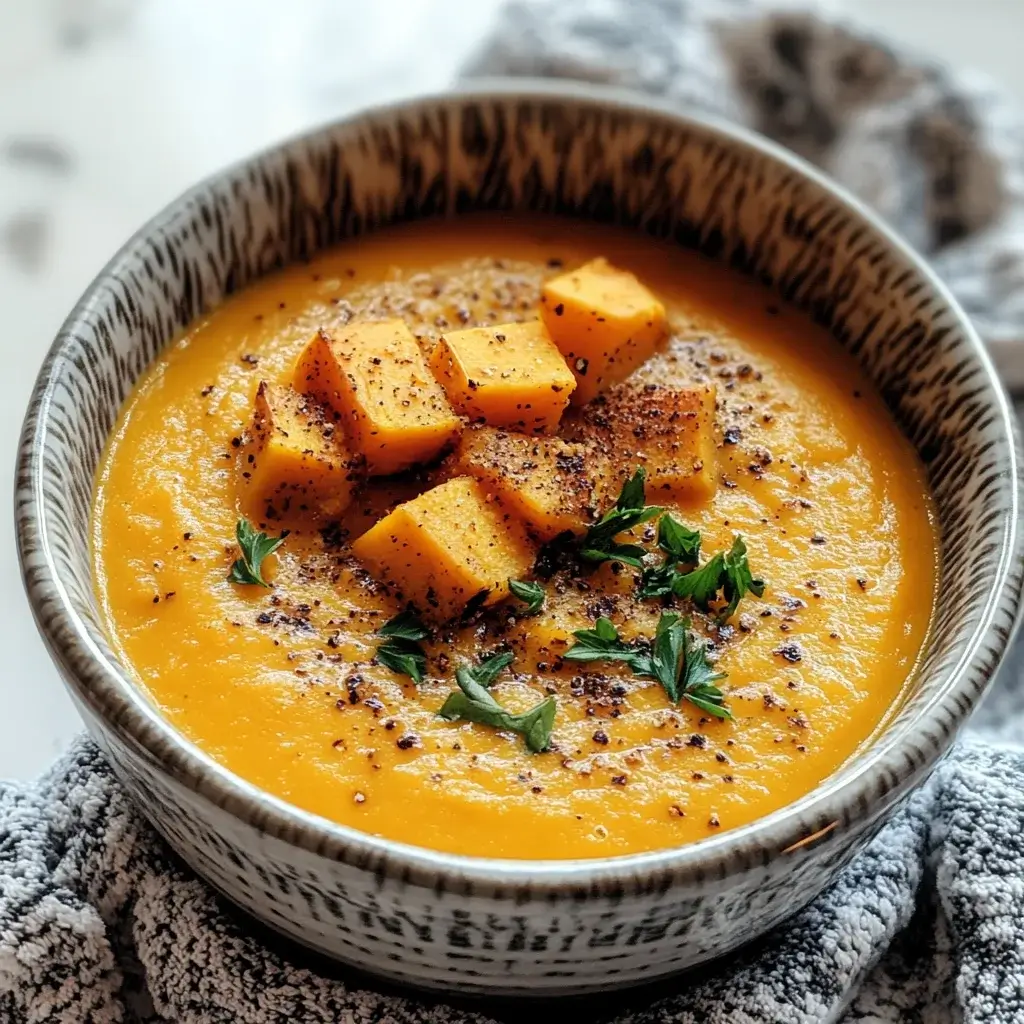

It’s that time of year again, isn’t it? The air gets a little crisper, the leaves start to turn, and suddenly all you crave is something warm and comforting in a bowl. For me, that craving almost always leads to soup. And not just any soup, but something with a bit of a kick, something that warms you from the inside out. This Spicy Butternut Squash and Sweet Potato Soup? It’s my absolute autumnal (and winter!) go-to. It’s velvety smooth, naturally sweet, and has this beautiful, lingering warmth from a touch of chili that just makes it utterly addictive. Honestly, the first time I made this, my family practically inhaled it. Even my kids, who can be a bit skeptical of anything orange and vegetable-y, were asking for seconds. It’s become a regular request in our house, and for good reason. It’s surprisingly easy to whip up, packed with healthy goodness, and tastes like a warm hug on a chilly day. If you’re looking for a soup that’s both flavorful and fuss-free, with a little bit of spice to brighten things up, then you’ve absolutely landed in the right place. Get ready to cozy up with a bowl of pure deliciousness!
Ingredients: Your Pantry Essentials for Spicy Soup Perfection
The beauty of this Spicy Butternut Squash and Sweet Potato Soup lies in its simplicity. With just a handful of key ingredients, you can create a soup that is both deeply flavorful and incredibly satisfying. Let’s delve into each component, exploring why they’re essential and offering tips for selecting the best ingredients for your culinary masterpiece.
- Butternut Squash: The Creamy, Nutty Foundation (1 Large, about 3 lbs)Butternut squash is the heart of this soup, providing its signature creamy texture and subtly sweet, nutty flavor. Choosing the right squash and preparing it correctly is key to achieving that velvety smooth consistency.
- Selecting a Butternut Squash: Look for a butternut squash that feels heavy for its size, indicating it’s dense and full of flesh. The skin should be smooth, hard, and a beige-tan color, free of blemishes or soft spots. A longer neck generally means more usable flesh and fewer seeds.
- Peeling and Preparing: Butternut squash can be notoriously tricky to peel. For easier peeling, you can microwave the whole squash for 2-3 minutes to soften the skin slightly. Alternatively, use a sharp vegetable peeler to remove the skin, then halve the squash lengthwise. Scoop out the seeds and stringy pulp with a spoon. Cut the squash into roughly 1-inch cubes for even cooking.
- Pre-Cut Squash (Convenience Option): If you’re short on time, pre-cut butternut squash cubes are readily available in most grocery stores. While slightly more expensive, they save significant prep time. Ensure they look fresh and haven’t started to dry out.
- Other Winter Squashes (Variations): While butternut is classic, you can experiment with other winter squashes for subtle flavor variations. Kabocha squash offers a slightly sweeter and chestnut-like flavor, while acorn squash is milder and more delicate. Delicata squash is easier to peel and has a sweet, nutty taste.
- Sweet Potatoes: Enhancing Sweetness and Depth (2 Large, about 1.5 lbs)Sweet potatoes complement the butternut squash beautifully, adding another layer of sweetness, a vibrant orange hue, and a boost of nutrients.
- Choosing Sweet Potatoes: Select sweet potatoes that are firm, with smooth skin and no bruises or soft spots. Look for sweet potatoes that are uniformly shaped for even cooking.
- Types of Sweet Potatoes: There are various types of sweet potatoes, ranging in color from pale yellow to deep purple. For this soup, standard orange sweet potatoes (like Jewel or Garnet varieties) are ideal for their sweetness and vibrant color. Japanese sweet potatoes (Satsumaimo), with their purplish skin and white flesh, offer a drier, nuttier flavor and can also be used for a different flavor profile.
- Peeling and Preparing: Sweet potatoes are easier to peel than butternut squash. Use a vegetable peeler to remove the skin. Cut the sweet potatoes into roughly 1-inch cubes, similar to the butternut squash, for even cooking.
- Yams vs. Sweet Potatoes: Often mislabeled, true yams are different from sweet potatoes and are less sweet and starchier. Ensure you are using sweet potatoes for this recipe, as yams will alter the flavor and sweetness of the soup.
- Onion and Garlic: Aromatic Foundation of Flavor (1 Large Yellow Onion, 4 Cloves Garlic)Onion and garlic are the aromatic building blocks of almost any great soup. They create a savory base that enhances the sweetness of the squash and sweet potatoes and complements the spices.
- Yellow Onion (Versatile and Mild): Yellow onions are versatile and provide a balanced onion flavor that isn’t overpowering. When sautéed, they become sweet and mellow, adding depth to the soup.
- White Onion (Sharper Flavor): White onions offer a sharper, more pungent flavor than yellow onions. If you prefer a more pronounced onion taste, white onion can be used.
- Garlic Cloves (Essential Aromatic): Fresh garlic cloves are crucial for their pungent, aromatic flavor. Use fresh garlic for the best results, rather than pre-minced garlic, which can lack intensity.
- Shallots (Milder Onion Flavor): For a milder and slightly sweeter onion flavor, you can substitute shallots for the yellow onion. Shallots are more delicate and add a subtle complexity.
- Sautéing Onion and Garlic: Sautéing the onion and garlic in olive oil at the beginning of the recipe is essential for releasing their aromas and building a flavorful base. Cook them until softened and fragrant, but avoid browning them excessively, which can impart a bitter taste.
- Vegetable Broth: Liquid Base and Flavor Carrier (6 Cups, Low Sodium Recommended)Vegetable broth provides the liquid base for the soup and carries the flavors of the vegetables and spices. Choosing a good quality broth is important for the overall taste.
- Low Sodium Vegetable Broth (Control Salt Level): Using low sodium vegetable broth is highly recommended, as it allows you to control the salt level in the soup. You can always add more salt to taste, but it’s difficult to remove excess salt.
- Homemade Vegetable Broth (Maximum Flavor): Homemade vegetable broth, made from vegetable scraps and aromatics, offers the richest and most complex flavor. If you have the time, making your own broth will elevate the soup significantly.
- Store-Bought Vegetable Broth (Convenience and Quality): Many good quality store-bought vegetable broths are available. Look for organic and low sodium options. Brands like Pacific Foods or Imagine Organic offer flavorful and reliable vegetable broths.
- Chicken Broth (Non-Vegetarian Option): If you are not strictly vegetarian, chicken broth can be substituted for vegetable broth. It will add a richer, meatier flavor to the soup.
- Water (Emergency Substitute): In a pinch, water can be used as a substitute for broth, but the soup will lack depth of flavor. If using water, you may need to adjust the seasonings and consider adding extra herbs or spices to compensate for the missing broth flavor.
- Coconut Milk: Creamy Richness and Subtle Sweetness (1 Can, 13.5 oz, Full Fat Recommended)Coconut milk adds a luxurious creaminess and a subtle sweetness that beautifully complements the spices and vegetables. Full-fat coconut milk is recommended for the richest texture.
- Full Fat Coconut Milk (Creamiest Texture): Full-fat coconut milk is essential for achieving the creamiest and most decadent soup. It provides richness and body that light coconut milk cannot replicate. The fat content also contributes to the overall flavor and satiety of the soup.
- Light Coconut Milk (Lower Calorie Option): Light coconut milk can be used as a lower calorie alternative, but the soup will be less creamy and rich. You may need to adjust the consistency by simmering the soup for longer to thicken it slightly or adding a thickening agent like cornstarch slurry (cornstarch mixed with water).
- Coconut Cream (Extra Richness): For an even richer and more decadent soup, you can substitute coconut cream for some or all of the coconut milk. Coconut cream is thicker and has a higher fat content than coconut milk.
- Dairy Cream (Non-Vegan Alternative): For a non-vegan alternative, heavy cream or half-and-half can be used instead of coconut milk. Dairy cream will provide a different flavor profile and richness.
- Plant-Based Cream Alternatives (Vegan Options): For vegan alternatives to coconut milk, consider using cashew cream (soaked cashews blended with water), oat cream, or other plant-based cream alternatives. These options offer varying degrees of creaminess and flavor.
- Spices: Warming Heat and Aromatic Complexity (Red Pepper Flakes, Ground Ginger, Ground Cumin, Ground Cinnamon)Spices are what truly elevate this soup, adding warmth, depth, and aromatic complexity that transforms it from simple vegetable soup to a flavorful culinary experience.
- Red Pepper Flakes (Adjustable Heat): Red pepper flakes provide the “spicy” element in this soup. They offer a direct, noticeable heat. Adjust the amount to your spice preference. Start with a smaller amount and add more to taste if you like it spicier.
- Ground Ginger (Warming and Zesty): Ground ginger adds a warming, zesty, and slightly pungent flavor that complements the sweetness of the squash and sweet potatoes. It provides a subtle heat and aromatic complexity. Freshly grated ginger can also be used for a more intense ginger flavor.
- Ground Cumin (Earthy and Warm): Ground cumin adds an earthy, warm, and slightly smoky flavor that deepens the savory notes of the soup and complements the other spices.
- Ground Cinnamon (Warm and Sweet Spice): Ground cinnamon may seem unexpected in a savory soup, but it adds a subtle warm, sweet, and aromatic note that beautifully enhances the sweetness of the squash and sweet potatoes and ties all the spices together. Use it sparingly, as too much cinnamon can be overpowering.
- Spice Variations: Experiment with other spices to customize the flavor profile. Turmeric adds warmth and earthy notes, curry powder provides a complex blend of spices, nutmeg adds warmth and sweetness, and smoked paprika adds a smoky depth.
- Olive Oil: Flavor Base and Sautéing Medium (2 Tablespoons)Olive oil is used for sautéing the onion and garlic, and also adds richness and flavor to the soup.
- Extra Virgin Olive Oil (Superior Flavor and Health Benefits): Extra virgin olive oil is recommended for its superior flavor, aroma, and health benefits. It adds a fruity and slightly peppery note that enhances the overall taste of the soup.
- Other Cooking Oils (Neutral Flavor): Other neutral cooking oils like avocado oil, canola oil, or vegetable oil can be used as substitutes if olive oil is not available, but they will lack the distinctive flavor of olive oil.
- Salt and Black Pepper: Essential Seasonings (To Taste)Salt and freshly ground black pepper are fundamental seasonings that enhance all the flavors in the soup, bringing them together and making them pop.
- Kosher Salt or Sea Salt (Clean and Pure Flavor): Kosher salt or sea salt are preferred for their clean, pure flavor and larger crystals that are easier to control when seasoning.
- Freshly Ground Black Pepper (Aromatic and Sharp Flavor): Freshly ground black pepper offers a more aromatic and sharp flavor compared to pre-ground pepper. Season generously but adjust to taste.
- Optional Garnishes: Final Flourishes for Flavor and Presentation (Fresh Cilantro, Sour Cream or Yogurt, Croutons, Toasted Pumpkin Seeds)Garnishes are the final flourish that add texture, visual appeal, and an extra layer of flavor to the soup.
- Fresh Cilantro (Freshness and Herbaceous Note): Fresh cilantro adds a bright, fresh, and herbaceous note that complements the spices and richness of the soup. Roughly chopped cilantro is a classic garnish for soups and stews.
- Sour Cream or Yogurt (Cooling Creaminess): A dollop of sour cream or plain yogurt (dairy or plant-based) adds a cooling creaminess that contrasts beautifully with the warmth and spice of the soup. It also adds a tangy note that balances the sweetness.
- Croutons (Crunch and Texture): Croutons provide a satisfying crunch and textural contrast to the smooth soup. Homemade or store-bought croutons can be used.
- Toasted Pumpkin Seeds (Nutty Crunch and Visual Appeal): Toasted pumpkin seeds (pepitas) add a nutty crunch and a visual element that ties in with the squash and autumnal theme. Toasting pumpkin seeds enhances their flavor and texture.
- Chili Oil (Extra Heat and Flavor): For those who like extra heat, a drizzle of chili oil (homemade or store-bought) adds a final spicy kick and a beautiful red swirl on top of the soup.
- Toasted Coconut Flakes (Sweet and Tropical Note): For a more unique and unexpected garnish, toasted coconut flakes add a subtle sweetness and a tropical note that complements the coconut milk in the soup.
By carefully selecting these ingredients and understanding their roles in the recipe, you are well on your way to creating a truly exceptional Spicy Butternut Squash and Sweet Potato Soup that is bursting with flavor, warmth, and comforting goodness.
Instructions: Simmering Your Way to Spicy Butternut Squash Soup Bliss
Creating this Spicy Butternut Squash and Sweet Potato Soup is a straightforward process, primarily involving sautéing, simmering, and blending. Follow these step-by-step instructions to ensure your soup turns out perfectly creamy, flavorful, and with just the right amount of spice.
- Prepare the Vegetables: Peel and cube the butternut squash and sweet potatoes into roughly 1-inch pieces. Dice the onion and mince the garlic. Having all your vegetables prepped and ready to go will streamline the cooking process.
- Sauté Onion and Garlic: Heat the olive oil in a large pot or Dutch oven over medium heat. Add the diced onion and sauté for 5-7 minutes, or until softened and translucent. Add the minced garlic and sauté for another minute until fragrant, being careful not to burn the garlic. Sautéing the onion and garlic first builds a flavorful base for the soup.
- Add Squash, Sweet Potatoes, Broth, and Spices: Add the cubed butternut squash and sweet potatoes to the pot. Stir in the vegetable broth, red pepper flakes, ground ginger, ground cumin, ground cinnamon, salt, and black pepper. Stir to combine all the ingredients, ensuring the vegetables are mostly submerged in the broth.
- Simmer Until Tender: Bring the soup to a boil, then reduce heat to low, cover the pot, and simmer for 20-25 minutes, or until the squash and sweet potatoes are fork-tender and easily pierced with a fork. Simmering allows the vegetables to cook through and the flavors to meld together beautifully.
- Blend the Soup Until Smooth: Once the vegetables are tender, remove the pot from the heat. There are two main methods for blending the soup:
- Immersion Blender (Easiest and Safest): Using an immersion blender (also called a stick blender) is the easiest and safest way to blend hot soup directly in the pot. Carefully insert the immersion blender into the pot and blend until the soup is completely smooth and creamy. Be sure to keep the blender head submerged to avoid splattering hot soup.
- Regular Blender (Requires Caution): If using a regular blender, you will need to blend the soup in batches to avoid overfilling and potential explosions of hot soup. Carefully ladle hot soup into the blender jar, filling it no more than halfway full. Secure the lid tightly, and vent the lid slightly by removing the center cap or part of the lid to allow steam to escape. Cover the vented lid with a kitchen towel and blend on low speed, gradually increasing to high speed until smooth. Pour the blended soup into a separate bowl and repeat with the remaining soup.
- Stir in Coconut Milk: After blending the soup until smooth, return it to the pot if using a regular blender. Stir in the coconut milk until well combined and the soup is creamy. Heat through gently over low heat, but do not boil after adding coconut milk, as boiling can sometimes cause coconut milk to separate.
- Season to Taste: Taste the soup and adjust seasoning as needed. You may want to add more salt, pepper, red pepper flakes for more heat, or a squeeze of lime juice for brightness. Seasoning to taste is crucial for achieving the perfect flavor balance.
- Serve Hot with Garnishes: Ladle the hot soup into bowls and garnish as desired. Popular garnishes include fresh cilantro, a dollop of sour cream or yogurt, croutons, toasted pumpkin seeds, or a drizzle of chili oil. Serve immediately and enjoy the warm, creamy, and spicy goodness of your homemade soup!
Tips for Perfect Spicy Butternut Squash and Sweet Potato Soup:
- Don’t Over-Brown Onion and Garlic: Sauté onion and garlic until softened and fragrant, but avoid browning them too much, which can lead to a bitter taste.
- Simmer Until Vegetables are Truly Tender: Ensure the squash and sweet potatoes are completely fork-tender before blending for the smoothest soup.
- Blend Carefully and Safely: When blending hot soup, take precautions to avoid splattering and burns, especially when using a regular blender.
- Adjust Spice Level to Your Preference: Start with the recommended amount of red pepper flakes and adjust to taste. You can always add more spice, but you can’t easily remove it.
- Season to Taste at the End: Taste and adjust seasoning (salt, pepper, spices) at the end to achieve the perfect flavor balance.
By following these detailed instructions and tips, you’ll be simmering your way to a pot of delicious and comforting Spicy Butternut Squash and Sweet Potato Soup that is perfect for chilly days and satisfying cravings. Enjoy the process and savor the flavorful results!
Nutrition Facts: A Bowlful of Warmth and Wellness
Spicy Butternut Squash and Sweet Potato Soup is not only incredibly delicious and comforting but also packed with nutrients and health benefits. This soup is naturally low in fat and calories, while being rich in vitamins, fiber, and antioxidants. Here’s a detailed breakdown of the approximate nutrition facts for a 1-cup serving of this soup (estimated, based on average ingredient quantities).
(Approximate values, may vary slightly based on ingredient ratios, specific brands, and portion sizes. Based on a 1-cup serving, approximately 240ml or 8 fl oz.)
- Serving Size: 1 Cup (approximately 240ml or 8 fl oz)
- Calories per Serving: Approximately 180-250 calories
- Calorie count can vary depending on the use of full-fat or light coconut milk and the amount of olive oil used.
- Macronutrients (Approximate per serving):
- Fat: 8-15 grams
- Saturated Fat: 5-10 grams (primarily from coconut milk)
- Unsaturated Fat: Primarily monounsaturated and polyunsaturated fats from olive oil and coconut milk.
- Cholesterol: 0 mg
- Sodium: 200-400 mg (can be higher depending on broth and salt added)
- Carbohydrates: 25-35 grams
- Fiber: 5-7 grams (high fiber content from squash and sweet potato)
- Sugar: 8-12 grams (natural sugars from squash and sweet potato)
- Protein: 3-5 grams
- Fat: 8-15 grams
Detailed Breakdown and Nutritional Benefits:
- Moderate Calories and Fat: The calorie count is moderate for a hearty and satisfying soup serving, making it a good option for a light meal or a starter. Fat content is moderate, primarily due to the coconut milk. Choosing light coconut milk can reduce fat and calorie content.
- High in Fiber: Butternut squash and sweet potatoes are excellent sources of dietary fiber. Fiber is crucial for digestive health, promotes feelings of fullness, helps regulate blood sugar levels, and supports heart health. A single serving of this soup provides a significant portion of your daily fiber needs.
- Rich in Vitamins and Minerals: Butternut squash and sweet potatoes are nutritional powerhouses, packed with vitamins and minerals.
- Vitamin A: Excellent source of Vitamin A (primarily from beta-carotene), essential for vision, immune function, and skin health.
- Vitamin C: Good source of Vitamin C, an antioxidant that supports immune function and collagen production.
- Potassium: Good source of potassium, an electrolyte important for heart health, blood pressure regulation, and muscle function.
- Vitamin B6: Provides Vitamin B6, important for brain development and function.
- Manganese: Good source of manganese, an essential trace mineral involved in bone formation and metabolism.
- Antioxidant Rich: The vibrant orange color of butternut squash and sweet potatoes is due to carotenoids, powerful antioxidants that protect cells from damage caused by free radicals. Spices like ginger and cinnamon also contribute antioxidant properties.
- Vegan and Gluten-Free: This soup is naturally vegan and gluten-free, making it suitable for a wide range of dietary needs and preferences.
- Warming and Comforting: Warm soups are naturally comforting and hydrating, especially during colder months. The spices in this soup add a warming sensation that can help boost circulation and provide a sense of well-being.
Healthier Swaps and Modifications (To further enhance nutritional value):
- Light Coconut Milk: Use light coconut milk instead of full-fat coconut milk to reduce fat and calorie content, although the soup will be less creamy.
- Increase Vegetable Broth: Slightly increase the amount of vegetable broth and reduce coconut milk for a lower-fat version.
- Add More Vegetables: Include additional non-starchy vegetables like spinach, kale, or cauliflower for added fiber and nutrients. Add them during the last few minutes of simmering to retain their texture and nutrients.
- Reduce Olive Oil: Use minimal olive oil for sautéing or omit it entirely and sauté onion and garlic in a tablespoon of vegetable broth or water.
- Control Salt: Use low-sodium vegetable broth and be mindful of added salt to reduce sodium intake.
- Whole Grain Croutons (Garnish): If using croutons as a garnish, choose whole grain croutons for added fiber.
- Plain Yogurt (Garnish): Use plain yogurt (dairy or plant-based) instead of sour cream for a slightly lower-fat and higher-protein garnish.
Conclusion on Nutrition:
Spicy Butternut Squash and Sweet Potato Soup is a nutritional powerhouse that is both delicious and good for you. It’s a low-calorie, low-fat, and high-fiber soup packed with vitamins, minerals, and antioxidants. Enjoy it guilt-free as a healthy and warming meal option, knowing you’re nourishing your body with wholesome ingredients and delicious flavors.
Preparation Time: Quick and Cozy Soup in Under an Hour
One of the great advantages of this Spicy Butternut Squash and Sweet Potato Soup is its relatively quick preparation time. From start to finish, you can have a pot of comforting and flavorful soup ready to enjoy in under an hour, making it a perfect option for weeknight meals or when you crave a speedy yet satisfying soup.
- Total Preparation Time: Approximately 45-55 minutes
- Active Prep Time: Approximately 25-30 minutes (vegetable peeling and chopping, sautéing, blending)
- Simmering Time: Approximately 20-25 minutes (soup simmering on the stovetop)
- Breakdown of Time:
- Vegetable Preparation (Peeling and Chopping): 15-20 minutes (peeling and cubing butternut squash and sweet potatoes, dicing onion, mincing garlic). This is the most time-consuming step. Using pre-cut vegetables can significantly reduce this time.
- Sautéing Onion and Garlic: 5-7 minutes (sautéing onion and garlic in olive oil until softened).
- Simmering Time: 20-25 minutes (soup simmering on the stovetop until vegetables are tender). This is passive time, while the soup simmers, you can prepare garnishes or side dishes.
- Blending Time: 5-7 minutes (blending the soup until smooth using an immersion blender or regular blender in batches).
- Final Seasoning and Coconut Milk Addition: 2-3 minutes (stirring in coconut milk, seasoning to taste, and heating through).
Tips to Speed Up Preparation:
- Pre-Cut Vegetables: Purchase pre-cut butternut squash and sweet potato cubes to significantly reduce chopping time.
- Use an Immersion Blender: Immersion blenders are faster and easier for blending soup directly in the pot, saving time and cleanup compared to using a regular blender in batches.
- Skip Peeling Sweet Potatoes (Optional): If you prefer, you can skip peeling sweet potatoes and just scrub them well before cubing. The skin will soften during cooking and blend into the soup, adding extra fiber and nutrients. However, the soup may be slightly less smooth in texture.
- Batch Cooking: Double or triple the recipe to make a larger batch of soup that can be enjoyed throughout the week for quick and easy meals or frozen for future use.
Spicy Butternut Squash Soup vs. Other Soup Recipes – Time Comparison:
Spicy Butternut Squash and Sweet Potato Soup falls into the category of relatively quick and easy soup recipes. Compared to soups that require long simmering times for meat or beans to tenderize, or those with multiple steps and complex techniques, this soup is remarkably fast to prepare. Its simplicity and focus on readily available ingredients make it a weeknight winner.
Conclusion on Preparation Time:
The relatively short preparation time of Spicy Butternut Squash and Sweet Potato Soup is a major advantage. In under an hour, you can create a pot of flavorful, healthy, and comforting soup that is perfect for busy weeknights or whenever you crave a quick and satisfying meal. The speed and ease of preparation, combined with its delicious taste and nutritional benefits, make this soup a go-to recipe for any soup lover.
How to Serve: Warm Bowls and Delightful Pairings for Your Spicy Soup
Spicy Butternut Squash and Sweet Potato Soup is delicious and satisfying on its own, but serving it with complementary garnishes, sides, and beverages can elevate the entire dining experience and make it even more enjoyable. Here are some delightful ways to serve your homemade spicy soup:
- Classic Soup Servings:
- Bowls of Warm Soup: The most classic and straightforward way to serve this soup is simply ladled into warm bowls. The warmth of the soup is comforting and inviting, especially on chilly days.
- Soup Mugs: For a more casual and cozy serving, use soup mugs instead of bowls. Mugs are perfect for sipping soup by the fire or enjoying a light lunch.
- Bread for Dipping (Crusty Bread, Dinner Rolls, Naan): Serve the soup with a side of crusty bread, warm dinner rolls, or naan bread for dipping and soaking up every last drop of flavorful broth. The bread provides a satisfying textural contrast to the smooth soup.
- Garnish Ideas (Elevate Flavor and Presentation):
- Fresh Cilantro (Bright and Herbaceous): A sprinkle of fresh cilantro adds a burst of freshness, herbaceousness, and vibrant green color that enhances both flavor and visual appeal.
- Dollop of Sour Cream or Yogurt (Cooling Creaminess): A dollop of sour cream or plain yogurt (dairy or plant-based) adds a cooling creaminess and tangy note that balances the warmth and spice of the soup. It also creates a beautiful swirl on top.
- Croutons (Crunchy Texture): Croutons provide a satisfying crunch and textural contrast to the smooth soup. Homemade or store-bought croutons, seasoned with herbs or spices, can be used.
- Toasted Pumpkin Seeds (Nutty and Crunchy): Toasted pumpkin seeds (pepitas) add a nutty crunch, visual appeal, and a subtle autumnal flavor that complements the squash and sweet potato.
- Drizzle of Chili Oil (Extra Heat and Flavor): For those who crave more heat, a drizzle of chili oil (homemade or store-bought) adds an extra spicy kick and a beautiful red swirl on top of the soup.
- Toasted Coconut Flakes (Sweet and Tropical Touch): Toasted coconut flakes offer a unique and unexpected garnish, adding a subtle sweetness and a tropical note that complements the coconut milk and spices.
- Chopped Green Onions or Chives (Fresh Oniony Bite): Chopped green onions or chives provide a fresh, mild oniony bite and a pop of green color.
- Side Dish Pairings (Create a Complete Meal):
- Grilled Cheese Sandwich (Classic Soup Companion): A grilled cheese sandwich is a classic and comforting pairing with tomato soup and works equally well with this spicy butternut squash soup. The cheesy richness and warm bread complement the soup beautifully.
- Side Salad (Light and Fresh): A light and fresh side salad, like a simple green salad with vinaigrette or a spinach salad with cranberries and pecans, provides a refreshing counterpoint to the richness and warmth of the soup.
- Roasted Vegetable Salad (Enhance Vegetable Theme): A roasted vegetable salad, featuring root vegetables or seasonal vegetables, enhances the vegetable theme and provides a heartier side dish.
- Quinoa Salad (Protein and Grain Boost): A quinoa salad with roasted vegetables, chickpeas, or feta cheese adds protein and whole grains for a more substantial and balanced meal.
- Sandwiches or Wraps (Lunch Combination): Half a sandwich or a small wrap, like a turkey and avocado sandwich or a hummus and vegetable wrap, can be paired with a bowl of soup for a satisfying lunch combination.
- Beverage Pairings (Complement Flavors):
- Warm Beverages (Cozy Up): Hot beverages like herbal tea (ginger tea, chamomile tea), spiced cider, or hot chocolate enhance the cozy and warming feeling of the soup, especially on cold days.
- Crisp White Wine (Elegant Pairing): For a more elegant pairing, a crisp white wine like Pinot Grigio or Sauvignon Blanc can complement the soup’s flavors without overpowering them.
- Light Beer (Casual and Refreshing): A light beer, like a lager or pilsner, is a casual and refreshing pairing that works well with the soup’s savory and slightly spicy notes.
- Sparkling Cider or Flavored Seltzer (Non-Alcoholic Refreshment): Sparkling cider or flavored seltzer water (ginger ale, lemon-lime seltzer) offer non-alcoholic refreshment and a bubbly contrast to the creamy soup.
- Serving Tips:
- Serve Hot: Serve the soup hot for the best flavor and comforting warmth.
- Warm Bowls: Warming the bowls before serving helps to keep the soup hot for longer.
- Garnish Generously: Don’t be shy with garnishes! They add flavor, texture, and visual appeal, elevating the soup from simple to special.
- Offer Garnishes Separately: When serving for a group, offer a variety of garnishes in small bowls, allowing everyone to customize their soup to their liking.
- Soup and Salad Combo (Balanced Meal): For a balanced and healthy meal, serve the soup with a generous side salad.
By exploring these serving suggestions and pairings, you can transform a simple bowl of Spicy Butternut Squash and Sweet Potato Soup into a complete and delightful dining experience, perfect for cozy nights in, casual lunches, or even elegant dinner parties. Enjoy the versatility and deliciousness of this warming and flavorful soup!
Additional Tips for Spicy Butternut Squash and Sweet Potato Soup Mastery
While this Spicy Butternut Squash and Sweet Potato Soup recipe is already quite straightforward, a few extra tips and tricks can help you elevate your soup-making skills and ensure consistently delicious and flavorful results every time. These additional tips will guide you towards soup perfection.
- Roast the Vegetables for Deeper Flavor (Optional but Recommended): While the recipe calls for simmering the vegetables, roasting the butternut squash and sweet potatoes before adding them to the soup can significantly enhance their flavor. Roasting caramelizes the natural sugars in the vegetables, bringing out a deeper sweetness and a slightly smoky, caramelized note that adds complexity to the soup. To roast, toss the cubed squash and sweet potatoes with olive oil, salt, pepper, and herbs (like rosemary or thyme) and spread them in a single layer on a baking sheet. Roast at 400°F (200°C) for 30-40 minutes, or until tender and slightly browned, flipping halfway through. Then, proceed with the recipe, sautéing the onion and garlic and adding the roasted vegetables instead of raw vegetables to the pot. Roasting adds an extra step but results in a richer, more flavorful soup.
- Adjust the Spice Level to Your Exact Preference: Spice tolerance varies greatly, so adjust the amount of red pepper flakes to suit your personal preference and that of your guests. Start with the recommended amount (½ teaspoon) and taste the soup after simmering. If you prefer more heat, add a pinch more red pepper flakes at a time, tasting after each addition until you reach your desired level of spiciness. For a milder soup, reduce the red pepper flakes to ¼ teaspoon or even omit them entirely for a non-spicy version (though it will lose the “spicy” aspect of the recipe title!). You can also serve chili oil on the side for those who want to add extra heat to their individual bowls.
- Experiment with Different Types of Squash and Sweet Potatoes for Flavor Variations: While butternut squash and orange sweet potatoes are classic and delicious, don’t be afraid to experiment with different varieties of winter squash and sweet potatoes to create subtle flavor variations. As mentioned earlier, Kabocha squash offers a sweeter, chestnut-like flavor, acorn squash is milder, and Delicata squash is easier to peel. For sweet potatoes, try Japanese sweet potatoes for a nuttier flavor or purple sweet potatoes for a unique color and slightly less sweet taste. Mixing different types of squash and sweet potatoes can create a more complex and nuanced flavor profile in your soup.
- Add Protein for a More Substantial Meal (Optional): While this soup is satisfying on its own, you can easily add protein to make it a more substantial and complete meal. Consider adding:
- Cooked Chicken or Turkey: Shredded rotisserie chicken or cooked ground turkey can be stirred into the soup after blending for a meaty protein boost.
- White Beans or Chickpeas: Canned cannellini beans, great northern beans, or chickpeas (drained and rinsed) can be added to the soup during the last 10-15 minutes of simmering or stirred in after blending for a vegetarian protein boost.
- Lentils (Red or Brown): Red lentils or brown lentils can be added to the soup along with the squash and sweet potatoes and simmered until tender for a vegetarian protein source.
- Tofu (Baked or Pan-Fried): Cubed baked or pan-fried tofu can be added as a vegan protein option. Marinate and cook tofu separately for best texture and flavor before adding to the soup.
- Smoked Sausage (Andouille or Kielbasa): For a richer and smokier flavor, add sliced andouille sausage or kielbasa to the soup during the last 10-15 minutes of simmering.
- Freeze Leftover Soup for Easy Future Meals: This Spicy Butternut Squash and Sweet Potato Soup freezes beautifully, making it ideal for meal prepping or saving leftovers for future meals. Allow the soup to cool completely before transferring it to freezer-safe containers or freezer bags. Leave some headspace in the containers as the soup will expand slightly when frozen. Frozen soup can be stored in the freezer for up to 2-3 months. To thaw, transfer frozen soup to the refrigerator overnight or thaw in the microwave or on the stovetop over low heat. Reheat thawed soup thoroughly before serving. Frozen soup is perfect for quick and easy lunches or dinners on busy days.
By keeping these additional tips and techniques in mind, you’ll be well-equipped to create Spicy Butternut Squash and Sweet Potato Soup that is not only delicious and comforting but also consistently perfect, customized to your taste, and ready to enjoy whenever you crave a warm and flavorful bowl.
FAQ: Your Spicy Butternut Squash and Sweet Potato Soup Questions Answered
Got burning questions about making Spicy Butternut Squash and Sweet Potato Soup? You’re not alone! Here are answers to some frequently asked questions to help you troubleshoot and become a soup-making expert.
Q1: Can I use pre-cut vegetables to save time?
A: Yes, absolutely! Using pre-cut vegetables is a great way to save significant preparation time when making this soup.
- Pre-Cut Butternut Squash and Sweet Potatoes: Pre-cut butternut squash and sweet potato cubes are readily available in most grocery stores. They are more expensive than buying whole squashes and sweet potatoes, but they can save you a considerable amount of peeling and chopping time, especially if you are short on time or find peeling squash challenging. Ensure they look fresh and haven’t started to dry out.
- Pre-Diced Onions: Some stores also sell pre-diced onions, which can further reduce prep time.
- Garlic Paste or Pre-Minced Garlic (Less Recommended): While garlic paste or pre-minced garlic can be used for convenience, fresh garlic cloves offer a more intense and nuanced flavor that is generally preferred for soups. If using pre-minced garlic, use it sparingly, as it can sometimes have a slightly metallic or less fresh flavor compared to freshly minced garlic.
- Consider Freshness vs. Convenience: While pre-cut vegetables offer convenience, freshly cut vegetables generally offer the best flavor and texture. However, for busy weeknights, pre-cut vegetables are a perfectly acceptable and time-saving option for making this soup.
Q2: Is there a vegan substitute for coconut milk?
A: Yes, there are several delicious vegan substitutes for coconut milk in this soup, offering varying degrees of creaminess and flavor:
- Cashew Cream: Cashew cream, made by blending soaked cashews with water until smooth, is a fantastic vegan alternative to coconut milk. It provides a rich, creamy texture and a slightly nutty flavor. Cashew cream is relatively neutral in flavor and blends seamlessly into soups.
- Oat Cream: Oat cream, made from oats and water, is another excellent vegan option that offers a creamy texture and a slightly oat-y flavor. Oat cream is becoming increasingly available in grocery stores.
- Other Plant-Based Creamers (Soy Creamer, Almond Creamer, etc.): Unsweetened and unflavored plant-based creamers, such as soy creamer, almond creamer, or rice creamer, can be used as substitutes for coconut milk. Choose a creamer that is thick and creamy for best results. Be mindful of added sugars or flavorings in some plant-based creamers and opt for unsweetened versions.
- Blended White Beans (Thickening Agent): For a less creamy but still thickened and vegan option, you can blend a can of drained and rinsed white beans (cannellini beans or great northern beans) with some of the soup broth and stir it back into the soup. Blended white beans add creaminess and protein without the distinct flavor of coconut milk or plant-based creamers.
- Skip Creaminess (If Desired): If you prefer a less creamy soup and want to keep it vegan, you can simply omit the coconut milk or any cream substitute altogether. The blended vegetables will still create a somewhat creamy texture on their own, although it will be less rich and decadent than with coconut milk.
Q3: How can I make this soup less spicy?
A: If you prefer a milder soup, there are several easy ways to reduce the spiciness of this Spicy Butternut Squash and Sweet Potato Soup:
- Reduce or Omit Red Pepper Flakes: The red pepper flakes are the primary source of heat in this recipe. Reduce the amount of red pepper flakes to ¼ teaspoon or even omit them entirely for a non-spicy soup. You can always add a tiny pinch of red pepper flakes for just a hint of warmth.
- Remove Seeds and Membranes from Red Pepper Flakes (Less Effective): While technically you can remove the seeds and membranes from red pepper flakes (though it’s quite tedious!), this is not a practical way to reduce heat as the heat is distributed throughout the flakes. Simply reducing the quantity is more effective.
- Do Not Add Chili Oil Garnish: If using chili oil as a garnish, omit it for a milder soup.
- Add a Cooling Garnish: Serve the soup with a generous dollop of sour cream or yogurt (dairy or plant-based), which helps to cool down the spiciness and balance the flavors.
- Sugar or Sweetness (Slightly Balances Heat): Adding a tiny touch of sweetness, like a drizzle of maple syrup or a pinch of brown sugar, can help to slightly balance the heat, but be careful not to make the soup too sweet.
Q4: Can I make this soup in a slow cooker or Instant Pot?
A: Yes, both slow cookers and Instant Pots are excellent appliances for making this soup, offering convenient and hands-off cooking methods.
- Slow Cooker Method:
- Sauté Onion and Garlic (Optional but Recommended): For best flavor, sauté the onion and garlic in a skillet on the stovetop in olive oil until softened and fragrant before transferring them to the slow cooker. You can skip this step for a truly hands-off approach, but sautéing enhances the flavor.
- Combine Ingredients in Slow Cooker: Place the butternut squash, sweet potatoes, onion, garlic (sautéed or raw), vegetable broth, spices, salt, and pepper in the slow cooker.
- Cook on Low or High: Cook on low for 6-8 hours or on high for 3-4 hours, or until the squash and sweet potatoes are very tender.
- Blend and Finish: Blend the soup using an immersion blender directly in the slow cooker or carefully transfer it to a regular blender in batches. Stir in the coconut milk and season to taste before serving.
- Instant Pot Method:
- Sauté Onion and Garlic (Optional but Recommended): Use the “Sauté” function on the Instant Pot to sauté the onion and garlic in olive oil until softened and fragrant.
- Add Remaining Ingredients: Add the butternut squash, sweet potatoes, vegetable broth, spices, salt, and pepper to the Instant Pot.
- Pressure Cook: Secure the lid and cook on high pressure for 10-12 minutes. Allow for natural pressure release for 10 minutes, then quick release any remaining pressure.
- Blend and Finish: Blend the soup using an immersion blender directly in the Instant Pot or carefully transfer it to a regular blender in batches. Stir in the coconut milk and season to taste before serving.
Q5: How do I thicken the soup if it’s too thin?
A: If your Spicy Butternut Squash and Sweet Potato Soup turns out thinner than you prefer, there are several easy ways to thicken it:
- Simmer Longer (Reduce Liquid): The simplest way to thicken the soup is to simmer it uncovered over medium-low heat for 10-15 minutes longer, allowing some of the liquid to evaporate and the soup to reduce and thicken naturally. Stir occasionally to prevent sticking.
- Cornstarch Slurry: In a small bowl, whisk together 1-2 tablespoons of cornstarch with 2-3 tablespoons of cold water to create a slurry. Slowly whisk the cornstarch slurry into the simmering soup and cook for another 2-3 minutes, stirring constantly, until the soup thickens to your desired consistency.
- Arrowroot Powder Slurry (Gluten-Free Option): Arrowroot powder can be used similarly to cornstarch as a gluten-free thickening agent. Make a slurry with arrowroot powder and cold water and whisk it into the simmering soup.
- Add More Blended Vegetables: If you have reserved some roasted vegetables or cooked squash/sweet potato, you can blend a portion of them with a bit of soup broth and stir the puree back into the soup to add thickness and flavor.
- Heavy Cream or Coconut Cream (Add Richness and Thickness): Stirring in a small amount of heavy cream (dairy) or coconut cream (vegan) will not only add richness but also slightly thicken the soup. Add cream gradually until you reach your desired consistency.
- Mashed Potato or Sweet Potato (Starchy Thickener): Adding a small amount of mashed potato or mashed sweet potato (leftover or freshly made) can act as a natural thickener and complement the flavors of the soup. Blend a small amount of mashed potato or sweet potato with some soup broth and stir it back into the pot.

Spicy Butternut Squash and Sweet Potato Soup recipe
Ingredients
- Butternut Squash: The Creamy, Nutty Foundation (1 Large, about 3 lbs)Butternut squash is the heart of this soup, providing its signature creamy texture and subtly sweet, nutty flavor. Choosing the right squash and preparing it correctly is key to achieving that velvety smooth consistency.
- Selecting a Butternut Squash: Look for a butternut squash that feels heavy for its size, indicating it’s dense and full of flesh. The skin should be smooth, hard, and a beige-tan color, free of blemishes or soft spots. A longer neck generally means more usable flesh and fewer seeds.
- Peeling and Preparing: Butternut squash can be notoriously tricky to peel. For easier peeling, you can microwave the whole squash for 2-3 minutes to soften the skin slightly. Alternatively, use a sharp vegetable peeler to remove the skin, then halve the squash lengthwise. Scoop out the seeds and stringy pulp with a spoon. Cut the squash into roughly 1-inch cubes for even cooking.
- Pre-Cut Squash (Convenience Option): If you’re short on time, pre-cut butternut squash cubes are readily available in most grocery stores. While slightly more expensive, they save significant prep time. Ensure they look fresh and haven’t started to dry out.
- Other Winter Squashes (Variations): While butternut is classic, you can experiment with other winter squashes for subtle flavor variations. Kabocha squash offers a slightly sweeter and chestnut-like flavor, while acorn squash is milder and more delicate. Delicata squash is easier to peel and has a sweet, nutty taste.
- Sweet Potatoes: Enhancing Sweetness and Depth (2 Large, about 1.5 lbs)Sweet potatoes complement the butternut squash beautifully, adding another layer of sweetness, a vibrant orange hue, and a boost of nutrients.
- Choosing Sweet Potatoes: Select sweet potatoes that are firm, with smooth skin and no bruises or soft spots. Look for sweet potatoes that are uniformly shaped for even cooking.
- Types of Sweet Potatoes: There are various types of sweet potatoes, ranging in color from pale yellow to deep purple. For this soup, standard orange sweet potatoes (like Jewel or Garnet varieties) are ideal for their sweetness and vibrant color. Japanese sweet potatoes (Satsumaimo), with their purplish skin and white flesh, offer a drier, nuttier flavor and can also be used for a different flavor profile.
- Peeling and Preparing: Sweet potatoes are easier to peel than butternut squash. Use a vegetable peeler to remove the skin. Cut the sweet potatoes into roughly 1-inch cubes, similar to the butternut squash, for even cooking.
- Yams vs. Sweet Potatoes: Often mislabeled, true yams are different from sweet potatoes and are less sweet and starchier. Ensure you are using sweet potatoes for this recipe, as yams will alter the flavor and sweetness of the soup.
- Onion and Garlic: Aromatic Foundation of Flavor (1 Large Yellow Onion, 4 Cloves Garlic)Onion and garlic are the aromatic building blocks of almost any great soup. They create a savory base that enhances the sweetness of the squash and sweet potatoes and complements the spices.
- Yellow Onion (Versatile and Mild): Yellow onions are versatile and provide a balanced onion flavor that isn’t overpowering. When sautéed, they become sweet and mellow, adding depth to the soup.
- White Onion (Sharper Flavor): White onions offer a sharper, more pungent flavor than yellow onions. If you prefer a more pronounced onion taste, white onion can be used.
- Garlic Cloves (Essential Aromatic): Fresh garlic cloves are crucial for their pungent, aromatic flavor. Use fresh garlic for the best results, rather than pre-minced garlic, which can lack intensity.
- Shallots (Milder Onion Flavor): For a milder and slightly sweeter onion flavor, you can substitute shallots for the yellow onion. Shallots are more delicate and add a subtle complexity.
- Sautéing Onion and Garlic: Sautéing the onion and garlic in olive oil at the beginning of the recipe is essential for releasing their aromas and building a flavorful base. Cook them until softened and fragrant, but avoid browning them excessively, which can impart a bitter taste.
- Vegetable Broth: Liquid Base and Flavor Carrier (6 Cups, Low Sodium Recommended)Vegetable broth provides the liquid base for the soup and carries the flavors of the vegetables and spices. Choosing a good quality broth is important for the overall taste.
- Low Sodium Vegetable Broth (Control Salt Level): Using low sodium vegetable broth is highly recommended, as it allows you to control the salt level in the soup. You can always add more salt to taste, but it’s difficult to remove excess salt.
- Homemade Vegetable Broth (Maximum Flavor): Homemade vegetable broth, made from vegetable scraps and aromatics, offers the richest and most complex flavor. If you have the time, making your own broth will elevate the soup significantly.
- Store-Bought Vegetable Broth (Convenience and Quality): Many good quality store-bought vegetable broths are available. Look for organic and low sodium options. Brands like Pacific Foods or Imagine Organic offer flavorful and reliable vegetable broths.
- Chicken Broth (Non-Vegetarian Option): If you are not strictly vegetarian, chicken broth can be substituted for vegetable broth. It will add a richer, meatier flavor to the soup.
- Water (Emergency Substitute): In a pinch, water can be used as a substitute for broth, but the soup will lack depth of flavor. If using water, you may need to adjust the seasonings and consider adding extra herbs or spices to compensate for the missing broth flavor.
- Coconut Milk: Creamy Richness and Subtle Sweetness (1 Can, 13.5 oz, Full Fat Recommended)Coconut milk adds a luxurious creaminess and a subtle sweetness that beautifully complements the spices and vegetables. Full-fat coconut milk is recommended for the richest texture.
- Full Fat Coconut Milk (Creamiest Texture): Full-fat coconut milk is essential for achieving the creamiest and most decadent soup. It provides richness and body that light coconut milk cannot replicate. The fat content also contributes to the overall flavor and satiety of the soup.
- Light Coconut Milk (Lower Calorie Option): Light coconut milk can be used as a lower calorie alternative, but the soup will be less creamy and rich. You may need to adjust the consistency by simmering the soup for longer to thicken it slightly or adding a thickening agent like cornstarch slurry (cornstarch mixed with water).
- Coconut Cream (Extra Richness): For an even richer and more decadent soup, you can substitute coconut cream for some or all of the coconut milk. Coconut cream is thicker and has a higher fat content than coconut milk.
- Dairy Cream (Non-Vegan Alternative): For a non-vegan alternative, heavy cream or half-and-half can be used instead of coconut milk. Dairy cream will provide a different flavor profile and richness.
- Plant-Based Cream Alternatives (Vegan Options): For vegan alternatives to coconut milk, consider using cashew cream (soaked cashews blended with water), oat cream, or other plant-based cream alternatives. These options offer varying degrees of creaminess and flavor.
- Spices: Warming Heat and Aromatic Complexity (Red Pepper Flakes, Ground Ginger, Ground Cumin, Ground Cinnamon)Spices are what truly elevate this soup, adding warmth, depth, and aromatic complexity that transforms it from simple vegetable soup to a flavorful culinary experience.
- Red Pepper Flakes (Adjustable Heat): Red pepper flakes provide the “spicy” element in this soup. They offer a direct, noticeable heat. Adjust the amount to your spice preference. Start with a smaller amount and add more to taste if you like it spicier.
- Ground Ginger (Warming and Zesty): Ground ginger adds a warming, zesty, and slightly pungent flavor that complements the sweetness of the squash and sweet potatoes. It provides a subtle heat and aromatic complexity. Freshly grated ginger can also be used for a more intense ginger flavor.
- Ground Cumin (Earthy and Warm): Ground cumin adds an earthy, warm, and slightly smoky flavor that deepens the savory notes of the soup and complements the other spices.
- Ground Cinnamon (Warm and Sweet Spice): Ground cinnamon may seem unexpected in a savory soup, but it adds a subtle warm, sweet, and aromatic note that beautifully enhances the sweetness of the squash and sweet potatoes and ties all the spices together. Use it sparingly, as too much cinnamon can be overpowering.
- Spice Variations: Experiment with other spices to customize the flavor profile. Turmeric adds warmth and earthy notes, curry powder provides a complex blend of spices, nutmeg adds warmth and sweetness, and smoked paprika adds a smoky depth.
- Olive Oil: Flavor Base and Sautéing Medium (2 Tablespoons)Olive oil is used for sautéing the onion and garlic, and also adds richness and flavor to the soup.
- Extra Virgin Olive Oil (Superior Flavor and Health Benefits): Extra virgin olive oil is recommended for its superior flavor, aroma, and health benefits. It adds a fruity and slightly peppery note that enhances the overall taste of the soup.
- Other Cooking Oils (Neutral Flavor): Other neutral cooking oils like avocado oil, canola oil, or vegetable oil can be used as substitutes if olive oil is not available, but they will lack the distinctive flavor of olive oil.
- Salt and Black Pepper: Essential Seasonings (To Taste)Salt and freshly ground black pepper are fundamental seasonings that enhance all the flavors in the soup, bringing them together and making them pop.
- Kosher Salt or Sea Salt (Clean and Pure Flavor): Kosher salt or sea salt are preferred for their clean, pure flavor and larger crystals that are easier to control when seasoning.
- Freshly Ground Black Pepper (Aromatic and Sharp Flavor): Freshly ground black pepper offers a more aromatic and sharp flavor compared to pre-ground pepper. Season generously but adjust to taste.
- Optional Garnishes: Final Flourishes for Flavor and Presentation (Fresh Cilantro, Sour Cream or Yogurt, Croutons, Toasted Pumpkin Seeds)Garnishes are the final flourish that add texture, visual appeal, and an extra la
- Fresh Cilantro (Freshness and Herbaceous Note): Fresh cilantro adds a bright, fresh, and herbaceous note that complements the spices and richness of the soup. Roughly chopped cilantro is a classic garnish for soups and stews.
- Sour Cream or Yogurt (Cooling Creaminess): A dollop of sour cream or plain yogurt (dairy or plant-based) adds a cooling creaminess that contrasts beautifully with the warmth and spice of the soup. It also adds a tangy note that balances the sweetness.
- Croutons (Crunch and Texture): Croutons provide a satisfying crunch and textural contrast to the smooth soup. Homemade or store-bought croutons can be used.
- Toasted Pumpkin Seeds (Nutty Crunch and Visual Appeal): Toasted pumpkin seeds (pepitas) add a nutty crunch and a visual element that ties in with the squash and autumnal theme. Toasting pumpkin seeds enhances their flavor and texture.
- Chili Oil (Extra Heat and Flavor): For those who like extra heat, a drizzle of chili oil (homemade or store-bought) adds a final spicy kick and a beautiful red swirl on top of the soup.
- Toasted Coconut Flakes (Sweet and Tropical Note): For a more unique and unexpected garnish, toasted coconut flakes add a subtle sweetness and a tropical note that complements the coconut milk in the soup.
Instructions
- Prepare the Vegetables: Peel and cube the butternut squash and sweet potatoes into roughly 1-inch pieces. Dice the onion and mince the garlic. Having all your vegetables prepped and ready to go will streamline the cooking process.
- Sauté Onion and Garlic: Heat the olive oil in a large pot or Dutch oven over medium heat. Add the diced onion and sauté for 5-7 minutes, or until softened and translucent. Add the minced garlic and sauté for another minute until fragrant, being careful not to burn the garlic. Sautéing the onion and garlic first builds a flavorful base for the soup.
- Add Squash, Sweet Potatoes, Broth, and Spices: Add the cubed butternut squash and sweet potatoes to the pot. Stir in the vegetable broth, red pepper flakes, ground ginger, ground cumin, ground cinnamon, salt, and black pepper. Stir to combine all the ingredients, ensuring the vegetables are mostly submerged in the broth.
- Simmer Until Tender: Bring the soup to a boil, then reduce heat to low, cover the pot, and simmer for 20-25 minutes, or until the squash and sweet potatoes are fork-tender and easily pierced with a fork. Simmering allows the vegetables to cook through and the flavors to meld together beautifully.
- Blend the Soup Until Smooth: Once the vegetables are tender, remove the pot from the heat. There are two main methods for blending the soup:
- Immersion Blender (Easiest and Safest): Using an immersion blender (also called a stick blender) is the easiest and safest way to blend hot soup directly in the pot. Carefully insert the immersion blender into the pot and blend until the soup is completely smooth and creamy. Be sure to keep the blender head submerged to avoid splattering hot soup.
- Regular Blender (Requires Caution): If using a regular blender, you will need to blend the soup in batches to avoid overfilling and potential explosions of hot soup. Carefully ladle hot soup into the blender jar, filling it no more than halfway full. Secure the lid tightly, and vent the lid slightly by removing the center cap or part of the lid to allow steam to escape. Cover the vented lid with a kitchen towel and blend on low speed, gradually increasing to high speed until smooth. Pour the blended soup into a separate bowl and repeat with the remaining soup.
- Stir in Coconut Milk: After blending the soup until smooth, return it to the pot if using a regular blender. Stir in the coconut milk until well combined and the soup is creamy. Heat through gently over low heat, but do not boil after adding coconut milk, as boiling can sometimes cause coconut milk to separate.
- Season to Taste: Taste the soup and adjust seasoning as needed. You may want to add more salt, pepper, red pepper flakes for more heat, or a squeeze of lime juice for brightness. Seasoning to taste is crucial for achieving the perfect flavor balance.
- Serve Hot with Garnishes: Ladle the hot soup into bowls and garnish as desired. Popular garnishes include fresh cilantro, a dollop of sour cream or yogurt, croutons, toasted pumpkin seeds, or a drizzle of chili oil. Serve immediately and enjoy the warm, creamy, and spicy goodness of your homemade soup!
Nutrition
- Serving Size: one normal portion
- Calories: 180-250
- Sugar: 8-12 grams
- Sodium: 200-400 mg
- Fat: 8-15 grams
- Saturated Fat: 5-10 grams
- Carbohydrates: 25-35 grams
- Fiber: 5-7 grams
- Protein: 3-5 grams