
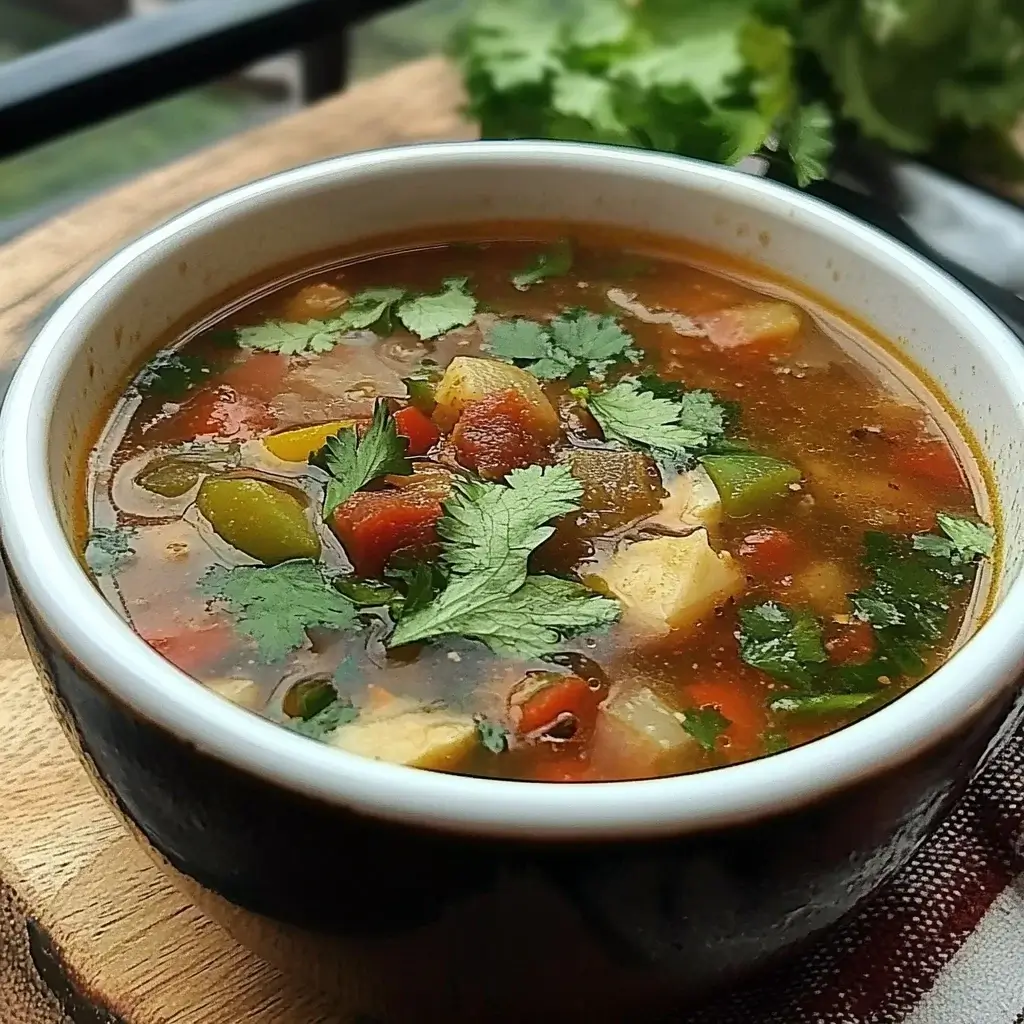

When many people think of “Spanish soup,” their minds immediately conjure up an image of a chilled, vibrant bowl of Gazpacho, enjoyed under the hot Andalusian sun. And while Gazpacho is indeed a glorious and iconic Spanish creation, it is merely the opening chapter in the vast, rich, and deeply satisfying story of Spanish soups. My own culinary journey through Spain taught me that to truly understand the country’s heart, you must understand its platos de cuchara—its “spoon dishes.” I’ve had fiery red garlic soup that warmed me to the bone in the windswept plains of Castile, and creamy, white almond soup in the ancient streets of Córdoba. But the one soup that defines Spanish home cooking for me is a humble, hearty bowl of Lentejas con Chorizo. The first time I had it was in a small, family-run restaurant in the mountains outside Madrid. It wasn’t fancy, but the aroma of smoky paprika, savory chorizo, and earthy lentils was intoxicating. It was the kind of food that felt like a hug from the inside out—nourishing, unpretentious, and profoundly flavorful. It was the soul of Spain in a bowl, a testament to the fact that the most memorable meals are often born from the simplest ingredients, cooked with love and patience.
The Soul of Spain in a Bowl: A Guide to Spanish Soups
Spanish soup culture is incredibly diverse, shaped by the country’s varied geography, climate, and history. From the sun-drenched coasts to the rugged mountains, each region has its own beloved “spoon dishes.” Broadly, they can be categorized into a few distinct families.
Cold Soups (The Summer Saviors)
These are perhaps the most famous Spanish soups internationally, designed to refresh and nourish during the scorching summer months.
- Gazpacho Andaluz: The world-renowned king of cold soups. It is a smooth, raw, blended soup made from ripe tomatoes, cucumbers, bell peppers, garlic, bread, extra virgin olive oil, and sherry vinegar. It’s like a liquid salad, bursting with fresh, vibrant flavor.
- Salmorejo Cordobés: A close cousin to Gazpacho from the city of Córdoba. It is thicker, creamier, and simpler, consisting mainly of tomatoes, bread, garlic, and olive oil. It is traditionally served garnished with chopped hard-boiled egg and bits of Jamón Serrano.
- Ajoblanco: An ancient, elegant white soup that predates the arrival of tomatoes in Spain. It’s made from ground almonds, garlic, bread, olive oil, and vinegar, and is often served with green grapes or melon, which provide a sweet contrast to its creamy, nutty flavor.
Hearty Legume Soups (Platos de Cuchara)
These are the workhorses of the Spanish kitchen, the deeply satisfying stews that form the backbone of everyday home cooking, especially in the cooler months.
- Lentejas con Chorizo (Lentil Soup with Chorizo): Our featured recipe. A quintessential Spanish comfort food, this thick, savory stew is made with brown lentils, vegetables, and chunks of smoky chorizo sausage.
- Fabada Asturiana: A rich and famous bean stew from the northern region of Asturias. It features large, creamy white beans (fabes) slow-cooked with a trio of cured meats: chorizo, blood sausage (morcilla), and pork belly (panceta). It is a hearty, epic meal in a bowl.
- Cocido Madrileño: More of a multi-course meal than a simple soup, this is Madrid’s signature dish. It’s a chickpea-based stew cooked with a huge variety of meats and vegetables. It’s traditionally served in stages: first the broth as a soup, followed by the chickpeas and vegetables, and finally the selection of meats.
Rustic Broth-Based Soups
These soups are often born from thrift and a desire for warmth, using simple ingredients to create broths with incredible depth of flavor.
- Sopa de Ajo (Garlic Soup): A classic “peasant soup” from the Castile region. It’s a deeply flavorful broth made with water or stock, a generous amount of garlic toasted in olive oil, smoky paprika, and pieces of stale bread. It’s often served with a poached or broken egg swirled into the hot broth.
- Sopa de Pescado y Marisco (Fish and Seafood Soup): A staple along Spain’s extensive coastline. These soups vary wildly by region but are typically built on a rich, flavorful broth made from fish heads and shells, and then filled with chunks of white fish, shrimp, mussels, and clams, often flavored with saffron or paprika.
The Ultimate Spanish Lentil Soup (Lentejas con Chorizo) Recipe
This is the soup that Spanish grandmothers make. It’s flavorful, filling, and gets even better the next day. This recipe will guide you to creating a truly authentic and delicious pot of Spanish lentil soup.
The Essential Ingredients
For the best results, use high-quality Spanish ingredients, especially for the chorizo and paprika.
- Brown or Pardina Lentils: 1 ½ cups (about 300g), rinsed and picked over for any small stones. Pardina lentils are small, brown Spanish lentils that hold their shape well.
- Cured Spanish Chorizo: 7 ounces (about 200g), cut into ½-inch thick rounds. It is crucial to use dry-cured Spanish chorizo, not fresh Mexican chorizo. The Spanish variety is firm and packed with smoked paprika.
- Olive Oil: 3 tablespoons, extra virgin.
- Yellow Onion: 1 large, finely chopped.
- Carrots: 2 medium, finely chopped.
- Celery: 1 large stalk, finely chopped (optional, but adds a nice flavor base).
- Garlic: 4 cloves, minced.
- Tomato: 1 large, ripe tomato, grated or finely chopped (about 1 cup). Grating the tomato on a box grater is a classic Spanish technique that removes the skin.
- Bay Leaf: 1.
- Smoked Spanish Paprika (Pimentón): 1 tablespoon, sweet (dulce) or bittersweet (agridulce).
- Broth or Water: 6-7 cups of low-sodium chicken or vegetable broth.
- Potatoes: 2 medium potatoes, peeled and cut into ¾-inch cubes.
- Salt: 1 teaspoon, plus more to taste.
- Black Pepper: ½ teaspoon, freshly ground.
- Optional: a splash of sherry vinegar.
Step-by-Step Instructions
Follow these steps to build the deep, layered flavors that make this soup so special.
1. Rinse the Lentils:
Place the lentils in a fine-mesh sieve and rinse them thoroughly under cold running water. Quickly pick through them to remove any debris or small stones. Set aside.
2. Create the Sofrito (The Flavor Base):
In a large, heavy-bottomed pot or Dutch oven, heat the olive oil over medium heat. Add the chopped onion, carrots, and celery (if using). This vegetable base is known as the sofrito. Cook, stirring occasionally, for 8-10 minutes, until the vegetables are soft and the onion is translucent. This slow cooking step is crucial for developing a sweet, deep flavor foundation.
3. Brown the Chorizo and Aromatics:
Add the sliced chorizo to the pot with the softened vegetables. Cook for about 3-4 minutes, stirring, until the chorizo has rendered some of its delicious, paprika-infused fat and is lightly browned. Add the minced garlic and cook for one more minute until fragrant, being careful not to let it burn.
4. Bloom the Paprika and Add Tomato:
Push the ingredients to one side of the pot to create a small open space. Add the tablespoon of smoked paprika to this space and stir it into the hot oil for about 20 seconds until it’s fragrant. This “blooms” the spice and deepens its flavor. Immediately add the grated tomato, which will stop the paprika from burning. Stir everything together and cook for another 3-4 minutes, allowing the tomato to break down and concentrate its flavor.
5. Simmer the Soup:
Add the rinsed lentils, the cubed potatoes, the bay leaf, and 6 cups of broth to the pot. Season with 1 teaspoon of salt and ½ teaspoon of black pepper. Stir everything well, scraping up any flavorful browned bits from the bottom of the pot. Bring the mixture to a boil, then reduce the heat to low, cover the pot, and let it simmer gently.
6. Cook Until Tender:
Let the soup simmer for 45-60 minutes. The cooking time will vary depending on the age and type of your lentils. The soup is ready when the lentils and potatoes are completely tender. Check on the soup periodically and give it a stir. If it becomes too thick for your liking, add the remaining cup of broth (or water).
7. Finish and Rest:
Once the lentils are tender, remove the bay leaf. Taste the soup and adjust the seasoning with more salt and pepper if needed. For a classic Spanish touch, stir in a small splash (about 1-2 teaspoons) of sherry vinegar at the very end. This brightens all the flavors. Turn off the heat and let the soup rest for at least 10 minutes before serving. This allows the flavors to meld and deepen even further.
Nutrition Facts
This is a hearty, nutritious, and well-balanced meal in a single bowl.
- Servings: This recipe makes about 6 generous servings.
- Calories per serving: Approximately 450-550 kcal.
Disclaimer: This is an estimate. Actual nutritional content will vary based on the specific ingredients used.
Lentils are an excellent source of plant-based protein, fiber, and iron. Combined with the vegetables, this soup is packed with vitamins and minerals, making it a truly wholesome dish.
Preparation Time
This is a perfect weekend cooking project, though simple enough for a weeknight if you have the time for it to simmer.
- Preparation Time: 20 minutes
- Cook Time: 1 hour to 1 hour 15 minutes
- Total Time: Approximately 1 hour 30 minutes
How to Serve
Serving this soup is all about embracing its rustic, comforting nature.
- In a Bowl: Ladle the hot soup into deep, rustic bowls. Make sure each serving gets a good amount of lentils, potatoes, and chorizo.
- The Bread: Serving this soup without a loaf of crusty bread for dipping is practically a crime in Spain. A simple baguette or any rustic country loaf is perfect.
- A Drizzle of Oil: A final, small drizzle of high-quality extra virgin olive oil over each bowl just before serving adds a fresh, peppery finish.
- Wine Pairing: Pair it with a robust Spanish red wine, such as a Tempranillo or a Rioja Crianza. The wine’s fruit and tannins cut through the richness of the chorizo beautifully.
Additional Tips for Perfection
These five tips will help you make a truly unforgettable pot of Lentejas.
1. Don’t Soak the Lentils:
Unlike dried beans, brown or Pardina lentils do not require pre-soaking. They cook relatively quickly and soaking them can sometimes lead to a mushy texture. A simple rinse is all they need.
2. The “Cascado” Potato Trick:
For a soup that has a naturally creamier, thicker broth, use the Spanish cascado technique for the potatoes. Instead of cutting the potato cubes cleanly with a knife, make a small initial cut and then break the rest of the piece off by twisting the knife. This creates an uneven, fractured surface on the potato pieces, which helps them release more starch into the broth as they cook, thickening it beautifully.
3. Use the Right Chorizo and Paprika:
This cannot be overstated. You must use dry-cured Spanish chorizo, which is hard like salami, not the soft, raw Mexican chorizo that comes in a casing. Likewise, using authentic Spanish smoked paprika (pimentón) is essential for the soup’s signature smoky flavor.
4. Make it Vegetarian/Vegan:
This soup is easily adaptable. For a delicious vegetarian version, simply omit the chorizo. To make up for the lost smoky flavor, ensure you use smoked paprika and consider adding a teaspoon of liquid smoke or some diced smoked tofu. Use vegetable broth. This version is naturally vegan.
5. It’s Better the Next Day:
Like many stews, Lentejas con Chorizo develops even deeper and more complex flavors after a night in the refrigerator. The lentils continue to absorb the savory broth, and the flavors meld together perfectly. When reheating, you may need to add a splash of water or broth as the soup will have thickened considerably.
Frequently Asked Questions (FAQ)
Here are the answers to some common questions about making Spanish soup.
1. What is the most famous Spanish soup?
Without a doubt, Gazpacho is the most famous Spanish soup internationally. However, within Spain, hearty legume soups like Lentejas con Chorizo or stews like Cocido are arguably more representative of everyday home cooking.
2. What is the difference between Spanish chorizo and Mexican chorizo?
This is a crucial distinction for this recipe. Spanish chorizo is a hard, dry-cured sausage, seasoned with smoked paprika, garlic, and salt. It’s ready to eat like a salami. Mexican chorizo is a fresh, raw ground pork sausage, seasoned with vinegar and chili peppers. They are not interchangeable.
3. Can I use other types of lentils?
You can, but the texture will be different. Green lentils will work similarly to brown lentils and hold their shape well. Red or yellow lentils break down much more quickly and will result in a much thicker, softer, more porridge-like soup, which can also be delicious if that’s the texture you prefer.
4. Can I make this in a slow cooker or pressure cooker?
Yes. For a slow cooker, follow steps 2-4 on the stovetop, then transfer everything to the slow cooker. Cook on low for 6-8 hours or on high for 3-4 hours. For a pressure cooker (like an Instant Pot), use the sauté function for steps 2-4, then add the remaining ingredients, seal, and cook at high pressure for 12-15 minutes, followed by a natural pressure release.
5. How do I store leftover lentil soup?
Let the soup cool completely, then store it in an airtight container in the refrigerator for up to 5 days. It also freezes exceptionally well. Portion it into freezer-safe containers and freeze for up to 3 months. Thaw overnight in the refrigerator before reheating gently on the stove.
Spanish Soup recipe
Ingredients
- Brown or Pardina Lentils: 1 ½ cups (about 300g), rinsed and picked over for any small stones. Pardina lentils are small, brown Spanish lentils that hold their shape well.
- Cured Spanish Chorizo: 7 ounces (about 200g), cut into ½-inch thick rounds. It is crucial to use dry-cured Spanish chorizo, not fresh Mexican chorizo. The Spanish variety is firm and packed with smoked paprika.
- Olive Oil: 3 tablespoons, extra virgin.
- Yellow Onion: 1 large, finely chopped.
- Carrots: 2 medium, finely chopped.
- Celery: 1 large stalk, finely chopped (optional, but adds a nice flavor base).
- Garlic: 4 cloves, minced.
- Tomato: 1 large, ripe tomato, grated or finely chopped (about 1 cup). Grating the tomato on a box grater is a classic Spanish technique that removes the skin.
- Bay Leaf: 1.
- Smoked Spanish Paprika (Pimentón): 1 tablespoon, sweet (dulce) or bittersweet (agridulce).
- Broth or Water: 6-7 cups of low-sodium chicken or vegetable broth.
- Potatoes: 2 medium potatoes, peeled and cut into ¾-inch cubes.
- Salt: 1 teaspoon, plus more to taste.
- Black Pepper: ½ teaspoon, freshly ground.
- Optional: a splash of sherry vinegar.
Instructions
1. Rinse the Lentils:
Place the lentils in a fine-mesh sieve and rinse them thoroughly under cold running water. Quickly pick through them to remove any debris or small stones. Set aside.
2. Create the Sofrito (The Flavor Base):
In a large, heavy-bottomed pot or Dutch oven, heat the olive oil over medium heat. Add the chopped onion, carrots, and celery (if using). This vegetable base is known as the sofrito. Cook, stirring occasionally, for 8-10 minutes, until the vegetables are soft and the onion is translucent. This slow cooking step is crucial for developing a sweet, deep flavor foundation.
3. Brown the Chorizo and Aromatics:
Add the sliced chorizo to the pot with the softened vegetables. Cook for about 3-4 minutes, stirring, until the chorizo has rendered some of its delicious, paprika-infused fat and is lightly browned. Add the minced garlic and cook for one more minute until fragrant, being careful not to let it burn.
4. Bloom the Paprika and Add Tomato:
Push the ingredients to one side of the pot to create a small open space. Add the tablespoon of smoked paprika to this space and stir it into the hot oil for about 20 seconds until it’s fragrant. This “blooms” the spice and deepens its flavor. Immediately add the grated tomato, which will stop the paprika from burning. Stir everything together and cook for another 3-4 minutes, allowing the tomato to break down and concentrate its flavor.
5. Simmer the Soup:
Add the rinsed lentils, the cubed potatoes, the bay leaf, and 6 cups of broth to the pot. Season with 1 teaspoon of salt and ½ teaspoon of black pepper. Stir everything well, scraping up any flavorful browned bits from the bottom of the pot. Bring the mixture to a boil, then reduce the heat to low, cover the pot, and let it simmer gently.
6. Cook Until Tender:
Let the soup simmer for 45-60 minutes. The cooking time will vary depending on the age and type of your lentils. The soup is ready when the lentils and potatoes are completely tender. Check on the soup periodically and give it a stir. If it becomes too thick for your liking, add the remaining cup of broth (or water).
7. Finish and Rest:
Once the lentils are tender, remove the bay leaf. Taste the soup and adjust the seasoning with more salt and pepper if needed. For a classic Spanish touch, stir in a small splash (about 1-2 teaspoons) of sherry vinegar at the very end. This brightens all the flavors. Turn off the heat and let the soup rest for at least 10 minutes before serving. This allows the flavors to meld and deepen even further.
Nutrition
- Serving Size: one normal portion
- Calories: 450-550 kcal