
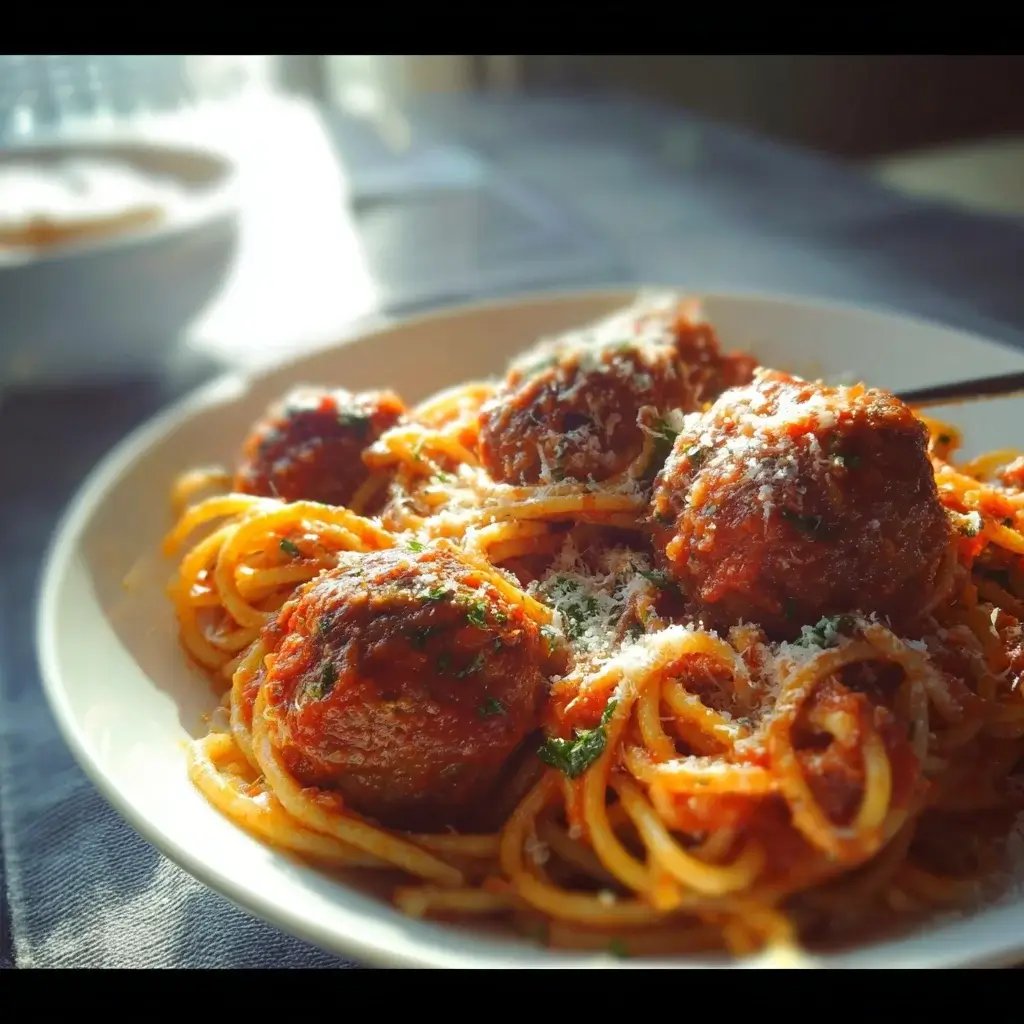

The Ultimate Spaghetti and Meatballs: A Recipe For The Ages
Before we dive into the specific measurements and instructions, it’s important to understand what makes this particular recipe so special. We’re not just making food; we’re building layers of flavor. We’re creating meatballs that are light and airy, not dense and tough. We’re simmering a sauce long enough for the flavors to marry and deepen into something truly profound. This is the quintessential Italian-American comfort food, elevated to its highest form. It’s a labor of love, but every single minute spent is repaid a hundredfold with the first glorious bite.
The History and Heart of Spaghetti and Meatballs
Interestingly, the dish we know and love as “Spaghetti and Meatballs” is not authentically Italian. In Italy, meatballs (or polpette) are typically smaller, served as a main course on their own or in a light soup, and pasta is a separate course (primo piatto). The iconic combination of heaping pasta topped with giant meatballs and smothered in a rich tomato sauce is a beautiful invention of Italian immigrants in America.
Arriving in the United States in the late 19th and early 20th centuries, these immigrants found that meat was far more affordable and accessible than it was in their homeland. They adapted their traditional recipes, making the meatballs larger and more of a centerpiece. They combined the pasta course and the meat course into one hearty, satisfying meal that could feed a large family. This new dish, born out of necessity and ingenuity, quickly became a staple in Italian-American households and restaurants, eventually cementing its place as one of the most beloved comfort foods in the entire country. So, when you make this recipe, you’re not just cooking dinner; you’re participating in a rich culinary history that tells a story of adaptation, family, and the American dream.
Choosing Your Ingredients: The Foundation of Flavor
The quality of your final dish is directly tied to the quality of your ingredients. While this recipe is forgiving, choosing the best possible components will elevate it from good to unforgettable.
- The Meat: The combination of ground beef and ground pork is non-negotiable for the best meatballs. 80/20 ground beef provides a rich, beefy flavor, while the ground pork brings essential fat, which translates to moisture and tenderness. Using only lean beef can result in dry, tough meatballs.
- The Binder and Moisture: Fresh breadcrumbs, made from day-old sturdy white bread, are superior to dry, store-bought breadcrumbs. They create a much softer, more delicate texture. Soaking them in whole milk adds another layer of moisture and richness, creating a “panade” that is key to a tender meatball.
- The Cheese: Use freshly grated Pecorino Romano or Parmigiano-Reggiano. Pre-shredded cheeses are often coated in anti-caking agents that prevent them from melting smoothly and can impart a strange texture. The sharp, salty bite of a good quality Italian hard cheese is essential for authentic flavor.
- The Herbs: Fresh parsley and basil are always best. They provide a bright, clean flavor that dried herbs simply cannot replicate. If you must use dried herbs, a good rule of thumb is to use one-third the amount of fresh herbs called for.
- The Sauce Base: Using high-quality canned San Marzano tomatoes will make a world of difference in your sauce. These tomatoes, grown in the volcanic soil near Mount Vesuvius, are less acidic and have a sweeter, more robust flavor than many other varieties. They break down beautifully into a luscious sauce.
- The Aromatics: Fresh garlic and yellow onion are the workhorses of the sauce’s flavor base. Don’t be tempted by garlic powder or onion powder here; the flavor of fresh, slowly sautéed aromatics is irreplaceable.
Complete Ingredients List
This recipe is broken down into three components: the meatballs, the sauce, and the final assembly.
For the Tender Meatballs (Yields approx. 20-24 meatballs):
- 1 lb 80/20 ground beef
- 1 lb ground pork
- 1 cup fresh breadcrumbs (from 2-3 slices of stale, sturdy white bread, crusts removed)
- ½ cup whole milk
- ¾ cup freshly grated Pecorino Romano or Parmigiano-Reggiano cheese, plus more for serving
- 2 large eggs, lightly beaten
- ½ cup finely chopped fresh Italian parsley
- 2 cloves garlic, minced
- 1 teaspoon salt
- ½ teaspoon black pepper
- ¼ teaspoon red pepper flakes (optional, for a little heat)
- ¼ cup olive oil, for frying
For the Rich Tomato Sauce:
- 2 tablespoons olive oil
- 1 large yellow onion, finely chopped
- 4 cloves garlic, thinly sliced
- 2 (28-ounce) cans San Marzano crushed tomatoes
- 1 (6-ounce) can tomato paste
- 1 cup dry red wine (like Chianti or Merlot)
- 2 cups beef or chicken broth
- 2 bay leaves
- 1 teaspoon dried oregano
- 1 teaspoon salt (or to taste)
- ½ teaspoon black pepper
- A large handful of fresh basil leaves, torn
For the Pasta and Assembly:
- 1.5 lbs spaghetti or your favorite long pasta
- Salt for pasta water
- Freshly chopped parsley and torn basil for garnish
- Freshly grated Pecorino Romano or Parmigiano-Reggiano for serving
Step-by-Step Instructions for Perfect Spaghetti and Meatballs
Follow these detailed steps carefully. The process is broken down into three main parts to make it manageable and to ensure each component is perfect.
Part 1: Crafting the Tender, Flavorful Meatballs
- Create the Panade: In a very large mixing bowl, combine the fresh breadcrumbs and the whole milk. Let it sit for 5-10 minutes, allowing the bread to fully absorb the liquid and become a soft paste. This step is crucial for moist meatballs.
- Add Flavorings: To the breadcrumb mixture, add the grated cheese, beaten eggs, chopped parsley, minced garlic, salt, black pepper, and optional red pepper flakes. Mix well to combine all the non-meat ingredients first. This ensures the flavor is evenly distributed without overworking the meat.
- Gently Add the Meat: Add the ground beef and ground pork to the bowl. Using your hands, gently fold and mix the meat into the other ingredients. Mix only until everything is just combined. Do not overmix! Overworking the meat will develop the proteins and result in tough, rubbery meatballs.
- Form the Meatballs: Lightly wet your hands with water to prevent sticking. Gently roll the mixture into uniform balls, about 1.5 to 2 inches in diameter. Don’t pack them too tightly. Place the formed meatballs on a baking sheet lined with parchment paper. You should have between 20 and 24 meatballs.
- Brown the Meatballs: In a large, heavy-bottomed Dutch oven or skillet, heat the ¼ cup of olive oil over medium-high heat. Working in batches to avoid overcrowding the pan, carefully place the meatballs in the hot oil. Brown them on all sides, turning them gently, for about 5-7 minutes per batch. They do not need to be cooked through at this point; we are just developing a flavorful crust.
- Set Aside: As each batch is browned, use a slotted spoon to transfer the meatballs to a clean plate or baking sheet. Do not wipe out the pan; the browned bits (the fond) left behind are pure flavor and will form the base of our sauce.
Part 2: Simmering the Rich and Robust Tomato Sauce
- Sauté the Aromatics: Reduce the heat under the Dutch oven to medium. If the pan is too dry, add the 2 tablespoons of olive oil. Add the finely chopped yellow onion and cook, stirring occasionally, until it becomes soft and translucent, about 6-8 minutes. Scrape up the browned bits from the bottom of the pan as the onions release their moisture.
- Bloom the Garlic and Tomato Paste: Add the sliced garlic and cook for another minute until fragrant. Be careful not to burn it. Add the tomato paste and cook, stirring constantly, for 2-3 minutes. This step cooks out the raw, metallic taste of the paste and deepens its flavor.
- Deglaze the Pan: Pour in the red wine to deglaze the pan. Bring it to a simmer and use a wooden spoon to scrape up any remaining browned bits from the bottom. Let the wine reduce by about half, which should take 3-4 minutes.
- Build the Sauce: Add the crushed tomatoes, beef or chicken broth, bay leaves, dried oregano, salt, and pepper. Stir everything together until well combined.
- Simmer with Meatballs: Bring the sauce to a gentle simmer. Carefully return the browned meatballs to the pot, nestling them into the sauce. Ensure they are mostly submerged.
- Low and Slow: Once the sauce returns to a simmer, reduce the heat to low, cover the pot, and let it cook for at least 1.5 hours, and up to 3 hours. The longer it simmers, the more tender the meatballs will become and the richer the sauce will be. Stir gently every 30 minutes or so to prevent sticking.
- Finish the Sauce: In the last 15 minutes of cooking, remove the lid to allow the sauce to thicken slightly. Remove the bay leaves and stir in the torn fresh basil leaves. Taste the sauce and adjust seasoning with more salt and pepper if needed.
Part 3: Cooking the Pasta and Final Assembly
- Boil the Pasta: About 20 minutes before the sauce is done, bring a large pot of water to a rolling boil. Add a generous amount of salt (it should taste like the sea). Add the spaghetti and cook according to package directions until al dente (cooked through but still with a firm bite).
- Marry the Pasta and Sauce: Just before the pasta is done, use a ladle to transfer about 1 cup of the starchy pasta water to a small bowl and set aside. Drain the pasta. Return the empty pasta pot to the stove over low heat. Add a few large ladles of the tomato sauce (without meatballs) to the pot.
- Toss to Coat: Add the drained pasta to the pot with the sauce. Toss vigorously to coat every strand of spaghetti. This is a crucial restaurant technique that ensures the pasta is flavorful, not just sitting under the sauce. If the sauce seems too thick, add a splash of the reserved starchy pasta water to loosen it and help it cling to the spaghetti.
- Serve: You are now ready to serve! See the section below for serving suggestions.
Nutrition Facts
- Servings: 8-10 servings
- Calories per serving (approximate): 750-850 kcal (This is an estimate and will vary based on the exact ingredients used, pasta portion size, and number of meatballs per serving).
Preparation and Cooking Time
- Preparation Time: 30 minutes (for chopping and mixing)
- Cook Time: 2 hours (including browning meatballs and simmering sauce)
- Total Time: 2 hours 30 minutes
How to Serve Spaghetti and Meatballs Like a Pro
The presentation is the final touch that makes the meal feel truly special. Here are a few ways to serve this iconic dish:
- Classic Family-Style Platter:
- Arrange the sauce-coated spaghetti on a large, warm serving platter.
- Use a slotted spoon to arrange the meatballs on top of the pasta.
- Ladle a bit more of the rich tomato sauce over the meatballs.
- Garnish generously with freshly grated cheese and chopped fresh parsley or basil.
- Place the platter in the center of the table for everyone to serve themselves.
- Individual Restaurant-Style Plates:
- Using tongs, twirl a portion of the sauced spaghetti into a neat mound in the center of a shallow bowl or plate.
- Artfully place 2-3 meatballs around the base or on top of the pasta nest.
- Drizzle a little extra sauce over the top.
- Finish with a sprinkle of cheese, a few torn basil leaves, and a drizzle of high-quality extra virgin olive oil.
- Perfect Pairings:
- Garlic Bread: A non-negotiable side for sopping up every last bit of the delicious sauce.
- Simple Green Salad: A crisp salad with a simple vinaigrette provides a fresh, acidic contrast to the richness of the main dish. A Caesar salad is also a classic choice.
- Wine: A medium-bodied Italian red wine is the perfect companion. A Chianti Classico, Sangiovese, or a Barbera will complement the tomato and meat flavors beautifully.
5 Essential Tips for Next-Level Spaghetti and Meatballs
- The Panade is Paramount: Do not skip the step of soaking fresh breadcrumbs in milk. This simple technique is the number one secret to preventing dense, heavy meatballs. The hydrated breadcrumbs create little pockets of moisture and steam within the meatball as it cooks, resulting in an incredibly light and tender texture.
- Brown, Don’t Cook Through: The initial browning step is all about flavor development through the Maillard reaction. Getting a deep, brown crust on the meatballs creates a complex, savory flavor that will infuse the entire sauce. Don’t worry about cooking them all the way through; they will finish cooking gently as they simmer in the sauce, which also keeps them juicy.
- Simmer Low and Slow: Patience is a key ingredient. Don’t rush the sauce. A long, slow simmer (at least 1.5 hours) is what melds all the flavors together, tenderizes the meatballs to perfection, and thickens the sauce to a luscious consistency. The difference between a 30-minute sauce and a 2-hour sauce is night and day.
- Embrace the Starchy Pasta Water: That cloudy water left over after boiling your pasta is liquid gold. It’s full of starch, which acts as an emulsifier and thickener. When you toss your pasta with the sauce, adding a splash of this water helps the sauce cling perfectly to every strand of spaghetti and creates a silkier, more cohesive final dish.
- Make it Ahead for Better Flavor: Like many stews and braises, spaghetti and meatballs is even better the next day. The flavors continue to meld and deepen overnight. If you have the time, make the entire dish a day in advance, let it cool, and store it in the fridge. Reheat it gently on the stovetop before cooking your pasta and serving.
Frequently Asked Questions (FAQ)
Q1: Why are my meatballs tough and dry?
This is the most common issue and usually comes down to one of three things. First, you may be overmixing the meat. Mix only until the ingredients are just combined. Second, you might be using meat that is too lean. The fat from 80/20 beef and ground pork is essential for moisture. Third, you may have packed the meatballs too tightly when rolling them. Keep a light hand for a lighter meatball.
Q2: Can I use ground turkey or chicken instead of beef and pork?
Yes, you can, but you’ll need to make some adjustments to compensate for the lower fat content. When using ground poultry, be extra diligent about the panade (breadcrumbs and milk) and consider adding extra fat, such as a tablespoon of olive oil or some finely chopped pancetta into the meat mixture, to prevent them from drying out.
Q3: Can I bake the meatballs instead of frying them?
Absolutely. Baking is a great, less messy alternative. To do this, preheat your oven to 400°F (200°C). Place the formed meatballs on a wire rack set over a baking sheet. Bake for 15-20 minutes, or until browned. You will miss out on the fond (browned bits) in the pan for your sauce, but it’s a worthwhile trade-off for convenience. You can then add the baked meatballs directly to the simmering sauce.
Q4: Can I make this recipe gluten-free?
Yes. To make it gluten-free, simply substitute the fresh breadcrumbs with a gluten-free alternative (gluten-free bread works well) and serve with your favorite gluten-free pasta. Ensure all other packaged ingredients, like your broth, are certified gluten-free.
Q5: How do I store and reheat leftovers?
Leftovers are fantastic! Store the sauce with the meatballs in an airtight container in the refrigerator for up to 4 days. It’s best to store the pasta separately to prevent it from getting mushy. To reheat, gently warm the sauce and meatballs in a saucepan over medium-low heat until hot. You can also freeze the sauce and meatballs for up to 3 months. Thaw overnight in the refrigerator before reheating.
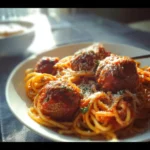
Spaghetti and Meatballs Recipe
Ingredients
For the Tender Meatballs (Yields approx. 20-24 meatballs):
-
1 lb 80/20 ground beef
-
1 lb ground pork
-
1 cup fresh breadcrumbs (from 2-3 slices of stale, sturdy white bread, crusts removed)
-
½ cup whole milk
-
¾ cup freshly grated Pecorino Romano or Parmigiano-Reggiano cheese, plus more for serving
-
2 large eggs, lightly beaten
-
½ cup finely chopped fresh Italian parsley
-
2 cloves garlic, minced
-
1 teaspoon salt
-
½ teaspoon black pepper
-
¼ teaspoon red pepper flakes (optional, for a little heat)
-
¼ cup olive oil, for frying
For the Rich Tomato Sauce:
-
2 tablespoons olive oil
-
1 large yellow onion, finely chopped
-
4 cloves garlic, thinly sliced
-
2 (28-ounce) cans San Marzano crushed tomatoes
-
1 (6-ounce) can tomato paste
-
1 cup dry red wine (like Chianti or Merlot)
-
2 cups beef or chicken broth
-
2 bay leaves
-
1 teaspoon dried oregano
-
1 teaspoon salt (or to taste)
-
½ teaspoon black pepper
-
A large handful of fresh basil leaves, torn
For the Pasta and Assembly:
-
1.5 lbs spaghetti or your favorite long pasta
-
Salt for pasta water
-
Freshly chopped parsley and torn basil for garnish
-
Freshly grated Pecorino Romano or Parmigiano-Reggiano for serving
Instructions
Part 1: Crafting the Tender, Flavorful Meatballs
-
Create the Panade: In a very large mixing bowl, combine the fresh breadcrumbs and the whole milk. Let it sit for 5-10 minutes, allowing the bread to fully absorb the liquid and become a soft paste. This step is crucial for moist meatballs.
-
Add Flavorings: To the breadcrumb mixture, add the grated cheese, beaten eggs, chopped parsley, minced garlic, salt, black pepper, and optional red pepper flakes. Mix well to combine all the non-meat ingredients first. This ensures the flavor is evenly distributed without overworking the meat.
-
Gently Add the Meat: Add the ground beef and ground pork to the bowl. Using your hands, gently fold and mix the meat into the other ingredients. Mix only until everything is just combined. Do not overmix! Overworking the meat will develop the proteins and result in tough, rubbery meatballs.
-
Form the Meatballs: Lightly wet your hands with water to prevent sticking. Gently roll the mixture into uniform balls, about 1.5 to 2 inches in diameter. Don’t pack them too tightly. Place the formed meatballs on a baking sheet lined with parchment paper. You should have between 20 and 24 meatballs.
-
Brown the Meatballs: In a large, heavy-bottomed Dutch oven or skillet, heat the ¼ cup of olive oil over medium-high heat. Working in batches to avoid overcrowding the pan, carefully place the meatballs in the hot oil. Brown them on all sides, turning them gently, for about 5-7 minutes per batch. They do not need to be cooked through at this point; we are just developing a flavorful crust.
-
Set Aside: As each batch is browned, use a slotted spoon to transfer the meatballs to a clean plate or baking sheet. Do not wipe out the pan; the browned bits (the fond) left behind are pure flavor and will form the base of our sauce.
Part 2: Simmering the Rich and Robust Tomato Sauce
-
Sauté the Aromatics: Reduce the heat under the Dutch oven to medium. If the pan is too dry, add the 2 tablespoons of olive oil. Add the finely chopped yellow onion and cook, stirring occasionally, until it becomes soft and translucent, about 6-8 minutes. Scrape up the browned bits from the bottom of the pan as the onions release their moisture.
-
Bloom the Garlic and Tomato Paste: Add the sliced garlic and cook for another minute until fragrant. Be careful not to burn it. Add the tomato paste and cook, stirring constantly, for 2-3 minutes. This step cooks out the raw, metallic taste of the paste and deepens its flavor.
-
Deglaze the Pan: Pour in the red wine to deglaze the pan. Bring it to a simmer and use a wooden spoon to scrape up any remaining browned bits from the bottom. Let the wine reduce by about half, which should take 3-4 minutes.
-
Build the Sauce: Add the crushed tomatoes, beef or chicken broth, bay leaves, dried oregano, salt, and pepper. Stir everything together until well combined.
-
Simmer with Meatballs: Bring the sauce to a gentle simmer. Carefully return the browned meatballs to the pot, nestling them into the sauce. Ensure they are mostly submerged.
-
Low and Slow: Once the sauce returns to a simmer, reduce the heat to low, cover the pot, and let it cook for at least 1.5 hours, and up to 3 hours. The longer it simmers, the more tender the meatballs will become and the richer the sauce will be. Stir gently every 30 minutes or so to prevent sticking.
-
Finish the Sauce: In the last 15 minutes of cooking, remove the lid to allow the sauce to thicken slightly. Remove the bay leaves and stir in the torn fresh basil leaves. Taste the sauce and adjust seasoning with more salt and pepper if needed.
Part 3: Cooking the Pasta and Final Assembly
-
Boil the Pasta: About 20 minutes before the sauce is done, bring a large pot of water to a rolling boil. Add a generous amount of salt (it should taste like the sea). Add the spaghetti and cook according to package directions until al dente (cooked through but still with a firm bite).
-
Marry the Pasta and Sauce: Just before the pasta is done, use a ladle to transfer about 1 cup of the starchy pasta water to a small bowl and set aside. Drain the pasta. Return the empty pasta pot to the stove over low heat. Add a few large ladles of the tomato sauce (without meatballs) to the pot.
-
Toss to Coat: Add the drained pasta to the pot with the sauce. Toss vigorously to coat every strand of spaghetti. This is a crucial restaurant technique that ensures the pasta is flavorful, not just sitting under the sauce. If the sauce seems too thick, add a splash of the reserved starchy pasta water to loosen it and help it cling to the spaghetti.
-
Serve: You are now ready to serve! See the section below for serving suggestions
Nutrition
- Serving Size: one normal portion
- Calories: 750-850 kcal