
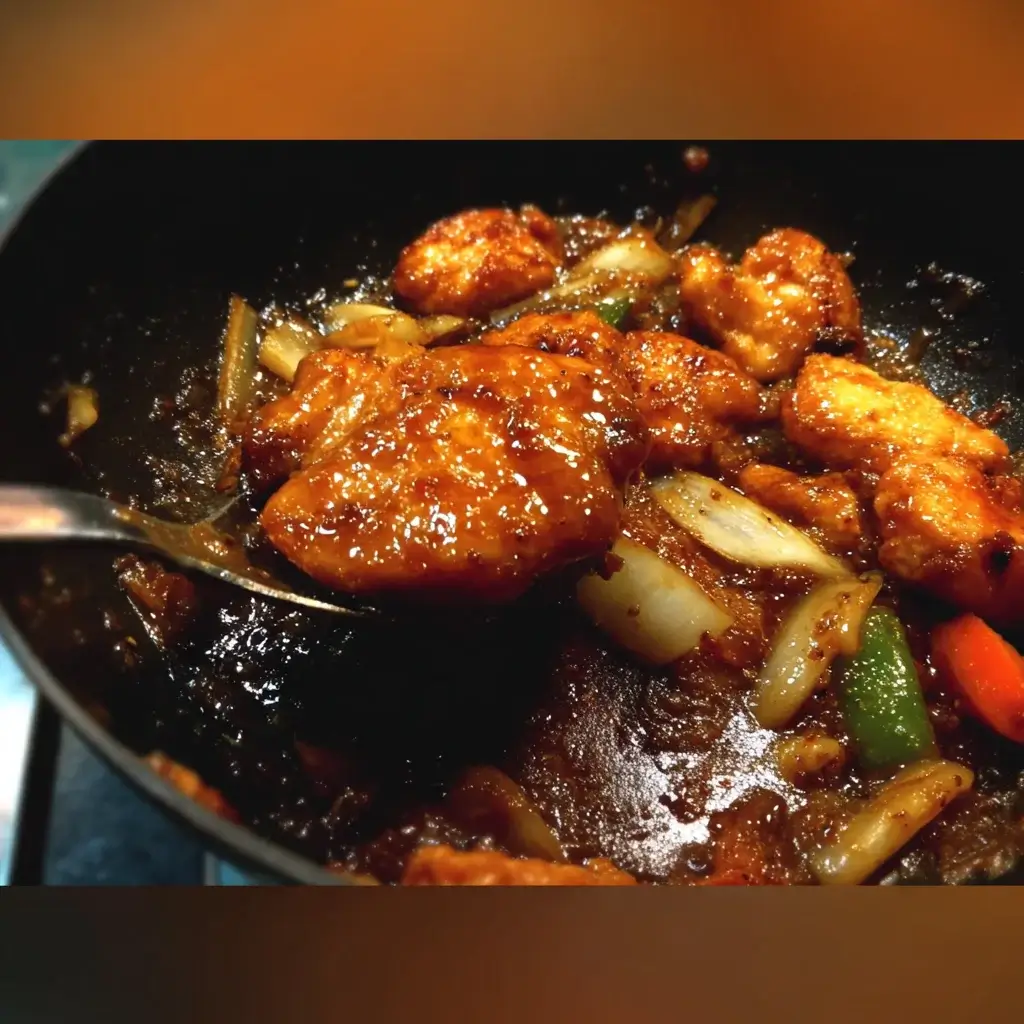
There are nights when the question of “what’s for dinner?” feels like an insurmountable challenge. On one such evening, staring into a fridge with a pack of chicken and a crisper drawer full of assorted vegetables, I felt that familiar wave of weeknight exhaustion. My first thought was takeout, but I resisted. Instead, I decided to tackle a classic: a soy sauce chicken stir fry. I used to be intimidated by stir-fries, picturing a chaotic whirlwind of flying vegetables and split-second timing. But this time, I took a deep breath and focused on the prep. I meticulously chopped my veggies, marinated the chicken, and whisked together a simple sauce. The moment the marinated chicken hit the hot, shimmering oil in the wok, the kitchen exploded with a triumphant sizzle and the most incredible aroma of caramelizing soy sauce, garlic, and ginger. My family, drawn by the scent, gathered in the kitchen. In less than 30 minutes, we were sitting down to a meal that looked and tasted a hundred times better than any takeout. The chicken was unbelievably tender, the vegetables were crisp and vibrant, and the sauce was the perfect balance of savory and sweet, clinging to every single grain of rice. It was a revelation. That simple dish transformed a stressful evening into a moment of delicious victory, and it has since become our foolproof, go-to meal for a busy night.
The Ultimate Weeknight Soy Sauce Chicken Stir Fry
This is not just another stir fry recipe; it’s a guide to mastering the art of the perfect stir fry at home. What sets this dish apart from the rest is its focus on technique and flavor balance, ensuring you get results that rival your favorite Chinese restaurant. The secret lies in a few key areas. First, we use a technique called “velveting” for the chicken, a simple marinade with cornstarch that creates a silky coating, locking in moisture and guaranteeing incredibly tender, juicy meat every time. Second, the signature stir fry sauce is a perfectly calibrated blend of savory, sweet, and aromatic components. It’s more than just soy sauce; it’s a symphony of flavors that is complex enough to be interesting but simple enough to whisk together in two minutes. Finally, we’ll walk through the proper stir-frying method—using high heat, avoiding overcrowding the pan, and adding vegetables in the correct order to ensure everything is cooked to perfection, with the broccoli and carrots remaining tender-crisp and the bell peppers bright and sweet. This recipe will demystify the stir fry, turning it from an intimidating concept into your most reliable and delicious weeknight weapon.
Complete Ingredients for Soy Sauce Chicken Stir Fry
A great stir fry starts with great ingredients. The key is to have everything prepped and ready to go before you even think about turning on the stove. This culinary principle is known as mise en place, and for a fast-cooking dish like stir fry, it is absolutely essential. This recipe serves 4.
For the Chicken and Marinade:
- Boneless, Skinless Chicken Breasts or Thighs: 1.5 lbs (about 680g), sliced into thin ¼-inch strips against the grain
- Low-Sodium Soy Sauce: 2 tablespoons
- Cornstarch: 1 tablespoon
- Toasted Sesame Oil: 1 teaspoon
- Shaoxing Wine or Dry Sherry: 1 tablespoon (optional, but adds authentic depth)
For the Signature Stir Fry Sauce:
- Low-Sodium Soy Sauce: ½ cup
- Water or Low-Sodium Chicken Broth: ¼ cup
- Brown Sugar or Honey: 2 tablespoons, packed
- Rice Vinegar: 1 tablespoon
- Toasted Sesame Oil: 1 tablespoon
- Cornstarch: 1 tablespoon
- White Pepper: ¼ teaspoon (or black pepper, to taste)
For the Stir Fry:
- Avocado Oil, or other high smoke-point oil: 2-3 tablespoons, divided
- Fresh Ginger: 1 tablespoon, minced or finely grated
- Fresh Garlic: 3-4 cloves, minced
- Broccoli Florets: 2 cups, cut into bite-sized pieces
- Carrot: 1 large, thinly sliced on a diagonal
- Red Bell Pepper: 1, seeds and ribs removed, cut into 1-inch pieces
- Yellow or Orange Bell Pepper: 1, seeds and ribs removed, cut into 1-inch pieces
- Snap Peas or Snow Peas: 1 cup, strings removed
- Scallions (Green Onions): 4, chopped, with whites and greens separated
- Optional Garnish: Toasted sesame seeds, chopped cilantro, or red pepper flakes
Step-by-Step Cooking Instructions
Follow these detailed steps to build your stir fry layer by layer, ensuring every component is perfectly cooked and bursting with flavor.
Step 1: Marinate and Velvet the Chicken
In a medium bowl, combine the thinly sliced chicken strips with the marinade ingredients: 2 tablespoons of low-sodium soy sauce, 1 tablespoon of cornstarch, 1 teaspoon of toasted sesame oil, and the optional Shaoxing wine. Use your hands or tongs to toss everything together until the chicken is evenly coated. The cornstarch mixture will feel a bit slick; this is the “velveting” process that will keep the chicken incredibly moist and tender. Set the bowl aside to marinate for at least 15 minutes at room temperature, or up to an hour in the refrigerator.
Step 2: Prepare the Signature Sauce
In a small bowl or liquid measuring cup, whisk together all the sauce ingredients: ½ cup low-sodium soy sauce, ¼ cup water or broth, 2 tablespoons brown sugar or honey, 1 tablespoon rice vinegar, 1 tablespoon toasted sesame oil, 1 tablespoon cornstarch, and ¼ teaspoon white pepper. Continue whisking until the cornstarch and sugar are fully dissolved and there are no lumps. Set this sauce mixture near your stove.
Step 3: Prepare Your Vegetables (Mise en Place)
This is the most crucial step for a stress-free stir fry experience. Wash, chop, and measure all your vegetables and aromatics as listed in the ingredients. Place them in separate small bowls or piles on a large cutting board. Have your minced garlic, grated ginger, and separated scallion whites and greens ready to go.
Step 4: Sear the Chicken
Place a large wok or a 12-inch heavy-bottomed skillet over high heat. Let the pan get very hot—you should see faint wisps of smoke. Add 1 tablespoon of the high smoke-point oil and swirl to coat the bottom. Carefully add the marinated chicken to the pan in a single layer, being careful not to overcrowd it (cook in two batches if necessary). Let the chicken cook undisturbed for 2-3 minutes, until a deep golden-brown crust forms on the bottom. Then, stir and flip the chicken, cooking for another 2-3 minutes until it is cooked through. The cornstarch coating will create a beautiful, caramelized exterior. Use a slotted spoon to remove the chicken from the wok and transfer it to a clean plate.
Step 5: Sauté the Aromatics and Hard Vegetables
Reduce the heat to medium-high. Add another tablespoon of oil to the now-empty wok. Add the minced ginger, minced garlic, and the white parts of the scallions. Stir-fry constantly for about 30 seconds until they are intensely fragrant—be careful not to burn them. Immediately add the “hardest” vegetables: the broccoli florets and sliced carrots. Stir-fry for 3-4 minutes. The broccoli should turn a vibrant, bright green.
Step 6: Add the Softer Vegetables
Add the bell pepper pieces and snap peas to the wok. Continue to stir-fry for another 2-3 minutes. You are aiming for a “tender-crisp” texture—the vegetables should be cooked through but still have a pleasant bite and vibrant color. They should not be soft or mushy.
Step 7: Combine and Sauce
Return the cooked chicken to the wok with the vegetables. Give your signature sauce mixture a final quick whisk (the cornstarch will have settled) and pour it all over the chicken and vegetables.
Step 8: Thicken and Finish
Continue to stir and toss everything together constantly. As the sauce comes to a boil, the cornstarch in it will activate, and the sauce will thicken into a beautiful, glossy glaze that coats every single ingredient. This should only take about 1-2 minutes. Once the sauce has thickened to your liking, turn off the heat. Stir in the green parts of the scallions.
Step 9: Serve Immediately
Transfer the stir fry to a serving platter or individual bowls. Garnish with a sprinkle of toasted sesame seeds, if desired. Serve immediately for the best texture and flavor.
Nutrition Facts
The following nutritional information is an approximation and can vary based on the specific ingredients and portion sizes.
- Servings: 4
- Calories per Serving: Approximately 450-500 kcal (not including rice or noodles)
Preparation Time
- Active Preparation Time (Chopping & Marinating): 20 minutes
- Cooking Time: 10-12 minutes
- Total Time: Approximately 35 minutes
How to Serve Your Soy Sauce Chicken Stir Fry
This versatile dish can be served in a variety of ways to suit your dietary needs and preferences. Here are some of the best options:
- Over a Bed of Grains:
- Steamed Jasmine Rice: The classic pairing. The fluffy, fragrant rice is perfect for soaking up every last drop of the delicious sauce.
- Brown Rice: A healthier, heartier option with a nutty flavor that complements the dish well.
- Quinoa: A protein-packed, gluten-free alternative that adds a unique texture.
- With Noodles:
- Lo Mein or Udon Noodles: Toss the cooked and drained noodles directly into the wok with the stir fry for the last 30 seconds of cooking to create a complete noodle dish.
- Rice Noodles: Serve the stir fry over a bed of delicate cooked rice noodles for a lighter, gluten-free option.
- Low-Carb and Healthy Options:
- Cauliflower Rice: A fantastic low-carb alternative that mimics the texture of rice.
- Zucchini Noodles (Zoodles): Serve the hot stir fry over a bed of raw or lightly sautéed zoodles.
- On its Own: The dish is hearty and balanced enough to be enjoyed by itself as a complete, low-carb meal.
Additional Tips for the Perfect Stir Fry
Unlock the secrets to restaurant-quality stir fry with these five essential tips.
- High Heat is Non-Negotiable: The key to a great stir fry is the “wok hei,” a complex, smoky flavor that can only be achieved with very high heat. Get your wok or skillet screaming hot before you add any oil. This sears the ingredients quickly, locking in their flavor and juices and preventing them from steaming in their own liquid.
- Don’t Crowd the Pan: This is the most common stir fry mistake. Piling too many ingredients into the pan at once will drastically lower the temperature, causing the food to steam instead of sear. This results in soggy vegetables and pale, rubbery chicken. If your pan isn’t large enough, cook the chicken and vegetables in separate batches, then combine them at the end.
- Cut Ingredients Uniformly: For even cooking, try to cut your ingredients to a similar size and thickness. Slice chicken thinly, and chop vegetables into bite-sized pieces. This ensures that the carrots aren’t still raw when the bell peppers have turned to mush.
- Master the Art of Layering Vegetables: Not all vegetables cook at the same rate. Always add them to the wok in order of their cooking time. Start with hard, dense vegetables like carrots and broccoli. After a few minutes, add medium-density vegetables like bell peppers and snap peas. Quick-cooking ingredients like leafy greens (bok choy, spinach) or bean sprouts should be added in the final minute of cooking.
- Get Your Sauce Ready Before You Start: The actual cooking part of a stir fry happens incredibly fast. You won’t have time to measure out soy sauce and whisk in cornstarch while your garlic is sizzling in the pan. Have your sauce completely mixed and sitting by the stove so you can pour it in at the exact right moment.
Frequently Asked Questions (FAQ)
Here are answers to some of the most common questions about making this soy sauce chicken stir fry.
1. Can I use chicken thighs instead of breasts?
Absolutely! Chicken thighs are an excellent choice for stir-fries. They contain slightly more fat, which makes them more flavorful and much more forgiving—they are very difficult to overcook and remain incredibly juicy. Simply cut them into bite-sized pieces and use them exactly as you would the chicken breasts.
2. How can I make this recipe gluten-free?
It’s very simple to adapt this recipe to be gluten-free. The main source of gluten is the soy sauce. You can substitute the regular soy sauce with either tamari, which is a Japanese soy sauce that is typically brewed without wheat, or liquid aminos/coconut aminos. Just be sure to check the label to confirm it’s certified gluten-free. The rest of the ingredients are naturally gluten-free.
3. What if I don’t have a wok? Can I still make a good stir fry?
Yes, you can still make an excellent stir fry without a wok. The best alternative is a large, flat-bottomed, heavy skillet, such as a cast-iron or stainless-steel pan. The key is to use a pan that is large enough to hold the ingredients without overcrowding and one that can handle and retain high heat well.
4. Can I substitute the vegetables or add others?
Definitely! This recipe is a fantastic template for using whatever vegetables you have in your fridge. Feel free to swap or add any of the following, keeping in mind their cooking times:
- Hard Veggies (add with broccoli/carrots): Cauliflower florets, celery, water chestnuts.
- Medium Veggies (add with bell peppers): Zucchini, yellow squash, mushrooms, baby corn, onions.
- Soft/Quick Veggies (add in the last minute): Bok choy, bean sprouts, edamame.
5. How do I store and reheat leftovers?
Store any leftover stir fry in an airtight container in the refrigerator for up to 3-4 days. For the best results when reheating, use a skillet or wok over medium-high heat. Add a splash of water or chicken broth to the pan with the leftovers and stir-fry for a few minutes until heated through. This method helps to revive the texture of the vegetables and prevents the chicken from becoming rubbery, which can sometimes happen in the microwave.
Soy Sauce Chicken Stir Fry recipe
Ingredients
For the Chicken and Marinade:
-
Boneless, Skinless Chicken Breasts or Thighs: 1.5 lbs (about 680g), sliced into thin ¼-inch strips against the grain
-
Low-Sodium Soy Sauce: 2 tablespoons
-
Cornstarch: 1 tablespoon
-
Toasted Sesame Oil: 1 teaspoon
-
Shaoxing Wine or Dry Sherry: 1 tablespoon (optional, but adds authentic depth)
For the Signature Stir Fry Sauce:
-
Low-Sodium Soy Sauce: ½ cup
-
Water or Low-Sodium Chicken Broth: ¼ cup
-
Brown Sugar or Honey: 2 tablespoons, packed
-
Rice Vinegar: 1 tablespoon
-
Toasted Sesame Oil: 1 tablespoon
-
Cornstarch: 1 tablespoon
-
White Pepper: ¼ teaspoon (or black pepper, to taste)
For the Stir Fry:
-
Avocado Oil, or other high smoke-point oil: 2-3 tablespoons, divided
-
Fresh Ginger: 1 tablespoon, minced or finely grated
-
Fresh Garlic: 3-4 cloves, minced
-
Broccoli Florets: 2 cups, cut into bite-sized pieces
-
Carrot: 1 large, thinly sliced on a diagonal
-
Red Bell Pepper: 1, seeds and ribs removed, cut into 1-inch pieces
-
Yellow or Orange Bell Pepper: 1, seeds and ribs removed, cut into 1-inch pieces
-
Snap Peas or Snow Peas: 1 cup, strings removed
-
Scallions (Green Onions): 4, chopped, with whites and greens separated
-
Optional Garnish: Toasted sesame seeds, chopped cilantro, or red pepper flakes
Instructions
Step 1: Marinate and Velvet the Chicken
In a medium bowl, combine the thinly sliced chicken strips with the marinade ingredients: 2 tablespoons of low-sodium soy sauce, 1 tablespoon of cornstarch, 1 teaspoon of toasted sesame oil, and the optional Shaoxing wine. Use your hands or tongs to toss everything together until the chicken is evenly coated. The cornstarch mixture will feel a bit slick; this is the “velveting” process that will keep the chicken incredibly moist and tender. Set the bowl aside to marinate for at least 15 minutes at room temperature, or up to an hour in the refrigerator.
Step 2: Prepare the Signature Sauce
In a small bowl or liquid measuring cup, whisk together all the sauce ingredients: ½ cup low-sodium soy sauce, ¼ cup water or broth, 2 tablespoons brown sugar or honey, 1 tablespoon rice vinegar, 1 tablespoon toasted sesame oil, 1 tablespoon cornstarch, and ¼ teaspoon white pepper. Continue whisking until the cornstarch and sugar are fully dissolved and there are no lumps. Set this sauce mixture near your stove.
Step 3: Prepare Your Vegetables (Mise en Place)
This is the most crucial step for a stress-free stir fry experience. Wash, chop, and measure all your vegetables and aromatics as listed in the ingredients. Place them in separate small bowls or piles on a large cutting board. Have your minced garlic, grated ginger, and separated scallion whites and greens ready to go.
Step 4: Sear the Chicken
Place a large wok or a 12-inch heavy-bottomed skillet over high heat. Let the pan get very hot—you should see faint wisps of smoke. Add 1 tablespoon of the high smoke-point oil and swirl to coat the bottom. Carefully add the marinated chicken to the pan in a single layer, being careful not to overcrowd it (cook in two batches if necessary). Let the chicken cook undisturbed for 2-3 minutes, until a deep golden-brown crust forms on the bottom. Then, stir and flip the chicken, cooking for another 2-3 minutes until it is cooked through. The cornstarch coating will create a beautiful, caramelized exterior. Use a slotted spoon to remove the chicken from the wok and transfer it to a clean plate.
Step 5: Sauté the Aromatics and Hard Vegetables
Reduce the heat to medium-high. Add another tablespoon of oil to the now-empty wok. Add the minced ginger, minced garlic, and the white parts of the scallions. Stir-fry constantly for about 30 seconds until they are intensely fragrant—be careful not to burn them. Immediately add the “hardest” vegetables: the broccoli florets and sliced carrots. Stir-fry for 3-4 minutes. The broccoli should turn a vibrant, bright green.
Step 6: Add the Softer Vegetables
Add the bell pepper pieces and snap peas to the wok. Continue to stir-fry for another 2-3 minutes. You are aiming for a “tender-crisp” texture—the vegetables should be cooked through but still have a pleasant bite and vibrant color. They should not be soft or mushy.
Step 7: Combine and Sauce
Return the cooked chicken to the wok with the vegetables. Give your signature sauce mixture a final quick whisk (the cornstarch will have settled) and pour it all over the chicken and vegetables.
Step 8: Thicken and Finish
Continue to stir and toss everything together constantly. As the sauce comes to a boil, the cornstarch in it will activate, and the sauce will thicken into a beautiful, glossy glaze that coats every single ingredient. This should only take about 1-2 minutes. Once the sauce has thickened to your liking, turn off the heat. Stir in the green parts of the scallions.
Step 9: Serve Immediately
Transfer the stir fry to a serving platter or individual bowls. Garnish with a sprinkle of toasted sesame seeds, if desired. Serve immediately for the best texture and flavor.
Nutrition
- Serving Size: one normal portion
- Calories: 450-500 kcal