
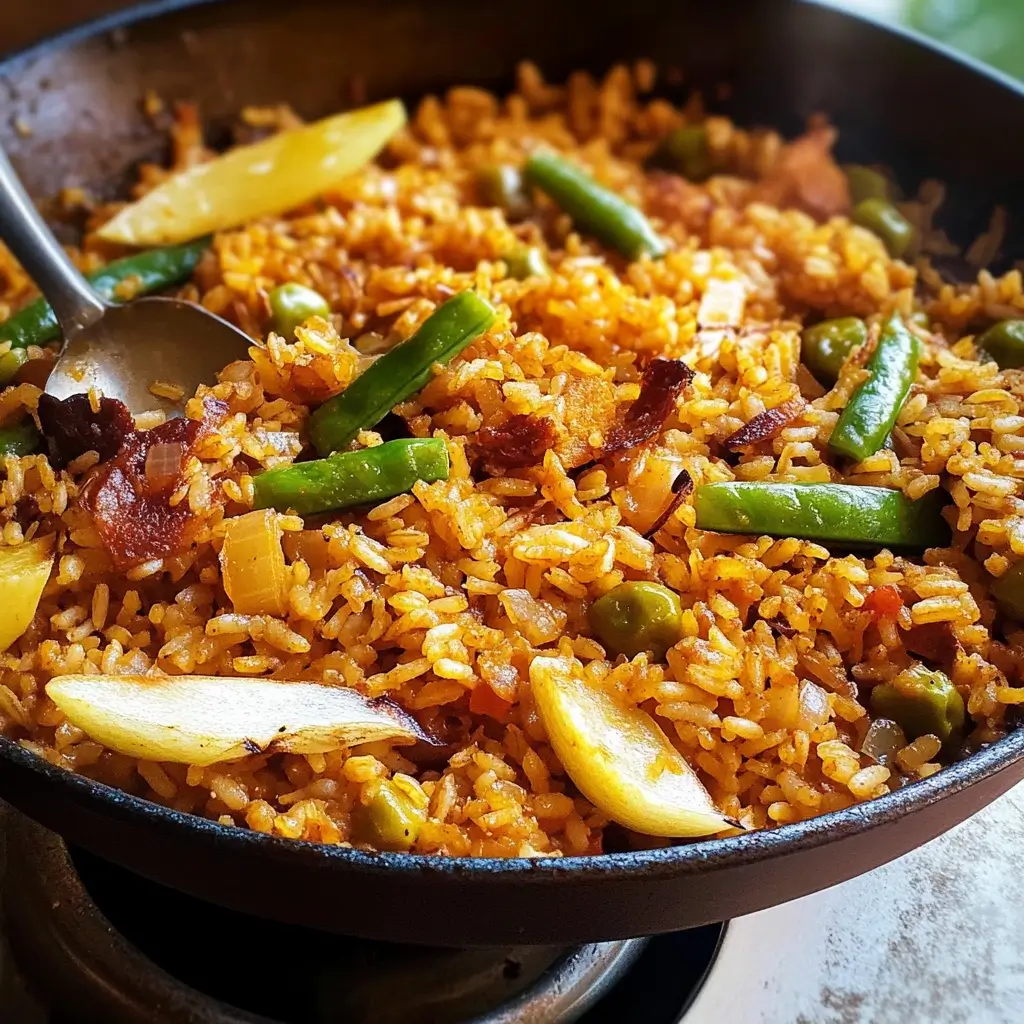

There are some dishes that just sing of sunshine and warmth, and for me, Smoky Vegetarian Spanish Rice is definitely one of them. It’s a dish that instantly transports me to a sun-drenched patio in Spain, filled with the enticing aromas of spices and simmering rice. I first stumbled upon this recipe when I was searching for a flavorful and satisfying vegetarian side dish that could stand up to grilled vegetables and hearty salads. What I discovered was so much more than just a side – it was a vibrant and delicious main course in its own right! The smoky depth from the paprika, the subtle sweetness of the peppers, and the comforting texture of perfectly cooked rice all combine to create a truly unforgettable culinary experience. My family, initially skeptical of “just rice” for dinner, were instantly converted. Even my youngest, who is notoriously picky, devoured it, proclaiming it “the best rice ever!”. It’s become a regular feature on our menu, especially during the warmer months, and it’s incredibly versatile. Whether served alongside grilled halloumi, stuffed peppers, or simply with a dollop of creamy avocado, this Smoky Vegetarian Spanish Rice is always a crowd-pleaser. If you’re looking to add a touch of Spanish flair to your table and crave a dish that’s both flavorful and wholesome, you absolutely must try this recipe. Prepare to be captivated by the smoky, savory, and utterly delicious world of Vegetarian Spanish Rice.
Ingredients: Building Blocks of Smoky Spanish Flavor
The magic of Smoky Vegetarian Spanish Rice lies in the careful selection and combination of ingredients. Each component contributes to the overall flavor profile, creating a dish that is both complex and comforting. Here’s a detailed breakdown of what you’ll need, along with notes on why each ingredient is important and potential substitutions:
- For the Rice Base:
- Medium-Grain Rice (1 ½ cups): Medium-grain rice, such as Bomba or Arborio, is ideal for Spanish rice dishes. Its ability to absorb liquid while maintaining a slightly firm texture is key.
- Why it’s important: Medium-grain rice provides the perfect texture – fluffy yet slightly creamy, without becoming mushy. It absorbs the flavorful broth beautifully.
- Substitution: Long-grain rice (like Basmati or Jasmine) can be used in a pinch, but the texture will be slightly different – drier and less creamy. Avoid short-grain rice as it can become too sticky.
- Vegetable Broth (3 cups, low sodium preferred): Vegetable broth is the cooking liquid that infuses the rice with flavor. Low-sodium broth allows you to control the salt level.
- Why it’s important: Provides the liquid for cooking the rice and adds a base layer of savory flavor.
- Substitution: Water can be used, but the flavor will be less rich. You can enhance water by adding a vegetable bouillon cube or a teaspoon of vegetable bouillon powder.
- Olive Oil (3 tablespoons): Olive oil is the traditional cooking fat in Spanish cuisine. It imparts a fruity and slightly peppery flavor.
- Why it’s important: Adds flavor, helps to sauté the vegetables, and prevents the rice from sticking.
- Substitution: Other neutral oils like canola or sunflower oil can be used, but olive oil is recommended for authentic flavor.
- Medium-Grain Rice (1 ½ cups): Medium-grain rice, such as Bomba or Arborio, is ideal for Spanish rice dishes. Its ability to absorb liquid while maintaining a slightly firm texture is key.
- For the Aromatic Vegetables:
- Yellow Onion (1 medium, finely chopped): Onion forms the aromatic base of many Spanish dishes, adding sweetness and depth.
- Why it’s important: Provides a foundational savory and slightly sweet flavor.
- Substitution: White onion or shallots can be used.
- Red Bell Pepper (1 medium, diced): Red bell pepper adds sweetness, color, and a slightly crisp texture.
- Why it’s important: Contributes sweetness, vibrant color, and a pleasant texture.
- Substitution: Orange or yellow bell pepper can be used. Green bell pepper can be used for a slightly less sweet and more savory flavor.
- Garlic (3-4 cloves, minced): Garlic is essential for adding pungent, savory depth.
- Why it’s important: Provides a strong aromatic base and savory flavor that is characteristic of Spanish cuisine.
- Substitution: Garlic paste or pre-minced garlic can be used, but fresh garlic is always preferred for the best flavor.
- Yellow Onion (1 medium, finely chopped): Onion forms the aromatic base of many Spanish dishes, adding sweetness and depth.
- For the Smoky and Spanish Spices:
- Smoked Paprika (2 tablespoons): This is the star ingredient for the smoky flavor! Use Spanish smoked paprika (Pimentón de la Vera) for the most authentic taste. There are different types of smoked paprika – sweet (dulce), bittersweet (agridulce), and hot (picante). Sweet or bittersweet are generally used for Spanish rice.
- Why it’s important: Provides the signature smoky flavor that defines this dish.
- Substitution: Regular paprika can be used, but the dish will lack the smoky depth. You can try adding a tiny drop of liquid smoke (use very sparingly as it’s potent) or smoked salt to compensate slightly, but smoked paprika is truly irreplaceable for the best result.
- Ground Cumin (1 teaspoon): Cumin adds warmth and earthy notes, complementing the smoked paprika.
- Why it’s important: Adds warm, earthy, and slightly nutty notes that enhance the overall flavor profile.
- Substitution: Ground coriander can be used for a slightly different but still warm and citrusy flavor.
- Dried Oregano (1 teaspoon): Oregano is a classic Mediterranean herb that adds a slightly pungent and savory flavor.
- Why it’s important: Provides a characteristic Mediterranean and slightly peppery herb note.
- Substitution: Dried thyme or marjoram can be used.
- Saffron Threads (a pinch) or Turmeric Powder (½ teaspoon): Saffron is traditionally used in Spanish rice for its vibrant color and subtle flavor. Turmeric is a more affordable alternative for color and also adds a mild earthy flavor.
- Why it’s important: Adds a beautiful golden color and a subtle, slightly floral or earthy flavor. Saffron is more traditional, while turmeric is a good budget-friendly option for color and mild flavor.
- Substitution: Omit if you don’t have saffron or turmeric, the flavor will still be delicious, just less visually vibrant.
- Salt and Black Pepper: To taste. Salt enhances all the flavors, and black pepper adds a touch of spice.
- Why it’s important: Essential for seasoning and balancing the flavors of the dish.
- Substitution: Sea salt or kosher salt can be used. White pepper can be used for a milder peppery flavor.
- Smoked Paprika (2 tablespoons): This is the star ingredient for the smoky flavor! Use Spanish smoked paprika (Pimentón de la Vera) for the most authentic taste. There are different types of smoked paprika – sweet (dulce), bittersweet (agridulce), and hot (picante). Sweet or bittersweet are generally used for Spanish rice.
- Optional Additions for Texture and Flavor:
- Diced Tomatoes (1 can, 14.5 oz, diced tomatoes, undrained): Adds acidity, sweetness, and moisture. Diced tomatoes with their juice contribute to a richer sauce-like consistency.
- Why it’s important: Adds acidity, sweetness, and moisture, creating a slightly saucier rice.
- Substitution: Fresh diced tomatoes (about 2 medium), or tomato puree (adjust liquid accordingly).
- Frozen Peas (½ cup): Adds sweetness, color, and a pop of freshness.
- Why it’s important: Adds sweetness, vibrant green color, and a tender texture.
- Substitution: Frozen corn kernels, chopped green beans, or artichoke hearts.
- Pitted Spanish Olives (½ cup, halved or quartered): Adds a salty, briny, and slightly bitter flavor that is characteristic of Spanish cuisine. Manzanilla or Gordal olives work well.
- Why it’s important: Adds a salty, briny, and slightly bitter flavor that is typical in Spanish dishes and provides a textural contrast.
- Substitution: Kalamata olives (though less traditional for Spanish rice), capers (for a similar salty/briny note). Omit if you don’t like olives.
- Fresh Parsley or Cilantro (for garnish): Adds freshness and a pop of color at the end.
- Why it’s important: Provides a fresh, herbaceous finish and visual appeal.
- Substitution: Fresh chives or green onions.
- Diced Tomatoes (1 can, 14.5 oz, diced tomatoes, undrained): Adds acidity, sweetness, and moisture. Diced tomatoes with their juice contribute to a richer sauce-like consistency.
Instructions: Crafting Smoky Vegetarian Spanish Rice Step-by-Step
Let’s embark on the journey of creating this flavorful Smoky Vegetarian Spanish Rice. Follow these detailed instructions for a perfect result:
- Prepare the Vegetables:
- Finely chop the yellow onion and mince the garlic.
- Dice the red bell pepper.
- If using fresh tomatoes, dice them. If using canned diced tomatoes, have them ready (undrained).
- If using olives, halve or quarter them.
- Measure out all the spices (smoked paprika, cumin, oregano, saffron/turmeric, salt, and pepper). Having them pre-measured will streamline the cooking process.
- Sauté Aromatics and Spices:
- Heat olive oil in a large, heavy-bottomed pot or Dutch oven over medium heat. A pot with a tight-fitting lid is essential for cooking rice properly.
- Add the chopped onion and cook for 5-7 minutes, stirring occasionally, until softened and translucent. Do not brown the onion.
- Add the minced garlic and diced red bell pepper. Cook for another 3-5 minutes, stirring occasionally, until the bell pepper is slightly softened and the garlic is fragrant. Be careful not to burn the garlic.
- Add the smoked paprika, cumin, oregano, saffron threads (or turmeric powder), salt, and black pepper to the pot. Stir constantly for about 1 minute, until fragrant and the spices coat the vegetables. This step, called “blooming” the spices, releases their aromas and enhances their flavor.
- Toast the Rice:
- Add the medium-grain rice to the pot and stir to coat it evenly with the spiced vegetables and oil.
- Toast the rice for 2-3 minutes, stirring frequently, until the grains are slightly translucent around the edges and smell nutty. Toasting the rice enhances its flavor and helps it cook more evenly.
- Add Liquids and Tomatoes (if using):
- Pour in the vegetable broth and diced tomatoes (if using, undrained).
- Stir well to combine all ingredients and scrape up any browned bits from the bottom of the pot.
- Simmer and Cook the Rice:
- Bring the mixture to a boil over medium-high heat.
- Once boiling, reduce the heat to low, cover the pot tightly with a lid, and simmer gently for 18-20 minutes, or until all the liquid is absorbed and the rice is tender. Do not lift the lid during the simmering process! Lifting the lid releases steam and can disrupt the cooking process, leading to unevenly cooked rice.
- Rest and Fluff:
- After 18-20 minutes, remove the pot from the heat and let it stand, covered, for 5-10 minutes. This resting time allows the rice to fully absorb any remaining moisture and finish cooking through.
- After resting, remove the lid and fluff the rice gently with a fork.
- Stir in Optional Ingredients:
- If using frozen peas, stir them in now and let them heat through from the residual heat of the rice.
- Stir in the halved or quartered Spanish olives (if using).
- Taste and Garnish:
- Taste the Spanish rice and adjust seasoning if needed. You may want to add more salt, pepper, or a squeeze of lemon juice for brightness.
- Garnish generously with fresh parsley or cilantro, chopped.
- Serve Hot:
- Serve the Smoky Vegetarian Spanish Rice immediately while hot as a side dish or a main course.
Nutrition Facts: Wholesome and Flavorful
Smoky Vegetarian Spanish Rice is not only delicious but also offers nutritional benefits. Here’s an estimated nutritional breakdown per serving. Keep in mind that these are estimates and can vary depending on specific ingredients and portion sizes.
- Servings: This recipe typically serves 4-6 people as a side dish or 3-4 as a main course. Nutritional information below is estimated per serving (assuming 5 servings).
- Calories per Serving (Estimated): 250-350 calories per serving.
- Macronutrients (Approximate per serving):
- Protein: 5-7 grams
- Fat: 8-12 grams (mostly from olive oil, considered healthy fats)
- Carbohydrates: 40-50 grams (primarily from rice and vegetables)
- Fiber: 3-5 grams
- Micronutrients (Good source of):
- Vitamin C (from bell peppers and tomatoes)
- Vitamin A (from bell peppers and tomatoes)
- Potassium
- Manganese
- Iron
- Folate
- Macronutrients (Approximate per serving):
- Important Considerations:
- Sodium: Vegetable broth and olives can contribute to sodium content. Using low-sodium broth and rinsing olives (if using) can help reduce sodium levels.
- Healthy Fats: Olive oil provides healthy monounsaturated fats.
- Fiber: Vegetables and whole grains (if using brown rice substitution) contribute to dietary fiber.
- Vegetarian and Vegan Friendly: This recipe is naturally vegetarian and can easily be made vegan by ensuring your vegetable broth is vegan-friendly.
- Overall, Smoky Vegetarian Spanish Rice is a relatively healthy dish, offering a good balance of carbohydrates, fiber, some protein, and vitamins and minerals. It’s a flavorful way to incorporate vegetables and whole grains into your diet. By using olive oil and focusing on fresh, whole ingredients, you can create a nutritious and satisfying meal.
Preparation Time: Efficient and Enjoyable Cooking
Smoky Vegetarian Spanish Rice is a surprisingly efficient dish to prepare, making it suitable for both weeknight meals and weekend gatherings. Here’s a breakdown of the estimated preparation and cooking times:
- Prep Time: 15-20 minutes
- This includes:
- Chopping the onion, bell pepper, and garlic.
- Measuring out the spices and other ingredients.
- Dicing tomatoes and olives (if using).
- Having all ingredients ready before you start cooking ensures a smooth and efficient process.
- This includes:
- Cook Time: 25-30 minutes
- This includes:
- Sautéing the onion, garlic, and bell pepper (10-15 minutes).
- Toasting the rice (2-3 minutes).
- Simmering the rice (18-20 minutes).
- Resting time (5-10 minutes).
- This includes:
- Total Time: 40-50 minutes
- From start to finish, you can have a flavorful and satisfying Smoky Vegetarian Spanish Rice on the table in under an hour. The active cooking time is relatively short, with most of the time spent simmering and resting, allowing you to focus on other tasks while the rice cooks.
- Tips to Speed Up Preparation:
- Pre-chop vegetables: Chop the onion, bell pepper, and garlic in advance and store them in airtight containers in the refrigerator.
- Use pre-minced garlic: While fresh garlic is best, pre-minced garlic can save a few minutes.
- Read the recipe through: Familiarize yourself with the steps before you start cooking to ensure a streamlined process.
How to Serve Smoky Vegetarian Spanish Rice: Completing the Spanish Fiesta
Smoky Vegetarian Spanish Rice is incredibly versatile and can be served in various ways, from a simple side dish to a vibrant main course. Here are some serving suggestions to create a complete and delightful Spanish-inspired meal:
- As a Side Dish:
- Grilled Vegetables: Serve alongside grilled zucchini, eggplant, asparagus, or bell peppers. The smoky rice complements the charred flavors of grilled vegetables beautifully.
- Roasted Vegetables: Pairs well with roasted vegetables like broccoli, Brussels sprouts, or root vegetables.
- Vegetarian Skewers: Serve with vegetarian skewers featuring halloumi, tofu, or vegetables marinated in Spanish spices.
- Salads: Complements fresh salads, especially those with Mediterranean flavors, like a tomato and cucumber salad with feta or a Spanish-style potato salad.
- Beans: Serve alongside stewed white beans or chickpeas for a heartier vegetarian meal.
- As a Main Course:
- Stuffed Peppers: Use Smoky Vegetarian Spanish Rice as a filling for bell peppers, along with black beans, corn, and cheese (or vegan cheese).
- Vegetarian Paella Inspired Bowls: Create bowls with Spanish rice as the base, topped with grilled artichoke hearts, roasted red peppers, olives, chickpeas, and a drizzle of Romesco sauce.
- Burrito Bowls: Use Spanish rice as the base for burrito bowls with black beans, corn, salsa, guacamole, and your favorite vegetarian toppings.
- Alongside Vegetarian Protein: Serve with pan-fried or grilled halloumi cheese, tofu steaks, or tempeh for a protein-rich vegetarian meal.
- Garnishes and Toppings:
- Fresh Parsley or Cilantro: Adds freshness and a pop of color.
- Lemon Wedges: A squeeze of fresh lemon juice brightens the flavors.
- Spanish Olives: Add extra olives for garnish.
- Roasted Red Peppers: Strips of roasted red pepper add visual appeal and flavor.
- Avocado Slices or Guacamole: Creamy avocado or guacamole adds richness and healthy fats.
- Romesco Sauce: A classic Spanish sauce made from roasted red peppers, almonds, and tomatoes, adds a burst of flavor.
- Spicy Aioli: A garlicky mayonnaise with a touch of spice, for those who like a creamy kick.
- Serving Style:
- Family Style: Serve the Spanish rice in a large serving dish in the center of the table and let everyone help themselves. Place garnishes and side dishes around the table.
- Individual Plates: Portion the Spanish rice onto individual plates and arrange toppings and side dishes artfully.
- Drinks:
- Spanish Wine: A crisp white wine like Albariño or a light-bodied red like Rioja pairs well with Spanish flavors.
- Sangria: A classic Spanish wine punch, perfect for a festive occasion.
- Iced Tea or Lemonade: Refreshing non-alcoholic options.
- Agua Fresca: Fruit-infused water, like watermelon or cucumber agua fresca, is a light and hydrating choice.
By considering these serving suggestions, you can create a complete and delicious dining experience centered around the vibrant flavors of Smoky Vegetarian Spanish Rice.
Additional Tips for Exquisite Smoky Vegetarian Spanish Rice
To elevate your Smoky Vegetarian Spanish Rice from good to exceptional, consider these five essential tips:
- Quality Smoked Paprika is Paramount: The smoky flavor is the heart of this dish, and the quality of your smoked paprika directly impacts the final result. Invest in good quality Spanish smoked paprika (Pimentón de la Vera). Taste it – it should have a rich, deep smoky aroma and flavor, not just a generic paprika taste. Experiment with different types (dulce, agridulce, picante) to find your preferred level of smokiness and heat.
- Don’t Skip Toasting the Rice: Toasting the rice in the pot with the spices is a crucial step often overlooked. This process enhances the nutty flavor of the rice and helps it cook more evenly. It also prevents the rice from becoming mushy by slightly hardening the exterior of the grains. Toast until the rice becomes translucent around the edges and smells fragrant.
- Resist the Urge to Lift the Lid: Once you bring the rice to a simmer and cover the pot, resist the temptation to lift the lid! Lifting the lid releases steam and heat, disrupting the cooking process and potentially leading to unevenly cooked rice. Trust the cooking time and only lift the lid after the recommended simmering and resting periods.
- Adjust Liquid Based on Rice and Pot: The liquid-to-rice ratio is generally 2:1 for medium-grain rice. However, the exact amount of liquid needed can vary slightly depending on the type of rice, the pot you are using, and your stovetop. If the rice seems to be drying out too quickly during simmering, you can add a tablespoon or two of hot broth. Conversely, if there is still liquid remaining after the recommended cooking time, cook uncovered for a few minutes longer to evaporate excess moisture.
- Experiment with Vegetables and Additions: While the base recipe is delicious, feel free to experiment with other vegetables and additions to customize your Smoky Vegetarian Spanish Rice. Consider adding:
- Artichoke hearts: Quartered artichoke hearts add a briny and slightly tangy flavor.
- Sun-dried tomatoes: Chopped sun-dried tomatoes in oil add intense flavor and chewiness.
- Mushrooms: Sautéed mushrooms add umami and a meaty texture.
- Roasted vegetables: Incorporate roasted vegetables like eggplant or zucchini for added depth of flavor.
- Beans: Add cooked chickpeas or white beans for extra protein and heartiness.
- A pinch of saffron: For a truly authentic touch and vibrant color, a pinch of saffron threads is a worthwhile addition (though turmeric is a good budget-friendly alternative for color).
FAQ: Answering Your Questions about Smoky Vegetarian Spanish Rice
Curious to know more about making Smoky Vegetarian Spanish Rice? Here are answers to some frequently asked questions:
Q1: Can I make Smoky Vegetarian Spanish Rice ahead of time?
A: Yes, you can prepare Smoky Vegetarian Spanish Rice ahead of time. It actually tastes even better the next day as the flavors meld together. Cook the rice completely, let it cool slightly, and then store it in an airtight container in the refrigerator for up to 3 days. Reheat it gently in a pot or skillet over low heat with a splash of broth or water to prevent it from drying out. You can also reheat it in the microwave.
Q2: Can I make this recipe in a rice cooker?
A: While traditionally made on the stovetop, you can adapt this recipe for a rice cooker. Sauté the onion, garlic, and bell pepper in a skillet separately. Then, transfer the sautéed vegetables, rice, spices, broth, and tomatoes (if using) to the rice cooker. Follow your rice cooker’s instructions for cooking white rice. Keep in mind that the rice cooker may not achieve the same slightly toasted bottom layer (socarrat) that you might get in a pot on the stovetop.
Q3: What if I don’t have medium-grain rice? Can I use other types of rice?
A: Medium-grain rice is recommended for the best texture in Spanish rice. However, if you don’t have it, you can use long-grain rice like Basmati or Jasmine. The texture will be slightly drier and less creamy compared to medium-grain rice. You may need to slightly adjust the liquid amount – start with slightly less broth (about 2 ¾ cups instead of 3 cups) and add more if needed during cooking. Avoid using short-grain rice as it will become too sticky and mushy.
Q4: Can I make this recipe spicier?
A: Absolutely! To add heat to your Smoky Vegetarian Spanish Rice, you can:
* Use hot smoked paprika (pimentón picante) instead of sweet or bittersweet.
* Add a pinch of red pepper flakes along with the other spices.
* Include a finely chopped jalapeño or serrano pepper when sautéing the vegetables.
* Serve with a side of spicy aioli or hot sauce.
Q5: Is Smoky Vegetarian Spanish Rice vegan and gluten-free?
A: Yes, this recipe is naturally vegan and gluten-free, provided you use vegetable broth that is certified vegan and gluten-free (most vegetable broths are, but always check the label). The ingredients – rice, vegetables, olive oil, spices, and vegetable broth – are all plant-based and gluten-free. Enjoy this delicious and inclusive dish!
Print
Smoky Vegetarian Spanish rice recipe
Ingredients
-
- For the Rice Base:
-
- Medium-Grain Rice (1 ½ cups): Medium-grain rice, such as Bomba or Arborio, is ideal for Spanish rice dishes. Its ability to absorb liquid while maintaining a slightly firm texture is key.
-
- Why it’s important: Medium-grain rice provides the perfect texture – fluffy yet slightly creamy, without becoming mushy. It absorbs the flavorful broth beautifully.
-
- Substitution: Long-grain rice (like Basmati or Jasmine) can be used in a pinch, but the texture will be slightly different – drier and less creamy. Avoid short-grain rice as it can become too sticky.
-
- Medium-Grain Rice (1 ½ cups): Medium-grain rice, such as Bomba or Arborio, is ideal for Spanish rice dishes. Its ability to absorb liquid while maintaining a slightly firm texture is key.
-
- Vegetable Broth (3 cups, low sodium preferred): Vegetable broth is the cooking liquid that infuses the rice with flavor. Low-sodium broth allows you to control the salt level.
-
- Why it’s important: Provides the liquid for cooking the rice and adds a base layer of savory flavor.
-
- Substitution: Water can be used, but the flavor will be less rich. You can enhance water by adding a vegetable bouillon cube or a teaspoon of vegetable bouillon powder.
-
- Vegetable Broth (3 cups, low sodium preferred): Vegetable broth is the cooking liquid that infuses the rice with flavor. Low-sodium broth allows you to control the salt level.
-
- Olive Oil (3 tablespoons): Olive oil is the traditional cooking fat in Spanish cuisine. It imparts a fruity and slightly peppery flavor.
-
- Why it’s important: Adds flavor, helps to sauté the vegetables, and prevents the rice from sticking.
-
- Substitution: Other neutral oils like canola or sunflower oil can be used, but olive oil is recommended for authentic flavor.
-
- Olive Oil (3 tablespoons): Olive oil is the traditional cooking fat in Spanish cuisine. It imparts a fruity and slightly peppery flavor.
-
- For the Rice Base:
-
- For the Aromatic Vegetables:
-
- Yellow Onion (1 medium, finely chopped): Onion forms the aromatic base of many Spanish dishes, adding sweetness and depth.
-
- Why it’s important: Provides a foundational savory and slightly sweet flavor.
-
- Substitution: White onion or shallots can be used.
-
- Yellow Onion (1 medium, finely chopped): Onion forms the aromatic base of many Spanish dishes, adding sweetness and depth.
-
- Red Bell Pepper (1 medium, diced): Red bell pepper adds sweetness, color, and a slightly crisp texture.
-
- Why it’s important: Contributes sweetness, vibrant color, and a pleasant texture.
-
- Substitution: Orange or yellow bell pepper can be used. Green bell pepper can be used for a slightly less sweet and more savory flavor.
-
- Red Bell Pepper (1 medium, diced): Red bell pepper adds sweetness, color, and a slightly crisp texture.
-
- Garlic (3-4 cloves, minced): Garlic is essential for adding pungent, savory depth.
-
- Why it’s important: Provides a strong aromatic base and savory flavor that is characteristic of Spanish cuisine.
-
- Substitution: Garlic paste or pre-minced garlic can be used, but fresh garlic is always preferred for the best flavor.
-
- Garlic (3-4 cloves, minced): Garlic is essential for adding pungent, savory depth.
-
- For the Aromatic Vegetables:
-
- For the Smoky and Spanish Spices:
-
- Smoked Paprika (2 tablespoons): This is the star ingredient for the smoky flavor! Use Spanish smoked paprika (Pimentón de la Vera) for the most authentic taste. There are different types of smoked paprika – sweet (dulce), bittersweet (agridulce), and hot (picante). Sweet or bittersweet are generally used for Spanish rice.
-
- Why it’s important: Provides the signature smoky flavor that defines this dish.
-
- Substitution: Regular paprika can be used, but the dish will lack the smoky depth. You can try adding a tiny drop of liquid smoke (use very sparingly as it’s potent) or smoked salt to compensate slightly, but smoked paprika is truly irreplaceable for the best result.
-
- Smoked Paprika (2 tablespoons): This is the star ingredient for the smoky flavor! Use Spanish smoked paprika (Pimentón de la Vera) for the most authentic taste. There are different types of smoked paprika – sweet (dulce), bittersweet (agridulce), and hot (picante). Sweet or bittersweet are generally used for Spanish rice.
-
- Ground Cumin (1 teaspoon): Cumin adds warmth and earthy notes, complementing the smoked paprika.
-
- Why it’s important: Adds warm, earthy, and slightly nutty notes that enhance the overall flavor profile.
-
- Substitution: Ground coriander can be used for a slightly different but still warm and citrusy flavor.
-
- Ground Cumin (1 teaspoon): Cumin adds warmth and earthy notes, complementing the smoked paprika.
-
- Dried Oregano (1 teaspoon): Oregano is a classic Mediterranean herb that adds a slightly pungent and savory flavor.
-
- Why it’s important: Provides a characteristic Mediterranean and slightly peppery herb note.
-
- Substitution: Dried thyme or marjoram can be used.
-
- Dried Oregano (1 teaspoon): Oregano is a classic Mediterranean herb that adds a slightly pungent and savory flavor.
-
- Saffron Threads (a pinch) or Turmeric Powder (½ teaspoon): Saffron is traditionally used in Spanish rice for its vibrant color and subtle flavor. Turmeric is a more affordable alternative for color and also adds a mild earthy flavor.
-
- Why it’s important: Adds a beautiful golden color and a subtle, slightly floral or earthy flavor. Saffron is more traditional, while turmeric is a good budget-friendly option for color and mild flavor.
-
- Substitution: Omit if you don’t have saffron or turmeric, the flavor will still be delicious, just less visually vibrant.
-
- Saffron Threads (a pinch) or Turmeric Powder (½ teaspoon): Saffron is traditionally used in Spanish rice for its vibrant color and subtle flavor. Turmeric is a more affordable alternative for color and also adds a mild earthy flavor.
-
- Salt and Black Pepper: To taste. Salt enhances all the flavors, and black pepper adds a touch of spice.
-
- Why it’s important: Essential for seasoning and balancing the flavors of the dish.
-
- Substitution: Sea salt or kosher salt can be used. White pepper can be used for a milder peppery flavor.
-
- Salt and Black Pepper: To taste. Salt enhances all the flavors, and black pepper adds a touch of spice.
-
- For the Smoky and Spanish Spices:
-
- Optional Additions for Texture and Flavor:
-
- Diced Tomatoes (1 can, 14.5 oz, diced tomatoes, undrained): Adds acidity, sweetness, and moisture. Diced tomatoes with their juice contribute to a richer sauce-like consistency.
-
- Why it’s important: Adds acidity, sweetness, and moisture, creating a slightly saucier rice.
-
- Substitution: Fresh diced tomatoes (about 2 medium), or tomato puree (adjust liquid accordingly).
-
- Diced Tomatoes (1 can, 14.5 oz, diced tomatoes, undrained): Adds acidity, sweetness, and moisture. Diced tomatoes with their juice contribute to a richer sauce-like consistency.
-
- Frozen Peas (½ cup): Adds sweetness, color, and a pop of freshness.
-
- Why it’s important: Adds sweetness, vibrant green color, and a tender texture.
-
- Substitution: Frozen corn kernels, chopped green beans, or artichoke hearts.
-
- Frozen Peas (½ cup): Adds sweetness, color, and a pop of freshness.
-
- Pitted Spanish Olives (½ cup, halved or quartered): Adds a salty, briny, and slightly bitter flavor that is characteristic of Spanish cuisine. Manzanilla or Gordal olives work well.
-
- Why it’s important: Adds a salty, briny, and slightly bitter flavor that is typical in Spanish dishes and provides a textural contrast.
-
- Substitution: Kalamata olives (though less traditional for Spanish rice), capers (for a similar salty/briny note). Omit if you don’t like olives.
-
- Pitted Spanish Olives (½ cup, halved or quartered): Adds a salty, briny, and slightly bitter flavor that is characteristic of Spanish cuisine. Manzanilla or Gordal olives work well.
-
- Fresh Parsley or Cilantro (for garnish): Adds freshness and a pop of color at the end.
-
- Why it’s important: Provides a fresh, herbaceous finish and visual appeal.
-
- Substitution: Fresh chives or green onions.
-
- Fresh Parsley or Cilantro (for garnish): Adds freshness and a pop of color at the end.
-
- Optional Additions for Texture and Flavor:
Instructions
-
-
-
- Prepare the Vegetables:
-
- Finely chop the yellow onion and mince the garlic.
-
- Dice the red bell pepper.
-
- If using fresh tomatoes, dice them. If using canned diced tomatoes, have them ready (undrained).
-
- If using olives, halve or quarter them.
-
- Measure out all the spices (smoked paprika, cumin, oregano, saffron/turmeric, salt, and pepper). Having them pre-measured will streamline the cooking process.
-
- Prepare the Vegetables:
-
- Sauté Aromatics and Spices:
-
- Heat olive oil in a large, heavy-bottomed pot or Dutch oven over medium heat. A pot with a tight-fitting lid is essential for cooking rice properly.
-
- Add the chopped onion and cook for 5-7 minutes, stirring occasionally, until softened and translucent. Do not brown the onion.
-
- Add the minced garlic and diced red bell pepper. Cook for another 3-5 minutes, stirring occasionally, until the bell pepper is slightly softened and the garlic is fragrant. Be careful not to burn the garlic.
-
- Add the smoked paprika, cumin, oregano, saffron threads (or turmeric powder), salt, and black pepper to the pot. Stir constantly for about 1 minute, until fragrant and the spices coat the vegetables. This step, called “blooming” the spices, releases their aromas and enhances their flavor.
-
- Sauté Aromatics and Spices:
-
- Toast the Rice:
-
- Add the medium-grain rice to the pot and stir to coat it evenly with the spiced vegetables and oil.
-
- Toast the rice for 2-3 minutes, stirring frequently, until the grains are slightly translucent around the edges and smell nutty. Toasting the rice enhances its flavor and helps it cook more evenly.
-
- Toast the Rice:
-
- Add Liquids and Tomatoes (if using):
-
- Pour in the vegetable broth and diced tomatoes (if using, undrained).
-
- Stir well to combine all ingredients and scrape up any browned bits from the bottom of the pot.
-
- Add Liquids and Tomatoes (if using):
-
- Simmer and Cook the Rice:
-
- Bring the mixture to a boil over medium-high heat.
-
- Once boiling, reduce the heat to low, cover the pot tightly with a lid, and simmer gently for 18-20 minutes, or until all the liquid is absorbed and the rice is tender. Do not lift the lid during the simmering process! Lifting the lid releases steam and can disrupt the cooking process, leading to unevenly cooked rice.
-
- Simmer and Cook the Rice:
-
- Rest and Fluff:
-
- After 18-20 minutes, remove the pot from the heat and let it stand, covered, for 5-10 minutes. This resting time allows the rice to fully absorb any remaining moisture and finish cooking through.
-
- After resting, remove the lid and fluff the rice gently with a fork.
-
- Rest and Fluff:
-
- Stir in Optional Ingredients:
-
- If using frozen peas, stir them in now and let them heat through from the residual heat of the rice.
-
- Stir in the halved or quartered Spanish olives (if using).
-
- Stir in Optional Ingredients:
-
- Taste and Garnish:
-
- Taste the Spanish rice and adjust seasoning if needed. You may want to add more salt, pepper, or a squeeze of lemon juice for brightness.
-
- Garnish generously with fresh parsley or cilantro, chopped.
-
- Taste and Garnish:
-
- Serve Hot:
-
- Serve the Smoky Vegetarian Spanish Rice immediately while hot as a side dish or a main course.
-
- Serve Hot:
-
-
Nutrition
- Serving Size: one normal portion
- Calories: 250-350
- Fat: 8-12 grams
- Carbohydrates: 40-50 grams
- Fiber: 3-5 grams
- Protein: 5-7 grams