
Ingredients: The Simple Key to Succulent Slow Cooker Salmon
Creating incredibly moist and flavorful Slow Cooker Salmon relies on a few fresh, high-quality ingredients that work together to enhance the natural taste of the fish. Here’s a detailed breakdown of what you’ll need, along with notes on ingredient selection and potential substitutions:
- Salmon Fillets: 1.5 – 2 pounds, skin on or off, about 1-1.5 inches thick. Salmon is, of course, the star ingredient. Choosing the right type and cut is crucial for slow cooker success.
- Type of Salmon: Sockeye, Coho, or King salmon are all excellent choices for slow cooking. These varieties are rich in flavor and have a good fat content, which helps them stay moist and tender throughout the slow cooking process. Avoid leaner salmon types like Pink salmon, as they might become drier in the slow cooker.
- Fresh vs. Frozen: Fresh salmon is always ideal if you have access to high-quality, truly fresh fish. However, frozen salmon, thawed properly, works remarkably well and is often a more convenient and cost-effective option. If using frozen salmon, ensure it is completely thawed before placing it in the slow cooker. Pat it dry with paper towels to remove excess moisture.
- Skin On or Off: Skin-on salmon is often preferred for slow cooking as the skin helps to retain moisture and adds a layer of protection against the slow cooker’s heat. The skin also becomes incredibly tender and flavorful after slow cooking and is easily removed after cooking if desired. Skin-off salmon fillets will also work, but be extra careful not to overcook them, as they might become slightly drier.
- Thickness: Aim for salmon fillets that are about 1 to 1.5 inches thick. Thicker fillets are less likely to dry out during slow cooking and will remain more succulent. Thinner fillets will cook faster and might become overcooked if you are not careful with timing.
- Lemon: 1 large, thinly sliced. Lemon is essential for brightening the salmon and adding a zesty, fresh flavor.
- Freshness: Use a fresh, ripe lemon. The aroma and juice of fresh lemon are far superior to bottled lemon juice.
- Slicing: Thinly slice the lemon into rounds. This allows the lemon flavor to infuse the salmon evenly as it cooks. You’ll use some slices to line the bottom of the slow cooker and others to place on top of the salmon.
- Zest (Optional but Recommended): Consider zesting the lemon before slicing it. Lemon zest adds an extra layer of intense lemon flavor to the dish. Sprinkle the zest over the salmon before slow cooking.
- Fresh Herbs: ½ cup, such as dill, parsley, thyme, or a combination. Fresh herbs are crucial for infusing the salmon with aromatic and savory notes.
- Herb Choices: Dill, parsley, and thyme are classic pairings with salmon and work beautifully in this slow cooker recipe. You can use a single herb or a mix of your favorites. Other good options include rosemary, chives, or oregano.
- Freshness: Fresh herbs are essential for the best flavor. Dried herbs are not a suitable substitute in this recipe as they lack the bright, vibrant flavor of fresh herbs.
- Preparation: Roughly chop the fresh herbs before adding them to the slow cooker. This releases their aroma and allows them to infuse the salmon as it cooks.
- Olive Oil: 2 tablespoons, extra virgin olive oil. Olive oil adds moisture, richness, and healthy fats to the salmon.
- Quality: Use good quality extra virgin olive oil for the best flavor and health benefits.
- Purpose: Olive oil helps to prevent the salmon from drying out in the slow cooker and adds a subtle richness to the dish.
- Garlic: 2-3 cloves, minced. Garlic adds a savory, aromatic depth to the salmon and complements the lemon and herbs beautifully.
- Freshness: Use fresh garlic cloves. Pre-minced garlic in jars lacks the same vibrant flavor.
- Preparation: Mince the garlic finely to release its flavor fully. You can also use a garlic press.
- Quantity: Adjust the amount of garlic to your preference. 2-3 cloves provide a noticeable garlic flavor without being overpowering.
- Salt and Black Pepper: To taste. Seasoning is crucial for enhancing the natural flavors of the salmon and other ingredients.
- Seasoning: Season generously with salt and freshly ground black pepper. Season both the bottom of the slow cooker (over the lemon slices) and the salmon fillets directly. Taste and adjust seasoning to your preference after cooking.
- Types of Salt: Sea salt or kosher salt are preferred for their clean taste.
- Freshly Ground Pepper: Freshly ground black pepper offers a more robust and aromatic flavor than pre-ground pepper.
- Optional Ingredients (for added flavor and customization):
- White Wine: ¼ cup, dry white wine (such as Pinot Grigio or Sauvignon Blanc). A splash of white wine adds acidity and complexity to the dish, enhancing the flavors of the lemon and herbs.
- Butter: 1-2 tablespoons, unsalted butter (added at the end for richness and shine). Adding a pat of butter at the end of cooking can enhance the sauce’s richness and create a beautiful glossy finish.
- Vegetables: Thinly sliced onions, shallots, or asparagus spears can be added to the slow cooker along with the salmon for a more complete meal. Place them under or around the salmon fillets.
- Red Pepper Flakes: A pinch of red pepper flakes adds a subtle kick of heat.
- Capers: A tablespoon of capers adds a briny, salty flavor.
Having these simple yet flavorful ingredients ready will set you up for creating incredibly moist and delicious Slow Cooker Salmon. The combination of lemon, herbs, garlic, and olive oil perfectly complements the natural richness of the salmon, resulting in a healthy and satisfying meal.
Instructions: Effortless Steps to Perfectly Slow Cooked Salmon
Slow cooking salmon is surprisingly easy and requires minimal effort. Follow these simple instructions to achieve incredibly tender and flavorful salmon in your slow cooker:
- Prepare the Slow Cooker: Lightly grease the bottom of your slow cooker with cooking spray or a drizzle of olive oil. This will prevent the lemon slices and salmon from sticking.
- Layer Lemon Slices and Herbs: Arrange half of the thinly sliced lemon rounds in a single layer on the bottom of the slow cooker. Sprinkle half of the chopped fresh herbs (dill, parsley, thyme, or your chosen combination) and half of the minced garlic over the lemon slices. This lemon and herb bed will infuse the salmon with flavor from below as it cooks.
- Place Salmon Fillets: Place the salmon fillets on top of the lemon and herb bed in the slow cooker. Arrange them in a single layer if possible. If your slow cooker is smaller and you need to slightly overlap the fillets, that is also acceptable.
- Season Salmon: Drizzle the salmon fillets with olive oil (about 2 tablespoons). Season generously with salt and freshly ground black pepper. Sprinkle the remaining minced garlic and fresh herbs over the salmon fillets. Arrange the remaining lemon slices on top of the salmon fillets. If using white wine, pour it over the salmon at this stage.
- Slow Cook: Cover the slow cooker and cook on LOW for 1.5 to 2.5 hours, or on HIGH for 45 minutes to 1.5 hours. The cooking time will vary depending on the thickness of your salmon fillets and the specific slow cooker model.
- Cooking Time on LOW: For salmon fillets about 1 to 1.5 inches thick, start checking for doneness around 1.5 hours on LOW. It may take up to 2.5 hours for thicker fillets or if your slow cooker cooks at a lower temperature.
- Cooking Time on HIGH: If you are short on time, you can cook on HIGH, but monitor closely. Start checking for doneness around 45 minutes. It may take up to 1.5 hours on HIGH, but be very careful not to overcook the salmon on HIGH, as it can become dry.
- Doneness Check: Salmon is cooked through when it flakes easily with a fork and is opaque throughout. Gently flake a piece of salmon with a fork to check for doneness. The internal temperature of cooked salmon should reach 145°F (63°C). Avoid overcooking, as slow-cooked salmon can become dry if cooked for too long. It’s better to slightly undercook rather than overcook, as it will continue to cook slightly from residual heat.
- Optional Finishing Touches: Once the salmon is cooked through, you can add a pat of butter to the slow cooker and let it melt over the salmon for extra richness and shine. If desired, you can also squeeze fresh lemon juice over the salmon for added brightness.
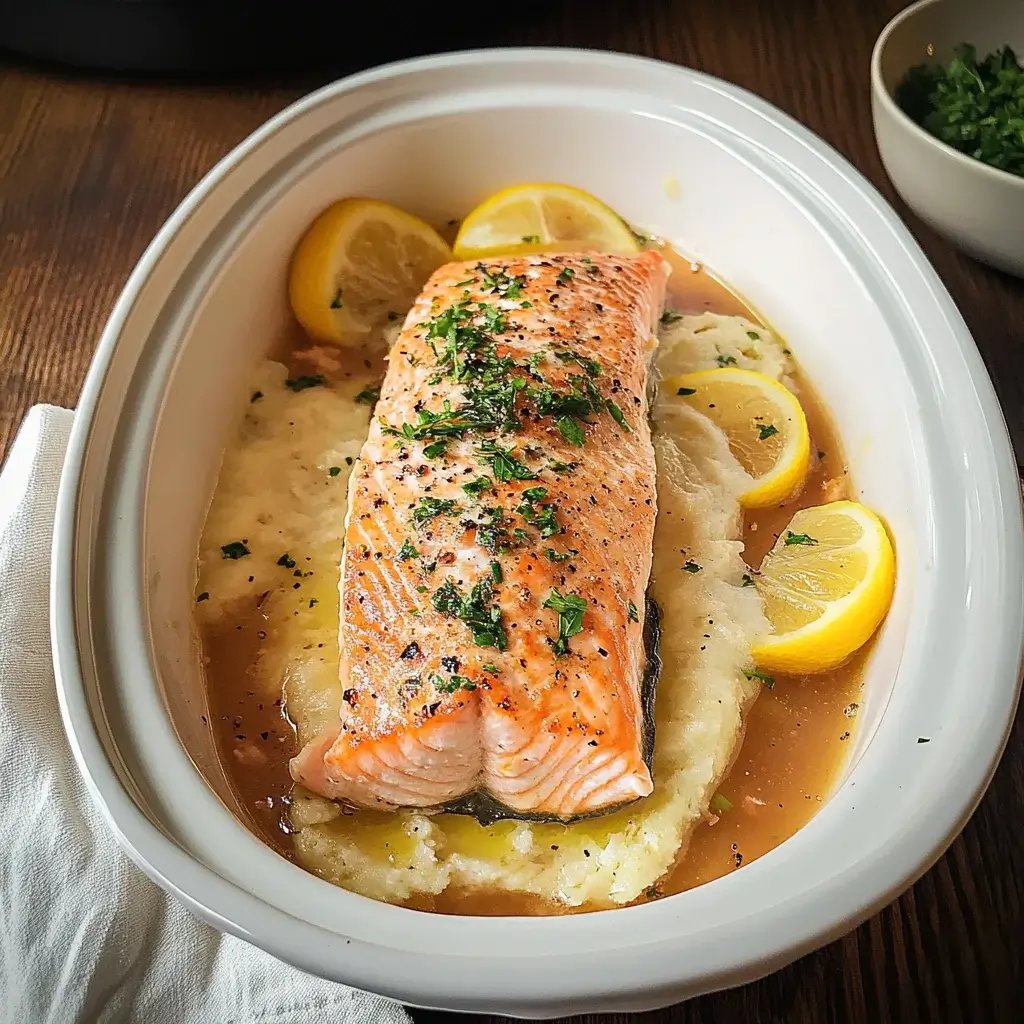
- Serve Immediately: Carefully remove the salmon fillets from the slow cooker using a spatula. Be gentle as slow-cooked salmon is very tender. Serve immediately while hot. Spoon any of the flavorful juices from the slow cooker over the salmon when serving. Garnish with extra fresh herbs and lemon wedges if desired.
Tips for Success:
- Don’t Overcook: The key to perfect slow cooker salmon is to avoid overcooking. Check for doneness regularly towards the end of the cooking time.
- Use LOW Setting (Recommended): Cooking on LOW generally yields more tender and moist results compared to HIGH, especially for delicate fish like salmon.
- Monitor Cooking Time: Cooking times are estimates and can vary. Use them as a guide and rely on the doneness check (flaking easily with a fork) to determine when the salmon is perfectly cooked.
- Handle Gently: Slow-cooked salmon is very tender and delicate. Use a spatula to carefully remove it from the slow cooker to avoid breaking it apart.
Following these effortless steps will guide you to consistently create incredibly moist, tender, and flavorful Slow Cookker Salmon with minimal effort. Enjoy the simplicity and deliciousness of this healthy and easy meal!
Nutrition Facts: A Healthy and Protein-Packed Meal
Slow Cooker Salmon is not only delicious and easy to prepare, but it’s also a highly nutritious meal, packed with beneficial nutrients from the salmon and the simple, wholesome ingredients used. Here’s an estimated nutritional breakdown per serving. Keep in mind these values are approximate and can vary based on specific ingredients used, portion sizes, and slight variations in cooking methods.
Servings: Approximately 4 servings (based on 1.5-2 pounds of salmon)
Per Serving (Estimated):
- Calories: 300-400 kcal
- This range depends on the type of salmon used (fattier salmon like King salmon will be higher in calories) and the exact portion size.
- Protein: 30-40 grams
- Salmon is an excellent source of high-quality protein, essential for muscle building, repair, and overall body function.
- Fat: 15-25 grams
- Fat content depends on the type of salmon. Salmon is rich in healthy fats, particularly omega-3 fatty acids, which are beneficial for heart health, brain function, and reducing inflammation.
- Saturated Fat: 3-5 grams
- Saturated fat content is relatively low compared to total fat, with the majority of fats being healthy unsaturated fats.
- Polyunsaturated Fat: 8-15 grams (including Omega-3 Fatty Acids)
- Salmon is a powerhouse of omega-3 fatty acids, including EPA and DHA, known for their numerous health benefits.
- Cholesterol: 90-120 mg
- Cholesterol is naturally present in salmon.
- Sodium: 150-300 mg
- Sodium content depends on added salt and any sodium in broth or other optional ingredients. Controlling added salt can keep sodium levels moderate.
- Carbohydrates: 2-5 grams
- Carbohydrate content is very low, mainly from lemon and herbs.
- Sugar: 1-2 grams
- Sugar content is minimal, naturally occurring in lemon.
- Fiber: 0-1 gram
- Fiber content is minimal. Serving with fiber-rich side dishes (like vegetables or whole grains) can increase the overall fiber content of the meal.
- Vitamins and Minerals:
- Vitamin D: Excellent source
- Salmon is one of the few food sources naturally rich in Vitamin D, crucial for bone health, immune function, and more.
- Vitamin B12: Excellent source
- Salmon is a great source of Vitamin B12, essential for nerve function and red blood cell formation.
- Niacin (Vitamin B3): Good source
- Selenium: Excellent source
- Selenium is an antioxidant mineral important for thyroid function and immune health.
- Potassium: Good source
- Potassium is an electrolyte important for blood pressure regulation and muscle function.
- Vitamin D: Excellent source
Health Benefits Highlights:
- Rich in Omega-3 Fatty Acids: Promotes heart health, reduces inflammation, and supports brain function.
- High in Protein: Supports muscle growth and repair, satiety, and metabolic health.
- Excellent Source of Vitamin D: Contributes to bone health, immune function, and overall well-being.
- Good Source of B Vitamins: Supports energy production, nerve function, and red blood cell formation.
- Rich in Selenium: Provides antioxidant protection and supports thyroid function.
- Relatively Low in Calories and Saturated Fat: Makes it a healthy choice for weight management and heart health.
Important Notes:
- Estimated Values: These are general estimates. For precise nutritional information, use online nutrition calculators with the specific brands and quantities of ingredients you use.
- Serving Size: Nutritional values are based on an estimated serving size of approximately one salmon fillet (about 4-6 ounces cooked).
- Customize for Dietary Needs:
- Lower Sodium: Reduce added salt and use low-sodium broth or wine if using.
- Lower Fat: Choose leaner salmon varieties (though healthy fats in salmon are beneficial), use less olive oil.
- Increase Vegetable Content: Add more vegetables to the slow cooker or serve with abundant vegetable side dishes to increase fiber, vitamins, and minerals.
Slow Cooker Salmon, when enjoyed as part of a balanced diet, is a highly nutritious and beneficial meal choice, providing a wealth of essential nutrients while being incredibly delicious and easy to prepare.
Preparation Time: Minimal Effort, Maximum Flavor
One of the greatest advantages of Slow Cooker Salmon is its incredibly easy and hands-off preparation. The active prep time is minimal, making it a fantastic option for busy weeknights or when you want a healthy and delicious meal with very little effort. Here’s a breakdown of the estimated time involved:
Prep Time: 10-15 minutes
- This includes slicing lemon, chopping fresh herbs, mincing garlic, measuring olive oil and seasonings, and arranging lemon slices and herbs in the slow cooker.
- Preparing salmon fillets (rinsing and patting dry if necessary).
Cook Time (Slow Cooker): 1.5 – 2.5 hours on LOW, or 45 minutes – 1.5 hours on HIGH
- Inactive cooking time in the slow cooker. You can set it and forget it, freeing you up to do other things.
Total Time: Approximately 1 hour 5 minutes – 2 hours 45 minutes (including slow cooking time)
Active Time (Hands-on): 10-15 minutes
- The actual hands-on time for prepping ingredients and assembling the slow cooker is just 10-15 minutes. The rest of the time is inactive slow cooking.
Tips to Minimize Prep Time:
- Pre-Mince Garlic and Ginger: If you frequently cook with garlic, consider mincing a larger batch at once and storing it in the refrigerator or freezer.
- Utilize Kitchen Gadgets: Use a garlic press for quick garlic mincing and a sharp knife for efficient lemon slicing and herb chopping.
- Simple Herb and Lemon Prep: The ingredient list is intentionally simple, minimizing the number of items to prep.
- Assemble in Slow Cooker Directly: You prep directly in the slow cooker, minimizing extra dishes and steps.
Make-Ahead Components:
- Herb and Garlic Mix: You can chop the fresh herbs and mince the garlic a few hours ahead of time and store them together in an airtight container in the refrigerator.
- Lemon Slices: Lemon slices can be pre-sliced a few hours ahead of time and stored in a zip-top bag in the refrigerator.
Slow Cooker Salmon truly exemplifies minimal effort for maximum flavor and nutritional benefit. The incredibly short active prep time and hands-off slow cooking make it an ideal solution for busy lifestyles, allowing you to enjoy a healthy and delicious homemade meal without spending hours in the kitchen.
How to Serve Slow Cooker Salmon: Perfect Pairings and Presentation
Slow Cooker Salmon is incredibly versatile and pairs beautifully with a wide variety of side dishes, allowing you to create a balanced and satisfying meal for any occasion. Here are some delicious serving suggestions:
- Vegetable Sides (Healthy and Flavorful):
- Roasted Vegetables: Roasted asparagus, broccoli, Brussels sprouts, green beans, carrots, or bell peppers are excellent choices. Their slight char and sweetness complement the delicate salmon beautifully.
- Steamed Vegetables: Steamed asparagus, green beans, broccoli, or spinach provide a light and healthy side dish.
- Sautéed Spinach or Kale: Sautéed spinach or kale with garlic and olive oil adds a nutritious and flavorful green element.
- Grilled Vegetables: Grilled zucchini, eggplant, or corn on the cob are wonderful summer pairings.
- Salad: A fresh green salad with a light vinaigrette provides a refreshing contrast to the richness of the salmon.
- Grain and Starchy Sides (For a More Substantial Meal):
- Quinoa: Quinoa is a protein-rich and nutritious grain that pairs perfectly with salmon.
- Rice: Steamed white rice, brown rice, or wild rice are classic and versatile choices.
- Couscous: Couscous is a quick-cooking and light grain that soaks up flavorful juices beautifully.
- Roasted Potatoes or Sweet Potatoes: Roasted potatoes or sweet potatoes add heartiness and sweetness to the meal.
- Mashed Potatoes or Cauliflower Mash: Creamy mashed potatoes or cauliflower mash provide a comforting and satisfying side.
- Sauces and Toppings (Enhance the Flavor Profile):
- Lemon Wedges: Always serve with lemon wedges for an extra squeeze of fresh lemon juice, brightening the flavors.
- Fresh Herb Garnish: Garnish with extra fresh herbs like dill, parsley, or chives for visual appeal and added freshness.
- Tzatziki Sauce: A dollop of creamy tzatziki sauce (cucumber-yogurt sauce) adds a cool and refreshing element.
- Aioli: Garlic aioli provides a creamy and flavorful dipping sauce.
- Pesto: A spoonful of pesto (basil pesto or sun-dried tomato pesto) adds a burst of flavor.
- Salsa Verde: A vibrant salsa verde (green sauce) adds acidity and herbaceous notes.
- Presentation Ideas:
- Flake and Serve: Gently flake the slow-cooked salmon into large pieces and serve over a bed of rice, quinoa, or couscous, drizzling with the flavorful juices from the slow cooker.
- Whole Fillet Presentation: Carefully remove the whole salmon fillets from the slow cooker and place them on plates alongside your chosen side dishes.
- Garnish Plate: Garnish the plate with lemon wedges, fresh herbs, and a drizzle of olive oil for an elegant touch.
Serving Suggestions for Different Occasions:
- Quick Weeknight Dinner: Serve with steamed broccoli and quinoa for a fast, healthy, and complete meal.
- Elegant Dinner Party: Pair with roasted asparagus, creamy polenta or risotto, a fresh green salad, and a crisp white wine.
- Casual Lunch: Flake the slow-cooked salmon and serve it over a salad nicoise or in salmon salad sandwiches for a lighter meal.
- Meal Prep: Slow Cooker Salmon is excellent for meal prepping. Flake the cooked salmon and portion it out with your chosen grain and vegetable sides for healthy lunches or dinners throughout the week.
By choosing the right side dishes and considering presentation, you can transform your simple Slow Cooker Salmon into a versatile and satisfying meal for any occasion, from quick weeknight dinners to elegant gatherings.
Additional Tips for Truly Perfect Slow Cooker Salmon
To elevate your Slow Cooker Salmon from good to absolutely outstanding, keep these five additional tips in mind:
- Don’t Overcrowd the Slow Cooker: Ensure the salmon fillets are arranged in a single layer in the slow cooker if possible. Overcrowding can lead to uneven cooking and steaming rather than gentle slow cooking. If you have a lot of salmon, cook it in batches or use a larger slow cooker to avoid overcrowding. Proper air circulation around the salmon is important for even cooking.
- Use Parchment Paper for Easier Cleanup (Optional): To make cleanup even easier, you can line the slow cooker insert with a sheet of parchment paper before adding the lemon slices and salmon. Leave some overhang of parchment paper on the sides to use as handles to lift the salmon out after cooking. This is especially helpful if you are using skin-on salmon, as it can sometimes stick slightly to the slow cooker.
- Consider Adding Aromatics to the Slow Cooker Base: Beyond lemon and herbs, you can enhance the flavor base by adding other aromatics to the bottom of the slow cooker. Thinly sliced onions, shallots, fennel, or leeks can be layered beneath the salmon to infuse it with additional flavor as it cooks. These aromatics will soften and become sweet and flavorful during the slow cooking process.
- Adjust Cooking Time Based on Salmon Thickness: Cooking times provided are estimates and can vary based on the thickness of your salmon fillets and the specific slow cooker model. Thicker fillets will require longer cooking times than thinner fillets. Always check for doneness using the flaking test – the salmon should flake easily with a fork and be opaque throughout. Start checking for doneness towards the earlier end of the recommended cooking time range and adjust as needed.
- Save and Utilize Slow Cooker Juices: Don’t discard the flavorful juices that accumulate in the slow cooker after cooking the salmon. These juices are packed with flavor from the lemon, herbs, garlic, and salmon itself. Spoon these juices over the cooked salmon when serving to enhance moisture and flavor. You can also strain the juices and reduce them slightly in a saucepan over medium heat to create a more concentrated sauce to drizzle over the salmon.
By incorporating these additional tips, you can refine your Slow Cooker Salmon technique and consistently create perfectly cooked, incredibly flavorful, and easily cleaned-up meals every time. These nuances can elevate a simple recipe to a truly exceptional culinary experience.
FAQ: Your Questions Answered About Slow Cooker Salmon
Got questions about making Slow Cooker Salmon? Here are answers to some frequently asked questions to help you achieve slow cooker salmon success:
Q1: Can I overcook salmon in a slow cooker?
A: Yes, it is possible to overcook salmon in a slow cooker, just like with any cooking method. Overcooked slow cooker salmon can become dry and less enjoyable. The key is to monitor the cooking time and check for doneness regularly towards the end of the recommended cooking time range. Use the flaking test – the salmon should flake easily with a fork and be opaque throughout. Err on the side of slightly undercooking rather than overcooking, as it will continue to cook slightly from residual heat. Cooking on LOW is generally more forgiving than HIGH and reduces the risk of overcooking.
Q2: Can I use frozen salmon directly in the slow cooker without thawing?
A: While technically you can cook frozen salmon in a slow cooker, it is generally not recommended. Cooking frozen salmon directly can lead to uneven cooking and may result in a less desirable texture. Frozen salmon releases water as it thaws and cooks, which can dilute the flavors and potentially make the salmon watery. For best results, it’s recommended to thaw salmon completely before slow cooking. Thaw it overnight in the refrigerator or use the cold water thawing method for quicker thawing.
Q3: Can I add vegetables to cook alongside the salmon in the slow cooker?
A: Yes, you can absolutely add vegetables to cook alongside the salmon in the slow cooker to create a more complete meal. Good vegetable options for slow cooking with salmon include:
- Asparagus Spears: Place asparagus spears under or around the salmon fillets. They will cook quickly and become tender-crisp.
- Broccoli Florets: Broccoli florets can be added, but they may become quite soft after slow cooking.
- Onions or Shallots: Thinly sliced onions or shallots layered beneath the salmon will soften and sweeten as they cook.
- Bell Peppers: Sliced bell peppers can be added for color and sweetness.
- Potatoes or Sweet Potatoes (Cubed): Cubed potatoes or sweet potatoes will take longer to cook than salmon. Place them at the bottom of the slow cooker and ensure they are mostly cooked before adding the salmon towards the end of the cooking time.
Adjust cooking times and vegetable placement based on the type of vegetables you are using, as denser vegetables will require longer cooking times.
Q4: Is it safe to cook fish in a slow cooker?
A: Yes, it is safe to cook fish in a slow cooker as long as you follow proper food safety guidelines. Ensure that the salmon reaches an internal temperature of 145°F (63°C) to ensure it is cooked through and safe to eat. Use a food thermometer to check the temperature at the thickest part of the fillet. Slow cookers cook food at safe temperatures for extended periods, effectively eliminating harmful bacteria.
Q5: Can I use different herbs and seasonings for Slow Cooker Salmon?
A: Absolutely! The beauty of Slow Cooker Salmon is its versatility. Feel free to experiment with different herbs and seasonings to customize the flavor profile to your liking. Other herb and seasoning options include:
- Italian Herbs: Oregano, basil, rosemary, thyme for an Italian-inspired flavor.
- Asian Flavors: Ginger, garlic, soy sauce, sesame oil, green onions for an Asian-inspired twist.
- Spices: Paprika, cumin, chili powder for a spicier or smoky flavor.
- Citrus: Orange slices, lime slices instead of or in addition to lemon.
- Mustard: Dijon mustard or whole grain mustard can be brushed on the salmon before slow cooking for a tangy flavor.
Get creative and explore different flavor combinations to discover your favorite variations of Slow Cooker Salmon!
We hope these FAQs have answered your questions and inspired you to try making delicious and effortless Slow Cooker Salmon at home. Enjoy the process and the incredibly flavorful and healthy results!
Print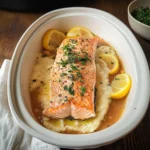
Slow Cooker Salmon recipe
Ingredients
- Salmon Fillets: 1.5 – 2 pounds, skin on or off, about 1-1.5 inches thick. Salmon is, of course, the star ingredient. Choosing the right type and cut is crucial for slow cooker success.
- Type of Salmon: Sockeye, Coho, or King salmon are all excellent choices for slow cooking. These varieties are rich in flavor and have a good fat content, which helps them stay moist and tender throughout the slow cooking process. Avoid leaner salmon types like Pink salmon, as they might become drier in the slow cooker.
- Fresh vs. Frozen: Fresh salmon is always ideal if you have access to high-quality, truly fresh fish. However, frozen salmon, thawed properly, works remarkably well and is often a more convenient and cost-effective option. If using frozen salmon, ensure it is completely thawed before placing it in the slow cooker. Pat it dry with paper towels to remove excess moisture.
- Skin On or Off: Skin-on salmon is often preferred for slow cooking as the skin helps to retain moisture and adds a layer of protection against the slow cooker’s heat. The skin also becomes incredibly tender and flavorful after slow cooking and is easily removed after cooking if desired. Skin-off salmon fillets will also work, but be extra careful not to overcook them, as they might become slightly drier.
- Thickness: Aim for salmon fillets that are about 1 to 1.5 inches thick. Thicker fillets are less likely to dry out during slow cooking and will remain more succulent. Thinner fillets will cook faster and might become overcooked if you are not careful with timing.
- Lemon: 1 large, thinly sliced. Lemon is essential for brightening the salmon and adding a zesty, fresh flavor.
- Freshness: Use a fresh, ripe lemon. The aroma and juice of fresh lemon are far superior to bottled lemon juice.
- Slicing: Thinly slice the lemon into rounds. This allows the lemon flavor to infuse the salmon evenly as it cooks. You’ll use some slices to line the bottom of the slow cooker and others to place on top of the salmon.
- Zest (Optional but Recommended): Consider zesting the lemon before slicing it. Lemon zest adds an extra layer of intense lemon flavor to the dish. Sprinkle the zest over the salmon before slow cooking.
- Fresh Herbs: ½ cup, such as dill, parsley, thyme, or a combination. Fresh herbs are crucial for infusing the salmon with aromatic and savory notes.
- Herb Choices: Dill, parsley, and thyme are classic pairings with salmon and work beautifully in this slow cooker recipe. You can use a single herb or a mix of your favorites. Other good options include rosemary, chives, or oregano.
- Freshness: Fresh herbs are essential for the best flavor. Dried herbs are not a suitable substitute in this recipe as they lack the bright, vibrant flavor of fresh herbs.
- Preparation: Roughly chop the fresh herbs before adding them to the slow cooker. This releases their aroma and allows them to infuse the salmon as it cooks.
- Olive Oil: 2 tablespoons, extra virgin olive oil. Olive oil adds moisture, richness, and healthy fats to the salmon.
- Quality: Use good quality extra virgin olive oil for the best flavor and health benefits.
- Purpose: Olive oil helps to prevent the salmon from drying out in the slow cooker and adds a subtle richness to the dish.
- Garlic: 2-3 cloves, minced. Garlic adds a savory, aromatic depth to the salmon and complements the lemon and herbs beautifully.
- Freshness: Use fresh garlic cloves. Pre-minced garlic in jars lacks the same vibrant flavor.
- Preparation: Mince the garlic finely to release its flavor fully. You can also use a garlic press.
- Quantity: Adjust the amount of garlic to your preference. 2-3 cloves provide a noticeable garlic flavor without being overpowering.
- Salt and Black Pepper: To taste. Seasoning is crucial for enhancing the natural flavors of the salmon and other ingredients.
- Seasoning: Season generously with salt and freshly ground black pepper. Season both the bottom of the slow cooker (over the lemon slices) and the salmon fillets directly. Taste and adjust seasoning to your preference after cooking.
- Types of Salt: Sea salt or kosher salt are preferred for their clean taste.
- Freshly Ground Pepper: Freshly ground black pepper offers a more robust and aromatic flavor than pre-ground pepper.
- Optional Ingredients (for added flavor and customization):
- White Wine: ¼ cup, dry white wine (such as Pinot Grigio or Sauvignon Blanc). A splash of white wine adds acidity and complexity to the dish, enhancing the flavors of the lemon and herbs.
- Butter: 1-2 tablespoons, unsalted butter (added at the end for richness and shine). Adding a pat of butter at the end of cooking can enhance the sauce’s richness and create a beautiful glossy finish.
- Vegetables: Thinly sliced onions, shallots, or asparagus spears can be added to the slow cooker along with the salmon for a more complete meal. Place them under or around the salmon fillets.
- Red Pepper Flakes: A pinch of red pepper flakes adds a subtle kick of heat.
- Capers: A tablespoon of capers adds a briny, salty flavor.
Instructions
- Prepare the Slow Cooker: Lightly grease the bottom of your slow cooker with cooking spray or a drizzle of olive oil. This will prevent the lemon slices and salmon from sticking.
- Layer Lemon Slices and Herbs: Arrange half of the thinly sliced lemon rounds in a single layer on the bottom of the slow cooker. Sprinkle half of the chopped fresh herbs (dill, parsley, thyme, or your chosen combination) and half of the minced garlic over the lemon slices. This lemon and herb bed will infuse the salmon with flavor from below as it cooks.
- Place Salmon Fillets: Place the salmon fillets on top of the lemon and herb bed in the slow cooker. Arrange them in a single layer if possible. If your slow cooker is smaller and you need to slightly overlap the fillets, that is also acceptable.
- Season Salmon: Drizzle the salmon fillets with olive oil (about 2 tablespoons). Season generously with salt and freshly ground black pepper. Sprinkle the remaining minced garlic and fresh herbs over the salmon fillets. Arrange the remaining lemon slices on top of the salmon fillets. If using white wine, pour it over the salmon at this stage.
- Slow Cook: Cover the slow cooker and cook on LOW for 1.5 to 2.5 hours, or on HIGH for 45 minutes to 1.5 hours. The cooking time will vary depending on the thickness of your salmon fillets and the specific slow cooker model.
- Cooking Time on LOW: For salmon fillets about 1 to 1.5 inches thick, start checking for doneness around 1.5 hours on LOW. It may take up to 2.5 hours for thicker fillets or if your slow cooker cooks at a lower temperature.
- Cooking Time on HIGH: If you are short on time, you can cook on HIGH, but monitor closely. Start checking for doneness around 45 minutes. It may take up to 1.5 hours on HIGH, but be very careful not to overcook the salmon on HIGH, as it can become dry.
- Doneness Check: Salmon is cooked through when it flakes easily with a fork and is opaque throughout. Gently flake a piece of salmon with a fork to check for doneness. The internal temperature of cooked salmon should reach 145°F (63°C). Avoid overcooking, as slow-cooked salmon can become dry if cooked for too long. It’s better to slightly undercook rather than overcook, as it will continue to cook slightly from residual heat.
- Optional Finishing Touches: Once the salmon is cooked through, you can add a pat of butter to the slow cooker and let it melt over the salmon for extra richness and shine. If desired, you can also squeeze fresh lemon juice over the salmon for added brightness.
- Serve Immediately: Carefully remove the salmon fillets from the slow cooker using a spatula. Be gentle as slow-cooked salmon is very tender. Serve immediately while hot. Spoon any of the flavorful juices from the slow cooker over the salmon when serving. Garnish with extra fresh herbs and lemon wedges if desired.
Nutrition
- Serving Size: one normal portion
- Calories: 300-400 kcal
- Sugar: 1-2 grams
- Sodium: 150-300 mg
- Fat: 15-25 grams
- Saturated Fat: 3-5 grams
- Carbohydrates: 2-5 grams
- Fiber: 0-1 gram
- Protein: 30-40 grams
- Cholesterol: 90-120 mg