
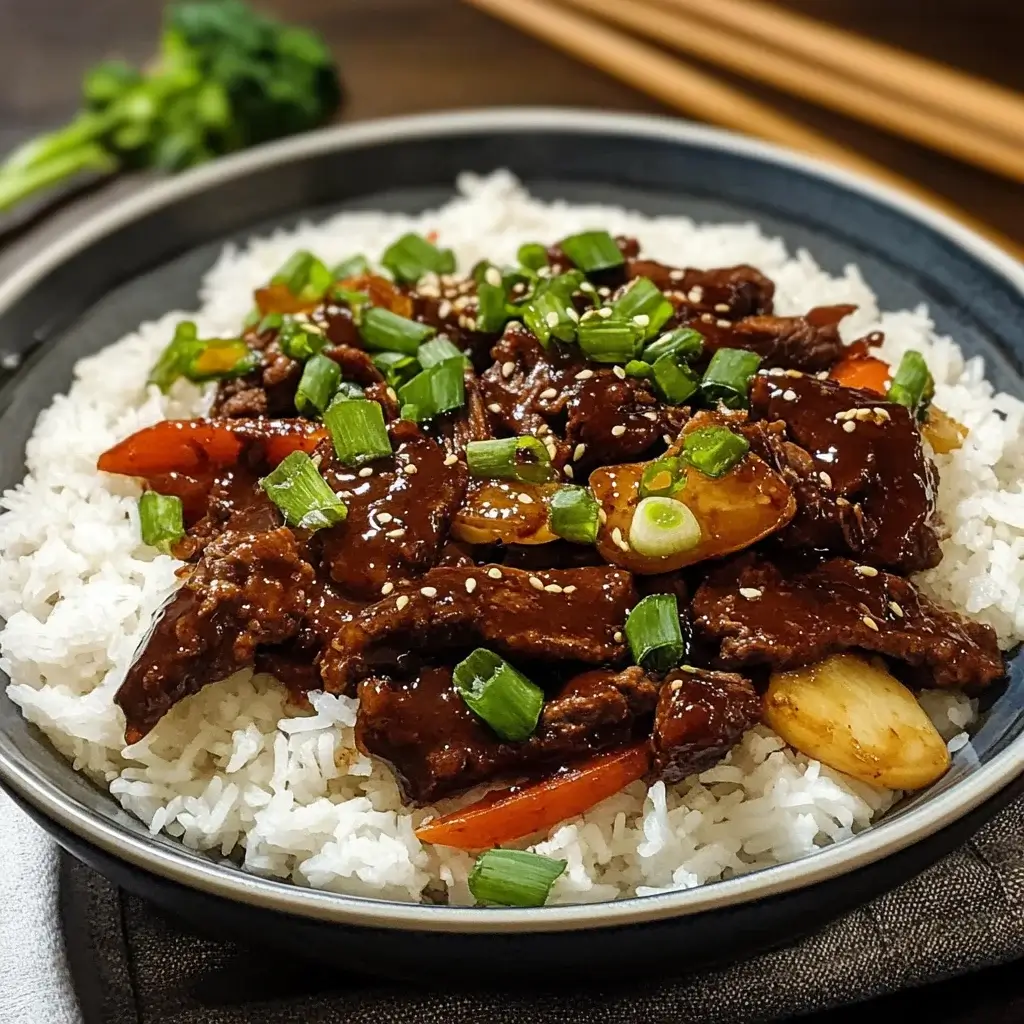

Life gets busy, and some evenings, the thought of cooking dinner feels like climbing Mount Everest. That’s when my slow cooker becomes my best friend, and this Slow Cooker Mongolian Beef recipe is my absolute go-to. I stumbled upon it during a frantic week, craving something comforting and flavorful but utterly lacking in time and energy. Honestly, I was skeptical – could a slow cooker really replicate the magic of restaurant-style Mongolian Beef? The answer, unequivocally, is YES! From the moment the aroma of ginger, garlic, and sweet soy sauce started wafting through the house, I knew we were in for a treat. And it didn’t disappoint. The beef was incredibly tender, practically melting in our mouths, coated in a rich, glossy sauce that was perfectly balanced – sweet, savory, and with just a hint of warmth. Served over fluffy rice with a sprinkle of sesame seeds, it was a weeknight dinner triumph. Even my takeout-loving husband declared it better than our usual Chinese restaurant order! This Slow Cooker Mongolian Beef is now a regular fixture in our meal rotation. It’s ridiculously easy, unbelievably delicious, and the slow cooker does all the hard work. If you’re seeking a hassle-free, flavor-packed dinner that will impress your family and friends without slaving away in the kitchen, you absolutely must try this recipe. Prepare for dinner bliss, made easy.
Ingredients: The Flavor Powerhouse Lineup
The secret to exceptional Slow Cooker Mongolian Beef isn’t complicated techniques, but rather a thoughtful selection of flavorful ingredients that harmonize beautifully in the slow cooker. Here’s your ingredient checklist for creating this culinary masterpiece:
- 2 pounds flank steak, thinly sliced against the grain: Flank steak is the classic choice for Mongolian Beef because of its rich beefy flavor and ability to become incredibly tender when slow-cooked. Slicing it against the grain is crucial for tenderness, as it shortens the muscle fibers. You can also use skirt steak or sirloin steak as alternatives, but flank steak is truly ideal. Look for flank steak that is well-marbled for the best flavor and tenderness.
- 1/2 cup cornstarch: Cornstarch is essential for two key reasons. First, it coats the beef before searing, creating a beautiful crust and helping it retain moisture during slow cooking. Second, it acts as a thickening agent for the sauce at the end, giving it that signature glossy, restaurant-style consistency. Make sure to use cornstarch and not corn flour.
- 1/4 cup vegetable oil, divided: Vegetable oil (or canola, peanut, or any neutral cooking oil) is used for searing the beef and sautéing the aromatics. Dividing it ensures you have enough for both steps. Searing in hot oil is vital for developing flavor and color on the beef.
- 1 medium yellow onion, thinly sliced: Yellow onion provides a foundational aromatic sweetness to the sauce. Thinly slicing it allows it to soften and release its flavors during slow cooking. You can also use white onion or even shallots for a slightly different flavor profile.
- 4 cloves garlic, minced: Fresh garlic is non-negotiable for its pungent and savory depth. Minced garlic infuses the sauce with its robust flavor. Adjust the amount of garlic to your preference – some may prefer more garlic intensity.
- 2 tablespoons fresh ginger, minced: Fresh ginger adds a warm, slightly spicy, and distinctly aromatic note that is characteristic of Mongolian Beef. Minced ginger disperses its flavor throughout the sauce. Fresh ginger is highly recommended over ground ginger for its brighter and more complex flavor.
- 3/4 cup soy sauce: Soy sauce forms the salty and umami base of the Mongolian Beef sauce. Use regular soy sauce (not light or dark soy sauce unless specified). Low-sodium soy sauce can be used if you prefer to control the salt level, but you may need to add a pinch more salt to taste.
- 3/4 cup packed light brown sugar: Brown sugar is crucial for the signature sweetness of Mongolian Beef, and it also contributes to the sauce’s rich color and slight molasses notes. Packed light brown sugar is recommended for consistent sweetness. You can use dark brown sugar for a deeper molasses flavor, but it will be slightly sweeter.
- 1/2 cup water: Water helps to create the sauce base and keeps the beef moist during slow cooking. It also helps to balance the sweetness and saltiness of the other sauce ingredients.
- 1/4 cup hoisin sauce: Hoisin sauce is a thick, sweet, and savory sauce made from fermented soybeans, garlic, chili, and spices. It adds a distinctive complex flavor that is essential to authentic Mongolian Beef. It provides sweetness, umami, and a hint of spice.
- 2 tablespoons rice vinegar: Rice vinegar adds a crucial element of acidity that balances the sweetness and richness of the sauce. It provides a subtle tang that brightens the overall flavor profile. You can use seasoned or unseasoned rice vinegar – unseasoned is typically preferred for this recipe to control the sweetness.
- 1 teaspoon sesame oil: Sesame oil adds a nutty and aromatic flavor that is characteristic of Asian cuisine. Toasted sesame oil is recommended for its richer flavor, but use it sparingly as it can be quite strong. It’s added at the end to preserve its delicate aroma.
- Optional garnishes:
- Cooked white rice or brown rice: For serving as a base.
- Chopped green onions: For a fresh and vibrant garnish.
- Sesame seeds: For added texture and nutty flavor.
- Red pepper flakes: For a touch of heat (if desired).
Instructions: Slow Cooker Simplicity, Restaurant-Quality Results
Making Slow Cooker Mongolian Beef is surprisingly straightforward, especially considering the incredible depth of flavor you achieve. Follow these easy steps for a delicious and effortless dinner:
Step 1: Prepare the Beef (Tenderizing and Flavoring)
- Slice the Flank Steak: If you haven’t already, thinly slice the flank steak against the grain into strips about 1/4 inch thick. Slicing against the grain is vital for ensuring tenderness.
- Coat with Cornstarch: Place the sliced flank steak in a large bowl. Sprinkle the cornstarch over the beef and toss to coat evenly. Ensure each piece of beef is lightly coated in cornstarch. This coating will create a lovely sear and help thicken the sauce later.
Step 2: Sear the Beef (Building Flavor and Texture)
- Heat Oil in Skillet: Heat 2 tablespoons of vegetable oil in a large skillet (preferably cast iron for best searing) over medium-high heat until shimmering hot. The oil should be hot enough to quickly sear the beef.
- Sear Beef in Batches: Add the cornstarch-coated beef to the hot skillet in a single layer, being careful not to overcrowd the pan. Sear the beef for about 1-2 minutes per side, or until lightly browned. Work in batches to ensure proper searing and avoid steaming the beef. Overcrowding will lower the pan temperature and prevent browning.
- Transfer to Slow Cooker: As each batch of beef is seared, transfer it to the slow cooker. Set aside. Don’t worry about cooking the beef through at this stage; searing is just to develop flavor and texture.
Step 3: Sauté Aromatics (Layering Flavor Base)
- Add Remaining Oil to Skillet: Add the remaining 2 tablespoons of vegetable oil to the same skillet.
- Sauté Onion: Add the thinly sliced onion to the skillet and sauté over medium heat for about 5-7 minutes, or until softened and translucent. Sautéing the onion brings out its sweetness and softens its texture, creating a flavorful base for the sauce.
- Add Garlic and Ginger: Add the minced garlic and ginger to the skillet with the onions.
- Sauté Aromatics: Sauté the garlic and ginger for about 1 minute more, or until fragrant. Be careful not to burn the garlic and ginger, as they can become bitter. Sautéing them briefly releases their aromatic oils and infuses the dish with their distinct flavors.
Step 4: Create the Sauce and Slow Cook (Infusing Deliciousness)
- Combine Sauce Ingredients: In a medium bowl, whisk together the soy sauce, brown sugar, water, hoisin sauce, and rice vinegar until the brown sugar is mostly dissolved. Whisking ensures the sauce is well combined and the sugar dissolves evenly.
- Pour Sauce over Beef and Aromatics: Pour the sauce mixture over the seared beef in the slow cooker. Add the sautéed onion, garlic, and ginger to the slow cooker as well.
- Slow Cook: Cover the slow cooker and cook on low heat for 4-6 hours, or on high heat for 2-3 hours. The beef should be incredibly tender and the sauce should have thickened slightly. Slow cooking allows the beef to become melt-in-your-mouth tender and the flavors to meld beautifully.
Step 5: Thicken and Finish (Glossy Perfection)
- Thicken Sauce (if needed): After slow cooking, if you prefer a thicker sauce (and most do for Mongolian Beef), you can thicken it further. To do this, remove about 1/4 cup of the hot sauce from the slow cooker and whisk it with 1 tablespoon of cornstarch in a small bowl to create a slurry. Pour the cornstarch slurry back into the slow cooker and stir well to combine.
- Cook on High to Thicken: Turn the slow cooker to high heat and cook for another 15-20 minutes, or until the sauce has thickened to your desired consistency. The sauce should become glossy and coat the beef beautifully.
- Stir in Sesame Oil: Stir in the sesame oil just before serving to add its signature nutty aroma and flavor.
- Taste and Adjust Seasoning: Taste the Mongolian Beef and adjust seasoning as needed. You may want to add a little more soy sauce for saltiness, brown sugar for sweetness, or rice vinegar for tanginess, to your personal preference.
- Serve Hot: Serve the Slow Cooker Mongolian Beef hot over cooked rice or noodles, garnished with green onions and sesame seeds, if desired.
Nutrition Facts: A Satisfying and Moderately Balanced Meal
Slow Cooker Mongolian Beef offers a satisfying and flavorful meal, providing a good source of protein and carbohydrates. Here’s an approximate nutritional breakdown per serving (assuming a serving size of about 1 cup of Mongolian Beef, without rice):
Servings: Approximately 6-8 servings (depending on portion size)
Calories per serving (approximate): 400-450 calories (This can vary based on portion size and specific ingredients used.)
Approximate Nutritional Breakdown per serving:
- Calories: 400-450
- Total Fat: 20-25g
- Saturated Fat: 8-10g (depending on the cut of beef and marbling)
- Unsaturated Fat: 12-15g
- Cholesterol: 90-100mg
- Sodium: 1000-1200mg (can be lower with low-sodium soy sauce)
- Total Carbohydrates: 30-35g
- Dietary Fiber: 1-2g
- Sugars: 25-30g (primarily from brown sugar and hoisin sauce)
- Protein: 25-30g
Key Nutritional Highlights:
- Excellent Source of Protein: Flank steak is a rich source of protein, essential for muscle building and repair, satiety, and overall health.
- Provides Iron: Beef is a good source of heme iron, which is easily absorbed by the body and important for energy levels and oxygen transport.
- Source of B Vitamins: Beef contains B vitamins, including vitamin B12, crucial for nerve function and red blood cell formation.
- Moderate in Calories: When served in reasonable portions, this dish can be part of a balanced diet. You can control portion sizes and pair it with healthier carbohydrate options like brown rice and plenty of vegetables.
- Carbohydrate Content: The carbohydrate content is primarily from the brown sugar and hoisin sauce, contributing to the sweet and savory flavor profile.
Note: These nutritional facts are estimations and can vary based on specific ingredients, serving sizes, and preparation methods. Using leaner cuts of beef and low-sodium soy sauce will reduce the fat and sodium content, respectively. For more precise nutritional information, you can use online nutrition calculators and input the specific brands and quantities of ingredients you use.
Preparation Time: Mostly Hands-Off Cooking
One of the greatest advantages of Slow Cooker Mongolian Beef is its convenience and mostly hands-off cooking process. Here’s a breakdown of the preparation time:
- Prep Time (slicing beef, chopping vegetables, measuring ingredients): 20-25 minutes
- Cook Time (searing beef): 15-20 minutes
- Slow Cook Time: 4-6 hours on low or 2-3 hours on high
- Thickening and Finishing Time: 20-25 minutes
- Total Time (approximate): 4 hours 55 minutes – 7 hours 10 minutes (mostly inactive slow cooking time)
- Active Time (hands-on): 45-60 minutes
Tips for Time Management:
- Prep Ingredients in Advance: You can slice the beef, chop the onion, mince the garlic and ginger, and measure out the sauces and broth ahead of time (even the day before) and store them in the refrigerator. This will significantly reduce the active prep time on the day of cooking.
- Sear Beef and Sauté Aromatics the Night Before: For even greater time savings on a busy weeknight, you can sear the beef and sauté the onions, garlic, and ginger the night before and store them in separate containers in the refrigerator. Then, in the morning, simply combine everything in the slow cooker and turn it on.
- Use a Slow Cooker Liner (for easy cleanup): Using a slow cooker liner makes cleanup a breeze, especially with sticky sauces like Mongolian Beef sauce.
How to Serve Slow Cooker Mongolian Beef: Versatile and Delicious Pairings
Slow Cooker Mongolian Beef is incredibly versatile and pairs beautifully with a variety of sides and accompaniments. Here are some popular and delicious serving suggestions:
Classic Asian Pairings:
- Rice:
- Steamed White Rice: The most classic and common pairing. Fluffy white rice absorbs the delicious sauce perfectly.
- Brown Rice: A healthier and nuttier alternative to white rice, adding fiber and whole grains.
- Jasmine Rice: Fragrant jasmine rice complements the Asian flavors beautifully.
- Sticky Rice (Glutinous Rice): For a more authentic and chewy rice experience.
- Noodles:
- Lo Mein Noodles: Toss Mongolian Beef with cooked lo mein noodles for a heartier dish.
- Chow Mein Noodles: Serve over crispy chow mein noodles for a textural contrast.
- Udon Noodles: Thick and chewy udon noodles are another great option.
- Rice Noodles: For a gluten-free noodle option.
Vegetable Sides (for a balanced meal):
- Steamed Broccoli: A simple and healthy side that complements the richness of the beef.
- Stir-fried Vegetables: Create a stir-fry with vegetables like bok choy, snap peas, carrots, bell peppers, and mushrooms to serve alongside or mixed with the Mongolian Beef.
- Roasted Asparagus: Roasted asparagus adds a touch of elegance and greenness.
- Edamame: Steamed or pan-fried edamame pods are a healthy and fun side dish or appetizer.
- Asian Slaw: A refreshing and crunchy slaw with an Asian-inspired dressing.
Other Serving Ideas:
- Lettuce Wraps: Serve Mongolian Beef in lettuce cups (like iceberg or butter lettuce) for a light and low-carb option.
- Mongolian Beef Bowls: Create customizable bowls with a base of rice or noodles, Mongolian Beef, and a variety of toppings like chopped green onions, sesame seeds, shredded carrots, bean sprouts, and a drizzle of sriracha or chili oil for extra heat.
- Appetizer Bites: Serve small portions of Mongolian Beef on skewers or in mini wonton cups as flavorful appetizers.
- Inside Steamed Buns (Bao Buns): Fill fluffy steamed buns with Mongolian Beef for a fun and portable meal.
Garnish Ideas (for visual appeal and flavor boost):
- Chopped Green Onions: Essential for a fresh and vibrant garnish.
- Sesame Seeds: Toasted sesame seeds provide a nutty flavor and textural contrast.
- Red Pepper Flakes: For a sprinkle of heat.
- Fresh Cilantro: For a bright and herbaceous garnish (if you enjoy cilantro).
- Lime Wedges: Offer lime wedges for squeezing over the dish for a touch of acidity.
Additional Tips for Slow Cooker Mongolian Beef Success
Master the art of Slow Cooker Mongolian Beef with these 5 essential tips for guaranteed deliciousness every time:
- Sear the Beef for Maximum Flavor: Don’t skip the searing step! Searing the beef before slow cooking is crucial for developing deep, rich flavor and a beautiful crust. It’s a quick step that makes a world of difference in the final dish. High heat and a hot pan are key for proper searing.
- Slice Flank Steak Against the Grain: Always slice flank steak against the grain to ensure maximum tenderness. Look for the direction of the muscle fibers and slice perpendicular to them. This shortens the fibers, making the beef easier to chew and more melt-in-your-mouth tender after slow cooking.
- Don’t Overcook the Beef: While slow cooking is forgiving, overcooking flank steak can make it dry and tough. Cook it until it is incredibly tender and easily shreds with a fork. Check for doneness around the suggested cooking time and adjust as needed based on your slow cooker and the thickness of your beef slices.
- Thicken the Sauce to Your Liking: Mongolian Beef sauce should be glossy and thick enough to coat the beef and rice or noodles. If your sauce is too thin after slow cooking, use a cornstarch slurry (as described in the instructions) to thicken it to your desired consistency. Simmer on high heat after adding the slurry to activate the thickening power of the cornstarch.
- Taste and Adjust Seasoning at the End: Always taste the Mongolian Beef sauce just before serving and adjust the seasoning to your preference. You may want to add more soy sauce for saltiness, brown sugar for sweetness, rice vinegar for tanginess, or sesame oil for aroma. Balancing the flavors is key to a perfect Mongolian Beef.
FAQ: Your Slow Cooker Mongolian Beef Questions Answered
Q1: Can I use a different cut of beef besides flank steak?
A: While flank steak is the classic and recommended cut for Mongolian Beef due to its flavor and texture when slow-cooked, you can use other cuts if needed. Skirt steak and sirloin steak are good alternatives that also become tender when slow-cooked and have good beefy flavor. Avoid using tougher cuts like chuck roast, as they may become too shredded and less desirable for this particular dish.
Q2: Can I make Slow Cooker Mongolian Beef spicier?
A: Yes, absolutely! If you like a spicier Mongolian Beef, there are several ways to add heat:
- Red Pepper Flakes: Add a pinch or more of red pepper flakes to the sauce mixture before slow cooking, or use them as a garnish.
- Sriracha or Chili Garlic Sauce: Stir in a teaspoon or more of sriracha or chili garlic sauce to the sauce mixture before slow cooking, or add a drizzle at the end.
- Fresh Chili Peppers: Add thinly sliced fresh chili peppers like Serrano peppers or Thai bird’s eye chilies to the skillet when you sauté the garlic and ginger.
- Chili Oil: Drizzle chili oil over the finished dish just before serving for a spicy kick.
Start with a small amount of spice and taste as you go, adding more until you reach your desired heat level.
Q3: Can I make this recipe gluten-free?
A: Yes, you can easily make Slow Cooker Mongolian Beef gluten-free with a few simple substitutions:
- Gluten-Free Soy Sauce (Tamari): Use tamari or gluten-free soy sauce in place of regular soy sauce.
- Check Hoisin Sauce Label: Hoisin sauce can sometimes contain gluten. Check the label to ensure it is gluten-free, or look for a specifically labeled gluten-free hoisin sauce.
- Cornstarch is Gluten-Free: Cornstarch is naturally gluten-free, so no substitution is needed for the thickening agent.
- Serve with Gluten-Free Options: Serve the Mongolian Beef over gluten-free rice noodles or cauliflower rice instead of wheat-based noodles or white rice.
Q4: Can I add vegetables to the slow cooker with the beef?
A: While traditional Mongolian Beef is primarily beef and sauce, you can certainly add vegetables to your slow cooker version. Hearty vegetables that hold up well during slow cooking are best, such as:
- Bell Peppers: Sliced bell peppers (any color) add sweetness and color. Add them in the last 1-2 hours of slow cooking to prevent them from becoming too mushy.
- Broccoli Florets: Add broccoli florets in the last 30-45 minutes of slow cooking to keep them tender-crisp.
- Snap Peas or Snow Peas: Add snap peas or snow peas in the last 15-20 minutes of slow cooking for a touch of freshness and crunch.
- Mushrooms: Sliced mushrooms can be added with the onions at the beginning of cooking or in the last hour to prevent them from becoming too soft.
Q5: How long does leftover Slow Cooker Mongolian Beef last?
A: Leftover Slow Cooker Mongolian Beef can be stored in an airtight container in the refrigerator for up to 3-4 days. Reheat it gently on the stovetop or in the microwave until heated through. The sauce may thicken further upon refrigeration, so you may need to add a splash of water or broth when reheating to reach your desired consistency. Freezing is not recommended as the texture of the beef and sauce may change upon thawing. It’s best enjoyed fresh or within a few days of making it.
Print
Slow Cooker Mongolian Beef recipe
Ingredients
- 2 pounds flank steak, thinly sliced against the grain: Flank steak is the classic choice for Mongolian Beef because of its rich beefy flavor and ability to become incredibly tender when slow-cooked. Slicing it against the grain is crucial for tenderness, as it shortens the muscle fibers. You can also use skirt steak or sirloin steak as alternatives, but flank steak is truly ideal. Look for flank steak that is well-marbled for the best flavor and tenderness.
- 1/2 cup cornstarch: Cornstarch is essential for two key reasons. First, it coats the beef before searing, creating a beautiful crust and helping it retain moisture during slow cooking. Second, it acts as a thickening agent for the sauce at the end, giving it that signature glossy, restaurant-style consistency. Make sure to use cornstarch and not corn flour.
- 1/4 cup vegetable oil, divided: Vegetable oil (or canola, peanut, or any neutral cooking oil) is used for searing the beef and sautéing the aromatics. Dividing it ensures you have enough for both steps. Searing in hot oil is vital for developing flavor and color on the beef.
- 1 medium yellow onion, thinly sliced: Yellow onion provides a foundational aromatic sweetness to the sauce. Thinly slicing it allows it to soften and release its flavors during slow cooking. You can also use white onion or even shallots for a slightly different flavor profile.
- 4 cloves garlic, minced: Fresh garlic is non-negotiable for its pungent and savory depth. Minced garlic infuses the sauce with its robust flavor. Adjust the amount of garlic to your preference – some may prefer more garlic intensity.
- 2 tablespoons fresh ginger, minced: Fresh ginger adds a warm, slightly spicy, and distinctly aromatic note that is characteristic of Mongolian Beef. Minced ginger disperses its flavor throughout the sauce. Fresh ginger is highly recommended over ground ginger for its brighter and more complex flavor.
- 3/4 cup soy sauce: Soy sauce forms the salty and umami base of the Mongolian Beef sauce. Use regular soy sauce (not light or dark soy sauce unless specified). Low-sodium soy sauce can be used if you prefer to control the salt level, but you may need to add a pinch more salt to taste.
- 3/4 cup packed light brown sugar: Brown sugar is crucial for the signature sweetness of Mongolian Beef, and it also contributes to the sauce’s rich color and slight molasses notes. Packed light brown sugar is recommended for consistent sweetness. You can use dark brown sugar for a deeper molasses flavor, but it will be slightly sweeter.
- 1/2 cup water: Water helps to create the sauce base and keeps the beef moist during slow cooking. It also helps to balance the sweetness and saltiness of the other sauce ingredients.
- 1/4 cup hoisin sauce: Hoisin sauce is a thick, sweet, and savory sauce made from fermented soybeans, garlic, chili, and spices. It adds a distinctive complex flavor that is essential to authentic Mongolian Beef. It provides sweetness, umami, and a hint of spice.
- 2 tablespoons rice vinegar: Rice vinegar adds a crucial element of acidity that balances the sweetness and richness of the sauce. It provides a subtle tang that brightens the overall flavor profile. You can use seasoned or unseasoned rice vinegar – unseasoned is typically preferred for this recipe to control the sweetness.
- 1 teaspoon sesame oil: Sesame oil adds a nutty and aromatic flavor that is characteristic of Asian cuisine. Toasted sesame oil is recommended for its richer flavor, but use it sparingly as it can be quite strong. It’s added at the end to preserve its delicate aroma.
- Optional garnishes:
- Cooked white rice or brown rice: For serving as a base.
- Chopped green onions: For a fresh and vibrant garnish.
- Sesame seeds: For added texture and nutty flavor.
- Red pepper flakes: For a touch of heat (if desired).
Instructions
Step 1: Prepare the Beef (Tenderizing and Flavoring)
- Slice the Flank Steak: If you haven’t already, thinly slice the flank steak against the grain into strips about 1/4 inch thick. Slicing against the grain is vital for ensuring tenderness.
- Coat with Cornstarch: Place the sliced flank steak in a large bowl. Sprinkle the cornstarch over the beef and toss to coat evenly. Ensure each piece of beef is lightly coated in cornstarch. This coating will create a lovely sear and help thicken the sauce later.
Step 2: Sear the Beef (Building Flavor and Texture)
- Heat Oil in Skillet: Heat 2 tablespoons of vegetable oil in a large skillet (preferably cast iron for best searing) over medium-high heat until shimmering hot. The oil should be hot enough to quickly sear the beef.
- Sear Beef in Batches: Add the cornstarch-coated beef to the hot skillet in a single layer, being careful not to overcrowd the pan. Sear the beef for about 1-2 minutes per side, or until lightly browned. Work in batches to ensure proper searing and avoid steaming the beef. Overcrowding will lower the pan temperature and prevent browning.
- Transfer to Slow Cooker: As each batch of beef is seared, transfer it to the slow cooker. Set aside. Don’t worry about cooking the beef through at this stage; searing is just to develop flavor and texture.
Step 3: Sauté Aromatics (Layering Flavor Base)
- Add Remaining Oil to Skillet: Add the remaining 2 tablespoons of vegetable oil to the same skillet.
- Sauté Onion: Add the thinly sliced onion to the skillet and sauté over medium heat for about 5-7 minutes, or until softened and translucent. Sautéing the onion brings out its sweetness and softens its texture, creating a flavorful base for the sauce.
- Add Garlic and Ginger: Add the minced garlic and ginger to the skillet with the onions.
- Sauté Aromatics: Sauté the garlic and ginger for about 1 minute more, or until fragrant. Be careful not to burn the garlic and ginger, as they can become bitter. Sautéing them briefly releases their aromatic oils and infuses the dish with their distinct flavors.
Step 4: Create the Sauce and Slow Cook (Infusing Deliciousness)
- Combine Sauce Ingredients: In a medium bowl, whisk together the soy sauce, brown sugar, water, hoisin sauce, and rice vinegar until the brown sugar is mostly dissolved. Whisking ensures the sauce is well combined and the sugar dissolves evenly.
- Pour Sauce over Beef and Aromatics: Pour the sauce mixture over the seared beef in the slow cooker. Add the sautéed onion, garlic, and ginger to the slow cooker as well.
- Slow Cook: Cover the slow cooker and cook on low heat for 4-6 hours, or on high heat for 2-3 hours. The beef should be incredibly tender and the sauce should have thickened slightly. Slow cooking allows the beef to become melt-in-your-mouth tender and the flavors to meld beautifully.
Step 5: Thicken and Finish (Glossy Perfection)
- Thicken Sauce (if needed): After slow cooking, if you prefer a thicker sauce (and most do for Mongolian Beef), you can thicken it further. To do this, remove about 1/4 cup of the hot sauce from the slow cooker and whisk it with 1 tablespoon of cornstarch in a small bowl to create a slurry. Pour the cornstarch slurry back into the slow cooker and stir well to combine.
- Cook on High to Thicken: Turn the slow cooker to high heat and cook for another 15-20 minutes, or until the sauce has thickened to your desired consistency. The sauce should become glossy and coat the beef beautifully.
- Stir in Sesame Oil: Stir in the sesame oil just before serving to add its signature nutty aroma and flavor.
- Taste and Adjust Seasoning: Taste the Mongolian Beef and adjust seasoning as needed. You may want to add a little more soy sauce for saltiness, brown sugar for sweetness, or rice vinegar for tanginess, to your personal preference.
- Serve Hot: Serve the Slow Cooker Mongolian Beef hot over cooked rice or noodles, garnished with green onions and sesame seeds, if desired.
Nutrition
- Serving Size: one normal portion
- Calories: 400-450
- Sugar: 25-30g
- Sodium: 1000-1200mg
- Fat: 20-25g
- Saturated Fat: 8-10g
- Unsaturated Fat: 12-15g
- Carbohydrates: 30-35g
- Fiber: 1-2g
- Protein: 25-30g
- Cholesterol: 90-100mg