
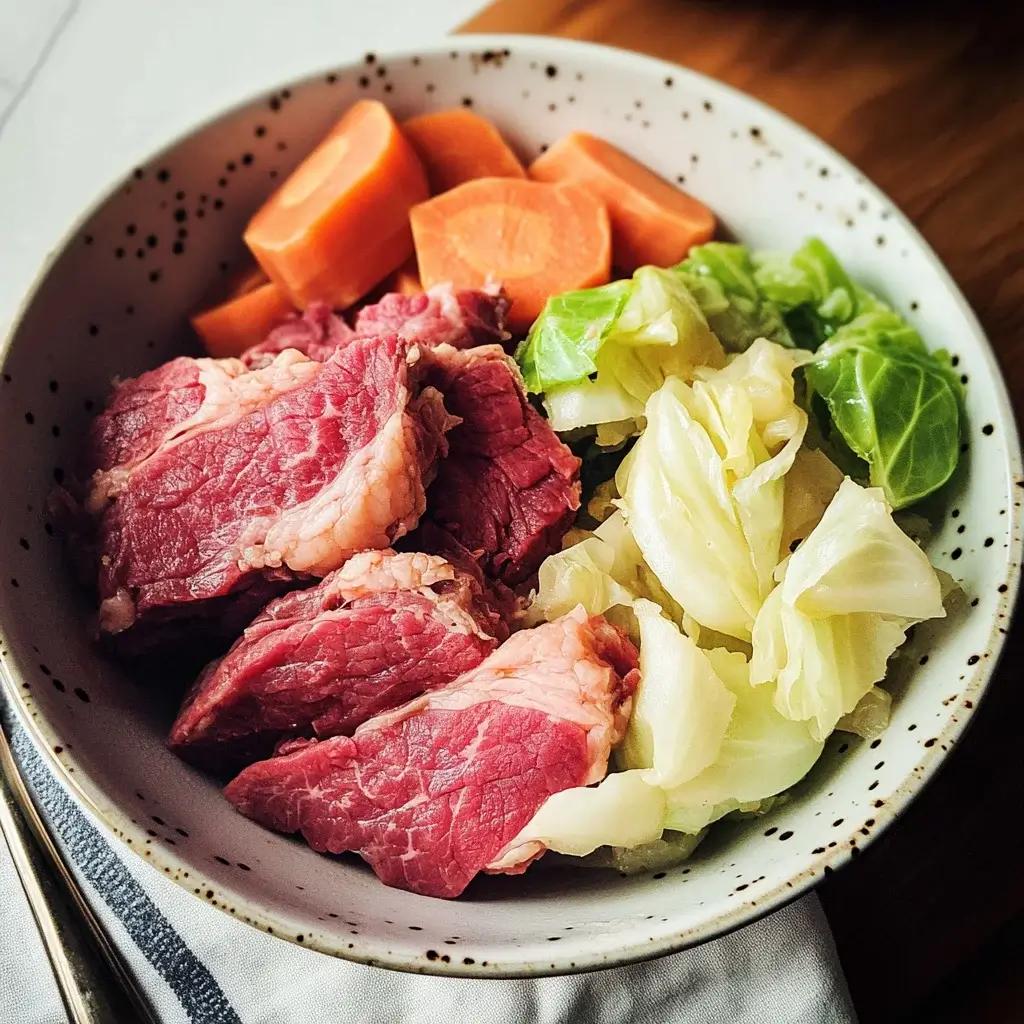
There’s nothing quite like the comforting aroma of corned beef and cabbage simmering away in the slow cooker, filling your home with savory, hearty goodness. It’s a dish that speaks of tradition, warmth, and simple, honest flavors. For years, I hesitated to make corned beef, intimidated by the thought of potentially tough meat. However, discovering the magic of the slow cooker completely changed my perspective. This Slow Cooker Corned Beef and Cabbage recipe is now a regular in our household, especially as we approach St. Patrick’s Day. What I love most about it is its incredible ease – truly a “set it and forget it” meal. The slow cooking process transforms a humble cut of beef into fork-tender perfection, infused with the subtle spices and the sweetness of cabbage and vegetables. Even my pickiest eaters devour this, and the leftovers are just as delicious (if they last that long!). If you’re looking for a foolproof, flavorful, and incredibly easy way to enjoy corned beef and cabbage, this slow cooker recipe is your answer. Prepare to be amazed by the depth of flavor and the effortless simplicity of this classic dish.
Ingredients You’ll Need for Perfect Slow Cooker Corned Beef and Cabbage
To create this incredibly tender and flavorful Slow Cooker Corned Beef and Cabbage, you’ll need a few key ingredients, focusing on quality for the best results. Here’s your shopping list:
- For the Corned Beef and Brine:
- 3-4 pound Corned Beef Brisket: This is the star of the show! Look for a brisket that is well-marbled with fat for maximum flavor and tenderness. You can find corned beef brisket in most grocery stores, often pre-packaged in brine. Choose a point cut or flat cut, or a combination if available. Point cut is generally fattier and more flavorful, while flat cut is leaner and slices more uniformly. The recipe works well with either or both.
- Spice Packet (usually included with the Corned Beef): Most pre-packaged corned beef briskets come with a small spice packet. This packet typically contains a blend of spices like peppercorns, mustard seeds, coriander seeds, bay leaves, and cloves – all essential for that signature corned beef flavor. Don’t discard it!
- Water or Beer (optional, but recommended): Liquid is crucial for slow cooking to keep the meat moist and prevent burning. Water works perfectly fine, but using beer (like a dark stout or ale) adds another layer of flavor and depth to the dish. Beef broth is also a great option for a richer flavor. About 4-6 cups of liquid will be needed, depending on the size of your slow cooker and the size of the brisket.
- For the Vegetables:
- 1 large Head of Cabbage (about 2-3 pounds), cut into wedges: Cabbage is the quintessential companion to corned beef. Choose a firm head of green cabbage. Cutting it into wedges ensures it cooks evenly and doesn’t become mushy. You can also use Savoy cabbage for a slightly milder flavor.
- 3-4 large Carrots, peeled and cut into 2-inch chunks: Carrots add sweetness and color to the dish. Peeling them is optional, but it improves the texture. Cutting them into larger chunks prevents them from becoming overly soft during the long cooking process.
- 3-4 medium Potatoes, peeled and quartered: Potatoes are another classic addition, adding heartiness and soaking up all the delicious flavors. Use starchy potatoes like Russet or Yukon Gold, as they hold their shape well during slow cooking. Quartering or halving them (depending on size) ensures they cook through evenly.
- 1-2 large Onions, quartered: Onions contribute a savory base flavor to the dish. Quartering them allows them to soften and sweeten during the slow cooking process without completely disintegrating. Yellow or white onions work best.
- Optional Vegetables (for added flavor and nutrition): You can also add other root vegetables like parsnips, turnips, or rutabaga for extra depth of flavor and nutritional value. Celery stalks, cut into chunks, can also be included for added aromatics.
- Optional Flavor Enhancements:
- 2-3 Bay Leaves (if not already in spice packet, or for extra flavor): Bay leaves add a subtle, earthy aroma to the dish.
- 1 teaspoon Dried Thyme: Thyme complements the other spices and adds a warm, herbaceous note.
- 1 teaspoon Black Peppercorns (if you want extra peppery flavor): While the spice packet usually contains peppercorns, adding a few more can enhance the peppery notes.
- 1 tablespoon Apple Cider Vinegar (optional): A splash of apple cider vinegar can help tenderize the meat further and add a subtle tanginess that balances the richness of the dish.
- Fresh Parsley, chopped (for garnish): Fresh parsley adds a bright, fresh finish and visual appeal when serving.
Step-by-Step Instructions for Slow Cooker Corned Beef and Cabbage Success
Making Slow Cooker Corned Beef and Cabbage is incredibly straightforward. Follow these simple steps for a delicious and stress-free meal:
- Rinse the Corned Beef (Optional but Recommended): Some people prefer to rinse the corned beef brisket under cold water before cooking to remove some of the excess salt from the brine. This is a matter of personal preference. If you are sensitive to salt or want a less salty final dish, rinsing is a good idea. If you enjoy a saltier, more traditional corned beef flavor, you can skip rinsing.
- Place Corned Beef in the Slow Cooker: Put the corned beef brisket in your slow cooker. Fat side up is generally recommended, as the fat will render down and baste the meat as it cooks, adding flavor and moisture.
- Add Spice Packet and Optional Spices: Open the spice packet that came with the corned beef and sprinkle the spices over the brisket. If you are using additional bay leaves, dried thyme, or peppercorns, add them now as well.
- Pour in Liquid: Pour in your chosen liquid – water, beer, or beef broth – into the slow cooker. You want to add enough liquid to mostly submerge the corned beef, but it doesn’t need to be completely covered. Aim for about 4-6 cups, adjusting based on the size of your slow cooker and brisket. The liquid should come about halfway up the side of the brisket, or a little more.
- Add Onions and Carrots (and other root vegetables, if using): Place the quartered onions and carrot chunks around the corned beef in the slow cooker. If you are using other root vegetables like parsnips, turnips, or rutabaga, add them at this stage as well. These vegetables require a longer cooking time than cabbage and potatoes, so they go in earlier.
- Cook on Low or High Heat: Cover the slow cooker and cook on LOW for 8-10 hours or on HIGH for 4-5 hours. Slow cooking on low heat for a longer period is generally recommended for the most tender and flavorful results. However, if you are short on time, cooking on high will still produce delicious corned beef and cabbage. The corned beef is done when it is fork-tender and easily shreds.
- Add Potatoes and Cabbage in the Last Hours of Cooking: Potatoes and cabbage cook faster than corned beef and carrots, so they should be added later in the cooking process to prevent them from becoming mushy. About 2-3 hours before the end of the cooking time (on low heat), or 1-1.5 hours before the end (on high heat), add the quartered potatoes and cabbage wedges to the slow cooker. Nestle them around the corned beef and other vegetables, ensuring they are partially submerged in the liquid.
- Check for Doneness: The corned beef is done when it is easily pierced with a fork and shreds apart readily. The vegetables should be tender but not mushy. If the vegetables are tender but the corned beef isn’t quite as tender as you’d like, you can remove the vegetables to a separate dish to keep warm and continue to cook the corned beef for a bit longer.
- Rest the Corned Beef (Recommended): Once the corned beef is cooked through, carefully remove it from the slow cooker and place it on a cutting board. Tent it loosely with foil and let it rest for about 10-15 minutes. Resting allows the juices to redistribute throughout the meat, resulting in a more tender and flavorful final product.
- Slice and Serve: While the corned beef is resting, remove the cabbage, carrots, potatoes, and onions from the slow cooker and arrange them on a serving platter. Slice the corned beef against the grain into thick slices. Arrange the slices on the platter alongside the vegetables.
- Garnish and Serve: Garnish with fresh chopped parsley, if desired. Serve hot and enjoy! You can ladle some of the cooking liquid from the slow cooker over the corned beef and vegetables for extra flavor and moisture.
Nutritional Information for Slow Cooker Corned Beef and Cabbage
Please note that the nutritional information provided is an estimate and can vary based on factors such as the specific cut of corned beef used, the size of vegetables, and serving sizes. This information is for general guidance only.
- Servings: 6-8 servings (as a main course)
- Calories per Serving (approximate): 400-600 calories
- Fat: 25-40g (depending on the cut of corned beef and fat content)
- Saturated Fat: 10-18g (depending on the cut of corned beef and fat content)
- Cholesterol: 100-150mg
- Sodium: 800-1200mg (corned beef is naturally high in sodium due to the brining process)
- Carbohydrates: 20-30g
- Fiber: 5-8g
- Sugar: 5-10g (naturally occurring sugars in vegetables)
- Protein: 25-35g
Disclaimer: This nutritional information is an estimate and should not be considered a substitute for professional dietary advice. For accurate nutritional information, use a recipe analyzer with the specific brands and ingredients you use. Individuals on sodium-restricted diets should be mindful of the sodium content of corned beef.
Preparation Time Breakdown for Slow Cooker Corned Beef and Cabbage
This recipe is wonderfully hands-off, with minimal active preparation time. Here’s a breakdown:
- Prep Time: 20-25 minutes (This includes rinsing the corned beef, chopping vegetables, and loading everything into the slow cooker).
- Cook Time (Low Heat): 8-10 hours
- Cook Time (High Heat): 4-5 hours
- Resting Time: 10-15 minutes
Total Time (approximate, Low Heat): 8 hours 30 minutes – 10 hours 40 minutes
Total Time (approximate, High Heat): 4 hours 30 minutes – 5 hours 40 minutes
While the total time is lengthy due to the slow cooking process, the active time spent preparing the dish is quite short, making it an ideal meal for busy days when you want a delicious and satisfying dinner with minimal effort.
Serving Suggestions for Your Slow Cooker Corned Beef and Cabbage
Slow Cooker Corned Beef and Cabbage is a complete meal in itself, but here are some ideas to enhance your serving experience and create a truly memorable feast:
- Classic Presentation: Arrange the sliced corned beef and vegetables (cabbage, carrots, potatoes, onions) attractively on a large platter. This rustic presentation showcases the hearty nature of the dish.
- With Mustard: Serve with a variety of mustards on the side. Classic yellow mustard, Dijon mustard, or a grainy mustard all pair wonderfully with corned beef. Irish mustard, if you can find it, is also a fantastic choice for a truly authentic touch.
- Horseradish Sauce: A creamy horseradish sauce adds a zesty kick that complements the richness of the corned beef. You can easily make your own by combining sour cream or mayonnaise with prepared horseradish, lemon juice, and a pinch of salt and pepper.
- Soda Bread or Irish Brown Bread: Serve with slices of warm soda bread or Irish brown bread for soaking up the delicious juices and completing the Irish-inspired meal.
- Colcannon or Champ: For an extra special touch, serve a side of Colcannon (mashed potatoes with cabbage or kale) or Champ (mashed potatoes with scallions). These traditional Irish potato dishes are perfect accompaniments to corned beef and cabbage.
- Pickled Vegetables: The richness of corned beef and cabbage is beautifully balanced by the tanginess of pickled vegetables. Serve with pickled beets, pickled onions, or sauerkraut for a refreshing contrast.
- Gravy (from cooking liquid): You can thicken the cooking liquid from the slow cooker to create a simple gravy. Skim off excess fat from the liquid, then whisk together a tablespoon of cornstarch with a tablespoon of cold water. Stir the cornstarch slurry into the cooking liquid and simmer over medium heat until thickened. Season with salt and pepper to taste. Drizzle the gravy over the corned beef and vegetables.
- Beer Pairing: For a truly authentic Irish experience, pair your Slow Cooker Corned Beef and Cabbage with a dark Irish stout like Guinness or a red ale. The malty flavors of these beers complement the savory richness of the dish perfectly.
Top Tips for the Best Slow Cooker Corned Beef and Cabbage
To ensure your Slow Cooker Corned Beef and Cabbage is a resounding success, keep these helpful tips in mind:
- Don’t Overcook the Cabbage and Potatoes: Timing is key when adding the cabbage and potatoes. Adding them too early will result in mushy, unpleasant vegetables. Follow the recommended timing in the recipe (2-3 hours before the end of cooking on low, or 1-1.5 hours on high) to ensure they are tender-crisp and perfectly cooked.
- Choose the Right Cut of Corned Beef: While both point cut and flat cut corned beef briskets work well, point cut is generally considered more flavorful due to its higher fat content. Flat cut is leaner and slices more neatly. You can also use a combination of both for the best of both worlds. Look for a brisket that is well-marbled with fat.
- Don’t Skimp on the Liquid: Adequate liquid is essential for slow cooking to prevent the corned beef from drying out and to create a flavorful cooking environment. Make sure the liquid level is sufficient to partially submerge the brisket, especially during longer cooking times.
- Rest the Corned Beef After Cooking: Resting the corned beef after it’s cooked is crucial for tenderness and juiciness. Just like with other roasts, resting allows the juices to redistribute, resulting in a more flavorful and tender final product. Tent it loosely with foil for about 10-15 minutes before slicing.
- Slice Against the Grain: Corned beef brisket has noticeable muscle fibers running in one direction (the grain). To ensure tender slices, always slice against the grain. This means cutting perpendicular to the direction of the muscle fibers, which shortens the fibers and makes the meat easier to chew.
Frequently Asked Questions (FAQ) About Slow Cooker Corned Beef and Cabbage
Here are some common questions people have when making Slow Cooker Corned Beef and Cabbage:
Q1: My corned beef is still tough after slow cooking. What did I do wrong?
A: The most common reason for tough corned beef is undercooking. Even though you slow cook it for a long time, it might need even longer to become truly tender. Ensure you are cooking it for the full recommended time, and even a bit longer if needed, especially on low heat. Also, make sure your slow cooker is maintaining a consistent temperature. If your slow cooker runs cooler, it might require longer cooking times. Another possibility is that you sliced the corned beef with the grain instead of against it. Always slice against the grain for maximum tenderness.
Q2: Can I make this recipe ahead of time?
A: Yes, you can prepare the corned beef and cabbage ahead of time. The corned beef is often even more flavorful the next day. You can cook the corned beef and vegetables a day or two in advance. Store the corned beef and vegetables separately in airtight containers in the refrigerator. When ready to serve, you can reheat them gently in the slow cooker or in the oven. If reheating in the slow cooker, add a little extra liquid to prevent drying out.
Q3: Can I use pre-cut cabbage and carrots to save time?
A: While you can use pre-cut carrots, it’s generally recommended to cut your own cabbage into wedges. Pre-cut shredded cabbage tends to become mushy more easily in the slow cooker. If you are using pre-cut carrots, choose carrot chunks rather than baby carrots, as baby carrots can become overly soft during long cooking. However, for best texture and flavor, cutting your own vegetables is always preferable.
Q4: My Slow Cooker Corned Beef and Cabbage is too salty. How can I reduce the saltiness?
A: Corned beef is naturally salty due to the brining process. Rinsing the corned beef before cooking can help reduce some of the surface salt. You can also use water as the cooking liquid instead of beer or broth, as these can sometimes add to the overall saltiness. Avoid adding any extra salt to the dish during cooking. If you find it’s still too salty after cooking, you can try serving it with unsalted potatoes or adding a splash of apple cider vinegar or lemon juice, which can help balance the saltiness.
Q5: Can I freeze leftover Slow Cooker Corned Beef and Cabbage?
A: Yes, you can freeze leftover Slow Cooker Corned Beef and Cabbage, although the texture of the vegetables may change slightly upon thawing. Freeze the corned beef and vegetables separately for best results. Store in airtight containers or freezer bags. For optimal quality, use frozen leftovers within 2-3 months. Thaw overnight in the refrigerator before reheating. Reheat gently in a saucepan or microwave until heated through.
Enjoy the delicious and effortless flavors of this Slow Cooker Corned Beef and Cabbage recipe! It’s a comforting and satisfying meal that’s perfect for family dinners, St. Patrick’s Day celebrations, or any time you crave hearty, flavorful comfort food.
Print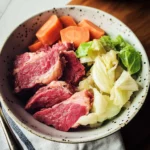
Slow Cooker Corned Beef and Cabbage recipe
Ingredients
- For the Corned Beef and Brine:
- 3–4 pound Corned Beef Brisket: This is the star of the show! Look for a brisket that is well-marbled with fat for maximum flavor and tenderness. You can find corned beef brisket in most grocery stores, often pre-packaged in brine. Choose a point cut or flat cut, or a combination if available. Point cut is generally fattier and more flavorful, while flat cut is leaner and slices more uniformly. The recipe works well with either or both.
- Spice Packet (usually included with the Corned Beef): Most pre-packaged corned beef briskets come with a small spice packet. This packet typically contains a blend of spices like peppercorns, mustard seeds, coriander seeds, bay leaves, and cloves – all essential for that signature corned beef flavor. Don’t discard it!
- Water or Beer (optional, but recommended): Liquid is crucial for slow cooking to keep the meat moist and prevent burning. Water works perfectly fine, but using beer (like a dark stout or ale) adds another layer of flavor and depth to the dish. Beef broth is also a great option for a richer flavor. About 4-6 cups of liquid will be needed, depending on the size of your slow cooker and the size of the brisket.
- For the Vegetables:
- 1 large Head of Cabbage (about 2–3 pounds), cut into wedges: Cabbage is the quintessential companion to corned beef. Choose a firm head of green cabbage. Cutting it into wedges ensures it cooks evenly and doesn’t become mushy. You can also use Savoy cabbage for a slightly milder flavor.
- 3–4 large Carrots, peeled and cut into 2-inch chunks: Carrots add sweetness and color to the dish. Peeling them is optional, but it improves the texture. Cutting them into larger chunks prevents them from becoming overly soft during the long cooking process.
- 3–4 medium Potatoes, peeled and quartered: Potatoes are another classic addition, adding heartiness and soaking up all the delicious flavors. Use starchy potatoes like Russet or Yukon Gold, as they hold their shape well during slow cooking. Quartering or halving them (depending on size) ensures they cook through evenly.
- 1–2 large Onions, quartered: Onions contribute a savory base flavor to the dish. Quartering them allows them to soften and sweeten during the slow cooking process without completely disintegrating. Yellow or white onions work best.
- Optional Vegetables (for added flavor and nutrition): You can also add other root vegetables like parsnips, turnips, or rutabaga for extra depth of flavor and nutritional value. Celery stalks, cut into chunks, can also be included for added aromatics.
- Optional Flavor Enhancements:
- 2–3 Bay Leaves (if not already in spice packet, or for extra flavor): Bay leaves add a subtle, earthy aroma to the dish.
- 1 teaspoon Dried Thyme: Thyme complements the other spices and adds a warm, herbaceous note.
- 1 teaspoon Black Peppercorns (if you want extra peppery flavor): While the spice packet usually contains peppercorns, adding a few more can enhance the peppery notes.
- 1 tablespoon Apple Cider Vinegar (optional): A splash of apple cider vinegar can help tenderize the meat further and add a subtle tanginess that balances the richness of the dish.
- Fresh Parsley, chopped (for garnish): Fresh parsley adds a bright, fresh finish and visual appeal when serving.
Instructions
- Rinse the Corned Beef (Optional but Recommended): Some people prefer to rinse the corned beef brisket under cold water before cooking to remove some of the excess salt from the brine. This is a matter of personal preference. If you are sensitive to salt or want a less salty final dish, rinsing is a good idea. If you enjoy a saltier, more traditional corned beef flavor, you can skip rinsing.
- Place Corned Beef in the Slow Cooker: Put the corned beef brisket in your slow cooker. Fat side up is generally recommended, as the fat will render down and baste the meat as it cooks, adding flavor and moisture.
- Add Spice Packet and Optional Spices: Open the spice packet that came with the corned beef and sprinkle the spices over the brisket. If you are using additional bay leaves, dried thyme, or peppercorns, add them now as well.
- Pour in Liquid: Pour in your chosen liquid – water, beer, or beef broth – into the slow cooker. You want to add enough liquid to mostly submerge the corned beef, but it doesn’t need to be completely covered. Aim for about 4-6 cups, adjusting based on the size of your slow cooker and brisket. The liquid should come about halfway up the side of the brisket, or a little more.
- Add Onions and Carrots (and other root vegetables, if using): Place the quartered onions and carrot chunks around the corned beef in the slow cooker. If you are using other root vegetables like parsnips, turnips, or rutabaga, add them at this stage as well. These vegetables require a longer cooking time than cabbage and potatoes, so they go in earlier.
- Cook on Low or High Heat: Cover the slow cooker and cook on LOW for 8-10 hours or on HIGH for 4-5 hours. Slow cooking on low heat for a longer period is generally recommended for the most tender and flavorful results. However, if you are short on time, cooking on high will still produce delicious corned beef and cabbage. The corned beef is done when it is fork-tender and easily shreds.
- Add Potatoes and Cabbage in the Last Hours of Cooking: Potatoes and cabbage cook faster than corned beef and carrots, so they should be added later in the cooking process to prevent them from becoming mushy. About 2-3 hours before the end of the cooking time (on low heat), or 1-1.5 hours before the end (on high heat), add the quartered potatoes and cabbage wedges to the slow cooker. Nestle them around the corned beef and other vegetables, ensuring they are partially submerged in the liquid.
- Check for Doneness: The corned beef is done when it is easily pierced with a fork and shreds apart readily. The vegetables should be tender but not mushy. If the vegetables are tender but the corned beef isn’t quite as tender as you’d like, you can remove the vegetables to a separate dish to keep warm and continue to cook the corned beef for a bit longer.
- Rest the Corned Beef (Recommended): Once the corned beef is cooked through, carefully remove it from the slow cooker and place it on a cutting board. Tent it loosely with foil and let it rest for about 10-15 minutes. Resting allows the juices to redistribute throughout the meat, resulting in a more tender and flavorful final product.
- Slice and Serve: While the corned beef is resting, remove the cabbage, carrots, potatoes, and onions from the slow cooker and arrange them on a serving platter. Slice the corned beef against the grain into thick slices. Arrange the slices on the platter alongside the vegetables.
- Garnish and Serve: Garnish with fresh chopped parsley, if desired. Serve hot and enjoy! You can ladle some of the cooking liquid from the slow cooker over the corned beef and vegetables for extra flavor and moisture.
Nutrition
- Serving Size: one normal portion
- Calories: 400-600
- Sugar: 5-10g
- Sodium: 800-1200mg
- Fat: 25-40g
- Saturated Fat: 10-18g
- Carbohydrates: 20-30g
- Fiber: 5-8g
- Protein: 25-35g
- Cholesterol: 100-150mg