
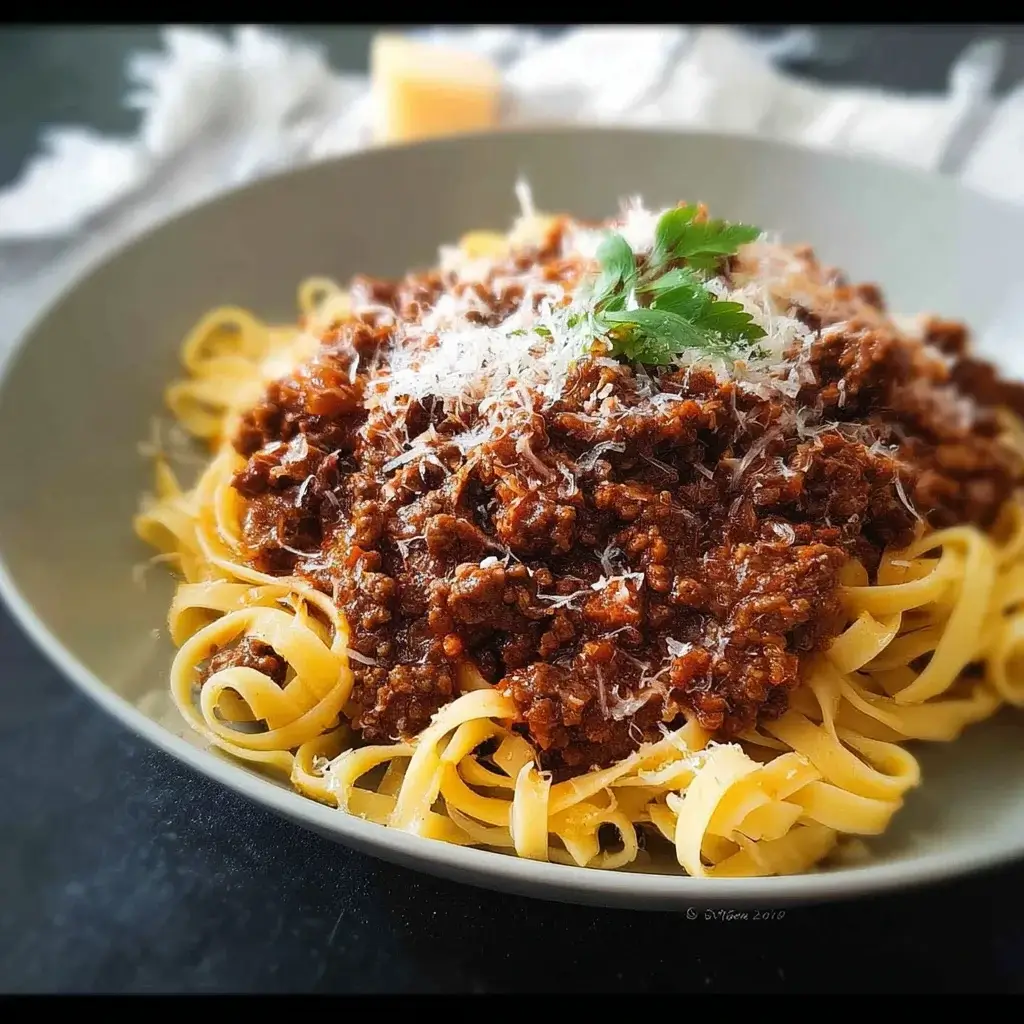

There is a magic to a true Bolognese sauce that simply cannot be rushed. For years, my idea of Bolognese was a quick-simmered ground beef and tomato sauce, something I could throw together on a busy Tuesday. It was good, but it was never great. It lacked the soul-stirring depth I’d experienced in little trattorias in Italy. The secret, I learned, isn’t a long list of exotic ingredients; it’s time. My slow cooker became the key to unlocking this culinary secret. I’ll never forget the first time I dedicated a morning to properly preparing the base—the gentle sweating of the soffritto, the patient browning of two kinds of meat, the surprising addition of milk—before entrusting it to the slow cooker for the rest of the day. The aroma that slowly filled my home was unlike any I had created before. It was rich, complex, and deeply comforting. When my family gathered for dinner that evening, spooning the velvety, brick-red sauce over wide tagliatelle noodles, there was a moment of reverent silence, followed by declarations that this was, without a doubt, the best pasta sauce they had ever tasted. It wasn’t just a meal; it was an experience. This Slow Cooker Bolognese has transformed our “pasta night” from a simple weeknight staple into a cherished ritual, proving that the most luxurious flavors often come from the simplest ingredients and the gift of time.
The Ultimate Slow Cooker Bolognese: A Symphony of Ingredients
A truly magnificent Bolognese sauce is a testament to the power of layering simple, high-quality ingredients. Each component plays a specific role in building the deep, complex, and velvety sauce that is the hallmark of this Italian classic. Here is your definitive shopping list and a guide to why each ingredient is essential.
- The Meats:
- Ground Beef: 1 pound of 85/15 ground chuck. The beef provides the foundational, robust, meaty flavor. Using ground chuck with a decent fat content (85/15) ensures the sauce is rich and the meat doesn’t dry out during the long cook time.
- Ground Pork: 1 pound. Pork is the secret to a succulent, tender Bolognese. Its higher fat content and milder flavor balance the beef, contributing to a luxuriously soft texture and preventing the sauce from becoming grainy.
- Pancetta: 4 ounces, finely diced. Pancetta (Italian cured pork belly) is the starting point of our flavor base. As it renders, its savory, salty fat creates the perfect medium for cooking the vegetables and adds an incredible depth of flavor that bacon can’t quite replicate.
- The Aromatic Base (Soffritto):
- Yellow Onion: 1 large, finely chopped.
- Carrots: 2 medium, peeled and finely chopped.
- Celery: 2 stalks, finely chopped.
- This trio of onion, carrot, and celery is the holy trinity of Italian cooking, known as the soffritto. When slowly cooked, it creates a sweet, aromatic foundation upon which the entire sauce is built. Chopping them finely is key, as they should melt into the sauce, not remain as distinct chunks.
- The Liquids:
- Whole Milk: 1 cup. This may seem like an unusual ingredient, but it is a traditional and non-negotiable step for an authentic Bolognese. The lactic acid in the milk tenderizes the meat to an incredible degree, resulting in a creamy, velvety texture. It’s added before the wine and tomatoes.
- Dry White Wine: 1 cup. While many Americanized recipes call for red wine, a crisp, dry white wine (like Pinot Grigio or Sauvignon Blanc) is more traditional. It adds a bright acidity that cuts through the richness of the meats and fat without overpowering the delicate flavors, as a bold red wine can.
- Crushed Tomatoes: 1 large can (28 ounces). For the best flavor, use high-quality San Marzano or San Marzano-style tomatoes. They have a lower acidity and a sweeter, more intense tomato flavor that provides the perfect backbone for the sauce.
- Beef or Chicken Broth: 1 cup, low-sodium. Broth adds another layer of savory depth and helps ensure the sauce has enough liquid for the long, slow simmer without becoming too thick too early.
- Flavor Enhancers and Aromatics:
- Olive Oil and Unsalted Butter: 1 tablespoon of each. Using a combination of butter and oil to cook the soffritto adds richness and helps prevent the butter from browning too quickly.
- Garlic: 4 cloves, minced. Added after the main soffritto vegetables to prevent it from burning and becoming bitter.
- Tomato Paste: 2 tablespoons. This is a concentrated umami powerhouse that deepens both the color and the flavor of the sauce.
- Bay Leaf: 1 whole leaf. Adds a subtle, earthy, background note that complements the other flavors.
- Freshly Grated Nutmeg: ¼ teaspoon. This is another classic secret ingredient. Just a tiny amount of nutmeg adds a wonderful warmth and complexity that you might not be able to pinpoint, but you would miss if it weren’t there.
- Salt and Freshly Ground Black Pepper: To taste.
- Heavy Cream (Optional): ¼ cup. A final swirl of heavy cream at the end adds an extra layer of richness and a silky finish, bringing all the flavors together.
- For Serving:
- Pasta: Traditionally, Tagliatelle.
- Cheese: Freshly grated Parmigiano-Reggiano.
Step-by-Step Instructions for a Flawless Bolognese
The magic of this recipe happens in two parts: the initial, crucial flavor-building on the stovetop, followed by the long, transformative simmer in the slow cooker. Do not be tempted to skip the stovetop steps.
Phase 1: Building the Rich Flavor Base (Stovetop)
- Render the Pancetta: Heat a large, heavy-bottomed Dutch oven or skillet over medium heat. Add the finely diced pancetta and cook, stirring occasionally, until it is crispy and has rendered most of its fat, about 8-10 minutes. Using a slotted spoon, remove the crispy pancetta bits and set them aside on a plate for later. Leave the rendered fat in the pan.
- Cook the Soffritto: Add the 1 tablespoon of olive oil and 1 tablespoon of butter to the pancetta fat. Once the butter is melted, add the finely chopped onion, carrot, and celery. Reduce the heat to medium-low and cook slowly, stirring occasionally, for 10-12 minutes. You want the vegetables to be very soft, sweet, and translucent, but not browned. This slow sweating process is key.
- Brown the Meats: Increase the heat to medium-high. Add the ground beef and ground pork to the pot with the cooked vegetables. Use a sturdy wooden spoon to break the meat apart into small pieces. Cook, stirring frequently, until the meat is fully browned and no pink remains, about 10 minutes.
- The Milk Trick: Pour the 1 cup of whole milk over the cooked meat. Bring to a simmer and continue to cook, stirring occasionally, until the milk has almost completely evaporated and absorbed into the meat. The meat will look creamy. This is the traditional secret to incredibly tender Bolognese. This step will take about 10-15 minutes.
- Deglaze with Wine: Pour in the 1 cup of dry white wine. Bring it to a boil, scraping up any browned bits (the fond) from the bottom of the pot with your wooden spoon. Continue to simmer until the wine has reduced by about half and the strong alcohol smell has cooked off.
- Add Final Flavorings: Stir in the 2 tablespoons of tomato paste and cook for 1 minute to deepen its flavor. Add the minced garlic and cook for another minute until fragrant.
Phase 2: The Long, Slow Cook
- Combine and Transfer: Stir in the can of crushed tomatoes, the cup of beef broth, the bay leaf, and the ¼ teaspoon of freshly grated nutmeg. Season with about 1 teaspoon of salt and ½ teaspoon of black pepper. Stir everything together until well combined.
- Move to Slow Cooker: Carefully transfer the entire contents of the pot into the basin of your slow cooker (a 6-quart model is recommended).
- Set and Forget: Secure the lid and cook on LOW for 6 to 8 hours. The low and slow method is highly preferable, as it gives the flavors more time to meld and the meat more time to become exquisitely tender. A 4-hour cook on HIGH can work in a pinch, but the results will not be as rich or complex.
Phase 3: The Finishing Touches
- Finish the Sauce: After 6-8 hours, the sauce should be thick, dark, and incredibly fragrant. Skim off any excess fat that may have risen to the surface, if desired. Remove and discard the bay leaf.
- Add Cream and Adjust Seasoning: Stir in the reserved crispy pancetta bits. If using, stir in the ¼ cup of heavy cream. Taste the sauce and adjust the seasoning with additional salt and pepper as needed. A final pinch of nutmeg can also be added if you wish. Let it sit on the “warm” setting until you are ready to serve.
Nutrition Facts
- Servings: 8-10 generous servings
- Calories per serving: Approximately 450-550 kcal (sauce only)
Disclaimer: This nutritional information is an estimate. The final values can vary significantly based on the fat content of the meats used, the amount of fat skimmed off, and the specific brands of ingredients.
Preparation and Cooking Time
- Preparation Time (Active): 45 minutes (chopping, browning, assembling the sauce)
- Cooking Time: 6 to 8 hours (in the slow cooker)
- Total Time: Approximately 7 to 9 hours
The Art of Serving: How to Plate Your Bolognese like an Italian
Serving Bolognese is more than just spooning sauce over pasta; it’s a technique that ensures every single noodle is perfectly coated in flavor.
- The Perfect Pasta:
- Tagliatelle: This is the undisputed, traditional pasta for Bolognese. These long, flat, ribbon-like egg noodles have a porous texture and wide surface area that are perfect for catching and holding onto the rich, chunky meat sauce.
- Other Great Choices: If you can’t find tagliatelle, other excellent options include Pappardelle (even wider ribbons), Rigatoni, or Penne Rigate. The key is to use a pasta with texture or ridges to which the sauce can cling.
- The Authentic Serving Method:
- Cook your chosen pasta in a large pot of heavily salted water until it is al dente (still has a slight bite).
- Just before the pasta is done, scoop out and reserve about 1-2 cups of the starchy pasta water.
- Drain the pasta.
- Return the empty pasta pot to the stove over low heat. Add a few large ladlefuls of your finished Bolognese sauce to the pot.
- Add the drained pasta directly into the sauce in the pot. Use tongs to toss the pasta with the sauce for 1-2 minutes, allowing the noodles to absorb the sauce and finish cooking. If the sauce seems too thick, add a splash of the reserved pasta water to loosen it to a perfect, glossy consistency. This step is the difference between good pasta and great pasta.
- The Final Touches:
- Cheese: Serve immediately in warm bowls, with a very generous grating of high-quality Parmigiano-Reggiano cheese over the top.
- Sides: A true Bolognese is a rich, complete meal (primo piatto) in itself. The only accompaniments needed are a simple green salad with a light vinaigrette to cut the richness, and some crusty Italian bread for fare la scarpetta—the delightful act of mopping up every last bit of sauce from the plate.
5 Pro Tips for Bolognese Perfection
- Finely Chop Your Soffritto: Take the extra five minutes to chop your onion, carrots, and celery as finely as possible. When they are finely chopped and cooked slowly, they will virtually melt into the sauce, providing a deep, sweet, aromatic base without leaving you with large, distracting chunks of vegetables.
- Embrace the Milk Trick: Do not skip the step of simmering the browned meat in milk. This is a classic Italian technique that many home cooks overlook. The enzymes and lactic acid in the milk work to tenderize the meat proteins on a chemical level, resulting in a finished sauce with a uniquely soft, creamy, and velvety texture that you cannot achieve otherwise.
- Use White Wine, Not Red: While many American recipes default to red wine for beef sauces, traditional Bolognese from the Emilia-Romagna region calls for dry white wine. It provides the necessary acidity to cut through the richness of the meats without the heavy, tannic qualities of red wine, which can sometimes mask the more delicate flavors of the soffritto and pork.
- Low and Slow is Always Better: If you have the time, always opt for the longer cooking time on the LOW setting in your slow cooker. This extended period allows the tough connective tissues in the meat to fully break down into rich gelatin, and it gives the complex flavors of the soffritto, tomatoes, wine, and meat the time they need to meld into a harmonious, deeply layered sauce.
- Make It a Day Ahead: Bolognese is one of those magical dishes that is undeniably better the next day. The overnight rest in the refrigerator allows all the distinct flavors to marry and mature, resulting in a sauce that is richer, deeper, and more cohesive. Simply cool the sauce completely and store it in the fridge, then gently reheat it on the stovetop before tossing with freshly cooked pasta.
Frequently Asked Questions (FAQ) About Slow Cooker Bolognese
1. Can I use all ground beef instead of a beef and pork mix?
You can, but the final texture and flavor will be different. A sauce made with only beef will be less tender and not as rich. The fat and milder flavor of the pork are crucial for creating the signature succulent and velvety mouthfeel of a classic Bolognese. If you must use only one meat, 80/20 ground beef would be a better choice than a leaner grind.
2. I don’t want to use alcohol. What’s a good substitute for the white wine?
If you prefer to omit the wine, you can substitute it with an equal amount of good-quality, low-sodium chicken or beef broth. To mimic the acidity the wine provides, add 1 to 2 teaspoons of white wine vinegar or a small squeeze of lemon juice to the broth before adding it to the pot.
3. My finished sauce looks very oily on top. Is that normal?
Yes, it’s completely normal for a significant layer of orange-tinted fat to rise to the surface after a long, slow cook, especially when using richer meats like pork and 85/15 beef. This is actually a good sign of a flavorful sauce! Before adding the final cream and serving, you can easily skim most of this off with a large, wide spoon if you prefer a less fatty sauce.
4. How do I properly freeze and reheat this sauce?
This sauce freezes beautifully, making it perfect for batch cooking. Allow the sauce to cool completely to room temperature. Portion it into freezer-safe airtight containers or heavy-duty freezer bags. It can be frozen for up to 3 months. To reheat, either let it thaw overnight in the refrigerator or place the frozen block of sauce directly into a saucepan over low heat. Cover and let it slowly melt, stirring occasionally, until it is hot and bubbling.
5. Can I just dump all the raw ingredients into the slow cooker without the stovetop steps?
Technically, you can, but you will not be making this recipe or anything close to a true Bolognese. Skipping the stovetop steps means you miss out on every critical layer of flavor development: the savory depth from rendering the pancetta, the sweetness from the slowly cooked soffritto, the rich crust from browning the meat (the Maillard reaction), and the complexity from deglazing the pan. The result will be a soupy, one-dimensional meat sauce that lacks the characteristic richness and depth.
Slow Cooker Bolognese recipe
Ingredients
-
The Meats:
-
Ground Beef: 1 pound of 85/15 ground chuck. The beef provides the foundational, robust, meaty flavor. Using ground chuck with a decent fat content (85/15) ensures the sauce is rich and the meat doesn’t dry out during the long cook time.
-
Ground Pork: 1 pound. Pork is the secret to a succulent, tender Bolognese. Its higher fat content and milder flavor balance the beef, contributing to a luxuriously soft texture and preventing the sauce from becoming grainy.
-
Pancetta: 4 ounces, finely diced. Pancetta (Italian cured pork belly) is the starting point of our flavor base. As it renders, its savory, salty fat creates the perfect medium for cooking the vegetables and adds an incredible depth of flavor that bacon can’t quite replicate.
-
-
The Aromatic Base (Soffritto):
-
Yellow Onion: 1 large, finely chopped.
-
Carrots: 2 medium, peeled and finely chopped.
-
Celery: 2 stalks, finely chopped.
-
This trio of onion, carrot, and celery is the holy trinity of Italian cooking, known as the soffritto. When slowly cooked, it creates a sweet, aromatic foundation upon which the entire sauce is built. Chopping them finely is key, as they should melt into the sauce, not remain as distinct chunks.
-
-
The Liquids:
-
Whole Milk: 1 cup. This may seem like an unusual ingredient, but it is a traditional and non-negotiable step for an authentic Bolognese. The lactic acid in the milk tenderizes the meat to an incredible degree, resulting in a creamy, velvety texture. It’s added before the wine and tomatoes.
-
Dry White Wine: 1 cup. While many Americanized recipes call for red wine, a crisp, dry white wine (like Pinot Grigio or Sauvignon Blanc) is more traditional. It adds a bright acidity that cuts through the richness of the meats and fat without overpowering the delicate flavors, as a bold red wine can.
-
Crushed Tomatoes: 1 large can (28 ounces). For the best flavor, use high-quality San Marzano or San Marzano-style tomatoes. They have a lower acidity and a sweeter, more intense tomato flavor that provides the perfect backbone for the sauce.
-
Beef or Chicken Broth: 1 cup, low-sodium. Broth adds another layer of savory depth and helps ensure the sauce has enough liquid for the long, slow simmer without becoming too thick too early.
-
-
Flavor Enhancers and Aromatics:
-
Olive Oil and Unsalted Butter: 1 tablespoon of each. Using a combination of butter and oil to cook the soffritto adds richness and helps prevent the butter from browning too quickly.
-
Garlic: 4 cloves, minced. Added after the main soffritto vegetables to prevent it from burning and becoming bitter.
-
Tomato Paste: 2 tablespoons. This is a concentrated umami powerhouse that deepens both the color and the flavor of the sauce.
-
Bay Leaf: 1 whole leaf. Adds a subtle, earthy, background note that complements the other flavors.
-
Freshly Grated Nutmeg: ¼ teaspoon. This is another classic secret ingredient. Just a tiny amount of nutmeg adds a wonderful warmth and complexity that you might not be able to pinpoint, but you would miss if it weren’t there.
-
Salt and Freshly Ground Black Pepper: To taste.
-
Heavy Cream (Optional): ¼ cup. A final swirl of heavy cream at the end adds an extra layer of richness and a silky finish, bringing all the flavors together.
-
-
For Serving:
-
Pasta: Traditionally, Tagliatelle.
-
Cheese: Freshly grated Parmigiano-Reggiano.
-
Instructions
Phase 1: Building the Rich Flavor Base (Stovetop)
-
Render the Pancetta: Heat a large, heavy-bottomed Dutch oven or skillet over medium heat. Add the finely diced pancetta and cook, stirring occasionally, until it is crispy and has rendered most of its fat, about 8-10 minutes. Using a slotted spoon, remove the crispy pancetta bits and set them aside on a plate for later. Leave the rendered fat in the pan.
-
Cook the Soffritto: Add the 1 tablespoon of olive oil and 1 tablespoon of butter to the pancetta fat. Once the butter is melted, add the finely chopped onion, carrot, and celery. Reduce the heat to medium-low and cook slowly, stirring occasionally, for 10-12 minutes. You want the vegetables to be very soft, sweet, and translucent, but not browned. This slow sweating process is key.
-
Brown the Meats: Increase the heat to medium-high. Add the ground beef and ground pork to the pot with the cooked vegetables. Use a sturdy wooden spoon to break the meat apart into small pieces. Cook, stirring frequently, until the meat is fully browned and no pink remains, about 10 minutes.
-
The Milk Trick: Pour the 1 cup of whole milk over the cooked meat. Bring to a simmer and continue to cook, stirring occasionally, until the milk has almost completely evaporated and absorbed into the meat. The meat will look creamy. This is the traditional secret to incredibly tender Bolognese. This step will take about 10-15 minutes.
-
Deglaze with Wine: Pour in the 1 cup of dry white wine. Bring it to a boil, scraping up any browned bits (the fond) from the bottom of the pot with your wooden spoon. Continue to simmer until the wine has reduced by about half and the strong alcohol smell has cooked off.
-
Add Final Flavorings: Stir in the 2 tablespoons of tomato paste and cook for 1 minute to deepen its flavor. Add the minced garlic and cook for another minute until fragrant.
Phase 2: The Long, Slow Cook
-
Combine and Transfer: Stir in the can of crushed tomatoes, the cup of beef broth, the bay leaf, and the ¼ teaspoon of freshly grated nutmeg. Season with about 1 teaspoon of salt and ½ teaspoon of black pepper. Stir everything together until well combined.
-
Move to Slow Cooker: Carefully transfer the entire contents of the pot into the basin of your slow cooker (a 6-quart model is recommended).
-
Set and Forget: Secure the lid and cook on LOW for 6 to 8 hours. The low and slow method is highly preferable, as it gives the flavors more time to meld and the meat more time to become exquisitely tender. A 4-hour cook on HIGH can work in a pinch, but the results will not be as rich or complex.
Phase 3: The Finishing Touches
-
Finish the Sauce: After 6-8 hours, the sauce should be thick, dark, and incredibly fragrant. Skim off any excess fat that may have risen to the surface, if desired. Remove and discard the bay leaf.
-
Add Cream and Adjust Seasoning: Stir in the reserved crispy pancetta bits. If using, stir in the ¼ cup of heavy cream. Taste the sauce and adjust the seasoning with additional salt and pepper as needed. A final pinch of nutmeg can also be added if you wish. Let it sit on the “warm” setting until you are ready to serve.
Nutrition
- Serving Size: one normal portion
- Calories: 450-550 kcal