
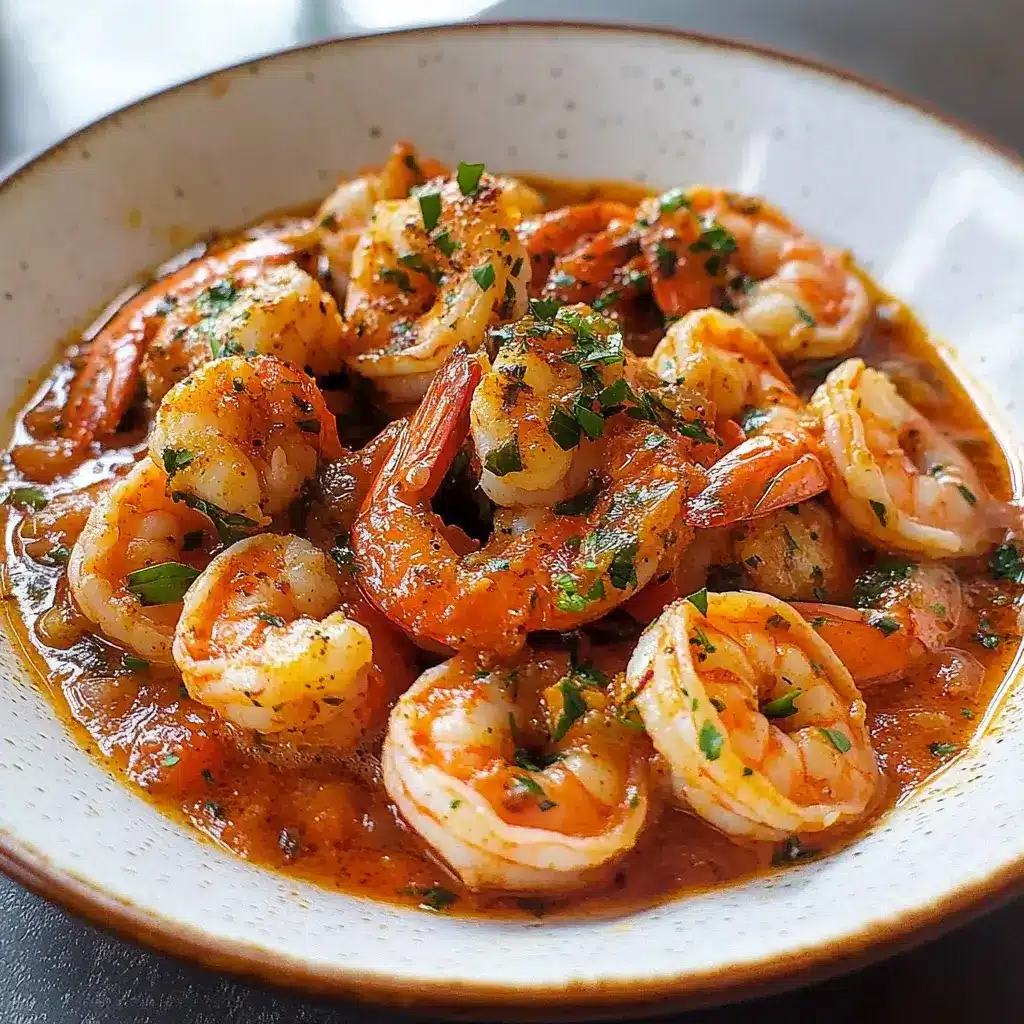

Ingredients: The Fiery Foundation of Shrimp Fra Diavolo
The success of a truly spectacular Shrimp Fra Diavolo hinges on the quality and freshness of its ingredients, along with a careful balance of flavors. Let’s delve into each component, exploring why they’re crucial and offering guidance for selecting the best for your dish:
- Shrimp: 1 ½ – 2 pounds, peeled and deveined (16/20 or 21/25 size recommended). Shrimp is, of course, the star of Fra Diavolo. When selecting shrimp, freshness is paramount.
- Fresh vs. Frozen: Fresh shrimp, if truly fresh from a reputable source, is ideal for its superior texture and flavor. However, high-quality frozen shrimp, thawed properly, is often a more practical and readily available option, especially if you don’t live near a coast or trusted fish market. If using frozen shrimp, ensure it is raw, peeled, and deveined. Avoid pre-cooked shrimp as it will become rubbery when reheated in the sauce.
- Size: 16/20 or 21/25 size shrimp (meaning 16-20 or 21-25 shrimp per pound) are recommended. These sizes are large enough to be substantial and satisfying but cook quickly and evenly within the sauce. Smaller shrimp can be used, but they may overcook easily and become lost in the sauce. Larger shrimp (like U10 or U12) can also be used, but you may need to adjust cooking times slightly to ensure they are cooked through without becoming tough.
- Type: Any type of shrimp will work, but for the best flavor and texture, consider using wild-caught shrimp if available. Gulf shrimp or Key West pink shrimp are excellent choices. Farm-raised shrimp is also a viable option; look for sustainably sourced varieties.
- Preparation: Ensure the shrimp is thoroughly peeled and deveined. Leaving the tails on is optional and often done for presentation, but for ease of eating, you can remove the tails as well. Pat the shrimp dry with paper towels before cooking; this helps them sear nicely and prevents the sauce from becoming watery.
- Pasta: 1 pound, linguine or spaghetti recommended. Pasta serves as the perfect vehicle for soaking up the flavorful Fra Diavolo sauce.
- Shape: Linguine and spaghetti are classic choices for Shrimp Fra Diavolo. Their long strands allow the sauce to cling beautifully. Other long pasta shapes like fettuccine, bucatini, or even angel hair could also be used. For a gluten-free option, use your favorite gluten-free pasta.
- Quality: Using good quality pasta makes a difference in texture and taste. Bronze-die pasta, which has a rougher surface, is excellent for holding onto sauce.
- Cooking: Cook the pasta al dente according to package directions. “Al dente” means “to the tooth” – the pasta should be firm to the bite, not mushy. Reserve about 1 cup of pasta cooking water before draining. This starchy water is crucial for helping to emulsify the sauce and create a silky, luscious consistency.
- Canned Tomatoes: 28 ounces, crushed tomatoes or diced tomatoes in juice. Tomatoes form the base of the Fra Diavolo sauce, providing acidity, sweetness, and body.
- Type: High-quality canned crushed tomatoes or diced tomatoes in juice are recommended. San Marzano tomatoes, known for their sweetness and low acidity, are a particularly excellent choice if you can find them. Avoid using tomato sauce or tomato paste as the base, as crushed or diced tomatoes provide better texture and flavor for this sauce.
- Flavor: Look for canned tomatoes that are labeled “no salt added” or “low sodium” to control the salt content of the dish. You can always add salt to taste later.
- Fresh Tomatoes (Optional, with Adjustment): In a pinch, you could use very ripe, fresh tomatoes, but canned tomatoes generally provide a more consistent flavor and texture for sauce making. If using fresh tomatoes (about 3-4 pounds), you’ll need to peel and chop them, and you may need to simmer the sauce for a longer time to reduce the liquid and develop the flavors.
- Garlic: 6-8 cloves, minced. Garlic is a foundational aromatic in Italian cooking and is essential for Fra Diavolo, contributing pungent, savory depth.
- Freshness: Use fresh garlic cloves. Pre-minced garlic in jars lacks the same vibrant flavor.
- Preparation: Mince the garlic finely to release its flavor fully and prevent large pieces from burning. You can also use a garlic press.
- Quantity: Fra Diavolo is known for its bold flavor, so don’t be shy with the garlic. 6-8 cloves might seem like a lot, but it will mellow as it cooks and contribute significantly to the overall flavor profile.
- Olive Oil: ½ cup, extra virgin olive oil. Olive oil is the cooking fat and adds richness and flavor to the sauce.
- Quality: Use good quality extra virgin olive oil for the best flavor. Extra virgin olive oil has a more robust flavor than regular olive oil and contributes to the overall richness of the dish.
- Quantity: Don’t skimp on the olive oil. It’s essential for sautéing the aromatics, building flavor, and creating a luscious sauce.
- Red Pepper Flakes: 1-2 teaspoons, or to taste (adjust for desired spice level). Red pepper flakes are the key ingredient that provides the “Diavolo” – devil – heat to the dish.
- Freshness: Use relatively fresh red pepper flakes. Older red pepper flakes can lose their potency over time.
- Heat Level: Start with 1 teaspoon for a moderately spicy dish and increase to 2 teaspoons or more for a spicier version. Taste and adjust based on your spice preference. Keep in mind that the heat will intensify as the sauce simmers. For a milder dish, you can reduce or omit the red pepper flakes, but it will no longer be truly “Fra Diavolo.”
- Type (Optional): For a more complex heat, consider using Calabrian chili flakes or a mix of different types of chili flakes.
- Dry White Wine: ½ cup, dry white wine (such as Pinot Grigio or Sauvignon Blanc). White wine adds acidity, brightness, and complexity to the sauce, deglazing the pan and enhancing the flavors.
- Type: Choose a dry white wine like Pinot Grigio, Sauvignon Blanc, or dry Vermouth. Avoid sweet wines. The alcohol will cook off, leaving behind the flavor.
- Substitution: If you prefer not to use wine, you can substitute with chicken broth or extra tomato juice, but wine adds a distinct layer of flavor.
- Fresh Parsley: ¼ cup, chopped fresh parsley. Fresh parsley adds a bright, herbaceous note and a pop of color to finish the dish.
- Freshness: Use fresh parsley. Dried parsley is not a suitable substitute for fresh parsley in this recipe.
- Preparation: Chop the parsley finely just before adding it to the sauce to preserve its fresh flavor and vibrant green color.
- Dried Oregano: 1 teaspoon, dried oregano. Dried oregano is a classic Italian herb that adds warm, savory, and slightly peppery notes to the sauce.
- Quality: Use good quality dried oregano. Fresh oregano can also be used (about 1 tablespoon chopped fresh oregano), but dried oregano is more commonly used in Fra Diavolo and provides a more concentrated flavor.
- Salt and Black Pepper: To taste. Salt and black pepper are essential seasonings to enhance all the flavors in the dish.
- Seasoning: Season generously with salt and black pepper at each stage of cooking, tasting and adjusting as needed. Remember that the saltiness of the dish will also depend on the broth and canned tomatoes you use.
- Optional Ingredients:
- Butter: 2 tablespoons, unsalted butter (added at the end for richness and shine). Adding a pat of butter at the end of cooking can enhance the sauce’s richness and create a beautiful glossy finish.
- Pinch of Sugar: A tiny pinch of sugar can balance the acidity of the tomatoes, especially if using very acidic tomatoes.
- Clams or Mussels: For a more elaborate seafood Fra Diavolo, you can add clams or mussels (or both) along with the shrimp. Add them in the last few minutes of cooking until they open.
- Lemon Juice: A squeeze of fresh lemon juice at the very end can brighten the flavors and add a touch of acidity.
Having these high-quality ingredients prepared and ready will set you on the path to creating a truly exceptional and fiery Shrimp Fra Diavolo. The combination of fresh seafood, vibrant tomatoes, aromatic garlic, and that signature spicy kick is what makes this dish so irresistible.
Instructions: Step-by-Step Guide to Fiery Shrimp Fra Diavolo
Making Shrimp Fra Diavolo is a relatively quick and straightforward process, perfect for a satisfying weeknight meal that feels special. Follow these detailed instructions to create a flavorful and fiery dish:
- Cook the Pasta: Bring a large pot of salted water to a rolling boil. Add the pasta and cook according to package directions until al dente. Reserve about 1 cup of pasta cooking water before draining the pasta. Set the pasta aside and keep warm.
- Sauté Garlic and Red Pepper Flakes: While the pasta is cooking, heat olive oil in a large, deep skillet or Dutch oven over medium heat. Add the minced garlic and red pepper flakes. Sauté for about 1-2 minutes, or until the garlic is fragrant and lightly golden, being careful not to burn the garlic. Burning garlic will impart a bitter taste to the sauce. The red pepper flakes will infuse the oil with their heat.
- Deglaze with White Wine: Pour in the dry white wine to the skillet. Increase the heat to medium-high and bring to a simmer. Scrape up any browned bits from the bottom of the pan (this is called deglazing), which adds extra flavor to the sauce. Let the wine simmer for 2-3 minutes, allowing the alcohol to evaporate slightly and the flavors to concentrate.
- Add Tomatoes, Oregano, Salt, and Pepper: Add the crushed or diced tomatoes, dried oregano, salt, and black pepper to the skillet. Stir well to combine all ingredients. Bring the sauce to a simmer, then reduce the heat to low and simmer gently, uncovered, for about 15-20 minutes, or until the sauce has thickened slightly and the flavors have melded together. Stir occasionally to prevent sticking. Simmering allows the sauce to deepen in flavor and lose some of its raw tomato taste.
- Add Shrimp and Cook: Add the peeled and deveined shrimp to the simmering sauce. Stir to coat the shrimp evenly with the sauce. Cook for about 3-5 minutes, or until the shrimp is pink, opaque, and cooked through. Do not overcook the shrimp, as it will become rubbery. Shrimp cooks quickly, so watch it carefully. The exact cooking time will depend on the size of your shrimp.
- Add Butter (Optional) and Parsley: If using butter, stir it into the sauce in the last minute of cooking to add richness and shine. Stir in the chopped fresh parsley.
- Combine Pasta and Sauce: Add the cooked and drained pasta to the skillet with the shrimp and sauce. Toss to combine, ensuring the pasta is evenly coated with the sauce. If the sauce seems too thick, add a little of the reserved pasta cooking water, one tablespoon at a time, until the sauce reaches your desired consistency. The starchy pasta water helps to emulsify the sauce and create a silky texture.
- Serve Immediately: Serve Shrimp Fra Diavolo immediately while hot. Garnish with extra fresh parsley and perhaps a sprinkle of red pepper flakes or a drizzle of olive oil, if desired. Serve in bowls and enjoy the fiery and flavorful dish!
Tips for Success:
- Don’t Overcook Shrimp: Overcooked shrimp is rubbery and tough. Cook just until pink and opaque.
- Taste and Adjust Seasoning: Taste the sauce at various stages of cooking and adjust seasoning (salt, pepper, red pepper flakes) to your preference.
- Use Reserved Pasta Water: Don’t discard the pasta cooking water! It’s essential for creating a silky, emulsified sauce.
- Serve Hot: Shrimp Fra Diavolo is best served immediately while hot.
- Spice Level Control: Adjust the amount of red pepper flakes to control the spice level. Start with less and add more to taste if you prefer it spicier.
Following these step-by-step instructions will lead you to a delicious and authentic Shrimp Fra Diavolo that is sure to impress. The combination of perfectly cooked shrimp, a vibrant tomato sauce, and that signature spicy kick makes this dish a true culinary delight.
Nutrition Facts: A Flavorful and Moderately Healthy Seafood Dish
Shrimp Fra Diavolo, while rich in flavor, can be a moderately healthy meal, especially when balanced with a focus on lean protein and portion control. Here’s an estimated nutritional breakdown per serving. Please remember these values are approximate and can vary based on specific ingredients used, portion sizes, and cooking methods.
Servings: Approximately 6 servings
Per Serving (Estimated):
- Calories: 450-550 kcal
- This range can fluctuate depending on the amount of olive oil, pasta, and shrimp per serving. Using whole wheat pasta or reducing the amount of olive oil can slightly lower the calorie count.
- Protein: 35-45 grams
- Shrimp is an excellent source of lean protein.
- Fat: 20-30 grams
- Fat content is primarily from olive oil and shrimp. While olive oil is a healthy fat, portion control is still important.
- Saturated Fat: 3-5 grams
- Saturated fat content is relatively moderate.
- Cholesterol: 200-250 mg
- Shrimp is naturally higher in cholesterol.
- Sodium: 600-900 mg
- Sodium content depends on the type of canned tomatoes, broth (if used), and added salt. Using low-sodium canned tomatoes and broth, and being mindful of added salt, can reduce sodium levels.
- Carbohydrates: 45-60 grams
- Carbohydrates primarily come from the pasta. Using whole wheat pasta can increase fiber content and slightly lower the glycemic index.
- Fiber: 3-5 grams
- Fiber content is mainly from the pasta and tomatoes. Whole wheat pasta will significantly increase fiber.
- Sugar: 8-12 grams
- Sugars are naturally occurring in tomatoes and wine, and a small amount may be added to balance acidity.
- Vitamins and Minerals:
- Vitamin B12: Excellent source
- Shrimp is a good source of Vitamin B12, essential for nerve function and red blood cell formation.
- Selenium: Excellent source
- Shrimp is rich in selenium, an antioxidant mineral important for thyroid function and immune health.
- Iron: Good source
- Shrimp contributes to iron intake, important for oxygen transport in the blood.
- Niacin (Vitamin B3): Good source
- Phosphorus: Good source
- Copper: Good source
- Manganese: Moderate source
- Vitamin C: Moderate source (from tomatoes and parsley)
- Vitamin A: Moderate source (from tomatoes)
- Potassium: Moderate source (from tomatoes)
- Vitamin B12: Excellent source
Health Benefits Highlights:
- Lean Protein Source: Shrimp provides high-quality protein with relatively low calories and saturated fat.
- Omega-3 Fatty Acids: Shrimp contains some omega-3 fatty acids, beneficial for heart health.
- Rich in Vitamins and Minerals: Provides essential vitamins and minerals like B12, selenium, iron, and niacin.
- Vegetable Content: Tomatoes contribute vitamins, minerals, and antioxidants.
Important Notes:
- Estimated Values: These are general estimates. For precise nutritional information, use online nutrition calculators with the specific brands and quantities of ingredients you use.
- Serving Size: Nutritional values are based on an estimated average serving size. Adjust portion sizes to meet individual dietary needs.
- Customize for Dietary Needs:
- Lower Calorie/Lower Carb: Reduce pasta portion size, use zucchini noodles or spaghetti squash instead of pasta, increase vegetable content, reduce olive oil slightly.
- Lower Sodium: Use low-sodium canned tomatoes and broth (if using), be mindful of added salt, and avoid adding extra salty toppings.
- Higher Fiber: Use whole wheat pasta and add more vegetables to the dish.
- Lower Fat: Reduce olive oil, use leaner protein source (though shrimp is already lean), skim off any excess oil after cooking.
Shrimp Fra Diavolo can be part of a healthy diet when enjoyed in moderation and with attention to portion sizes and ingredient choices. It provides a good source of protein and essential nutrients, while offering a flavorful and satisfying meal.
Preparation Time: From Prep to Plate in Under an Hour
Shrimp Fra Diavolo is a relatively quick dish to prepare, making it perfect for weeknight dinners when time is limited but you still want a delicious and flavorful meal. Here’s a breakdown of the estimated time involved:
Prep Time: 15-20 minutes
- This includes peeling and deveining shrimp, mincing garlic, chopping parsley, measuring out other ingredients, and getting everything organized (mise en place).
- Boiling water for pasta (can be started during prep).
Cook Time: 25-30 minutes
- Pasta cooking time (while sauce is being prepared): 8-12 minutes
- Sautéing garlic and red pepper flakes: 2-3 minutes
- Deglazing with wine: 2-3 minutes
- Simmering tomato sauce: 15-20 minutes
- Cooking shrimp: 3-5 minutes
- Combining pasta and sauce: 1-2 minutes
Total Time: Approximately 40-50 minutes
Tips to Speed Up Preparation:
- Buy Pre-Peeled and Deveined Shrimp: This significantly reduces prep time. If buying frozen, ensure it is thawed before cooking.
- Utilize Kitchen Gadgets: Use a garlic press for quick garlic mincing.
- Multi-Task: While the pasta water is heating and pasta is cooking, you can be prepping the sauce ingredients and starting the sauce.
- Pre-Chop Vegetables (Partial Prep Ahead): You can mince the garlic and chop the parsley a little ahead of time (within a few hours) and store them separately in airtight containers in the refrigerator.
Make-Ahead Components:
- Tomato Sauce Base (Partial Make-Ahead): You can prepare the tomato sauce base (up to step 4 in the instructions – simmering the tomato sauce) ahead of time, even a day or two in advance. Store the sauce base in an airtight container in the refrigerator. When ready to serve, reheat the sauce, then proceed with adding the shrimp and pasta. This can save you about 20 minutes on the day you plan to serve the dish.
Shrimp Fra Diavolo is designed to be a relatively fast and efficient dish. With proper organization and efficient prep work, you can easily have a restaurant-quality, flavorful seafood pasta dish on the table in under an hour, making it a fantastic option for a satisfying and speedy meal.
How to Serve Shrimp Fra Diavolo: Perfect Pairings and Presentation
Shrimp Fra Diavolo is a complete and satisfying meal on its own, but serving it with complementary sides and garnishes can elevate the dining experience and create a more balanced and enjoyable meal. Here are some serving suggestions:
- Classic Bread Options:
- Crusty Italian Bread: A loaf of crusty Italian bread, baguette, or ciabatta is essential for soaking up the delicious and fiery Fra Diavolo sauce. Serve slices warm or toasted, drizzled with olive oil if desired.
- Garlic Bread: Garlic bread adds an extra layer of flavor and warmth. Homemade garlic bread or store-bought garlic bread works well.
- Focaccia: Soft and flavorful focaccia bread is another excellent option for dipping into the sauce.
- Salad for Freshness and Balance:
- Simple Green Salad: A light and refreshing green salad with a vinaigrette dressing provides a counterpoint to the richness and spice of the Fra Diavolo. A simple salad with mixed greens, tomatoes, cucumbers, and a lemon vinaigrette works perfectly.
- Caesar Salad: A classic Caesar salad offers a creamy and tangy contrast.
- Arugula Salad with Parmesan and Lemon: A peppery arugula salad with shaved Parmesan cheese and a lemon vinaigrette adds a bright and slightly bitter element.
- Vegetable Sides (Optional, for a More Balanced Meal):
- Steamed or Roasted Asparagus: Asparagus provides a delicate and slightly bitter vegetable side that complements seafood well.
- Sautéed Spinach or Broccoli Rabe: Sautéed greens like spinach or broccoli rabe with garlic and olive oil add a healthy and slightly bitter element that balances the richness of the dish.
- Grilled or Roasted Bell Peppers: Roasted bell peppers add sweetness and color to the meal.
- Beverage Pairings:
- Dry White Wine: Continue with the white wine theme and serve a crisp, dry white wine like Pinot Grigio, Sauvignon Blanc, or Vermentino. The acidity of the wine cuts through the richness of the sauce.
- Italian Red Wine (Light-Bodied): A light-bodied Italian red wine like Chianti or Barbera can also pair well, especially if you prefer red wine.
- Sparkling Water with Lemon: For a non-alcoholic option, sparkling water with a squeeze of lemon or lime is refreshing and palate-cleansing.
- Italian Beer: A crisp Italian lager or pilsner can also be a good pairing.
- Garnishes for Presentation and Flavor:
- Fresh Parsley: Extra chopped fresh parsley sprinkled over the finished dish adds a pop of color and freshness.
- Red Pepper Flakes: A sprinkle of extra red pepper flakes can be added for those who want an extra kick of heat (warn your guests!).
- Grated Parmesan Cheese (Optional): While Fra Diavolo is traditionally a seafood dish and cheese is sometimes avoided with seafood in Italian cuisine, a light sprinkle of grated Parmesan cheese is acceptable and can add a salty, savory note if desired.
- Lemon Wedges: Serve with lemon wedges on the side to allow diners to add a squeeze of fresh lemon juice for brightness and acidity.
- Drizzle of Olive Oil: A drizzle of good quality extra virgin olive oil over the finished dish adds richness and a beautiful sheen.
Serving Suggestions for Different Occasions:
- Casual Weeknight Dinner: Serve Shrimp Fra Diavolo in bowls with crusty Italian bread and a simple green salad.
- Weekend Dinner Party: Elevate the presentation by serving individual portions of Shrimp Fra Diavolo in shallow bowls or pasta plates. Pair with garlic bread, a Caesar salad, and a nice bottle of white wine.
- Potluck or Gathering: Shrimp Fra Diavolo can be made in a large batch and served buffet-style. Keep it warm in a chafing dish or slow cooker (on warm setting) and serve with crusty bread and a large salad.
By choosing the right accompaniments and focusing on presentation, you can turn your Shrimp Fra Diavolo into a truly memorable and satisfying meal for any occasion.
Additional Tips for Perfect Shrimp Fra Diavolo
To ensure your Shrimp Fra Diavolo is consistently delicious and reaches its full fiery potential, consider these five helpful tips and techniques:
- Quality of Shrimp Matters: Start with the best quality shrimp you can afford and find. Fresh, wild-caught shrimp (if truly fresh) will offer the best flavor and texture. If using frozen shrimp, opt for reputable brands and ensure it is thawed properly before cooking. Avoid shrimp that smells fishy or has a mushy texture. The quality of the shrimp is fundamental to the overall success of the dish.
- Don’t Skimp on the Garlic and Red Pepper Flakes: Shrimp Fra Diavolo is meant to be bold and flavorful. Don’t be shy with the garlic and red pepper flakes. The garlic provides the aromatic base, and the red pepper flakes deliver the signature “Diavolo” heat. Adjust the red pepper flakes to your spice preference, but remember that a generous amount is key to the dish’s character. Fresh, good quality garlic and red pepper flakes will make a significant difference in the final flavor.
- Simmer the Sauce Adequately: Allowing the tomato sauce to simmer for a sufficient amount of time (15-20 minutes or even longer) is crucial for developing deep, rich flavors. Simmering reduces the raw tomato taste, allows the flavors to meld together, and thickens the sauce slightly. Don’t rush this step. Low and slow simmering is key to a flavorful sauce.
- Use Reserved Pasta Water Judiciously: Reserved pasta cooking water is liquid gold for pasta sauces. It’s starchy and salty, and it helps to emulsify the sauce, creating a silky, luscious texture that coats the pasta beautifully. Add it gradually, a tablespoon at a time, to the sauce at the end, tossing to combine, until you reach your desired sauce consistency. You may not need to use all of the reserved water, so add it incrementally.
- Cook Shrimp Just Right: Overcooked shrimp is tough and rubbery, while perfectly cooked shrimp is tender and succulent. Shrimp cooks very quickly. Add the shrimp to the simmering sauce in the last few minutes of cooking and cook just until it turns pink, opaque, and is cooked through. This usually takes only 3-5 minutes, depending on the size of the shrimp. Watch it closely and remove from heat as soon as it’s done.
By following these tips, you can elevate your Shrimp Fra Diavolo to restaurant-quality levels, ensuring a consistently delicious, fiery, and satisfying seafood pasta dish every time.
FAQ: Your Questions Answered About Shrimp Fra Diavolo
Got questions about making Shrimp Fra Diavolo? Here are answers to some frequently asked questions to help you master this fiery Italian classic:
Q1: Can I make Shrimp Fra Diavolo less spicy?
A: Yes, you can easily adjust the spice level of Shrimp Fra Diavolo to your preference. The red pepper flakes are the primary source of heat in this dish. To make it less spicy:
- Reduce Red Pepper Flakes: Start with a smaller amount of red pepper flakes (e.g., ¼ teaspoon or ½ teaspoon) and taste. You can always add more later if you want to increase the heat.
- Remove Seeds from Chili Flakes: If you are using whole dried chili flakes, you can remove some or all of the seeds, as the seeds contain a significant portion of the heat.
- Use Mild Chili Flakes: Some chili flakes are milder than others. Opt for a milder variety if you know your chili flakes are particularly potent.
- Omit Red Pepper Flakes Entirely: For a completely non-spicy version, you can omit the red pepper flakes altogether, though it will technically no longer be “Fra Diavolo,” which literally translates to “Brother Devil” and implies spiciness. In this case, it would be more accurately called “Shrimp Marinara.”
Q2: Can I use different types of seafood in Fra Diavolo?
A: Yes, Shrimp Fra Diavolo is a versatile dish, and you can incorporate other types of seafood or substitute shrimp entirely. Good seafood additions or substitutions include:
- Clams and Mussels: Adding clams and mussels along with shrimp (or instead of shrimp) is a classic variation. Add them in the last few minutes of cooking until they open.
- Lobster: Lobster Fra Diavolo is a luxurious and decadent version. Use lobster tails or lobster meat.
- Calamari (Squid): Calamari can be added, but be careful not to overcook it, as it can become tough. Add it in the last few minutes of cooking.
- Scallops: Sea scallops or bay scallops can be used instead of or in addition to shrimp.
- Mixed Seafood: Create a mixed seafood Fra Diavolo by combining shrimp, clams, mussels, scallops, and calamari for a truly spectacular seafood feast.
When using different seafood, adjust cooking times accordingly, as different seafoods cook at different rates.
Q3: Can I make Shrimp Fra Diavolo ahead of time?
A: While Shrimp Fra Diavolo is best served immediately, you can prepare certain components ahead of time to streamline the cooking process:
- Tomato Sauce Base: As mentioned earlier, you can make the tomato sauce base (up to step 4 in the instructions) a day or two in advance and store it in the refrigerator. Reheat the sauce and then proceed with adding shrimp and pasta when ready to serve.
- Prep Ingredients: You can peel and devein the shrimp, mince the garlic, and chop the parsley ahead of time and store them separately in the refrigerator.
However, it is generally not recommended to fully cook the Shrimp Fra Diavolo and then reheat it, especially with the pasta already mixed in. Reheating cooked shrimp can make it rubbery, and the pasta may become mushy. It’s best to cook the shrimp and pasta just before serving for the best texture and flavor.
Q4: What if I don’t have white wine? Can I substitute something else?
A: If you don’t have dry white wine, you can use the following substitutes in Shrimp Fra Diavolo:
- Chicken Broth or Fish Broth: Use chicken broth or fish broth to deglaze the pan instead of white wine. This will still provide some liquid and flavor, though it will lack the acidity and complexity that wine adds.
- Tomato Juice: You can use extra tomato juice or tomato puree to deglaze.
- Lemon Juice or White Wine Vinegar: For acidity, you can add a tablespoon of lemon juice or white wine vinegar to the sauce to mimic the acidity of wine.
- Dry Vermouth: Dry vermouth is a good substitute for dry white wine in cooking and can be used in the same quantity.
While these substitutes can work in a pinch, dry white wine does contribute a distinct flavor profile to Fra Diavolo, so using wine if possible is recommended for the most authentic taste.
Q5: Can I freeze Leftover Shrimp Fra Diavolo?
A: Freezing Shrimp Fra Diavolo is generally not recommended, especially if the pasta is already mixed in. Cooked pasta tends to become mushy and lose its texture when frozen and thawed. Cooked shrimp can also become rubbery upon reheating.
If you have leftover sauce only (without pasta and shrimp), you can freeze the sauce base in an airtight container for up to 2-3 months. Thaw the sauce in the refrigerator overnight and then reheat it on the stovetop. Cook fresh pasta and shrimp separately when ready to serve and combine with the reheated sauce.
For best quality and texture, Shrimp Fra Diavolo is best enjoyed fresh and not frozen.
We hope these FAQs have addressed your questions and given you the confidence to make a fantastic and fiery Shrimp Fra Diavolo! Enjoy cooking and savoring this classic Italian seafood dish!
Print
Shrimp Fra Diavolo recipe
Ingredients
- Shrimp: 1 ½ – 2 pounds, peeled and deveined (16/20 or 21/25 size recommended). Shrimp is, of course, the star of Fra Diavolo. When selecting shrimp, freshness is paramount.
- Fresh vs. Frozen: Fresh shrimp, if truly fresh from a reputable source, is ideal for its superior texture and flavor. However, high-quality frozen shrimp, thawed properly, is often a more practical and readily available option, especially if you don’t live near a coast or trusted fish market. If using frozen shrimp, ensure it is raw, peeled, and deveined. Avoid pre-cooked shrimp as it will become rubbery when reheated in the sauce.
- Size: 16/20 or 21/25 size shrimp (meaning 16-20 or 21-25 shrimp per pound) are recommended. These sizes are large enough to be substantial and satisfying but cook quickly and evenly within the sauce. Smaller shrimp can be used, but they may overcook easily and become lost in the sauce. Larger shrimp (like U10 or U12) can also be used, but you may need to adjust cooking times slightly to ensure they are cooked through without becoming tough.
- Type: Any type of shrimp will work, but for the best flavor and texture, consider using wild-caught shrimp if available. Gulf shrimp or Key West pink shrimp are excellent choices. Farm-raised shrimp is also a viable option; look for sustainably sourced varieties.
- Preparation: Ensure the shrimp is thoroughly peeled and deveined. Leaving the tails on is optional and often done for presentation, but for ease of eating, you can remove the tails as well. Pat the shrimp dry with paper towels before cooking; this helps them sear nicely and prevents the sauce from becoming watery.
- Pasta: 1 pound, linguine or spaghetti recommended. Pasta serves as the perfect vehicle for soaking up the flavorful Fra Diavolo sauce.
- Shape: Linguine and spaghetti are classic choices for Shrimp Fra Diavolo. Their long strands allow the sauce to cling beautifully. Other long pasta shapes like fettuccine, bucatini, or even angel hair could also be used. For a gluten-free option, use your favorite gluten-free pasta.
- Quality: Using good quality pasta makes a difference in texture and taste. Bronze-die pasta, which has a rougher surface, is excellent for holding onto sauce.
- Cooking: Cook the pasta al dente according to package directions. “Al dente” means “to the tooth” – the pasta should be firm to the bite, not mushy. Reserve about 1 cup of pasta cooking water before draining. This starchy water is crucial for helping to emulsify the sauce and create a silky, luscious consistency.
- Canned Tomatoes: 28 ounces, crushed tomatoes or diced tomatoes in juice. Tomatoes form the base of the Fra Diavolo sauce, providing acidity, sweetness, and body.
- Type: High-quality canned crushed tomatoes or diced tomatoes in juice are recommended. San Marzano tomatoes, known for their sweetness and low acidity, are a particularly excellent choice if you can find them. Avoid using tomato sauce or tomato paste as the base, as crushed or diced tomatoes provide better texture and flavor for this sauce.
- Flavor: Look for canned tomatoes that are labeled “no salt added” or “low sodium” to control the salt content of the dish. You can always add salt to taste later.
- Fresh Tomatoes (Optional, with Adjustment): In a pinch, you could use very ripe, fresh tomatoes, but canned tomatoes generally provide a more consistent flavor and texture for sauce making. If using fresh tomatoes (about 3-4 pounds), you’ll need to peel and chop them, and you may need to simmer the sauce for a longer time to reduce the liquid and develop the flavors.
- Garlic: 6-8 cloves, minced. Garlic is a foundational aromatic in Italian cooking and is essential for Fra Diavolo, contributing pungent, savory depth.
- Freshness: Use fresh garlic cloves. Pre-minced garlic in jars lacks the same vibrant flavor.
- Preparation: Mince the garlic finely to release its flavor fully and prevent large pieces from burning. You can also use a garlic press.
- Quantity: Fra Diavolo is known for its bold flavor, so don’t be shy with the garlic. 6-8 cloves might seem like a lot, but it will mellow as it cooks and contribute significantly to the overall flavor profile.
- Olive Oil: ½ cup, extra virgin olive oil. Olive oil is the cooking fat and adds richness and flavor to the sauce.
- Quality: Use good quality extra virgin olive oil for the best flavor. Extra virgin olive oil has a more robust flavor than regular olive oil and contributes to the overall richness of the dish.
- Quantity: Don’t skimp on the olive oil. It’s essential for sautéing the aromatics, building flavor, and creating a luscious sauce.
- Red Pepper Flakes: 1-2 teaspoons, or to taste (adjust for desired spice level). Red pepper flakes are the key ingredient that provides the “Diavolo” – devil – heat to the dish.
- Freshness: Use relatively fresh red pepper flakes. Older red pepper flakes can lose their potency over time.
- Heat Level: Start with 1 teaspoon for a moderately spicy dish and increase to 2 teaspoons or more for a spicier version. Taste and adjust based on your spice preference. Keep in mind that the heat will intensify as the sauce simmers. For a milder dish, you can reduce or omit the red pepper flakes, but it will no longer be truly “Fra Diavolo.”
- Type (Optional): For a more complex heat, consider using Calabrian chili flakes or a mix of different types of chili flakes.
- Dry White Wine: ½ cup, dry white wine (such as Pinot Grigio or Sauvignon Blanc). White wine adds acidity, brightness, and complexity to the sauce, deglazing the pan and enhancing the flavors.
- Type: Choose a dry white wine like Pinot Grigio, Sauvignon Blanc, or dry Vermouth. Avoid sweet wines. The alcohol will cook off, leaving behind the flavor.
- Substitution: If you prefer not to use wine, you can substitute with chicken broth or extra tomato juice, but wine adds a distinct layer of flavor.
- Fresh Parsley: ¼ cup, chopped fresh parsley. Fresh parsley adds a bright, herbaceous note and a pop of color to finish the dish.
- Freshness: Use fresh parsley. Dried parsley is not a suitable substitute for fresh parsley in this recipe.
- Preparation: Chop the parsley finely just before adding it to the sauce to preserve its fresh flavor and vibrant green color.
- Dried Oregano: 1 teaspoon, dried oregano. Dried oregano is a classic Italian herb that adds warm, savory, and slightly peppery notes to the sauce.
- Quality: Use good quality dried oregano. Fresh oregano can also be used (about 1 tablespoon chopped fresh oregano), but dried oregano is more commonly used in Fra Diavolo and provides a more concentrated flavor.
- Salt and Black Pepper: To taste. Salt and black pepper are essential seasonings to enhance all the flavors in the dish.
- Seasoning: Season generously with salt and black pepper at each stage of cooking, tasting and adjusting as needed. Remember that the saltiness of the dish will also depend on the broth and canned tomatoes you use.
- Optional Ingredients:
- Butter: 2 tablespoons, unsalted butter (added at the end for richness and shine). Adding a pat of butter at the end of cooking can enhance the sauce’s richness and create a beautiful glossy finish.
- Pinch of Sugar: A tiny pinch of sugar can balance the acidity of the tomatoes, especially if using very acidic tomatoes.
- Clams or Mussels: For a more elaborate seafood Fra Diavolo, you can add clams or mussels (or both) along with the shrimp. Add them in the last few minutes of cooking until they open.
- Lemon Juice: A squeeze of fresh lemon juice at the very end can brighten the flavors and add a touch of acidity.
Instructions
- Cook the Pasta: Bring a large pot of salted water to a rolling boil. Add the pasta and cook according to package directions until al dente. Reserve about 1 cup of pasta cooking water before draining the pasta. Set the pasta aside and keep warm.
- Sauté Garlic and Red Pepper Flakes: While the pasta is cooking, heat olive oil in a large, deep skillet or Dutch oven over medium heat. Add the minced garlic and red pepper flakes. Sauté for about 1-2 minutes, or until the garlic is fragrant and lightly golden, being careful not to burn the garlic. Burning garlic will impart a bitter taste to the sauce. The red pepper flakes will infuse the oil with their heat.
- Deglaze with White Wine: Pour in the dry white wine to the skillet. Increase the heat to medium-high and bring to a simmer. Scrape up any browned bits from the bottom of the pan (this is called deglazing), which adds extra flavor to the sauce. Let the wine simmer for 2-3 minutes, allowing the alcohol to evaporate slightly and the flavors to concentrate.
- Add Tomatoes, Oregano, Salt, and Pepper: Add the crushed or diced tomatoes, dried oregano, salt, and black pepper to the skillet. Stir well to combine all ingredients. Bring the sauce to a simmer, then reduce the heat to low and simmer gently, uncovered, for about 15-20 minutes, or until the sauce has thickened slightly and the flavors have melded together. Stir occasionally to prevent sticking. Simmering allows the sauce to deepen in flavor and lose some of its raw tomato taste.
- Add Shrimp and Cook: Add the peeled and deveined shrimp to the simmering sauce. Stir to coat the shrimp evenly with the sauce. Cook for about 3-5 minutes, or until the shrimp is pink, opaque, and cooked through. Do not overcook the shrimp, as it will become rubbery. Shrimp cooks quickly, so watch it carefully. The exact cooking time will depend on the size of your shrimp.
- Add Butter (Optional) and Parsley: If using butter, stir it into the sauce in the last minute of cooking to add richness and shine. Stir in the chopped fresh parsley.
- Combine Pasta and Sauce: Add the cooked and drained pasta to the skillet with the shrimp and sauce. Toss to combine, ensuring the pasta is evenly coated with the sauce. If the sauce seems too thick, add a little of the reserved pasta cooking water, one tablespoon at a time, until the sauce reaches your desired consistency. The starchy pasta water helps to emulsify the sauce and create a silky texture.
- Serve Immediately: Serve Shrimp Fra Diavolo immediately while hot. Garnish with extra fresh parsley and perhaps a sprinkle of red pepper flakes or a drizzle of olive oil, if desired. Serve in bowls and enjoy the fiery and flavorful dish!
Nutrition
- Serving Size: one normal portion
- Calories: 450-550 kcal
- Sugar: 8-12 grams
- Sodium: 600-900 mg
- Fat: 20-30 grams
- Saturated Fat: 3-5 grams
- Carbohydrates: 45-60 grams
- Fiber: 3-5 grams
- Protein: 35-45 grams
- Cholesterol: 200-250 mg