
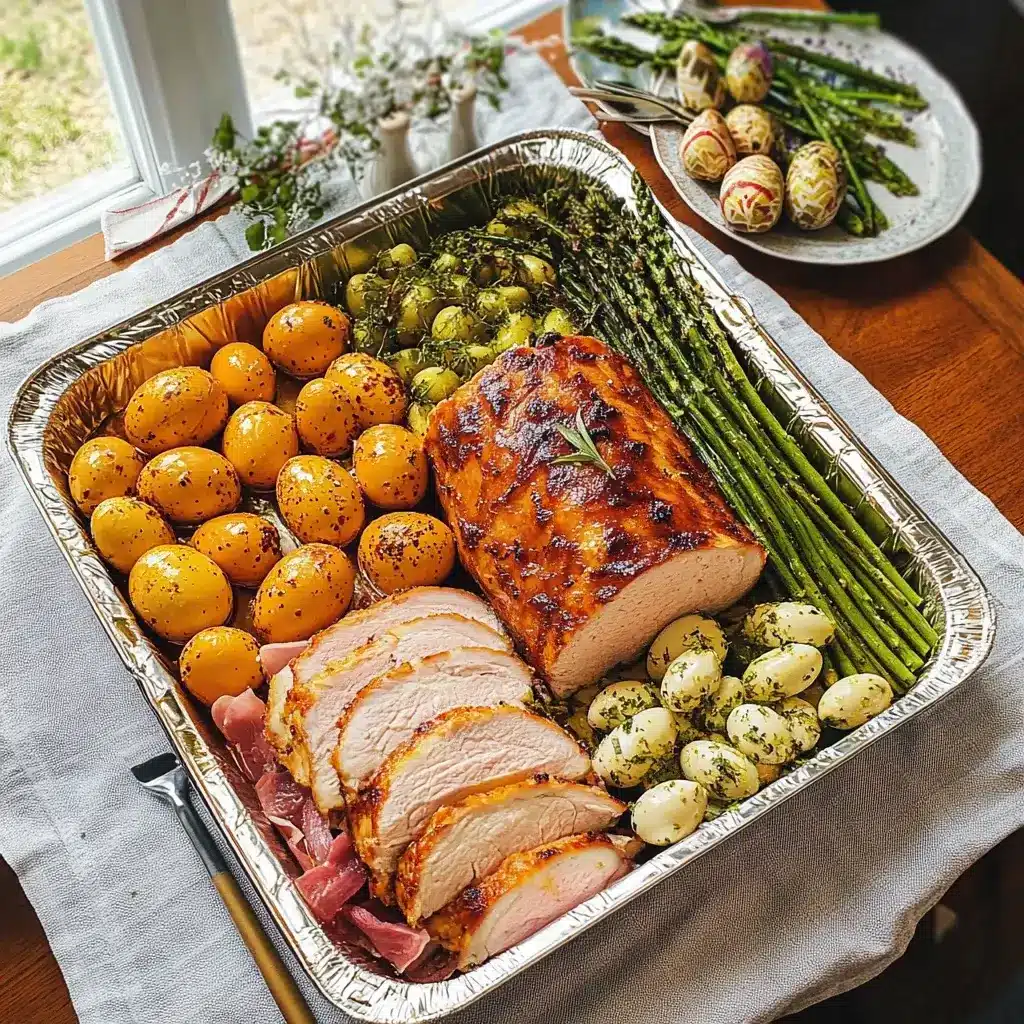
Easter dinner. The words alone can conjure images of elaborate preparations, mountains of dishes, and hours spent slaving away in the kitchen. For years, Easter at our house meant a beautiful, yet slightly stressful, affair. But last year, everything changed. Driven by a desire for a more relaxed holiday and less post-meal cleanup, I decided to embrace the sheet-pan revolution for our Easter feast. And let me tell you, it was a game-changer. The concept is simple: roast your entire Easter dinner – protein, vegetables, and all – on one or two sheet pans. The result? A beautifully cooked, flavorful meal with minimal fuss and maximum flavor. I was initially skeptical. Could a sheet pan really deliver the traditional Easter dinner experience? The answer, overwhelmingly, was yes! The roasted vegetables were tender and caramelized, the ham was juicy and infused with flavor, and the cleanup was a breeze. My family, accustomed to the more traditional multi-dish Easter spreads, was absolutely delighted. They raved about the vibrant flavors, the perfectly cooked vegetables, and the overall simplicity of the meal. Even my notoriously picky nephew devoured his share of roasted carrots and potatoes! This Sheet-Pan Easter Dinner has become our new Easter tradition. It’s not just about convenience; it’s about creating a delicious, memorable meal that allows you to spend more time with loved ones and less time in the kitchen. If you’re looking for a stress-free, flavorful, and utterly delightful Easter dinner solution, look no further than this Sheet-Pan Easter Dinner. Prepare to be amazed at how easy and delicious Easter can truly be!
Ingredients: Your Springtime Bounty on a Pan
The beauty of a sheet-pan Easter dinner lies in its versatility and the celebration of fresh, seasonal spring ingredients. This recipe is designed to be flexible, allowing you to customize it to your family’s preferences and what’s available at your local market. Here’s a list of ingredients to bring your springtime feast to life:
- 3-4 lbs Bone-In Ham Roast (or Boneless Ham, or Leg of Lamb, or Whole Chicken): The star of your Easter dinner! A bone-in ham roast offers incredible flavor and moisture during roasting. You can also opt for a boneless ham for easier slicing, or for a delightful twist, consider a leg of lamb or a whole chicken. For ham, look for a pre-cooked ham roast to simplify the cooking process. For lamb, a bone-in leg of lamb will provide the most flavor, but a boneless leg is easier to carve. For chicken, a whole chicken, spatchcocked (butterflied) for even cooking, works wonderfully.
- 1.5 lbs Baby Potatoes (Yukon Gold or Red Potatoes), halved or quartered if large: Potatoes form a hearty and delicious base for your sheet-pan dinner. Baby potatoes are ideal as they roast quickly and evenly. Yukon Gold potatoes offer a creamy texture, while red potatoes hold their shape well. If using larger potatoes, ensure they are cut into uniform sizes for even cooking.
- 1 lb Carrots, peeled and cut into 2-inch pieces: Carrots bring sweetness and vibrant color to the dish. Peel and cut them into roughly 2-inch pieces, ensuring they are similar in size for even roasting. You can use regular carrots or baby carrots (halved lengthwise if large).
- 1 lb Asparagus, trimmed: Asparagus is the quintessential spring vegetable, adding a delicate flavor and tender-crisp texture. Trim the woody ends of the asparagus spears before roasting. Thicker asparagus spears are preferable as they hold up better to roasting.
- 1 Red Onion, cut into wedges: Red onion adds a savory depth and sweetness as it roasts. Cut the red onion into wedges, leaving the root end intact to keep the wedges together.
- 4 cloves Garlic, minced: Garlic infuses the entire dish with its aromatic flavor. Mince the garlic finely for even distribution and maximum flavor.
- ¼ cup Olive Oil: Olive oil is essential for roasting vegetables, helping them to caramelize and develop flavor. Use a good quality extra virgin olive oil for the best taste.
- 2 tablespoons Fresh Rosemary, chopped (or 2 teaspoons Dried Rosemary): Rosemary adds a fragrant and earthy aroma that complements ham, lamb, and chicken beautifully. Fresh rosemary is preferred, but dried rosemary can be used in a pinch – remember to use less dried herb as it’s more concentrated.
- 2 tablespoons Fresh Thyme, chopped (or 2 teaspoons Dried Thyme): Thyme provides a subtle, lemony, and slightly minty flavor that enhances the other herbs and vegetables. Fresh thyme is ideal, but dried thyme is a suitable substitute.
- 1 Lemon, zested and juiced: Lemon zest and juice brighten up the flavors and add a touch of acidity that balances the richness of the ham or lamb and the sweetness of the vegetables.
- Salt and Freshly Ground Black Pepper, to taste: Seasoning is crucial! Salt and pepper enhance all the flavors in the dish. Use kosher salt and freshly ground black pepper for the best results.
- Optional Glaze (for Ham):
- ¼ cup Maple Syrup or Honey: Adds sweetness and helps to create a beautiful caramelized glaze on the ham.
- 2 tablespoons Dijon Mustard: Provides a tangy counterpoint to the sweetness and enhances the savory flavors.
- 1 tablespoon Apple Cider Vinegar (or Balsamic Vinegar): Adds acidity and depth of flavor to the glaze.
- Pinch of Ground Cloves or Cinnamon (optional): Adds a warm spice note that complements ham beautifully.
Ingredient Variations and Substitutions:
- Protein: Instead of ham, try a bone-in leg of lamb, a boneless lamb roast, a whole chicken (spatchcocked), pork tenderloin, or even thick-cut salmon fillets. Adjust cooking times accordingly based on the protein you choose.
- Vegetables: Feel free to swap or add other spring vegetables like:
- Broccoli or Cauliflower florets: Add them in the last 20-25 minutes of roasting as they cook faster than potatoes and carrots.
- Brussels sprouts (halved): Roast them alongside the potatoes and carrots.
- Peas (frozen or fresh): Toss them in during the last 10 minutes of roasting for a burst of freshness and sweetness.
- Bell Peppers (sliced): Add color and sweetness. Roast alongside potatoes and carrots.
- Fennel bulbs (sliced): Offer a unique anise-like flavor. Roast alongside potatoes and carrots.
- Shallots (halved): Milder than red onions, shallots roast beautifully and add a delicate sweetness.
- Herbs: Experiment with other herbs such as:
- Sage: Earthy and slightly peppery, pairs well with ham and lamb.
- Oregano: Adds a slightly pungent and peppery flavor.
- Parsley (fresh, chopped): Add fresh parsley at the end for a bright, herbaceous finish.
- Tarragon: Offers a subtle anise-like flavor, especially delicious with chicken.
- Citrus: Instead of lemon, try orange or grapefruit zest and juice for a different citrus note.
Instructions: Sheet-Pan Easter Dinner Simplicity
Creating this Sheet-Pan Easter Dinner is incredibly straightforward. Follow these simple steps for a delicious and stress-free holiday meal:
- Preheat Oven and Prepare Sheet Pans: Preheat your oven to 400°F (200°C). Line two large baking sheets with parchment paper for easy cleanup. Using two sheet pans will prevent overcrowding and ensure even roasting.
- Prepare Vegetables: Wash and prepare your vegetables. Halve or quarter baby potatoes if large. Peel and cut carrots into 2-inch pieces. Trim asparagus. Cut red onion into wedges. Mince garlic.
- Toss Vegetables with Oil and Seasoning: In a large bowl, toss the potatoes, carrots, and red onion wedges with olive oil, rosemary, thyme, lemon zest, salt, and pepper. Make sure the vegetables are evenly coated with oil and seasoning.
- Arrange Vegetables on Sheet Pans: Divide the seasoned vegetables between the two prepared sheet pans, spreading them in a single layer. Avoid overcrowding the pans, as this will steam the vegetables instead of roasting them.
- Prepare Ham (or Protein): If using a pre-cooked ham roast, score the top of the ham in a diamond pattern. This helps the glaze penetrate and allows for easier carving later. If using a leg of lamb or whole chicken, prepare it according to your chosen recipe (e.g., season lamb, spatchcock chicken).
- Place Ham (or Protein) on Sheet Pan: Place the ham roast (or chosen protein) on one of the sheet pans, nestled amongst the vegetables. If using a whole chicken, place it in the center of one sheet pan and arrange vegetables around it. If using lamb, place the lamb roast on one of the sheet pans with vegetables.
- Roast the Dinner: Place the sheet pans in the preheated oven. Roast for 45-60 minutes, or until the vegetables are tender, caramelized, and the ham is heated through (or protein is cooked to the desired internal temperature). For ham, ensure it reaches an internal temperature of 140°F (60°C). For lamb, use a meat thermometer to check for desired doneness (145°F/63°C for medium-rare, 160°F/71°C for medium). For chicken, ensure it reaches an internal temperature of 165°F (74°C).
- Add Asparagus and Garlic: In the last 15 minutes of roasting, add the asparagus to the sheet pans, spreading them amongst the other vegetables. Sprinkle the minced garlic over the vegetables and ham (or protein). Toss gently to combine.
- Prepare Optional Glaze (for Ham): While the dinner roasts, whisk together the maple syrup (or honey), Dijon mustard, apple cider vinegar (or balsamic vinegar), and optional ground cloves or cinnamon in a small saucepan. Heat over medium heat until slightly thickened, about 5 minutes.
- Glaze Ham (Optional): In the last 10-15 minutes of roasting, if using a glaze, brush the glaze evenly over the ham. Return to the oven to caramelize the glaze.
- Check for Doneness and Rest: Check the vegetables and protein for doneness. Vegetables should be tender and slightly caramelized. Protein should be cooked to the appropriate internal temperature. Once cooked, remove the sheet pans from the oven and let the dinner rest for 5-10 minutes before serving. Resting allows the juices to redistribute, resulting in more tender and flavorful meat.
- Serve and Enjoy! Squeeze fresh lemon juice over the entire sheet pan dinner just before serving. Serve directly from the sheet pans for a rustic presentation, or transfer to a large platter. Garnish with fresh parsley or thyme, if desired.
Nutrition Facts: A Wholesome Easter Feast (Approximate)
This Sheet-Pan Easter Dinner is packed with nutrients from the vegetables and lean protein. Keep in mind that these are approximate values and can vary depending on the specific ingredients and portion sizes.
- Servings: Approximately 6-8 servings (depending on portion size)
- Calories per Serving: Approximately 450-600 calories (varies depending on protein choice and portion size)
Approximate Nutritional Breakdown per Serving (using ham and estimated averages):
- Protein: 35-45 grams
- Fat: 20-30 grams (primarily from olive oil and ham fat)
- Carbohydrates: 40-50 grams (primarily from potatoes and carrots)
- Fiber: 8-10 grams
Please Note: These nutritional values are estimates. For more accurate information, use a nutrition calculator app or website and input the specific brands and quantities of ingredients you use. This meal is a good source of protein, vitamins, minerals, and fiber, especially from the vegetables. Choosing leaner cuts of ham or using chicken or lamb can further reduce the fat content.
Preparation Time: Quick Prep, Relaxed Easter
One of the greatest advantages of this Sheet-Pan Easter Dinner is its efficiency in the kitchen. Here’s a breakdown of the time involved:
- Prep Time: 25-30 minutes (This includes washing, peeling, and chopping vegetables, preparing protein, and making glaze if using.)
- Cook Time: 45-60 minutes (Roasting time in the oven)
- Rest Time: 5-10 minutes
- Total Time: Approximately 1 hour 15 minutes – 1 hour 40 minutes
As you can see, the active preparation time is relatively short, allowing you to spend more time enjoying the holiday and less time cooking. The oven does most of the work! This makes it a fantastic option for busy hosts who want to create a delicious Easter dinner without spending the entire day in the kitchen.
How to Serve: Presenting Your Sheet-Pan Masterpiece
Sheet-Pan Easter Dinner is versatile and can be served in a variety of ways. Here are some serving suggestions to elevate your Easter meal:
Serving Styles:
- Rustic Sheet Pan Presentation: Serve the dinner directly from the sheet pans for a casual and rustic feel. Place trivets on the table and set the sheet pans directly on them. This is perfect for a relaxed family gathering.
- Plattered Elegance: Transfer the roasted ham (or protein) and vegetables to a large serving platter for a more elegant presentation. Arrange the vegetables attractively around the protein. Garnish with fresh herbs.
- Family Style: Place the sheet pans or platter in the center of the table and let everyone serve themselves family-style.
Side Dishes (Optional, but Delicious):
- Crusty Bread or Dinner Rolls: Perfect for soaking up the delicious pan juices.
- Green Salad with Lemon Vinaigrette: A light and refreshing salad provides a nice contrast to the richness of the roasted dinner.
- Creamy Mashed Potatoes or Garlic Herb Potatoes: If you want to add a classic side, mashed potatoes or extra roasted potatoes are always welcome.
- Steamed Green Beans or Peas: Simple steamed green vegetables add a touch of freshness and color.
- Deviled Eggs: A traditional Easter appetizer that pairs well with the roasted dinner.
- Hot Cross Buns: A classic Easter treat to serve alongside or after the meal.
Drink Pairings:
- White Wine: A crisp Sauvignon Blanc or Pinot Grigio pairs beautifully with the roasted vegetables and ham or chicken.
- Rosé Wine: A dry rosé is a versatile option that complements a variety of Easter dishes.
- Light-Bodied Red Wine: A Pinot Noir or Beaujolais can work well, especially with lamb or chicken.
- Sparkling Cider or Sparkling Wine: For a festive non-alcoholic or alcoholic option.
- Iced Tea or Lemonade: Refreshing and classic choices for Easter dinner.
Additional Tips for Sheet-Pan Easter Dinner Success
To ensure your Sheet-Pan Easter Dinner is a resounding success, here are five essential tips:
- Don’t Overcrowd the Pan: This is crucial for proper roasting. Overcrowding will cause vegetables to steam instead of roast, resulting in soggy vegetables instead of caramelized and flavorful ones. Use two large sheet pans if necessary to spread the vegetables and protein in a single layer with space between them. Good air circulation is key for roasting.
- Cut Vegetables Uniformly: Cutting vegetables into roughly uniform sizes ensures they cook evenly. Larger pieces will take longer to cook, while smaller pieces will cook faster. Aim for similar sized pieces for potatoes, carrots, and any other root vegetables you use.
- Roast Heartier Vegetables First: Potatoes and carrots take longer to roast than more delicate vegetables like asparagus. Start roasting the potatoes and carrots first, and then add faster-cooking vegetables like asparagus, broccoli, or peas towards the end of the cooking time. This ensures everything is cooked to perfection at the same time.
- Season Generously: Don’t be shy with seasoning! Salt, pepper, herbs, and lemon zest are essential for bringing out the flavors of the vegetables and protein. Season the vegetables generously before roasting, and season the protein as well. Taste and adjust seasoning as needed throughout the cooking process.
- Use Parchment Paper for Easy Cleanup: Lining your sheet pans with parchment paper is a lifesaver for cleanup. It prevents sticking and makes washing the sheet pans a breeze. Simply lift the parchment paper off the pan after roasting, and cleanup is minimal.
FAQ: Your Sheet-Pan Easter Dinner Questions Answered
Got questions about creating your perfect Sheet-Pan Easter Dinner? We’ve got you covered! Here are five frequently asked questions:
Q1: Can I prepare the vegetables ahead of time?
A: Yes, you can definitely prep the vegetables ahead of time to save time on Easter day. You can wash, peel, and chop the potatoes, carrots, and red onion a day in advance. Store them in airtight containers or zip-top bags in the refrigerator. However, it’s best to toss them with oil and seasoning just before roasting to prevent them from drying out.
Q2: Can I use frozen vegetables for this recipe?
A: While fresh vegetables are ideal for roasting, you can use frozen vegetables in a pinch. However, frozen vegetables tend to release more moisture when cooking, so they may not caramelize as well as fresh vegetables. If using frozen vegetables, thaw them slightly and pat them dry before tossing with oil and seasoning. Add them to the sheet pan a little later in the cooking process as they will cook faster than fresh vegetables.
Q3: What if I don’t have fresh rosemary or thyme?
A: Dried rosemary and thyme are perfectly acceptable substitutes for fresh herbs. Use approximately 2 teaspoons of dried herb for every 2 tablespoons of fresh herb. You can also experiment with other dried herbs like oregano, sage, or Italian seasoning.
Q4: Can I make this recipe for a smaller or larger crowd?
A: Absolutely! This recipe is easily scalable. For a smaller crowd, simply halve the ingredients. For a larger crowd, double or triple the ingredients and use additional sheet pans as needed. Make sure not to overcrowd the pans, even when scaling up the recipe.
Q5: How do I ensure my ham doesn’t dry out while roasting?
A: Using a pre-cooked ham roast makes it less likely to dry out as you are primarily just heating it through. Scoring the ham and using a glaze can also help to keep it moist. Avoid overcooking the ham; use a meat thermometer to ensure it reaches an internal temperature of 140°F (60°C) and remove it from the oven promptly. Resting the ham after roasting is also essential for retaining its juices and preventing dryness.
We hope this comprehensive guide to Sheet-Pan Easter Dinner empowers you to create a delicious and stress-free Easter feast for your loved ones. Enjoy the simplicity, the flavor, and the joy of Easter with this effortless and elegant meal!
Print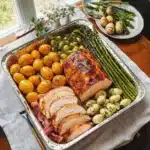
Sheet-Pan Easter Dinner recipe
Ingredients
- 3–4 lbs Bone-In Ham Roast (or Boneless Ham, or Leg of Lamb, or Whole Chicken): The star of your Easter dinner! A bone-in ham roast offers incredible flavor and moisture during roasting. You can also opt for a boneless ham for easier slicing, or for a delightful twist, consider a leg of lamb or a whole chicken. For ham, look for a pre-cooked ham roast to simplify the cooking process. For lamb, a bone-in leg of lamb will provide the most flavor, but a boneless leg is easier to carve. For chicken, a whole chicken, spatchcocked (butterflied) for even cooking, works wonderfully.
- 1.5 lbs Baby Potatoes (Yukon Gold or Red Potatoes), halved or quartered if large: Potatoes form a hearty and delicious base for your sheet-pan dinner. Baby potatoes are ideal as they roast quickly and evenly. Yukon Gold potatoes offer a creamy texture, while red potatoes hold their shape well. If using larger potatoes, ensure they are cut into uniform sizes for even cooking.
- 1 lb Carrots, peeled and cut into 2-inch pieces: Carrots bring sweetness and vibrant color to the dish. Peel and cut them into roughly 2-inch pieces, ensuring they are similar in size for even roasting. You can use regular carrots or baby carrots (halved lengthwise if large).
- 1 lb Asparagus, trimmed: Asparagus is the quintessential spring vegetable, adding a delicate flavor and tender-crisp texture. Trim the woody ends of the asparagus spears before roasting. Thicker asparagus spears are preferable as they hold up better to roasting.
- 1 Red Onion, cut into wedges: Red onion adds a savory depth and sweetness as it roasts. Cut the red onion into wedges, leaving the root end intact to keep the wedges together.
- 4 cloves Garlic, minced: Garlic infuses the entire dish with its aromatic flavor. Mince the garlic finely for even distribution and maximum flavor.
- ¼ cup Olive Oil: Olive oil is essential for roasting vegetables, helping them to caramelize and develop flavor. Use a good quality extra virgin olive oil for the best taste.
- 2 tablespoons Fresh Rosemary, chopped (or 2 teaspoons Dried Rosemary): Rosemary adds a fragrant and earthy aroma that complements ham, lamb, and chicken beautifully. Fresh rosemary is preferred, but dried rosemary can be used in a pinch – remember to use less dried herb as it’s more concentrated.
- 2 tablespoons Fresh Thyme, chopped (or 2 teaspoons Dried Thyme): Thyme provides a subtle, lemony, and slightly minty flavor that enhances the other herbs and vegetables. Fresh thyme is ideal, but dried thyme is a suitable substitute.
- 1 Lemon, zested and juiced: Lemon zest and juice brighten up the flavors and add a touch of acidity that balances the richness of the ham or lamb and the sweetness of the vegetables.
- Salt and Freshly Ground Black Pepper, to taste: Seasoning is crucial! Salt and pepper enhance all the flavors in the dish. Use kosher salt and freshly ground black pepper for the best results.
- Optional Glaze (for Ham):
- ¼ cup Maple Syrup or Honey: Adds sweetness and helps to create a beautiful caramelized glaze on the ham.
- 2 tablespoons Dijon Mustard: Provides a tangy counterpoint to the sweetness and enhances the savory flavors.
- 1 tablespoon Apple Cider Vinegar (or Balsamic Vinegar): Adds acidity and depth of flavor to the glaze.
- Pinch of Ground Cloves or Cinnamon (optional): Adds a warm spice note that complements ham beautifully.
Instructions
- Preheat Oven and Prepare Sheet Pans: Preheat your oven to 400°F (200°C). Line two large baking sheets with parchment paper for easy cleanup. Using two sheet pans will prevent overcrowding and ensure even roasting.
- Prepare Vegetables: Wash and prepare your vegetables. Halve or quarter baby potatoes if large. Peel and cut carrots into 2-inch pieces. Trim asparagus. Cut red onion into wedges. Mince garlic.
- Toss Vegetables with Oil and Seasoning: In a large bowl, toss the potatoes, carrots, and red onion wedges with olive oil, rosemary, thyme, lemon zest, salt, and pepper. Make sure the vegetables are evenly coated with oil and seasoning.
- Arrange Vegetables on Sheet Pans: Divide the seasoned vegetables between the two prepared sheet pans, spreading them in a single layer. Avoid overcrowding the pans, as this will steam the vegetables instead of roasting them.
- Prepare Ham (or Protein): If using a pre-cooked ham roast, score the top of the ham in a diamond pattern. This helps the glaze penetrate and allows for easier carving later. If using a leg of lamb or whole chicken, prepare it according to your chosen recipe (e.g., season lamb, spatchcock chicken).
- Place Ham (or Protein) on Sheet Pan: Place the ham roast (or chosen protein) on one of the sheet pans, nestled amongst the vegetables. If using a whole chicken, place it in the center of one sheet pan and arrange vegetables around it. If using lamb, place the lamb roast on one of the sheet pans with vegetables.
- Roast the Dinner: Place the sheet pans in the preheated oven. Roast for 45-60 minutes, or until the vegetables are tender, caramelized, and the ham is heated through (or protein is cooked to the desired internal temperature). For ham, ensure it reaches an internal temperature of 140°F (60°C). For lamb, use a meat thermometer to check for desired doneness (145°F/63°C for medium-rare, 160°F/71°C for medium). For chicken, ensure it reaches an internal temperature of 165°F (74°C).
- Add Asparagus and Garlic: In the last 15 minutes of roasting, add the asparagus to the sheet pans, spreading them amongst the other vegetables. Sprinkle the minced garlic over the vegetables and ham (or protein). Toss gently to combine.
- Prepare Optional Glaze (for Ham): While the dinner roasts, whisk together the maple syrup (or honey), Dijon mustard, apple cider vinegar (or balsamic vinegar), and optional ground cloves or cinnamon in a small saucepan. Heat over medium heat until slightly thickened, about 5 minutes.
- Glaze Ham (Optional): In the last 10-15 minutes of roasting, if using a glaze, brush the glaze evenly over the ham. Return to the oven to caramelize the glaze.
- Check for Doneness and Rest: Check the vegetables and protein for doneness. Vegetables should be tender and slightly caramelized. Protein should be cooked to the appropriate internal temperature. Once cooked, remove the sheet pans from the oven and let the dinner rest for 5-10 minutes before serving. Resting allows the juices to redistribute, resulting in more tender and flavorful meat.
- Serve and Enjoy! Squeeze fresh lemon juice over the entire sheet pan dinner just before serving. Serve directly from the sheet pans for a rustic presentation, or transfer to a large platter. Garnish with fresh parsley or thyme, if desired.
Nutrition
- Serving Size: one normal portion
- Calories: 450-600
- Fat: 20-30 grams
- Carbohydrates: 40-50 grams
- Fiber: 8-10 grams
- Protein: 35-45 grams