
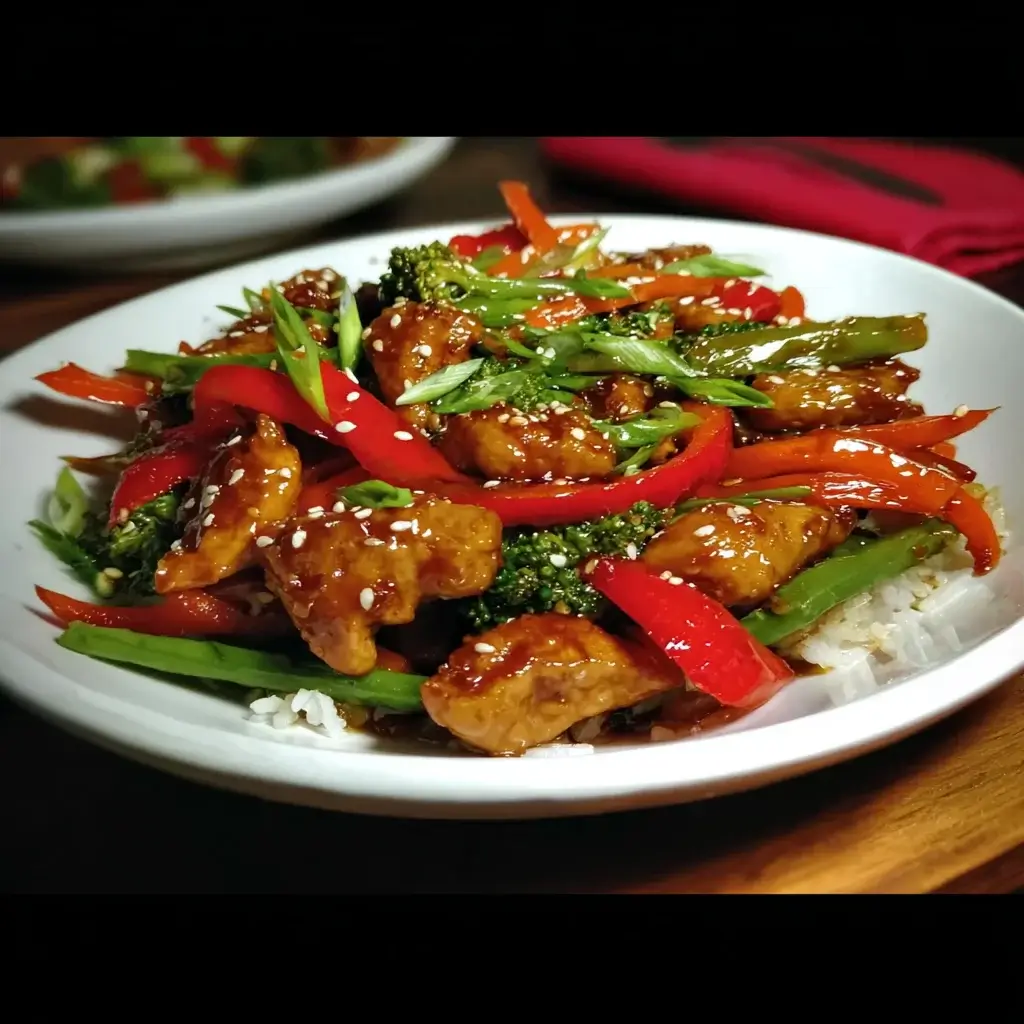

Of all the dishes in my weekly dinner rotation, none brings my family to the table faster than this Sesame Chicken Stir Fry. For years, I was caught in the siren song of takeout menus, especially on those chaotic weeknights when the thought of cooking felt like climbing a mountain. But the greasy containers, the questionable ingredients, and the creeping cost started to wear on me. I was determined to crack the code—to create a sesame chicken at home that wasn’t just as good as takeout, but unequivocally better. This recipe is the culmination of that mission. The first time I nailed it, the kitchen was filled with the most incredible aroma: the sizzle of garlic and ginger hitting the hot wok, the nutty fragrance of toasted sesame oil, and the sweet and savory notes of the bubbling sauce. I remember my husband walking in, sniffing the air, and declaring, “Whatever that is, I want it. Now.” When I served it, a beautiful, glossy platter of tender chicken and vibrant, crisp vegetables, my kids didn’t even complain about the broccoli. They devoured it. The chicken was unbelievably juicy, the sauce was the perfect balance of savory, sweet, and tangy, and the vegetables still had a satisfying crunch. It was a home run. Now, this recipe isn’t just a meal; it’s our answer to a busy day, our healthy-ish comfort food, and the one dish that guarantees clean plates and happy sighs all around.
The Ultimate “Better Than Takeout” Sesame Chicken Stir Fry
Welcome to your definitive guide for creating a spectacular Sesame Chicken Stir Fry that will make you hang up on your local delivery place for good. This recipe is designed to be a foolproof framework for a perfect stir fry every time. We’ll delve into the secrets of creating a luscious sauce, achieving perfectly tender chicken, and keeping your vegetables bright and crisp. Get ready for this to become your new weeknight superstar.
Complete Ingredients for Stir Fry Success
A great stir fry is all about the balance of its components. We’ve broken down the ingredients into their respective roles to make your preparation seamless. Using fresh, quality ingredients will elevate your dish from good to unforgettable.
For the Tender & Flavorful Chicken:
- Boneless, Skinless Chicken: 1.5 pounds (about 680g), either breasts or thighs, cut into 1-inch bite-sized pieces. Chicken thighs are recommended for their richer flavor and moisture.
- Cornstarch: 2 tablespoons, for coating the chicken. This is the secret to the “velveting” technique that keeps the chicken incredibly tender.
- Low-Sodium Soy Sauce: 1 tablespoon.
- Toasted Sesame Oil: 1 teaspoon.
- White Pepper: ¼ teaspoon (or black pepper).
For the Irresistible Sesame Stir Fry Sauce:
- Low-Sodium Soy Sauce or Tamari: ½ cup (120 ml). Use tamari for a gluten-free option.
- Toasted Sesame Oil: 2 tablespoons. This is for flavor, not for cooking, so be sure you’re using the dark, fragrant toasted kind.
- Rice Vinegar: 2 tablespoons. This adds a crucial acidic brightness to balance the sauce.
- Brown Sugar or Honey: 3 tablespoons, packed. This provides the classic sweet counterpoint to the savory soy sauce.
- Fresh Garlic: 3 cloves, minced (about 1 tablespoon).
- Fresh Ginger: 1 tablespoon, grated or finely minced.
- Cornstarch: 1 tablespoon. This is the thickening agent that will make the sauce glossy and cling to every ingredient.
- Water or Low-Sodium Chicken Broth: 2 tablespoons.
For the Stir Fry & Garnish:
- High-Heat Neutral Oil: 2-3 tablespoons (such as avocado, canola, or grapeseed oil).
- Broccoli: 1 large head, cut into bite-sized florets (about 4 cups).
- Red Bell Pepper: 1 large, seeded and chopped into 1-inch pieces.
- Carrots: 2 medium, peeled and thinly sliced on a diagonal.
- Green Onions (Scallions): 4, thinly sliced, with white and green parts separated.
- Toasted Sesame Seeds: 1 tablespoon, for garnish.
Step-by-Step Instructions for a Perfect Stir Fry
The key to a successful stir fry is preparation, known as mise en place. Because the cooking process is so fast, you must have every single ingredient prepped and ready to go before you even think about turning on the stove.
Step 1: Prepare the Chicken (The Velveting Technique)
In a medium bowl, combine the bite-sized chicken pieces with 1 tablespoon of soy sauce, 1 teaspoon of toasted sesame oil, and ¼ teaspoon of white pepper. Toss to coat evenly. Sprinkle the 2 tablespoons of cornstarch over the chicken and toss again until every piece is lightly but completely coated. This thin layer of cornstarch will create a protective barrier, locking in the juices and ensuring the chicken stays succulent during the high-heat cooking. Set the chicken aside while you prepare the other components.
Step 2: Whisk Together the Sesame Sauce
In a separate small bowl or a liquid measuring cup, combine all the sauce ingredients: ½ cup of soy sauce, 2 tablespoons of toasted sesame oil, 2 tablespoons of rice vinegar, 3 tablespoons of brown sugar (or honey), the minced garlic, the grated ginger, 1 tablespoon of cornstarch, and 2 tablespoons of water. Whisk vigorously until the cornstarch and sugar are fully dissolved and the sauce is smooth. Set this bowl right next to your stove—you’ll need it in a hurry.
Step 3: Prepare the Vegetables
Wash and chop all your vegetables as described in the ingredient list. It’s important to keep them in separate piles or bowls as they will be added to the wok at different times based on their cooking density. Keep the separated white and green parts of the scallions apart.
Step 4: Cook the Chicken
Heat 1-2 tablespoons of your high-heat oil in a large wok or a heavy-bottomed skillet over medium-high heat. The oil should be shimmering and almost smoking. Carefully add the chicken to the pan in a single layer. Do not crowd the pan! If necessary, cook the chicken in two batches. Let it cook, undisturbed, for 2-3 minutes per side, until it’s golden brown and cooked through. The cornstarch coating will create a beautiful crust. Once cooked, remove the chicken from the wok with a slotted spoon and set it aside on a plate.
Step 5: Stir-Fry the Vegetables
Add the remaining tablespoon of oil to the same wok. Add the “harder” vegetables first: the broccoli florets and the sliced carrots. Stir-fry for 3-4 minutes, tossing frequently, until they are vibrant and just beginning to become tender-crisp. Next, add the chopped red bell pepper and the white parts of the green onions. Continue to stir-fry for another 2-3 minutes. You want the vegetables to be cooked but still have a pleasant bite; avoid cooking them until they are soft and mushy.
Step 6: Combine, Sauce, and Thicken
Return the cooked chicken to the wok with the vegetables. Give the prepared sesame sauce one final quick whisk (the cornstarch may have settled) and pour it all over the chicken and vegetables. Stir everything together constantly. The sauce will come to a boil and, thanks to the cornstarch, will thicken into a beautiful, glossy glaze in about 1-2 minutes.
Step 7: Garnish and Serve Immediately
Once the sauce has thickened and is clinging to every piece of chicken and vegetable, turn off the heat. Stir in the green parts of the sliced green onions. Immediately transfer the stir fry to a serving platter. Garnish generously with the toasted sesame seeds. Serve hot.
Nutrition Facts
Please note that these values are an estimate and can vary based on the specific ingredients used (e.g., chicken breast vs. thighs, honey vs. brown sugar). This calculation assumes the recipe is divided into 6 servings.
- Servings: 6
- Calories per serving: Approximately 450-500 calories
Preparation Time
The active cooking is incredibly fast, so the majority of your time will be spent on preparation.
- Prep Time: 25 minutes (chopping vegetables and chicken)
- Cook Time: 15 minutes
- Total Time: Approximately 40 minutes
How to Serve Your Sesame Chicken Stir Fry
The beauty of a stir fry is its versatility. It can be a complete meal on its own or served with a variety of bases and toppings to suit any preference.
- Classic Rice Pairings:
- Steamed Jasmine Rice: The fluffy texture and fragrant aroma are the perfect classic base to soak up the delicious sesame sauce.
- Brown Rice: For a healthier, whole-grain option with a nutty flavor and chewier texture.
- Cauliflower Rice: An excellent low-carb and keto-friendly alternative that keeps the meal light.
- Noodle Night:
- Serve the stir fry over a bed of cooked lo mein noodles, soba noodles, or even simple spaghetti for a satisfying noodle bowl.
- Garnish Like a Pro: A good garnish adds the finishing touch of flavor, texture, and visual appeal.
- Crunch: Add a handful of roasted cashews or chopped peanuts for a satisfying crunch.
- Freshness: A sprinkle of chopped fresh cilantro can add a bright, herbaceous note.
- Heat: For those who like it spicy, a drizzle of sriracha or chili garlic sauce, or a sprinkle of red pepper flakes, is a must.
- Family-Style Presentation: Serve the entire stir fry on a large platter in the center of the table with bowls of rice on the side. This allows everyone to build their own perfect bowl and encourages a communal dining experience.
- Meal Prep Perfection: Divide the finished stir fry and your base of choice into individual airtight containers for easy and delicious lunches throughout the week.
5 Additional Tips for Absolute Perfection
- Get Your Wok Screaming Hot: The soul of a great stir fry is “wok hei,” a Cantonese term that describes the complex, smoky flavor that can only be achieved by cooking at extremely high temperatures. Before you add any food, your wok or skillet should be incredibly hot. A drop of water should sizzle and evaporate almost instantly. This high heat sears the ingredients quickly, locking in their flavor and texture.
- Don’t Crowd the Pan: This is the most common stir fry mistake. Piling too much food into the pan at once causes the temperature to drop dramatically. Instead of searing, your ingredients will steam in their own juices, resulting in soggy vegetables and rubbery chicken. If your pan isn’t large enough, always cook in batches.
- The Two-Part Veggie Cook: Not all vegetables cook at the same rate. To ensure everything is perfectly tender-crisp, add them in stages. Start with hard, dense vegetables like carrots and broccoli. Give them a few minutes’ head start before adding quicker-cooking vegetables like bell peppers, snow peas, or bok choy.
- Embrace Fresh Ginger and Garlic: While ginger and garlic powder can work in a pinch, using fresh aromatics is a non-negotiable for authentic, vibrant flavor. The pungent, zesty kick they provide forms the flavor backbone of the entire dish. A microplane or ginger grater makes quick work of this task.
- Sauce at the Very End: Never add your stir fry sauce at the beginning of the cooking process. The sugar in the sauce will burn over the high heat, and the cornstarch will thicken prematurely. The sauce should always be the last thing to go into the wok, just long enough to boil and thicken into a glaze that coats all the ingredients—usually only 1-2 minutes.
Frequently Asked Questions (FAQ)
1. Can I make this recipe gluten-free?
Absolutely! It’s a very simple switch. Just replace the low-sodium soy sauce with an equal amount of gluten-free tamari or coconut aminos in both the chicken marinade and the sauce. The rest of the ingredients are naturally gluten-free.
2. What other vegetables can I use in this stir fry?
This recipe is incredibly versatile. Feel free to substitute or add any of your favorite vegetables. Great options include mushrooms, snow peas, snap peas, bok choy, zucchini, onions, or water chestnuts. Just remember the rule of adding them in stages based on how long they take to cook.
3. Can I use a different protein, like beef, shrimp, or tofu?
Yes! This sauce works beautifully with other proteins.
- For Beef: Use thinly sliced flank or sirloin steak. Marinate and cook just as you would the chicken, searing it quickly over high heat until just cooked through.
- For Shrimp: Add raw, peeled, and deveined shrimp during the last 2-3 minutes of the vegetable cooking time. They cook very quickly and are done when they turn pink and opaque.
- For Tofu: Use extra-firm tofu. Press it well to remove excess water, cube it, and coat it in cornstarch. Pan-fry until golden and crispy on all sides before you start the vegetables, then add it back in at the end with the sauce.
4. How do I store and reheat leftovers?
Store any leftovers in an airtight container in the refrigerator for up to 4 days. The best way to reheat a stir fry is in a skillet or wok over medium-high heat with a tiny splash of water or oil. This helps the vegetables and chicken regain some of their texture. While you can use a microwave, be aware that it can make the vegetables a bit softer.
5. My sauce didn’t thicken properly. What went wrong?
This is usually an easy fix. The most common reason is that the sauce wasn’t brought to a full boil, which is necessary to activate the cornstarch’s thickening power. If your sauce is still thin after boiling, you can create a “slurry” by mixing 1 teaspoon of cornstarch with 2 teaspoons of cold water in a small bowl until smooth. While the stir fry is simmering, slowly drizzle in the slurry while stirring constantly, and the sauce should thicken up almost immediately.
Sesame Chicken Stir Fry recipe
Ingredients
For the Tender & Flavorful Chicken:
-
Boneless, Skinless Chicken: 1.5 pounds (about 680g), either breasts or thighs, cut into 1-inch bite-sized pieces. Chicken thighs are recommended for their richer flavor and moisture.
-
Cornstarch: 2 tablespoons, for coating the chicken. This is the secret to the “velveting” technique that keeps the chicken incredibly tender.
-
Low-Sodium Soy Sauce: 1 tablespoon.
-
Toasted Sesame Oil: 1 teaspoon.
-
White Pepper: ¼ teaspoon (or black pepper).
For the Irresistible Sesame Stir Fry Sauce:
-
Low-Sodium Soy Sauce or Tamari: ½ cup (120 ml). Use tamari for a gluten-free option.
-
Toasted Sesame Oil: 2 tablespoons. This is for flavor, not for cooking, so be sure you’re using the dark, fragrant toasted kind.
-
Rice Vinegar: 2 tablespoons. This adds a crucial acidic brightness to balance the sauce.
-
Brown Sugar or Honey: 3 tablespoons, packed. This provides the classic sweet counterpoint to the savory soy sauce.
-
Fresh Garlic: 3 cloves, minced (about 1 tablespoon).
-
Fresh Ginger: 1 tablespoon, grated or finely minced.
-
Cornstarch: 1 tablespoon. This is the thickening agent that will make the sauce glossy and cling to every ingredient.
-
Water or Low-Sodium Chicken Broth: 2 tablespoons.
For the Stir Fry & Garnish:
-
High-Heat Neutral Oil: 2-3 tablespoons (such as avocado, canola, or grapeseed oil).
-
Broccoli: 1 large head, cut into bite-sized florets (about 4 cups).
-
Red Bell Pepper: 1 large, seeded and chopped into 1-inch pieces.
-
Carrots: 2 medium, peeled and thinly sliced on a diagonal.
-
Green Onions (Scallions): 4, thinly sliced, with white and green parts separated.
-
Toasted Sesame Seeds: 1 tablespoon, for garnish.
Instructions
Step 1: Prepare the Chicken (The Velveting Technique)
In a medium bowl, combine the bite-sized chicken pieces with 1 tablespoon of soy sauce, 1 teaspoon of toasted sesame oil, and ¼ teaspoon of white pepper. Toss to coat evenly. Sprinkle the 2 tablespoons of cornstarch over the chicken and toss again until every piece is lightly but completely coated. This thin layer of cornstarch will create a protective barrier, locking in the juices and ensuring the chicken stays succulent during the high-heat cooking. Set the chicken aside while you prepare the other components.
Step 2: Whisk Together the Sesame Sauce
In a separate small bowl or a liquid measuring cup, combine all the sauce ingredients: ½ cup of soy sauce, 2 tablespoons of toasted sesame oil, 2 tablespoons of rice vinegar, 3 tablespoons of brown sugar (or honey), the minced garlic, the grated ginger, 1 tablespoon of cornstarch, and 2 tablespoons of water. Whisk vigorously until the cornstarch and sugar are fully dissolved and the sauce is smooth. Set this bowl right next to your stove—you’ll need it in a hurry.
Step 3: Prepare the Vegetables
Wash and chop all your vegetables as described in the ingredient list. It’s important to keep them in separate piles or bowls as they will be added to the wok at different times based on their cooking density. Keep the separated white and green parts of the scallions apart.
Step 4: Cook the Chicken
Heat 1-2 tablespoons of your high-heat oil in a large wok or a heavy-bottomed skillet over medium-high heat. The oil should be shimmering and almost smoking. Carefully add the chicken to the pan in a single layer. Do not crowd the pan! If necessary, cook the chicken in two batches. Let it cook, undisturbed, for 2-3 minutes per side, until it’s golden brown and cooked through. The cornstarch coating will create a beautiful crust. Once cooked, remove the chicken from the wok with a slotted spoon and set it aside on a plate.
Step 5: Stir-Fry the Vegetables
Add the remaining tablespoon of oil to the same wok. Add the “harder” vegetables first: the broccoli florets and the sliced carrots. Stir-fry for 3-4 minutes, tossing frequently, until they are vibrant and just beginning to become tender-crisp. Next, add the chopped red bell pepper and the white parts of the green onions. Continue to stir-fry for another 2-3 minutes. You want the vegetables to be cooked but still have a pleasant bite; avoid cooking them until they are soft and mushy.
Step 6: Combine, Sauce, and Thicken
Return the cooked chicken to the wok with the vegetables. Give the prepared sesame sauce one final quick whisk (the cornstarch may have settled) and pour it all over the chicken and vegetables. Stir everything together constantly. The sauce will come to a boil and, thanks to the cornstarch, will thicken into a beautiful, glossy glaze in about 1-2 minutes.
Step 7: Garnish and Serve Immediately
Once the sauce has thickened and is clinging to every piece of chicken and vegetable, turn off the heat. Stir in the green parts of the sliced green onions. Immediately transfer the stir fry to a serving platter. Garnish generously with the toasted sesame seeds. Serve hot.
Nutrition
- Serving Size: one normal portion
- Calories: 450-500