
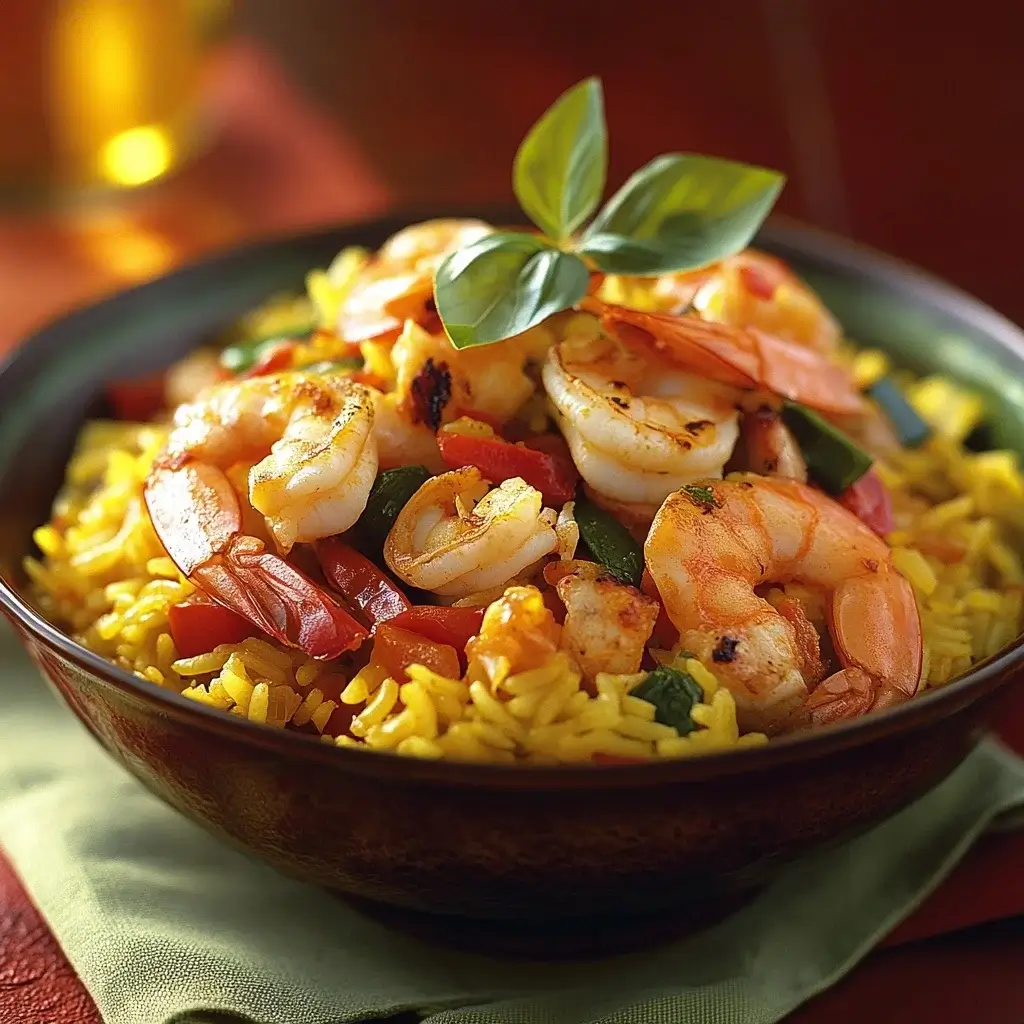
There’s something truly magical about the aroma of seafood paella wafting through the house, especially when it includes the delicate fragrance of saffron. This timeless Spanish dish is a family favorite in our home, and it never fails to bring everyone together at the dinner table. The combination of saffron-infused rice, tender seafood, and a medley of vegetables creates a symphony of flavors that our family simply can’t resist. Every time I prepare this dish, the smiles and satisfied nods from my loved ones confirm its place as a beloved staple in our household.
Ingredients
Before diving into the cooking process, let’s gather all the necessary ingredients for our seafood paella with saffron rice. One of the keys to achieving the perfect paella is having fresh and high-quality ingredients. Here’s what you’ll need:
- 2 cups of Arborio rice – This type of rice absorbs flavors beautifully and maintains a slightly firm texture, which is ideal for paella.
- 1 pinch of saffron threads – Saffron is a crucial ingredient that imparts the dish’s characteristic golden hue and unique flavor.
- 4 cups of chicken or seafood broth – Opt for a good-quality broth to enhance the flavor profile of the dish.
- 1 pound of mixed seafood – A combination of shrimp, mussels, and squid works wonderfully.
- 1 red bell pepper, sliced – Adds a sweet, crunchy element to the paella.
- 1 onion, finely chopped – Provides a robust base flavor.
- 2 cloves of garlic, minced – Garlic elevates the overall taste with its aromatic essence.
- 1 cup of frozen peas – These little gems add color and subtle sweetness.
- 2 tablespoons of olive oil – Essential for sautéing the vegetables and rice.
- Salt and pepper to taste – Season the dish according to your preference.
- Lemon wedges for serving – A squeeze of lemon brightens the flavors at the end.
Instructions
Now that we have our ingredients ready, let’s walk through the step-by-step process of creating this delicious seafood paella:
- Prepare the saffron broth: In a small saucepan, heat the chicken or seafood broth over medium heat. Add the saffron threads to the warm broth and let them steep for about 15 minutes. This will allow the saffron to infuse its color and flavor into the broth.
- Sauté the vegetables: In a large paella pan or a wide, shallow skillet, heat the olive oil over medium heat. Add the chopped onion and sliced red bell pepper, cooking until the onion becomes translucent and the pepper softens.
- Add aromatics: Stir in the minced garlic and cook for an additional minute until fragrant. Be careful not to burn the garlic, as it can become bitter.
- Toast the rice: Add the Arborio rice to the pan, stirring to coat the grains with the oil and vegetable mixture. Cook for about 2-3 minutes, allowing the rice to absorb the flavors.
- Incorporate the broth: Carefully pour the saffron-infused broth over the rice mixture. Stir well to combine, ensuring the rice is evenly distributed across the pan. Season with salt and pepper.
- Add seafood and peas: Arrange the mixed seafood on top of the rice, gently pressing them into the mixture. Sprinkle the frozen peas over the top.
- Simmer and cook: Reduce the heat to medium-low and let the paella simmer uncovered for about 20-25 minutes. Do not stir the rice during this time, as it will develop a crispy bottom known as “socarrat,” a prized feature of traditional paella.
- Check for doneness: After 20 minutes, check the rice for doneness. If it’s still too firm, add a little more broth and continue cooking until the rice is tender and the seafood is cooked through.
- Rest and serve: Once the paella is cooked, remove the pan from the heat and let it rest for about 5 minutes. This allows the flavors to meld and the rice to firm up slightly. Serve the paella with lemon wedges for a burst of freshness.
Nutrition Facts
Making informed dietary choices is important for many of us, and understanding the nutritional content of a dish can help achieve that. Here’s a breakdown of the nutrition facts for our seafood paella with saffron rice:
Servings: This recipe serves approximately 6 people, making it perfect for a family gathering or a small dinner party.
Calories per serving: Each serving contains roughly 400 calories. This can vary slightly depending on the specific types and quantities of seafood used.
Preparation Time
Time management is crucial when planning meals, especially when preparing a dish as special as seafood paella. Here’s a breakdown of the preparation time for this recipe:
- Preparation time: About 20 minutes to chop the vegetables, prepare the saffron broth, and gather the ingredients.
- Cooking time: Approximately 30-40 minutes, including sautéing the vegetables, toasting the rice, and simmering the paella.
- Total time: You can expect the entire process to take around 1 hour from start to finish.
How to Serve
The way you serve a dish can significantly elevate the overall dining experience, transforming a simple meal into a celebration. Seafood paella, with its vibrant colors and rich flavors, is particularly suited to an engaging and visually appealing presentation. Here are some detailed suggestions on how to serve this delightful dish, ensuring it not only tastes incredible but also looks stunning on the table.
1. Serve Directly from the Pan
One of the most charming aspects of paella is its communal nature. To maintain its rustic appeal, serve the paella directly from the cooking pan. A traditional paellera, a wide, shallow pan specifically designed for making paella, not only enhances the dish’s authenticity but also keeps the ingredients warm. Place the pan on a trivet or heat-resistant surface at the center of the table. This presentation invites guests to gather around, creating a convivial atmosphere where everyone can serve themselves, share stories, and enjoy the meal together.
2. Encourage Self-Serving
By allowing guests to serve themselves, you foster a sense of community and interaction. Provide serving spoons or ladles to make it easy for guests to help themselves to generous portions. Consider the layout of the table and ensure there’s enough space for everyone to comfortably dig in. This method not only makes the meal more enjoyable but also encourages guests to personalize their servings, whether they prefer more seafood, vegetables, or rice.
3. Lemon Wedges for a Zesty Touch
Seafood paella often benefits from a splash of acidity, which can brighten the dish’s flavors. To enhance the experience, provide wedges of fresh lemon on the side. Guests can squeeze the lemon over their portions, adding a refreshing zest that complements the richness of the seafood and the savoriness of the saffron-infused rice. This simple addition not only elevates the flavor profile but also adds a bright pop of color to the presentation.
4. Garnish for Visual Appeal
Presentation is key to an enjoyable dining experience, and garnishing your paella can make a significant difference. Finely chop fresh parsley or cilantro and scatter it over the top of the paella just before serving. The vibrant green herbs add a beautiful contrast against the golden rice and colorful seafood, creating a visually stunning dish. Additionally, the fresh herbs enhance the aroma, making the dish even more inviting. Consider also adding a few slices of red bell pepper or a sprig of rosemary for extra color and visual interest.
5. Pairing with Beverages
The right beverage can perfectly complement the flavors of paella, enhancing the overall dining experience. A crisp white wine, such as a Sauvignon Blanc or a Spanish Albariño, is an excellent choice, as it can cut through the richness of the seafood and enhance the dish’s delicate flavors. If you prefer a more festive option, consider serving a light, fruity sangria. The sweetness and fruitiness of sangria can balance the savory elements of the paella, making it a delightful pairing. Be sure to serve the wine or sangria chilled, as this will further enhance the refreshing experience of the meal.
6. Additional Accompaniments
To round out your seafood paella service, consider offering a few complementary dishes. A simple mixed salad with a light vinaigrette can add a refreshing crunch and balance the richness of the paella. Additionally, crusty bread or a selection of tapas can provide a delightful accompaniment, allowing guests to explore different flavors and textures throughout the meal.
By incorporating these serving suggestions, you’ll not only enhance the visual appeal of your seafood paella but also create a memorable dining experience that encourages conversation, connection, and enjoyment among your guests.
Additional Tips
Crafting a delicious seafood paella is an art that requires attention to detail, technique, and a little bit of love. To ensure your seafood paella turns out perfectly every time, consider the following expert tips that will enhance your cooking experience and the final dish:
Tip 1: Use a Wide, Shallow Pan
A wide, shallow pan is crucial for achieving that perfect texture in your paella. When cooking rice, a larger surface area allows for even heat distribution and better evaporation of moisture. This is particularly important in paella, as the rice should cook evenly and develop that signature crispy crust known as socarrat. When choosing your pan, aim for a traditional paellera, which is specifically designed for this dish. If you don’t have one, a large skillet will suffice, but ensure it is at least 2-3 inches deep to accommodate the broth and rice without overflowing.
Tip 2: Avoid Stirring Once Broth is Added
One of the cardinal rules of making paella is to resist the temptation to stir the rice after adding the broth. Stirring can release starches from the rice, which may cause it to become creamy instead of the desired firm texture. Additionally, not stirring allows the rice to settle and absorb flavors more effectively. This technique is essential for forming the socarrat—a crispy, caramelized layer at the bottom of the pan that many consider the highlight of the dish. To achieve the perfect socarrat, you can gently shake the pan a little, but avoid using utensils to disturb the rice.
Tip 3: Choose Fresh, High-Quality Seafood
The success of your seafood paella largely depends on the quality of the seafood you use. Fresh, high-quality seafood provides superior flavor and texture, elevating the overall dish. When selecting seafood, look for ingredients that are in season and locally sourced, if possible. Popular choices for seafood paella include shrimp, mussels, clams, squid, and fish like cod or monkfish. Ensure that the seafood is firm and has a clean, briny scent. If using frozen seafood, opt for high-quality options that have been flash-frozen at sea to preserve freshness. Always clean and prepare your seafood properly to avoid any unwanted flavors or textures.
Tip 4: Let the Paella Rest Before Serving
After cooking, it’s essential to let your paella rest for about 5-10 minutes before serving. This resting period allows the flavors to meld beautifully, giving the rice a chance to absorb any remaining liquid and achieve a more cohesive texture. Cover the pan with a clean kitchen towel or foil to keep the heat in during this resting phase. This step not only enhances the flavor but also helps to maintain the integrity of the socarrat, ensuring that it remains crispy while the rice has time to settle.
Tip 5: Experiment with Different Seafood Combinations
One of the joys of making seafood paella is the opportunity to customize it to your taste. While traditional recipes often call for specific types of seafood, feel free to experiment with different combinations to find your personal favorite. Consider adding ingredients like langoustines, scallops, or even octopus for a unique twist. You can also incorporate seasonal vegetables, such as peas, artichokes, or bell peppers, to enhance the dish and add color. Don’t hesitate to explore regional variations that may include different spices or cooking methods, as these can offer new and exciting flavors to your paella.
By following these expert tips, you will not only enhance your seafood paella but also refine your cooking skills, making each batch a memorable culinary experience. Enjoy the process, and remember that practice makes perfect—each attempt will bring you closer to paella mastery!
FAQ Section
Here are some frequently asked questions about making seafood paella with saffron rice:
- Q: Can I use a different type of rice for paella?
A: While Arborio rice is recommended for its ability to absorb flavors, you can also use Bomba or Calasparra rice, both of which are traditional for paella. - Q: What can I substitute for saffron if I don’t have any?
A: Saffron is unique, but you can use turmeric as an alternative for color, though it will alter the flavor slightly. - Q: Can I make paella without seafood?
A: Yes, you can substitute chicken, chorizo, or a variety of vegetables to create a different version of paella. - Q: How can I store leftover paella?
A: Store leftovers in an airtight container in the refrigerator for up to 3 days. Reheat gently to preserve texture and flavor. - Q: Is it possible to make paella in advance?
A: While it’s best enjoyed fresh, you can prepare the saffron broth and chop the vegetables in advance to save time on the day of cooking.