
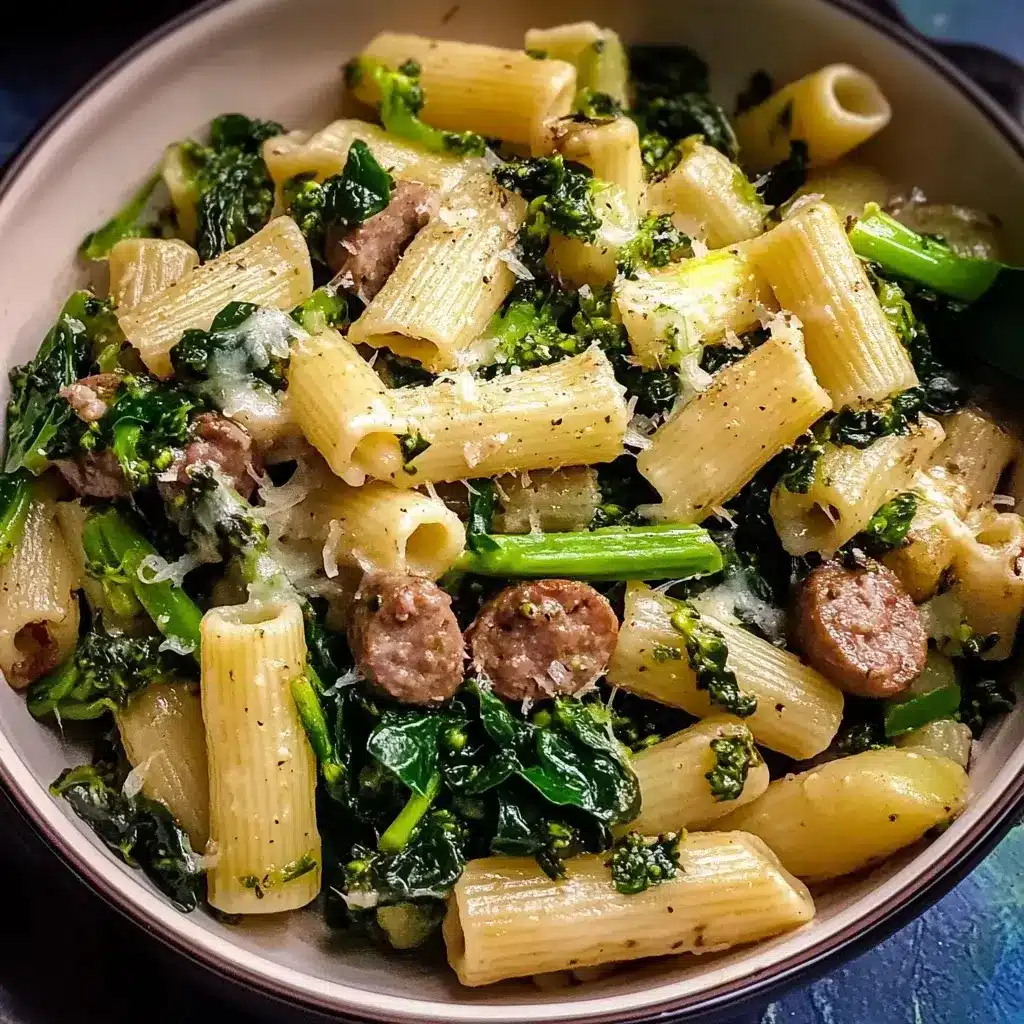

There are certain dishes that taste like a specific place and a specific feeling. They are rustic, unapologetic, and deeply satisfying in a way that feels ancient and wise. This Sausage, Broccoli Rabe, and Potato Pasta is one of those dishes. It’s a taste of Southern Italy in a bowl—robust, a little bit spicy, and brilliantly balanced. I first encountered the classic combination of sausage and broccoli rabe (or rapini) at a small, family-run trattoria and was immediately captivated by the perfect dance between the savory, fennel-laced sausage and the pleasant, assertive bitterness of the greens. It was perfect. Or so I thought. The real revelation came years later in my own kitchen on a cold evening when I wanted something more substantial. On a whim, I added cubed potatoes to the pasta water, letting them cook alongside the orecchiette. This small addition was a complete game-changer. The potatoes became creamy little pillows that soaked up the garlicky, spicy sausage fat and provided a soft, starchy counterpoint to the chew of the pasta and the bite of the rapini. It transformed a classic pasta dish into a hearty, one-pot feast. When my family first tried it, they were amazed at how the potatoes felt like they truly belonged. It’s now a staple in our home, a dish that feels both humble and luxurious, and a perfect testament to the beautiful, simple alchemy of Italian cooking.
Ultimate Sausage, Broccoli Rabe, and Potato Pasta: A Complete Recipe
This recipe celebrates the holy trinity of Southern Italian flavors: savory sausage, bitter greens, and garlic-infused olive oil. The addition of potatoes makes it a uniquely hearty and comforting dish, perfect for a chilly evening. We will walk through the essential step of blanching the broccoli rabe to ensure it’s perfectly tender and its bitterness is pleasantly tamed.
Yields: 6 hearty servings
Prep time: 20 minutes
Cook time: 30 minutes
Total time: 50 minutes
Ingredients
- Broccoli Rabe (Rapini): 1 large bunch (about 1.5 lbs or 680g)
- Pasta: 1 lb (450g) Orecchiette, or other short pasta like penne or cavatelli
- Potatoes: 1 lb (450g) Yukon Gold or other waxy potatoes, peeled and cut into 1/2-inch cubes
- Italian Sausage: 1 lb (450g) hot or sweet Italian sausage, casings removed
- Garlic: 6-8 cloves, thinly sliced
- Olive Oil: 1/4 cup extra virgin olive oil, plus more for drizzling
- Pecorino Romano Cheese: 1 cup freshly grated, plus more for serving
- Red Pepper Flakes: 1/2 teaspoon (or more, to taste)
- Kosher Salt and Freshly Ground Black Pepper: To taste
Ingredient Notes & Substitutions
The magic of this dish is in the quality and interplay of its core components. Here’s a guide to making the best choices.
- The Broccoli Rabe (Rapini): This is the soul of the dish. Broccoli rabe is not actually broccoli; it’s a leafy green in the turnip family, which gives it its signature, pleasant bitterness.
- Selection: Look for bunches with vibrant, dark green leaves, firm stems, and mostly closed buds. Avoid any with yellowing leaves or flowering tops.
- The Bitterness: The bitterness is a key part of the flavor profile, meant to cut through the richness of the sausage and cheese. We will blanch it first, which is a crucial step to soften the stems and mellow this bitterness to a perfect level. Do not skip this step!
- The Sausage: This provides the savory, fatty, and spicy backbone.
- Hot vs. Sweet: This is a matter of personal preference. Hot Italian sausage brings a wonderful heat that plays well with the bitter greens. Sweet Italian sausage is milder, with more prominent fennel notes, which is also delicious. I prefer hot, but either works beautifully.
- Bulk vs. Links: Bulk sausage is easiest, but you can easily remove the casings from sausage links by running a small knife down the side and peeling it off.
- The Potatoes: This is our hearty, comforting addition.
- Best Choice (Yukon Gold): Yukon Gold potatoes are perfect here. They are a waxy potato, meaning they hold their shape well when boiled and have a wonderfully creamy, almost buttery texture that doesn’t turn grainy.
- Other Good Choices: Red potatoes or other waxy new potatoes are also excellent choices. Avoid starchy potatoes like Russets, as they can fall apart and make the final dish mushy.
- The Pasta: The shape you choose makes a difference.
- Classic Choice (Orecchiette): The name means “little ears” in Italian, and for good reason. These small, concave shapes are the perfect vehicle for cupping the small bits of sausage, potatoes, and sauce. It’s the traditional and best pairing.
- Other Options: If you can’t find orecchiette, other short, sturdy pasta shapes like penne, cavatelli, or rigatoni will also work well.
- The Cheese: Don’t skimp here.
- Best Choice (Pecorino Romano): Made from sheep’s milk, Pecorino is saltier, sharper, and tangier than Parmesan. Its robust flavor is strong enough to stand up to the sausage and rapini. It is the superior choice for this dish.
- Alternative (Parmigiano-Reggiano): If you only have Parmesan, it will still be delicious, but you may need to add a bit more salt to the final dish to compensate. Always use a block and grate it yourself for the best flavor and melting quality.
Step-by-Step Instructions
Follow these steps precisely to build layers of flavor and achieve the perfect texture for each component.
Step 1: Prep and Blanch the Broccoli Rabe
Fill a large bowl with ice and water and set it aside. Bring a large pot of heavily salted water to a rolling boil. While the water heats, prepare the broccoli rabe. Wash it thoroughly. Trim off the tough, thick bottom 1-2 inches of the stems and discard. Roughly chop the remaining stems and leaves into 2-inch pieces.
Once the water is boiling, add the chopped broccoli rabe. Cook for just 2-3 minutes. This is called blanching. It will turn the rapini a vibrant green, tenderize the stems, and remove just the right amount of sharp bitterness. Using a slotted spoon or spider strainer, immediately transfer the blanched broccoli rabe into the ice water bath. This shocks the greens, stopping the cooking process and locking in that beautiful color. Let it cool for a minute, then drain it very well, squeezing out as much excess water as possible with your hands. Set aside.
Step 2: Cook the Pasta and Potatoes
Return the same pot of water to a rolling boil (do not discard it; it’s now flavored with the rapini). Add the cubed potatoes to the boiling water and cook for 5 minutes.
After 5 minutes, add the orecchiette to the same pot with the potatoes. Stir well. Continue to cook according to the pasta’s package directions, until the pasta is al dente (firm to the bite) and the potatoes are tender.
Before draining, reserve at least 2 cups of the starchy pasta water. This is liquid gold and the key to creating the sauce. Drain the pasta and potatoes together in a colander.
Step 3: Brown the Sausage and Render the Fat
While the pasta and potatoes are cooking, heat a large, deep skillet or Dutch oven over medium-high heat. Add the Italian sausage. Use a wooden spoon to break it up into small, bite-sized crumbles. Cook, stirring occasionally, for 8-10 minutes, until the sausage is well-browned and cooked through. Do not drain the fat! This rendered pork fat is packed with flavor.
Step 4: Build the Flavor Base
Add the thinly sliced garlic and the red pepper flakes to the skillet with the sausage and its rendered fat. Reduce the heat to medium-low. Cook, stirring constantly, for 1-2 minutes until the garlic is fragrant and just beginning to turn golden. Be very careful not to burn the garlic, or it will become bitter.
Step 5: Combine and Finish
Add the well-drained, blanched broccoli rabe to the skillet. Stir to coat it in the garlic-infused sausage fat. Cook for 2-3 minutes to heat it through.
Add the drained pasta and potatoes to the skillet. Pour in about 1 cup of the reserved, hot pasta water and 3/4 cup of the grated Pecorino Romano cheese. Using tongs, toss everything together vigorously for 1-2 minutes. The starchy pasta water will combine with the sausage fat and cheese to create a light, creamy, and glossy sauce that coats everything beautifully. If the pasta seems dry, add more reserved pasta water, a splash at a time, until it reaches your desired consistency.
Step 6: Serve
Turn off the heat. Taste and season with salt and pepper as needed (Pecorino and sausage are already salty, so you may not need much salt). Serve immediately in warm bowls, with a generous drizzle of good extra virgin olive oil and plenty of extra grated Pecorino Romano cheese on top.
Nutrition Facts
- Servings: 6
- Calories per serving: Approximately 700-850 kcal
Disclaimer: This is a hearty dish. The nutritional information is an estimate and can vary based on the fat content of the sausage, the amount of oil and cheese used, and the specific brands of ingredients. It is provided for informational purposes only.
Preparation Time Breakdown
A helpful guide to planning your cooking workflow.
- Mise en Place (Prep Time): 20 minutes
- Washing and chopping broccoli rabe: 8 minutes
- Peeling and cubing potatoes: 5 minutes
- Slicing garlic and measuring ingredients: 5 minutes
- Active Cooking Time: 25 minutes
- Blanching broccoli rabe: 5 minutes
- Browning sausage and building sauce: 12 minutes
- Finishing and tossing the pasta: 5 minutes
- Hands-Off Cook Time: ~15 minutes (for boiling water and cooking pasta)
- Total Time: Approximately 50 minutes
How to Serve Sausage, Broccoli Rabe, and Potato Pasta
This is a rustic, all-in-one meal that needs little adornment, but serving it thoughtfully enhances the experience.
- Plating:
- Serve in large, shallow pasta bowls to show off all the components.
- The Final Drizzle: Do not skip a final, generous drizzle of high-quality, peppery extra virgin olive oil over each serving. It brings all the flavors to life.
- More Cheese, Please: Always pass extra freshly grated Pecorino Romano at the table.
- Essential Accompaniments:
- Crusty Bread: This is non-negotiable. A rustic Italian loaf or a crusty baguette is essential for fare la scarpetta—the wonderful Italian tradition of using bread to mop up every last bit of delicious sauce from the plate.
- Wine Pairings: This bold dish calls for a wine with enough character to stand up to it.
- Red Wine: Look for rustic, medium-to-full-bodied Italian reds.
- Primitivo (Zinfandel): From Puglia, its ripe, dark fruit and spicy notes are a perfect match for the hot sausage.
- Nero d’Avola: A Sicilian red with bold fruit and a touch of earthiness that complements the dish’s rustic nature.
- Chianti Classico: Its bright acidity can cut through the richness of the fat and cheese beautifully.
- White Wine: If you prefer white, choose something with good body and crisp acidity.
- Vermentino: A crisp, aromatic white that can stand up to the garlic and greens.
- Red Wine: Look for rustic, medium-to-full-bodied Italian reds.
5 Additional Tips for Pasta Perfection
- Don’t You Dare Skip the Blanch!: I cannot overstate the importance of blanching the broccoli rabe. It accomplishes three things: it seasons the greens from the inside out (from the salty water), it tenderizes the tough stems, and it mellows the bitterness from “overpowering” to “pleasantly assertive.” It’s the key to balanced flavor.
- Cook the Potatoes and Pasta Together: This is a fantastic time-saving technique. By giving the potatoes a 5-minute head start in the boiling water before adding the pasta, they both finish cooking at the same time. Plus, the potatoes absorb the salty, flavorful water as they cook.
- Pasta Water is the Secret to the Sauce: In this dish, there is no cream or tomato sauce. The “sauce” is an emulsion created by the combination of sausage fat, starchy pasta water, and cheese. The pasta water acts as a binder, turning the fats and cheese into a cohesive, glossy coating rather than a greasy pool. Always reserve more than you think you need.
- Embrace the Rendered Fat: Do not be tempted to drain the fat from the skillet after browning the sausage. This fat is liquid gold, infused with the flavors of pork, fennel, and spices. It forms the entire flavor base of your sauce.
- Use the Best Quality Pecorino You Can Find: Since the cheese plays such a prominent role, its quality matters. Look for a genuine Pecorino Romano with the PDO (Protected Designation of Origin) seal. Grating it fresh from a block provides a far superior flavor and texture compared to pre-grated cheese, which often contains anti-caking agents that prevent it from melting smoothly.
Frequently Asked Questions (FAQ)
Q1: What exactly is broccoli rabe? Is it related to broccoli?
A: Despite the name, broccoli rabe (also known as rapini) is not a type of broccoli. It is actually more closely related to turnips. This is why it has a more complex, leafy character and that signature bitter edge that is absent in standard broccoli. It has thinner stalks, leafy greens, and small buds that resemble tiny broccoli florets.
Q2: My broccoli rabe was still very bitter. What went wrong?
A: If your final dish is overwhelmingly bitter, there are a few possible reasons. You may not have blanched it long enough, or your bunch of rapini was particularly mature and bitter to begin with (look for younger bunches with thinner stems). To fix a dish that’s too bitter, you can try balancing it with a bit more fat and salt (more Pecorino cheese), a touch of acidity (a small squeeze of lemon juice at the end), or even a tiny pinch of sugar in the sauce to counteract the bitterness.
Q3: Do I really need to add the potatoes?
A: No, you can absolutely make the classic sausage and broccoli rabe pasta without the potatoes. It is delicious on its own. Simply skip the steps involving the potatoes. However, I highly encourage you to try it with them at least once! They add a wonderful creamy texture and make the dish incredibly hearty and satisfying in a unique way.
Q4: Can I use regular broccoli instead of broccoli rabe?
A: You can, but it will create a very different dish. Standard broccoli lacks the bitterness that is so key to balancing the richness of the sausage in the traditional recipe. If you do use regular broccoli, there is no need to blanch it first. Simply roast or steam the florets and toss them in at the end. It will be tasty, but it won’t be sausage and broccoli rabe pasta.
Q5: How do I store and reheat leftovers for the best results?
A: Store leftovers in an airtight container in the refrigerator for up to 3 days. The best way to reheat this pasta is in a skillet over medium-low heat. Add the pasta to the skillet along with a splash of water or chicken broth. This helps to rehydrate the pasta and loosen the sauce, bringing it back to its original creamy consistency without making it greasy. Avoid the microwave if possible, as it can make the pasta’s texture rubbery.
Print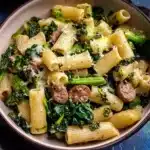
Sausage Broccoli Rabe Pasta with Potatoes recipe
Ingredients
- Broccoli Rabe (Rapini): 1 large bunch (about 1.5 lbs or 680g)
- Pasta: 1 lb (450g) Orecchiette, or other short pasta like penne or cavatelli
- Potatoes: 1 lb (450g) Yukon Gold or other waxy potatoes, peeled and cut into 1/2-inch cubes
- Italian Sausage: 1 lb (450g) hot or sweet Italian sausage, casings removed
- Garlic: 6-8 cloves, thinly sliced
- Olive Oil: 1/4 cup extra virgin olive oil, plus more for drizzling
- Pecorino Romano Cheese: 1 cup freshly grated, plus more for serving
- Red Pepper Flakes: 1/2 teaspoon (or more, to taste)
- Kosher Salt and Freshly Ground Black Pepper: To taste
Instructions
Step 1: Prep and Blanch the Broccoli Rabe
Fill a large bowl with ice and water and set it aside. Bring a large pot of heavily salted water to a rolling boil. While the water heats, prepare the broccoli rabe. Wash it thoroughly. Trim off the tough, thick bottom 1-2 inches of the stems and discard. Roughly chop the remaining stems and leaves into 2-inch pieces.
Once the water is boiling, add the chopped broccoli rabe. Cook for just 2-3 minutes. This is called blanching. It will turn the rapini a vibrant green, tenderize the stems, and remove just the right amount of sharp bitterness. Using a slotted spoon or spider strainer, immediately transfer the blanched broccoli rabe into the ice water bath. This shocks the greens, stopping the cooking process and locking in that beautiful color. Let it cool for a minute, then drain it very well, squeezing out as much excess water as possible with your hands. Set aside.
Step 2: Cook the Pasta and Potatoes
Return the same pot of water to a rolling boil (do not discard it; it’s now flavored with the rapini). Add the cubed potatoes to the boiling water and cook for 5 minutes.
After 5 minutes, add the orecchiette to the same pot with the potatoes. Stir well. Continue to cook according to the pasta’s package directions, until the pasta is al dente (firm to the bite) and the potatoes are tender.
Before draining, reserve at least 2 cups of the starchy pasta water. This is liquid gold and the key to creating the sauce. Drain the pasta and potatoes together in a colander.
Step 3: Brown the Sausage and Render the Fat
While the pasta and potatoes are cooking, heat a large, deep skillet or Dutch oven over medium-high heat. Add the Italian sausage. Use a wooden spoon to break it up into small, bite-sized crumbles. Cook, stirring occasionally, for 8-10 minutes, until the sausage is well-browned and cooked through. Do not drain the fat! This rendered pork fat is packed with flavor.
Step 4: Build the Flavor Base
Add the thinly sliced garlic and the red pepper flakes to the skillet with the sausage and its rendered fat. Reduce the heat to medium-low. Cook, stirring constantly, for 1-2 minutes until the garlic is fragrant and just beginning to turn golden. Be very careful not to burn the garlic, or it will become bitter.
Step 5: Combine and Finish
Add the well-drained, blanched broccoli rabe to the skillet. Stir to coat it in the garlic-infused sausage fat. Cook for 2-3 minutes to heat it through.
Add the drained pasta and potatoes to the skillet. Pour in about 1 cup of the reserved, hot pasta water and 3/4 cup of the grated Pecorino Romano cheese. Using tongs, toss everything together vigorously for 1-2 minutes. The starchy pasta water will combine with the sausage fat and cheese to create a light, creamy, and glossy sauce that coats everything beautifully. If the pasta seems dry, add more reserved pasta water, a splash at a time, until it reaches your desired consistency.
Step 6: Serve
Turn off the heat. Taste and season with salt and pepper as needed (Pecorino and sausage are already salty, so you may not need much salt). Serve immediately in warm bowls, with a generous drizzle of good extra virgin olive oil and plenty of extra grated Pecorino Romano cheese on top.
Nutrition
- Serving Size: one normal portion
- Calories: 700-850 kcal