
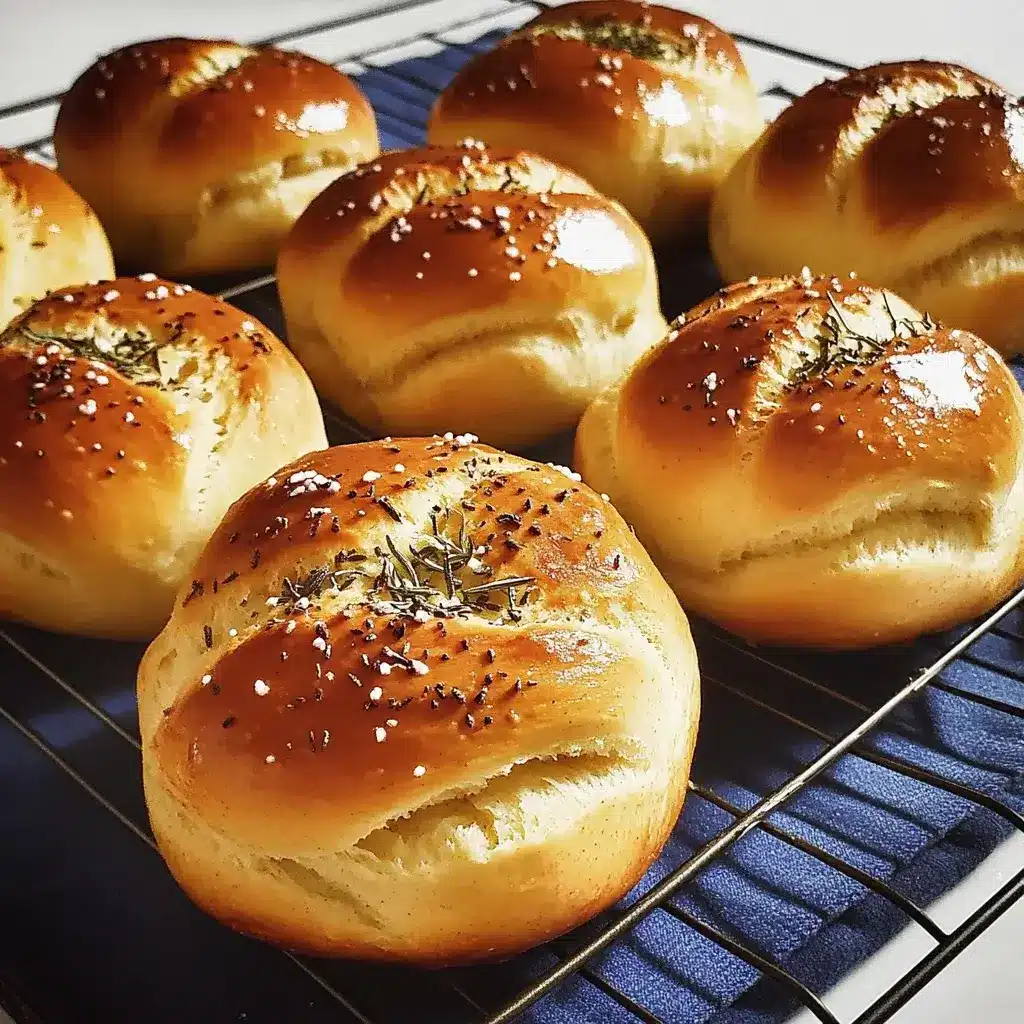

There’s a certain magic that fills the kitchen when you’re baking bread. But when that bread is brioche, enriched with butter and eggs, and infused with the fragrant aroma of rosemary? Well, that’s a different level of enchantment altogether. My journey with rosemary brioche rolls started on a rather chilly autumn afternoon. The air was crisp, the leaves were turning golden, and I was craving something warm, comforting, and utterly delicious to bake. I stumbled upon the idea of brioche, a bread I’d always admired from afar, and thought, why not elevate it with the earthy, piney notes of fresh rosemary? The result, to put it simply, was transformative. As the rolls baked, the house filled with the most incredible scent – buttery, yeasty, and herbaceous all at once. And the taste? Oh, the taste! Soft, pillowy, slightly sweet brioche, punctuated by the savory, aromatic rosemary. My family devoured them straight from the oven, slathered with butter, or alongside a hearty soup. These Rosemary Brioche Rolls have since become a beloved staple in our home, perfect for special occasions, weekend brunches, or just to elevate an ordinary weeknight dinner. If you’re looking to bake something truly special, something that will impress and delight, then you absolutely must try these Rosemary Brioche Rolls. Prepare to be transported to a world of buttery, aromatic bliss.
Ingredients: The Foundation of Flavor and Texture
Creating the perfect Rosemary Brioche Rolls is all about using quality ingredients and understanding their roles in the final product. Brioche is known for its richness and tenderness, which comes from a generous amount of butter and eggs. Rosemary adds a wonderful savory counterpoint to the richness, creating a balanced and irresistible flavor profile. Here’s what you’ll need to embark on this baking adventure:
- For the Dough:
- 4 cups (500g) Bread Flour: Bread flour is crucial for brioche as it has a higher protein content than all-purpose flour. This higher protein develops more gluten, which gives the brioche its characteristic structure and chewiness. If you absolutely must substitute, you can use all-purpose flour, but the texture might be slightly less airy and more dense.
- ¼ cup (50g) Granulated Sugar: Sugar not only adds sweetness but also feeds the yeast, helping it to rise properly. It also contributes to the beautiful golden-brown crust of the brioche.
- 1 ½ teaspoons Salt: Salt is essential for flavor development and also controls the yeast activity, preventing the dough from rising too quickly and becoming weak.
- 2 ¼ teaspoons (1 packet) Active Dry Yeast or Instant Yeast: Yeast is the leavening agent that makes the brioche rise. Active dry yeast needs to be proofed in warm liquid before use, while instant yeast can be added directly to the dry ingredients. Ensure your yeast is fresh for optimal rising power.
- ¾ cup (180ml) Lukewarm Milk (about 105-115°F or 40-46°C): Lukewarm milk provides the perfect temperature for activating active dry yeast and also adds moisture and richness to the dough. If using instant yeast, the milk temperature is less critical but still should be warm to aid in dough development. Dairy-free milk alternatives can be used, but may slightly alter the final texture.
- 4 Large Eggs, lightly beaten: Eggs are a key ingredient in brioche, contributing to its richness, color, and structure. They add fat, protein, and emulsifiers, resulting in a tender and flavorful crumb.
- 8 ounces (225g) Unsalted Butter, softened to room temperature, cut into cubes: Butter is the star of brioche! It’s what gives it that melt-in-your-mouth tenderness and rich, buttery flavor. Unsalted butter is preferred so you can control the salt content of the dough. Make sure the butter is truly softened, but not melted, for proper incorporation into the dough.
- 2 tablespoons Fresh Rosemary, finely chopped: Fresh rosemary is what infuses these rolls with their signature aromatic flavor. Use fresh rosemary for the best flavor; dried rosemary can be used in a pinch, but use about half the amount (1 tablespoon) as dried herbs are more concentrated.
- For Egg Wash (Optional but Recommended):
- 1 Large Egg: For a shiny, golden-brown crust.
- 1 tablespoon Milk or Water: To thin the egg wash slightly and make it easier to brush.
Instructions: Baking Your Way to Rosemary Brioche Perfection
Making Rosemary Brioche Rolls requires a bit of time and patience, especially with the dough rising stages, but the process itself is not overly complicated. Follow these step-by-step instructions to create these delicious rolls:
Step 1: Proof the Yeast (If using Active Dry Yeast)
- Warm the Milk: In a small saucepan or microwave-safe bowl, gently warm the milk to lukewarm temperature (105-115°F or 40-46°C). It should feel comfortably warm to the touch, not hot.
- Combine Yeast, Sugar, and Milk: In the bowl of a stand mixer (or a large mixing bowl if kneading by hand), combine the lukewarm milk, granulated sugar (from the dough ingredients), and active dry yeast.
- Let it Proof: Let the mixture stand for 5-10 minutes, or until the yeast is foamy or bubbly. This indicates that the yeast is active and ready to leaven the dough. If using instant yeast, you can skip this proofing step and add the yeast directly to the dry ingredients.
Step 2: Combine Dry Ingredients
- In a Large Bowl: In the bowl of your stand mixer (or a large mixing bowl), whisk together the bread flour, remaining granulated sugar, and salt. Make sure these dry ingredients are well combined to ensure even distribution in the dough.
Step 3: Incorporate Wet Ingredients and Form the Dough
- Add Yeast Mixture and Eggs: If you proofed the active dry yeast, add the foamy yeast mixture to the dry ingredients. If using instant yeast, add the instant yeast directly to the dry ingredients and then pour in the lukewarm milk. Add the lightly beaten eggs to the bowl as well.
- Mix on Low Speed: Using the dough hook attachment of your stand mixer (or a wooden spoon if mixing by hand), mix on low speed until the ingredients are just combined and a shaggy dough forms. Don’t overmix at this stage, just ensure everything is incorporated.
- Knead Briefly: Increase the mixer speed to medium-low and knead the dough for about 5-7 minutes. If kneading by hand, turn the dough out onto a lightly floured surface and knead for 8-10 minutes. The dough will be quite sticky at this point, but resist the urge to add too much extra flour. It should start to become smoother and more elastic.
Step 4: Gradually Incorporate the Butter
- Add Butter Cubes, One at a Time: With the mixer still running on low speed, begin adding the softened butter cubes, one or two at a time, allowing each cube to be fully incorporated into the dough before adding the next. This process will take some time, about 10-15 minutes. The dough will initially become very messy and seem like it’s not coming together, but keep kneading and adding butter gradually.
- Knead Until Smooth and Elastic: Once all the butter is incorporated, increase the mixer speed to medium and continue kneading for another 8-10 minutes (or 10-12 minutes by hand). The dough will transform from a sticky mess into a smooth, soft, and elastic dough that pulls away from the sides of the bowl. It will still be slightly tacky, but not sticky.
- Add Rosemary: In the last minute or two of kneading, add the finely chopped fresh rosemary to the dough and knead until it is evenly distributed throughout.
Step 5: First Proof (Bulk Fermentation)
- Form into a Ball: Gently form the dough into a ball and place it in a large, lightly oiled bowl. Turn the dough to coat it lightly with oil.
- Cover and Rise: Cover the bowl tightly with plastic wrap or a damp kitchen towel. Place the bowl in a warm, draft-free place (like a slightly warmed oven turned off, or a warm spot in your kitchen). Let the dough rise for 1 ½ – 2 hours, or until it has doubled in size. This first rise is crucial for developing flavor and texture.
Step 6: Punch Down and Refrigerate (Cold Proof)
- Punch Down the Dough: Gently punch down the risen dough to release the air. Turn it out onto a lightly floured surface.
- Refrigerate: Wrap the dough tightly in plastic wrap and refrigerate for at least 4 hours, or preferably overnight (up to 24 hours). This cold proofing step is important for brioche. It slows down the yeast activity, which develops more complex flavors and makes the dough easier to handle and shape. Cold dough is also easier to work with and produces a finer crumb in the final rolls.
Step 7: Shape the Rolls
- Divide the Dough: Remove the chilled dough from the refrigerator. It will be firm. Divide the dough into 12-16 equal-sized pieces (depending on the size of rolls you desire). You can use a kitchen scale for accuracy if you want perfectly uniform rolls.
- Shape into Balls: Gently roll each piece of dough into a smooth ball. There are several shaping methods, but a simple one is to cup your hand over the dough ball on a clean surface and move your hand in a circular motion, tucking the dough underneath to create tension on the surface and form a smooth ball.
- Arrange on Baking Sheet: Line a large baking sheet with parchment paper. Arrange the dough balls on the prepared baking sheet, leaving about 2-3 inches of space between each roll to allow for expansion during the second proof and baking.
Step 8: Second Proof (Final Proof)
- Cover and Rise Again: Lightly cover the baking sheet with plastic wrap or a damp kitchen towel. Place the baking sheet in a warm, draft-free place and let the rolls rise for 1-1 ½ hours, or until they have nearly doubled in size and are puffy and soft. This second proof is essential for achieving light and airy rolls.
Step 9: Preheat Oven and Prepare Egg Wash (Optional)
- Preheat Oven: Preheat your oven to 375°F (190°C).
- Prepare Egg Wash (Optional): In a small bowl, whisk together the egg and milk or water for the egg wash.
Step 10: Egg Wash and Bake
- Brush with Egg Wash (Optional): Gently brush the tops of the risen rolls with the egg wash. This will give them a beautiful shiny, golden-brown crust.
- Bake: Bake in the preheated oven for 18-22 minutes, or until the rolls are golden brown and sound hollow when tapped on the bottom. Rotate the baking sheet halfway through baking to ensure even browning.
- Cool on Wire Rack: Once baked, remove the rolls from the oven and transfer them to a wire rack to cool completely before serving. Cooling on a wire rack prevents the bottoms of the rolls from becoming soggy.
Nutrition Facts: A Buttery Indulgence (per roll, approximate)
Rosemary Brioche Rolls are undeniably a delicious treat, and like all brioche, they are richer than your average bread roll due to the butter and eggs. Here’s an estimated nutritional breakdown per roll. Please note that these are approximate values and can vary based on specific ingredient brands and roll size.
Servings: Approximately 12-16 rolls (depending on size)
Estimated Nutrition Facts per Roll (approximate, based on 12 rolls):
- Calories: 250-300 calories
- Protein: 6-8 grams
- Fat: 12-15 grams
- Saturated Fat: 7-9 grams
- Cholesterol: 70-90 mg
- Sodium: 200-250 mg
- Carbohydrates: 30-35 grams
- Fiber: 1-2 grams
- Sugar: 5-7 grams
Important Considerations:
- Butter Content: The high butter content contributes significantly to the calorie and fat content.
- Serving Size: These values are based on an estimated serving size of one roll. Consuming multiple rolls will increase your nutritional intake accordingly.
- Recipe Variations: Using different ingredients or altering portion sizes can affect the nutritional values.
Rosemary Brioche Rolls are best enjoyed as an occasional indulgence due to their richness. However, they do provide some protein and carbohydrates, along with trace amounts of vitamins and minerals from the eggs, milk, and flour. Enjoy them in moderation as part of a balanced diet.
Preparation Time: Planning for Baking Bliss
Baking Rosemary Brioche Rolls is a rewarding process, but it does require planning ahead due to the dough rising and chilling times. Here’s a breakdown of the time involved:
- Active Prep Time: 45-60 minutes (This includes proofing yeast, mixing dough, kneading, adding butter and rosemary, shaping rolls, and preparing egg wash).
- First Proof (Bulk Fermentation): 1 ½ – 2 hours
- Cold Proof (Refrigeration): Minimum 4 hours (ideally overnight, up to 24 hours)
- Second Proof (Final Proof): 1 – 1 ½ hours
- Bake Time: 18-22 minutes
- Cooling Time: 30 minutes – 1 hour (or until fully cooled)
Total Time (Estimated): Approximately 8-28 hours (depending on cold proof duration). However, active hands-on time is only around 1.5-2 hours spread out over this period.
Tips for Time Management:
- Make Dough Ahead: The dough can be made up to 24 hours in advance and refrigerated overnight. This is highly recommended as it improves flavor and makes the baking process more manageable.
- Plan Around Cold Proof: Factor in the cold proofing time when planning your baking schedule. If you want fresh rolls for brunch on Sunday, make the dough on Saturday afternoon or evening.
- Utilize Inactive Time: Much of the time is inactive, during the dough rising and chilling stages. You can use this time to do other tasks or relax while the dough works its magic.
While the total time might seem long, the hands-on time is relatively short, and the results are well worth the wait. The slow rise and cold proofing contribute significantly to the exceptional flavor and texture of these Rosemary Brioche Rolls.
How to Serve: Versatile Rolls for Every Occasion
Rosemary Brioche Rolls are incredibly versatile and can be served in countless ways, from casual breakfasts to elegant dinners. Their buttery richness and aromatic rosemary flavor make them a delightful addition to any meal. Here are some serving suggestions:
- Breakfast & Brunch Delights:
- Warm with Butter and Jam: Simply serve warm Rosemary Brioche Rolls with softened butter and your favorite jam or preserves. The classic combination is always a winner.
- Eggs Benedict Companion: Serve alongside Eggs Benedict for a luxurious brunch. The rich brioche perfectly complements the hollandaise sauce and poached eggs.
- Breakfast Sandwiches: Slice the rolls in half and use them to make breakfast sandwiches with eggs, bacon, sausage, cheese, or avocado.
- French Toast Brioche: Use slightly stale Rosemary Brioche Rolls to make incredibly decadent French toast. The rosemary adds a unique savory note to the sweetness.
- Lunch & Light Meals:
- Soup or Salad Side: Serve warm rolls alongside a hearty soup, stew, or a fresh salad for a satisfying lunch. They are perfect for dipping into creamy soups or soaking up salad dressings.
- Sandwich Rolls: Use Rosemary Brioche Rolls as sandwich rolls for gourmet sandwiches. They are sturdy enough to hold fillings and add a touch of elegance to any sandwich. Think roasted chicken, turkey, ham, or vegetarian fillings.
- Dinner & Entertaining:
- Dinner Rolls: Elevate your dinner table by serving Rosemary Brioche Rolls as dinner rolls. They pair beautifully with roasted meats, poultry, fish, or vegetarian entrees.
- Bread Basket Addition: Include them in a bread basket alongside other bread varieties for a sophisticated appetizer or side offering.
- Grazing Boards: Add sliced Rosemary Brioche Rolls to cheese and charcuterie boards. Their savory-sweet flavor complements a wide range of cheeses and cured meats.
- Holiday Feasts: Rosemary Brioche Rolls are a special touch for holiday meals like Thanksgiving, Christmas, or Easter. They add a touch of warmth and sophistication to the festive table.
- Sweet & Savory Pairings:
- Honey Butter Drizzle: Drizzle warm rolls with honey butter for a sweet and savory treat.
- Savory Herb Butter: Enhance the rosemary flavor by serving with a compound butter made with fresh rosemary, garlic, and sea salt.
- Cheese and Rosemary Rolls: Serve with a selection of cheeses, especially creamy cheeses like brie or goat cheese, which pair wonderfully with rosemary.
No matter how you choose to serve them, Rosemary Brioche Rolls are sure to impress. Their versatility and delicious flavor make them a welcome addition to any meal, any time of day.
Additional Tips for Baking Brilliance
Baking brioche can seem a bit daunting, but with these helpful tips, you’ll be well on your way to baking Rosemary Brioche Rolls like a pro:
- Tip 1: Use Room Temperature Ingredients (Except Milk): Ensure your eggs and butter are truly at room temperature. Softened butter is crucial for incorporating properly into the dough. Cold butter will be difficult to mix in and can result in a lumpy dough. Room temperature eggs also emulsify better and contribute to a smoother dough.
- Tip 2: Don’t Rush the Kneading: Brioche dough requires extensive kneading to develop gluten and create its signature texture. Don’t skimp on the kneading time. The dough will go through different stages, from sticky to messy to finally smooth and elastic. Patience is key!
- Tip 3: Maintain Consistent Dough Temperature: Brioche dough can be sensitive to temperature fluctuations. During rising, try to keep the dough in a consistently warm, draft-free environment. If your kitchen is cold, you can use the “proof” setting on some ovens (if available and very low temperature) or place the bowl in a slightly warmed oven that is turned off.
- Tip 4: Cold Proofing is Your Friend: The cold proofing step in the refrigerator is not just for convenience; it significantly improves the flavor and texture of the brioche. Don’t skip it! Cold dough is also much easier to handle and shape.
- Tip 5: Gentle Shaping is Best: When shaping the rolls, be gentle and avoid overworking the dough. Overworking can toughen the gluten and result in less tender rolls. Shape the dough into smooth balls with a light touch, focusing on creating surface tension.
By following these tips and paying attention to the details, you can master the art of baking Rosemary Brioche Rolls and impress yourself and everyone you share them with!
FAQ: Your Rosemary Brioche Roll Questions Answered
Baking bread often comes with questions, especially when venturing into enriched doughs like brioche. Here are answers to some frequently asked questions about Rosemary Brioche Rolls:
Q1: My brioche dough is too sticky. What did I do wrong?
A: Brioche dough is naturally sticky due to the high butter and egg content. Don’t panic! Resist the urge to add too much extra flour, as this can make the rolls dry. Ensure you are kneading for the recommended time, as kneading helps develop the gluten and reduce stickiness. Chilling the dough thoroughly before shaping is also crucial for making it easier to handle. Lightly flour your hands and work surface when shaping, but use flour sparingly.
Q2: My rolls didn’t rise properly. What could be the reason?
A: Several factors can affect rising:
* Yeast Activity: Ensure your yeast is fresh and active. If using active dry yeast, make sure it foamed during proofing.
* Temperature: The dough needs a warm environment to rise. If your kitchen is too cold, the yeast activity will be slow. Find a warmer spot for proofing.
* Over-kneading or Under-kneading: While brioche needs extensive kneading, extremely excessive kneading can sometimes weaken gluten. However, under-kneading is more likely to cause issues.
* Too Much Salt: Too much salt can inhibit yeast activity. Ensure you measured salt accurately.
Q3: Can I use dried rosemary instead of fresh?
A: Yes, you can use dried rosemary if fresh is not available. However, fresh rosemary provides a brighter, more aromatic flavor. If using dried rosemary, use about half the amount (1 tablespoon) as dried herbs are more concentrated. Rehydrate dried rosemary slightly by rubbing it between your fingers before adding it to the dough to release its aroma.
Q4: Can I freeze Rosemary Brioche Rolls?
A: Yes, Rosemary Brioche Rolls freeze beautifully. Allow the baked rolls to cool completely. Wrap them tightly in plastic wrap, then place them in a freezer-safe bag or container. Freeze for up to 2-3 months. To thaw, remove from the freezer and let them thaw at room temperature for a few hours, or overnight in the refrigerator. Reheat in a low oven (300°F or 150°C) for 5-10 minutes to warm them through and refresh their texture.
Q5: Can I make these rolls ahead of time for a dinner party?
A: Absolutely! Making the dough ahead of time and cold proofing it overnight is highly recommended. You can also bake the rolls a day ahead and store them at room temperature in an airtight container. Reheat them briefly before serving to restore their warmth and softness. This makes Rosemary Brioche Rolls a perfect make-ahead option for entertaining.
We hope these FAQs have addressed your questions! Happy baking, and enjoy the delightful aroma and taste of your homemade Rosemary Brioche Rolls!
Print
Rosemary Brioche Rolls recipe
Ingredients
-
- For the Dough:
-
- 4 cups (500g) Bread Flour: Bread flour is crucial for brioche as it has a higher protein content than all-purpose flour. This higher protein develops more gluten, which gives the brioche its characteristic structure and chewiness. If you absolutely must substitute, you can use all-purpose flour, but the texture might be slightly less airy and more dense.
-
- ¼ cup (50g) Granulated Sugar: Sugar not only adds sweetness but also feeds the yeast, helping it to rise properly. It also contributes to the beautiful golden-brown crust of the brioche.
-
- 1 ½ teaspoons Salt: Salt is essential for flavor development and also controls the yeast activity, preventing the dough from rising too quickly and becoming weak.
-
- 2 ¼ teaspoons (1 packet) Active Dry Yeast or Instant Yeast: Yeast is the leavening agent that makes the brioche rise. Active dry yeast needs to be proofed in warm liquid before use, while instant yeast can be added directly to the dry ingredients. Ensure your yeast is fresh for optimal rising power.
-
- ¾ cup (180ml) Lukewarm Milk (about 105-115°F or 40-46°C): Lukewarm milk provides the perfect temperature for activating active dry yeast and also adds moisture and richness to the dough. If using instant yeast, the milk temperature is less critical but still should be warm to aid in dough development. Dairy-free milk alternatives can be used, but may slightly alter the final texture.
-
- 4 Large Eggs, lightly beaten: Eggs are a key ingredient in brioche, contributing to its richness, color, and structure. They add fat, protein, and emulsifiers, resulting in a tender and flavorful crumb.
-
- 8 ounces (225g) Unsalted Butter, softened to room temperature, cut into cubes: Butter is the star of brioche! It’s what gives it that melt-in-your-mouth tenderness and rich, buttery flavor. Unsalted butter is preferred so you can control the salt content of the dough. Make sure the butter is truly softened, but not melted, for proper incorporation into the dough.
-
- 2 tablespoons Fresh Rosemary, finely chopped: Fresh rosemary is what infuses these rolls with their signature aromatic flavor. Use fresh rosemary for the best flavor; dried rosemary can be used in a pinch, but use about half the amount (1 tablespoon) as dried herbs are more concentrated.
-
- For the Dough:
-
- For Egg Wash (Optional but Recommended):
-
- 1 Large Egg: For a shiny, golden-brown crust.
-
- 1 tablespoon Milk or Water: To thin the egg wash slightly and make it easier to brush.
-
- For Egg Wash (Optional but Recommended):
Instructions
Step 1: Proof the Yeast (If using Active Dry Yeast)
-
- Warm the Milk: In a small saucepan or microwave-safe bowl, gently warm the milk to lukewarm temperature (105-115°F or 40-46°C). It should feel comfortably warm to the touch, not hot.
-
- Combine Yeast, Sugar, and Milk: In the bowl of a stand mixer (or a large mixing bowl if kneading by hand), combine the lukewarm milk, granulated sugar (from the dough ingredients), and active dry yeast.
-
- Let it Proof: Let the mixture stand for 5-10 minutes, or until the yeast is foamy or bubbly. This indicates that the yeast is active and ready to leaven the dough. If using instant yeast, you can skip this proofing step and add the yeast directly to the dry ingredients.
Step 2: Combine Dry Ingredients
-
- In a Large Bowl: In the bowl of your stand mixer (or a large mixing bowl), whisk together the bread flour, remaining granulated sugar, and salt. Make sure these dry ingredients are well combined to ensure even distribution in the dough.
Step 3: Incorporate Wet Ingredients and Form the Dough
-
- Add Yeast Mixture and Eggs: If you proofed the active dry yeast, add the foamy yeast mixture to the dry ingredients. If using instant yeast, add the instant yeast directly to the dry ingredients and then pour in the lukewarm milk. Add the lightly beaten eggs to the bowl as well.
-
- Mix on Low Speed: Using the dough hook attachment of your stand mixer (or a wooden spoon if mixing by hand), mix on low speed until the ingredients are just combined and a shaggy dough forms. Don’t overmix at this stage, just ensure everything is incorporated.
-
- Knead Briefly: Increase the mixer speed to medium-low and knead the dough for about 5-7 minutes. If kneading by hand, turn the dough out onto a lightly floured surface and knead for 8-10 minutes. The dough will be quite sticky at this point, but resist the urge to add too much extra flour. It should start to become smoother and more elastic.
Step 4: Gradually Incorporate the Butter
-
- Add Butter Cubes, One at a Time: With the mixer still running on low speed, begin adding the softened butter cubes, one or two at a time, allowing each cube to be fully incorporated into the dough before adding the next. This process will take some time, about 10-15 minutes. The dough will initially become very messy and seem like it’s not coming together, but keep kneading and adding butter gradually.
-
- Knead Until Smooth and Elastic: Once all the butter is incorporated, increase the mixer speed to medium and continue kneading for another 8-10 minutes (or 10-12 minutes by hand). The dough will transform from a sticky mess into a smooth, soft, and elastic dough that pulls away from the sides of the bowl. It will still be slightly tacky, but not sticky.
-
- Add Rosemary: In the last minute or two of kneading, add the finely chopped fresh rosemary to the dough and knead until it is evenly distributed throughout.
Step 5: First Proof (Bulk Fermentation)
-
- Form into a Ball: Gently form the dough into a ball and place it in a large, lightly oiled bowl. Turn the dough to coat it lightly with oil.
-
- Cover and Rise: Cover the bowl tightly with plastic wrap or a damp kitchen towel. Place the bowl in a warm, draft-free place (like a slightly warmed oven turned off, or a warm spot in your kitchen). Let the dough rise for 1 ½ – 2 hours, or until it has doubled in size. This first rise is crucial for developing flavor and texture.
Step 6: Punch Down and Refrigerate (Cold Proof)
-
- Punch Down the Dough: Gently punch down the risen dough to release the air. Turn it out onto a lightly floured surface.
-
- Refrigerate: Wrap the dough tightly in plastic wrap and refrigerate for at least 4 hours, or preferably overnight (up to 24 hours). This cold proofing step is important for brioche. It slows down the yeast activity, which develops more complex flavors and makes the dough easier to handle and shape. Cold dough is also easier to work with and produces a finer crumb in the final rolls.
Step 7: Shape the Rolls
-
- Divide the Dough: Remove the chilled dough from the refrigerator. It will be firm. Divide the dough into 12-16 equal-sized pieces (depending on the size of rolls you desire). You can use a kitchen scale for accuracy if you want perfectly uniform rolls.
-
- Shape into Balls: Gently roll each piece of dough into a smooth ball. There are several shaping methods, but a simple one is to cup your hand over the dough ball on a clean surface and move your hand in a circular motion, tucking the dough underneath to create tension on the surface and form a smooth ball.
-
- Arrange on Baking Sheet: Line a large baking sheet with parchment paper. Arrange the dough balls on the prepared baking sheet, leaving about 2-3 inches of space between each roll to allow for expansion during the second proof and baking.
Step 8: Second Proof (Final Proof)
-
- Cover and Rise Again: Lightly cover the baking sheet with plastic wrap or a damp kitchen towel. Place the baking sheet in a warm, draft-free place and let the rolls rise for 1-1 ½ hours, or until they have nearly doubled in size and are puffy and soft. This second proof is essential for achieving light and airy rolls.
Step 9: Preheat Oven and Prepare Egg Wash (Optional)
-
- Preheat Oven: Preheat your oven to 375°F (190°C).
-
- Prepare Egg Wash (Optional): In a small bowl, whisk together the egg and milk or water for the egg wash.
Step 10: Egg Wash and Bake
-
- Brush with Egg Wash (Optional): Gently brush the tops of the risen rolls with the egg wash. This will give them a beautiful shiny, golden-brown crust.
-
- Bake: Bake in the preheated oven for 18-22 minutes, or until the rolls are golden brown and sound hollow when tapped on the bottom. Rotate the baking sheet halfway through baking to ensure even browning.
-
- Cool on Wire Rack: Once baked, remove the rolls from the oven and transfer them to a wire rack to cool completely before serving. Cooling on a wire rack prevents the bottoms of the rolls from becoming soggy.
Nutrition
- Serving Size: one normal portion
- Calories: 250-300 calories
- Sugar: 5-7 grams
- Sodium: 200-250 mg
- Fat: 12-15 grams
- Saturated Fat: 7-9 grams
- Carbohydrates: 30-35 grams
- Fiber: 1-2 grams
- Protein: 6-8 grams
- Cholesterol: 70-90 mg