
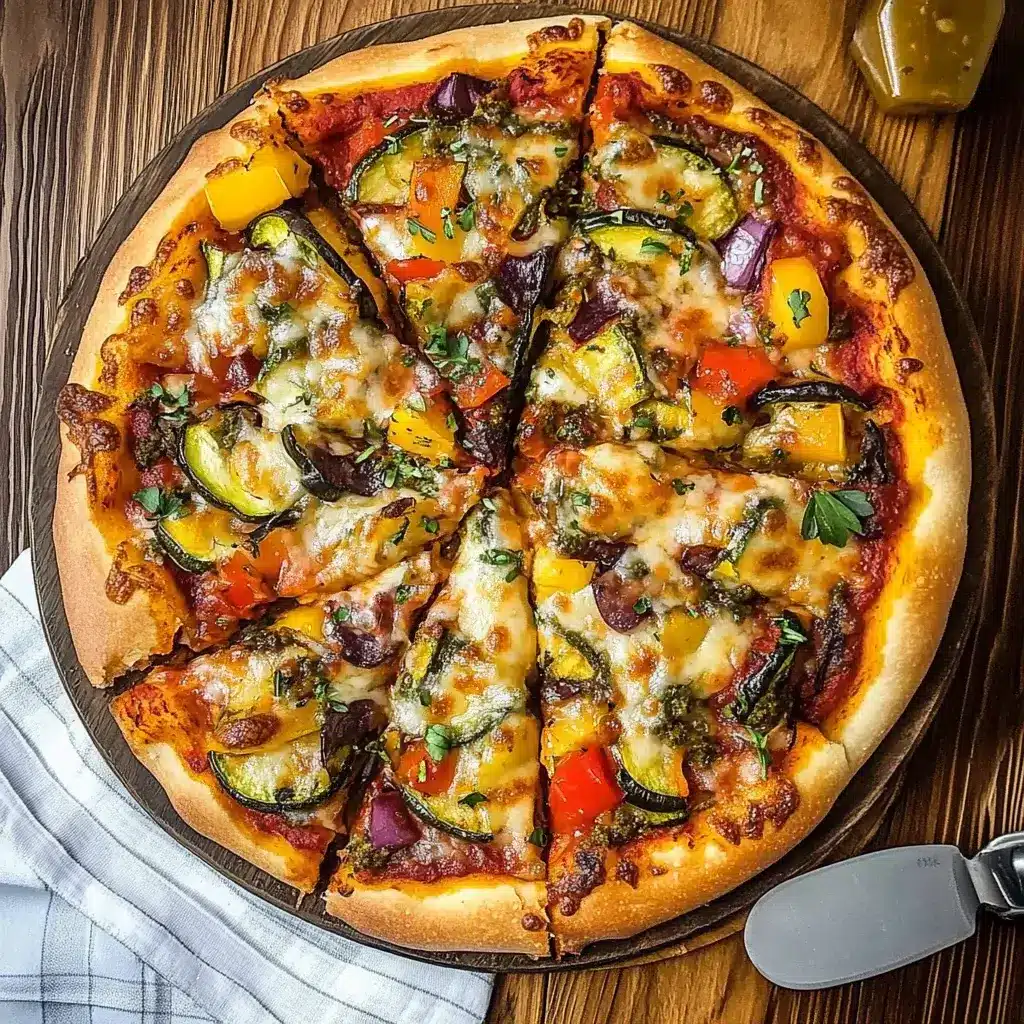

Okay, let me just say it – this Roasted Vegetable Pizza with Ghost Pepper Sauce is not for the faint of heart, but oh my goodness, is it an experience! I’m someone who loves a good kick, and ghost peppers definitely deliver. But what I truly adore about this recipe is how it balances that intense heat with layers of savory, roasted vegetable goodness. The first time I made this, I was a little intimidated by the ghost pepper sauce, I won’t lie. But the aroma of the roasting vegetables – sweet bell peppers, caramelized onions, earthy mushrooms, and tender zucchini – filled my kitchen, and I knew something special was brewing. And when that first slice hit my tongue? Wow. The initial sweetness of the roasted vegetables and creamy mozzarella melted into a slow burn that built with each bite, thanks to that incredible ghost pepper sauce. It wasn’t just heat for heat’s sake; it was a complex, nuanced spiciness that enhanced the other flavors rather than overpowering them. Even my spice-averse friend, who usually sticks to mild dishes, was intrigued and ended up loving the flavor (though maybe with a slightly smaller drizzle of the ghost pepper sauce!). If you’re an adventurous eater, a spice enthusiast, or simply looking to elevate your pizza night to a whole new dimension, this recipe is an absolute must-try. Prepare for a flavor adventure that’s both thrilling and utterly delicious!
Ingredients: Building Blocks for Your Fiery Roasted Vegetable Pizza
Creating this sensational Roasted Vegetable Pizza with Ghost Pepper Sauce is all about layering flavors and textures, starting with the freshest ingredients. Each component plays a crucial role in building the overall taste profile, from the sweet roasted vegetables to the fiery kick of the ghost pepper sauce. Let’s break down each ingredient, exploring variations and ensuring you have everything you need for pizza perfection.
- Pizza Dough: The Foundation of Flavor (1 lb, Store-Bought or Homemade)The pizza dough is the canvas upon which all the delicious toppings will be painted. Choosing the right dough and preparing it properly is essential for a satisfying pizza base.
- Store-Bought Pizza Dough (Convenience and Speed): For a quick and easy option, store-bought pizza dough is a fantastic choice. Look for fresh pizza dough in the refrigerated section of your grocery store, often near the deli or bakery. Brands like Trader Joe’s, Whole Foods Market, and many local supermarkets offer excellent fresh pizza dough options. Choose a dough ball that is around 1 pound for a standard-sized pizza.
- Homemade Pizza Dough (Authentic Flavor and Control): If you prefer a more authentic and hands-on approach, making your own pizza dough from scratch is incredibly rewarding. Homemade dough offers superior flavor and texture, and you have complete control over the ingredients. Numerous recipes for homemade pizza dough are available online, ranging from simple no-knead doughs to more traditional Neapolitan-style doughs. A basic recipe typically includes flour (bread flour is recommended for a chewier crust), water, yeast, salt, and olive oil.
- Type of Dough (Neapolitan, New York Style, etc.): The type of dough you choose will influence the final texture of your pizza. Neapolitan dough is known for its thin, soft crust with charred spots (leoparding), while New York-style dough is slightly thicker and chewier. Choose a dough style that you prefer. For this roasted vegetable pizza, a slightly thicker crust like New York-style or even a thicker pan pizza dough can hold up well to the weight of the vegetables.
- Preparing the Dough: Whether using store-bought or homemade dough, ensure it is properly proofed and at room temperature before stretching. Store-bought dough may need to sit at room temperature for about 30-60 minutes to become pliable. Homemade dough will need to rise according to your recipe instructions. Stretching the dough gently by hand is preferred for a rustic pizza shape. Avoid using a rolling pin, as it can deflate the dough and result in a tougher crust.
- Roasted Vegetables: Sweet and Savory Base (About 3-4 Cups, Mixed)Roasted vegetables are the star topping of this pizza, providing a medley of sweet, savory, and slightly caramelized flavors that complement the spicy sauce perfectly.
- Bell Peppers (Variety of Colors for Flavor and Visual Appeal): Bell peppers (red, yellow, orange, green) offer sweetness, a slight bitterness, and a vibrant color. Use a mix of colors for visual appeal and a more complex flavor profile. Roasting bell peppers intensifies their sweetness and softens their texture.
- Onions (Red or Yellow for Caramelization and Sweetness): Onions (red or yellow) caramelize beautifully when roasted, developing a sweet and savory flavor that adds depth to the pizza. Red onions offer a slightly milder sweetness, while yellow onions become more intensely sweet when roasted.
- Mushrooms (Cremini, Button, or Portobello for Earthy Notes): Mushrooms (cremini, button, or sliced portobello) provide earthy, umami-rich notes that balance the sweetness of the other vegetables and the heat of the sauce. Roasting mushrooms intensifies their earthy flavor and softens their texture.
- Zucchini or Summer Squash (Mild Flavor and Tender Texture): Zucchini or summer squash adds a mild, slightly sweet flavor and tender texture to the roasted vegetable mix. They roast quickly and absorb flavors well.
- Eggplant (Smoky and Meaty Texture): Eggplant, when roasted, becomes smoky, meaty, and tender, adding a substantial and flavorful element to the pizza. Roasting eggplant brings out its natural sweetness and removes any bitterness.
- Roasting Vegetables Technique: Toss the vegetables with olive oil, salt, pepper, and any desired herbs (like oregano, thyme, or rosemary) before roasting. Roast at a high temperature (400-425°F or 200-220°C) until tender and slightly caramelized, about 20-30 minutes, depending on the size and density of the vegetables. Roasting brings out the natural sweetness of the vegetables and concentrates their flavors.
- Mozzarella Cheese: Creamy and Mild Meltiness (8 oz, Fresh or Low-Moisture, Shredded)Mozzarella cheese provides the classic creamy, melty base for the pizza, offering a mild flavor that allows the roasted vegetables and ghost pepper sauce to shine.
- Fresh Mozzarella (Softer Texture and Milky Flavor): Fresh mozzarella, packed in water, offers a softer texture and a delicate, milky flavor. If using fresh mozzarella, slice it thinly or tear it into smaller pieces and pat it dry with paper towels to remove excess moisture before topping the pizza.
- Low-Moisture Mozzarella (Melts Well and Less Watery): Low-moisture mozzarella, often sold pre-shredded, melts beautifully and is less watery than fresh mozzarella, making it a convenient and reliable choice for pizza.
- Whole Milk Mozzarella (Richer Flavor and Better Melt): Whole milk mozzarella offers a richer flavor and better melt compared to part-skim mozzarella. It creates a creamier and more decadent pizza.
- Shredding or Slicing: Shredded mozzarella is convenient and melts evenly. Sliced fresh mozzarella adds a more rustic and elegant look. Choose based on your preference.
- Ghost Pepper Sauce: Fiery Kick and Complex Heat (Homemade or Store-Bought, to Taste)The ghost pepper sauce is the defining element of this pizza, providing intense heat and a complex, fruity spiciness that elevates the entire dish.
- Homemade Ghost Pepper Sauce (Control over Heat and Flavor): Making your own ghost pepper sauce allows you to control the heat level and customize the flavor profile. Numerous recipes are available online, often incorporating roasted ghost peppers, vinegar, garlic, and other spices. Start with a small amount of ghost pepper and increase gradually to reach your desired heat level. Handle ghost peppers with extreme caution, wearing gloves and avoiding contact with eyes and skin.
- Store-Bought Ghost Pepper Sauce (Convenience and Variety): Store-bought ghost pepper sauces offer convenience and a wide range of flavor profiles. Look for sauces specifically labeled as “ghost pepper sauce” or “bhut jolokia sauce” (bhut jolokia is another name for ghost pepper). Read labels carefully for heat levels and ingredients. Start with a very small amount of store-bought ghost pepper sauce, as they can be intensely spicy.
- Heat Level Adjustment: Ghost peppers are among the hottest peppers in the world. Start with a very small amount of ghost pepper sauce and add more gradually to reach your desired heat level. A little ghost pepper sauce goes a long way. If you are new to ghost peppers, be extremely cautious and taste test small amounts to gauge the heat.
- Alternative Spicy Sauces (For Less Intense Heat): If ghost pepper heat is too intense, you can substitute with other spicy sauces for a milder kick. Harissa paste, Calabrian chili paste, or a blend of your favorite hot sauce with a touch of sweetness (like honey or maple syrup) can provide a flavorful spiciness without the extreme heat of ghost peppers.
- Olive Oil: Enhancing Flavor and Roasting Vegetables (2-3 Tablespoons)Olive oil is used for roasting the vegetables and drizzling over the pizza, adding richness, flavor, and promoting browning and caramelization.
- Extra Virgin Olive Oil (Superior Flavor and Health Benefits): Extra virgin olive oil is recommended for its superior flavor, aroma, and health benefits. It adds a fruity and slightly peppery note that enhances the roasted vegetables and pizza.
- Other Cooking Oils (Neutral Flavor): Other neutral cooking oils like avocado oil, canola oil, or vegetable oil can be used as substitutes if olive oil is not available, but they will lack the distinctive flavor of olive oil.
- Salt and Black Pepper: Essential Seasonings (To Taste)Salt and freshly ground black pepper are fundamental seasonings that enhance the natural flavors of the vegetables and pizza. Season generously but not excessively.
- Kosher Salt or Sea Salt (Clean and Pure Flavor): Kosher salt or sea salt are preferred for their clean, pure flavor and larger crystals that are easier to control when seasoning.
- Freshly Ground Black Pepper (Aromatic and Sharp Flavor): Freshly ground black pepper offers a more aromatic and sharp flavor compared to pre-ground pepper.
- Optional Garnishes: Fresh Herbs for Final Touch (Fresh Basil, Oregano, or Parsley)Fresh herbs, added after baking, provide a final touch of freshness, aroma, and visual appeal.
- Fresh Basil (Classic Pizza Herb): Fresh basil is a classic pizza herb that adds a sweet, slightly peppery, and aromatic note. Chiffonade or roughly chopped basil leaves are commonly used as a garnish.
- Fresh Oregano (Earthy and Pungent): Fresh oregano offers an earthy, slightly pungent, and peppery flavor that complements roasted vegetables and spicy sauces.
- Fresh Parsley (Mild and Fresh Flavor): Fresh parsley provides a mild, fresh, and slightly peppery flavor and adds a vibrant green color. Flat-leaf parsley is preferred for garnishing.
- Red Pepper Flakes (Extra Heat): For those who want even more heat, a sprinkle of red pepper flakes can be added as a garnish.
By gathering these high-quality ingredients and understanding their roles in the recipe, you are well-prepared to create a truly exceptional Roasted Vegetable Pizza with Ghost Pepper Sauce that is bursting with flavor, texture, and just the right amount of fiery kick.
Instructions: Baking Your Way to Fiery Roasted Vegetable Pizza Perfection
Creating this Roasted Vegetable Pizza with Ghost Pepper Sauce involves a few key steps: roasting the vegetables, preparing the dough, assembling the pizza, and baking it to golden perfection. Follow these step-by-step instructions to guide you through the process:
- Roast the Vegetables: Preheat your oven to 425°F (220°C). Wash and chop your chosen vegetables (bell peppers, onions, mushrooms, zucchini, eggplant, etc.) into bite-sized pieces. In a large bowl, toss the chopped vegetables with 2-3 tablespoons of olive oil, salt, pepper, and any desired herbs (like oregano, thyme, or rosemary). Spread the vegetables in a single layer on a large baking sheet. Roast in the preheated oven for 20-30 minutes, or until tender and slightly caramelized, tossing halfway through. Set aside to cool slightly.
- Prepare the Pizza Dough: If using store-bought dough, let it sit at room temperature for 30-60 minutes to become pliable. If using homemade dough, ensure it has risen according to your recipe instructions. On a lightly floured surface, gently stretch or shape the pizza dough into a 12-14 inch round or rectangle. You can use your hands or gently stretch it over the back of your knuckles. Avoid using a rolling pin to maintain a light and airy crust.
- Preheat Pizza Stone or Baking Sheet (Optional but Recommended): If using a pizza stone, place it in the oven while it preheats. A preheated pizza stone helps create a crispier crust. If not using a pizza stone, you can use a regular baking sheet. Line the baking sheet with parchment paper for easier cleanup (optional).
- Assemble the Pizza: Carefully transfer the stretched pizza dough to the preheated pizza stone or baking sheet. Brush the dough lightly with olive oil. Spread a thin layer of ghost pepper sauce evenly over the pizza dough, leaving a small border for the crust. Be mindful of the heat level of your sauce – start with a small amount and add more to taste later. Sprinkle shredded mozzarella cheese evenly over the ghost pepper sauce. Arrange the roasted vegetables evenly over the mozzarella cheese.
- Bake the Pizza: Bake in the preheated oven for 12-15 minutes, or until the crust is golden brown and the cheese is melted and bubbly. Baking time may vary slightly depending on your oven and the thickness of your crust. Keep an eye on the pizza during the last few minutes of baking to prevent burning.
- Garnish and Serve: Remove the pizza from the oven and let it cool slightly for a few minutes before slicing. Garnish with fresh herbs like basil, oregano, or parsley, if desired. For an extra kick, you can drizzle a tiny bit more ghost pepper sauce over the finished pizza (use sparingly!). Slice into wedges and serve immediately while hot and cheese is melty.
Tips for Perfect Roasted Vegetable Pizza:
- Roast Vegetables Until Tender and Caramelized: Roasting vegetables properly is key to developing their sweet and savory flavors. Roast until they are tender, slightly softened, and have some caramelized edges.
- Don’t Overload the Pizza: Avoid overloading the pizza with too many toppings, as this can make the crust soggy and prevent it from cooking through properly. Use a moderate amount of roasted vegetables and cheese.
- Preheat Pizza Stone (If Using): A preheated pizza stone is highly recommended for achieving a crispy pizza crust. If using a pizza stone, preheat it in the oven for at least 30 minutes before baking the pizza.
- Bake at High Heat: Baking the pizza at a high temperature (425°F or 220°C) helps create a crispy crust and melt the cheese quickly.
- Watch Baking Time: Baking time can vary depending on your oven. Keep an eye on the pizza and bake until the crust is golden brown and the cheese is melted and bubbly. Avoid overbaking, which can result in a dry crust.
- Let Pizza Cool Slightly Before Slicing: Letting the pizza cool for a few minutes after baking makes it easier to slice and prevents the cheese from sliding off.
By following these detailed instructions and tips, you’ll be baking your way to a delicious and fiery Roasted Vegetable Pizza with Ghost Pepper Sauce that is sure to impress! Enjoy the process and savor the incredible flavors of your homemade pizza creation.
Nutrition Facts: A Flavorful Pizza with a Vegetable Boost
Roasted Vegetable Pizza with Ghost Pepper Sauce can be a flavorful and relatively balanced meal, especially when loaded with vegetables. While pizza is often considered an indulgence, this version offers a good dose of vegetables and can be part of a balanced diet when enjoyed in moderation. Here’s a breakdown of the approximate nutrition facts for one slice of a 12-inch Roasted Vegetable Pizza (estimated, based on a pizza cut into 8 slices).
(Approximate values, may vary significantly based on dough type, cheese quantity, vegetable mix, and specific ingredients. Based on 1/8th of a 12-inch pizza with homemade dough, 1 cup roasted vegetables per slice, and 1 oz mozzarella cheese per slice.)
- Serving Size: 1 Slice (1/8th of 12-inch Pizza, approximate)
- Calories per Serving: Approximately 300-400 calories
- Calorie count can vary depending on the crust thickness, cheese quantity, and the amount of olive oil used for roasting and on the pizza.
- Macronutrients (Approximate per serving):
- Fat: 12-18 grams
- Saturated Fat: 5-8 grams (primarily from mozzarella cheese)
- Unsaturated Fat: Primarily monounsaturated and polyunsaturated fats from olive oil.
- Cholesterol: 20-30 mg (primarily from mozzarella cheese)
- Sodium: 400-600 mg (can be higher depending on dough type and cheese)
- Carbohydrates: 40-50 grams
- Fiber: 3-5 grams (depending on vegetable content and dough type)
- Sugar: 3-5 grams (natural sugars from vegetables and dough)
- Protein: 10-15 grams
- Fat: 12-18 grams
Detailed Breakdown and Nutritional Benefits:
- Calories: The calorie count per slice is moderate for a pizza slice, falling within a reasonable range for a meal portion. Be mindful of portion sizes and consider enjoying 1-2 slices as part of a balanced meal.
- Fat: Fat content is moderate, primarily from mozzarella cheese and olive oil. Saturated fat content is moderate, mainly from cheese. Unsaturated fats, considered healthier fats, are present from olive oil.
- Sodium: Sodium content can be moderate to high, depending on the dough type (some store-bought doughs are higher in sodium) and cheese. Choose lower-sodium cheese options and be mindful of added salt in dough and seasonings to reduce sodium intake.
- Carbohydrates: Carbohydrate content is significant, primarily from the pizza dough. Whole wheat pizza dough can increase fiber content.
- Fiber: Fiber content is moderate, especially if using whole wheat dough and including fiber-rich vegetables. Fiber is beneficial for digestive health and satiety.
- Protein: Protein content is moderate, primarily from mozzarella cheese and to a lesser extent from the dough and vegetables. Protein is essential for satiety and muscle building.
- Vitamins and Minerals: Roasted vegetables contribute vitamins and minerals, including Vitamin C, Vitamin A, potassium, and folate, depending on the specific vegetables used.
Healthier Swaps and Modifications (To enhance nutritional value):
- Whole Wheat Pizza Dough: Use whole wheat pizza dough instead of white dough to significantly increase fiber content and add complex carbohydrates.
- Part-Skim Mozzarella: Use part-skim mozzarella cheese instead of whole milk mozzarella to reduce fat and saturated fat content, although it may slightly alter the melt and flavor.
- Load Up on Vegetables: Increase the amount and variety of roasted vegetables to boost fiber, vitamins, and minerals further. Include leafy greens like spinach or arugula under the cheese or as a post-bake topping.
- Use Less Cheese: Reduce the amount of mozzarella cheese used to lower fat and calorie content.
- Control Olive Oil Usage: Be mindful of the amount of olive oil used for roasting vegetables and drizzling on the pizza. Use just enough to coat the vegetables and dough lightly.
- Homemade Ghost Pepper Sauce (Control Ingredients): If making homemade ghost pepper sauce, you can control the ingredients and potentially reduce added salt or sugar compared to some store-bought sauces.
Conclusion on Nutrition:
Roasted Vegetable Pizza with Ghost Pepper Sauce can be a flavorful and moderately nutritious meal option, especially when made with whole wheat dough, loaded with vegetables, and enjoyed in moderation. It provides a good source of vegetables, fiber, and protein, but is also moderate in calories, fat, and sodium. By making healthier swaps and modifications and being mindful of portion sizes, you can create a more nutritious and balanced version of this spicy and delicious pizza.
Preparation Time: From Prep to Pizza in Under an Hour
Creating this Roasted Vegetable Pizza with Ghost Pepper Sauce is a relatively efficient process, especially if you use store-bought dough. The roasting of vegetables adds some time, but the overall preparation and baking time is manageable for a weeknight meal or weekend pizza night.
- Total Preparation Time: Approximately 50-60 minutes
- Active Prep Time: Approximately 30-40 minutes (vegetable chopping, roasting prep, dough preparation, pizza assembly)
- Roasting Time: Approximately 20-30 minutes (vegetable roasting in the oven)
- Baking Time: Approximately 12-15 minutes (pizza baking in the oven)
- Breakdown of Time:
- Vegetable Preparation (Washing and Chopping): 15-20 minutes (washing and chopping vegetables like bell peppers, onions, mushrooms, zucchini, eggplant). This is the most hands-on prep step.
- Vegetable Roasting Prep (Tossing with Oil and Seasonings): 5 minutes (tossing chopped vegetables with olive oil, salt, pepper, herbs).
- Vegetable Roasting Time: 20-30 minutes (vegetable roasting in the oven). This is passive time, while vegetables are roasting, you can prepare the dough and other components.
- Pizza Dough Preparation (Stretching): 5-10 minutes (stretching or shaping pizza dough). This time will vary depending on your dough and stretching technique.
- Pizza Assembly (Saucing, Cheese, Toppings): 5-10 minutes (spreading ghost pepper sauce, sprinkling cheese, arranging roasted vegetables).
- Oven Preheat Time: 10-15 minutes (oven preheating to 425°F/220°C, including pizza stone preheating if used).
- Pizza Baking Time: 12-15 minutes (pizza baking in the oven).
Tips to Speed Up Preparation:
- Pre-Cut Vegetables: Purchase pre-cut vegetables (like sliced mushrooms, pre-chopped bell peppers and onions) to save time on chopping.
- Store-Bought Roasted Vegetables (Less Recommended for Freshness): In a pinch, you could use pre-roasted vegetables from a deli or grocery store, but freshly roasted vegetables will have superior flavor and texture.
- Store-Bought Pizza Dough: Using store-bought pizza dough eliminates the time required for making homemade dough and proofing.
- Meal Prep Roasted Vegetables Ahead: Roast the vegetables a day or two in advance and store them in the refrigerator. Reheat slightly before topping the pizza, or use them cold for a slightly different texture.
- Simple Vegetable Combination: Choose a simpler combination of vegetables that require less chopping, like bell peppers and onions only.
Roasted Vegetable Pizza vs. Traditional Pizza – Time Comparison:
The preparation time for Roasted Vegetable Pizza is slightly longer than for a very basic cheese pizza or pepperoni pizza, primarily due to the vegetable roasting step. However, compared to pizzas with more complex toppings or homemade dough, the preparation time is still relatively efficient. The roasting step, while adding time, significantly enhances the flavor of the pizza and is well worth the extra effort.
Conclusion on Preparation Time:
Roasted Vegetable Pizza with Ghost Pepper Sauce is a manageable meal to prepare in under an hour, from start to finish. While the vegetable roasting adds some time, the active preparation time is relatively short, especially if using store-bought dough and pre-cut vegetables. By utilizing time-saving tips and planning ahead, you can enjoy this flavorful and spicy pizza even on busy weeknights.
How to Serve: Sizzling Sides and Perfect Pairings for Your Spicy Pizza
Roasted Vegetable Pizza with Ghost Pepper Sauce is a flavorful and satisfying dish on its own, but serving it with complementary sides and beverages can elevate the entire dining experience. Consider these serving suggestions to create a well-rounded and enjoyable meal around your spicy pizza:
- Classic Pizza Sides:
- Side Salad (Fresh and Light Counterpoint): A fresh and light side salad is a perfect counterpoint to the richness and spiciness of the pizza. A simple green salad with a vinaigrette dressing, a Caesar salad, or a Caprese salad would all work well. The coolness and freshness of the salad provide a welcome contrast to the warm, spicy pizza.
- Garlic Knots or Breadsticks (Carb Companions): Garlic knots or breadsticks are classic pizza sides that complement the pizza flavors and provide extra carb satisfaction. Serve them warm with marinara sauce or olive oil for dipping.
- Wings (Game Day Feast): For a more indulgent and game-day-style meal, serve Roasted Vegetable Pizza alongside chicken wings (classic buffalo wings, garlic parmesan wings, or your favorite style). The combination of pizza and wings is a crowd-pleasing classic.
- Vegetable-Focused Sides (Enhance the Vegetable Theme):
- Roasted Asparagus or Broccoli (Simple and Healthy): Roasted asparagus or broccoli, simply seasoned with olive oil, salt, and pepper, are healthy and flavorful vegetable sides that complement the roasted vegetables on the pizza.
- Grilled Zucchini or Eggplant (Summer BBQ Vibes): If serving the pizza during warmer months or at a barbecue, grilled zucchini or eggplant slices provide a smoky and summery vegetable side dish that pairs well with the roasted vegetable pizza.
- Steamed Green Beans or Brussels Sprouts (Healthy and Nutritious): Steamed green beans or Brussels sprouts, lightly seasoned or tossed with lemon juice and garlic, offer healthy and nutritious vegetable side options that balance the richness of the pizza.
- Cooling and Refreshing Sides (Balance the Heat):
- Coleslaw or Potato Salad (Creamy and Cool): Creamy coleslaw or potato salad provides a cool and refreshing contrast to the spiciness of the ghost pepper sauce. The creaminess helps to temper the heat, and the cool temperature is a welcome relief.
- Cucumber and Yogurt Salad (Light and Refreshing): A cucumber and yogurt salad, with fresh mint or dill, offers a light, refreshing, and cooling side dish that is particularly welcome with spicy food.
- Avocado Salad or Guacamole (Creamy and Cooling Fats): Avocado salad or guacamole, with their creamy texture and cooling fats, can help to balance the heat of the ghost pepper sauce and provide a satisfying and healthy side dish.
- Beverage Pairings (Quench Your Thirst and Complement Flavors):
- Cold Beer (Classic Pizza Pairing): A cold beer, especially a lighter lager or IPA, is a classic and refreshing pairing with pizza. The bitterness of the beer can cut through the richness of the cheese and balance the spiciness.
- Iced Tea or Lemonade (Refreshing and Non-Alcoholic): Iced tea or lemonade, unsweetened or lightly sweetened, are refreshing and non-alcoholic options that complement the pizza flavors and help to quench thirst.
- Sparkling Water or Flavored Seltzer (Light and Bubbly): Sparkling water or flavored seltzer water (lemon, lime, or cucumber flavors) offer light and bubbly non-alcoholic options that cleanse the palate and are refreshing with pizza.
- Wine (Consider White or Rosé): If pairing with wine, consider a crisp white wine like Pinot Grigio or Sauvignon Blanc, or a dry rosé. These lighter wines can complement the vegetables and spiciness without overpowering the pizza flavors.
- Serving Tips:
- Slice and Serve Immediately: Serve the pizza sliced and immediately while it’s hot and the cheese is melty for the best flavor and texture.
- Offer Dipping Sauces (Optional): While the pizza is flavorful on its own, you can offer dipping sauces like ranch dressing, garlic aioli, or extra ghost pepper sauce (for the truly daring!) on the side for those who want to customize their experience.
- Spice Level Warning: If serving to guests, especially those who may not be accustomed to spicy food, warn them about the ghost pepper sauce and offer a milder alternative or the sauce on the side so they can control the heat level.
- Casual Pizza Night Vibe: Embrace a casual pizza night vibe. Serve the pizza family-style on a large platter or pizza stone, allowing everyone to help themselves.
By considering these serving suggestions and beverage pairings, you can create a complete and enjoyable dining experience around your Roasted Vegetable Pizza with Ghost Pepper Sauce, catering to different tastes and preferences and balancing the spiciness with complementary flavors and textures.
Additional Tips for Roasted Vegetable Pizza Perfection
To truly master the art of making Roasted Vegetable Pizza with Ghost Pepper Sauce, consider these additional tips and tricks that will elevate your pizza-making skills and ensure consistently delicious results every time:
- Pre-Roast Vegetables Separately for Best Texture: While you can technically roast all the vegetables together on one baking sheet, roasting them separately or in batches, grouped by density, can yield better texture and prevent some vegetables from becoming overcooked while others are still undercooked. Denser vegetables like bell peppers and onions may take longer to roast than softer vegetables like mushrooms and zucchini. Consider roasting denser vegetables for a bit longer initially, then adding softer vegetables to the baking sheet later in the roasting process. Alternatively, roast different vegetable types on separate baking sheets to control their individual cooking times and achieve optimal texture for each.
- Use a Pizza Stone or Baking Steel for a Crispier Crust: For a truly crispy and restaurant-style pizza crust, invest in a pizza stone or baking steel. These materials retain heat exceptionally well and create a hot surface for the pizza to bake on, resulting in a crispier bottom crust and even cooking. Preheat the pizza stone or baking steel in the oven for at least 30 minutes at the highest oven temperature before baking the pizza. Carefully slide the pizza onto the hot stone or steel for baking. If you don’t have a pizza stone or steel, using a preheated baking sheet is still a good option, but a stone or steel will significantly improve crust crispiness.
- Don’t Over Sauce the Pizza: Less is More with Ghost Pepper Heat: With a potent ghost pepper sauce, remember that less is often more, especially if you are sensitive to heat or serving to guests with varying spice tolerances. Spread a very thin layer of ghost pepper sauce over the pizza dough, enough to impart flavor and heat but not so much that it overpowers the other ingredients or makes the pizza unbearably spicy. You can always offer extra ghost pepper sauce on the side for those who want to add more heat to their individual slices. It’s easier to add spice than to take it away.
- Add Cheese in Layers for Optimal Melt and Flavor Distribution: For the best cheese melt and flavor distribution, consider adding mozzarella cheese in layers. Sprinkle a layer of mozzarella directly over the ghost pepper sauce on the pizza dough, then arrange the roasted vegetables, and then add another layer of mozzarella over the vegetables. Layering the cheese helps to hold the vegetables in place, ensures cheese melts evenly throughout the pizza, and distributes the cheesy flavor more consistently in each bite.
- Finish with Fresh Herbs and a Drizzle of Olive Oil After Baking: To enhance the freshness, aroma, and visual appeal of your Roasted Vegetable Pizza, finish it with a generous sprinkle of fresh herbs and a drizzle of high-quality extra virgin olive oil immediately after baking. Fresh basil, oregano, or parsley add a burst of fresh flavor and vibrant green color. A drizzle of olive oil adds richness, shine, and a final touch of flavor complexity. These finishing touches elevate the pizza from simply delicious to truly gourmet.
By incorporating these additional tips and techniques, you’ll be creating Roasted Vegetable Pizza with Ghost Pepper Sauce that is not only incredibly flavorful and spicy but also boasts perfect texture, beautiful presentation, and a truly restaurant-quality finish. Enjoy the process of mastering these tips and savoring the outstanding results of your pizza-making expertise!
FAQ: Your Fiery Roasted Vegetable Pizza Questions Answered
Got burning questions about making Roasted Vegetable Pizza with Ghost Pepper Sauce? You’re not alone! Here are answers to some frequently asked questions to help you troubleshoot and become a ghost pepper pizza master.
Q1: Ghost peppers are too spicy for me. What can I use instead for a milder but still flavorful pizza?
A: Ghost peppers are indeed intensely spicy! If you prefer a milder pizza, there are many delicious alternatives to ghost pepper sauce that still offer fantastic flavor:
- Jalapeño or Serrano Pepper Sauce: Use a sauce made from jalapeño or serrano peppers for a noticeable kick but significantly less heat than ghost peppers. These sauces offer a bright, grassy spiciness.
- Chipotle Pepper Sauce or Adobo Sauce: Chipotle peppers in adobo sauce provide a smoky, moderately spicy flavor with a touch of sweetness. Use chipotle pepper sauce or adobo sauce as a base for your pizza sauce for a warm, smoky kick.
- Harissa Paste: Harissa paste, a North African chili paste, offers a complex, smoky, and moderately spicy flavor with notes of roasted red peppers, garlic, and spices.
- Calabrian Chili Paste: Calabrian chili paste from Italy provides a fruity, moderately spicy, and slightly tangy flavor with a pleasant warmth.
- Spicy Marinara Sauce: Use a store-bought or homemade marinara sauce and add red pepper flakes, chili oil, or a milder hot sauce (like Tabasco or Cholula) to achieve your desired level of spiciness.
- Sweet and Spicy Pepper Jam or Jelly: For a unique flavor profile, use a sweet and spicy pepper jam or jelly (like jalapeño jelly or pepper jelly) as a base for your pizza sauce. The sweetness will balance the spice, and it provides a different kind of heat.
Q2: Can I make this pizza vegetarian or vegan?
A: Yes, absolutely! Roasted Vegetable Pizza is inherently vegetarian, and it’s easily adaptable to be vegan as well:
- Vegetarian: The standard recipe is already vegetarian. Ensure your pizza dough is vegetarian-friendly (some may contain animal fats).
- Vegan: To make it vegan:
- Vegan Pizza Dough: Use a vegan pizza dough recipe or ensure your store-bought dough is vegan (most are).
- Vegan Cheese Substitute: Substitute mozzarella cheese with a vegan mozzarella cheese alternative. Many brands of vegan mozzarella shreds and slices are available, made from plant-based ingredients like cashews, tapioca, or soy.
- Nutritional Yeast (Optional for Umami): Sprinkle a bit of nutritional yeast over the pizza before baking for an extra cheesy and umami flavor boost in the absence of dairy cheese.
- Vegan Ghost Pepper Sauce: Ensure your ghost pepper sauce is vegan. Most hot sauces are vegan, but check labels to confirm ingredients.
- Olive Oil Glaze (Vegan Option): For a vegan glaze, use a drizzle of olive oil or a balsamic glaze instead of honey or dairy-based glazes.
Q3: My pizza crust is soggy in the middle. How can I prevent this?
A: Soggy pizza crust is a common pizza-making frustration. Here are common causes and solutions:
- Too Much Sauce or Toppings: Overloading the pizza with too much sauce or toppings, especially watery vegetables, can lead to a soggy crust. Use a moderate amount of sauce and toppings. Drain excess moisture from roasted vegetables before topping the pizza.
- Not Preheating Pizza Stone/Baking Sheet: A preheated pizza stone or baking sheet is crucial for creating a crispy bottom crust. Ensure your pizza stone or baking sheet is fully preheated in the oven for at least 30 minutes before baking the pizza.
- Oven Temperature Too Low: Baking pizza at a sufficiently high temperature is essential for a crispy crust. Ensure your oven is preheated to 425°F (220°C) or higher.
- Baking on Parchment Paper (Can Trap Moisture): While parchment paper is convenient, it can sometimes trap moisture underneath the pizza, leading to a slightly less crispy bottom crust. Baking directly on a preheated pizza stone or baking steel (without parchment) is ideal for maximum crispness. If using parchment, ensure it’s not excessive and allows for some air circulation.
- Underbaked Crust: Ensure the pizza crust is fully baked and golden brown before removing it from the oven. Slightly longer baking time can help crisp up the crust, but watch carefully to avoid burning toppings.
Q4: Can I add protein to this Roasted Vegetable Pizza?
A: Yes, you can definitely add protein to Roasted Vegetable Pizza to make it a more substantial meal. Consider these protein additions:
- Grilled Chicken or Sausage (Pre-Cooked): Add pre-cooked grilled chicken slices or Italian sausage crumbles to the pizza along with the roasted vegetables. Ensure protein is cooked through before adding to the pizza, as baking time is primarily for crust and cheese.
- Prosciutto or Bacon (Added Before or After Baking): Add thin slices of prosciutto before baking for crispy edges, or add crispy cooked bacon crumbles after baking for a salty and savory protein boost.
- Chickpeas or White Beans (Vegetarian Protein): For a vegetarian protein option, add roasted chickpeas or white beans to the pizza along with the vegetables. Toss chickpeas or beans with olive oil and spices and roast them separately or alongside the other vegetables.
- Tofu or Tempeh (Vegetarian/Vegan Protein): Marinated and baked tofu cubes or pan-fried tempeh crumbles can be added as vegan protein options. Ensure tofu or tempeh is cooked and flavorful before adding to the pizza.
Q5: Can I prepare the roasted vegetables and pizza dough ahead of time?
A: Yes, meal prepping components for Roasted Vegetable Pizza is a great way to save time on pizza night:
- Roasted Vegetables: Roast the vegetables a day or two in advance and store them in an airtight container in the refrigerator. Reheat slightly before topping the pizza, or use them cold for a different texture.
- Pizza Dough: Homemade pizza dough can be made ahead and stored in the refrigerator for up to 2-3 days or frozen for longer storage. Allow refrigerated dough to come to room temperature before stretching. Thaw frozen dough in the refrigerator overnight.
- Ghost Pepper Sauce: Homemade ghost pepper sauce can be made well in advance and stored in the refrigerator for several weeks. Store-bought sauce has a long shelf life.
- Assemble Just Before Baking: For the best results, assemble the pizza just before baking to ensure a crispy crust and avoid soggy toppings. However, having the roasted vegetables and dough prepped significantly reduces the active preparation time on pizza night.

Roasted Vegetable Pizza With Ghost Pepper Sauce recipe
Ingredients
- Pizza Dough: The Foundation of Flavor (1 lb, Store-Bought or Homemade)The pizza dough is the canvas upon which all the delicious toppings will be painted. Choosing the right dough and preparing it properly is essential for a satisfying pizza base.
- Store-Bought Pizza Dough (Convenience and Speed): For a quick and easy option, store-bought pizza dough is a fantastic choice. Look for fresh pizza dough in the refrigerated section of your grocery store, often near the deli or bakery. Brands like Trader Joe’s, Whole Foods Market, and many local supermarkets offer excellent fresh pizza dough options. Choose a dough ball that is around 1 pound for a standard-sized pizza.
- Homemade Pizza Dough (Authentic Flavor and Control): If you prefer a more authentic and hands-on approach, making your own pizza dough from scratch is incredibly rewarding. Homemade dough offers superior flavor and texture, and you have complete control over the ingredients. Numerous recipes for homemade pizza dough are available online, ranging from simple no-knead doughs to more traditional Neapolitan-style doughs. A basic recipe typically includes flour (bread flour is recommended for a chewier crust), water, yeast, salt, and olive oil.
- Type of Dough (Neapolitan, New York Style, etc.): The type of dough you choose will influence the final texture of your pizza. Neapolitan dough is known for its thin, soft crust with charred spots (leoparding), while New York-style dough is slightly thicker and chewier. Choose a dough style that you prefer. For this roasted vegetable pizza, a slightly thicker crust like New York-style or even a thicker pan pizza dough can hold up well to the weight of the vegetables.
- Preparing the Dough: Whether using store-bought or homemade dough, ensure it is properly proofed and at room temperature before stretching. Store-bought dough may need to sit at room temperature for about 30-60 minutes to become pliable. Homemade dough will need to rise according to your recipe instructions. Stretching the dough gently by hand is preferred for a rustic pizza shape. Avoid using a rolling pin, as it can deflate the dough and result in a tougher crust.
- Roasted Vegetables: Sweet and Savory Base (About 3-4 Cups, Mixed)Roasted vegetables are the star topping of this pizza, providing a medley of sweet, savory, and slightly caramelized flavors that complement the spicy sauce perfectly.
- Bell Peppers (Variety of Colors for Flavor and Visual Appeal): Bell peppers (red, yellow, orange, green) offer sweetness, a slight bitterness, and a vibrant color. Use a mix of colors for visual appeal and a more complex flavor profile. Roasting bell peppers intensifies their sweetness and softens their texture.
- Onions (Red or Yellow for Caramelization and Sweetness): Onions (red or yellow) caramelize beautifully when roasted, developing a sweet and savory flavor that adds depth to the pizza. Red onions offer a slightly milder sweetness, while yellow onions become more intensely sweet when roasted.
- Mushrooms (Cremini, Button, or Portobello for Earthy Notes): Mushrooms (cremini, button, or sliced portobello) provide earthy, umami-rich notes that balance the sweetness of the other vegetables and the heat of the sauce. Roasting mushrooms intensifies their earthy flavor and softens their texture.
- Zucchini or Summer Squash (Mild Flavor and Tender Texture): Zucchini or summer squash adds a mild, slightly sweet flavor and tender texture to the roasted vegetable mix. They roast quickly and absorb flavors well.
- Eggplant (Smoky and Meaty Texture): Eggplant, when roasted, becomes smoky, meaty, and tender, adding a substantial and flavorful element to the pizza. Roasting eggplant brings out its natural sweetness and removes any bitterness.
- Roasting Vegetables Technique: Toss the vegetables with olive oil, salt, pepper, and any desired herbs (like oregano, thyme, or rosemary) before roasting. Roast at a high temperature (400-425°F or 200-220°C) until tender and slightly caramelized, about 20-30 minutes, depending on the size and density of the vegetables. Roasting brings out the natural sweetness of the vegetables and concentrates their flavors.
- Mozzarella Cheese: Creamy and Mild Meltiness (8 oz, Fresh or Low-Moisture, Shredded)Mozzarella cheese provides the classic creamy, melty base for the pizza, offering a mild flavor that allows the roasted vegetables and ghost pepper sauce to shine.
- Fresh Mozzarella (Softer Texture and Milky Flavor): Fresh mozzarella, packed in water, offers a softer texture and a delicate, milky flavor. If using fresh mozzarella, slice it thinly or tear it into smaller pieces and pat it dry with paper towels to remove excess moisture before topping the pizza.
- Low-Moisture Mozzarella (Melts Well and Less Watery): Low-moisture mozzarella, often sold pre-shredded, melts beautifully and is less watery than fresh mozzarella, making it a convenient and reliable choice for pizza.
- Whole Milk Mozzarella (Richer Flavor and Better Melt): Whole milk mozzarella offers a richer flavor and better melt compared to part-skim mozzarella. It creates a creamier and more decadent pizza.
- Shredding or Slicing: Shredded mozzarella is convenient and melts evenly. Sliced fresh mozzarella adds a more rustic and elegant look. Choose based on your preference.
- Ghost Pepper Sauce: Fiery Kick and Complex Heat (Homemade or Store-Bought, to Taste)The ghost pepper sauce is the defining element of this pizza, providing intense heat and a complex, fruity spiciness that elevates the entire dish.
- Homemade Ghost Pepper Sauce (Control over Heat and Flavor): Making your own ghost pepper sauce allows you to control the heat level and customize the flavor profile. Numerous recipes are available online, often incorporating roasted ghost peppers, vinegar, garlic, and other spices. Start with a small amount of ghost pepper and increase gradually to reach your desired heat level. Handle ghost peppers with extreme caution, wearing gloves and avoiding contact with eyes and skin.
- Store-Bought Ghost Pepper Sauce (Convenience and Variety): Store-bought ghost pepper sauces offer convenience and a wide range of flavor profiles. Look for sauces specifically labeled as “ghost pepper sauce” or “bhut jolokia sauce” (bhut jolokia is another name for ghost pepper). Read labels carefully for heat levels and ingredients. Start with a very small amount of store-bought ghost pepper sauce, as they can be intensely spicy.
- Heat Level Adjustment: Ghost peppers are among the hottest peppers in the world. Start with a very small amount of ghost pepper sauce and add more gradually to reach your desired heat level. A little ghost pepper sauce goes a long way. If you are new to ghost peppers, be extremely cautious and taste test small amounts to gauge the heat.
- Alternative Spicy Sauces (For Less Intense Heat): If ghost pepper heat is too intense, you can substitute with other spicy sauces for a milder kick. Harissa paste, Calabrian chili paste, or a blend of your favorite hot sauce with a touch of sweetness (like honey or maple syrup) can provide a flavorful spiciness without the extreme heat of ghost peppers.
- Olive Oil: Enhancing Flavor and Roasting Vegetables (2-3 Tablespoons)Olive oil is used for roasting the vegetables and drizzling over the pizza, adding richness, flavor, and promoting browning and caramelization.
- Extra Virgin Olive Oil (Superior Flavor and Health Benefits): Extra virgin olive oil is recommended for its superior flavor, aroma, and health benefits. It adds a fruity and slightly peppery note that enhances the roasted vegetables and pizza.
- Other Cooking Oils (Neutral Flavor): Other neutral cooking oils like avocado oil, canola oil, or vegetable oil can be used as substitutes if olive oil is not available, but they will lack the distinctive flavor of olive oil.
- Salt and Black Pepper: Essential Seasonings (To Taste)Salt and freshly ground black pepper are fundamental seasonings that enhance the natural flavors of the vegetables and pizza. Season generously but not excessively.
- Kosher Salt or Sea Salt (Clean and Pure Flavor): Kosher salt or sea salt are preferred for their clean, pure flavor and larger crystals that are easier to control when seasoning.
- Freshly Ground Black Pepper (Aromatic and Sharp Flavor): Freshly ground black pepper offers a more aromatic and sharp flavor compared to pre-ground pepper.
- Optional Garnishes: Fresh Herbs for Final Touch (Fresh Basil, Oregano, or Parsley)Fresh herbs, added after baking, provide a final touch of freshness, aroma, and visual appeal.
- Fresh Basil (Classic Pizza Herb): Fresh basil is a classic pizza herb that adds a sweet, slightly peppery, and aromatic note. Chiffonade or roughly chopped basil leaves are commonly used as a garnish.
- Fresh Oregano (Earthy and Pungent): Fresh oregano offers an earthy, slightly pungent, and peppery flavor that complements roasted vegetables and spicy sauces.
- Fresh Parsley (Mild and Fresh Flavor): Fresh parsley provides a mild, fresh, and slightly peppery flavor and adds a vibrant green color. Flat-leaf parsley is preferred for garnishing.
- Red Pepper Flakes (Extra Heat): For those who want even more heat, a sprinkle of red pepper flakes can be added as a garnish.
Instructions
- Roast the Vegetables: Preheat your oven to 425°F (220°C). Wash and chop your chosen vegetables (bell peppers, onions, mushrooms, zucchini, eggplant, etc.) into bite-sized pieces. In a large bowl, toss the chopped vegetables with 2-3 tablespoons of olive oil, salt, pepper, and any desired herbs (like oregano, thyme, or rosemary). Spread the vegetables in a single layer on a large baking sheet. Roast in the preheated oven for 20-30 minutes, or until tender and slightly caramelized, tossing halfway through. Set aside to cool slightly.
- Prepare the Pizza Dough: If using store-bought dough, let it sit at room temperature for 30-60 minutes to become pliable. If using homemade dough, ensure it has risen according to your recipe instructions. On a lightly floured surface, gently stretch or shape the pizza dough into a 12-14 inch round or rectangle. You can use your hands or gently stretch it over the back of your knuckles. Avoid using a rolling pin to maintain a light and airy crust.
- Preheat Pizza Stone or Baking Sheet (Optional but Recommended): If using a pizza stone, place it in the oven while it preheats. A preheated pizza stone helps create a crispier crust. If not using a pizza stone, you can use a regular baking sheet. Line the baking sheet with parchment paper for easier cleanup (optional).
- Assemble the Pizza: Carefully transfer the stretched pizza dough to the preheated pizza stone or baking sheet. Brush the dough lightly with olive oil. Spread a thin layer of ghost pepper sauce evenly over the pizza dough, leaving a small border for the crust. Be mindful of the heat level of your sauce – start with a small amount and add more to taste later. Sprinkle shredded mozzarella cheese evenly over the ghost pepper sauce. Arrange the roasted vegetables evenly over the mozzarella cheese.
- Bake the Pizza: Bake in the preheated oven for 12-15 minutes, or until the crust is golden brown and the cheese is melted and bubbly. Baking time may vary slightly depending on your oven and the thickness of your crust. Keep an eye on the pizza during the last few minutes of baking to prevent burning.
- Garnish and Serve: Remove the pizza from the oven and let it cool slightly for a few minutes before slicing. Garnish with fresh herbs like basil, oregano, or parsley, if desired. For an extra kick, you can drizzle a tiny bit more ghost pepper sauce over the finished pizza (use sparingly!). Slice into wedges and serve immediately while hot and cheese is melty.
Nutrition
- Serving Size: one normal portion
- Calories: 300-400
- Sugar: 3-5 grams
- Sodium: 400-600 mg
- Fat: 12-18 grams
- Saturated Fat: 5-8 grams
- Carbohydrates: 40-50 grams
- Fiber: 3-5 grams
- Protein: 10-15 grams
- Cholesterol: 20-30 mg