
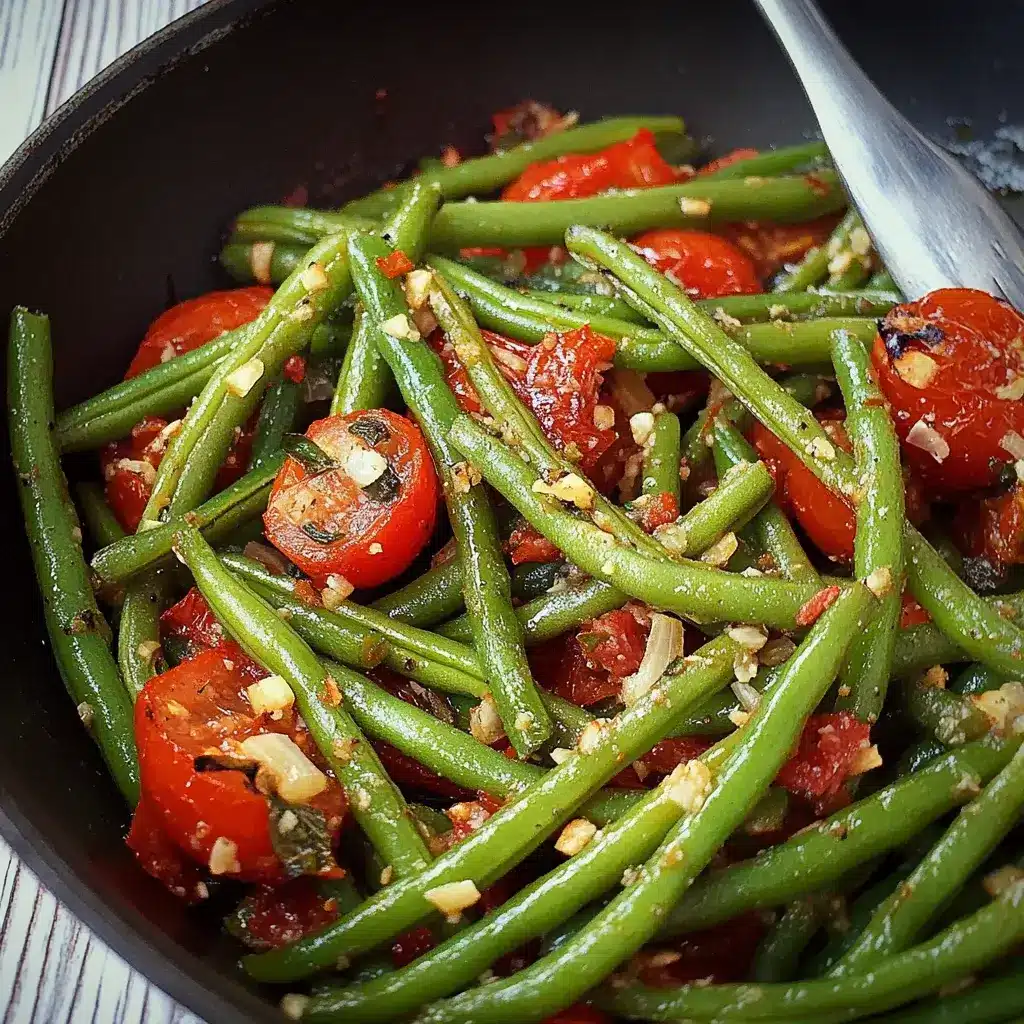

This isn’t just another roasted vegetable recipe; it’s my secret weapon for turning simple, humble ingredients into a side dish that consistently steals the show. I remember the first time I threw green beans and cherry tomatoes onto a sheet pan with a generous amount of garlic, a drizzle of olive oil, and a sprinkle of salt and pepper. I wasn’t expecting much, just a quick and easy way to get some vegetables on the table. But when I pulled that pan from the oven, the aroma was incredible – sweet, garlicky, and deeply savory. The green beans were tender-crisp with beautifully charred spots, the tomatoes had burst into jammy pockets of sweetness, and the garlic was soft and caramelized. My family, who sometimes needs coaxing to eat their greens, devoured it. My son, who usually picks around tomatoes, was actually spooning the roasted ones onto his plate! Since then, “those amazing roasted green beans and tomatoes” have become a regular request. It’s a testament to how simple, high-quality ingredients, treated with a little heat and care, can create something truly magical.
The Perfect Harmony: Roasted Green Beans and Tomatoes with Garlic
Roasted Green Beans and Tomatoes with Garlic is a culinary embodiment of simplicity meeting elegance. This vibrant, flavorful, and incredibly easy-to-make side dish transforms everyday vegetables into a gourmet experience. The high heat of the oven coaxes out the natural sweetness of the cherry or grape tomatoes, causing them to burst and mingle their juices with the tender-crisp green beans. The garlic, roasted alongside, becomes soft, mellow, and wonderfully aromatic, infusing the entire dish with its savory essence. Drizzled with good quality olive oil and seasoned perfectly, this dish is not only a feast for the taste buds but also a visually appealing addition to any meal with its bright greens and deep reds.
Why This Roasting Method Elevates Simple Vegetables
Roasting vegetables is a culinary technique that does far more than just cook them; it transforms them, unlocking depths of flavor and creating irresistible textures that other cooking methods often can’t achieve. Here’s why roasting is the star of this green bean and tomato dish:
- Intensified Sweetness through Caramelization: As the green beans and especially the tomatoes are exposed to the dry, high heat of the oven, their natural sugars begin to caramelize. This process creates a beautiful browning on the surface and a remarkable depth of sweet, slightly smoky flavor that is far more complex than what you’d get from steaming or boiling. The tomatoes become particularly jammy and concentrated.
- Enhanced Savory Notes (Maillard Reaction): Beyond caramelization, the Maillard reaction also takes place. This complex set of chemical reactions between amino acids and reducing sugars gives browned food its distinctive savory, umami-rich flavor. You’ll notice this particularly in the slightly charred bits of the green beans and the roasted garlic.
- Improved Texture: Roasting helps to remove excess moisture from the vegetables. This results in green beans that are tender-crisp rather than mushy, maintaining a pleasant bite. The tomatoes soften and burst, releasing their flavorful juices, while their skins can get slightly blistered and chewy in a delightful way. The garlic becomes soft and spreadable.
- Mellowing of Strong Flavors: Raw garlic can be pungent and sharp. Roasting tames its intensity, making it sweet, nutty, and mellow, allowing its aromatic qualities to perfume the entire dish without overpowering it.
- Simplicity and Efficiency (Sheet Pan Magic): Roasting is often a hands-off cooking method. Once the vegetables are prepped and in the oven, they require minimal attention. Using a single sheet pan means less cleanup, making it a practical choice for busy weeknight dinners or when entertaining.
- Better Nutrient Retention (Compared to Boiling): While some nutrient loss is inevitable with any cooking method, roasting generally leads to better retention of water-soluble vitamins compared to boiling, where nutrients can leach into the cooking water.
- Versatility in Flavor Additions: The roasting process is highly amenable to various flavor enhancements. The olive oil helps conduct heat and adds richness, while salt and pepper are fundamental. However, you can easily incorporate herbs, spices, or a finishing touch of balsamic vinegar or lemon juice to customize the flavor profile.
In essence, roasting takes humble green beans, tomatoes, and garlic and elevates them from simple produce to a dish bursting with concentrated flavors and appealing textures, making them far more enticing and delicious.
Gathering Your Garden-Fresh Ingredients
For the best flavor, try to use the freshest ingredients you can find. This dish truly shines when made with produce at its peak.
- Fresh Green Beans: 1 pound (about 450g), ends trimmed. French haricots verts also work wonderfully and may cook slightly faster.
- Cherry or Grape Tomatoes: 1 pint (about 2 cups or 300-350g). A mix of colors (red, yellow, orange) can make the dish even more visually appealing. Larger tomatoes can be used if cut into bite-sized pieces.
- Garlic: 4-6 cloves, peeled and thinly sliced or roughly minced. The amount can be adjusted to your preference. For a milder flavor, you can leave the cloves whole or halved.
- Extra Virgin Olive Oil: 2-3 tablespoons. Use a good quality oil for the best flavor.
- Fine Sea Salt: 1/2 to 1 teaspoon, or to taste.
- Freshly Ground Black Pepper: 1/4 to 1/2 teaspoon, or to taste.
- (Optional) Red Pepper Flakes: A pinch or 1/4 teaspoon for a hint of warmth.
- (Optional for Garnish) Fresh Herbs: Such as fresh basil, parsley, thyme, or oregano, chopped.
- (Optional for Finishing) Lemon Zest or Balsamic Glaze: For an extra pop of brightness or sweetness.
Ingredient Notes:
- Green Beans: Look for beans that are firm, smooth, and snap easily. Avoid any that are limp, bruised, or overly thick and tough.
- Tomatoes: Choose tomatoes that are ripe but still firm, with vibrant color and a sweet aroma. Overripe tomatoes can become too mushy.
- Garlic: Fresh garlic cloves are essential. Avoid pre-minced jarred garlic if possible, as the flavor is not as bright or nuanced.
Step-by-Step Roasting to Perfection
Follow these simple steps to achieve perfectly roasted green beans and tomatoes every time.
- Preheat Oven and Prepare Baking Sheet: Preheat your oven to 400°F (200°C). Line a large, rimmed baking sheet with parchment paper for easy cleanup, if desired. Using a large enough baking sheet is crucial to ensure the vegetables roast rather than steam.
- Prepare the Vegetables:
- Green Beans: Wash the green beans thoroughly and pat them dry. Trim off the stem ends. If they are very long, you can cut them in half for easier eating.
- Tomatoes: Rinse the cherry or grape tomatoes and pat them dry. You can leave them whole. If using larger tomatoes, cut them into 1-inch chunks.
- Garlic: Peel the garlic cloves. You can thinly slice them, roughly mince them, or even leave them whole if you prefer a very mellow garlic flavor (whole cloves will take longer to soften). If using minced or thinly sliced garlic, be mindful it can burn faster; some prefer to add it partway through roasting.
- Combine Ingredients: In a large bowl, combine the trimmed green beans, tomatoes, and prepared garlic.
- Season Generously: Drizzle the vegetables with 2-3 tablespoons of extra virgin olive oil. Sprinkle with salt, freshly ground black pepper, and red pepper flakes (if using). Toss everything together gently but thoroughly with your hands or a large spoon until the vegetables are evenly coated with oil and seasonings.
- Arrange on Baking Sheet: Spread the seasoned vegetables in a single layer on the prepared baking sheet. It’s important not to overcrowd the pan. If necessary, use two baking sheets. Overcrowding will cause the vegetables to steam instead of roast, and you won’t get those desirable crispy edges and caramelized flavors.
- Roast: Place the baking sheet in the preheated oven. Roast for 15-25 minutes. The exact time will depend on the thickness of your green beans and the size of your tomatoes, as well as your oven’s specific performance.
- After about 10-12 minutes, you can give the vegetables a stir or shake the pan to promote even cooking.
- If you’re worried about minced/sliced garlic burning, you can add it to the pan during the last 10 minutes of roasting.
- Check for Doneness: The green beans should be tender-crisp and slightly wrinkled, with some charred spots. The tomatoes should be softened, wrinkled, and some may have burst, releasing their juices. The garlic should be fragrant and softened (if sliced/minced) or tender (if whole).
- Rest and Serve: Once cooked to your liking, remove the baking sheet from the oven. If desired, you can now toss the roasted vegetables with fresh herbs (like basil or parsley), a squeeze of fresh lemon juice, a grating of lemon zest, or a drizzle of balsamic glaze for extra flavor.
- Serve Warm: Serve immediately as a delicious side dish.
This simple process yields a side dish that is packed with flavor and texture, proving that minimal effort can lead to maximum deliciousness.
Nutritional Highlights: A Healthy & Flavorful Side
This dish of Roasted Green Beans and Tomatoes with Garlic is not only delicious but also packed with nutritional benefits, making it a fantastic addition to a healthy eating plan.
- Servings: This recipe typically yields 4-6 side dish servings.
- Calories per serving (approximate): A single serving (based on 1/5th of the recipe) is approximately 100-150 calories. This can vary slightly based on the exact amount of olive oil used and the size of the vegetables.
Key Nutritional Benefits:
- Green Beans:
- Low in Calories, High in Fiber: Green beans are excellent for digestive health and can help with satiety.
- Vitamins: A good source of Vitamin K (important for blood clotting and bone health), Vitamin C (an antioxidant that supports the immune system), and Vitamin A (important for vision and skin health). They also contain folate.
- Minerals: Provide manganese, potassium, and some iron.
- Tomatoes:
- Lycopene Powerhouse: Tomatoes are famous for their high lycopene content, a powerful antioxidant linked to reducing the risk of certain cancers (especially prostate cancer) and heart disease. Cooking tomatoes, as in roasting, can actually increase the bioavailability of lycopene.
- Vitamins: Rich in Vitamin C, Vitamin K, and potassium. Also provide Vitamin A and folate.
- Low in Calories: Contribute significant flavor and nutrients for very few calories.
- Garlic:
- Allicin and Other Compounds: Garlic contains potent sulfur compounds like allicin, known for their immune-boosting, anti-inflammatory, and cardiovascular benefits.
- Vitamins and Minerals: Contains Vitamin C, Vitamin B6, manganese, and selenium in smaller amounts.
- Extra Virgin Olive Oil:
- Healthy Fats: Primarily monounsaturated fats (oleic acid), which are heart-healthy and can help reduce bad cholesterol levels.
- Antioxidants: Contains polyphenols, which have antioxidant and anti-inflammatory properties.
Overall:
- Rich in Antioxidants: The combination of tomatoes, garlic, green beans, and olive oil provides a wide array of antioxidants that help fight oxidative stress and protect cells from damage.
- Supports Heart Health: The fiber, potassium, healthy fats, and antioxidants all contribute to cardiovascular wellness.
- Good for Digestion: The fiber content aids in regular digestion and promotes a healthy gut.
- Naturally Gluten-Free, Dairy-Free, Vegan, and Paleo-Friendly: This dish fits into many dietary preferences and restrictions.
By choosing this roasted vegetable side, you’re opting for a dish that is not only bursting with flavor but also contributes positively to your overall health and well-being.
Quick to Prep, Quick to Enjoy: Time Breakdown
This Roasted Green Beans and Tomatoes with Garlic recipe is celebrated for its simplicity and relatively quick turnaround, making it an excellent choice for both weeknight meals and easy entertaining.
- Preparation Time: Approximately 10-15 minutes.
- This includes:
- Washing and trimming the green beans (5-7 minutes).
- Washing tomatoes (1 minute).
- Peeling and slicing/mincing garlic (2-3 minutes).
- Tossing vegetables with oil and seasonings (2-3 minutes).
- This includes:
- Cooking Time (Roasting): Approximately 15-25 minutes.
- The exact time will vary depending on your oven’s efficiency, the desired level of char, and the thickness/size of your vegetables.
- Total Time (from start to finish): Approximately 25-40 minutes.
Efficiency Tips:
- You can often prep the vegetables while the oven is preheating.
- If you buy pre-washed green beans, it can save a few minutes of prep.
- Using whole or halved garlic cloves instead of minced/sliced reduces chopping time, though they will yield a milder flavor and require the full roasting time to soften.
This quick timeline means you can have a vibrant, flavorful, and healthy side dish on the table with minimal fuss, allowing you to focus on your main course or simply enjoy more time out of the kitchen.
How to Serve Your Roasted Vegetables with Flair
Roasted Green Beans and Tomatoes with Garlic is a versatile side dish that pairs beautifully with a wide array of main courses and can even be incorporated into other dishes. Here are some ideas to serve them with flair:
- As a Classic Side Dish:
- Grilled or Roasted Meats: Perfect alongside grilled chicken breast, roasted salmon, pan-seared steak, pork tenderloin, or lamb chops. The vibrant colors and fresh flavors provide a lovely contrast to richer meats.
- Poultry: Complements roast turkey or chicken wonderfully, especially for holiday meals.
- Fish: Pairs well with baked cod, tilapia, or any flaky white fish.
- Incorporated into Main Courses:
- Pasta Toss: Toss the warm roasted vegetables with your favorite cooked pasta (penne, farfalle, orzo, or linguine work well), a splash of pasta water, and some grated Parmesan or Pecorino Romano cheese for a quick and satisfying vegetarian meal. Add grilled shrimp or chicken for extra protein.
- Grain Bowls: Serve over a bed of cooked quinoa, couscous, farro, or brown rice. Drizzle with a light vinaigrette or tahini dressing.
- Frittatas or Omelets: Chop any leftovers and add them to egg dishes for a flavorful breakfast or brunch.
- On Top of Pizzas or Flatbreads: Use as a gourmet topping before baking.
- Salad Addition: Allow to cool slightly and add to a hearty green salad or a Mediterranean-style salad with feta cheese and olives.
- With Specific Enhancements at Serving:
- Fresh Herb Garnish: Sprinkle generously with freshly chopped herbs like:
- Basil: Adds a sweet, peppery note.
- Parsley: Provides freshness.
- Thyme or Oregano: Offer earthy, Mediterranean flavors.
- Cheese Finish:
- Parmesan: A shaving or grating of Parmesan cheese adds a salty, umami kick.
- Feta: Crumbled feta cheese brings a tangy, salty element.
- Goat Cheese: Dollops of creamy goat cheese melt slightly into the warm vegetables.
- Acidic Brightness:
- Lemon Zest and/or Juice: A squeeze of fresh lemon juice or a sprinkle of lemon zest right before serving brightens all the flavors.
- Balsamic Glaze: A drizzle of good quality balsamic glaze adds a touch of sweetness and tang.
- Nutty Crunch:
- Toasted Pine Nuts or Almonds: Sprinkle over the top for added texture and nutty flavor.
- Fresh Herb Garnish: Sprinkle generously with freshly chopped herbs like:
- Buffet or Potluck Star: This dish travels well (serve warm or at room temperature) and is always a colorful and popular addition to a buffet spread.
No matter how you choose to serve them, these roasted vegetables are sure to impress with their depth of flavor and appealing presentation.
Pro Tips for the Best Roasted Green Beans and Tomatoes (5 tips)
To ensure your Roasted Green Beans and Tomatoes with Garlic turn out perfectly every time, keep these professional tips in mind:
- Don’t Overcrowd the Pan – Embrace Space! This is the golden rule of roasting. Vegetables release moisture as they cook. If they are packed too tightly on the baking sheet, they will steam in their own liquid rather than roast. This results in soft, sometimes mushy vegetables instead of ones that are nicely caramelized with tender-crisp textures. Use a large enough rimmed baking sheet, or divide the vegetables between two pans if necessary, ensuring they are in a single, even layer with some space around them.
- Ensure Vegetables are Dry Before Oiling: After washing your green beans and tomatoes, pat them thoroughly dry with a clean kitchen towel or paper towels. Excess surface moisture will hinder browning and can lead to steaming rather than roasting, similar to overcrowding. Oil and water don’t mix well, and dry vegetables will allow the olive oil to coat them more effectively for better heat transfer and caramelization.
- High Heat is Your Friend (But Monitor Garlic): Roasting typically requires a relatively high oven temperature, like 400°F (200°C) or even 425°F (220°C). This high heat is crucial for achieving good caramelization and those desirable slightly charred bits. However, be mindful of thinly sliced or minced garlic, which can burn quickly at high temperatures, becoming bitter. To prevent this, you can either:
- Use larger pieces of garlic (halved or whole cloves).
- Add the minced/sliced garlic to the pan only during the last 10-12 minutes of roasting.
- Tuck the garlic pieces under some of the tomatoes to protect them slightly.
- Use Good Quality Olive Oil and Season Generously: The quality of your olive oil will make a noticeable difference in the final flavor. Choose a good extra virgin olive oil. Don’t be shy with seasoning; vegetables need adequate salt to bring out their natural flavors. Freshly ground black pepper adds a nice kick. Taste and adjust seasoning after roasting if needed.
- Cut for Uniformity (Where Applicable): While cherry/grape tomatoes can be left whole and green beans are fairly uniform, if you’re adding other vegetables or using larger tomatoes, try to cut them into roughly similar-sized pieces. This ensures that everything cooks evenly and you don’t end up with some pieces perfectly roasted while others are undercooked or overcooked. For this specific recipe, the slight variation in cooking between the beans and small tomatoes is part of its charm, as tomatoes will burst while beans become tender-crisp.
By following these tips, you’ll maximize flavor, achieve the perfect texture, and create a truly memorable roasted vegetable dish.
Frequently Asked Questions (FAQ) About Roasting Vegetables
Here are some common questions and answers regarding this Roasted Green Beans and Tomatoes with Garlic recipe and roasting vegetables in general:
Q1: Can I use frozen green beans for this recipe?
A: Yes, you can use frozen green beans, but the texture might be slightly different – they tend to be softer and may not get as crispy as fresh ones. For best results, do not thaw them completely before roasting, or if you do, pat them extremely dry. Roasting them directly from frozen (or mostly frozen) can help prevent them from becoming too mushy, though they may release more water. You might need to increase the roasting time slightly.
Q2: What other types of tomatoes can I use besides cherry or grape tomatoes?
A: Cherry or grape tomatoes are ideal because they hold their shape well, offer a good skin-to-pulp ratio, and their sweetness concentrates beautifully. However, you can use other tomatoes. If using Roma tomatoes, quarter or dice them. If using larger slicing tomatoes (like beefsteak), cut them into 1 to 1.5-inch chunks. Be aware that larger, juicier tomatoes might release more liquid, so ensure your pan isn’t overcrowded.
Q3: How do I prevent the garlic from burning while roasting?
A: Minced or thinly sliced garlic can indeed burn easily at high roasting temperatures. To prevent this:
* Add it later: Toss the green beans and tomatoes with oil and seasoning, roast for about 10 minutes, then add the garlic and continue roasting.
* Use larger pieces: Leave garlic cloves whole, halved, or thickly sliced. These take longer to burn and will become sweet and mellow.
* Tuck it under: Nestle the garlic pieces underneath some of the tomatoes or green beans to shield them from direct heat.
* Roast garlic separately (less ideal for this dish): Roast whole heads of garlic separately and squeeze out the cloves later.
Q4: Can I add other vegetables to this dish?
A: Absolutely! This recipe is very adaptable. Consider adding:
* Onions: Sliced red onion or wedges of yellow onion.
* Bell Peppers: Sliced red, yellow, or orange bell peppers.
* Zucchini or Yellow Squash: Cut into chunks or thick half-moons.
* Asparagus: Add during the last 10-12 minutes of roasting.
* Mushrooms: Halved or quartered cremini or button mushrooms.
Keep in mind that different vegetables have different cooking times, so you may need to add heartier vegetables earlier or more delicate ones later.
Q5: Can I make these roasted green beans and tomatoes ahead of time?
A: Yes, you can. Roasted vegetables are often delicious served warm or at room temperature. You can roast them a few hours ahead and let them sit at room temperature. For longer storage, refrigerate them (see storage section). While they are best enjoyed fresh from the oven for optimal texture, they are still very good when made ahead.
Storing and Reheating Your Roasted Delights
Proper storage and reheating can help you enjoy your Roasted Green Beans and Tomatoes with Garlic even after the initial meal.
Storing Leftovers:
- Cool Completely: Allow the roasted vegetables to cool down to room temperature before storing. Storing them while still hot can create condensation, leading to sogginess.
- Airtight Container: Transfer the cooled vegetables to an airtight container.
- Refrigerate: Store in the refrigerator for up to 3-4 days. The texture of the green beans might soften slightly over time, but the flavors will still be good.
Freezing (Not Highly Recommended for Best Texture):
While you can freeze roasted vegetables, it’s generally not recommended for this particular combination if you want to maintain the best texture. Upon thawing, the green beans can become quite soft and the tomatoes can become watery and lose their structure. If you do choose to freeze, spread them in a single layer on a baking sheet to flash freeze, then transfer to a freezer-safe bag or container for up to 2-3 months. Thaw in the refrigerator.
Reheating Options:
- Oven or Toaster Oven (Best Method for Texture):
- Preheat your oven or toaster oven to 350-375°F (175-190°C).
- Spread the leftover roasted vegetables in a single layer on a baking sheet.
- Reheat for 5-10 minutes, or until warmed through. This method helps to retain some of the original roasted texture and can even crisp them up a bit.
- Stovetop (Good Alternative):
- Heat a tablespoon of olive oil in a skillet over medium heat.
- Add the leftover roasted vegetables and sauté for 3-5 minutes, stirring occasionally, until warmed through. This can also help to revive some of the crispness.
- Microwave (Quickest, but May Affect Texture):
- Place the vegetables in a microwave-safe dish.
- Reheat in 30-second intervals, stirring in between, until warmed through.
- Be aware that microwaving is more likely to make the green beans softer and the tomatoes may release more liquid. It’s convenient but not ideal for maintaining the best texture.
Serving Reheated Vegetables:
Once reheated, you might want to refresh the flavors with a squeeze of fresh lemon juice or a sprinkle of fresh herbs.
Conclusion: A Simple Dish, Bursting with Flavor
The beauty of Roasted Green Beans and Tomatoes with Garlic lies in its profound simplicity. It’s a testament to the idea that you don’t need complicated techniques or a long list of exotic ingredients to create something truly delicious and satisfying. With just a handful of fresh, wholesome components, a hot oven, and a little bit of care, you can transform everyday vegetables into a vibrant, flavorful, and elegant side dish that complements almost any meal. The sweet burst of roasted tomatoes, the tender-crisp char of green beans, and the mellow, aromatic kiss of garlic create a symphony of tastes and textures that is both comforting and sophisticated. Whether you’re looking for a quick weeknight side, an easy yet impressive offering for guests, or a healthy way to enjoy seasonal produce, this recipe is a reliable winner that will undoubtedly earn a permanent spot in your culinary repertoire.
Print
Roasted Green Beans and Tomatoes with Garlic recipe
Ingredients
- Fresh Green Beans: 1 pound (about 450g), ends trimmed. French haricots verts also work wonderfully and may cook slightly faster.
- Cherry or Grape Tomatoes: 1 pint (about 2 cups or 300-350g). A mix of colors (red, yellow, orange) can make the dish even more visually appealing. Larger tomatoes can be used if cut into bite-sized pieces.
- Garlic: 4-6 cloves, peeled and thinly sliced or roughly minced. The amount can be adjusted to your preference. For a milder flavor, you can leave the cloves whole or halved.
- Extra Virgin Olive Oil: 2-3 tablespoons. Use a good quality oil for the best flavor.
- Fine Sea Salt: 1/2 to 1 teaspoon, or to taste.
- Freshly Ground Black Pepper: 1/4 to 1/2 teaspoon, or to taste.
- (Optional) Red Pepper Flakes: A pinch or 1/4 teaspoon for a hint of warmth.
- (Optional for Garnish) Fresh Herbs: Such as fresh basil, parsley, thyme, or oregano, chopped.
- (Optional for Finishing) Lemon Zest or Balsamic Glaze: For an extra pop of brightness or sweetness.
Instructions
- Preheat Oven and Prepare Baking Sheet: Preheat your oven to 400°F (200°C). Line a large, rimmed baking sheet with parchment paper for easy cleanup, if desired. Using a large enough baking sheet is crucial to ensure the vegetables roast rather than steam.
- Prepare the Vegetables:
- Green Beans: Wash the green beans thoroughly and pat them dry. Trim off the stem ends. If they are very long, you can cut them in half for easier eating.
- Tomatoes: Rinse the cherry or grape tomatoes and pat them dry. You can leave them whole. If using larger tomatoes, cut them into 1-inch chunks.
- Garlic: Peel the garlic cloves. You can thinly slice them, roughly mince them, or even leave them whole if you prefer a very mellow garlic flavor (whole cloves will take longer to soften). If using minced or thinly sliced garlic, be mindful it can burn faster; some prefer to add it partway through roasting.
- Combine Ingredients: In a large bowl, combine the trimmed green beans, tomatoes, and prepared garlic.
- Season Generously: Drizzle the vegetables with 2-3 tablespoons of extra virgin olive oil. Sprinkle with salt, freshly ground black pepper, and red pepper flakes (if using). Toss everything together gently but thoroughly with your hands or a large spoon until the vegetables are evenly coated with oil and seasonings.
- Arrange on Baking Sheet: Spread the seasoned vegetables in a single layer on the prepared baking sheet. It’s important not to overcrowd the pan. If necessary, use two baking sheets. Overcrowding will cause the vegetables to steam instead of roast, and you won’t get those desirable crispy edges and caramelized flavors.
- Roast: Place the baking sheet in the preheated oven. Roast for 15-25 minutes. The exact time will depend on the thickness of your green beans and the size of your tomatoes, as well as your oven’s specific performance.
- After about 10-12 minutes, you can give the vegetables a stir or shake the pan to promote even cooking.
- If you’re worried about minced/sliced garlic burning, you can add it to the pan during the last 10 minutes of roasting.
- Check for Doneness: The green beans should be tender-crisp and slightly wrinkled, with some charred spots. The tomatoes should be softened, wrinkled, and some may have burst, releasing their juices. The garlic should be fragrant and softened (if sliced/minced) or tender (if whole).
- Rest and Serve: Once cooked to your liking, remove the baking sheet from the oven. If desired, you can now toss the roasted vegetables with fresh herbs (like basil or parsley), a squeeze of fresh lemon juice, a grating of lemon zest, or a drizzle of balsamic glaze for extra flavor.
- Serve Warm: Serve immediately as a delicious side dish.
This simple process yields a side dish that is packed with flavor and texture, proving that minimal effort can lead to maximum deliciousness.
Nutrition
- Serving Size: one normal portion
- Calories: 100-150