
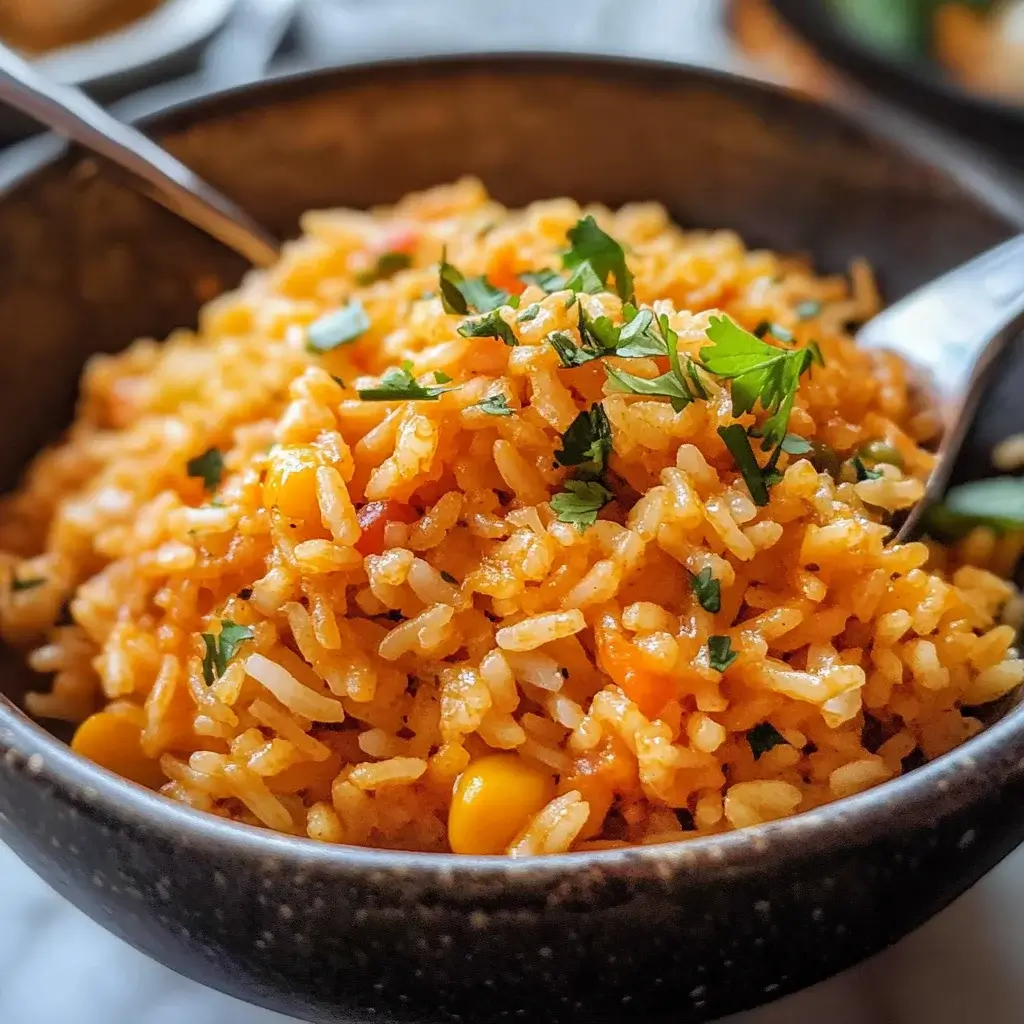

Let me tell you, mastering Restaurant Style Mexican Red Rice has been a game-changer in my kitchen. For years, I tried to replicate that fluffy, flavorful rice you get at your favorite Mexican restaurant, and let’s just say, the results were… varied. Sometimes it was mushy, sometimes it was bland, and sometimes it was just plain wrong. But after countless attempts, tweaking recipes, and even a little help from a lovely abuela at my local market, I finally cracked the code. This recipe is it. It’s the real deal. The rice comes out perfectly fluffy, with that signature vibrant red color and a depth of flavor that transports you straight to a bustling Mexican cocina. My family absolutely devours it. Taco nights are no longer complete without a generous serving of this red rice, and even my kids, who are usually picky about grains, ask for seconds (and sometimes thirds!). If you’ve ever craved that authentic, restaurant-quality Mexican red rice at home, look no further. This recipe is your ticket to unlocking that delicious secret and bringing a little fiesta to your dinner table any night of the week. Prepare to be amazed at how easy it is to create this iconic dish in your own kitchen!
Ingredients: The Foundation of Authentic Flavor
The magic of Restaurant Style Mexican Red Rice lies in the simplicity and quality of its ingredients. While the list is short, each component plays a crucial role in achieving that signature taste and texture. Here’s what you’ll need to gather to create your own restaurant-worthy Mexican red rice:
- 1 cup Long Grain Rice: Long grain rice is the key to achieving that fluffy, separate texture characteristic of authentic Mexican red rice. Avoid short grain or medium grain rice, as they tend to become too sticky and mushy. Jasmine rice can also be used for a slightly more fragrant variation.
- 2 tablespoons Vegetable Oil: Vegetable oil, canola oil, or corn oil are all suitable neutral oils for cooking the rice. Olive oil can be used, but its flavor might be slightly more pronounced. Lard or rendered chicken fat can be used for a richer, more traditional flavor if desired.
- ½ cup Onion, finely chopped: Yellow or white onion works best. Finely chopping ensures it cooks down and blends seamlessly into the rice, adding subtle sweetness and savory depth.
- 1 clove Garlic, minced: Fresh garlic is essential for that authentic savory flavor. Mince it finely to release its aromatics and ensure even distribution throughout the rice.
- 1 ½ cups Chicken Broth: Chicken broth is the traditional liquid used in Mexican red rice, adding richness and depth of flavor. Low-sodium chicken broth is recommended to control the salt level. Vegetable broth can be used for a vegetarian version.
- 1 cup Tomato Sauce: Tomato sauce is what gives Mexican red rice its signature red color and tangy flavor. Use a good quality tomato sauce for the best taste. Tomato puree can be used in a pinch, but you might need to add a little more liquid to adjust the consistency.
- 1 tablespoon Tomato Paste: Tomato paste intensifies the tomato flavor and adds richness and depth of color. It’s a key ingredient for achieving that restaurant-style flavor.
- 1 teaspoon Ground Cumin: Cumin is a quintessential Mexican spice, adding warmth and earthy notes that complement the tomato and rice perfectly.
- ½ teaspoon Salt: Salt is essential for seasoning and enhancing the flavors of all the ingredients. Adjust to taste, especially if using low-sodium broth.
- ¼ teaspoon Black Pepper: Freshly ground black pepper adds a subtle layer of spice and complexity.
- Optional: 1 Bay Leaf: A bay leaf adds a subtle aromatic depth to the rice. Remove it before serving.
- Optional Garnish: Fresh Cilantro, chopped: Fresh cilantro adds a bright, herbaceous finish and a pop of color.
Ingredient Notes and Substitutions for Culinary Flexibility:
- Rice Variety: While long grain rice is traditional, you can experiment with other long grain varieties like Basmati rice for a slightly different flavor and aroma. Avoid short grain rice as it will result in a sticky, risotto-like texture that is not typical of Mexican red rice.
- Broth Options: Chicken broth is classic, but vegetable broth is a great vegetarian alternative. For an even richer flavor, you can use homemade chicken stock or bone broth. If you don’t have broth on hand, you can use water, but the flavor will be less complex. Consider adding a bouillon cube or chicken/vegetable base to water for added flavor if using water.
- Tomato Component: Using both tomato sauce and tomato paste is crucial for achieving the right flavor and color. If you only have tomato puree, use about ¾ cup and add a little extra broth or water to reach the desired liquid consistency. Some recipes use fresh tomatoes, but for restaurant-style consistency and ease, canned tomato sauce and paste are preferred.
- Spice Adjustments: Cumin is the primary spice, but you can add a pinch of chili powder or smoked paprika for a slightly smoky or spicy variation. For a brighter flavor, a pinch of oregano can also be added. Adjust the salt and pepper to your taste preferences.
- Vegetable Additions: While the recipe focuses on classic red rice, you can add vegetables like finely diced carrots, peas, or corn to the rice for added nutrition and texture. Sauté them with the onion and garlic.
Instructions: Mastering the Art of Fluffy Red Rice
Follow these step-by-step instructions to create perfectly fluffy and flavorful Restaurant Style Mexican Red Rice every time. The key is in the toasting of the rice and the precise liquid ratio.
- Rinse the Rice (Optional but Recommended): Place the rice in a fine-mesh sieve and rinse under cold running water until the water runs clear. This removes excess starch and helps prevent the rice from becoming sticky. Drain well.
- Toast the Rice: In a medium saucepan or Dutch oven with a tight-fitting lid, heat the vegetable oil over medium heat. Add the rinsed and drained rice and cook, stirring constantly, for 3-5 minutes, or until the rice is lightly toasted and opaque. Toasting the rice is a crucial step! It enhances the flavor and helps the grains stay separate and fluffy during cooking. The rice should become slightly fragrant and take on a light golden hue. Be careful not to burn the rice.
- Sauté Aromatics: Add the chopped onion and minced garlic to the saucepan with the toasted rice. Sauté, stirring occasionally, for 2-3 minutes, or until the onion is softened and translucent and the garlic is fragrant. Be careful not to burn the garlic.
- Add Tomato and Spices: Stir in the tomato sauce, tomato paste, ground cumin, salt, and black pepper (and bay leaf, if using). Cook, stirring constantly, for 1-2 minutes, allowing the tomato paste to caramelize slightly and the spices to bloom and become fragrant. This step intensifies the flavor of the dish.
- Add Broth and Simmer: Pour in the chicken broth (or vegetable broth). Bring the mixture to a boil over high heat. Once boiling, reduce the heat to the lowest setting, cover the saucepan tightly with the lid, and simmer for 18-20 minutes, or until all the liquid is absorbed and the rice is tender. Do not lift the lid during the simmering process! Steaming the rice is essential for achieving the right texture.
- Rest and Fluff: After 18-20 minutes, remove the saucepan from the heat and let it stand, covered, for 5-10 minutes. This allows the rice to fully steam and finish cooking, resulting in perfect fluffiness. Remove the bay leaf if used.
- Fluff and Serve: Remove the lid and gently fluff the rice with a fork. Be careful not to mash the grains. Garnish with fresh cilantro, if desired, and serve hot.
Tips for Perfect Red Rice:
- Don’t Skip Toasting: Toasting the rice is not just an extra step; it’s essential for flavor and texture. It prevents mushiness and adds a nutty depth.
- Low and Slow Simmer: Simmering the rice on the lowest heat setting, covered tightly, is crucial for even cooking and preventing scorching.
- Resist Lifting the Lid: Peeking while the rice is simmering releases steam and can disrupt the cooking process, leading to unevenly cooked rice. Trust the timer!
- Resting is Key: The resting period after cooking is just as important as the simmering time. It allows the steam to redistribute and the rice to become perfectly fluffy.
- Fluff Gently: When fluffing the rice, use a fork and gently lift and separate the grains. Avoid stirring vigorously, which can make the rice sticky.
Nutrition Facts (per serving)
(Please note: Nutritional information is an estimate and can vary based on specific ingredients and portion sizes.)
Servings: 6
Approximate Calories per Serving: 200-250 calories
Approximate Breakdown (per serving):
- Fat: 5-7g (primarily from vegetable oil)
- Saturated Fat: <1g
- Cholesterol: 0mg
- Sodium: 300-400mg (depending on broth used)
- Carbohydrates: 35-40g
- Fiber: 1-2g
- Sugar: 3-5g (naturally occurring in tomatoes and onions)
- Protein: 4-5g
Nutritional Highlights:
- Good source of carbohydrates for energy.
- Provides a small amount of protein and fiber.
- Relatively low in fat and cholesterol.
- Source of vitamins and minerals from tomatoes, onions, and garlic.
(For more accurate nutritional information, use a recipe analyzer tool and input the specific brands and quantities of ingredients you use.)
Preparation Time
- Prep Time: 15 minutes (includes rinsing rice, chopping vegetables, and measuring ingredients)
- Cook Time: 25-30 minutes (includes toasting, sautéing, simmering, and resting)
- Total Time: 40-45 minutes
Time-Saving Tips:
- Pre-chop Vegetables: Chop the onion and garlic ahead of time to save a few minutes during cooking.
- Use Pre-minced Garlic: While fresh is preferred, pre-minced garlic from a jar can save time.
- Measure Ingredients in Advance: Have all your ingredients measured out and ready to go before you start cooking to streamline the process.
How to Serve
Restaurant Style Mexican Red Rice is incredibly versatile and is the perfect accompaniment to a wide variety of Mexican dishes and beyond. Here are some serving suggestions:
Classic Mexican Dishes:
- Tacos: The quintessential pairing! Serve red rice alongside your favorite tacos – carne asada, chicken, carnitas, vegetarian, and more.
- Burritos and Bowls: Include red rice as a base for burritos, burrito bowls, and enchilada bowls. It adds substance and flavor to these dishes.
- Enchiladas: Serve as a side dish to enchiladas, whether they are cheese, chicken, or beef enchiladas.
- Fajitas: Accompany sizzling fajitas with a side of fluffy red rice to complete the meal.
- Chili: Mexican red rice is a delicious and flavorful alternative to plain white rice with chili.
Beyond Mexican Cuisine:
- Grilled Meats: Pair red rice with grilled chicken, steak, pork, or fish for a flavorful and satisfying meal.
- Roasted Vegetables: Serve alongside roasted vegetables like bell peppers, zucchini, onions, and corn for a vegetarian or vegan option.
- Beans and Legumes: Combine red rice with black beans, pinto beans, or lentils for a hearty and protein-rich vegetarian meal.
- Stuffed Peppers: Use red rice as a flavorful filling for stuffed bell peppers or poblano peppers.
- Salads: Add cooled red rice to salads for added texture and flavor.
Garnishing Ideas:
- Fresh Cilantro: The classic garnish! Adds freshness and a pop of color.
- Lime Wedges: A squeeze of fresh lime juice brightens up the flavors and adds a tangy touch.
- Pico de Gallo: A spoonful of fresh pico de gallo adds vibrant flavor and texture.
- Sour Cream or Mexican Crema: A dollop of sour cream or crema adds creaminess and coolness.
- Queso Fresco or Cotija Cheese: Crumbled Mexican cheese adds salty and cheesy notes.
- Chopped Green Onions: Adds a mild oniony flavor and visual appeal.
Additional Tips for Restaurant-Quality Red Rice
Here are five additional tips to elevate your Restaurant Style Mexican Red Rice to truly authentic and delicious levels:
- Use Quality Tomato Paste: Don’t underestimate the importance of good quality tomato paste. It provides concentrated tomato flavor and richness. Look for double-concentrated tomato paste for the most intense flavor.
- Bloom the Spices: Cooking the spices (cumin, chili powder, etc.) in the oil with the onions and garlic before adding the liquid “blooms” them, releasing their essential oils and intensifying their flavor. This step is crucial for a more flavorful rice dish.
- Adjust Liquid for Desired Texture: While the 1 ½ cups of broth to 1 cup of rice ratio is generally perfect, you can adjust it slightly depending on your preference and altitude. If you prefer slightly drier rice, reduce the broth by ¼ cup. If you prefer slightly softer rice, add an extra ¼ cup of broth.
- Consider Adding Other Aromatics: For extra depth of flavor, you can add other aromatics to the rice. Try sautéing a finely diced jalapeño (seeds removed for less heat) with the onions and garlic, or add a sprig of epazote (a traditional Mexican herb) during simmering (remove before serving).
- Experiment with Different Oils: While vegetable oil is neutral and works well, try using other oils for subtle flavor variations. Corn oil is another neutral option that is commonly used in Mexican cooking. For a richer flavor, you can use rendered chicken fat or lard, which are traditional fats used in authentic Mexican cuisine.
FAQ Section
Q1: Can I make Mexican Red Rice ahead of time?
A: Yes, absolutely! Mexican Red Rice is perfect for making ahead of time. You can prepare it up to 2-3 days in advance and store it in an airtight container in the refrigerator. Reheat it gently in a saucepan over low heat with a tablespoon or two of water or broth to re-moisten it, or microwave it until heated through. The flavors often meld even better after being refrigerated overnight.
Q2: Can I freeze Mexican Red Rice?
A: Yes, you can freeze Mexican Red Rice successfully. Allow the rice to cool completely after cooking. Transfer it to freezer-safe bags or containers, pressing out any excess air. Freeze for up to 2-3 months. To thaw, let it thaw overnight in the refrigerator, or microwave it directly from frozen, adding a little water or broth to prevent it from drying out during reheating.
Q3: My rice is mushy, what did I do wrong?
A: Mushy rice is usually caused by too much liquid or overcooking. Here are a few things to check:
- Liquid Ratio: Ensure you are using the correct liquid ratio (1 ½ cups broth to 1 cup rice). Too much liquid will result in mushy rice.
- Cooking Time: Overcooking can also lead to mushy rice. Stick to the recommended 18-20 minute simmering time and check for doneness.
- Type of Rice: Using short grain or medium grain rice instead of long grain rice will result in stickier, potentially mushy rice.
- Rinsing: Not rinsing the rice can leave excess starch, contributing to mushiness.
Q4: My rice is still hard after cooking, what went wrong?
A: Hard rice usually means it didn’t cook long enough or didn’t have enough liquid. Here are some troubleshooting tips:
- Cooking Time: Ensure you simmered the rice for the full 18-20 minutes.
- Liquid Ratio: You might not have used enough liquid. If the rice is still hard and the liquid is completely absorbed, add ¼ cup more broth or water, cover, and simmer for another 5-10 minutes, checking for doneness.
- Heat Too High: Cooking at too high a heat can cause the liquid to evaporate too quickly before the rice is fully cooked. Ensure you are simmering on the lowest heat setting.
Q5: Can I make this recipe vegetarian/vegan?
A: Yes, absolutely! To make this recipe vegetarian or vegan, simply substitute the chicken broth with vegetable broth. All other ingredients are naturally vegetarian and vegan-friendly. This makes it a wonderfully inclusive dish for everyone to enjoy.
Enjoy making and savoring this authentic Restaurant Style Mexican Red Rice! It’s a recipe that will quickly become a staple in your kitchen, bringing the vibrant flavors of Mexico to your home-cooked meals.
Print
Restaurant Style Mexican Red Rice recipe
Ingredients
-
- 1 cup Long Grain Rice: Long grain rice is the key to achieving that fluffy, separate texture characteristic of authentic Mexican red rice. Avoid short grain or medium grain rice, as they tend to become too sticky and mushy. Jasmine rice can also be used for a slightly more fragrant variation.
-
- 2 tablespoons Vegetable Oil: Vegetable oil, canola oil, or corn oil are all suitable neutral oils for cooking the rice. Olive oil can be used, but its flavor might be slightly more pronounced. Lard or rendered chicken fat can be used for a richer, more traditional flavor if desired.
-
- ½ cup Onion, finely chopped: Yellow or white onion works best. Finely chopping ensures it cooks down and blends seamlessly into the rice, adding subtle sweetness and savory depth.
-
- 1 clove Garlic, minced: Fresh garlic is essential for that authentic savory flavor. Mince it finely to release its aromatics and ensure even distribution throughout the rice.
-
- 1 ½ cups Chicken Broth: Chicken broth is the traditional liquid used in Mexican red rice, adding richness and depth of flavor. Low-sodium chicken broth is recommended to control the salt level. Vegetable broth can be used for a vegetarian version.
-
- 1 cup Tomato Sauce: Tomato sauce is what gives Mexican red rice its signature red color and tangy flavor. Use a good quality tomato sauce for the best taste. Tomato puree can be used in a pinch, but you might need to add a little more liquid to adjust the consistency.
-
- 1 tablespoon Tomato Paste: Tomato paste intensifies the tomato flavor and adds richness and depth of color. It’s a key ingredient for achieving that restaurant-style flavor.
-
- 1 teaspoon Ground Cumin: Cumin is a quintessential Mexican spice, adding warmth and earthy notes that complement the tomato and rice perfectly.
-
- ½ teaspoon Salt: Salt is essential for seasoning and enhancing the flavors of all the ingredients. Adjust to taste, especially if using low-sodium broth.
-
- ¼ teaspoon Black Pepper: Freshly ground black pepper adds a subtle layer of spice and complexity.
-
- Optional: 1 Bay Leaf: A bay leaf adds a subtle aromatic depth to the rice. Remove it before serving.
-
- Optional Garnish: Fresh Cilantro, chopped: Fresh cilantro adds a bright, herbaceous finish and a pop of color.
Instructions
-
- Rinse the Rice (Optional but Recommended): Place the rice in a fine-mesh sieve and rinse under cold running water until the water runs clear. This removes excess starch and helps prevent the rice from becoming sticky. Drain well.
-
- Toast the Rice: In a medium saucepan or Dutch oven with a tight-fitting lid, heat the vegetable oil over medium heat. Add the rinsed and drained rice and cook, stirring constantly, for 3-5 minutes, or until the rice is lightly toasted and opaque. Toasting the rice is a crucial step! It enhances the flavor and helps the grains stay separate and fluffy during cooking. The rice should become slightly fragrant and take on a light golden hue. Be careful not to burn the rice.
-
- Sauté Aromatics: Add the chopped onion and minced garlic to the saucepan with the toasted rice. Sauté, stirring occasionally, for 2-3 minutes, or until the onion is softened and translucent and the garlic is fragrant. Be careful not to burn the garlic.
-
- Add Tomato and Spices: Stir in the tomato sauce, tomato paste, ground cumin, salt, and black pepper (and bay leaf, if using). Cook, stirring constantly, for 1-2 minutes, allowing the tomato paste to caramelize slightly and the spices to bloom and become fragrant. This step intensifies the flavor of the dish.
-
- Add Broth and Simmer: Pour in the chicken broth (or vegetable broth). Bring the mixture to a boil over high heat. Once boiling, reduce the heat to the lowest setting, cover the saucepan tightly with the lid, and simmer for 18-20 minutes, or until all the liquid is absorbed and the rice is tender. Do not lift the lid during the simmering process! Steaming the rice is essential for achieving the right texture.
-
- Rest and Fluff: After 18-20 minutes, remove the saucepan from the heat and let it stand, covered, for 5-10 minutes. This allows the rice to fully steam and finish cooking, resulting in perfect fluffiness. Remove the bay leaf if used.
-
- Fluff and Serve: Remove the lid and gently fluff the rice with a fork. Be careful not to mash the grains. Garnish with fresh cilantro, if desired, and serve hot.
Nutrition
- Serving Size: one normal portion
- Calories: 200-250
- Sugar: 3-5g
- Sodium: 300-400mg
- Fat: 5-7g
- Saturated Fat: 1g
- Carbohydrates: 35-40g
- Fiber: 1-2g
- Protein: 4-5g