

It’s funny, isn’t it? Zucchini, often relegated to the background in casseroles or grilled as a simple side, rarely gets to shine as the star of the show. That was, until I discovered Raw Zucchini Carpaccio. Initially, I was hesitant. Raw zucchini? Would it be bland, watery, or just… well, raw-tasting? But curiosity, and an overflowing garden of zucchini, pushed me to try it. The result? A revelation! This dish is not just good; it’s vibrant, refreshing, and surprisingly flavorful. My family, a mix of adventurous eaters and picky palates, absolutely loved it. Even my son, who usually views vegetables with suspicion, asked for seconds. The delicate sweetness of the zucchini, thinly sliced and dressed in a bright, zesty vinaigrette, is simply irresistible. It’s become our go-to summer appetizer, light lunch, or elegant side dish. If you’re looking for a way to transform humble zucchini into something truly special, look no further. This Raw Zucchini Carpaccio recipe is a game-changer, and I can’t wait for you to experience its delightful simplicity and incredible taste.
Ingredients
Creating the perfect Raw Zucchini Carpaccio is all about highlighting the fresh, subtle flavors of high-quality ingredients. While the list is short, each component plays a crucial role in building the dish’s overall taste and texture. Let’s break down each ingredient and discuss why they are essential and potential variations you might consider.
- Fresh Zucchini (2-3 medium): The star of the show, zucchini, needs to be at its peak freshness for this recipe to truly shine. Look for zucchini that are firm to the touch, with smooth, unblemished skin. Smaller to medium-sized zucchini tend to be less seedy and have a more delicate flavor than overgrown ones. Organic zucchini is always a great choice if available, as they often have a more intense flavor and you’ll be consuming them raw. For color variation and visual appeal, consider using a mix of green zucchini and golden zucchini. The slightly sweeter taste of golden zucchini can add another layer of complexity to the carpaccio. Avoid zucchini that are soft, spongy, or have any signs of bruising or damage. These may be older and less flavorful, and their texture won’t be ideal for raw consumption.
- Extra Virgin Olive Oil (1/4 cup): High-quality extra virgin olive oil is absolutely essential for this recipe. It’s not just a dressing component; it’s a flavor enhancer that coats the zucchini slices, adding richness and depth. Choose a fruity and robust olive oil, as its flavor will be prominent in the final dish. Think of olive oils with notes of green olives, grassy undertones, or a peppery finish. Avoid using overly mild or bland olive oils, as they won’t contribute as much to the overall flavor profile. Experiment with different types of extra virgin olive oil to find your personal preference. Some olive oils are more delicate, while others are bolder and more intense. For a truly luxurious touch, consider using a single-origin olive oil known for its exceptional quality and flavor.
- Fresh Lemon Juice (from 1-2 lemons): The bright, acidic tang of fresh lemon juice is crucial for balancing the richness of the olive oil and enhancing the natural sweetness of the zucchini. Freshly squeezed lemon juice is a must – bottled lemon juice often lacks the vibrant flavor and zest of fresh lemons. The amount of lemon juice may need to be adjusted depending on the size and juiciness of your lemons and your personal preference for acidity. Start with the juice of one lemon and add more to taste. For an extra layer of citrus flavor, you can also add a teaspoon of lemon zest to the dressing. The lemon zest will provide a more intense and aromatic citrus note.
- Parmesan Cheese (shaved, about 1/4 cup): Parmesan cheese adds a salty, savory, and umami-rich element to the carpaccio. Use freshly shaved Parmesan for the best flavor and texture. Pre-shredded Parmesan often contains cellulose and lacks the same depth of flavor. A block of good quality Parmigiano-Reggiano is ideal. Shave it thinly using a vegetable peeler or a cheese slicer. If you’re looking for a vegetarian or vegan option, you can omit the Parmesan cheese or substitute it with nutritional yeast for a cheesy, umami flavor, or finely chopped toasted almonds for a salty crunch. Pecorino Romano, another hard Italian cheese, could also be used as a substitute for Parmesan, offering a slightly saltier and sharper flavor profile.
- Pine Nuts (toasted, about 1/4 cup): Toasted pine nuts provide a delightful nutty flavor and a satisfying crunch that contrasts beautifully with the tender zucchini. Toasting pine nuts is essential to bring out their flavor. You can toast them in a dry pan over medium heat, stirring frequently, until they are lightly golden brown and fragrant. Be careful not to burn them, as they can go from perfectly toasted to burnt very quickly. Alternatively, you can toast them in the oven at 350°F (175°C) for 5-7 minutes, watching them closely. If you don’t have pine nuts on hand, you can substitute them with other nuts like slivered almonds, toasted walnuts, or even chopped pistachios. Each nut will bring a slightly different flavor and texture to the dish, so experiment to find your favorite.
- Fresh Mint Leaves (chopped, about 1/4 cup): Fresh mint leaves add a refreshing, cool, and slightly sweet herbal note that perfectly complements the other flavors in the carpaccio. Use fresh mint for the best aroma and taste. Peppermint or spearmint both work well, depending on your preference. Chop the mint leaves finely just before adding them to the dish to prevent them from bruising and losing their flavor. For a different herbal twist, you could also experiment with other fresh herbs like basil, dill, or parsley, either alone or in combination with mint. Basil would add a slightly peppery and anise-like note, while dill would bring a fresh, slightly citrusy flavor.
- Salt and Freshly Ground Black Pepper: Seasoning is key to bringing all the flavors together. Use sea salt or kosher salt for the best flavor. Freshly ground black pepper is also crucial for its aromatic and slightly spicy notes. Season generously, tasting as you go, to ensure the flavors are well-balanced and vibrant. Don’t be afraid to be a little bolder with your seasoning, as raw zucchini can handle a good amount of salt and pepper.
Optional Ingredients for Variations:
- Red Pepper Flakes: For a touch of heat, add a pinch of red pepper flakes to the dressing.
- Garlic: A clove of minced garlic added to the dressing can provide a savory depth.
- Balsamic Glaze: A drizzle of balsamic glaze can add a touch of sweetness and tanginess.
- Cherry Tomatoes: Halved or quartered cherry tomatoes can add sweetness and juiciness.
- Arugula: A bed of arugula underneath the zucchini carpaccio can add peppery greens.
- Feta Cheese: Crumbled feta cheese can be used instead of or in addition to Parmesan for a saltier, tangier cheese flavor.
- Sun-dried Tomatoes: Finely chopped sun-dried tomatoes (oil-packed, drained) can add intense umami and sweetness.
- Capers: A tablespoon of capers, rinsed and drained, can add a briny, salty pop.
By carefully selecting high-quality ingredients and understanding their role in the recipe, you can create a Raw Zucchini Carpaccio that is bursting with flavor and texture, making it a truly memorable dish.
Instructions
Creating Raw Zucchini Carpaccio is surprisingly simple, but attention to detail in each step will ensure the best results. Follow these detailed instructions to make a restaurant-quality dish in your own kitchen.
Step 1: Prepare the Zucchini
- Wash and Trim: Begin by thoroughly washing the zucchini under cool running water to remove any dirt or residue. Pat them dry with a clean kitchen towel or paper towels. Trim off both ends of each zucchini. This step ensures you’re working with clean and prepared vegetables.
- Slice the Zucchini Thinly: This is the most crucial step for achieving the carpaccio texture. The zucchini needs to be sliced paper-thin. There are several methods you can use:
- Mandoline Slicer: A mandoline is the easiest and most efficient way to get uniformly thin slices. Use the thinnest setting and carefully slice the zucchini lengthwise, holding it firmly and using the finger guard for safety. Always be extremely cautious when using a mandoline as the blades are very sharp.
- Vegetable Peeler: For a rustic look and if you don’t have a mandoline, use a vegetable peeler to create thin ribbons lengthwise. This method is slower but still effective. Peel long, thin strips of zucchini, rotating the zucchini as you go.
- Sharp Knife: If you have excellent knife skills, you can use a very sharp chef’s knife. Lay the zucchini flat on a cutting board and carefully slice it lengthwise into very thin slices. Aim for slices that are almost translucent. This method requires patience and a steady hand.
- Arrange on a Platter: Once you have thinly sliced zucchini, arrange them in a single layer on a large serving platter or individual plates. Overlapping the slices slightly is fine, but avoid piling them up too much. Arranging them neatly will not only look more appealing but also ensure that each slice is properly dressed and seasoned.
Step 2: Prepare the Dressing
- Combine Olive Oil and Lemon Juice: In a small bowl, whisk together the extra virgin olive oil and fresh lemon juice. Whisk vigorously until the dressing is emulsified, meaning it becomes slightly thickened and the oil and lemon juice are well combined. This creates a balanced and flavorful base for the dressing.
- Season Generously: Season the dressing with salt and freshly ground black pepper. Start with about 1/2 teaspoon of salt and 1/4 teaspoon of black pepper, and adjust to taste. Remember that the Parmesan cheese will also add saltiness to the final dish, so don’t over-salt the dressing initially. Taste the dressing and adjust the seasoning as needed. You want a dressing that is bright, tangy, and well-seasoned.
- Optional Additions (Garlic, Red Pepper Flakes): If you desire, now is the time to add any optional ingredients to the dressing. For garlic, mince a small clove very finely and whisk it into the dressing. For red pepper flakes, add a pinch (or more, to taste) and whisk to distribute them evenly. These additions will add extra layers of flavor to the carpaccio.
Step 3: Assemble the Carpaccio
- Drizzle Dressing over Zucchini: Generously drizzle the prepared dressing evenly over the arranged zucchini slices. Make sure each slice gets a good coating of the dressing. You can use a spoon to distribute the dressing evenly. The dressing will gently soften and flavor the raw zucchini.
- Sprinkle with Parmesan Cheese: Scatter the shaved Parmesan cheese evenly over the dressed zucchini slices. Aim for a generous but not overwhelming amount of cheese. The Parmesan will melt slightly into the zucchini and dressing, adding salty and savory notes.
- Scatter Toasted Pine Nuts: Sprinkle the toasted pine nuts over the Parmesan cheese. Distribute them evenly so that each serving gets a good amount of crunch and nutty flavor. The toasted pine nuts add a delightful textural contrast.
- Garnish with Fresh Mint: Finally, scatter the chopped fresh mint leaves over the carpaccio. The fresh mint will add a vibrant color and a refreshing aroma and flavor that complements the other ingredients beautifully.
Step 4: Serve and Enjoy
- Rest Briefly (Optional): While you can serve the carpaccio immediately, allowing it to rest for 5-10 minutes after assembly can enhance the flavors. This short resting time allows the zucchini to soften slightly and absorb the dressing even more, and the flavors to meld together. However, don’t let it sit for too long, as the zucchini can become too soft and watery.
- Serve Chilled or at Room Temperature: Raw Zucchini Carpaccio is best served chilled or at room temperature. Avoid serving it too cold, as this can dull the flavors. If you’ve refrigerated it, let it sit at room temperature for a few minutes before serving.
- Serve as Appetizer, Side, or Light Lunch: This dish is incredibly versatile. Serve it as a refreshing appetizer, a light and elegant side dish alongside grilled meats or fish, or as a light and healthy lunch, perhaps with some crusty bread on the side.
By following these detailed instructions, you’ll be able to create a stunning and flavorful Raw Zucchini Carpaccio that is sure to impress. Remember that the key to success is thinly slicing the zucchini and using fresh, high-quality ingredients. Enjoy the process and the delicious results!
Nutrition Facts
Raw Zucchini Carpaccio is not only delicious and refreshing but also a remarkably healthy dish. It’s naturally low in calories and carbohydrates, while providing a good source of vitamins, minerals, and healthy fats. Here’s a general nutritional breakdown per serving. Please note that these are estimates and can vary based on specific ingredient brands and portion sizes.
Servings: This recipe typically serves 4-6 people as an appetizer or side dish. Serving sizes can be adjusted based on individual appetites and whether it’s being served as a starter, side, or main course component.
Calories Per Serving (Estimated, per serving for 4 servings): Approximately 250-350 calories.
Detailed Nutritional Breakdown (Estimated, per serving for 4 servings):
- Calories: 250-350 kcal
- Total Fat: 20-30g
- Saturated Fat: 4-6g
- Monounsaturated Fat: 14-20g
- Polyunsaturated Fat: 2-4g
- Cholesterol: 10-20mg
- Sodium: 200-300mg
- Total Carbohydrates: 5-8g
- Dietary Fiber: 2-3g
- Sugars: 2-4g
- Protein: 5-7g
- Vitamin C: 20-30% of Daily Value (DV)
- Vitamin K: 15-25% of DV
- Potassium: 8-12% of DV
- Vitamin B6: 6-10% of DV
- Manganese: 8-12% of DV
Key Nutritional Benefits:
- Low in Calories and Carbohydrates: Zucchini itself is very low in calories and carbohydrates, making this dish a great option for those watching their calorie intake or following a lower-carb diet.
- Healthy Fats: The extra virgin olive oil and pine nuts provide healthy monounsaturated and polyunsaturated fats, which are beneficial for heart health. These fats also help with the absorption of fat-soluble vitamins.
- Good Source of Vitamins and Minerals: Zucchini is a good source of Vitamin C, Vitamin K, and potassium. Parmesan cheese adds calcium, and mint provides antioxidants.
- Fiber-Rich: Zucchini and vegetables in general contribute to dietary fiber, which aids in digestion, promotes satiety, and helps regulate blood sugar levels.
- Antioxidant-Rich: The fresh vegetables, olive oil, and herbs are rich in antioxidants, which help protect the body against cell damage.
- Hydrating: Zucchini has a high water content, contributing to hydration, especially beneficial during warmer months.
Considerations for Dietary Needs:
- Vegetarian: This recipe is naturally vegetarian.
- Gluten-Free: This recipe is naturally gluten-free.
- Vegan: To make this recipe vegan, omit the Parmesan cheese and consider using nutritional yeast for a cheesy flavor or toasted almonds for a salty crunch.
- Dairy-Free: To make this recipe dairy-free, omit the Parmesan cheese.
- Nut-Free: To make this recipe nut-free, omit the pine nuts and consider using sunflower seeds or pumpkin seeds for a crunchy topping.
Important Note: These nutritional values are estimates. For the most accurate nutritional information, use a nutrition calculator and input the specific brands and quantities of ingredients you use. Serving sizes can also significantly impact the nutritional content. When adjusting the recipe, be mindful of how ingredient substitutions might affect the overall nutritional profile.
Overall, Raw Zucchini Carpaccio is a light, nutritious, and flavorful dish that fits well into a healthy eating plan. It’s a guilt-free way to enjoy a delicious and satisfying appetizer or side dish while benefiting from a range of essential nutrients.
Preparation Time
The beauty of Raw Zucchini Carpaccio lies not only in its exquisite taste but also in its quick and easy preparation. This dish is perfect for those times when you want something impressive yet don’t want to spend hours in the kitchen. Here’s a breakdown of the preparation time:
Total Preparation Time: Approximately 15-20 minutes
This timeframe is broken down into the following stages:
- Ingredient Prep (5-7 minutes):
- Washing and Trimming Zucchini: 1-2 minutes. Simply washing and trimming the ends of the zucchini is a quick task.
- Slicing Zucchini: 3-5 minutes. The time for slicing zucchini will depend on your chosen method and your speed. Using a mandoline is the fastest, while using a vegetable peeler or knife will take a bit longer. Aim for thin slices for the best texture.
- Chopping Mint: 1 minute. Roughly chopping the fresh mint leaves is a very quick step.
- Toasting Pine Nuts (Optional, but Recommended): 5-7 minutes (active toasting time is shorter, but needs monitoring). Toasting pine nuts adds depth of flavor. This can be done concurrently while you are slicing zucchini or preparing other ingredients to maximize efficiency. If you choose to buy pre-toasted pine nuts, this step is eliminated.
- Dressing Preparation (2-3 minutes):
- Squeezing Lemon Juice: 1 minute. Freshly squeezing lemon juice is quick and easy.
- Whisking Dressing Ingredients: 1-2 minutes. Combining olive oil, lemon juice, salt, and pepper and whisking until emulsified is a very fast process.
- Assembly and Plating (5-7 minutes):
- Arranging Zucchini on Platter: 2-3 minutes. Neatly arranging the zucchini slices on a platter takes a few minutes.
- Drizzling Dressing: 1 minute. Evenly drizzling the dressing over the zucchini is a quick step.
- Sprinkling Cheese, Pine Nuts, and Mint: 2-3 minutes. Distributing the Parmesan cheese, toasted pine nuts, and fresh mint leaves evenly over the carpaccio is the final assembly step.
Tips to Speed Up Preparation:
- Use a Mandoline: If you have a mandoline slicer, it will significantly speed up the zucchini slicing process, making it the quickest method.
- Prep Ingredients Concurrently: While zucchini is slicing, you can prepare the dressing and toast the pine nuts simultaneously to save time.
- Use Pre-Toasted Pine Nuts (If Available): If you can find high-quality pre-toasted pine nuts, you can skip the toasting step altogether.
- Have Ingredients Ready: Ensure all your ingredients are washed, trimmed, and within reach before you start the actual preparation. This will streamline the process and prevent unnecessary delays.
- Minimalist Approach: If you are very short on time, you can simplify the recipe by using fewer toppings, such as just Parmesan cheese and mint, or even just the dressing alone. While toppings enhance the flavor, the core of the dish is still delicious with just the zucchini and dressing.
Make-Ahead Considerations:
While Raw Zucchini Carpaccio is best served fresh, you can do some preparation in advance to save time on the day you plan to serve it:
- Slice Zucchini Ahead of Time (with Caution): You can slice the zucchini a few hours ahead of time and store the slices in a single layer between paper towels in an airtight container in the refrigerator. However, zucchini can release moisture, so it’s best to do this only a couple of hours in advance and pat them dry again before assembling.
- Prepare Dressing Ahead of Time: The dressing can be made up to a day in advance and stored in an airtight container in the refrigerator. Whisk it again before using.
- Toast Pine Nuts Ahead of Time: Pine nuts can be toasted a day or two in advance and stored in an airtight container at room temperature.
Important Note: Assembling the carpaccio just before serving is always recommended for the best texture and freshness. Dressing the zucchini too far in advance can make it too soft. If you are preparing ahead, focus on prepping individual components and assemble the final dish shortly before serving.
With its short preparation time, Raw Zucchini Carpaccio is an ideal dish for quick lunches, last-minute appetizers, or elegant side dishes when you need a delicious and healthy option without spending too much time in the kitchen.
How to Serve Raw Zucchini Carpaccio
Raw Zucchini Carpaccio is incredibly versatile and can be served in numerous ways, making it a perfect dish for various occasions and meal types. Here are some creative and delicious serving suggestions:
As an Appetizer:
- Classic Starter: Serve as a refreshing and light appetizer before a main course. The vibrant flavors awaken the palate and prepare it for the meal to come.
- Finger Food Bites: Create smaller, individual carpaccio bites on crostini or small crackers. Top each bite with a small zucchini slice, Parmesan shaving, pine nut, and a tiny mint leaf for elegant finger food.
- Antipasto Platter Addition: Incorporate Raw Zucchini Carpaccio into a larger antipasto platter alongside cured meats, olives, cheeses, and grilled vegetables for a beautiful and diverse spread.
- Welcome Nibble: Offer small plates of zucchini carpaccio as a welcome nibble for guests as they arrive. It’s a sophisticated and healthy alternative to heavier appetizers.
- Summer Gathering Starter: Perfect for summer barbecues, garden parties, or outdoor gatherings. Its lightness and freshness are ideal for warm weather.
As a Side Dish:
- Alongside Grilled Meats or Fish: The bright acidity and freshness of the carpaccio beautifully complement rich grilled meats like steak, chicken, or lamb, as well as grilled or pan-seared fish like salmon or tuna.
- With Roasted Chicken: Serve as a vibrant side dish alongside roasted chicken. The coolness of the carpaccio cuts through the richness of the chicken.
- Paired with Vegetarian Mains: Excellent as a side for vegetarian main courses like lentil loaf, grilled halloumi, or vegetable skewers, adding a fresh and flavorful element.
- Salad Side: Serve as a refreshing salad side dish alongside a heartier salad or grain bowl to add lightness and complexity to the meal.
- Brunch Accompaniment: Serve as a unique and healthy side dish at brunch, complementing egg dishes, quiches, or frittatas.
As a Light Lunch or Main Course Component:
- Light Lunch Plate: Serve a larger portion of Raw Zucchini Carpaccio as a light and satisfying lunch. Add a side of crusty bread or a small green salad for a more substantial meal.
- Topped Salad: Place the zucchini carpaccio over a bed of arugula or mixed greens for a more substantial salad. Add protein like grilled chicken, shrimp, or chickpeas for a complete meal.
- Carpaccio and Bread: Enjoy simply with slices of crusty bread or baguette to soak up the flavorful dressing.
- Inside Sandwiches or Wraps: Layer zucchini carpaccio into sandwiches or wraps for added flavor and moisture. It pairs well with mozzarella, prosciutto, or roasted vegetables.
- Pasta Topping: Use as a topping for cold pasta salads or light pasta dishes, adding freshness and a raw vegetable element. Toss with cooked pasta, cherry tomatoes, and a light vinaigrette.
Presentation Ideas:
- Elegant Platter: Arrange the zucchini slices artfully on a large platter for a visually stunning presentation. Garnish with extra Parmesan shavings, pine nuts, and mint sprigs.
- Individual Plates: Portion the carpaccio onto individual plates for a more formal setting. This allows for controlled portions and elegant presentation.
- Layered in a Bowl: For a more casual presentation, layer the zucchini slices in a shallow bowl and drizzle with dressing and toppings.
- Garnished with Edible Flowers: Add edible flowers like pansies or violas for a touch of color and elegance, especially for special occasions.
- Drizzled Balsamic Glaze: For a touch of sweetness and visual appeal, drizzle a balsamic glaze over the finished carpaccio in a decorative pattern.
Serving Temperature:
- Chilled: Best served chilled, especially in warmer weather, for a refreshing and crisp texture.
- Room Temperature: Can also be served at room temperature, allowing the flavors to become slightly more pronounced. Avoid serving it too cold, as it can dull the flavors.
No matter how you choose to serve it, Raw Zucchini Carpaccio is a dish that is sure to impress with its fresh flavors, delicate textures, and beautiful presentation. Its versatility makes it a welcome addition to any menu and a delight for any occasion.
Additional Tips for Perfect Raw Zucchini Carpaccio
To elevate your Raw Zucchini Carpaccio from good to exceptional, consider these five additional tips. These insights will help you refine your technique and ensure a consistently delicious and impressive dish every time you make it.
- Choose the Right Zucchini: Selecting the right zucchini is paramount for the best flavor and texture. Opt for small to medium-sized zucchini as they tend to be less seedy and have a more delicate flavor. Look for zucchini that are firm to the touch, with smooth, blemish-free skin. Organic zucchini, when available, can often offer a more intense flavor. For visual appeal and a slightly sweeter taste, consider using a mix of green and golden zucchini. Avoid overly large zucchini, as they can be watery and less flavorful. Also, ensure the zucchini are fresh; older zucchini can become spongy and lose their crispness, which is crucial for carpaccio.
- Master the Thin Slice: The hallmark of carpaccio is its paper-thin slices. The thinner the zucchini, the more delicate the texture and the better it absorbs the dressing. While a mandoline slicer is the most efficient tool for achieving uniform thinness, a vegetable peeler or a very sharp knife can also work. If using a knife, practice your technique to ensure even, thin slices. Consistency in thickness is key for uniform texture and cooking (even though it’s raw, the dressing “cooks” it slightly). Aim for slices that are almost translucent. Take your time with this step; thin slicing is what truly transforms raw zucchini into elegant carpaccio.
- Don’t Overdress: While the dressing is crucial for flavor, it’s important not to overdress the zucchini. Too much dressing can make the carpaccio soggy and mask the delicate flavor of the zucchini itself. Drizzle the dressing evenly and lightly, just enough to coat the slices and enhance their natural taste. You can always add a little more dressing at the table if needed. Start with less dressing and add more as you taste and see how the zucchini absorbs it. The goal is to complement, not overwhelm, the zucchini flavor.
- Toast Pine Nuts Properly: Toasted pine nuts are a key component for both flavor and texture. Toasting brings out their nutty aroma and provides a delightful crunch that contrasts with the soft zucchini. Toast pine nuts in a dry pan over medium-low heat, stirring frequently, until they are lightly golden brown and fragrant. Watch them closely as they can burn quickly. Alternatively, you can toast them in the oven at 350°F (175°C) for 5-7 minutes. Allow the toasted pine nuts to cool slightly before adding them to the carpaccio to maintain their crispness. Properly toasted pine nuts significantly enhance the overall taste and texture of the dish.
- Seasoning is Key, Taste and Adjust: Seasoning is critical for bringing out the flavors of all the ingredients. Don’t be shy with salt and freshly ground black pepper. Season the dressing generously, tasting as you go, and adjust to your preference. Remember that Parmesan cheese also adds saltiness, so balance the seasoning accordingly. Taste the dressing before drizzling it over the zucchini to ensure it’s bright, tangy, and well-seasoned. After assembling the carpaccio, taste a slice to check if the overall seasoning is balanced. You might need a final sprinkle of salt or pepper to bring all the flavors together. Proper seasoning elevates the dish from bland to vibrant and flavorful.
By following these additional tips, you can refine your Raw Zucchini Carpaccio technique and consistently create a dish that is not only delicious but also visually appealing and perfectly balanced in flavor and texture. These small details make a big difference in the final result, ensuring a truly restaurant-worthy experience at home.
FAQ About Raw Zucchini Carpaccio
Here are five frequently asked questions about Raw Zucchini Carpaccio, addressing common concerns and offering helpful insights to ensure your dish is a success.
Q1: Is it safe to eat raw zucchini?
A: Yes, it is generally safe to eat raw zucchini for most people. Raw zucchini is a mild and digestible vegetable. However, like any raw vegetable, it’s important to wash it thoroughly before consumption to remove any potential dirt or residues. In rare cases, some individuals might experience mild digestive discomfort from eating raw zucchini, especially if they are not accustomed to eating raw vegetables in large quantities. If you have a sensitive digestive system, you might want to start with a small portion. Overall, raw zucchini is a healthy and safe ingredient to use in dishes like carpaccio, and it retains its fresh flavor and nutrients when eaten raw.
Q2: Can I make Raw Zucchini Carpaccio ahead of time?
A: While Raw Zucchini Carpaccio is best served fresh, you can prepare some components ahead of time to save time on the day of serving. You can slice the zucchini a few hours in advance and store it in a single layer between paper towels in an airtight container in the refrigerator to maintain its freshness. The dressing can also be made up to a day ahead and stored in the refrigerator; just whisk it again before using. Toasted pine nuts can be prepared a day or two in advance as well. However, it’s recommended to assemble the carpaccio just before serving for the best texture and flavor. Dressing the zucchini too far in advance can make it too soft and watery. If you need to prepare it slightly ahead, assemble it no more than 30-60 minutes before serving and keep it refrigerated.
Q3: What are some variations I can try with this recipe?
A: Raw Zucchini Carpaccio is wonderfully versatile, and there are many delicious variations you can explore to customize the dish to your taste:
- Different Cheeses: Instead of Parmesan, try using crumbled feta cheese for a saltier, tangier flavor, or shaved Pecorino Romano for a sharper, more intense cheese note.
- Herbal Variations: Experiment with different fresh herbs. Basil, dill, or parsley can be used instead of or in combination with mint for different flavor profiles. Basil adds a peppery anise note, while dill brings a fresh, slightly citrusy flavor.
- Spice it Up: Add a pinch of red pepper flakes to the dressing for a subtle heat, or finely minced fresh chili for a more pronounced spiciness.
- Citrus Zest: Enhance the citrus flavor by adding lemon, lime, or orange zest to the dressing for an extra layer of aromatic complexity.
- Vegetables: Incorporate other thinly sliced raw vegetables like cucumbers, radishes, or bell peppers for added texture and flavor complexity.
- Nuts and Seeds: Substitute pine nuts with slivered almonds, toasted walnuts, pistachios, sunflower seeds, or pumpkin seeds for different nutty flavors and textures.
- Balsamic Glaze: Drizzle balsamic glaze over the finished carpaccio for a touch of sweetness and tanginess.
- Sun-dried Tomatoes or Capers: Add finely chopped sun-dried tomatoes (oil-packed, drained) for intense umami and sweetness, or capers for a briny, salty pop.
Q4: Can I make this recipe vegan or dairy-free?
A: Yes, Raw Zucchini Carpaccio can easily be adapted to be vegan and dairy-free:
- Omit Parmesan Cheese: Simply leave out the Parmesan cheese to make it dairy-free and vegan.
- Vegan Cheese Substitute: If you want to retain a cheesy element, you can use nutritional yeast. Sprinkle nutritional yeast over the zucchini for a cheesy, umami flavor.
- Salty Topping Alternatives: For a salty and savory element without cheese, consider adding finely chopped toasted almonds, sunflower seeds, or pumpkin seeds. These will also provide a pleasant crunch.
- Vegan Parmesan Alternatives: There are also vegan Parmesan cheese alternatives available in stores that you could use, although nutritional yeast is often a simpler and more readily available option.
By omitting the Parmesan cheese and potentially adding a vegan substitute for cheesy or salty flavor, you can easily enjoy a delicious vegan and dairy-free version of Raw Zucchini Carpaccio.
Q5: How long does Raw Zucchini Carpaccio last in the refrigerator?
A: Raw Zucchini Carpaccio is best enjoyed fresh and is not ideal for prolonged storage once assembled. However, if you have leftovers, you can store them in an airtight container in the refrigerator for up to 24 hours. Keep in mind that the zucchini will continue to soften and release moisture as it sits in the dressing, so the texture will not be as crisp as freshly made carpaccio. The flavors may also become more muted over time. For the best quality, it’s recommended to consume Raw Zucchini Carpaccio as soon as possible after assembly. If you are preparing in advance, store the components separately (sliced zucchini, dressing, toppings) and assemble just before serving to maintain optimal freshness and texture.
These FAQs address common questions and provide helpful tips for making and enjoying Raw Zucchini Carpaccio. With these insights, you’re well-equipped to create this delightful dish with confidence and customize it to your liking.
Print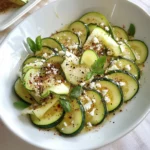
Raw Zucchini Carpaccio Recipe
Ingredients
- Fresh Zucchini (2-3 medium): The star of the show, zucchini, needs to be at its peak freshness for this recipe to truly shine. Look for zucchini that are firm to the touch, with smooth, unblemished skin. Smaller to medium-sized zucchini tend to be less seedy and have a more delicate flavor than overgrown ones. Organic zucchini is always a great choice if available, as they often have a more intense flavor and you’ll be consuming them raw. For color variation and visual appeal, consider using a mix of green zucchini and golden zucchini. The slightly sweeter taste of golden zucchini can add another layer of complexity to the carpaccio. Avoid zucchini that are soft, spongy, or have any signs of bruising or damage. These may be older and less flavorful, and their texture won’t be ideal for raw consumption.
- Extra Virgin Olive Oil (1/4 cup): High-quality extra virgin olive oil is absolutely essential for this recipe. It’s not just a dressing component; it’s a flavor enhancer that coats the zucchini slices, adding richness and depth. Choose a fruity and robust olive oil, as its flavor will be prominent in the final dish. Think of olive oils with notes of green olives, grassy undertones, or a peppery finish. Avoid using overly mild or bland olive oils, as they won’t contribute as much to the overall flavor profile. Experiment with different types of extra virgin olive oil to find your personal preference. Some olive oils are more delicate, while others are bolder and more intense. For a truly luxurious touch, consider using a single-origin olive oil known for its exceptional quality and flavor.
- Fresh Lemon Juice (from 1-2 lemons): The bright, acidic tang of fresh lemon juice is crucial for balancing the richness of the olive oil and enhancing the natural sweetness of the zucchini. Freshly squeezed lemon juice is a must – bottled lemon juice often lacks the vibrant flavor and zest of fresh lemons. The amount of lemon juice may need to be adjusted depending on the size and juiciness of your lemons and your personal preference for acidity. Start with the juice of one lemon and add more to taste. For an extra layer of citrus flavor, you can also add a teaspoon of lemon zest to the dressing. The lemon zest will provide a more intense and aromatic citrus note.
- Parmesan Cheese (shaved, about 1/4 cup): Parmesan cheese adds a salty, savory, and umami-rich element to the carpaccio. Use freshly shaved Parmesan for the best flavor and texture. Pre-shredded Parmesan often contains cellulose and lacks the same depth of flavor. A block of good quality Parmigiano-Reggiano is ideal. Shave it thinly using a vegetable peeler or a cheese slicer. If you’re looking for a vegetarian or vegan option, you can omit the Parmesan cheese or substitute it with nutritional yeast for a cheesy, umami flavor, or finely chopped toasted almonds for a salty crunch. Pecorino Romano, another hard Italian cheese, could also be used as a substitute for Parmesan, offering a slightly saltier and sharper flavor profile.
- Pine Nuts (toasted, about 1/4 cup): Toasted pine nuts provide a delightful nutty flavor and a satisfying crunch that contrasts beautifully with the tender zucchini. Toasting pine nuts is essential to bring out their flavor. You can toast them in a dry pan over medium heat, stirring frequently, until they are lightly golden brown and fragrant. Be careful not to burn them, as they can go from perfectly toasted to burnt very quickly. Alternatively, you can toast them in the oven at 350°F (175°C) for 5-7 minutes, watching them closely. If you don’t have pine nuts on hand, you can substitute them with other nuts like slivered almonds, toasted walnuts, or even chopped pistachios. Each nut will bring a slightly different flavor and texture to the dish, so experiment to find your favorite.
- Fresh Mint Leaves (chopped, about 1/4 cup): Fresh mint leaves add a refreshing, cool, and slightly sweet herbal note that perfectly complements the other flavors in the carpaccio. Use fresh mint for the best aroma and taste. Peppermint or spearmint both work well, depending on your preference. Chop the mint leaves finely just before adding them to the dish to prevent them from bruising and losing their flavor. For a different herbal twist, you could also experiment with other fresh herbs like basil, dill, or parsley, either alone or in combination with mint. Basil would add a slightly peppery and anise-like note, while dill would bring a fresh, slightly citrusy flavor.
- Salt and Freshly Ground Black Pepper: Seasoning is key to bringing all the flavors together. Use sea salt or kosher salt for the best flavor. Freshly ground black pepper is also crucial for its aromatic and slightly spicy notes. Season generously, tasting as you go, to ensure the flavors are well-balanced and vibrant. Don’t be afraid to be a little bolder with your seasoning, as raw zucchini can handle a good amount of salt and pepper.
Optional Ingredients for Variations:
- Red Pepper Flakes: For a touch of heat, add a pinch of red pepper flakes to the dressing.
- Garlic: A clove of minced garlic added to the dressing can provide a savory depth.
- Balsamic Glaze: A drizzle of balsamic glaze can add a touch of sweetness and tanginess.
- Cherry Tomatoes: Halved or quartered cherry tomatoes can add sweetness and juiciness.
- Arugula: A bed of arugula underneath the zucchini carpaccio can add peppery greens.
- Feta Cheese: Crumbled feta cheese can be used instead of or in addition to Parmesan for a saltier, tangier cheese flavor.
- Sun-dried Tomatoes: Finely chopped sun-dried tomatoes (oil-packed, drained) can add intense umami and sweetness.
- Capers: A tablespoon of capers, rinsed and drained, can add a briny, salty pop.
Instructions
Step 1: Prepare the Zucchini
- Wash and Trim: Begin by thoroughly washing the zucchini under cool running water to remove any dirt or residue. Pat them dry with a clean kitchen towel or paper towels. Trim off both ends of each zucchini. This step ensures you’re working with clean and prepared vegetables.
- Slice the Zucchini Thinly: This is the most crucial step for achieving the carpaccio texture. The zucchini needs to be sliced paper-thin. There are several methods you can use:
- Mandoline Slicer: A mandoline is the easiest and most efficient way to get uniformly thin slices. Use the thinnest setting and carefully slice the zucchini lengthwise, holding it firmly and using the finger guard for safety. Always be extremely cautious when using a mandoline as the blades are very sharp.
- Vegetable Peeler: For a rustic look and if you don’t have a mandoline, use a vegetable peeler to create thin ribbons lengthwise. This method is slower but still effective. Peel long, thin strips of zucchini, rotating the zucchini as you go.
- Sharp Knife: If you have excellent knife skills, you can use a very sharp chef’s knife. Lay the zucchini flat on a cutting board and carefully slice it lengthwise into very thin slices. Aim for slices that are almost translucent. This method requires patience and a steady hand.
- Arrange on a Platter: Once you have thinly sliced zucchini, arrange them in a single layer on a large serving platter or individual plates. Overlapping the slices slightly is fine, but avoid piling them up too much. Arranging them neatly will not only look more appealing but also ensure that each slice is properly dressed and seasoned.
Step 2: Prepare the Dressing
- Combine Olive Oil and Lemon Juice: In a small bowl, whisk together the extra virgin olive oil and fresh lemon juice. Whisk vigorously until the dressing is emulsified, meaning it becomes slightly thickened and the oil and lemon juice are well combined. This creates a balanced and flavorful base for the dressing.
- Season Generously: Season the dressing with salt and freshly ground black pepper. Start with about 1/2 teaspoon of salt and 1/4 teaspoon of black pepper, and adjust to taste. Remember that the Parmesan cheese will also add saltiness to the final dish, so don’t over-salt the dressing initially. Taste the dressing and adjust the seasoning as needed. You want a dressing that is bright, tangy, and well-seasoned.
- Optional Additions (Garlic, Red Pepper Flakes): If you desire, now is the time to add any optional ingredients to the dressing. For garlic, mince a small clove very finely and whisk it into the dressing. For red pepper flakes, add a pinch (or more, to taste) and whisk to distribute them evenly. These additions will add extra layers of flavor to the carpaccio.
Step 3: Assemble the Carpaccio
- Drizzle Dressing over Zucchini: Generously drizzle the prepared dressing evenly over the arranged zucchini slices. Make sure each slice gets a good coating of the dressing. You can use a spoon to distribute the dressing evenly. The dressing will gently soften and flavor the raw zucchini.
- Sprinkle with Parmesan Cheese: Scatter the shaved Parmesan cheese evenly over the dressed zucchini slices. Aim for a generous but not overwhelming amount of cheese. The Parmesan will melt slightly into the zucchini and dressing, adding salty and savory notes.
- Scatter Toasted Pine Nuts: Sprinkle the toasted pine nuts over the Parmesan cheese. Distribute them evenly so that each serving gets a good amount of crunch and nutty flavor. The toasted pine nuts add a delightful textural contrast.
- Garnish with Fresh Mint: Finally, scatter the chopped fresh mint leaves over the carpaccio. The fresh mint will add a vibrant color and a refreshing aroma and flavor that complements the other ingredients beautifully.
Step 4: Serve and Enjoy
- Rest Briefly (Optional): While you can serve the carpaccio immediately, allowing it to rest for 5-10 minutes after assembly can enhance the flavors. This short resting time allows the zucchini to soften slightly and absorb the dressing even more, and the flavors to meld together. However, don’t let it sit for too long, as the zucchini can become too soft and watery.
- Serve Chilled or at Room Temperature: Raw Zucchini Carpaccio is best served chilled or at room temperature. Avoid serving it too cold, as this can dull the flavors. If you’ve refrigerated it, let it sit at room temperature for a few minutes before serving.
- Serve as Appetizer, Side, or Light Lunch: This dish is incredibly versatile. Serve it as a refreshing appetizer, a light and elegant side dish alongside grilled meats or fish, or as a light and healthy lunch, perhaps with some crusty bread on the side.
Nutrition
- Serving Size: one normal portion
- Calories: 250-350
- Sugar: 2-4g
- Sodium: 200-300mg
- Fat: 20-30g
- Saturated Fat: 4-6g
- Carbohydrates: 5-8g
- Fiber: 2-3g
- Protein: 5-7g
- Cholesterol: 10-20mg