
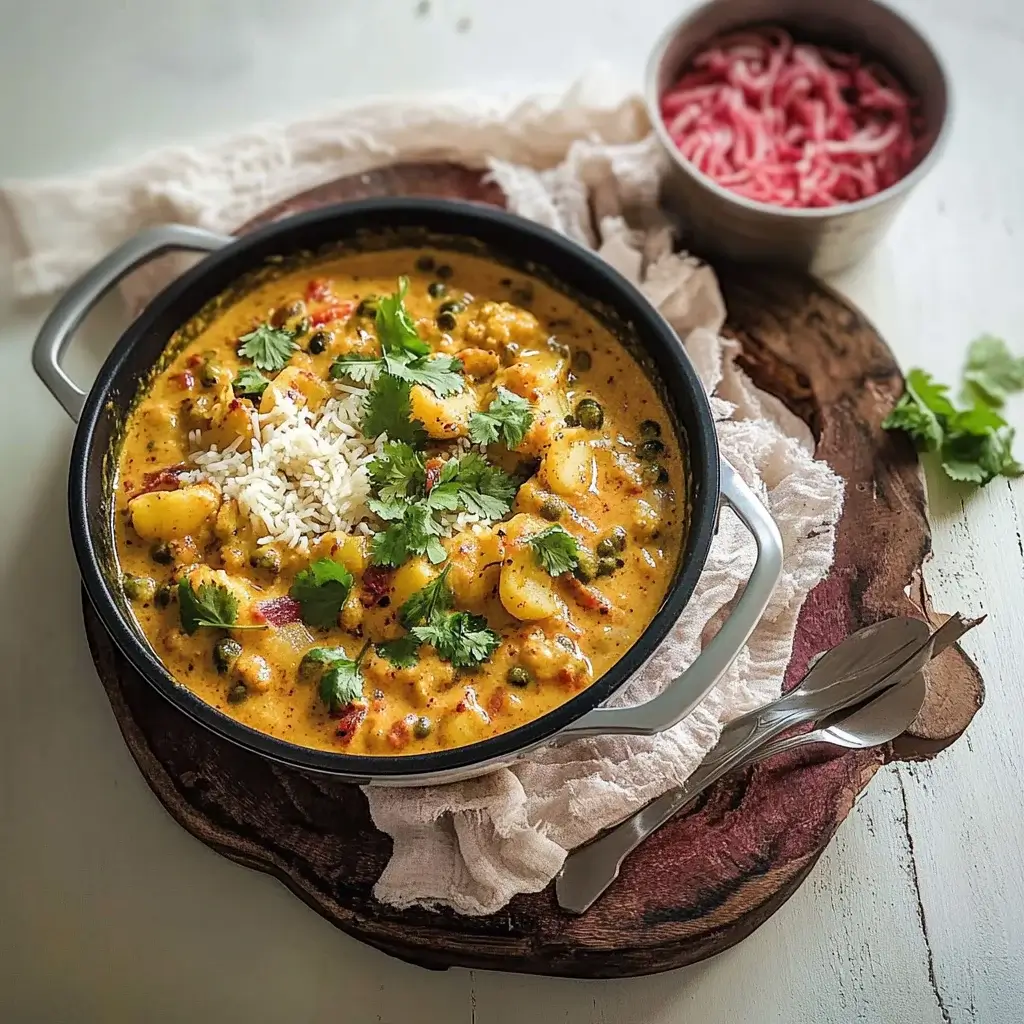

It’s a weeknight, and the aroma of spices fills my kitchen, a comforting promise of a delicious meal to come. Tonight’s star? My quick vegetarian korma. Honestly, as someone who juggles work, family, and a passion for good food, quick and easy recipes are my lifeline. And this vegetarian korma? It’s become a family favorite for a reason. Even my notoriously picky eater devours it, hidden veggies and all! The creamy, fragrant sauce coats a medley of colorful vegetables, creating a dish that’s both satisfying and surprisingly light. It’s the kind of meal that feels like a treat but is simple enough to whip up any day of the week. If you’re looking for a flavorful, fuss-free vegetarian dinner that’s guaranteed to impress (even yourself!), then you’ve come to the right place. Prepare to be amazed by how quickly and easily you can create restaurant-quality korma right in your own kitchen.
Ingredients for Quick Vegetarian Korma
To embark on this flavorful journey of creating a quick vegetarian korma, you’ll need a collection of fresh and aromatic ingredients. Don’t worry if you don’t have every single vegetable listed perfectly; korma is wonderfully adaptable. The key is to have a good base of aromatics and a variety of textures and flavors from your chosen vegetables. For the best results and a truly authentic taste, try to source fresh spices whenever possible. Pre-ground spices work in a pinch, but freshly ground spices release a more vibrant and intense flavor that elevates the dish significantly. Let’s gather everything we need to make this culinary magic happen:
For the Aromatic Base:
- 2 tablespoons Vegetable Oil: Olive oil, sunflower oil, or any neutral cooking oil will work perfectly. This is the foundation for sautéing our aromatics and spices, releasing their fragrant oils.
- 1 large Onion, finely chopped: Yellow or white onion is ideal for its mild flavor that sweetens as it cooks. Finely chopping ensures it cooks down evenly and blends seamlessly into the korma base.
- 2 cloves Garlic, minced: Fresh garlic is essential for its pungent and savory depth. Mincing it finely allows its flavor to infuse the oil and the entire dish.
- 1 inch Ginger, grated or minced: Fresh ginger adds a warm, spicy, and slightly citrusy note that is characteristic of korma. Grating or mincing it releases its aromatic oils and ensures it blends well.
- 1-2 Green Chilies, slit lengthwise (optional, adjust to taste): For a touch of heat, green chilies are perfect. Slitting them allows the heat to infuse the oil without making the korma overwhelmingly spicy. Remove seeds for less heat. Omit if you prefer a milder korma.
- 1 teaspoon Cumin Seeds: Whole cumin seeds, when toasted in hot oil, release a warm, earthy, and slightly nutty aroma that forms the backbone of many Indian dishes.
- 1 teaspoon Coriander Seeds: Coriander seeds add a citrusy, slightly sweet, and warm flavor that complements cumin beautifully and is essential for a balanced spice profile in korma.
- ½ teaspoon Turmeric Powder: Turmeric not only adds a vibrant golden color to the korma but also a warm, earthy, and slightly bitter flavor. It also boasts numerous health benefits.
- 1 teaspoon Garam Masala: Garam masala is a blend of warm spices like cinnamon, cardamom, cloves, and black pepper. It adds a complex, fragrant, and slightly sweet warmth that is crucial for authentic korma flavor. Use a good quality garam masala for the best results.
- ½ teaspoon Red Chili Powder (Kashmiri Chili Powder preferred for color and mild heat): Red chili powder adds a touch of heat and vibrant red color. Kashmiri chili powder is preferred as it offers a beautiful red hue with milder heat compared to regular chili powder. Adjust the amount to your spice preference.
For the Creamy Korma Sauce:
- 1 cup Cashews, soaked in hot water for at least 30 minutes: Cashews are the secret to the creamy, rich texture of korma. Soaking them in hot water softens them, making them easier to blend into a smooth and luscious paste. Unsalted cashews are preferred.
- ½ cup Water (for blending cashews): Water is needed to help blend the soaked cashews into a smooth paste. You may need to add a little more or less depending on your blender’s power and desired consistency.
- 1 cup Tomato Puree or Diced Tomatoes: Tomato puree provides a smooth, tangy base for the sauce. Diced tomatoes can also be used for a slightly chunkier texture. If using diced tomatoes, you may want to blend them slightly for a smoother sauce.
- 1 cup Coconut Milk (full-fat for richness): Full-fat coconut milk is essential for the classic richness and creamy texture of korma. It also adds a subtle sweetness and coconut flavor that complements the spices perfectly.
- ½ cup Yogurt (plain, full-fat or Greek Yogurt): Yogurt adds a tangy creaminess and depth of flavor to the korma sauce. Full-fat or Greek yogurt will provide a richer texture. Ensure the yogurt is at room temperature before adding it to prevent curdling.
For the Vegetables:
- 2 cups Mixed Vegetables, chopped (Carrots, Potatoes, Green Beans, Peas, Cauliflower, Bell Peppers, Mushrooms, etc.): This is where you can get creative! Choose a variety of vegetables that you enjoy and that offer different textures and flavors. Root vegetables like carrots and potatoes, along with cauliflower and green beans, work particularly well in korma. Bell peppers and mushrooms add sweetness and earthiness respectively. Frozen peas can be added towards the end for a pop of sweetness and color. Aim for vegetables that will cook in roughly the same amount of time.
- Salt to taste: Salt is crucial for enhancing all the flavors in the korma. Add salt gradually and adjust to your liking.
For Garnish (Optional):
- Fresh Coriander Leaves, chopped: Fresh coriander (cilantro) adds a bright, fresh, and citrusy finish to the korma. It’s a classic garnish that complements the rich and creamy sauce beautifully.
- Slivered Almonds or Cashews, toasted: Toasted nuts add a delightful crunch and nutty flavor to the korma, enhancing both texture and taste. Toasting them brings out their aroma and flavor even more.
- Cream or Yogurt swirl (optional): A swirl of fresh cream or yogurt can add extra richness and visual appeal to the finished dish.
Instructions: Making Quick Vegetarian Korma
Now that we have all our ingredients prepped and ready, let’s dive into the step-by-step process of creating this quick and flavorful vegetarian korma. The beauty of this recipe lies in its simplicity and speed. We’ll be building layers of flavor quickly, ensuring a delicious and satisfying meal without spending hours in the kitchen. Follow these instructions carefully, and you’ll have a restaurant-quality korma ready in no time!
- Prepare the Cashew Paste: Begin by draining the soaked cashews. Place them in a blender along with ½ cup of water. Blend until you achieve a smooth and creamy paste. Set this cashew paste aside; it’s the secret ingredient that will give our korma its signature richness and velvety texture. If the paste is too thick, add a tablespoon or two more of water to reach the desired consistency.
- Sauté the Aromatics: Heat vegetable oil in a large, heavy-bottomed pot or Dutch oven over medium heat. Once the oil is hot, add cumin seeds and coriander seeds. Let them sizzle for about 30 seconds until they become fragrant and start to splutter. This process, known as tempering, releases the essential oils from the spices, maximizing their flavor.
- Build the Flavor Base: Add chopped onions and green chilies (if using) to the pot. Sauté the onions until they turn translucent and start to turn light golden brown, about 5-7 minutes. Stir occasionally to prevent sticking and ensure even cooking. Golden brown onions form the foundation of a flavorful korma.
- Add Ginger and Garlic: Add minced garlic and grated ginger to the pot. Sauté for another minute or two until fragrant. Be careful not to burn the garlic and ginger, as this can make the korma bitter. The aroma of garlic and ginger should fill your kitchen at this stage, signaling the building of a delicious flavor base.
- Introduce the Spice Powders: Lower the heat slightly and add turmeric powder and red chili powder (or Kashmiri chili powder). Sauté for about 30 seconds, stirring constantly. Sautéing the spice powders briefly in oil enhances their color and flavor. Be cautious not to burn them, as they can become bitter quickly.
- Incorporate Tomato Puree and Cook: Pour in the tomato puree or add diced tomatoes. Cook for 5-7 minutes, stirring occasionally, until the tomatoes are cooked down and the raw tomato smell disappears. The mixture should thicken slightly and become richer in color. Cooking the tomatoes properly is crucial for a balanced korma flavor.
- Add Cashew Paste and Yogurt: Stir in the prepared cashew paste and yogurt. Mix well to combine everything and cook for another 2-3 minutes. Ensure the yogurt is at room temperature to prevent curdling. The cashew paste will start to thicken the sauce, and the yogurt will add a creamy tanginess.
- Introduce the Vegetables: Add the chopped mixed vegetables to the pot. Stir to coat them evenly with the korma sauce. Ensure all the vegetables are nicely coated in the flavorful sauce.
- Simmer and Cook Vegetables: Add about ½ cup of water (or more if needed to reach your desired consistency) to the pot. Bring the korma to a simmer, then reduce the heat to low, cover the pot, and let it simmer gently for 15-20 minutes, or until the vegetables are tender but still slightly firm. Cooking time will depend on the size and type of vegetables you are using. Check for doneness by piercing a potato or carrot piece with a fork – it should be easily pierced but not mushy.
- Stir in Coconut Milk and Garam Masala: Once the vegetables are cooked to your liking, stir in the coconut milk and garam masala. Simmer for another 2-3 minutes, allowing the flavors to meld together. Coconut milk adds the final layer of richness and creaminess, while garam masala provides the characteristic warm and fragrant finish. Taste and adjust salt if needed.
- Garnish and Serve: Remove from heat and garnish with fresh coriander leaves and toasted slivered almonds or cashews (if using). A swirl of cream or yogurt can also be added for extra richness and visual appeal. Serve hot with rice, naan, roti, or your favorite Indian bread.
Your quick vegetarian korma is now ready to be enjoyed! The aroma alone is enough to make anyone’s mouth water. This dish is perfect for a weeknight dinner or a weekend feast, bringing the warmth and flavors of Indian cuisine right to your table.
Nutrition Facts for Quick Vegetarian Korma
Understanding the nutritional profile of your meals is important, especially when aiming for a balanced diet. While vegetarian korma is a delicious and satisfying dish, it’s helpful to be aware of its nutritional components. Please remember that these are approximate values and can vary based on the specific ingredients used, portion sizes, and cooking methods. This nutrition information is based on an estimated serving size and standard ingredient quantities as mentioned in the recipe.
Serving Size: Approximately 1.5 cups (350-400 grams)
Approximate Servings per Recipe: 4-6 servings (depending on portion size)
Estimated Nutrition Information per Serving (Approximate Values):
- Calories: 350-450 kcal
- This range depends largely on the amount of coconut milk, oil, and cashews used, as well as the specific vegetables and their quantities.
- Total Fat: 25-35 grams
- Korma is traditionally rich in fats due to the use of cashews, coconut milk, and oil. The majority of fat comes from plant-based sources like cashews and coconut milk, which contain healthy fats.
- Saturated Fat: 15-20 grams (primarily from coconut milk and cashews)
- Unsaturated Fat: 10-15 grams (from vegetable oil, cashews, and coconut milk)
- Cholesterol: 0 mg
- Vegetarian korma is cholesterol-free as it contains no animal products.
- Sodium: 400-600 mg
- Sodium content will vary depending on the amount of salt added during cooking and any sodium present in processed ingredients like tomato puree. You can control sodium levels by using low-sodium tomato puree and adjusting salt to taste.
- Total Carbohydrates: 25-35 grams
- Carbohydrates come from vegetables, onions, tomatoes, and cashews.
- Dietary Fiber: 5-7 grams
- Vegetables contribute significantly to the fiber content, which is beneficial for digestion and satiety.
- Sugars: 8-12 grams (naturally occurring sugars from vegetables and coconut milk)
- Protein: 8-12 grams
- Protein comes from cashews, yogurt, and vegetables. While not exceptionally high in protein, it contributes to a balanced meal when served with grains like rice or roti.
- Vitamins and Minerals:
- Vitamin C: Good source (from vegetables like bell peppers, tomatoes, and green beans)
- Vitamin K: Moderate source (from green leafy vegetables if used)
- Vitamin A: Moderate source (from carrots and other orange/red vegetables)
- Potassium: Good source (from potatoes, tomatoes, and other vegetables)
- Calcium: Moderate source (from yogurt and coconut milk)
- Iron: Moderate source (from cashews and some vegetables)
- Magnesium: Good source (from cashews and vegetables)
- Manganese: Good source (from spices and cashews)
Important Notes:
- Portion Control: Be mindful of portion sizes, especially if you are watching your calorie or fat intake. A serving size of 1.5 cups is a generous portion.
- Customize for Health: You can make this korma even healthier by:
- Reducing Oil: Use less oil for sautéing.
- Using Low-Fat Coconut Milk: While full-fat coconut milk provides the best flavor and texture, using light coconut milk can reduce calorie and fat content slightly. However, it might compromise the richness.
- Increasing Vegetables: Load up on more non-starchy vegetables like cauliflower, bell peppers, and green beans to increase fiber and nutrient content while keeping calorie count relatively stable.
- Using Greek Yogurt: Greek yogurt has a higher protein content and can be a healthier alternative to regular yogurt.
- Balanced Meal: Serve vegetarian korma with whole grains like brown rice or whole wheat roti and a side salad to create a balanced and nutritious meal.
This nutritional information serves as a general guideline. For more precise nutritional values, you can use online nutrition calculators and input the exact ingredients and quantities used in your specific recipe. Enjoy your delicious and moderately healthy vegetarian korma in moderation as part of a balanced dietary approach!
Preparation Time for Quick Vegetarian Korma
One of the best things about this vegetarian korma recipe is its speed and ease of preparation. In today’s fast-paced world, having delicious, healthy meals on the table without spending hours in the kitchen is a huge win. This quick korma is designed for exactly that – maximum flavor with minimal time commitment. Here’s a breakdown of the preparation time:
Total Time: Approximately 40-45 minutes
Breakdown:
- Prep Time (Chopping Vegetables, Soaking Cashews, etc.): 20-25 minutes
- Vegetable Chopping: Washing and chopping the mixed vegetables will take the most time. The exact time will depend on your chopping speed and the variety and quantity of vegetables you choose. Pre-chopped vegetables can significantly reduce this time if you are really in a hurry.
- Onion, Garlic, Ginger Prep: Chopping the onion, mincing garlic, and grating ginger takes about 5-7 minutes.
- Cashew Soaking: While the cashews need to soak for at least 30 minutes, this is passive time. You can start soaking them while you prep other ingredients or even soak them ahead of time. Actively, it takes less than 2 minutes to put cashews in hot water.
- Spice Measurement: Gathering and measuring the spices is a quick task, taking just a few minutes.
- Other Ingredient Prep: Measuring out coconut milk, yogurt, tomato puree etc., is also quick and easy.
- Cook Time (Sautéing, Simmering, etc.): 20-25 minutes
- Sautéing Aromatics and Spices: This crucial step to build flavor takes about 10-12 minutes, including sautéing onions, garlic, ginger, and spices.
- Cooking Tomatoes: Cooking the tomato puree or diced tomatoes takes around 5-7 minutes to reduce and deepen flavor.
- Simmering Vegetables: Simmering the vegetables in the korma sauce until tender typically takes 15-20 minutes. The exact time depends on the type and size of vegetables and your desired level of tenderness.
- Final Simmer with Coconut Milk and Garam Masala: The final simmer after adding coconut milk and garam masala takes just 2-3 minutes to meld the flavors.
Tips to Speed Up Preparation:
- Pre-chop Vegetables: If you know you’ll be short on time, chop your vegetables in advance, perhaps the night before or in the morning, and store them in airtight containers in the refrigerator.
- Use Pre-minced Garlic and Ginger Paste: While fresh is always best, using pre-minced garlic and ginger paste can save a few minutes of prep time.
- Frozen Vegetables: Frozen mixed vegetables can be a lifesaver for quick cooking. They are already chopped and ready to go. Add them directly to the korma sauce and simmer until tender.
- Efficient Chopping Techniques: Practice efficient chopping techniques to speed up vegetable preparation. Learn to dice onions quickly, mince garlic effectively, etc.
- Soak Cashews Ahead: Soak cashews in hot water earlier in the day or even the night before and store them in the refrigerator.
With a little bit of planning and efficient cooking, you can easily have this flavorful and satisfying vegetarian korma on your table in under 45 minutes, making it a perfect choice for a quick weeknight dinner or a last-minute gathering.
How to Serve Vegetarian Korma
Vegetarian Korma is a versatile and comforting dish that pairs wonderfully with a variety of accompaniments. The creamy, flavorful sauce and tender vegetables make it a satisfying meal on its own, but serving it with the right sides can elevate the dining experience and create a complete and balanced meal. Here are some delicious ways to serve your quick vegetarian korma:
Traditional Indian Bread:
- Naan: Soft and fluffy naan bread is a classic pairing with korma. Its slightly chewy texture and subtle flavor are perfect for scooping up the rich and creamy sauce. Garlic naan or butter naan are particularly delightful choices.
- Roti or Chapati: Whole wheat roti or chapati are everyday Indian flatbreads that are healthier and lighter than naan. Their simple flavor and soft texture complement the korma beautifully.
- Paratha: Layered and flaky paratha, especially plain or butter paratha, provides a richer and more indulgent bread option to enjoy with korma.
Rice Options:
- Basmati Rice: Fragrant and fluffy basmati rice is the most common and classic rice choice to serve with korma. Its delicate aroma and long grains perfectly complement the rich flavors of the dish.
- Jeera Rice: Basmati rice tempered with cumin seeds (jeera) adds a subtle earthy flavor that pairs well with korma.
- Pulao: Mildly spiced vegetable pulao or peas pulao can be a flavorful rice option that adds another layer of taste to the meal.
- Brown Rice or Quinoa: For a healthier option, consider serving korma with brown rice or quinoa. They provide more fiber and nutrients.
Side Dishes to Enhance the Meal:
- Raita: Cooling raita is a must-have accompaniment to korma, especially if you’ve added chili. Cucumber raita, onion raita, or boondi raita are excellent choices to balance the richness and spice of the korma.
- Salad: A fresh and crisp salad provides a refreshing contrast to the creamy korma. A simple cucumber and tomato salad, or a mixed green salad with a light vinaigrette, works well.
- Pickles (Achar): Indian pickles (achar) add a tangy, spicy, and sour element that can cut through the richness of the korma and stimulate the palate. Mango pickle, lime pickle, or mixed vegetable pickle are good options, served in small quantities.
- Papadum: Crispy lentil wafers (papadum) provide a crunchy textural contrast and a light, slightly savory flavor that complements the korma. They can be roasted or fried.
Garnish for Presentation and Flavor:
- Fresh Coriander Leaves (Cilantro): A generous sprinkle of freshly chopped coriander leaves adds a burst of freshness and aroma.
- Toasted Nuts: Slivered almonds or cashews, lightly toasted, provide a delightful crunch and nutty flavor as a garnish.
- Cream or Yogurt Swirl: A swirl of fresh cream or yogurt on top adds extra richness and visual appeal.
- Lemon or Lime Wedges: Serve lemon or lime wedges on the side for those who like to add a squeeze of citrus for extra brightness and tang.
Serving Suggestions for Different Occasions:
- Weeknight Dinner: Serve quick vegetarian korma with roti or basmati rice and a simple cucumber raita for a quick, easy, and satisfying weeknight meal.
- Weekend Lunch/Dinner: For a more elaborate weekend meal, serve korma with naan, jeera rice, cucumber raita, a side salad, and papadum.
- Party or Gathering: Korma is a great dish to serve at parties or gatherings. Prepare it ahead of time and serve it buffet-style with naan, basmati rice, and various side dishes and garnishes for guests to customize their plates.
By choosing the right accompaniments, you can transform your quick vegetarian korma into a complete and delightful dining experience, perfect for any occasion. Experiment with different combinations to find your favorite pairings!
Additional Tips for Perfect Vegetarian Korma
While this recipe is designed to be quick and easy, a few extra tips can help you elevate your vegetarian korma from good to absolutely fantastic. These tips cover everything from ingredient substitutions to flavor enhancements and storage advice, ensuring you get the best possible results every time you make this delicious dish.
- Toast Spices for Deeper Flavor: For an even more intense and aromatic korma, try dry-roasting the whole spices (cumin seeds and coriander seeds) before tempering them in oil. Heat a small pan over medium heat, add the spices, and roast them for a minute or two until they become fragrant and slightly darker. Be careful not to burn them. This toasting process releases more of their essential oils, resulting in a richer, more complex flavor.
- Customize Your Vegetable Medley: Feel free to adapt the vegetable mix to your liking and what you have available. Other vegetables that work well in korma include:
- Potatoes: Cubed potatoes add heartiness and absorb the korma flavors beautifully.
- Cauliflower: Cauliflower florets add a lovely texture and mild flavor.
- Green Beans: French beans or regular green beans add a nice crunch and freshness.
- Peas: Frozen peas are a quick and easy addition for sweetness and color, added towards the end of cooking.
- Bell Peppers (Capsicum): Bell peppers (red, yellow, or green) add sweetness and a slightly smoky flavor.
- Mushrooms: Button mushrooms or cremini mushrooms add an earthy and umami depth.
- Paneer (Indian Cheese): For a richer and more protein-packed korma, add cubes of paneer along with or instead of some vegetables.
- Sweet Potatoes: Cubed sweet potatoes offer a sweeter flavor and creamy texture.
Avoid vegetables that become too mushy quickly, like zucchini or spinach, unless you add them right at the very end for a brief wilt.
- Adjust Spice Levels to Your Taste: Korma is traditionally a mild curry, but you can easily adjust the spice level to your preference.
- For Milder Korma: Reduce or omit green chilies and red chili powder. You can also use Kashmiri chili powder, which provides color with very mild heat.
- For Spicier Korma: Increase the amount of green chilies and red chili powder. You can also add a pinch of cayenne pepper or a hotter variety of chili powder for extra heat.
- Taste and Adjust: Always taste the korma as it cooks and adjust spices accordingly. You can add more chili powder or garam masala towards the end if needed.
- Enhance Creaminess Without Heavy Cream: While coconut milk and cashews provide significant creaminess, you can further enhance the richness of the korma sauce without using heavy cream.
- More Cashew Paste: Increase the amount of cashew paste for an even richer and creamier texture.
- Almond Paste: A small amount of almond paste can also add creaminess and a slightly different flavor note.
- Blend a Portion of the Sauce: After the vegetables are cooked, you can remove about a cup of korma and blend it until smooth, then stir it back into the pot. This will thicken the sauce and make it extra creamy.
- Make Ahead and Storage Tips: Vegetarian korma is a great make-ahead dish, perfect for meal prepping or entertaining.
- Make Ahead: You can prepare the korma 1-2 days in advance and store it in an airtight container in the refrigerator. The flavors actually develop and deepen overnight.
- Reheating: Reheat gently on the stovetop over medium-low heat, stirring occasionally, until heated through. You may need to add a splash of water or coconut milk if it becomes too thick upon reheating.
- Freezing: Korma can be frozen for up to 2-3 months. Allow it to cool completely before transferring it to freezer-safe containers. Thaw overnight in the refrigerator before reheating. The texture of the vegetables might slightly change after freezing, but the flavor will remain delicious.
By incorporating these additional tips, you can customize and perfect your quick vegetarian korma to your exact liking, ensuring a flavorful and satisfying meal every time. Experiment and enjoy the process of making this wonderful dish your own!
Frequently Asked Questions (FAQ) about Vegetarian Korma
Do you have questions about making vegetarian korma? You’re not alone! Here are some of the most frequently asked questions about this delicious and versatile dish, along with helpful answers to guide you through the cooking process and ensure success every time.
Q1: Can I make this korma vegan?
A: Yes, absolutely! To make this korma vegan, you simply need to substitute the yogurt with a plant-based yogurt alternative. Coconut yogurt, almond yogurt, or soy yogurt are all suitable options. Ensure you choose an unsweetened and plain variety. The rest of the ingredients are already plant-based, making it easy to adapt this recipe for a vegan diet. The flavor and creamy texture will remain wonderfully delicious and authentic even with the vegan substitution.
Q2: I don’t have cashews. Can I use another nut for the creamy base?
A: Yes, you can substitute cashews with other nuts, although the flavor and texture might slightly vary. Almonds are a good alternative. Use blanched almonds for a smoother paste and soak them similarly to cashews in hot water before blending. You can also use sunflower seeds or pumpkin seeds for a nut-free option. These seeds will also create a creamy base when blended. Just be aware that almond paste will have a slightly different flavor profile than cashew paste, and seed pastes might be slightly less rich but still provide a creamy texture.
Q3: Can I use pre-ground spices instead of whole spices?
A: While using whole spices and tempering them in oil is ideal for maximizing flavor, you can use pre-ground spices if you don’t have whole spices on hand or are short on time. If using pre-ground spices, skip the step of tempering whole cumin and coriander seeds. Instead, add the pre-ground cumin powder and coriander powder along with the turmeric and red chili powder in step 5 of the instructions. Keep in mind that freshly ground spices always offer a more vibrant and intense flavor, but pre-ground spices will still work in a pinch and provide a flavorful korma.
Q4: My korma sauce is too thick/too thin. How can I adjust the consistency?
A: Adjusting the consistency of your korma sauce is easy.
- If the sauce is too thick: Add a little more water, coconut milk, or vegetable broth, one tablespoon at a time, until you reach your desired consistency. Simmer for a few minutes after adding liquid to allow the flavors to meld.
- If the sauce is too thin: Simmer the korma uncovered for a longer period on low heat, stirring occasionally. This will allow the sauce to reduce and thicken naturally. Alternatively, you can make a slurry of 1 teaspoon of cornstarch mixed with 2 tablespoons of water, add it to the korma, and simmer for a couple of minutes until the sauce thickens. Be sure to stir constantly to prevent lumps when adding cornstarch slurry.
Q5: Can I add protein to this vegetarian korma besides vegetables?
A: Yes, you can definitely add other vegetarian protein sources to make this korma even more substantial and protein-rich. Good options include:
- Paneer (Indian Cheese): Cubes of paneer are a classic addition to korma and add a creamy, cheesy texture and protein. Add paneer towards the end of cooking to prevent it from becoming too rubbery.
- Tofu: Firm or extra-firm tofu, pressed and cubed, can be added along with the vegetables or slightly sautéed before adding to the korma for a vegan protein boost.
- Chickpeas or White Beans: Canned chickpeas or white beans (cannellini or great northern beans), drained and rinsed, can be added to the korma for extra fiber and protein. Add them along with the vegetables and simmer until heated through.
- Soy Chunks (Meal Maker): Rehydrated and sautéed soy chunks are another protein-rich vegan option that works well in korma.
Feel free to experiment with these protein additions to customize your vegetarian korma and make it even more satisfying and nutritious. Enjoy cooking and experimenting with this wonderful recipe!
Print
Quick Vegetarian Korma recipe
Ingredients
For the Aromatic Base:
- 2 tablespoons Vegetable Oil: Olive oil, sunflower oil, or any neutral cooking oil will work perfectly. This is the foundation for sautéing our aromatics and spices, releasing their fragrant oils.
- 1 large Onion, finely chopped: Yellow or white onion is ideal for its mild flavor that sweetens as it cooks. Finely chopping ensures it cooks down evenly and blends seamlessly into the korma base.
- 2 cloves Garlic, minced: Fresh garlic is essential for its pungent and savory depth. Mincing it finely allows its flavor to infuse the oil and the entire dish.
- 1 inch Ginger, grated or minced: Fresh ginger adds a warm, spicy, and slightly citrusy note that is characteristic of korma. Grating or mincing it releases its aromatic oils and ensures it blends well.
- 1–2 Green Chilies, slit lengthwise (optional, adjust to taste): For a touch of heat, green chilies are perfect. Slitting them allows the heat to infuse the oil without making the korma overwhelmingly spicy. Remove seeds for less heat. Omit if you prefer a milder korma.
- 1 teaspoon Cumin Seeds: Whole cumin seeds, when toasted in hot oil, release a warm, earthy, and slightly nutty aroma that forms the backbone of many Indian dishes.
- 1 teaspoon Coriander Seeds: Coriander seeds add a citrusy, slightly sweet, and warm flavor that complements cumin beautifully and is essential for a balanced spice profile in korma.
- ½ teaspoon Turmeric Powder: Turmeric not only adds a vibrant golden color to the korma but also a warm, earthy, and slightly bitter flavor. It also boasts numerous health benefits.
- 1 teaspoon Garam Masala: Garam masala is a blend of warm spices like cinnamon, cardamom, cloves, and black pepper. It adds a complex, fragrant, and slightly sweet warmth that is crucial for authentic korma flavor. Use a good quality garam masala for the best results.
- ½ teaspoon Red Chili Powder (Kashmiri Chili Powder preferred for color and mild heat): Red chili powder adds a touch of heat and vibrant red color. Kashmiri chili powder is preferred as it offers a beautiful red hue with milder heat compared to regular chili powder. Adjust the amount to your spice preference.
For the Creamy Korma Sauce:
- 1 cup Cashews, soaked in hot water for at least 30 minutes: Cashews are the secret to the creamy, rich texture of korma. Soaking them in hot water softens them, making them easier to blend into a smooth and luscious paste. Unsalted cashews are preferred.
- ½ cup Water (for blending cashews): Water is needed to help blend the soaked cashews into a smooth paste. You may need to add a little more or less depending on your blender’s power and desired consistency.
- 1 cup Tomato Puree or Diced Tomatoes: Tomato puree provides a smooth, tangy base for the sauce. Diced tomatoes can also be used for a slightly chunkier texture. If using diced tomatoes, you may want to blend them slightly for a smoother sauce.
- 1 cup Coconut Milk (full-fat for richness): Full-fat coconut milk is essential for the classic richness and creamy texture of korma. It also adds a subtle sweetness and coconut flavor that complements the spices perfectly.
- ½ cup Yogurt (plain, full-fat or Greek Yogurt): Yogurt adds a tangy creaminess and depth of flavor to the korma sauce. Full-fat or Greek yogurt will provide a richer texture. Ensure the yogurt is at room temperature before adding it to prevent curdling.
For the Vegetables:
- 2 cups Mixed Vegetables, chopped (Carrots, Potatoes, Green Beans, Peas, Cauliflower, Bell Peppers, Mushrooms, etc.): This is where you can get creative! Choose a variety of vegetables that you enjoy and that offer different textures and flavors. Root vegetables like carrots and potatoes, along with cauliflower and green beans, work particularly well in korma. Bell peppers and mushrooms add sweetness and earthiness respectively. Frozen peas can be added towards the end for a pop of sweetness and color. Aim for vegetables that will cook in roughly the same amount of time.
- Salt to taste: Salt is crucial for enhancing all the flavors in the korma. Add salt gradually and adjust to your liking.
Instructions
- Prepare the Cashew Paste: Begin by draining the soaked cashews. Place them in a blender along with ½ cup of water. Blend until you achieve a smooth and creamy paste. Set this cashew paste aside; it’s the secret ingredient that will give our korma its signature richness and velvety texture. If the paste is too thick, add a tablespoon or two more of water to reach the desired consistency.
- Sauté the Aromatics: Heat vegetable oil in a large, heavy-bottomed pot or Dutch oven over medium heat. Once the oil is hot, add cumin seeds and coriander seeds. Let them sizzle for about 30 seconds until they become fragrant and start to splutter. This process, known as tempering, releases the essential oils from the spices, maximizing their flavor.
- Build the Flavor Base: Add chopped onions and green chilies (if using) to the pot. Sauté the onions until they turn translucent and start to turn light golden brown, about 5-7 minutes. Stir occasionally to prevent sticking and ensure even cooking. Golden brown onions form the foundation of a flavorful korma.
- Add Ginger and Garlic: Add minced garlic and grated ginger to the pot. Sauté for another minute or two until fragrant. Be careful not to burn the garlic and ginger, as this can make the korma bitter. The aroma of garlic and ginger should fill your kitchen at this stage, signaling the building of a delicious flavor base.
- Introduce the Spice Powders: Lower the heat slightly and add turmeric powder and red chili powder (or Kashmiri chili powder). Sauté for about 30 seconds, stirring constantly. Sautéing the spice powders briefly in oil enhances their color and flavor. Be cautious not to burn them, as they can become bitter quickly.
- Incorporate Tomato Puree and Cook: Pour in the tomato puree or add diced tomatoes. Cook for 5-7 minutes, stirring occasionally, until the tomatoes are cooked down and the raw tomato smell disappears. The mixture should thicken slightly and become richer in color. Cooking the tomatoes properly is crucial for a balanced korma flavor.
- Add Cashew Paste and Yogurt: Stir in the prepared cashew paste and yogurt. Mix well to combine everything and cook for another 2-3 minutes. Ensure the yogurt is at room temperature to prevent curdling. The cashew paste will start to thicken the sauce, and the yogurt will add a creamy tanginess.
- Introduce the Vegetables: Add the chopped mixed vegetables to the pot. Stir to coat them evenly with the korma sauce. Ensure all the vegetables are nicely coated in the flavorful sauce.
- Simmer and Cook Vegetables: Add about ½ cup of water (or more if needed to reach your desired consistency) to the pot. Bring the korma to a simmer, then reduce the heat to low, cover the pot, and let it simmer gently for 15-20 minutes, or until the vegetables are tender but still slightly firm. Cooking time will depend on the size and type of vegetables you are using. Check for doneness by piercing a potato or carrot piece with a fork – it should be easily pierced but not mushy.
- Stir in Coconut Milk and Garam Masala: Once the vegetables are cooked to your liking, stir in the coconut milk and garam masala. Simmer for another 2-3 minutes, allowing the flavors to meld together. Coconut milk adds the final layer of richness and creaminess, while garam masala provides the characteristic warm and fragrant finish. Taste and adjust salt if needed.
- Garnish and Serve: Remove from heat and garnish with fresh coriander leaves and toasted slivered almonds or cashews (if using). A swirl of cream or yogurt can also be added for extra richness and visual appeal. Serve hot with rice, naan, roti, or your favorite Indian bread.
Nutrition
- Serving Size: one normal portion
- Calories: 350-450 kcal
- Sugar: 8-12 grams
- Sodium: 400-600 mg
- Fat: 25-35 grams
- Saturated Fat: 15-20 grams
- Unsaturated Fat: 10-15 grams
- Carbohydrates: 25-35 grams
- Fiber: 5-7 grams
- Protein: 8-12 grams