
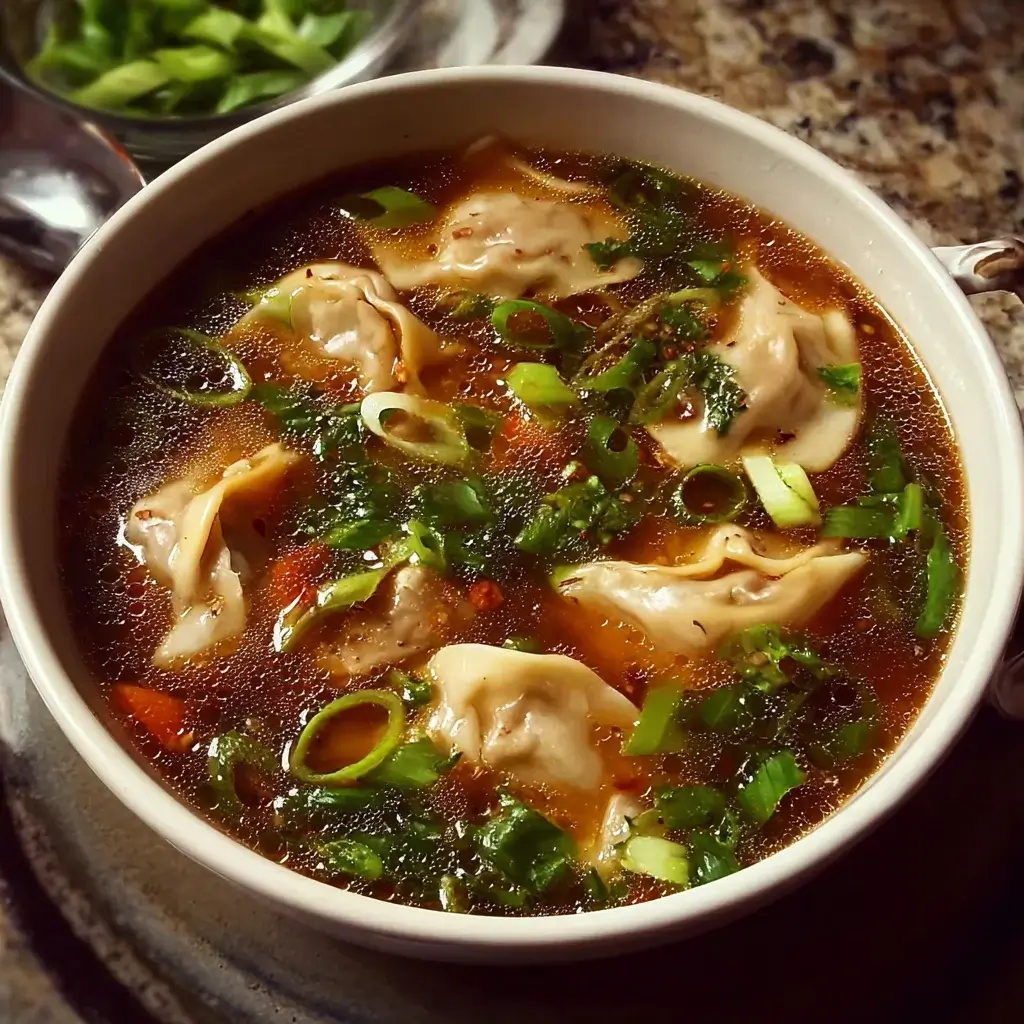
There are certain recipes that feel like a warm hug in a bowl, and this Potsticker Soup is the undisputed champion of that category in my home. I first threw it together on a chilly, rain-soaked Tuesday when my dinner plans had fallen through and my energy was at an all-time low. I stared into my freezer and saw a lone bag of frozen potstickers, and a lightbulb went off. Twenty minutes later, my family was gathered around the table, slurping a steaming, savory broth filled with tender dumplings, crisp-tender vegetables, and an incredible depth of flavor that tasted like it had been simmering for hours. The soup was an instant hit. It has the satisfying, hearty feel of a takeout favorite but comes together faster than a delivery driver could ever find my house. It has since become our official “I don’t feel like cooking” meal, our go-to for sick days, and the recipe I share most often with friends who need a quick, impressive, and utterly delicious weeknight win. It’s a culinary magic trick—transforming a handful of pantry staples and a bag of frozen dumplings into a soul-soothing meal that feels both special and incredibly easy.
Potsticker Soup: The Ultimate 20-Minute Comfort Meal
This guide will provide you with a detailed, step-by-step recipe to create a potsticker soup that is rich, flavorful, and endlessly customizable. We will explore the nuances of building a restaurant-quality broth in minutes and offer tips to make this recipe a permanent star in your kitchen repertoire.
Complete Ingredients for Potsticker Soup
The beauty of this soup lies in its use of powerful pantry staples to create a complex flavor profile quickly. The ingredients are divided into the broth base and the soup’s main components.
For the Savory Broth (The Foundation of Flavor):
- Low-Sodium Chicken or Vegetable Broth: 8 cups (64 oz). Using low-sodium broth is crucial as it allows you to control the final saltiness of the soup, especially since soy sauce and the potstickers themselves contain a significant amount of sodium.
- Low-Sodium Soy Sauce (or Tamari for Gluten-Free): 3 tablespoons. This provides the foundational umami and savory depth.
- Fresh Ginger: 2-inch piece, peeled and finely grated or minced. Fresh ginger is non-negotiable; it provides a warm, zesty spice that you simply cannot get from dried powder.
- Fresh Garlic: 4 cloves, finely minced. Like the ginger, fresh garlic offers a pungent, aromatic quality that is essential to the broth.
- Toasted Sesame Oil: 1 tablespoon. This is a finishing oil, not a cooking oil. Its rich, nutty aroma is a signature flavor in many Asian cuisines.
- Rice Vinegar: 1 tablespoon. A splash of acidity is needed to brighten and balance the rich, savory flavors of the broth.
- Chili Garlic Sauce (or Sriracha): 1-2 teaspoons, or to taste. This adds a gentle heat and a garlicky punch. You can easily adjust the amount based on your spice preference.
- Neutral Oil: 1 tablespoon (like avocado, canola, or vegetable oil), for sautéing.
For the Soup Components (The Heart of the Meal):
- Frozen Potstickers or Dumplings: 1 (16-20 oz) package, approximately 20-25 potstickers. Use your favorite brand and filling (pork, chicken, or vegetable all work beautifully). No need to thaw them beforehand.
- Bok Choy: 1 large head (or 4-5 baby bok choy), washed and roughly chopped. The leaves and stems should be separated, as the stems require a slightly longer cooking time.
- Shiitake Mushrooms: 8 oz, stems removed and sliced. Shiitake mushrooms add a wonderful meaty texture and earthy, umami flavor that complements the broth perfectly.
- Scallions (Green Onions): 4 stalks, thinly sliced, with the white and green parts separated. The white parts are used for flavor in the broth, while the green parts are for a fresh, oniony garnish.
- Sesame Seeds: 1 tablespoon, for garnish. Toasted sesame seeds add a nice visual touch and a nutty crunch.
Step-by-Step Instructions for Making Potsticker Soup
This soup comes together remarkably fast. The key is to have all your ingredients prepped and ready to go before you start cooking—a concept known as “mise en place.”
Part 1: Build the Flavorful Broth
- Sauté the Aromatics: Place a large pot or Dutch oven over medium heat. Add the 1 tablespoon of neutral oil. Once the oil is shimmering, add the minced garlic, grated ginger, and the white parts of the sliced scallions. Sauté for about 30-60 seconds until they become highly fragrant. Be careful not to let the garlic burn, as it will turn bitter.
- Add Liquids and Seasonings: Pour in the 8 cups of low-sodium chicken or vegetable broth. Stir in the 3 tablespoons of soy sauce, 1 tablespoon of rice vinegar, and 1-2 teaspoons of chili garlic sauce.
- Simmer for Flavor: Bring the broth to a gentle boil, then reduce the heat to low, cover, and let it simmer for at least 10 minutes. This short simmering period is crucial for allowing the flavors of the ginger, garlic, and soy sauce to infuse the entire broth, creating a rich and layered taste.
Part 2: Cook the Soup Components
- Cook the Mushrooms and Stems: While the broth is simmering, you can add the ingredients that need a bit more time to cook. Add the sliced shiitake mushrooms and the chopped white stems of the bok choy to the simmering broth. Let them cook for about 3-4 minutes until the mushrooms are tender and the bok choy stems are crisp-tender.
- Add the Potstickers: Increase the heat back to medium, bringing the broth to a steady simmer. Gently add the frozen potstickers directly into the soup. Do not overcrowd the pot. Stir gently to ensure they don’t stick to the bottom. Cook according to the package instructions for boiling, which is typically 5-7 minutes. The potstickers are done when they float to the surface and the filling is cooked through.
- Wilt the Greens: During the last 2 minutes of the potstickers’ cooking time, stir in the chopped green leaves of the bok choy. They only need a minute or two to wilt into the hot broth while still retaining a bit of their vibrant color and texture.
Part 3: Finish and Garnish
- The Final Flavor Boost: Turn off the heat. Stir in the 1 tablespoon of toasted sesame oil and most of the green parts of the sliced scallions. The sesame oil is added off the heat to preserve its delicate, nutty flavor, which can be diminished by high temperatures.
- Serve Immediately: Ladle the hot soup into bowls, making sure each serving gets a generous amount of potstickers, mushrooms, and bok choy.
- Garnish: Top each bowl with the remaining fresh green scallion slices and a sprinkle of sesame seeds. For an extra kick, you can add a small drizzle of chili oil or a dollop of chili garlic sauce on top.
Nutrition Facts
- Servings: 4-6 generous servings
- Calories per serving: Approximately 350-450 kcal
Disclaimer: This nutritional information is an estimate. The final calorie count will vary depending on the specific brand of frozen potstickers, the type of broth, and any additional toppings you choose.
Preparation Time
- Prep Time: 10 minutes (for chopping vegetables and measuring ingredients)
- Cook Time: 20 minutes
- Total Time: 30 minutes
How to Serve Your Potsticker Soup
While this soup is a complete meal on its own, you can elevate the experience by serving it with a variety of toppings and garnishes, allowing everyone to customize their own bowl.
- Set Up a Toppings Bar: This is a fun and interactive way to serve the soup, especially for guests or family members with different preferences. Arrange small bowls on the table with:
- Jammy Soft-Boiled Eggs: A perfectly cooked soft-boiled egg with a runny yolk adds incredible richness and protein.
- Chili Crisp or Chili Oil: For those who crave extra heat and a crunchy, garlicky texture.
- Fresh Herbs: Cilantro or Thai basil can add a fresh, herbaceous note that cuts through the richness of the broth.
- Crispy Fried Onions or Garlic: For an extra layer of savory crunch.
- Lime Wedges: A squeeze of fresh lime juice can brighten up all the flavors just before eating.
- Bean Sprouts: Add a fresh, crisp texture.
- Classic and Simple:
- Serve in large, deep bowls to contain all the broth and goodies.
- Provide a soup spoon for the broth and chopsticks for plucking out the potstickers and vegetables.
- As Part of a Larger Meal:
- Serve smaller portions of the soup as a first course.
- Pair it with a side of steamed rice or a fresh Asian-style cucumber salad for a more substantial meal.
Additional Tips for the Best Potsticker Soup
Master this recipe with these five professional tips that address common pitfalls and unlock even more flavor.
- Pan-Sear the Potstickers First (Optional, but Recommended!): For an incredible texture and flavor boost, pan-sear the frozen potstickers before adding them to the soup. Heat a bit of oil in a non-stick skillet, place the potstickers flat-side down, and cook for 2-3 minutes until the bottoms are golden brown and crispy. Then, add them to the simmering broth to finish cooking. This gives you the best of both worlds: a crispy bottom and a tender, steamed wrapper.
- Don’t Overcook the Potstickers: This is the most common mistake. Pay close attention to the cooking time on the package. If you boil them for too long, the delicate wrappers can break down, become mushy, or even fall apart, releasing the filling into your broth. They are typically done once they float to the surface and have cooked for a minute or two more.
- The Power of Fresh Aromatics: Do not substitute garlic powder or ginger powder for fresh. The entire flavor profile of the broth is built on the vibrant, pungent oils released from fresh garlic and ginger when they are sautéed. The powdered versions lack this complexity and can result in a flat, one-dimensional broth. Grating them on a microplane is the fastest way to break them down and release maximum flavor.
- Control Your Sodium: The combination of broth, soy sauce, and potsticker filling can make the soup very salty if you’re not careful. Always start with low-sodium broth and low-sodium soy sauce. You can taste the broth at the end and add a splash more soy sauce if needed, but you can’t easily remove salt once it’s in there.
- Don’t Add the Greens Too Early: The bok choy leaves and the green parts of the scallions are delicate. If you add them at the beginning of the cooking process, they will become overcooked, lose their vibrant green color, and turn mushy. Add the bok choy leaves in the final 1-2 minutes and the scallion greens and sesame oil after the heat is turned off to preserve their fresh texture and flavor.
Frequently Asked Questions (FAQ)
Here are the answers to some common questions you might have about this versatile soup recipe.
1. Can I use homemade potstickers instead of frozen?
Yes, absolutely! Homemade potstickers will make this soup even more special. Since they are fresh, they will likely cook faster than frozen ones. Add them to the simmering broth and cook for about 3-5 minutes, or until they float and the filling is cooked through. This soup is a fantastic way to use up any leftover homemade dumplings you have in your freezer.
2. How can I make this recipe vegetarian or vegan?
This recipe is very easy to adapt for a vegetarian or vegan diet.
- Broth: Use a high-quality vegetable broth instead of chicken broth.
- Potstickers: Use vegetable-filled or tofu-filled potstickers. Many brands offer excellent vegan options.
- Flavor Boost: Since vegetable broth can sometimes be less rich than chicken broth, consider adding a tablespoon of white or yellow miso paste or a few dried shiitake mushrooms to the broth as it simmers to boost the umami flavor.
3. How do I store and reheat leftovers?
Potsticker soup is best enjoyed fresh, as the dumplings can get a bit soft upon reheating. However, leftovers are still delicious.
- Storage: Store the soup in an airtight container in the refrigerator for up to 3 days. The potsticker wrappers will absorb some of the broth and soften over time.
- Reheating: Gently reheat the soup in a pot on the stovetop over medium-low heat until it is warmed through. Avoid boiling it, as this can cause the potstickers to fall apart. Do not use a microwave, as it will make the dumpling wrappers rubbery.
4. Can I add noodles to this soup?
Yes, adding noodles makes it an even heartier and more satisfying meal. Ramen noodles, udon noodles, or soba noodles would all be excellent choices. Cook the noodles separately according to the package directions. Place the cooked noodles in the bottom of each serving bowl and then ladle the hot potsticker soup over them. This prevents the noodles from absorbing all the broth and becoming mushy.
5. My broth tastes a little flat. How can I add more flavor?
If your broth isn’t as flavorful as you’d like, there are several easy fixes.
- More Umami: Add another splash of soy sauce or a teaspoon of miso paste.
- More Acidity: A squeeze of fresh lime juice can instantly brighten all the flavors.
- More Heat: Add more chili garlic sauce, sriracha, or a drizzle of chili oil.
- More Freshness: A handful of fresh, chopped cilantro can add a burst of flavor.
- More Richness: A tiny dash of fish sauce (if you’re not vegetarian) can add a surprising depth of savory flavor.
Potsticker Soup Recipe
Ingredients
For the Savory Broth (The Foundation of Flavor):
-
Low-Sodium Chicken or Vegetable Broth: 8 cups (64 oz). Using low-sodium broth is crucial as it allows you to control the final saltiness of the soup, especially since soy sauce and the potstickers themselves contain a significant amount of sodium.
-
Low-Sodium Soy Sauce (or Tamari for Gluten-Free): 3 tablespoons. This provides the foundational umami and savory depth.
-
Fresh Ginger: 2-inch piece, peeled and finely grated or minced. Fresh ginger is non-negotiable; it provides a warm, zesty spice that you simply cannot get from dried powder.
-
Fresh Garlic: 4 cloves, finely minced. Like the ginger, fresh garlic offers a pungent, aromatic quality that is essential to the broth.
-
Toasted Sesame Oil: 1 tablespoon. This is a finishing oil, not a cooking oil. Its rich, nutty aroma is a signature flavor in many Asian cuisines.
-
Rice Vinegar: 1 tablespoon. A splash of acidity is needed to brighten and balance the rich, savory flavors of the broth.
-
Chili Garlic Sauce (or Sriracha): 1-2 teaspoons, or to taste. This adds a gentle heat and a garlicky punch. You can easily adjust the amount based on your spice preference.
-
Neutral Oil: 1 tablespoon (like avocado, canola, or vegetable oil), for sautéing.
For the Soup Components (The Heart of the Meal):
-
Frozen Potstickers or Dumplings: 1 (16-20 oz) package, approximately 20-25 potstickers. Use your favorite brand and filling (pork, chicken, or vegetable all work beautifully). No need to thaw them beforehand.
-
Bok Choy: 1 large head (or 4-5 baby bok choy), washed and roughly chopped. The leaves and stems should be separated, as the stems require a slightly longer cooking time.
-
Shiitake Mushrooms: 8 oz, stems removed and sliced. Shiitake mushrooms add a wonderful meaty texture and earthy, umami flavor that complements the broth perfectly.
-
Scallions (Green Onions): 4 stalks, thinly sliced, with the white and green parts separated. The white parts are used for flavor in the broth, while the green parts are for a fresh, oniony garnish.
-
Sesame Seeds: 1 tablespoon, for garnish. Toasted sesame seeds add a nice visual touch and a nutty crunch.
Instructions
Part 1: Build the Flavorful Broth
-
Sauté the Aromatics: Place a large pot or Dutch oven over medium heat. Add the 1 tablespoon of neutral oil. Once the oil is shimmering, add the minced garlic, grated ginger, and the white parts of the sliced scallions. Sauté for about 30-60 seconds until they become highly fragrant. Be careful not to let the garlic burn, as it will turn bitter.
-
Add Liquids and Seasonings: Pour in the 8 cups of low-sodium chicken or vegetable broth. Stir in the 3 tablespoons of soy sauce, 1 tablespoon of rice vinegar, and 1-2 teaspoons of chili garlic sauce.
-
Simmer for Flavor: Bring the broth to a gentle boil, then reduce the heat to low, cover, and let it simmer for at least 10 minutes. This short simmering period is crucial for allowing the flavors of the ginger, garlic, and soy sauce to infuse the entire broth, creating a rich and layered taste.
Part 2: Cook the Soup Components
-
Cook the Mushrooms and Stems: While the broth is simmering, you can add the ingredients that need a bit more time to cook. Add the sliced shiitake mushrooms and the chopped white stems of the bok choy to the simmering broth. Let them cook for about 3-4 minutes until the mushrooms are tender and the bok choy stems are crisp-tender.
-
Add the Potstickers: Increase the heat back to medium, bringing the broth to a steady simmer. Gently add the frozen potstickers directly into the soup. Do not overcrowd the pot. Stir gently to ensure they don’t stick to the bottom. Cook according to the package instructions for boiling, which is typically 5-7 minutes. The potstickers are done when they float to the surface and the filling is cooked through.
-
Wilt the Greens: During the last 2 minutes of the potstickers’ cooking time, stir in the chopped green leaves of the bok choy. They only need a minute or two to wilt into the hot broth while still retaining a bit of their vibrant color and texture.
Part 3: Finish and Garnish
-
The Final Flavor Boost: Turn off the heat. Stir in the 1 tablespoon of toasted sesame oil and most of the green parts of the sliced scallions. The sesame oil is added off the heat to preserve its delicate, nutty flavor, which can be diminished by high temperatures.
-
Serve Immediately: Ladle the hot soup into bowls, making sure each serving gets a generous amount of potstickers, mushrooms, and bok choy.
-
Garnish: Top each bowl with the remaining fresh green scallion slices and a sprinkle of sesame seeds. For an extra kick, you can add a small drizzle of chili oil or a dollop of chili garlic sauce on top.
Nutrition
- Serving Size: one normal portion
- Calories: 350-450 kcal