
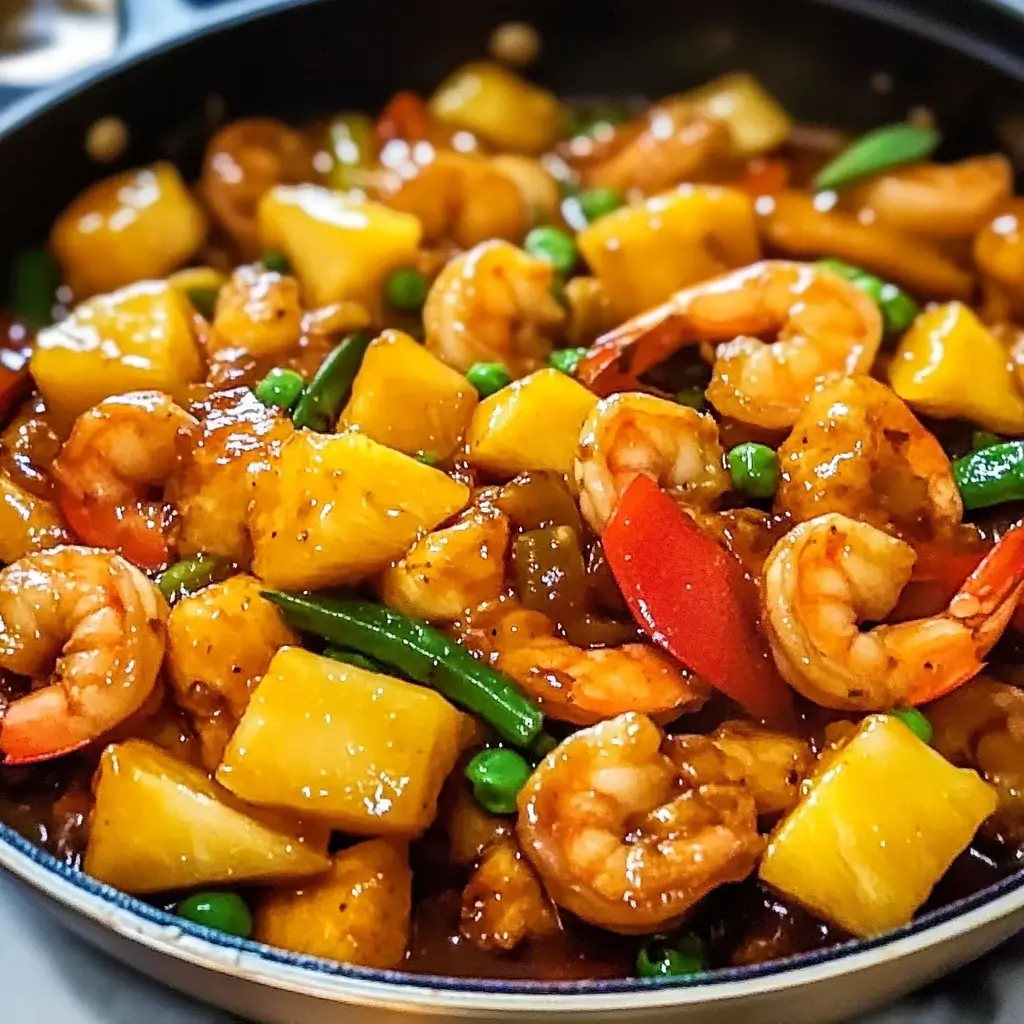

There’s something truly magical about the combination of sweet and savory in a stir fry. My family is always on the lookout for quick, healthy, and flavorful weeknight meals, and this Pineapple Shrimp Stir Fry has become an absolute staple in our rotation. The vibrant sweetness of the pineapple perfectly complements the succulent shrimp, while the medley of crisp-tender vegetables adds a delightful texture and nutritional boost. What I especially love about this recipe is its versatility – you can easily adapt it to use whatever vegetables you have on hand, making it a fantastic way to clear out the fridge. From picky eaters to adventurous palates, everyone in my house devours this dish. The aroma alone, as the ginger and garlic sizzle in the wok, is enough to make your mouth water. Forget takeout – this homemade Pineapple Shrimp Stir Fry is fresher, healthier, and bursting with flavor that will transport your taste buds straight to a tropical paradise! Get ready for a culinary adventure that’s both incredibly easy and incredibly satisfying.
Ingredients: The Freshest Flavors for a Vibrant Stir Fry
The key to an exceptional Pineapple Shrimp Stir Fry lies in the quality and freshness of the ingredients. Each component plays a vital role in creating the symphony of flavors and textures that make this dish so irresistible. Let’s break down each ingredient and understand why it’s essential for achieving stir-fry perfection:
- Shrimp: 1 pound Jumbo Shrimp, peeled and deveined
- Protein Powerhouse and Flavor King: Shrimp is the star protein of this dish, offering a delicate sweetness and a satisfyingly meaty texture. Jumbo shrimp are preferred for their size and succulence, but you can also use large or medium shrimp. Ensure the shrimp are peeled and deveined for convenience and optimal taste. Fresh or frozen (thawed) shrimp both work well. For the best flavor, look for wild-caught shrimp if possible.
- Pineapple: 1 cup Fresh Pineapple, cut into bite-sized chunks
- Tropical Sweetness and Tangy Zing: Fresh pineapple is non-negotiable for this recipe. Canned pineapple, while convenient, lacks the vibrant flavor and juicy texture of fresh pineapple. The sweetness and slight acidity of pineapple balance the savory elements of the stir fry and tenderize the shrimp beautifully. Choose a ripe pineapple that is fragrant and yields slightly to pressure. Cut it into chunks that are roughly the same size as the shrimp for even cooking.
- Bell Peppers: 2 Bell Peppers (any color, or a mix), sliced into strips
- Color, Crunch, and Vitamins: Bell peppers add vibrant color, a satisfying crunch, and a wealth of vitamins to the stir fry. You can use any color bell pepper – red, yellow, orange, or green – or a combination for visual appeal and a variety of flavors. Slice them into thin strips so they cook quickly and evenly in the stir fry.
- Onion: 1 medium Yellow Onion, sliced
- Aromatic Base and Sweetness: Onion provides a foundational aromatic base for the stir fry, adding depth of flavor and a subtle sweetness as it caramelizes slightly in the wok. Yellow onions are versatile and work perfectly in stir fries. Slice them thinly so they cook quickly and soften without becoming mushy.
- Broccoli Florets: 1 cup Broccoli Florets
- Nutrient-Rich and Textural Contrast: Broccoli florets add a healthy dose of nutrients and a delightful textural contrast to the stir fry. Choose fresh broccoli florets that are firm and bright green. Cut them into bite-sized pieces so they cook through quickly and evenly.
- Carrots: 2 medium Carrots, julienned or thinly sliced
- Sweetness and Vibrant Color: Carrots contribute sweetness, vibrant color, and a satisfying crunch to the stir fry. Julienne them into thin strips or slice them thinly on a bias for faster cooking and an elegant presentation.
- Garlic: 3 cloves Garlic, minced
- Pungent Aroma and Savory Depth: Garlic is an indispensable aromatic ingredient in stir fries, infusing the dish with its pungent aroma and savory depth. Freshly minced garlic is always best for maximum flavor.
- Ginger: 1 tablespoon Fresh Ginger, minced
- Warm Spice and Zesty Zing: Fresh ginger adds a warm spice and a zesty zing that brightens the stir fry and complements the pineapple and shrimp perfectly. Use freshly minced ginger for the most potent flavor.
- Soy Sauce: ¼ cup Low Sodium Soy Sauce
- Umami Richness and Salty Savoryness: Soy sauce is the cornerstone of stir fry sauces, providing umami richness and a salty savoriness that ties all the flavors together. Opt for low-sodium soy sauce to control the salt content of the dish.
- Rice Vinegar: 2 tablespoons Rice Vinegar
- Tangy Acidity and Flavor Balance: Rice vinegar adds a tangy acidity that balances the sweetness of the pineapple and the saltiness of the soy sauce, creating a harmonious flavor profile. It also adds a subtle sweetness of its own.
- Honey or Maple Syrup: 1 tablespoon Honey or Maple Syrup
- Natural Sweetness and Sauce Gloss: Honey or maple syrup adds a touch of natural sweetness to the sauce, enhancing the pineapple’s sweetness and creating a glossy, syrupy texture for the sauce. You can adjust the amount to your preference.
- Cornstarch: 1 tablespoon Cornstarch
- Sauce Thickener and Silky Texture: Cornstarch is used to thicken the stir fry sauce, creating a silky, glossy coating that clings beautifully to the shrimp and vegetables.
- Sesame Oil: 1 tablespoon Sesame Oil
- Nutty Aroma and Authentic Flavor: Sesame oil adds a distinctive nutty aroma and authentic Asian flavor to the stir fry. Use toasted sesame oil for the most pronounced flavor.
- Vegetable Oil: 2 tablespoons Vegetable Oil (or Canola Oil, Peanut Oil)
- High Heat Cooking and Stir Frying Medium: Vegetable oil (or other high-heat oils like canola or peanut oil) is essential for stir frying, as it has a high smoke point and allows you to cook the ingredients quickly at high heat without burning.
- Red Pepper Flakes (optional): ¼ teaspoon Red Pepper Flakes (or to taste)
- Heat and Spicy Kick: Red pepper flakes add a touch of heat and a spicy kick to the stir fry. Adjust the amount to your spice preference, or omit them entirely if you prefer a milder dish.
- Green Onions (for garnish): 2 Green Onions, thinly sliced (for garnish)
- Freshness, Color, and Mild Onion Flavor: Green onions provide a fresh, mild onion flavor and a vibrant green color as a garnish, adding a final touch of freshness and visual appeal to the finished stir fry.
- Cooked Rice or Noodles (for serving): Cooked Rice (white, brown, or jasmine) or Noodles (egg noodles, rice noodles) for serving
- Carbohydrate Base and Meal Completion: Cooked rice or noodles serve as the carbohydrate base for the stir fry, making it a complete and satisfying meal. Choose your favorite type of rice or noodles to serve alongside the stir fry.
Instructions: Step-by-Step Guide to Stir Fry Success
Mastering the art of stir frying is easier than you might think! Follow these step-by-step instructions to create a delicious and perfectly cooked Pineapple Shrimp Stir Fry in your own kitchen:
- Prepare the Shrimp: If using frozen shrimp, thaw them completely. Pat the shrimp dry with paper towels. This is crucial for achieving a good sear and preventing the shrimp from steaming instead of stir frying. In a small bowl, you can optionally marinate the shrimp for 10-15 minutes with ½ tablespoon of soy sauce and a pinch of black pepper for extra flavor.
- Prepare the Vegetables: Wash and prepare all the vegetables. Slice the bell peppers, onion, carrots, and broccoli florets into bite-sized pieces as described in the ingredient list. Mince the garlic and ginger. Having all your vegetables prepped and ready to go is essential for stir frying, as the cooking process is quick, and you’ll need to add ingredients in stages.
- Make the Stir Fry Sauce: In a small bowl, whisk together the low sodium soy sauce, rice vinegar, honey or maple syrup, cornstarch, and sesame oil. Whisk until the cornstarch is fully dissolved and the sauce is smooth. Set aside. Preparing the sauce in advance ensures a smooth and efficient cooking process.
- Heat the Wok or Skillet: Heat a large wok or a large skillet (preferably cast iron or stainless steel for good heat retention) over high heat. The wok or skillet should be very hot before you add the oil and ingredients. This high heat is key to achieving the characteristic sear and stir-fried flavor.
- Add Oil and Aromatics: Once the wok or skillet is hot, add the vegetable oil. Let the oil heat up for a few seconds until it shimmers. Add the minced garlic and ginger to the hot oil and stir fry for about 30 seconds, or until fragrant. Be careful not to burn the garlic and ginger; they should be fragrant but not browned.
- Stir Fry the Shrimp: Add the shrimp to the wok or skillet in a single layer (avoid overcrowding the pan, work in batches if necessary). Stir fry the shrimp for 2-3 minutes per side, or until they turn pink and opaque and are cooked through. Remove the shrimp from the wok or skillet and set aside. Don’t overcook the shrimp, as they will become rubbery.
- Stir Fry the Vegetables: Add the sliced onions, bell peppers, carrots, and broccoli florets to the wok or skillet. Stir fry the vegetables for 5-7 minutes, or until they are crisp-tender – cooked through but still retaining some crunch. Stir frequently to ensure even cooking. You may need to add a tablespoon of water or broth to the wok if the vegetables start to stick or dry out.
- Add Pineapple and Sauce: Add the pineapple chunks to the wok or skillet with the vegetables and stir fry for another minute to heat them through. Pour the prepared stir fry sauce over the vegetables and pineapple. Stir fry for 1-2 minutes, or until the sauce thickens and coats the vegetables and pineapple evenly. The cornstarch in the sauce will activate with the heat and thicken the sauce quickly.
- Return Shrimp and Combine: Return the cooked shrimp to the wok or skillet with the vegetables and sauce. Stir gently to combine everything and ensure the shrimp are coated in the sauce and heated through.
- Serve and Garnish: Remove the Pineapple Shrimp Stir Fry from the heat. Serve immediately over cooked rice or noodles. Garnish with thinly sliced green onions and red pepper flakes (if using). Enjoy your delicious and homemade Pineapple Shrimp Stir Fry!
Nutrition Facts: A Healthy and Flavorful Meal (Per Serving)
Pineapple Shrimp Stir Fry is not only delicious but also a relatively healthy meal option, packed with protein, vitamins, and minerals. Here’s an approximate nutritional breakdown per serving, based on a recipe that yields about 4 servings:
- Serving Size: Approximately 1 ½ cups of stir fry (without rice or noodles)
- Calories: Approximately 350-450 calories
- Note: Calorie counts can vary depending on the specific ingredients used, portion sizes, and the amount of oil used for stir frying.
- Total Fat: 15-20 grams
- Saturated Fat: 2-3 grams
- Cholesterol: 200-250 mg
- Sodium: 500-700 mg (can vary based on soy sauce used)
- Total Carbohydrates: 30-40 grams
- Dietary Fiber: 5-7 grams
- Sugars: 15-20 grams (primarily from pineapple and honey/maple syrup)
- Protein: 25-30 grams
Key Nutritional Benefits:
- High in Protein: Shrimp is an excellent source of lean protein, essential for muscle building and satiety.
- Rich in Vitamins and Minerals: Bell peppers, broccoli, carrots, and pineapple are packed with vitamins (especially Vitamin C and Vitamin A), minerals, and antioxidants.
- Relatively Low in Fat: When cooked with a moderate amount of oil, stir fries can be relatively low in fat compared to other cooking methods.
- Good Source of Fiber: Vegetables contribute dietary fiber, which is important for digestion and overall health.
Tips for a Healthier Stir Fry:
- Use Low Sodium Soy Sauce: Reduces sodium content significantly.
- Control Oil Usage: Use just enough oil to prevent sticking and minimize added fat.
- Load Up on Vegetables: Increase the proportion of vegetables to shrimp for a more nutrient-dense and lower-calorie meal.
- Serve with Brown Rice: Brown rice is a whole grain option that provides more fiber and nutrients than white rice.
Preparation Time: Quick and Easy from Start to Finish
Pineapple Shrimp Stir Fry is a fantastic choice for busy weeknights because it comes together quickly and efficiently. Here’s a breakdown of the estimated preparation time:
- Prep Time: Approximately 20-25 minutes
- This includes peeling and deveining shrimp, chopping vegetables, mincing garlic and ginger, and preparing the stir fry sauce.
- Cook Time: Approximately 15-20 minutes
- This includes stir frying shrimp, vegetables, and combining everything with the sauce.
- Total Time: Approximately 35-45 minutes
Time-Saving Tips:
- Pre-cut Vegetables: Purchase pre-cut vegetables from the grocery store to save on prep time.
- Marinate Shrimp While Prepping Vegetables: Marinate the shrimp while you are chopping vegetables to maximize flavor without adding extra time.
- Cook Rice or Noodles in Advance: Cook rice or noodles ahead of time or use instant rice for a faster meal.
- Efficient Stir Frying: High heat and proper wok technique ensure quick cooking times.
How to Serve: Making it a Complete and Delicious Meal
Pineapple Shrimp Stir Fry is delicious on its own, but thoughtful serving suggestions can elevate the dining experience and make it a truly satisfying meal. Here are some ideas for how to serve this tropical stir fry:
- Rice Options:
- White Rice: Classic and versatile, white rice is a perfect blank canvas to soak up the flavorful stir fry sauce.
- Brown Rice: A healthier option with a nutty flavor and more fiber.
- Jasmine Rice: Fragrant and slightly sticky, jasmine rice adds a delicate aroma and texture.
- Basmati Rice: Long-grain and fluffy, basmati rice is another excellent choice.
- Noodle Options:
- Egg Noodles: Wide or thin egg noodles provide a satisfying chewiness and complement the stir fry flavors.
- Rice Noodles: Gluten-free and delicate, rice noodles are a lighter option.
- Lo Mein Noodles: Thick and chewy wheat noodles, often used in stir fries.
- Garnish Ideas:
- Green Onions: Freshly sliced green onions add a pop of color and mild onion flavor.
- Sesame Seeds: Toasted sesame seeds add a nutty flavor and visual appeal.
- Red Pepper Flakes: For an extra kick of heat.
- Chopped Peanuts or Cashews: For added crunch and nutty flavor.
- Fresh Cilantro: For a bright and herbaceous garnish (if you enjoy cilantro).
- Side Dish Suggestions:
- Spring Rolls or Egg Rolls: Crispy spring rolls or egg rolls make a delicious appetizer or side dish.
- Miso Soup: A light and savory miso soup complements the stir fry flavors.
- Edamame: Steamed edamame pods are a healthy and easy side dish.
- Seaweed Salad: A refreshing seaweed salad provides a tangy and briny counterpoint to the stir fry.
- Asian Slaw: A light and crunchy Asian-inspired slaw adds freshness and texture.
- Presentation Tips:
- Serve Hot: Stir fry is best served immediately while it’s hot and the vegetables are crisp-tender.
- Arrange Nicely: Spoon the stir fry over rice or noodles in bowls or plates and garnish generously.
- Use Colorful Bowls: Vibrant bowls can enhance the visual appeal of the colorful stir fry.
Additional Tips: Elevate Your Stir Fry Game
Want to take your Pineapple Shrimp Stir Fry from good to absolutely amazing? Here are five additional tips to elevate your stir fry game and ensure consistently delicious results:
- High Heat is Key: Stir frying is a high-heat cooking method. Make sure your wok or skillet is thoroughly heated before adding oil and ingredients. This high heat is essential for achieving the characteristic sear, wok hei (smoky flavor), and crisp-tender texture of stir-fried dishes. Don’t overcrowd the pan, as this will lower the temperature and cause steaming instead of stir frying. Work in batches if necessary.
- Prep Everything in Advance (Mise en Place): Stir frying is a fast-paced cooking process. Having all your ingredients prepped and ready to go – vegetables chopped, sauces mixed, proteins marinated – is crucial for a smooth and efficient cooking experience. “Mise en place” (French for “everything in its place”) is a chef’s secret to success in the kitchen.
- Don’t Overcook the Shrimp: Shrimp cook very quickly. Overcooking will make them rubbery and tough. Stir fry the shrimp just until they turn pink, opaque, and are cooked through. Remove them from the wok as soon as they are done and add them back in at the end to reheat.
- Customize Your Vegetables: Feel free to customize the vegetables in your stir fry based on your preferences and what you have on hand. Other great vegetable additions include snow peas, snap peas, baby corn, mushrooms, bok choy, and bean sprouts. Aim for a variety of colors and textures for a more interesting and nutritious stir fry.
- Adjust Spice Level to Your Liking: If you enjoy spicy food, feel free to increase the amount of red pepper flakes or add a dash of sriracha or chili garlic sauce to the stir fry sauce. You can also add a chopped fresh chili pepper (like Thai bird chili or jalapeño) during the stir frying process for a more intense heat. For a milder stir fry, omit the red pepper flakes entirely.
FAQ: Your Pineapple Shrimp Stir Fry Questions Answered
Have questions about making Pineapple Shrimp Stir Fry? Here are answers to some frequently asked questions to help you become a stir fry master:
Q1: Can I use frozen pineapple instead of fresh pineapple?
A: While fresh pineapple is highly recommended for its superior flavor and texture, you can use frozen pineapple chunks in a pinch. Thaw the frozen pineapple completely and drain off any excess liquid before adding it to the stir fry. Be aware that frozen pineapple may be slightly softer than fresh pineapple and might not hold its shape as well during stir frying.
Q2: Can I substitute chicken or tofu for shrimp?
A: Yes, you can easily substitute chicken or tofu for shrimp in this recipe. For chicken, use boneless, skinless chicken breasts or thighs cut into bite-sized pieces. Stir fry the chicken until cooked through before adding the vegetables. For tofu, use firm or extra-firm tofu, pressed to remove excess water and cut into cubes. Stir fry the tofu until lightly browned and crispy before adding the vegetables.
Q3: Can I make this stir fry gluten-free?
A: Yes, you can easily make this Pineapple Shrimp Stir Fry gluten-free. Ensure you use gluten-free soy sauce (tamari is a good gluten-free alternative). Also, check the label of your cornstarch to ensure it is certified gluten-free. Serve the stir fry with rice noodles or rice instead of wheat-based noodles.
Q4: Can I prepare the stir fry sauce ahead of time?
A: Absolutely! Preparing the stir fry sauce ahead of time is a great time-saving tip. You can mix the sauce ingredients in a jar or airtight container and store it in the refrigerator for up to a week. Just whisk it well before using.
Q5: How do I prevent my stir fry from being soggy?
A: To prevent a soggy stir fry, ensure you are using high heat and not overcrowding the pan. Pat your shrimp and vegetables dry before stir frying to remove excess moisture. Cook vegetables until crisp-tender, not overcooked and mushy. Add the sauce at the very end and stir fry just until thickened. Serve immediately to maintain the best texture.
With this comprehensive guide and these helpful tips, you’re now equipped to create a truly delicious and impressive Pineapple Shrimp Stir Fry at home. Get ready to enjoy a taste of the tropics that’s quick, easy, healthy, and bursting with flavor! Happy stir frying!
Print
Pineapple Shrimp Stir Fry recipe
Ingredients
- Shrimp: 1 pound Jumbo Shrimp, peeled and deveined
- Protein Powerhouse and Flavor King: Shrimp is the star protein of this dish, offering a delicate sweetness and a satisfyingly meaty texture. Jumbo shrimp are preferred for their size and succulence, but you can also use large or medium shrimp. Ensure the shrimp are peeled and deveined for convenience and optimal taste. Fresh or frozen (thawed) shrimp both work well. For the best flavor, look for wild-caught shrimp if possible.
- Pineapple: 1 cup Fresh Pineapple, cut into bite-sized chunks
- Tropical Sweetness and Tangy Zing: Fresh pineapple is non-negotiable for this recipe. Canned pineapple, while convenient, lacks the vibrant flavor and juicy texture of fresh pineapple. The sweetness and slight acidity of pineapple balance the savory elements of the stir fry and tenderize the shrimp beautifully. Choose a ripe pineapple that is fragrant and yields slightly to pressure. Cut it into chunks that are roughly the same size as the shrimp for even cooking.
- Bell Peppers: 2 Bell Peppers (any color, or a mix), sliced into strips
- Color, Crunch, and Vitamins: Bell peppers add vibrant color, a satisfying crunch, and a wealth of vitamins to the stir fry. You can use any color bell pepper – red, yellow, orange, or green – or a combination for visual appeal and a variety of flavors. Slice them into thin strips so they cook quickly and evenly in the stir fry.
- Onion: 1 medium Yellow Onion, sliced
- Aromatic Base and Sweetness: Onion provides a foundational aromatic base for the stir fry, adding depth of flavor and a subtle sweetness as it caramelizes slightly in the wok. Yellow onions are versatile and work perfectly in stir fries. Slice them thinly so they cook quickly and soften without becoming mushy.
- Broccoli Florets: 1 cup Broccoli Florets
- Nutrient-Rich and Textural Contrast: Broccoli florets add a healthy dose of nutrients and a delightful textural contrast to the stir fry. Choose fresh broccoli florets that are firm and bright green. Cut them into bite-sized pieces so they cook through quickly and evenly.
- Carrots: 2 medium Carrots, julienned or thinly sliced
- Sweetness and Vibrant Color: Carrots contribute sweetness, vibrant color, and a satisfying crunch to the stir fry. Julienne them into thin strips or slice them thinly on a bias for faster cooking and an elegant presentation.
- Garlic: 3 cloves Garlic, minced
- Pungent Aroma and Savory Depth: Garlic is an indispensable aromatic ingredient in stir fries, infusing the dish with its pungent aroma and savory depth. Freshly minced garlic is always best for maximum flavor.
- Ginger: 1 tablespoon Fresh Ginger, minced
- Warm Spice and Zesty Zing: Fresh ginger adds a warm spice and a zesty zing that brightens the stir fry and complements the pineapple and shrimp perfectly. Use freshly minced ginger for the most potent flavor.
- Soy Sauce: ¼ cup Low Sodium Soy Sauce
- Umami Richness and Salty Savoryness: Soy sauce is the cornerstone of stir fry sauces, providing umami richness and a salty savoriness that ties all the flavors together. Opt for low-sodium soy sauce to control the salt content of the dish.
- Rice Vinegar: 2 tablespoons Rice Vinegar
- Tangy Acidity and Flavor Balance: Rice vinegar adds a tangy acidity that balances the sweetness of the pineapple and the saltiness of the soy sauce, creating a harmonious flavor profile. It also adds a subtle sweetness of its own.
- Honey or Maple Syrup: 1 tablespoon Honey or Maple Syrup
- Natural Sweetness and Sauce Gloss: Honey or maple syrup adds a touch of natural sweetness to the sauce, enhancing the pineapple’s sweetness and creating a glossy, syrupy texture for the sauce. You can adjust the amount to your preference.
- Cornstarch: 1 tablespoon Cornstarch
- Sauce Thickener and Silky Texture: Cornstarch is used to thicken the stir fry sauce, creating a silky, glossy coating that clings beautifully to the shrimp and vegetables.
- Sesame Oil: 1 tablespoon Sesame Oil
- Nutty Aroma and Authentic Flavor: Sesame oil adds a distinctive nutty aroma and authentic Asian flavor to the stir fry. Use toasted sesame oil for the most pronounced flavor.
- Vegetable Oil: 2 tablespoons Vegetable Oil (or Canola Oil, Peanut Oil)
- High Heat Cooking and Stir Frying Medium: Vegetable oil (or other high-heat oils like canola or peanut oil) is essential for stir frying, as it has a high smoke point and allows you to cook the ingredients quickly at high heat without burning.
- Red Pepper Flakes (optional): ¼ teaspoon Red Pepper Flakes (or to taste)
- Heat and Spicy Kick: Red pepper flakes add a touch of heat and a spicy kick to the stir fry. Adjust the amount to your spice preference, or omit them entirely if you prefer a milder dish.
- Green Onions (for garnish): 2 Green Onions, thinly sliced (for garnish)
- Freshness, Color, and Mild Onion Flavor: Green onions provide a fresh, mild onion flavor and a vibrant green color as a garnish, adding a final touch of freshness and visual appeal to the finished stir fry.
- Cooked Rice or Noodles (for serving): Cooked Rice (white, brown, or jasmine) or Noodles (egg noodles, rice noodles) for serving
- Carbohydrate Base and Meal Completion: Cooked rice or noodles serve as the carbohydrate base for the stir fry, making it a complete and satisfying meal. Choose your favorite type of rice or noodles to serve alongside the stir fry.
Instructions
- Prepare the Shrimp: If using frozen shrimp, thaw them completely. Pat the shrimp dry with paper towels. This is crucial for achieving a good sear and preventing the shrimp from steaming instead of stir frying. In a small bowl, you can optionally marinate the shrimp for 10-15 minutes with ½ tablespoon of soy sauce and a pinch of black pepper for extra flavor.
- Prepare the Vegetables: Wash and prepare all the vegetables. Slice the bell peppers, onion, carrots, and broccoli florets into bite-sized pieces as described in the ingredient list. Mince the garlic and ginger. Having all your vegetables prepped and ready to go is essential for stir frying, as the cooking process is quick, and you’ll need to add ingredients in stages.
- Make the Stir Fry Sauce: In a small bowl, whisk together the low sodium soy sauce, rice vinegar, honey or maple syrup, cornstarch, and sesame oil. Whisk until the cornstarch is fully dissolved and the sauce is smooth. Set aside. Preparing the sauce in advance ensures a smooth and efficient cooking process.
- Heat the Wok or Skillet: Heat a large wok or a large skillet (preferably cast iron or stainless steel for good heat retention) over high heat. The wok or skillet should be very hot before you add the oil and ingredients. This high heat is key to achieving the characteristic sear and stir-fried flavor.
- Add Oil and Aromatics: Once the wok or skillet is hot, add the vegetable oil. Let the oil heat up for a few seconds until it shimmers. Add the minced garlic and ginger to the hot oil and stir fry for about 30 seconds, or until fragrant. Be careful not to burn the garlic and ginger; they should be fragrant but not browned.
- Stir Fry the Shrimp: Add the shrimp to the wok or skillet in a single layer (avoid overcrowding the pan, work in batches if necessary). Stir fry the shrimp for 2-3 minutes per side, or until they turn pink and opaque and are cooked through. Remove the shrimp from the wok or skillet and set aside. Don’t overcook the shrimp, as they will become rubbery.
- Stir Fry the Vegetables: Add the sliced onions, bell peppers, carrots, and broccoli florets to the wok or skillet. Stir fry the vegetables for 5-7 minutes, or until they are crisp-tender – cooked through but still retaining some crunch. Stir frequently to ensure even cooking. You may need to add a tablespoon of water or broth to the wok if the vegetables start to stick or dry out.
- Add Pineapple and Sauce: Add the pineapple chunks to the wok or skillet with the vegetables and stir fry for another minute to heat them through. Pour the prepared stir fry sauce over the vegetables and pineapple. Stir fry for 1-2 minutes, or until the sauce thickens and coats the vegetables and pineapple evenly. The cornstarch in the sauce will activate with the heat and thicken the sauce quickly.
- Return Shrimp and Combine: Return the cooked shrimp to the wok or skillet with the vegetables and sauce. Stir gently to combine everything and ensure the shrimp are coated in the sauce and heated through.
- Serve and Garnish: Remove the Pineapple Shrimp Stir Fry from the heat. Serve immediately over cooked rice or noodles. Garnish with thinly sliced green onions and red pepper flakes (if using). Enjoy your delicious and homemade Pineapple Shrimp Stir Fry!
Nutrition
- Serving Size: one normal portion
- Calories: 350-450
- Sugar: 15-20 grams
- Sodium: 500-700 mg
- Fat: 15-20 grams
- Saturated Fat: 2-3 grams
- Carbohydrates: 30-40 grams
- Fiber: 5-7 grams
- Protein: 25-30 grams
- Cholesterol: 200-250 mg