

It was on a particularly sweltering summer morning, when even the thought of hot coffee felt oppressive, that I stumbled upon the magic of Pineapple Coconut Chia Pudding. I was craving something refreshing, light, and yet satisfying enough to kickstart my day. Scrolling through recipe blogs, the vibrant image of creamy white pudding dotted with golden pineapple chunks immediately caught my eye. Intrigued by the simplicity and the promise of tropical flavors, I decided to give it a try. Let me tell you, it was a revelation. The first spoonful was a burst of sunshine – the creamy coconut milk infused with the subtle sweetness of pineapple, all punctuated by the satisfying pop of chia seeds. It was like a mini-vacation in a bowl! My kids, initially skeptical of the “pudding with seeds,” were soon converted, requesting it for breakfast and even dessert. It’s become a staple in our house, not just for its incredible taste, but also for its ease of preparation and its impressive nutritional profile. Whether you’re looking for a healthy breakfast, a guilt-free dessert, or a refreshing afternoon snack, this Pineapple Coconut Chia Pudding is a recipe you absolutely must try. Prepare to be transported to a tropical paradise with every spoonful!
Ingredients
To create your own taste of paradise with this delightful Pineapple Coconut Chia Pudding, you’ll need just a handful of simple, wholesome ingredients. The beauty of this recipe lies in its minimalism and the way each ingredient contributes to the overall flavor and texture. Let’s break down what you’ll need:
- Chia Seeds: ½ cup. These tiny powerhouses are the magic behind the pudding. Chia seeds are hydrophilic, meaning they absorb liquid and create a gel-like consistency, transforming the coconut milk into a creamy pudding. Black or white chia seeds both work equally well; the color difference is purely aesthetic.
- Coconut Milk: 2 cups (full-fat recommended for creaminess). Coconut milk forms the liquid base of our pudding, imparting a rich, tropical flavor and creamy texture. Full-fat coconut milk will yield the richest and creamiest pudding, but you can use light coconut milk to reduce the fat content if desired, although the texture might be slightly less decadent. Make sure to use canned coconut milk, not coconut milk beverage from a carton, as the latter is much thinner.
- Pineapple: 1 cup, diced (fresh or canned in juice, drained). Pineapple brings a burst of tropical sweetness and a vibrant, tangy counterpoint to the creamy coconut. Fresh pineapple is ideal for its bright flavor and texture, but canned pineapple in juice (drained well) is a convenient and perfectly acceptable substitute. If using canned pineapple, ensure it’s packed in juice, not heavy syrup, to keep the added sugar minimal.
- Sweetener (Optional): 2-4 tablespoons maple syrup, agave nectar, or honey (or to taste). Depending on the sweetness of your pineapple and your personal preference, you may want to add a touch of sweetener. Maple syrup, agave, or honey are natural options that complement the tropical flavors beautifully. You can also use other sweeteners like stevia or monk fruit for sugar-free options. Start with a smaller amount and adjust to your taste. If using very ripe, sweet pineapple, you might even find you don’t need any added sweetener at all.
- Vanilla Extract: 1 teaspoon. Vanilla extract enhances the overall flavor profile, adding warmth and depth. Pure vanilla extract is recommended for the best flavor, but imitation vanilla extract can also be used.
- Pinch of Salt: A tiny pinch of salt enhances the sweetness and balances the flavors. Salt is a flavor enhancer and a small amount can make a significant difference in bringing out the best in the other ingredients.
- Optional Toppings (for serving): Toasted coconut flakes, extra diced pineapple, fresh mint leaves, shredded coconut, macadamia nuts, lime zest, granola, berries. Toppings are where you can get creative and customize your pudding to your liking. Toasted coconut flakes add a lovely crunch and intensified coconut flavor. Fresh mint leaves add a refreshing herbaceous note and a pop of color. Nuts and granola provide added texture and healthy fats. Lime zest brings a bright citrusy zing.
Ingredient Notes for Success:
- Coconut Milk Choice: For the creamiest pudding, opt for full-fat coconut milk. If using light coconut milk, you might consider adding a tablespoon of coconut cream (the thick, solid part from the top of a can of full-fat coconut milk, refrigerated overnight) to boost the creaminess.
- Pineapple Preparation: If using fresh pineapple, make sure it is ripe and sweet for the best flavor. Dice it into small, bite-sized pieces. If using canned pineapple, drain it thoroughly to remove excess juice and prevent the pudding from becoming too watery.
- Sweetener Adjustment: Taste the pudding before adding sweetener. The sweetness of the pineapple and coconut milk might be sufficient for your preference. If you do add sweetener, start with a smaller amount and gradually increase until you reach your desired level of sweetness.
- Spice it Up (Optional): For a hint of warmth and spice, consider adding a pinch of ground cinnamon, nutmeg, or cardamom to the pudding. These spices pair beautifully with pineapple and coconut.
- Citrus Zest (Optional): A little lime or lemon zest added to the pudding base can brighten the flavors and add a refreshing citrus note, especially if you want to emphasize the tropical aspect.
Instructions
Creating this luscious Pineapple Coconut Chia Pudding is incredibly simple and requires minimal effort. It’s mostly a “set it and forget it” recipe, perfect for meal prepping or a quick and healthy treat. Here’s how to make it:
Step 1: Combine Ingredients
- In a medium-sized bowl or jar: Pour in the coconut milk, chia seeds, diced pineapple, sweetener (if using), vanilla extract, and a pinch of salt. Using a jar with a lid is convenient for shaking and storing the pudding directly. A bowl is also perfectly fine, just ensure it can be covered later.
- Stir or Shake Vigorously: Using a whisk or a fork (if using a bowl), or by securely closing the lid and shaking the jar, thoroughly combine all the ingredients. Ensure the chia seeds are well dispersed throughout the coconut milk and not clumping together at the bottom. Vigorous mixing at this stage is crucial to prevent clumping and ensure even pudding consistency.
Step 2: Chill and Set
- Cover and Refrigerate: Cover the bowl or jar tightly with a lid or plastic wrap. Place it in the refrigerator to chill and set.
- Chill for at least 2 hours, or preferably overnight: This chilling time is essential for the chia seeds to absorb the coconut milk and transform the mixture into a pudding. While 2 hours will yield a pudding-like consistency, overnight chilling results in the best texture and allows the flavors to meld together beautifully.
Step 3: Stir and Serve
- Stir Before Serving: After chilling, remove the pudding from the refrigerator. Give it a good stir. Chia seeds sometimes settle at the bottom during setting, so stirring ensures an even consistency throughout. If the pudding is thicker than desired, you can stir in a tablespoon or two of extra coconut milk to reach your preferred consistency.
- Serve Chilled: Spoon the Pineapple Coconut Chia Pudding into bowls or glasses.
- Add Toppings (Optional): Get creative with your toppings! Sprinkle with toasted coconut flakes, add extra diced pineapple, garnish with fresh mint leaves, or drizzle with a little extra maple syrup or agave. Refer to the “How to Serve” section for more topping ideas.
- Enjoy! Indulge in the refreshing and tropical flavors of your homemade Pineapple Coconut Chia Pudding.
Tips for Perfect Instructions:
- First Stir is Key: Don’t skimp on the initial stirring or shaking. Thorough mixing at the beginning is crucial for preventing chia seed clumps and achieving a smooth pudding.
- Overnight Chill is Best: While you can enjoy the pudding after 2 hours, an overnight chill is highly recommended for optimal texture and flavor development. The longer chilling time allows the chia seeds to fully hydrate and the flavors to deepen.
- Adjust Consistency: If you prefer a thinner pudding, add a bit more coconut milk before chilling or stir in a tablespoon or two after chilling until you reach your desired consistency. If you prefer a thicker pudding, you can add an extra tablespoon or two of chia seeds next time you make it.
- Taste and Adjust Sweetness: Taste the pudding after it has set and adjust the sweetness if needed. You can stir in a little more sweetener to your liking.
- Prep Ahead for Convenience: This recipe is ideal for meal prepping. Make a batch on Sunday and have healthy breakfasts or snacks ready for the week.
Nutrition Facts
Pineapple Coconut Chia Pudding isn’t just delicious; it’s also packed with nutrients, making it a truly wholesome and guilt-free treat. Understanding the nutritional profile can help you appreciate its health benefits even more. Please remember that these are estimated values, and the actual nutrition facts can vary slightly based on specific ingredients used, portion sizes, and brands. This information is intended as a general guide.
Serving Size: Approximately ½ cup (assuming recipe makes about 4 servings).
Estimated Calories per Serving: 250-350 calories (depending on sweetener and toppings).
Approximate Nutritional Breakdown per Serving (Estimated):
- Calories: 250-350
- Protein: 5-7 grams
- Fat: 18-25 grams
- Saturated Fat: 15-20 grams (primarily from coconut milk)
- Unsaturated Fat: Varies (including Omega-3 fatty acids from chia seeds)
- Cholesterol: 0 mg
- Sodium: 50-100 mg
- Carbohydrates: 20-30 grams
- Fiber: 10-12 grams (primarily from chia seeds and pineapple)
- Sugar: 8-15 grams (naturally occurring from pineapple and coconut milk, plus added sweetener if used)
- Vitamins and Minerals: Excellent source of Manganese, Copper, Phosphorus, Magnesium, and good source of Vitamin C, Potassium, and Iron. Also contains antioxidants and phytonutrients from pineapple and coconut.
Key Nutritional Highlights:
- High in Fiber: Chia seeds are an excellent source of dietary fiber. Fiber aids in digestion, promotes satiety, helps regulate blood sugar levels, and supports heart health. One serving provides a significant portion of your daily fiber needs.
- Rich in Omega-3 Fatty Acids: Chia seeds are one of the best plant-based sources of Omega-3 fatty acids, particularly ALA (alpha-linolenic acid). Omega-3s are essential for brain health, heart health, and reducing inflammation.
- Good Source of Protein: While not exceptionally high in protein, chia seeds contribute a decent amount of plant-based protein, which is important for muscle building, repair, and overall bodily functions.
- Healthy Fats: Coconut milk provides healthy fats, primarily saturated fats. While saturated fat intake should be moderate, the saturated fats in coconut are medium-chain triglycerides (MCTs), which are metabolized differently by the body and may offer some health benefits. Chia seeds also contribute healthy unsaturated fats.
- Vitamins and Minerals: Pineapple is a good source of Vitamin C, an antioxidant that supports immune function. Coconut milk and chia seeds contribute various minerals like manganese, copper, phosphorus, and magnesium, which are essential for numerous bodily processes.
- Antioxidant Rich: Pineapple contains bromelain, an enzyme with anti-inflammatory properties, and both pineapple and coconut contain antioxidants that help protect cells from damage.
Important Considerations:
- Calorie Density: While nutritious, coconut milk is calorie-dense. Be mindful of portion sizes, especially if you are watching your calorie intake. Using light coconut milk can reduce the calorie and fat content.
- Saturated Fat Content: Full-fat coconut milk is high in saturated fat. If you are concerned about saturated fat intake, use light coconut milk or consume this pudding in moderation as part of a balanced diet.
- Sugar Content: The sugar content will vary depending on the sweetness of your pineapple and the amount of sweetener you add. Choose unsweetened coconut milk and use sweetener sparingly, or opt for sugar-free sweeteners if you are watching your sugar intake.
- Allergies: Be aware of potential allergies to coconut or pineapple.
Disclaimer: This nutritional information is an estimate only and should not be considered a substitute for professional dietary advice. For precise nutritional information, it’s recommended to use a nutrition calculator and input the specific brands and quantities of ingredients you use.
Preparation Time
One of the biggest advantages of Pineapple Coconut Chia Pudding is its incredibly quick and easy preparation. It’s a perfect recipe for busy individuals or anyone who wants a healthy and delicious meal or snack without spending a lot of time in the kitchen.
- Prep Time: 5-10 minutes. This includes measuring out ingredients, dicing pineapple (if using fresh), and mixing everything together. The active prep time is minimal.
- Chill Time: Minimum 2 hours (ideally overnight). This is inactive time where the pudding sets in the refrigerator.
- Total Time: Approximately 2 hours and 5-10 minutes (minimum) to overnight. The majority of the time is hands-off chilling time.
Time Breakdown:
- Active Time: 5-10 minutes. The time you are actively involved in preparing the recipe – measuring, chopping (if needed), and mixing.
- Inactive Time: 2+ hours (or overnight). The time the pudding spends chilling and setting in the refrigerator.
Tips to Speed Up Preparation:
- Use Canned Pineapple: Using canned pineapple (in juice, drained) eliminates the need for chopping, saving you a few minutes of prep time.
- Measure Ingredients Ahead: If you are really pressed for time in the morning, you can measure out the chia seeds, sweetener, vanilla, and salt into a jar or container the night before. In the morning, simply add the coconut milk and pineapple, stir, and refrigerate.
- Batch Prep: Make a larger batch of chia pudding at the beginning of the week to have ready-to-go breakfasts or snacks available whenever you need them.
Why Preparation Time Matters:
The minimal preparation time of Pineapple Coconut Chia Pudding makes it an incredibly convenient and accessible healthy option. It’s perfect for:
- Busy Weekday Mornings: Prepare it the night before and have a nutritious and satisfying breakfast ready to grab and go in the morning.
- Quick and Healthy Snacks: It’s a great option for a healthy afternoon snack or a post-workout refuel.
- Easy Dessert: When you crave something sweet but don’t want to spend hours baking, this pudding is a perfect quick and guilt-free dessert alternative.
- Meal Prepping: Its make-ahead nature makes it ideal for meal prepping and planning.
How to Serve
Pineapple Coconut Chia Pudding is wonderfully versatile and can be served in numerous ways, making it enjoyable for breakfast, snacks, or even dessert. Get creative and personalize your serving with different toppings and variations.
Serving Suggestions:
- Classic Bowl: Simply spoon the chilled chia pudding into bowls and enjoy as is for a simple and satisfying treat.
- Toppings Bar: Set up a toppings bar with a variety of options and let everyone customize their own pudding. This is especially fun for families or gatherings.
- Layered Parfait: Create a beautiful and more substantial parfait by layering chia pudding with granola, fresh fruit (berries, mango, banana), yogurt (dairy or non-dairy), and a drizzle of honey or maple syrup.
- Dessert Cups: Serve in elegant dessert cups or glasses for a more refined presentation, perfect for a light and healthy dessert option at dinner parties.
- Smoothie Bowl Base: Use chia pudding as the base for a smoothie bowl. Top with blended frozen fruits, granola, nuts, seeds, and a drizzle of nut butter.
- Breakfast Jar: Layer chia pudding in a jar with fruit and granola for a convenient and portable breakfast or snack to take on the go.
Delicious Topping Ideas:
- Toasted Coconut Flakes: Adds a crunchy texture and intensified coconut flavor. Toasting the flakes enhances their aroma and taste.
- Fresh Pineapple Chunks: Reinforces the pineapple flavor and adds a juicy burst.
- Fresh Mint Leaves: Provides a refreshing herbaceous note and a pop of color.
- Shredded Coconut (Unsweetened or Toasted): Adds extra coconut flavor and texture.
- Macadamia Nuts (Chopped or Whole): Offers a buttery, tropical nuttiness and healthy fats.
- Lime Zest: Brings a bright citrusy zing that complements the tropical flavors.
- Granola: Adds crunch and texture, and can be customized with different flavors (nutty, fruity, etc.).
- Fresh Berries (Strawberries, Blueberries, Raspberries): Provides sweetness, antioxidants, and vibrant color.
- Mango Chunks: Enhances the tropical theme and adds a sweet, creamy texture.
- Banana Slices: Adds sweetness and creaminess.
- Nut Butter (Almond, Peanut, Cashew): Adds richness, protein, and healthy fats.
- Drizzle of Maple Syrup, Agave Nectar, or Honey: For extra sweetness if desired.
- Cinnamon or Nutmeg: Adds warmth and spice, especially nice for fall or winter servings.
Serving Tips for Success:
- Chill Thoroughly: Ensure the chia pudding is well-chilled before serving for the best texture and refreshing taste.
- Prepare Toppings Ahead: Have your toppings prepped and ready to go so you can quickly assemble your servings.
- Presentation Matters: Even for a simple dish like chia pudding, presentation can enhance the enjoyment. Use attractive bowls or glasses and arrange toppings artfully.
- Serve Immediately After Topping: If using crunchy toppings like granola or toasted coconut, add them just before serving to prevent them from becoming soggy.
- Customize for Dietary Needs: Offer a variety of toppings to cater to different dietary preferences and needs (e.g., vegan, gluten-free, nut-free options).
Additional Tips
Want to make your Pineapple Coconut Chia Pudding even more exceptional? Here are five additional tips to elevate your recipe and ensure delicious results every time:
- Control the Sweetness: Pineapple Coconut Chia Pudding is naturally subtly sweet from the coconut milk and pineapple. Start with a smaller amount of sweetener and taste the pudding after it has set. You can always add more sweetener to reach your desired sweetness level. Consider the ripeness of your pineapple – very ripe pineapple will be naturally sweeter and may require less or no added sweetener. Using unsweetened coconut milk also gives you more control over the final sweetness.
- Adjust the Thickness: The ratio of chia seeds to liquid determines the thickness of the pudding. If you prefer a thicker pudding, use slightly more chia seeds (e.g., ¾ cup chia seeds for 2 cups of coconut milk). If you prefer a thinner pudding, use slightly less chia seeds (e.g., ⅓ cup chia seeds for 2 cups of coconut milk) or add a bit more coconut milk after the pudding has set to thin it out to your desired consistency. Experiment to find your perfect chia-to-liquid ratio.
- Boost the Coconut Flavor: For an even more intense coconut flavor, consider using coconut cream in addition to or instead of some of the coconut milk. Coconut cream is thicker and richer than coconut milk and will create an extra decadent pudding. You can also add a teaspoon of coconut extract to enhance the coconut flavor. Using toasted coconut flakes as a topping further amplifies the coconut notes.
- Flavor Variations: Pineapple Coconut Chia Pudding is a fantastic base for flavor variations. Get creative and experiment with adding other tropical fruits like mango, passion fruit, or papaya. You can also incorporate spices like cinnamon, nutmeg, cardamom, or ginger for a warmer flavor profile. A squeeze of lime or lemon juice can add a refreshing citrusy zing. Consider adding a tablespoon of shredded coconut to the pudding base itself for added texture and coconut flavor.
- Blend for Smoothness (Optional): While chia pudding is typically enjoyed with its characteristic tapioca-like texture from the whole chia seeds, if you prefer a completely smooth pudding, you can blend it after it has set. Simply transfer the chilled pudding to a blender and blend until smooth and creamy. This creates a silky smooth pudding that some people prefer. Blending is a great option if you want to achieve a texture similar to traditional pudding or yogurt.
FAQ Section
Curious to know more about Pineapple Coconut Chia Pudding? Here are five frequently asked questions to help you master this recipe and address any queries you might have:
Q1: How long does Pineapple Coconut Chia Pudding last in the refrigerator?
A1: Pineapple Coconut Chia Pudding will last for up to 5 days in an airtight container in the refrigerator. Chia seeds are great at preserving food and the pudding actually thickens slightly over time as it continues to absorb liquid. It’s perfect for meal prepping at the beginning of the week and enjoying throughout the week. However, for the best flavor and texture, it’s generally best consumed within 3-4 days.
Q2: Can I use frozen pineapple instead of fresh or canned?
A2: Yes, you can use frozen pineapple. Thaw the frozen pineapple partially before dicing it and adding it to the chia pudding mixture. Make sure to drain off any excess liquid after thawing to prevent the pudding from becoming too watery. Frozen pineapple is a convenient and affordable option, especially when fresh pineapple is not in season.
Q3: My chia pudding is too thick/too thin. How can I fix it?
A3: If your chia pudding is too thick, simply stir in a tablespoon or two of extra coconut milk (or any milk of your choice) until you reach your desired consistency. If your chia pudding is too thin, you can add another tablespoon or two of chia seeds, stir well, and refrigerate for another hour or two to allow it to thicken further. The thickness of chia pudding is easily adjustable.
Q4: Can I make Pineapple Coconut Chia Pudding without sweetener?
A4: Yes, you can absolutely make Pineapple Coconut Chia Pudding without added sweetener. The natural sweetness from the coconut milk and pineapple might be sufficient for your taste, especially if you are using ripe pineapple. Taste the pudding before chilling and decide if you need to add any sweetener. If you prefer a less sweet pudding or are avoiding added sugars, simply omit the sweetener altogether.
Q5: Can I use a different type of milk instead of coconut milk?
A5: While coconut milk is key to the signature tropical flavor of Pineapple Coconut Chia Pudding, you can technically use other types of milk if you prefer, such as almond milk, oat milk, soy milk, or dairy milk. However, using other types of milk will alter the flavor profile and the pudding will lose its distinct coconut flavor. Almond milk or oat milk are good plant-based alternatives if you want to maintain a vegan and dairy-free recipe, but be aware that the taste will be different. For the most authentic and delicious Pineapple Coconut Chia Pudding, coconut milk is highly recommended.
Print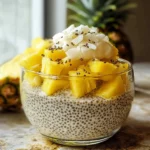
Pineapple Coconut Chia Pudding recipe
Ingredients
-
- Chia Seeds: ½ cup. These tiny powerhouses are the magic behind the pudding. Chia seeds are hydrophilic, meaning they absorb liquid and create a gel-like consistency, transforming the coconut milk into a creamy pudding. Black or white chia seeds both work equally well; the color difference is purely aesthetic.
-
- Coconut Milk: 2 cups (full-fat recommended for creaminess). Coconut milk forms the liquid base of our pudding, imparting a rich, tropical flavor and creamy texture. Full-fat coconut milk will yield the richest and creamiest pudding, but you can use light coconut milk to reduce the fat content if desired, although the texture might be slightly less decadent. Make sure to use canned coconut milk, not coconut milk beverage from a carton, as the latter is much thinner.
-
- Pineapple: 1 cup, diced (fresh or canned in juice, drained). Pineapple brings a burst of tropical sweetness and a vibrant, tangy counterpoint to the creamy coconut. Fresh pineapple is ideal for its bright flavor and texture, but canned pineapple in juice (drained well) is a convenient and perfectly acceptable substitute. If using canned pineapple, ensure it’s packed in juice, not heavy syrup, to keep the added sugar minimal.
-
- Sweetener (Optional): 2-4 tablespoons maple syrup, agave nectar, or honey (or to taste). Depending on the sweetness of your pineapple and your personal preference, you may want to add a touch of sweetener. Maple syrup, agave, or honey are natural options that complement the tropical flavors beautifully. You can also use other sweeteners like stevia or monk fruit for sugar-free options. Start with a smaller amount and adjust to your taste. If using very ripe, sweet pineapple, you might even find you don’t need any added sweetener at all.
-
- Vanilla Extract: 1 teaspoon. Vanilla extract enhances the overall flavor profile, adding warmth and depth. Pure vanilla extract is recommended for the best flavor, but imitation vanilla extract can also be used.
-
- Pinch of Salt: A tiny pinch of salt enhances the sweetness and balances the flavors. Salt is a flavor enhancer and a small amount can make a significant difference in bringing out the best in the other ingredients.
-
- Optional Toppings (for serving): Toasted coconut flakes, extra diced pineapple, fresh mint leaves, shredded coconut, macadamia nuts, lime zest, granola, berries. Toppings are where you can get creative and customize your pudding to your liking. Toasted coconut flakes add a lovely crunch and intensified coconut flavor. Fresh mint leaves add a refreshing herbaceous note and a pop of color. Nuts and granola provide added texture and healthy fats. Lime zest brings a bright citrusy zing.
Instructions
Step 1: Combine Ingredients
-
- In a medium-sized bowl or jar: Pour in the coconut milk, chia seeds, diced pineapple, sweetener (if using), vanilla extract, and a pinch of salt. Using a jar with a lid is convenient for shaking and storing the pudding directly. A bowl is also perfectly fine, just ensure it can be covered later.
-
- Stir or Shake Vigorously: Using a whisk or a fork (if using a bowl), or by securely closing the lid and shaking the jar, thoroughly combine all the ingredients. Ensure the chia seeds are well dispersed throughout the coconut milk and not clumping together at the bottom. Vigorous mixing at this stage is crucial to prevent clumping and ensure even pudding consistency.
Step 2: Chill and Set
-
- Cover and Refrigerate: Cover the bowl or jar tightly with a lid or plastic wrap. Place it in the refrigerator to chill and set.
-
- Chill for at least 2 hours, or preferably overnight: This chilling time is essential for the chia seeds to absorb the coconut milk and transform the mixture into a pudding. While 2 hours will yield a pudding-like consistency, overnight chilling results in the best texture and allows the flavors to meld together beautifully.
Step 3: Stir and Serve
-
- Stir Before Serving: After chilling, remove the pudding from the refrigerator. Give it a good stir. Chia seeds sometimes settle at the bottom during setting, so stirring ensures an even consistency throughout. If the pudding is thicker than desired, you can stir in a tablespoon or two of extra coconut milk to reach your preferred consistency.
-
- Serve Chilled: Spoon the Pineapple Coconut Chia Pudding into bowls or glasses.
-
- Add Toppings (Optional): Get creative with your toppings! Sprinkle with toasted coconut flakes, add extra diced pineapple, garnish with fresh mint leaves, or drizzle with a little extra maple syrup or agave. Refer to the “How to Serve” section for more topping ideas.
-
- Enjoy! Indulge in the refreshing and tropical flavors of your homemade Pineapple Coconut Chia Pudding.
Nutrition
- Serving Size: one normal portion
- Calories: 250-350
- Sugar: 8-15 grams
- Sodium: 50-100 mg
- Fat: 18-25 grams
- Carbohydrates: 20-30 grams
- Fiber: 10-12 grams
- Protein: 5-7 grams