
The first time I saw a recipe titled “Cajun Cake,” my mind immediately leaped to savory spices. I pictured a cake laced with cayenne pepper and paprika, a bizarre culinary experiment I wasn’t sure I was brave enough to try. But then I read the ingredients: pineapple, coconut, pecans. There was no spice blend, no holy trinity of vegetables, just pure, sweet, Southern decadence. My curiosity piqued, I baked it for a family potluck, still half-expecting a strange, spicy kick. The moment I pulled it from the oven and poured the bubbling, caramel-like frosting over the top, the kitchen filled with the most intoxicating aroma of toasted coconut, buttery pecans, and tropical pineapple. It was the first dessert to disappear that day. My uncle, a man of few words and a notorious dessert critic, came up to me and simply said, “That’s the best cake I’ve had in 20 years.” Since then, this Pineapple and Coconut Cajun Cake has become my secret weapon—a show-stopping dessert that’s unbelievably easy to make and guaranteed to win rave reviews every single time.
The Ultimate Pineapple and Coconut Cajun Cake: A Taste of Southern Hospitality
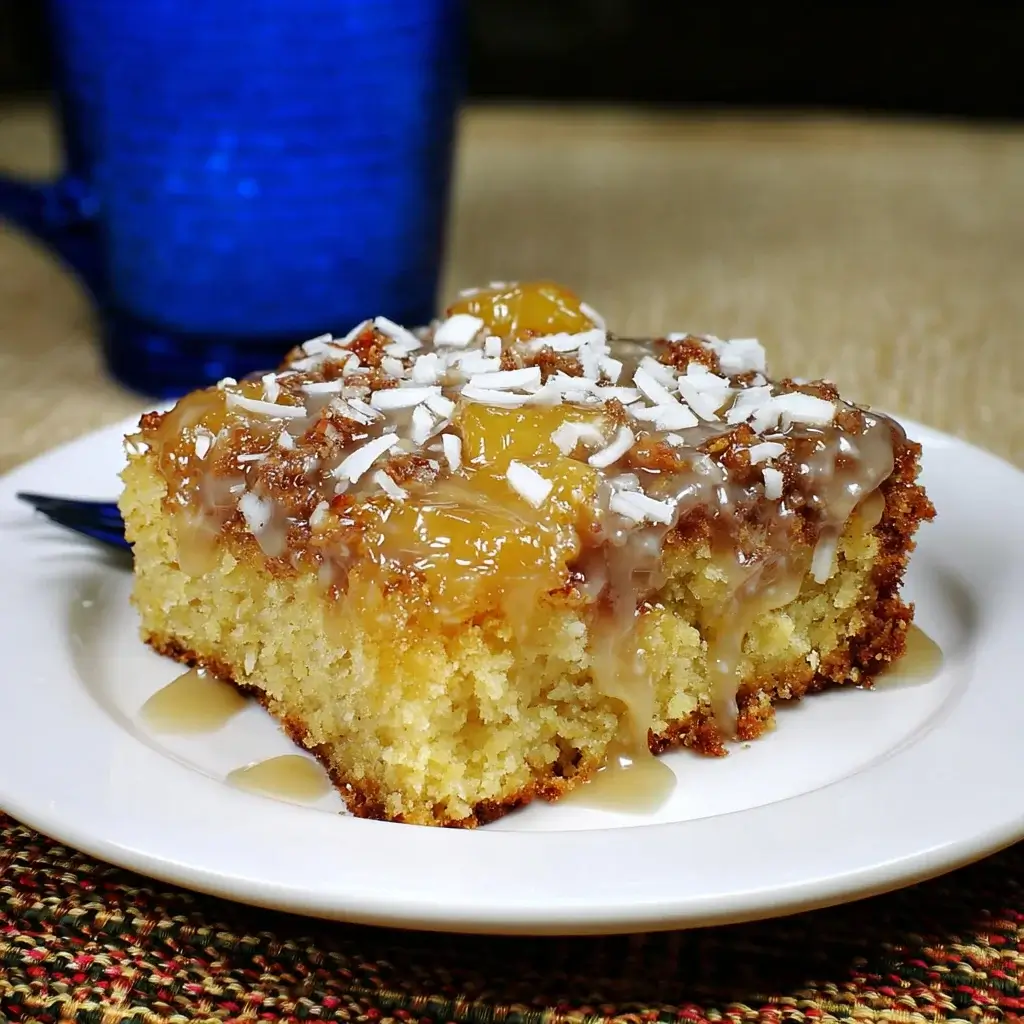
Welcome to the recipe for what might just be the most deliciously misleadingly named dessert in the Southern baking canon. This Pineapple and Coconut Cajun Cake is not spicy; rather, it’s a celebration of rich, comforting, and tropical flavors that are deeply rooted in Southern hospitality. This cake is a marvel of baking science—an incredibly moist, tender crumb achieved through the magic of undrained crushed pineapple, all topped with a spectacular, praline-like frosting that’s boiled right on the stovetop and poured over the warm cake. The result is a dessert that is part cake, part candy, and 100% irresistible. It’s a one-bowl wonder that comes together with minimal fuss but delivers a maximum “wow” factor, making it perfect for everything from a humble family dinner to a festive holiday gathering.
Why This Cajun Cake Recipe is a Treasure
Before we tie on our aprons, let’s talk about what makes this specific cake so special and why it will quickly become a cherished recipe in your collection.
- Unbelievably Moist Crumb: The secret to this cake’s legendary moistness is using an entire can of crushed pineapple, juice and all. The acidity and moisture from the pineapple tenderize the gluten in the flour, creating a cake that is supremely soft and stays fresh for days.
- The “Cajun” Frosting is a Showstopper: The frosting is what truly sets this cake apart. It’s not a buttercream; it’s a boiled frosting made with butter, evaporated milk, sugar, coconut, and pecans. This mixture is cooked for a few minutes until it thickens into a glorious, gooey, caramel-like concoction that gets poured over the cake while it’s still warm, allowing it to set into a candy-like layer of pure bliss.
- Incredibly Easy to Make: The cake batter comes together in a single bowl—no creaming butter and sugar, no alternating wet and dry ingredients. It’s a simple “dump and stir” method that is virtually foolproof, making it a perfect recipe for novice bakers.
- A Perfect Potluck Dessert: Because it’s baked in a 9×13-inch pan and travels exceptionally well, this cake is an ideal choice for potlucks, church suppers, and community gatherings. It’s easy to slice, serve, and transport.
- A Unique Flavor Profile: The combination of sweet pineapple, nutty pecans, and tropical coconut is a classic Southern pairing that feels both nostalgic and refreshingly different. It’s a flavor that everyone loves.
Complete Ingredients for Pineapple and Coconut Cajun Cake
The beauty of this cake is in its use of simple, pantry-staple ingredients to create something truly extraordinary. For the best results, gather all your ingredients before you begin.
- For the Pineapple Cake:
- All-Purpose Flour: 2 cups
- Granulated Sugar: 2 cups
- Baking Soda: 2 teaspoons
- Large Eggs: 2
- Crushed Pineapple: 1 (20-ounce) can, undrained
- Vanilla Extract: 1 teaspoon
- For the Cajun Coconut-Pecan Frosting:
- Unsalted Butter: 1/2 cup (1 stick)
- Evaporated Milk: 1 cup
- Granulated Sugar: 1 cup
- Vanilla Extract: 1 teaspoon
- Sweetened Shredded Coconut: 1 cup
- Chopped Pecans: 1 cup
An In-Depth Look at Key Ingredients
Understanding why we use these specific ingredients is the first step to mastering the recipe.
- The Crushed Pineapple (Undrained): This is the single most important ingredient in the cake base. Using the pineapple undrained is non-negotiable. The juice provides the majority of the liquid for the cake, while also adding sweetness and acidity. This acidity reacts with the baking soda for lift and tenderizes the cake crumb to an unbelievable degree. Crushed pineapple distributes more evenly throughout the batter than chunks or tidbits.
- The Evaporated Milk: For the frosting, evaporated milk is essential. It has a lower water content and a higher concentration of milk solids and fat than regular milk. This allows it to create a richer, thicker, more stable caramel-like base for the frosting when boiled with the sugar and butter. Substituting with regular milk will result in a much thinner, less decadent frosting.
- The Pecans and Coconut: This duo is the heart of the frosting’s flavor and texture. Sweetened shredded coconut adds moisture and a sweet, tropical flavor. The pecans provide a buttery crunch and nutty depth that perfectly balances the sweetness. For an even deeper flavor, you can toast the pecans before chopping and adding them to the frosting.
Step-by-Step Instructions
Follow these detailed steps for a perfect Pineapple and Coconut Cajun Cake every time.
Part 1: Making and Baking the Pineapple Cake
- Preheat and Prepare: Preheat your oven to 350°F (175°C). Grease and flour a 9×13-inch baking pan. Alternatively, you can spray it thoroughly with a baking spray that contains flour.
- Combine Dry Ingredients: In a large mixing bowl, add the 2 cups of all-purpose flour, 2 cups of granulated sugar, and 2 teaspoons of baking soda. Use a whisk to stir them together for about 30 seconds. This step is important as it evenly distributes the baking soda throughout the flour, ensuring a proper rise.
- Add Wet Ingredients: To the same bowl with the dry ingredients, add the 2 large eggs, the entire 20-ounce can of undrained crushed pineapple, and the 1 teaspoon of vanilla extract.
- Mix the Batter: Using a spatula or a wooden spoon, stir all the ingredients together until just combined. Be careful not to overmix. The batter will be thick and lumpy, which is perfectly fine. Stop mixing as soon as you no longer see streaks of dry flour.
- Pour and Spread: Pour the batter into your prepared 9×13-inch pan and use your spatula to spread it into an even layer, making sure it reaches all the corners.
- Bake the Cake: Place the cake in the preheated oven and bake for 30-35 minutes, or until a wooden skewer or toothpick inserted into the center of the cake comes out clean or with a few moist crumbs attached.
- Cool Slightly: Once baked, remove the cake from the oven and place it on a wire rack. Let it cool in the pan for about 10-15 minutes while you prepare the frosting. Do not remove the cake from the pan.
Part 2: Crafting the Cajun Frosting and Finishing the Cake
- Combine Frosting Base: In a medium-sized saucepan, combine the 1/2 cup of butter, 1 cup of evaporated milk, and 1 cup of granulated sugar.
- Boil the Mixture: Place the saucepan over medium heat. Stir occasionally as the butter melts and the sugar dissolves. Bring the mixture to a full, rolling boil.
- Cook for 5 Minutes: Once the mixture is boiling, let it cook for exactly 5 minutes, stirring occasionally to prevent it from scorching on the bottom. This cooking time is crucial for the frosting to reach the right consistency to set properly.
- Add Final Ingredients: After 5 minutes, immediately remove the saucepan from the heat. Stir in the 1 teaspoon of vanilla extract, 1 cup of shredded coconut, and 1 cup of chopped pecans. Mix until everything is well combined.
- Frost the Warm Cake: Carefully and immediately pour the hot frosting all over the top of the still-warm cake in the pan. Use an offset spatula or the back of a spoon to gently spread the frosting evenly over the entire surface.
- Cool and Set: Let the cake cool completely in the pan on the wire rack. As the cake and frosting cool, the frosting will set into a glorious, slightly crunchy, candy-like topping. This can take 1-2 hours. Once cool, the cake is ready to be sliced and served directly from the pan.
Nutrition Facts
Please note that these values are an estimate and can vary based on the specific brands of ingredients used.
- Servings: This recipe makes one 9×13-inch cake, which yields 15 servings.
- Serving Size: 1 slice
- Calories Per Serving (approximate): 480 kcal
Breakdown per serving (approximate):
- Fat: 22g
- Carbohydrates: 68g
- Protein: 5g
This is a rich, decadent dessert, perfect for a special occasion or a delightful indulgence.
Preparation Time
This cake is surprisingly quick to assemble, making it a great option for a last-minute dessert.
- Preparation Time: 15 minutes
- Bake Time: 30-35 minutes
- Total Time: Approximately 1 hour (including frosting preparation and cooling)
How to Serve Pineapple and Coconut Cajun Cake
This cake is a star on its own, but here are some wonderful ways to present and enjoy it.
- Temperature:
- Slightly Warm: Serving the cake while it’s still slightly warm is an incredible experience. The frosting will be extra gooey and the cake incredibly tender.
- Room Temperature: This is the most common way to serve it. The frosting will be fully set, providing a wonderful textural contrast to the soft cake.
- Accompaniments:
- A La Mode: A slice of this cake served with a scoop of high-quality vanilla bean ice cream is absolute heaven. The cool, creamy ice cream melts into the warm cake and frosting beautifully.
- With Whipped Cream: A dollop of lightly sweetened, fresh whipped cream can cut through the richness and add a light, airy element.
- Occasions:
- Potlucks and BBQs: It’s the ultimate crowd-pleaser and travels perfectly.
- Holiday Desserts: It makes a wonderful addition to an Easter, Thanksgiving, or Christmas dessert table.
- Simple Family Dinners: It’s easy enough to whip up for a special weeknight treat.
- Drink Pairings:
- Coffee: A hot cup of black coffee is the perfect bitter counterpoint to the cake’s sweetness.
- Milk: A cold glass of milk is a classic and nostalgic pairing.
- Tea: A cup of strong black tea, like an English Breakfast or Earl Grey, also pairs wonderfully.
Additional Tips for Cake Perfection
Elevate your Cajun Cake from great to unforgettable with these five expert tips.
- Do Not, Under Any Circumstances, Drain the Pineapple: This is the golden rule of this recipe and bears repeating. The success of the cake’s moist texture depends entirely on the juice from the can.
- Toast Your Pecans (and Coconut!): For an incredible boost in flavor, toast your chopped pecans and shredded coconut before adding them to the frosting. Spread them on a baking sheet and toast at 350°F (175°C) for 5-7 minutes, until fragrant and lightly golden. This brings out their natural oils and adds a wonderful nutty depth.
- The Hot Frosting on Warm Cake Technique is Key: Don’t let the cake cool completely before frosting it. Applying the hot frosting to the warm cake allows the bottom layer of the frosting to slightly melt into the top of the cake, creating an incredibly moist, infused layer that is simply divine.
- Don’t Overmix the Batter: This is a cardinal rule for most cakes, but especially for this one-bowl method. Overmixing develops the gluten in the flour, which can lead to a tough, dense, or rubbery cake. Mix only until the ingredients are just combined.
- Trust the 5-Minute Boil: It can be tempting to eyeball the frosting cook time, but using a timer is your best bet. Boiling for exactly five minutes is the sweet spot for getting the sugar to the right stage where it will set perfectly as it cools without becoming grainy or rock-hard.
Frequently Asked Questions (FAQ)
Here are answers to some of the most common questions about this unique and delicious cake.
1. Is this cake actually spicy? What makes it “Cajun”?
No, this cake is not spicy at all. The name is a bit of a misnomer and its exact origin is debated. It’s most likely a regional name from Louisiana or surrounding areas that stuck. Some believe it refers to the simple, resourceful “dump and stir” method, while others associate it with the praline-like frosting, as pralines are a famous Louisiana confection. Rest assured, the flavor profile is sweet, tropical, and nutty.
2. Can I bake this in a different type of pan, like a Bundt pan or round pans?
Yes, you can adapt this recipe for other pans.
- Bundt Pan: Grease and flour a 10- or 12-cup Bundt pan very well. Bake for 45-55 minutes, or until a skewer comes out clean. Let it cool in the pan for 15 minutes before inverting onto a rack, then pour the frosting over the top.
- Two 9-Inch Round Pans: Divide the batter evenly between two greased and floured 9-inch round pans. Bake for 25-30 minutes. You can frost one layer, place the second on top, and frost the top layer for a stacked cake.
3. Can I make this cake ahead of time?
Absolutely! This is a fantastic make-ahead cake. In fact, many people think it tastes even better on the second day as the flavors have more time to meld and the moisture fully settles into the crumb. It will keep beautifully, covered, at room temperature for up to 3 days.
4. Can I use fresh pineapple instead of canned?
You can, but it requires extra work and may alter the texture slightly. You would need to finely chop or pulse about 2.5 cups of fresh pineapple in a food processor, making sure to capture all the juice. Canned crushed pineapple is recommended for this recipe because it provides a consistent, perfect level of moisture and acidity every time.
5. How should I store leftovers?
Leftover cake can be stored tightly covered with plastic wrap or in an airtight container. It will stay fresh and moist at room temperature for up to 3 days. For longer storage, you can refrigerate it for up to a week. If refrigerating, it’s best to let the slices come to room temperature before serving to allow the cake to soften and the frosting’s flavor to bloom.
Pineapple and Coconut Cajun Cake recipe
Ingredients
-
For the Pineapple Cake:
-
All-Purpose Flour: 2 cups
-
Granulated Sugar: 2 cups
-
Baking Soda: 2 teaspoons
-
Large Eggs: 2
-
Crushed Pineapple: 1 (20-ounce) can, undrained
-
Vanilla Extract: 1 teaspoon
-
-
For the Cajun Coconut-Pecan Frosting:
-
Unsalted Butter: 1/2 cup (1 stick)
-
Evaporated Milk: 1 cup
-
Granulated Sugar: 1 cup
-
Vanilla Extract: 1 teaspoon
-
Sweetened Shredded Coconut: 1 cup
-
Chopped Pecans: 1 cup
-
Instructions
Part 1: Making and Baking the Pineapple Cake
-
Preheat and Prepare: Preheat your oven to 350°F (175°C). Grease and flour a 9×13-inch baking pan. Alternatively, you can spray it thoroughly with a baking spray that contains flour.
-
Combine Dry Ingredients: In a large mixing bowl, add the 2 cups of all-purpose flour, 2 cups of granulated sugar, and 2 teaspoons of baking soda. Use a whisk to stir them together for about 30 seconds. This step is important as it evenly distributes the baking soda throughout the flour, ensuring a proper rise.
-
Add Wet Ingredients: To the same bowl with the dry ingredients, add the 2 large eggs, the entire 20-ounce can of undrained crushed pineapple, and the 1 teaspoon of vanilla extract.
-
Mix the Batter: Using a spatula or a wooden spoon, stir all the ingredients together until just combined. Be careful not to overmix. The batter will be thick and lumpy, which is perfectly fine. Stop mixing as soon as you no longer see streaks of dry flour.
-
Pour and Spread: Pour the batter into your prepared 9×13-inch pan and use your spatula to spread it into an even layer, making sure it reaches all the corners.
-
Bake the Cake: Place the cake in the preheated oven and bake for 30-35 minutes, or until a wooden skewer or toothpick inserted into the center of the cake comes out clean or with a few moist crumbs attached.
-
Cool Slightly: Once baked, remove the cake from the oven and place it on a wire rack. Let it cool in the pan for about 10-15 minutes while you prepare the frosting. Do not remove the cake from the pan.
Part 2: Crafting the Cajun Frosting and Finishing the Cake
-
Combine Frosting Base: In a medium-sized saucepan, combine the 1/2 cup of butter, 1 cup of evaporated milk, and 1 cup of granulated sugar.
-
Boil the Mixture: Place the saucepan over medium heat. Stir occasionally as the butter melts and the sugar dissolves. Bring the mixture to a full, rolling boil.
-
Cook for 5 Minutes: Once the mixture is boiling, let it cook for exactly 5 minutes, stirring occasionally to prevent it from scorching on the bottom. This cooking time is crucial for the frosting to reach the right consistency to set properly.
-
Add Final Ingredients: After 5 minutes, immediately remove the saucepan from the heat. Stir in the 1 teaspoon of vanilla extract, 1 cup of shredded coconut, and 1 cup of chopped pecans. Mix until everything is well combined.
-
Frost the Warm Cake: Carefully and immediately pour the hot frosting all over the top of the still-warm cake in the pan. Use an offset spatula or the back of a spoon to gently spread the frosting evenly over the entire surface.
-
Cool and Set: Let the cake cool completely in the pan on the wire rack. As the cake and frosting cool, the frosting will set into a glorious, slightly crunchy, candy-like topping. This can take 1-2 hours. Once cool, the cake is ready to be sliced and served directly from the pan.
Nutrition
- Serving Size: one normal portion
- Calories: 480
- Fat: 22g
- Carbohydrates: 68g
- Protein: 5g