
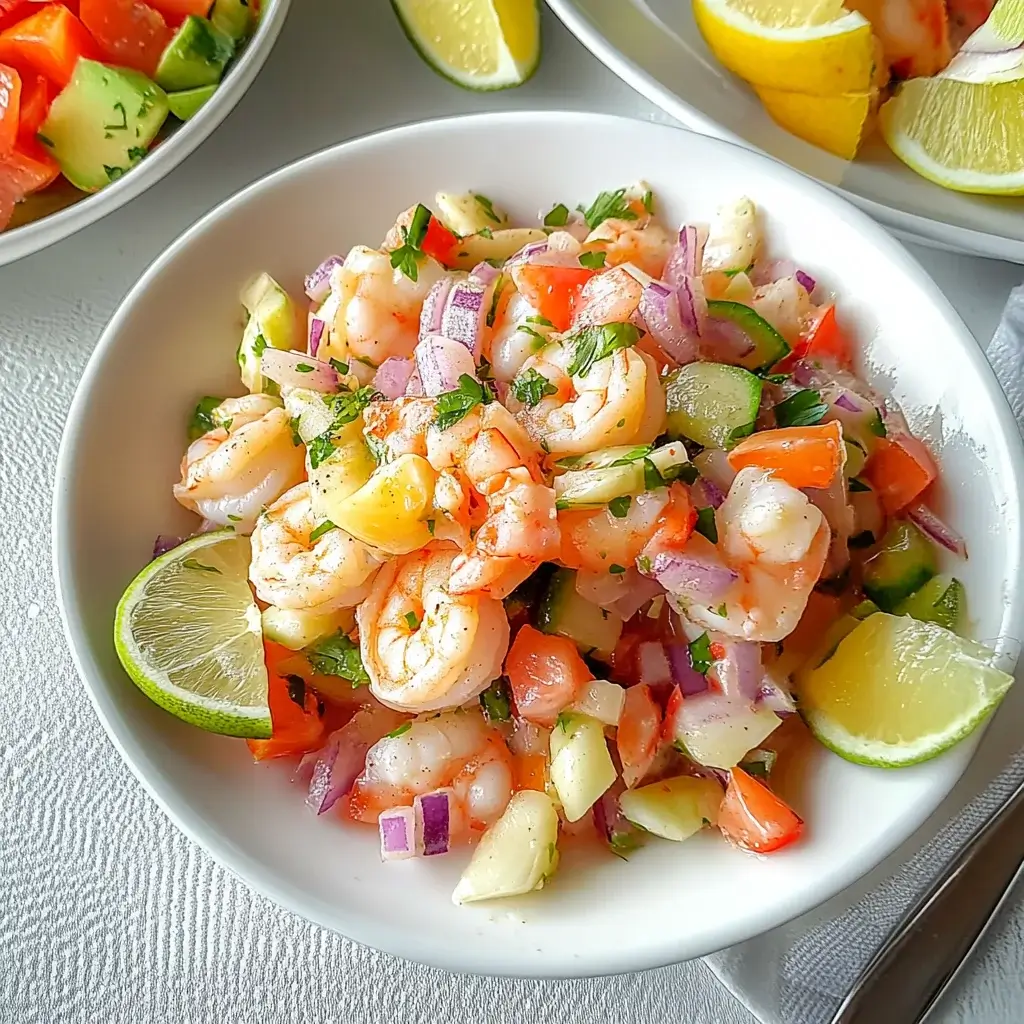

It’s funny how some of the most vibrant and refreshing dishes are also surprisingly simple to make. Peruvian Shrimp Ceviche is a perfect example of this culinary magic. I remember the first time I tasted authentic ceviche in a small restaurant during a trip – the explosion of fresh lime, the subtle heat, the tender shrimp, all dancing together in a symphony of flavors. I was instantly hooked! Back home, I was determined to recreate that experience. After some experimentation and countless happy taste tests with family (who were definitely not complaining!), I landed on this recipe. It’s become my go-to appetizer for summer gatherings, a light lunch on a warm day, and honestly, sometimes just a treat for myself when I need a burst of sunshine in my kitchen. The best part? It’s incredibly easy to make, highlighting the freshest ingredients and requiring absolutely no cooking in the traditional sense. If you’re ready to transport your taste buds to the coast of Peru, then let’s dive into this incredible Peruvian Shrimp Ceviche recipe!
Ingredients: The Foundation of Authentic Peruvian Shrimp Ceviche
The beauty of Peruvian Shrimp Ceviche lies in its simplicity and the quality of its ingredients. Freshness is paramount, and each component plays a crucial role in creating the vibrant and balanced flavors that define this iconic dish. Here’s a detailed breakdown of what you’ll need to craft authentic Peruvian Shrimp Ceviche:
- Shrimp: 1 pound (450g) of fresh, raw shrimp, peeled and deveined. The quality and freshness of your shrimp are absolutely critical for ceviche. Look for firm, translucent shrimp with no fishy odor. Wild-caught shrimp, if available, often have a superior flavor. Size-wise, medium to large shrimp work best, as they hold their shape better during the marination process. Make sure the shrimp is thoroughly peeled and deveined. You can leave the tails on for presentation if you like, but most prefer them removed for easier eating. If you must use frozen shrimp, ensure it is thawed completely and patted very dry before using. Fresh is always the gold standard for ceviche, but properly handled frozen shrimp can work in a pinch.
- Lime Juice: 1 cup of freshly squeezed lime juice (about 8-10 limes). Freshly squeezed lime juice is non-negotiable for authentic ceviche. Bottled lime juice simply won’t provide the same bright, acidic, and nuanced flavor that is essential for “cooking” the shrimp and creating the signature “leche de tigre” (tiger’s milk). Use ripe limes that are heavy for their size and yield plenty of juice. Squeeze the limes just before you are ready to make the ceviche for the freshest flavor. Strain the juice to remove any seeds and pulp, ensuring a smooth and clean ceviche.
- Red Onion: 1 medium red onion, thinly sliced. Red onion provides a sharp, pungent bite and a beautiful color contrast in the ceviche. Thinly slice the red onion, preferably using a mandoline or a very sharp knife, into fine half-moons or julienned strips. Soaking the sliced red onion in ice water for about 10-15 minutes can help mellow its sharpness while preserving its crispness. Drain the red onion well before adding it to the ceviche.
- Aji Amarillo Paste: 2-3 tablespoons of Aji Amarillo paste. Aji Amarillo is a Peruvian yellow chili pepper that is fundamental to authentic Peruvian cuisine, and especially ceviche. It provides a unique fruity, slightly citrusy, and moderately spicy flavor. Aji Amarillo paste is readily available in Latin American grocery stores, online, or sometimes in the international aisle of well-stocked supermarkets. Start with 2 tablespoons and add more to taste, depending on your spice preference and the heat level of your paste. If you cannot find Aji Amarillo paste, you can substitute with other chili pastes, but the flavor profile will be different. Possible (though not ideal) substitutes include a mild yellow chili paste or a blend of yellow bell pepper and a pinch of cayenne pepper for a touch of heat. However, for truly authentic flavor, Aji Amarillo is highly recommended.
- Fresh Cilantro: ½ cup of fresh cilantro leaves, roughly chopped. Fresh cilantro is indispensable for ceviche, adding a bright, herbaceous, and slightly citrusy note that complements the lime and chili beautifully. Use fresh, vibrant cilantro leaves. Roughly chop them just before adding to the ceviche to retain their freshness and aroma. Don’t be shy with the cilantro – it’s a key flavor component!
- Fresh Ginger (Optional but Recommended): 1 teaspoon of fresh ginger, finely grated (optional). While not strictly traditional in all ceviche recipes, a touch of fresh ginger adds a subtle warmth and depth of flavor that enhances the overall complexity of the ceviche. Finely grate fresh ginger to release its flavor. Use it sparingly, as ginger can be overpowering if too much is added. If you are new to ceviche or prefer a more classic profile, you can omit the ginger initially and try it in subsequent batches.
- Garlic: 2 cloves of garlic, minced. Minced garlic provides a pungent and aromatic base note to the ceviche. Use fresh garlic cloves and mince them finely to ensure even distribution of flavor. As with ginger, use garlic in moderation, as it can also be quite strong in raw preparations.
- Salt: 1-2 teaspoons of sea salt or kosher salt, or to taste. Salt is essential for seasoning and enhancing all the flavors in the ceviche. Start with 1 teaspoon and adjust to your preference, tasting as you go. Sea salt or kosher salt are preferred for their pure taste.
- Freshly Ground Black Pepper: ½ teaspoon of freshly ground black pepper, or to taste. Freshly ground black pepper adds a subtle spice and depth. Adjust the amount to your liking. White pepper can also be used for a milder peppery flavor.
- Optional Garnishes (Traditional Peruvian): For an authentic Peruvian presentation and flavor experience, consider these traditional garnishes:
- Cooked Sweet Potato: 1 medium sweet potato, cooked and sliced or cubed. Sweet potato provides a sweet and starchy contrast to the acidity and spice of the ceviche. Boil, bake, or steam the sweet potato until tender, then cool and slice or cube.
- Peruvian Corn (Choclo): 1 cup of cooked Peruvian corn kernels (choclo). Choclo is a large-kernel Peruvian corn with a chewy texture and slightly nutty flavor. If you can find frozen choclo kernels, they are the most authentic. If not, you can substitute with large-kernel corn on the cob or frozen white corn kernels, though the texture and flavor will be slightly different. Cook the corn until tender.
- Toasted Corn Kernels (Cancha): ½ cup of cancha (Peruvian toasted corn kernels). Cancha provides a delightful crunchy texture and nutty flavor that contrasts beautifully with the soft ceviche. Cancha is available in Latin American grocery stores or online. You can also make your own by toasting large-kernel corn in oil until puffed and crispy.
- Avocado: 1 ripe avocado, diced (optional, but a popular modern addition). Diced avocado adds a creamy richness and healthy fats to the ceviche, providing a pleasant textural and flavor contrast.
This detailed ingredient list ensures you have everything you need to create an authentic and flavorful Peruvian Shrimp Ceviche. Remember, prioritize freshness and quality for the best results!
Instructions: Crafting Peruvian Shrimp Ceviche – Step-by-Step
Making Peruvian Shrimp Ceviche is surprisingly straightforward. It’s more about assembling fresh ingredients and allowing the magic of lime juice to work its wonders. Follow these step-by-step instructions for a perfect result:
- Prepare the Shrimp: If using larger shrimp, you may want to slice them in half or thirds lengthwise. This helps them “cook” more evenly and quickly in the lime juice and makes them easier to eat. Place the peeled and deveined shrimp in a non-reactive bowl (glass or ceramic is best; avoid metal as it can react with the lime juice).
- “Cook” the Shrimp in Lime Juice: Pour the freshly squeezed lime juice over the shrimp, ensuring all the shrimp is submerged in the juice. The lime juice will begin to “cook” the shrimp through a process called denaturation, where the acid in the lime juice changes the protein structure of the shrimp, making it firm and opaque, similar to cooking with heat.
- Add Red Onion, Garlic, and Ginger (Optional): Add the thinly sliced red onion, minced garlic, and grated ginger (if using) to the bowl with the shrimp and lime juice. Stir gently to combine.
- Season with Aji Amarillo Paste, Salt, and Pepper: Add the Aji Amarillo paste, salt, and freshly ground black pepper to the bowl. Stir everything together gently but thoroughly to ensure the seasonings and chili paste are evenly distributed.
- Marinate and Refrigerate: Cover the bowl with plastic wrap or a lid and refrigerate for at least 15-20 minutes, or up to 30 minutes. The marinating time is crucial. The lime juice needs time to “cook” the shrimp and for the flavors to meld together. However, be careful not to over-marinate the shrimp, as the lime juice can make it tough and rubbery if left for too long. 15-20 minutes is usually ideal for medium-sized shrimp. You will notice the shrimp changing color from translucent to opaque as it “cooks.”
- Add Cilantro and Taste: After marinating, remove the ceviche from the refrigerator. Stir in the roughly chopped fresh cilantro. Taste the ceviche and adjust seasoning as needed. You might want to add a little more salt, lime juice, or Aji Amarillo paste to achieve your desired flavor balance.
- Serve Immediately and Garnish: Peruvian Shrimp Ceviche is best served immediately after preparation to enjoy its freshness and vibrant flavors. Spoon the ceviche into bowls or plates. Garnish with your choice of traditional Peruvian garnishes, such as cooked sweet potato slices or cubes, Peruvian corn (choclo) kernels, toasted corn kernels (cancha), and diced avocado (optional).
- Enjoy! Serve chilled and enjoy the refreshing and flavorful Peruvian Shrimp Ceviche!
Following these simple steps will guide you through making delicious and authentic Peruvian Shrimp Ceviche. The key is fresh ingredients, precise marinating time, and a love for bright, vibrant flavors!
Nutrition Facts: Peruvian Shrimp Ceviche – A Healthy and Flavorful Choice
Peruvian Shrimp Ceviche is not only incredibly delicious but also a surprisingly healthy dish, packed with lean protein, vitamins, and minerals, while being relatively low in calories and fat. Here’s a general overview of the nutritional information. Please note that these values are estimates and can vary based on specific ingredient quantities, shrimp size, and serving sizes.
Servings: 4-6 servings (as an appetizer) or 2-3 servings (as a light meal)
Estimated Calories per Serving (as appetizer, 6 servings): Approximately 150-200 calories per serving
Estimated Calories per Serving (as light meal, 3 servings): Approximately 300-400 calories per serving
Approximate Nutritional Breakdown per Serving (as appetizer, 6 servings, based on estimates and standard ingredients):
- Calories: 150-200 kcal
- Total Fat: 2-5g
- Saturated Fat: <1g
- Unsaturated Fat: 1-4g (primarily from avocado, if used)
- Cholesterol: 100-150mg
- Sodium: 300-500mg (can vary based on added salt)
- Total Carbohydrates: 10-15g
- Dietary Fiber: 2-4g (primarily from vegetables)
- Sugars: 5-8g (naturally occurring from vegetables and sweet potato garnish)
- Protein: 20-25g
Key Nutritional Highlights:
- Excellent Source of Lean Protein: Shrimp is a fantastic source of lean protein, essential for muscle building and satiety.
- Low in Fat and Calories: Ceviche is naturally low in fat and calories, making it a great option for those watching their weight or fat intake.
- Rich in Vitamins and Minerals: Shrimp is a good source of selenium, vitamin B12, and iodine. Limes are rich in Vitamin C. Red onions and cilantro provide antioxidants and other beneficial compounds.
- Good Source of Vitamin C: Fresh lime juice is packed with Vitamin C, an important antioxidant and immune booster.
- Gluten-Free and Dairy-Free: Ceviche is naturally gluten-free and dairy-free, making it suitable for various dietary needs.
Important Considerations:
- Sodium Content: Ceviche can contain a moderate amount of sodium, primarily from added salt and naturally occurring sodium in shrimp. If you are watching your sodium intake, use salt sparingly and consider using low-sodium options for any added seasonings.
- Cholesterol Content: Shrimp is relatively higher in cholesterol. If you are monitoring your cholesterol intake, consume ceviche in moderation.
- Raw Seafood Safety: Ceviche relies on lime juice to “cook” the seafood. While the acidity denatures the proteins, it does not kill all bacteria and parasites in the same way that heat cooking does. Ensure you use very fresh, high-quality shrimp from a reputable source. If you are pregnant, have a compromised immune system, or are generally concerned about consuming raw seafood, it’s best to avoid ceviche or use cooked shrimp that has been cooled and then marinated in the lime juice (though this is not traditional).
- Carbohydrate Content (Garnishes): The carbohydrate content can increase depending on the amount of sweet potato, corn, or other carbohydrate-rich garnishes used. Be mindful of portion sizes if you are watching your carbohydrate intake.
Disclaimer: These nutritional facts are estimates for informational purposes only. For precise nutritional information, you should use a nutrition calculator and input the exact brands and quantities of ingredients you use. Consult with a nutritionist or dietitian for personalized dietary advice.
Preparation Time: Quick and Refreshing Ceviche in Minutes
Peruvian Shrimp Ceviche is renowned for its quick preparation time, making it an ideal dish for impromptu gatherings, light lunches, or when you crave a flavorful meal without spending hours in the kitchen. Here’s a breakdown of the estimated times:
- Prep Time: 20-25 minutes
- This includes peeling and deveining shrimp, slicing red onion, mincing garlic and ginger (if using), chopping cilantro, squeezing limes, and preparing any garnishes (cooking sweet potato, corn, etc.).
- Getting all ingredients and equipment ready.
- Marination Time: 15-30 minutes (in refrigerator)
- This is the time the shrimp “cooks” in the lime juice and the flavors meld. It’s mostly hands-off time in the refrigerator.
- Total Estimated Time: Approximately 35-55 minutes (including marination)
Time-Saving Tips:
- Pre-Cooked Shrimp (Less Authentic, but Faster): If you are short on time or prefer not to use raw shrimp, you can use pre-cooked shrimp that has been thoroughly chilled. Marinating pre-cooked shrimp will mainly infuse it with flavor rather than “cooking” it. Reduce the marination time to about 10-15 minutes if using pre-cooked shrimp. However, using raw shrimp and allowing it to “cook” in the lime juice is the traditional and recommended method for the best texture and flavor.
- Pre-Sliced Onion and Minced Garlic/Ginger: If available, using pre-sliced red onion or pre-minced garlic and ginger can save a few minutes of prep time.
- Make Garnishes Ahead: Cook sweet potato or corn ahead of time and store them in the refrigerator until ready to serve.
- Efficient Workflow: While the shrimp is marinating, you can prepare your garnishes and set the table to make the most of your time.
Planning Ahead:
- Morning Prep: You can prepare the garnishes (cook sweet potato, corn) and slice the red onion in the morning and store them in airtight containers in the refrigerator. You can also squeeze the lime juice ahead of time and refrigerate it, although freshly squeezed is always best.
- Last-Minute Dish: Peruvian Shrimp Ceviche is fantastic as a last-minute dish because it comes together so quickly. You can easily prepare it just before your guests arrive or for a quick weeknight meal.
Peruvian Shrimp Ceviche is designed to be a fast and fresh dish. With efficient prep and minimal cooking time (mostly marination), you can have a vibrant and healthy meal ready in well under an hour, making it a perfect choice for busy days or when you want a refreshing and flavorful dish without spending hours in the kitchen.
How to Serve Peruvian Shrimp Ceviche: Presentation and Pairings
Peruvian Shrimp Ceviche is not just about flavor; presentation and accompaniments play a significant role in the overall dining experience. Here are some serving suggestions to help you present and enjoy your ceviche like a true Peruvian:
- Traditional Peruvian Style:
- Trio of Garnishes: Serve ceviche in bowls or on plates, accompanied by the classic Peruvian trio of garnishes:
- Cooked Sweet Potato: Arrange slices or cubes of cooked sweet potato on the plate alongside the ceviche.
- Peruvian Corn (Choclo): Scatter cooked choclo kernels around the ceviche.
- Toasted Corn Kernels (Cancha): Provide a small bowl or pile of cancha for guests to add crunch to each bite.
- “Leche de Tigre” (Tiger’s Milk): Don’t discard the flavorful lime juice marinade at the bottom of the bowl! This is the famous “leche de tigre,” and it’s considered a delicacy in Peru. Spoon some of the leche de tigre over each serving or offer it in small glasses or spoons for sipping alongside the ceviche. It’s packed with flavor and nutrients.
- Trio of Garnishes: Serve ceviche in bowls or on plates, accompanied by the classic Peruvian trio of garnishes:
- Serving as an Appetizer or Starter:
- Small Portions: Serve ceviche in small bowls, appetizer spoons, or shot glasses as an elegant and refreshing starter for a dinner party or gathering.
- Ceviche Spoons or Cups: Use ceviche spoons or small appetizer cups for individual servings that are easy to handle and eat.
- Garnish Lightly: For appetizers, garnish simply with a sprig of cilantro or a single piece of cancha for visual appeal.
- Serving as a Light Meal or Lunch:
- Larger Portions: Serve generous portions of ceviche in bowls or on plates for a satisfying light meal or lunch.
- Avocado Addition: Add diced ripe avocado to the ceviche itself or arrange avocado slices alongside for extra creaminess and healthy fats.
- Side Salad: Pair ceviche with a simple green salad or a light quinoa salad for a more substantial and balanced meal.
- Serving Temperature and Presentation:
- Serve Chilled: Ceviche must be served chilled. Ensure it is properly refrigerated during marination and serve it immediately after preparation.
- Cold Bowls: Chill serving bowls or plates in the refrigerator for about 30 minutes before serving to keep the ceviche cold for longer, especially on warm days.
- Fresh Garnish: Garnish just before serving to maintain the freshness and vibrancy of cilantro, green onions, or any other fresh herbs.
- Drink Pairings for Peruvian Shrimp Ceviche:
- Pisco Sour: The classic Peruvian cocktail, Pisco Sour, is a perfect pairing for ceviche, with its citrusy and slightly sweet notes complementing the acidity and spice of the dish.
- Peruvian Beer: Pair with a light and crisp Peruvian beer like Cusqueña or Pilsen Callao.
- Light Lager or Pilsner: A light and crisp lager or pilsner beer from any region also works well.
- Dry White Wine: A dry and crisp white wine like Sauvignon Blanc, Pinot Grigio, or Albariño complements the freshness of ceviche.
- Dry Rosé Wine: A dry rosé wine can also be a refreshing pairing.
- Sparkling Water with Lime: For a non-alcoholic option, sparkling water with a squeeze of lime is a refreshing and palate-cleansing choice.
By considering these serving suggestions, you can present and enjoy your Peruvian Shrimp Ceviche in a truly authentic and delightful way, whether you are serving it as an elegant appetizer or a refreshing light meal. The key is to highlight the freshness of the ingredients and embrace the traditional Peruvian accompaniments.
Additional Tips for Perfect Peruvian Shrimp Ceviche: Ceviche Secrets
To take your Peruvian Shrimp Ceviche from delicious to absolutely extraordinary, here are five additional tips and ceviche secrets to elevate your culinary creation:
- Freshness Above All Else: Ceviche is all about showcasing the freshest ingredients, especially the shrimp. Start with the highest quality, freshest shrimp you can find. Buy it from a reputable fishmonger or market and use it the same day if possible. Freshness directly impacts the flavor and texture of your ceviche. The other ingredients – limes, cilantro, onions, chilies – should also be impeccably fresh for the most vibrant and authentic taste. Compromising on freshness is the biggest mistake you can make with ceviche.
- Don’t Over-Marinate – Timing is Key: While the lime juice “cooks” the shrimp and develops the flavors, over-marinating is a common pitfall that can ruin the texture. Over-marinated shrimp becomes rubbery and tough, losing its delicate tenderness. Stick to the recommended marination time of 15-20 minutes for medium-sized shrimp, and no more than 30 minutes. Keep a close eye on the shrimp as it marinates – it’s ready when it turns opaque throughout and is firm to the touch. Once it reaches this point, stop the marination process.
- Taste and Adjust Seasoning Constantly: Ceviche is all about balance – the bright acidity of lime juice, the subtle heat of Aji Amarillo, the savory saltiness, and the freshness of cilantro. Taste your ceviche multiple times throughout the preparation process, especially after adding each key ingredient. Adjust the seasoning to your liking. Does it need more salt? A touch more lime juice for acidity? A bit more Aji Amarillo for spice? Don’t be afraid to tweak the ingredients until you achieve the perfect flavor balance that suits your taste preferences. Every batch of limes and chilies can vary in acidity and heat, so tasting and adjusting is essential.
- Chill Everything – Keep it Cold: Ceviche is meant to be a refreshing and chilled dish. Make sure all your ingredients are cold before you start assembling. Chill the lime juice, red onion (ice bath helps), and even your serving bowls. Refrigerate the ceviche during the marination process and serve it immediately from the refrigerator. Keeping everything cold not only enhances the refreshing quality of the dish but also helps maintain the texture and freshness of the shrimp and other ingredients.
- Experiment with Variations, but Respect the Core: Once you’ve mastered the basic Peruvian Shrimp Ceviche recipe, feel free to experiment with variations to personalize it. Try adding different types of seafood like fish, scallops, or octopus. Incorporate other vegetables like bell peppers, cucumbers, or tomatoes. Experiment with different chili peppers for varying levels of heat and flavor. However, always respect the core elements of authentic ceviche – fresh seafood, fresh lime juice, red onion, chili (aji amarillo is traditional), cilantro, and salt. These are the foundational flavors that define Peruvian ceviche, and any variations should enhance, not overshadow, these essential components.
By incorporating these additional tips into your ceviche-making process, you’ll be able to create a truly exceptional Peruvian Shrimp Ceviche that is bursting with fresh, vibrant, and perfectly balanced flavors, every time!
Frequently Asked Questions (FAQ) about Peruvian Shrimp Ceviche
Here are 5 frequently asked questions about making Peruvian Shrimp Ceviche, along with detailed answers to help you troubleshoot and perfect your recipe:
Q1: Can I use frozen shrimp for Peruvian Shrimp Ceviche?
A: While fresh, never-frozen shrimp is always the ideal choice for ceviche due to its superior texture and flavor, you can use frozen shrimp if fresh shrimp is not readily available. However, it’s crucial to handle frozen shrimp properly to ensure both safety and quality. If using frozen shrimp, thaw it completely in the refrigerator overnight. Never thaw shrimp at room temperature or in the microwave, as this can compromise its texture and safety. Once thawed, pat the shrimp very dry with paper towels to remove excess moisture. Excess water can dilute the lime juice and affect the texture of the ceviche. Keep in mind that even with proper thawing, frozen shrimp may not have the exact same delicate texture as fresh shrimp, but it can still be used to make a delicious ceviche if handled correctly. Always prioritize fresh, high-quality shrimp when possible for the best results.
Q2: How long should I marinate the shrimp in lime juice for ceviche?
A: The marination time is critical for Peruvian Shrimp Ceviche. The ideal marination time for medium-sized raw shrimp is typically 15-20 minutes, and definitely no longer than 30 minutes. This timeframe allows the lime juice to “cook” the shrimp properly – denaturing the proteins to make it firm and opaque – while preserving its tenderness and preventing it from becoming rubbery. Over-marinating shrimp in lime juice will result in a tough, dry, and unpleasant texture. The exact marination time can vary slightly depending on the size of the shrimp and the acidity of your limes. Observe the shrimp as it marinates; it’s ready when it turns from translucent to opaque throughout and is firm to the touch when you gently press it. If you are using smaller shrimp or pre-cooked shrimp (not recommended for authentic ceviche, but possible if you must), reduce the marination time accordingly.
Q3: Can I make Peruvian Shrimp Ceviche ahead of time?
A: While Peruvian Shrimp Ceviche is best enjoyed immediately after preparation to ensure maximum freshness and optimal texture, you can prepare some components ahead of time to streamline the process. You can squeeze the lime juice and slice the red onion a few hours in advance and store them separately in the refrigerator. You can also cook and chill any garnishes like sweet potato or corn ahead of time. However, it is not recommended to fully assemble the ceviche too far in advance, as the shrimp can become over-marinated and the texture can deteriorate if it sits in the lime juice for too long. Ideally, assemble the ceviche (combine shrimp, lime juice, seasonings, etc.) no more than 30 minutes before serving. If you absolutely need to prep further in advance, you can “cook” the shrimp in lime juice for just 10-15 minutes, then drain off most of the lime juice and store the shrimp separately in the refrigerator for up to a couple of hours. Just before serving, add fresh lime juice, cilantro, and other remaining ingredients and toss gently.
Q4: What are good substitutes for Aji Amarillo paste in ceviche?
A: Aji Amarillo paste is a key ingredient for authentic Peruvian Ceviche, providing a unique fruity, slightly citrusy, and moderately spicy flavor. However, if you cannot find Aji Amarillo paste, there are some (though not perfect) substitutes you can consider. A milder yellow chili paste, such as yellow bell pepper paste with a pinch of cayenne pepper for heat, can be used as a substitute, but it will lack the distinctive fruity notes of Aji Amarillo. Another option is to use other Peruvian chili pastes like Aji Panca paste (red and smoky, will change the flavor profile significantly) or Aji Mirasol paste (also yellow, but can be hotter). In a pinch, you could even try a combination of yellow bell pepper puree and a small amount of jalapeño or serrano pepper for heat, but again, the flavor will not be truly authentic. For the most authentic flavor, sourcing Aji Amarillo paste online or at Latin American grocery stores is highly recommended.
Q5: Is it safe to eat raw shrimp “cooked” in lime juice in ceviche?
A: Ceviche relies on the acidity of lime juice to “cook” the shrimp, a process called denaturation. While lime juice does change the texture and appearance of the shrimp, making it opaque and firm, it’s important to understand that lime juice does not kill all bacteria and parasites in the same way that heat cooking does. Therefore, there is still a risk associated with consuming raw or “citrus-cooked” seafood. To minimize risk, always use the freshest, highest quality shrimp from a reputable source that is specifically sold for raw consumption (sushi-grade if possible, though this term is not officially regulated). Handle the shrimp hygienically and keep it refrigerated at all times. If you are pregnant, have a compromised immune system, are elderly, or have any concerns about consuming raw or undercooked seafood, it is best to avoid ceviche made with raw shrimp. For a safer option, you can use pre-cooked shrimp that has been thoroughly chilled and then marinated in the lime juice – while not traditional, it eliminates the risk associated with raw seafood. Ultimately, consume ceviche at your own risk and be aware of the potential for foodborne illness associated with raw seafood consumption.
These FAQs and detailed answers should help you address common questions and potential concerns when making Peruvian Shrimp Ceviche, ensuring you achieve delicious, safe, and authentic results every time! Enjoy your ceviche culinary journey!
Print
Peruvian Shrimp Ceviche recipe
Ingredients
-
- Shrimp: 1 pound (450g) of fresh, raw shrimp, peeled and deveined. The quality and freshness of your shrimp are absolutely critical for ceviche. Look for firm, translucent shrimp with no fishy odor. Wild-caught shrimp, if available, often have a superior flavor. Size-wise, medium to large shrimp work best, as they hold their shape better during the marination process. Make sure the shrimp is thoroughly peeled and deveined. You can leave the tails on for presentation if you like, but most prefer them removed for easier eating. If you must use frozen shrimp, ensure it is thawed completely and patted very dry before using. Fresh is always the gold standard for ceviche, but properly handled frozen shrimp can work in a pinch.
-
- Lime Juice: 1 cup of freshly squeezed lime juice (about 8-10 limes). Freshly squeezed lime juice is non-negotiable for authentic ceviche. Bottled lime juice simply won’t provide the same bright, acidic, and nuanced flavor that is essential for “cooking” the shrimp and creating the signature “leche de tigre” (tiger’s milk). Use ripe limes that are heavy for their size and yield plenty of juice. Squeeze the limes just before you are ready to make the ceviche for the freshest flavor. Strain the juice to remove any seeds and pulp, ensuring a smooth and clean ceviche.
-
- Red Onion: 1 medium red onion, thinly sliced. Red onion provides a sharp, pungent bite and a beautiful color contrast in the ceviche. Thinly slice the red onion, preferably using a mandoline or a very sharp knife, into fine half-moons or julienned strips. Soaking the sliced red onion in ice water for about 10-15 minutes can help mellow its sharpness while preserving its crispness. Drain the red onion well before adding it to the ceviche.
-
- Aji Amarillo Paste: 2-3 tablespoons of Aji Amarillo paste. Aji Amarillo is a Peruvian yellow chili pepper that is fundamental to authentic Peruvian cuisine, and especially ceviche. It provides a unique fruity, slightly citrusy, and moderately spicy flavor. Aji Amarillo paste is readily available in Latin American grocery stores, online, or sometimes in the international aisle of well-stocked supermarkets. Start with 2 tablespoons and add more to taste, depending on your spice preference and the heat level of your paste. If you cannot find Aji Amarillo paste, you can substitute with other chili pastes, but the flavor profile will be different. Possible (though not ideal) substitutes include a mild yellow chili paste or a blend of yellow bell pepper and a pinch of cayenne pepper for a touch of heat. However, for truly authentic flavor, Aji Amarillo is highly recommended.
-
- Fresh Cilantro: ½ cup of fresh cilantro leaves, roughly chopped. Fresh cilantro is indispensable for ceviche, adding a bright, herbaceous, and slightly citrusy note that complements the lime and chili beautifully. Use fresh, vibrant cilantro leaves. Roughly chop them just before adding to the ceviche to retain their freshness and aroma. Don’t be shy with the cilantro – it’s a key flavor component!
-
- Fresh Ginger (Optional but Recommended): 1 teaspoon of fresh ginger, finely grated (optional). While not strictly traditional in all ceviche recipes, a touch of fresh ginger adds a subtle warmth and depth of flavor that enhances the overall complexity of the ceviche. Finely grate fresh ginger to release its flavor. Use it sparingly, as ginger can be overpowering if too much is added. If you are new to ceviche or prefer a more classic profile, you can omit the ginger initially and try it in subsequent batches.
-
- Garlic: 2 cloves of garlic, minced. Minced garlic provides a pungent and aromatic base note to the ceviche. Use fresh garlic cloves and mince them finely to ensure even distribution of flavor. As with ginger, use garlic in moderation, as it can also be quite strong in raw preparations.
-
- Salt: 1-2 teaspoons of sea salt or kosher salt, or to taste. Salt is essential for seasoning and enhancing all the flavors in the ceviche. Start with 1 teaspoon and adjust to your preference, tasting as you go. Sea salt or kosher salt are preferred for their pure taste.
-
- Freshly Ground Black Pepper: ½ teaspoon of freshly ground black pepper, or to taste. Freshly ground black pepper adds a subtle spice and depth. Adjust the amount to your liking. White pepper can also be used for a milder peppery flavor.
-
- Optional Garnishes (Traditional Peruvian): For an authentic Peruvian presentation and flavor experience, consider these traditional garnishes:
-
- Cooked Sweet Potato: 1 medium sweet potato, cooked and sliced or cubed. Sweet potato provides a sweet and starchy contrast to the acidity and spice of the ceviche. Boil, bake, or steam the sweet potato until tender, then cool and slice or cube.
-
- Peruvian Corn (Choclo): 1 cup of cooked Peruvian corn kernels (choclo). Choclo is a large-kernel Peruvian corn with a chewy texture and slightly nutty flavor. If you can find frozen choclo kernels, they are the most authentic. If not, you can substitute with large-kernel corn on the cob or frozen white corn kernels, though the texture and flavor will be slightly different. Cook the corn until tender.
-
- Toasted Corn Kernels (Cancha): ½ cup of cancha (Peruvian toasted corn kernels). Cancha provides a delightful crunchy texture and nutty flavor that contrasts beautifully with the soft ceviche. Cancha is available in Latin American grocery stores or online. You can also make your own by toasting large-kernel corn in oil until puffed and crispy.
-
- Avocado: 1 ripe avocado, diced (optional, but a popular modern addition). Diced avocado adds a creamy richness and healthy fats to the ceviche, providing a pleasant textural and flavor contrast.
-
- Optional Garnishes (Traditional Peruvian): For an authentic Peruvian presentation and flavor experience, consider these traditional garnishes:
Instructions
-
- Prepare the Shrimp: If using larger shrimp, you may want to slice them in half or thirds lengthwise. This helps them “cook” more evenly and quickly in the lime juice and makes them easier to eat. Place the peeled and deveined shrimp in a non-reactive bowl (glass or ceramic is best; avoid metal as it can react with the lime juice).
-
- “Cook” the Shrimp in Lime Juice: Pour the freshly squeezed lime juice over the shrimp, ensuring all the shrimp is submerged in the juice. The lime juice will begin to “cook” the shrimp through a process called denaturation, where the acid in the lime juice changes the protein structure of the shrimp, making it firm and opaque, similar to cooking with heat.
-
- Add Red Onion, Garlic, and Ginger (Optional): Add the thinly sliced red onion, minced garlic, and grated ginger (if using) to the bowl with the shrimp and lime juice. Stir gently to combine.
-
- Season with Aji Amarillo Paste, Salt, and Pepper: Add the Aji Amarillo paste, salt, and freshly ground black pepper to the bowl. Stir everything together gently but thoroughly to ensure the seasonings and chili paste are evenly distributed.
-
- Marinate and Refrigerate: Cover the bowl with plastic wrap or a lid and refrigerate for at least 15-20 minutes, or up to 30 minutes. The marinating time is crucial. The lime juice needs time to “cook” the shrimp and for the flavors to meld together. However, be careful not to over-marinate the shrimp, as the lime juice can make it tough and rubbery if left for too long. 15-20 minutes is usually ideal for medium-sized shrimp. You will notice the shrimp changing color from translucent to opaque as it “cooks.”
-
- Add Cilantro and Taste: After marinating, remove the ceviche from the refrigerator. Stir in the roughly chopped fresh cilantro. Taste the ceviche and adjust seasoning as needed. You might want to add a little more salt, lime juice, or Aji Amarillo paste to achieve your desired flavor balance.
-
- Serve Immediately and Garnish: Peruvian Shrimp Ceviche is best served immediately after preparation to enjoy its freshness and vibrant flavors. Spoon the ceviche into bowls or plates. Garnish with your choice of traditional Peruvian garnishes, such as cooked sweet potato slices or cubes, Peruvian corn (choclo) kernels, toasted corn kernels (cancha), and diced avocado (optional).
-
- Enjoy! Serve chilled and enjoy the refreshing and flavorful Peruvian Shrimp Ceviche!
Nutrition
- Serving Size: one normal portion
- Calories: 150-200
- Sugar: 5-8g
- Sodium: 300-500mg
- Fat: 2-5g
- Saturated Fat: 1g
- Unsaturated Fat: 1-4g
- Carbohydrates: 10-15g
- Fiber: 2-4g
- Protein: 20-25g
- Cholesterol: 100-150mg