
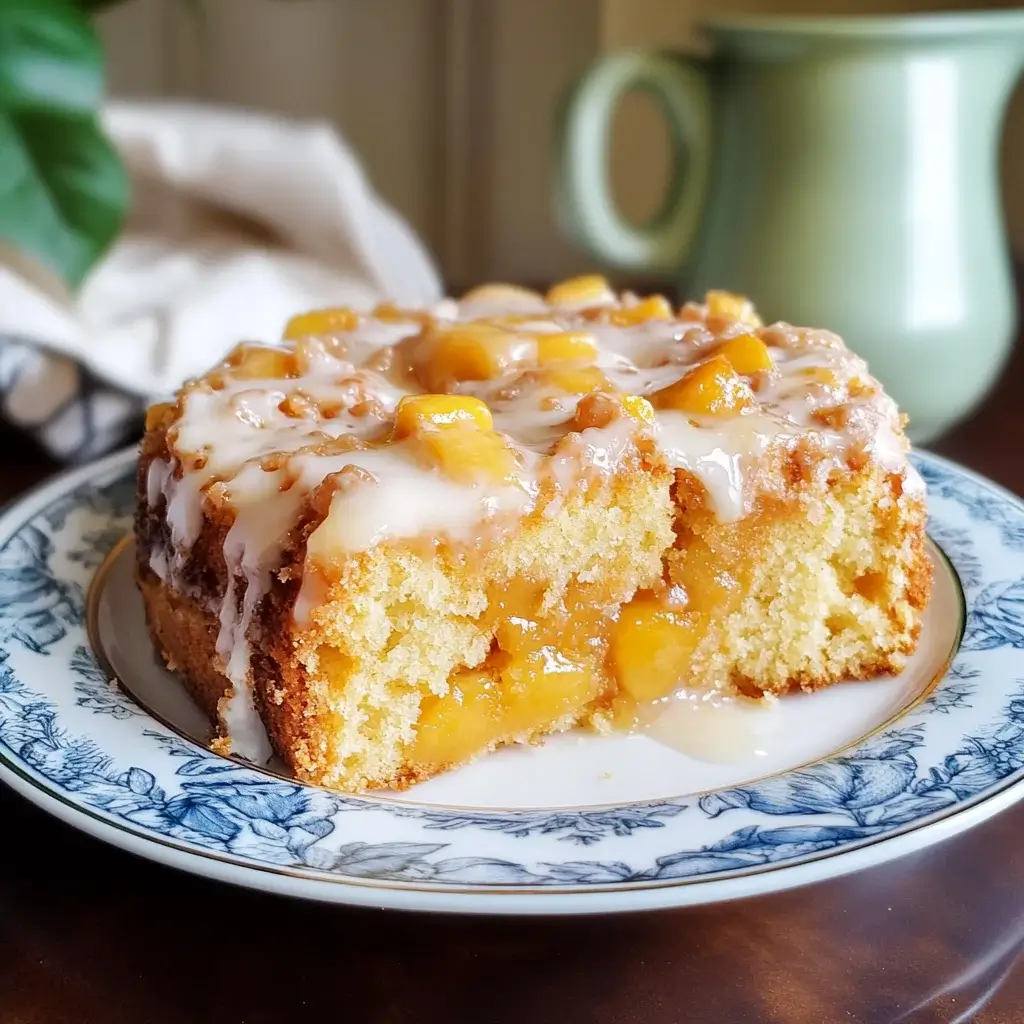

This Peach Cobbler Pound Cake recipe isn’t just a dessert in our house; it’s practically an event. The first time I baked it, I was aiming for something that combined the comforting, jammy sweetness of my grandmother’s peach cobbler with the reliable, buttery richness of a classic pound cake. I honestly wasn’t sure if the two could coexist harmoniously. But as the aroma filled the kitchen – that incredible blend of warm peaches, cinnamon, vanilla, and melting butter – I had a feeling I was onto something special. The moment of truth came when slicing into the cooled cake. It revealed a beautifully dense yet moist crumb, studded with tender peach chunks and crowned with a hint of crisp, sugary topping. My family’s reaction? Utter silence, followed by murmurs of “Oh my gosh,” and then the inevitable requests for seconds. It was an instant hit. Now, it’s the cake requested for birthdays, potlucks, or simply when we need a dose of pure, unadulterated comfort food. It manages to be both elegantly satisfying and rustically charming, capturing the best of both beloved desserts in every single bite.
Why Peach Cobbler Pound Cake is the Ultimate Dessert Mashup
In the world of desserts, some combinations are simply destined for greatness. Peanut butter and chocolate, apple and cinnamon, coffee and cream – these pairings work because they offer a balance of complementary flavors and textures. Enter the Peach Cobbler Pound Cake, a relatively modern invention that brilliantly marries two distinctly American comfort food classics into one spectacular dessert. But why does this particular mashup work so incredibly well?
First, consider the textural interplay. A traditional pound cake, known for its fine, dense, yet moist crumb and buttery richness, provides a sturdy, satisfying base. It’s comforting and substantial. Peach cobbler, on the other hand, offers soft, yielding, syrupy baked peaches, often nestled under a softer, cakier, or biscuity topping. When you combine them, the tender, juicy peaches become delightful pockets of softness within the pound cake’s structure. You get the satisfying chew of the cake alongside the melt-in-your-mouth fruit. If the recipe includes a streusel or sugary topping element reminiscent of cobbler, it adds another layer of textural contrast – a slight crunch against the soft fruit and dense cake.
Second, the flavor synergy is undeniable. The pound cake brings a rich, buttery, vanilla-kissed flavor profile. It’s sweet, but often in a restrained, sophisticated way. Peaches introduce a bright, fruity sweetness, often with a balancing touch of tartness, especially if using slightly underripe fruit or adding a squeeze of lemon juice. When baked, their flavor intensifies, becoming almost caramelized. Adding warm spices like cinnamon and nutmeg, common in peach cobbler, bridges the gap between the buttery cake and the sweet fruit, adding aromatic warmth and complexity. The combination isn’t just cake with peaches; it’s an integrated flavor experience where the buttery notes enhance the fruit, and the fruit’s brightness cuts through the cake’s richness.
Third, it embodies the best of both worlds in terms of comfort and occasion. Pound cake often feels slightly more elegant, suitable for afternoon tea or a more formal dessert setting. Peach cobbler screams rustic comfort, perfect for family gatherings and casual potlucks. The Peach Cobbler Pound Cake straddles this line beautifully. It’s impressive enough to serve to guests, perhaps warmed with a scoop of vanilla ice cream, yet comforting and familiar enough to enjoy as a simple slice with a cup of coffee. Its versatility is a huge part of its appeal.
Finally, it’s a celebration of peaches. When peaches are in season, this cake is a fantastic way to showcase their flavor and texture. But it’s also forgiving enough to work well with good-quality canned or frozen peaches, making it accessible year-round. This hybrid dessert takes familiar, beloved elements and elevates them into something that feels both nostalgic and excitingly new. It’s a testament to culinary creativity, proving that sometimes, combining two classics results in something even greater than the sum of its parts.
The Magic Behind the Flavors: Deconstructing the Deliciousness
Understanding the role each component plays in the Peach Cobbler Pound Cake helps appreciate the recipe’s brilliance and ensures baking success. Let’s break down the key elements that contribute to its unique flavor and texture profile:
1. The Pound Cake Base: Richness and Structure
The foundation of this dessert is, of course, the pound cake batter. Traditionally made with a pound each of butter, sugar, eggs, and flour, modern pound cakes often adjust these ratios for a slightly lighter texture while maintaining richness.
- Butter: Provides essential fat, contributing to flavor, tenderness, and a moist crumb. Using good-quality unsalted butter allows control over the salt content. Creaming the butter properly with sugar incorporates air, crucial for leavening.
- Sugar: Sweetens the cake and aids in browning. It also interacts with the butter during creaming to create air pockets and tenderizes the crumb by absorbing moisture.
- Eggs: Add richness (from the yolks), structure (from the proteins), and act as emulsifiers, helping to bind the ingredients together smoothly. Room temperature eggs incorporate better.
- Flour: Provides the primary structure. Cake flour, with its lower protein content, can yield a more tender, finer crumb often desired in pound cakes. All-purpose flour also works well, resulting in a slightly sturdier cake. Proper measuring (spooning and leveling, not scooping) is crucial to avoid a dry, heavy cake.
- Leavening: While traditional pound cakes relied solely on the air beaten into the butter and eggs, many modern recipes include baking powder and sometimes baking soda for a more reliable lift and slightly less dense texture.
- Flavorings (Vanilla, etc.): Vanilla extract is standard, enhancing the buttery notes and complementing the peaches. Almond extract can also be a delicious addition, pairing beautifully with stone fruit.
2. The Peaches: Sweetness, Moisture, and Tang
The “cobbler” element comes primarily from the peaches. Their role is multifaceted:
- Flavor: Ripe peaches offer incredible sweetness and a distinct floral aroma. Even slightly tart peaches work well, providing a pleasant contrast to the sweet cake. Baking intensifies their flavor.
- Texture: When baked within the cake, the peaches soften, becoming tender and juicy pockets that break up the dense pound cake crumb.
- Moisture: Peaches release juice as they bake, contributing additional moisture to the surrounding cake, keeping it from drying out.
- Fresh vs. Canned/Frozen: Fresh peaches in season offer the best flavor, but require peeling and slicing. Good-quality canned peaches (packed in juice or light syrup, well-drained) are a convenient year-round option. Frozen peaches (thawed and drained) also work, though their texture might be slightly softer. Tossing the peaches lightly in flour before adding to the batter can help prevent them from sinking.
3. Cobbler Elements: Spices, Toppings, and Glazes
To truly evoke “peach cobbler,” additional elements are often incorporated:
- Warm Spices: Cinnamon is the most common spice paired with peaches, adding warmth and familiarity. Nutmeg, ginger, or a pinch of cardamom can also be included in the batter or tossed with the peaches for more complex flavor.
- Streusel/Sugar Topping: Some recipes incorporate a simple streusel topping (flour, sugar, butter, spices) or a sprinkle of coarse sugar over the batter before baking. This mimics the crunchy topping of some cobblers and adds textural interest.
- Peach Swirl/Layer: Sometimes, spiced peaches are layered within the batter rather than just folded in, creating distinct sections of cake and fruit. Some recipes might even include a layer of cream cheese filling for added richness, reminiscent of some cobbler variations.
- Glaze: A simple powdered sugar glaze (often flavored with vanilla, almond extract, or even peach nectar/juice) drizzled over the cooled cake adds extra sweetness, moisture, and visual appeal, echoing the syrupy nature of a cobbler.
Together, these components create a harmonious blend: the rich, sturdy pound cake embraces the soft, sweet peaches, all tied together with warm spices and potentially enhanced with toppings or glazes. It’s a carefully constructed balance designed for maximum comfort and flavor impact.
Gathering Your Ingredients: The Building Blocks of Deliciousness
Accuracy in baking starts with gathering and measuring your ingredients correctly. Using quality components will make a noticeable difference in your final Peach Cobbler Pound Cake. Here’s what you’ll need:
For the Peach Cobbler Filling:
- Peaches: 3 cups, peeled, pitted, and diced (about ¾-inch pieces) – This is roughly 4-5 medium fresh peaches. Alternatively, use canned sliced peaches (about two 15-oz cans), well-drained and diced, or frozen sliced peaches (about 16-20 oz), thawed and well-drained.
- Granulated Sugar: ¼ cup (50g) – Adjust slightly based on peach sweetness.
- All-Purpose Flour: 1 tablespoon – Helps thicken the peach juices slightly.
- Ground Cinnamon: 1 teaspoon
- Ground Nutmeg: ¼ teaspoon (optional, but recommended)
- Lemon Juice: 1 teaspoon (fresh preferred) – Brightens the peach flavor.
For the Pound Cake Batter:
- All-Purpose Flour: 3 cups (360g) – Spooned and leveled. (Alternatively, use cake flour for a more tender crumb, using the same weight or volume).
- Baking Powder: 1 teaspoon – Ensure it’s fresh for proper leavening.
- Salt: ½ teaspoon – Balances sweetness and enhances flavors.
- Unsalted Butter: 1 ½ cups (3 sticks or 340g), softened to room temperature – Crucial for proper creaming.
- Granulated Sugar: 2 ½ cups (500g)
- Large Eggs: 5 – Must be at room temperature.
- Vanilla Extract: 2 teaspoons – Use pure vanilla extract for best flavor.
- Sour Cream or Full-Fat Plain Yogurt: 1 cup (240g), at room temperature – Adds significant moisture and tenderness.
- Milk: ¼ cup (60ml), at room temperature (whole milk recommended)
For the Optional Glaze:
- Powdered Sugar: 1 cup (120g), sifted
- Milk or Peach Nectar: 2-4 tablespoons
- Vanilla Extract: ½ teaspoon
Ingredient Notes:
- Room Temperature: Having butter, eggs, sour cream/yogurt, and milk at room temperature is critical for a smooth, properly emulsified batter and a well-textured cake. Take them out of the fridge 30-60 minutes before starting.
- Flour Measurement: Spoon flour into your measuring cup and level it off with a straight edge. Do not scoop directly from the bag, as this compacts the flour and results in too much being used, leading to a dry cake.
- Peaches: Pat drained canned or thawed frozen peaches very dry with paper towels to avoid adding excess moisture to the batter.
Having all your ingredients prepped and ready (mise en place) will make the baking process smooth and enjoyable.
Baking Your Masterpiece: Step-by-Step Instructions
Follow these steps carefully to create your delicious Peach Cobbler Pound Cake. Patience during the process, especially with creaming and cooling, is key!
- Prepare the Peaches:
- In a medium bowl, gently toss the diced peaches with ¼ cup granulated sugar, 1 tablespoon flour, ground cinnamon, optional nutmeg, and lemon juice.
- Set aside while you prepare the cake batter. This allows the peaches to macerate slightly and release some juices, which the flour will help manage.
- Prepare the Pan and Oven:
- Preheat your oven to 325°F (160°C).
- Generously grease and flour a 10- or 12-cup Bundt pan or a tube pan. Ensure every nook and cranny is coated to prevent sticking. Alternatively, use a baking spray that contains flour. This step is crucial for pound cakes.
- Combine Dry Ingredients:
- In a large bowl, whisk together the 3 cups of all-purpose flour, baking powder, and salt. Whisking aerates the flour and distributes the leavening and salt evenly. Set aside.
- Cream Butter and Sugar:
- In the bowl of a stand mixer fitted with the paddle attachment, or in a large bowl using a hand mixer, beat the softened unsalted butter on medium speed until creamy, about 1-2 minutes.
- Gradually add the 2 ½ cups of granulated sugar, beating on medium-high speed for a full 5-7 minutes. The mixture should become very pale, light, and fluffy. Do not skimp on this step; it incorporates air which helps the cake rise and creates a tender texture. Scrape down the sides and bottom of the bowl periodically.
- Add Eggs:
- With the mixer on medium-low speed, add the room temperature eggs one at a time, beating well after each addition until fully incorporated. Scrape down the bowl after adding the last egg.
- Add Vanilla:
- Beat in the vanilla extract until just combined.
- Alternate Wet and Dry Ingredients:
- Combine the room temperature sour cream (or yogurt) and milk in a small bowl or liquid measuring cup.
- With the mixer on low speed, add the dry ingredients in three additions, alternating with the sour cream/milk mixture in two additions. Begin and end with the dry ingredients.
- Example: Add ⅓ of dry ingredients, mix until just combined. Add ½ of sour cream/milk mixture, mix until just combined. Add another ⅓ of dry ingredients, mix. Add remaining sour cream/milk mixture, mix. Add final ⅓ of dry ingredients.
- Crucially: Mix only until each addition is incorporated. Do not overmix! Overmixing develops gluten and leads to a tough cake. Stop as soon as the last streaks of flour disappear. You can finish folding gently with a spatula.
- Incorporate the Peaches:
- Drain any excess liquid from the prepared peaches (a little syrupy coating is fine).
- Gently fold the prepared peaches into the batter using a large rubber spatula. Try to distribute them evenly without deflating the batter too much.
- Fill the Pan:
- Carefully spoon the batter into the prepared Bundt or tube pan. Spread it evenly with the spatula. Gently tap the pan on the counter a couple of times to release any large air bubbles.
- Bake:
- Place the pan in the preheated oven on the center rack.
- Bake for 70-90 minutes (1 hour 10 minutes to 1 hour 30 minutes). Baking time varies significantly based on oven and pan type/color.
- Start checking for doneness around the 70-minute mark. The cake is done when:
- It’s golden brown on top.
- A long wooden skewer or cake tester inserted into the center (avoiding peaches) comes out clean or with a few moist crumbs attached (no wet batter).
- The cake begins to pull away slightly from the sides of the pan.
- Cooling Process (Very Important!):
- Let the cake cool in the pan on a wire rack for exactly 15-20 minutes. Do not leave it longer, or it might stick or get soggy.
- Carefully invert the cake onto the wire rack. If you greased and floured the pan well, it should release easily. If it hesitates, you can gently tap the bottom or run a thin offset spatula around the edges carefully.
- Let the cake cool completely on the wire rack before glazing or slicing. This can take 2-3 hours. Cooling fully allows the crumb to set properly.
- Prepare and Apply Optional Glaze:
- Once the cake is completely cool, whisk together the sifted powdered sugar, vanilla extract, and 2 tablespoons of milk or peach nectar in a small bowl.
- Add more liquid, one teaspoon at a time, until you reach the desired drizzling consistency.
- Drizzle the glaze over the top of the cooled cake, letting it drip down the sides. Let the glaze set before slicing and serving.
Enjoy the delicious results of your baking!
Nutritional Snapshot: A Guide per Slice
While this Peach Cobbler Pound Cake is undeniably an indulgent treat, here’s an approximate nutritional estimate. Keep in mind that these values can vary significantly based on the specific ingredients used (e.g., type of flour, fat content of dairy, actual sugar content of peaches, size of eggs) and the final serving size.
- Servings: This recipe typically yields 12-16 servings, depending on how generously you slice the Bundt cake.
- Approximate Calories per Serving (assuming 14 servings): Around 450 – 550 calories per slice.
General Nutritional Considerations:
- Fat: This cake is rich in fat, primarily from the significant amount of butter and eggs, as well as the sour cream/yogurt. This contributes to its moist texture and flavor.
- Sugar: Contains a substantial amount of added sugar from the granulated sugar in the cake and potentially the glaze, plus natural sugars from the peaches and milk.
- Carbohydrates: Primarily from the flour and sugars. Peaches also contribute carbohydrates and some dietary fiber.
- Protein: Eggs and dairy provide a moderate amount of protein.
Disclaimer: This information is a rough estimate for informational purposes only. For precise nutritional data, it is recommended to use an online recipe nutrition calculator and input your specific ingredient measurements and brands used. This cake is best enjoyed in moderation as part of a balanced diet.
Timing Your Bake: Prep and Cooking Duration
Planning your baking session helps ensure you have enough time for each crucial step, especially the long bake and essential cooling period.
- Preparation Time: Approximately 30-40 minutes.
- This includes gathering and measuring ingredients (mise en place).
- Peeling and dicing fresh peaches (allow extra time if needed).
- Preparing the Bundt pan thoroughly.
- Mixing the batter and folding in the peaches.
- Baking Time: Approximately 70-90 minutes (1 hour 10 minutes to 1 hour 30 minutes).
- Oven temperatures and pan types (dark metal pans bake faster than lighter ones or glass) can significantly affect baking time. Always rely on visual cues and the skewer test for doneness rather than strictly adhering to the clock.
- Cooling Time:
- In Pan: 15-20 minutes (critical timing).
- On Rack: At least 2-3 hours to cool completely before glazing or slicing for best results.
- Total Estimated Time (until ready to glaze/slice): Approximately 4 hours to 5 hours 30 minutes.
While the active preparation time is relatively short, the long baking and cooling times mean this isn’t a last-minute dessert. Plan accordingly to allow the cake to cool fully, which is essential for its final texture and easy slicing.
Serving Suggestions: Elevating Your Peach Cobbler Pound Cake
This cake is a star on its own, but pairing it with the right accompaniments can enhance the experience and suit different occasions. Here are some serving ideas:
- Pure and Simple:
- Room Temperature: Enjoy a simple slice as is. The flavors are perfectly balanced and shine through beautifully.
- Slightly Warm: Gently warm individual slices in the microwave (15-20 seconds) to soften the peaches and enhance the aroma.
- Classic Comfort Pairings:
- Vanilla Ice Cream: The quintessential pairing! A scoop of cold, creamy vanilla bean ice cream melting slightly against a warm slice of cake is pure heaven.
- Whipped Cream: A dollop of lightly sweetened fresh whipped cream adds a lovely lightness and complements the richness of the cake. Add a dash of cinnamon or vanilla to the cream.
- Crème Fraîche: For a slightly tangy alternative to whipped cream, serve with a spoonful of crème fraîche.
- Sauces and Drizzles:
- Caramel Sauce: A warm drizzle of caramel sauce enhances the buttery notes of the pound cake and pairs beautifully with peaches. Salted caramel adds another layer of complexity.
- Bourbon Sauce: A warm bourbon-spiked butter sauce adds a sophisticated, adult touch.
- Extra Peach Sauce: Simmer extra sliced peaches with a little sugar, lemon juice, and cinnamon until syrupy for an intense peach flavor boost.
- Breakfast or Brunch Star:
- Yes, pound cake for breakfast! Serve smaller slices alongside fresh fruit, yogurt, or a savory element like bacon or sausage for a decadent brunch treat.
- Beverage Companions:
- Coffee: A robust cup of coffee cuts through the richness perfectly.
- Tea: A cup of black tea (like Earl Grey or English Breakfast) or even a peach-flavored herbal tea complements the cake well.
- Milk: A cold glass of milk is always a winner, especially for kids.
- Dessert Wine: A late-harvest Riesling or a Moscato d’Asti could pair nicely for an elegant dessert course.
- Garnishes:
- A light dusting of powdered sugar if skipping the glaze.
- A few fresh peach slices alongside the cake slice (when in season).
- A sprinkle of toasted chopped pecans or almonds for added crunch.
- A sprig of fresh mint for color.
No matter how you serve it, this delightful Peach Cobbler Pound Cake is sure to impress and comfort.
Pro Tips for Pound Cake Perfection (5 Tips)
Achieving that perfect pound cake texture – moist, dense yet tender, and never dry or tough – requires attention to detail. Here are five pro tips specifically for your Peach Cobbler Pound Cake:
- Embrace Room Temperature Ingredients:
- Why: This is arguably the most crucial tip for pound cake. Softened butter creams properly with sugar, creating essential air pockets. Room temperature eggs, sour cream/yogurt, and milk emulsify smoothly into the batter, preventing curdling and ensuring an even texture. Cold ingredients can cause the butter to seize up, leading to a dense, uneven cake.
- How: Plan ahead! Take butter, eggs, and dairy out of the refrigerator 30-60 minutes before you start mixing. Cut butter into smaller cubes to soften faster. Place cold eggs in a bowl of warm (not hot) water for 5-10 minutes.
- Don’t Skimp on Creaming:
- Why: The step of beating the butter and sugar together for 5-7 minutes is vital for incorporating air into the batter. This air acts as a primary leavener (along with the baking powder), contributing significantly to the cake’s rise and tender texture. Insufficient creaming results in a heavy, dense cake.
- How: Use a stand mixer or powerful hand mixer. Beat on medium-high speed until the mixture is significantly lighter in color (pale yellow) and looks visibly fluffy, almost like frosting. Scrape the bowl down multiple times during this process.
- Measure Flour Correctly:
- Why: Adding too much flour is the most common cause of dry, heavy pound cakes. Scooping flour directly from the bag compacts it into the measuring cup, leading to significantly more flour than the recipe intended.
- How: Use the “spoon and level” method. Fluff the flour in its container with a fork or whisk. Gently spoon the flour into your dry measuring cup until it’s overflowing. Then, level off the excess with the straight edge of a knife or offset spatula. For ultimate accuracy, use a kitchen scale and measure by weight (e.g., 360g for 3 cups of AP flour).
- Avoid Overmixing After Adding Flour:
- Why: Once flour is added to wet ingredients, gluten development begins. Mixing activates gluten; too much mixing overdevelops it, resulting in a tough, chewy, or rubbery cake instead of a tender one.
- How: When alternating the dry and wet ingredients, mix on the lowest speed only until each addition is just barely combined. Stop as soon as the streaks of flour disappear. It’s often best to finish the last bit of mixing by hand with a large spatula, gently folding to ensure everything is incorporated without overworking the batter. Be especially gentle when folding in the peaches.
- Master the Cooling Process:
- Why: Pound cakes are dense and retain heat. Cooling properly is essential for the structure to set. Cooling too long in the pan can trap steam, making the crust soggy and potentially causing the cake to stick. Trying to remove it too soon can cause it to break. Cooling completely on the rack before glazing or slicing prevents crumbling and ensures the best texture.
- How: Follow the timing precisely: cool in the pan on a wire rack for 15-20 minutes only. Then immediately invert onto the rack to finish cooling completely, which takes several hours. Be patient – a fully cooled cake slices beautifully and has the best crumb.
By following these tips, you’ll significantly increase your chances of baking a truly perfect, moist, and tender Peach Cobbler Pound Cake every time.
Frequently Asked Questions (FAQ)
Here are answers to some common questions about making Peach Cobbler Pound Cake:
- Q: Can I use canned or frozen peaches instead of fresh?
- A: Yes, absolutely! If using canned peaches, choose slices packed in juice or light syrup (not heavy syrup). Drain them very well and pat them thoroughly dry with paper towels before dicing. Excess liquid can make the cake soggy. If using frozen sliced peaches, thaw them first, then drain off all excess liquid and pat them very dry before dicing and using. Fresh peaches offer the best flavor during peak season, but good quality canned or frozen peaches make this cake accessible year-round.
- Q: My pound cake sunk in the middle. What went wrong?
- A: Several factors can cause a pound cake to sink:
- Overmixing: Too much air incorporated after adding flour, or over-creaming beyond the recommended time, can create a weak structure that collapses.
- Underbaking: Removing the cake from the oven before the internal structure is fully set is a common cause. Ensure a skewer comes out clean from the center of the cake.
- Oven Temperature Issues: An oven that’s too hot can cause the outside to set before the inside is cooked, leading to collapse. An oven that’s too cool won’t allow the structure to set properly. Use an oven thermometer to verify accuracy.
- Opening Oven Door Too Often: Frequent opening, especially early in baking, causes temperature fluctuations that can destabilize the cake.
- A: Several factors can cause a pound cake to sink:
- Q: Can I bake this cake in a different type of pan?
- A: Yes, but adjustments are needed. A 10-inch tube pan (with the center cone) is the best substitute for a Bundt pan, with similar baking times. You could use two 9×5 inch loaf pans, but you’ll need to significantly reduce the baking time (start checking around 50-60 minutes). Fill loaf pans only about two-thirds full. A 9×13 inch rectangular pan is generally not recommended for traditional pound cake batter as the texture may differ and baking time will be much shorter and harder to gauge evenly. Stick to Bundt or tube pans for the most reliable results.
- Q: How should I store Peach Cobbler Pound Cake?
- A: Store the completely cooled cake well-wrapped in plastic wrap or in an airtight container at room temperature for up to 3-4 days. Due to the fruit, some prefer to refrigerate it after the first day or two, especially in warm climates, to extend its freshness for up to a week. If refrigerated, allow slices to come to room temperature or warm slightly before serving for best flavor and texture.
- Q: Can I freeze Peach Cobbler Pound Cake?
- A: Yes, pound cake freezes beautifully! Let the cake cool completely. You can freeze it whole or in individual slices. Wrap tightly in two layers of plastic wrap, followed by a layer of aluminum foil or place it in a freezer-safe airtight container or bag. Freeze for up to 3 months. Thaw overnight in the refrigerator or at room temperature. Freeze without glaze for best results; you can add glaze after thawing.
Creative Variations: Twists on the Classic Combo
While the classic Peach Cobbler Pound Cake is phenomenal, it also serves as a wonderful canvas for variations. Here are some ideas to inspire your creativity:
- Spiced Up Peaches:
- Add a pinch of ground ginger or cardamom to the cinnamon and nutmeg when preparing the peaches for a more complex spice profile.
- Macerate the peaches with a tablespoon of bourbon or dark rum along with the sugar and spices for an adult twist.
- Nutty Additions:
- Fold in ½ to ¾ cup of toasted chopped pecans or walnuts into the batter along with the peaches for added crunch and nutty flavor. Pecans are particularly classic with peaches.
- Add chopped nuts to the optional glaze or sprinkle toasted nuts over the top of the glazed cake.
- Brown Butter Magic:
- Replace the regular butter with brown butter (cooled to solid but still soft) for an incredibly deep, nutty, caramelized flavor that beautifully complements the peaches. Brown 1 ½ cups of butter, let it solidify in the fridge, then bring back to softened room temperature before creaming.
- Alternative Fruits:
- Swap peaches for nectarines (no peeling needed!).
- Try a mix of peaches and berries (like blueberries or raspberries).
- Use apricots or plums for a tarter variation. Adjust sugar accordingly.
- Cream Cheese Swirl:
- Beat together 8 oz of softened cream cheese, ¼ cup sugar, 1 egg yolk, and ½ tsp vanilla extract. Layer dollops of this mixture with the cake batter and peaches in the Bundt pan and gently swirl with a knife before baking for a cheesecake-like element.
- Enhanced Toppings:
- Streusel: Create a simple streusel topping (e.g., ½ cup flour, ¼ cup brown sugar, ¼ cup cold butter, ½ tsp cinnamon) and sprinkle it over the batter in the pan before baking.
- Almond Glaze: Use almond extract instead of vanilla in the glaze and top with toasted sliced almonds.
- Citrus Zest:
- Add the zest of one orange or lemon to the cake batter when creaming the butter and sugar. Citrus brightens the flavors and pairs wonderfully with peaches.
Feel free to mix and match these ideas or come up with your own! Baking should be fun and delicious experimentation.
The Ultimate Comfort Bake: Why This Recipe Resonates
There’s a certain magic inherent in combining two beloved comfort foods. Peach Cobbler Pound Cake taps into deep-seated nostalgia – the warmth of a bubbling cobbler, the simple elegance of a perfect pound cake slice. This recipe doesn’t just offer flavor; it offers a feeling. It’s the feeling of summer picnics, family gatherings, and cozy afternoons.
Baking this cake is an act of delicious alchemy, transforming everyday ingredients into something truly special. The process itself, from the careful creaming of butter and sugar to the gentle folding in of sweet peaches, can be a mindful, rewarding experience. And the aroma that fills your home as it bakes? Pure, unadulterated bliss.
Whether you’re an experienced baker or just starting your journey, this recipe provides a satisfying challenge with an incredibly rewarding outcome. It’s a cake designed to be shared, to bring smiles, and to create new memories. Each slice is a testament to the beautiful synergy between buttery cake and sweet fruit, a perfect harmony of texture and taste. We hope this detailed guide helps you create your own spectacular Peach Cobbler Pound Cake, destined to become a cherished favorite in your home too. Happy Baking!
Print
Peach Cobbler Pound Cake recipe
Ingredients
-
- Peaches: 3 cups, peeled, pitted, and diced (about ¾-inch pieces) – This is roughly 4-5 medium fresh peaches. Alternatively, use canned sliced peaches (about two 15-oz cans), well-drained and diced, or frozen sliced peaches (about 16-20 oz), thawed and well-drained.
-
- Granulated Sugar: ¼ cup (50g) – Adjust slightly based on peach sweetness.
-
- All-Purpose Flour: 1 tablespoon – Helps thicken the peach juices slightly.
-
- Ground Cinnamon: 1 teaspoon
-
- Ground Nutmeg: ¼ teaspoon (optional, but recommended)
-
- Lemon Juice: 1 teaspoon (fresh preferred) – Brightens the peach flavor.
For the Pound Cake Batter:
-
- All-Purpose Flour: 3 cups (360g) – Spooned and leveled. (Alternatively, use cake flour for a more tender crumb, using the same weight or volume).
-
- Baking Powder: 1 teaspoon – Ensure it’s fresh for proper leavening.
-
- Salt: ½ teaspoon – Balances sweetness and enhances flavors.
-
- Unsalted Butter: 1 ½ cups (3 sticks or 340g), softened to room temperature – Crucial for proper creaming.
-
- Granulated Sugar: 2 ½ cups (500g)
-
- Large Eggs: 5 – Must be at room temperature.
-
- Vanilla Extract: 2 teaspoons – Use pure vanilla extract for best flavor.
-
- Sour Cream or Full-Fat Plain Yogurt: 1 cup (240g), at room temperature – Adds significant moisture and tenderness.
-
- Milk: ¼ cup (60ml), at room temperature (whole milk recommended)
For the Optional Glaze:
-
- Powdered Sugar: 1 cup (120g), sifted
-
- Milk or Peach Nectar: 2-4 tablespoons
-
- Vanilla Extract: ½ teaspoon
Ingredient Notes:
-
- Room Temperature: Having butter, eggs, sour cream/yogurt, and milk at room temperature is critical for a smooth, properly emulsified batter and a well-textured cake. Take them out of the fridge 30-60 minutes before starting.
-
- Flour Measurement: Spoon flour into your measuring cup and level it off with a straight edge. Do not scoop directly from the bag, as this compacts the flour and results in too much being used, leading to a dry cake.
-
- Peaches: Pat drained canned or thawed frozen peaches very dry with paper towels to avoid adding excess moisture to the batter.
Instructions
-
- Prepare the Peaches:
-
- In a medium bowl, gently toss the diced peaches with ¼ cup granulated sugar, 1 tablespoon flour, ground cinnamon, optional nutmeg, and lemon juice.
-
- Set aside while you prepare the cake batter. This allows the peaches to macerate slightly and release some juices, which the flour will help manage.
-
- Prepare the Peaches:
-
- Prepare the Pan and Oven:
-
- Preheat your oven to 325°F (160°C).
-
- Generously grease and flour a 10- or 12-cup Bundt pan or a tube pan. Ensure every nook and cranny is coated to prevent sticking. Alternatively, use a baking spray that contains flour. This step is crucial for pound cakes.
-
- Prepare the Pan and Oven:
-
- Combine Dry Ingredients:
-
- In a large bowl, whisk together the 3 cups of all-purpose flour, baking powder, and salt. Whisking aerates the flour and distributes the leavening and salt evenly. Set aside.
-
- Combine Dry Ingredients:
-
- Cream Butter and Sugar:
-
- In the bowl of a stand mixer fitted with the paddle attachment, or in a large bowl using a hand mixer, beat the softened unsalted butter on medium speed until creamy, about 1-2 minutes.
-
- Gradually add the 2 ½ cups of granulated sugar, beating on medium-high speed for a full 5-7 minutes. The mixture should become very pale, light, and fluffy. Do not skimp on this step; it incorporates air which helps the cake rise and creates a tender texture. Scrape down the sides and bottom of the bowl periodically.
-
- Cream Butter and Sugar:
-
- Add Eggs:
-
- With the mixer on medium-low speed, add the room temperature eggs one at a time, beating well after each addition until fully incorporated. Scrape down the bowl after adding the last egg.
-
- Add Eggs:
-
- Add Vanilla:
-
- Beat in the vanilla extract until just combined.
-
- Add Vanilla:
-
- Alternate Wet and Dry Ingredients:
-
- Combine the room temperature sour cream (or yogurt) and milk in a small bowl or liquid measuring cup.
-
- With the mixer on low speed, add the dry ingredients in three additions, alternating with the sour cream/milk mixture in two additions. Begin and end with the dry ingredients.
-
- Example: Add ⅓ of dry ingredients, mix until just combined. Add ½ of sour cream/milk mixture, mix until just combined. Add another ⅓ of dry ingredients, mix. Add remaining sour cream/milk mixture, mix. Add final ⅓ of dry ingredients.
-
- Crucially: Mix only until each addition is incorporated. Do not overmix! Overmixing develops gluten and leads to a tough cake. Stop as soon as the last streaks of flour disappear. You can finish folding gently with a spatula.
-
- Alternate Wet and Dry Ingredients:
-
- Incorporate the Peaches:
-
- Drain any excess liquid from the prepared peaches (a little syrupy coating is fine).
-
- Gently fold the prepared peaches into the batter using a large rubber spatula. Try to distribute them evenly without deflating the batter too much.
-
- Incorporate the Peaches:
-
- Fill the Pan:
-
- Carefully spoon the batter into the prepared Bundt or tube pan. Spread it evenly with the spatula. Gently tap the pan on the counter a couple of times to release any large air bubbles.
-
- Fill the Pan:
-
- Bake:
-
- Place the pan in the preheated oven on the center rack.
-
- Bake for 70-90 minutes (1 hour 10 minutes to 1 hour 30 minutes). Baking time varies significantly based on oven and pan type/color.
-
- Start checking for doneness around the 70-minute mark. The cake is done when:
-
- It’s golden brown on top.
-
- A long wooden skewer or cake tester inserted into the center (avoiding peaches) comes out clean or with a few moist crumbs attached (no wet batter).
-
- The cake begins to pull away slightly from the sides of the pan.
-
- Start checking for doneness around the 70-minute mark. The cake is done when:
-
- Bake:
-
- Cooling Process (Very Important!):
-
- Let the cake cool in the pan on a wire rack for exactly 15-20 minutes. Do not leave it longer, or it might stick or get soggy.
-
- Carefully invert the cake onto the wire rack. If you greased and floured the pan well, it should release easily. If it hesitates, you can gently tap the bottom or run a thin offset spatula around the edges carefully.
-
- Let the cake cool completely on the wire rack before glazing or slicing. This can take 2-3 hours. Cooling fully allows the crumb to set properly.
-
- Cooling Process (Very Important!):
-
- Prepare and Apply Optional Glaze:
-
- Once the cake is completely cool, whisk together the sifted powdered sugar, vanilla extract, and 2 tablespoons of milk or peach nectar in a small bowl.
-
- Add more liquid, one teaspoon at a time, until you reach the desired drizzling consistency.
-
- Drizzle the glaze over the top of the cooled cake, letting it drip down the sides. Let the glaze set before slicing and serving.
-
- Prepare and Apply Optional Glaze:
Nutrition
- Serving Size: one normal portion
- Calories: 450 – 550