
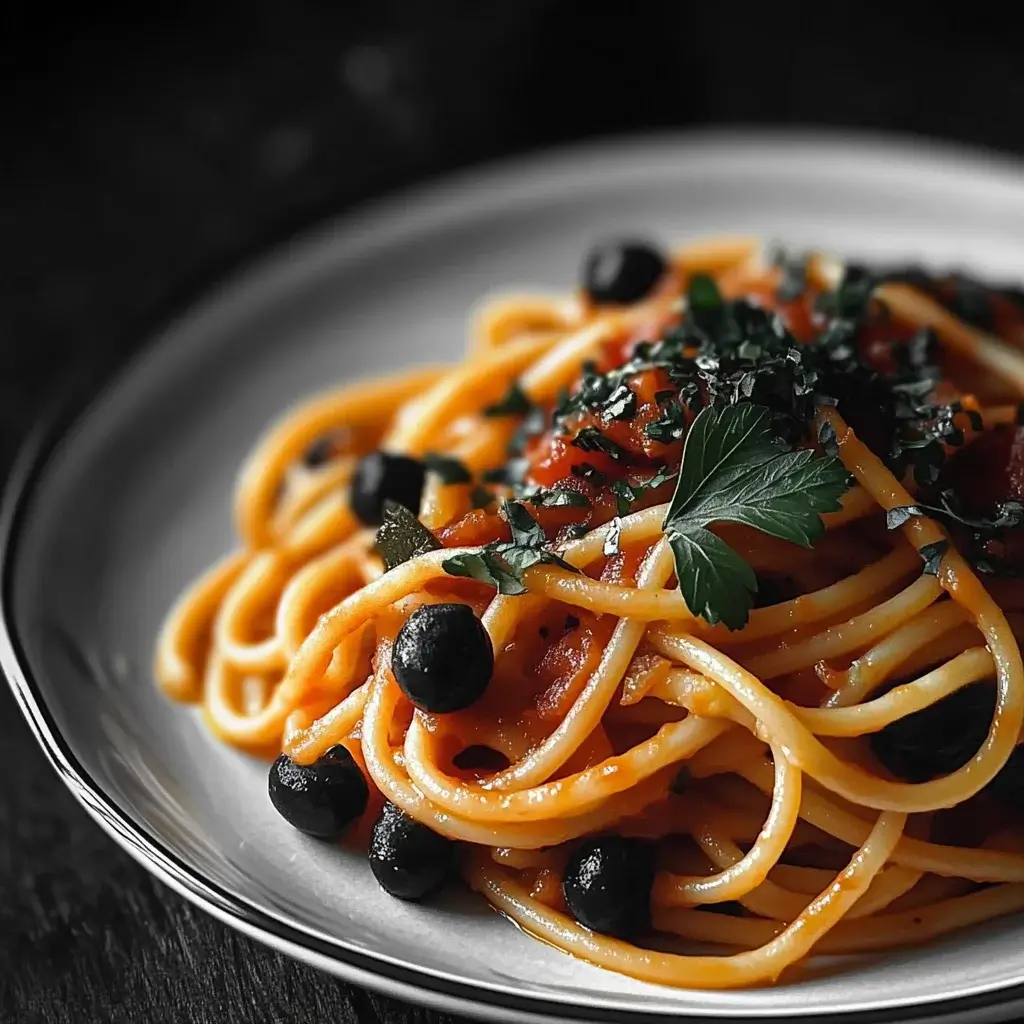
Pasta Puttanesca. The name itself is intriguing, isn’t it? For years, I shied away from it, imagining some overly complicated, intensely fishy dish. Boy, was I wrong! My first encounter with Puttanesca was at a small trattoria in Rome, tucked away on a cobblestone street. The aroma alone drew me in – briny olives, fragrant garlic, and a hint of something fiery. One bite, and I was hooked. It was bold, assertive, and utterly delicious, yet surprisingly simple. What struck me most was how pantry-friendly it was. Turns out, Puttanesca is a culinary testament to making magic with humble ingredients. Since that Roman holiday, Puttanesca has become a regular in my kitchen. It’s my go-to for a quick weeknight meal that feels special, for impressing unexpected guests, and for those days when I crave a flavor explosion without spending hours in the kitchen. If you’re looking for a pasta dish that’s vibrant, flavorful, and ready in minutes, prepare to fall in love with Pasta Puttanesca. Let’s unlock the secrets to this Italian classic and bring a taste of the Mediterranean to your table.
Ingredients
The beauty of Pasta Puttanesca lies in its simplicity and reliance on pantry staples. While the ingredient list may seem unassuming, each component plays a crucial role in creating the dish’s signature bold and savory flavor profile. Here’s what you’ll need to gather for an authentic and delicious Pasta Puttanesca:
- 1 pound Spaghetti or Linguine: Traditionally, spaghetti is used for Pasta Puttanesca, but linguine also works beautifully. Choose a good quality pasta – bronze-die cut pasta is excellent as it has a rougher surface that helps the sauce cling better. You can also experiment with other long pasta shapes like bucatini or perciatelli for a slightly different texture.
- 1/4 cup Extra Virgin Olive Oil: High-quality extra virgin olive oil is essential for flavor and aroma. It forms the base of the sauce and infuses the dish with its fruity and peppery notes. Don’t skimp on quality here – it makes a noticeable difference.
- 4-6 cloves Garlic, thinly sliced: Garlic is a key aromatic in Puttanesca, providing a pungent and savory base. Thinly slicing the garlic allows it to infuse the oil with flavor without burning easily. Adjust the amount of garlic to your preference – some prefer a more garlicky Puttanesca, while others prefer a milder flavor.
- 1 teaspoon Red Pepper Flakes (or more, to taste): Red pepper flakes bring the signature heat to Puttanesca. Start with 1 teaspoon and adjust to your spice preference. For a milder dish, use less; for a fiery kick, add more. You can also use a fresh red chili, finely chopped, if you prefer.
- 1 (28-ounce) can San Marzano Tomatoes, crushed or diced: San Marzano tomatoes are considered the gold standard for Italian tomato sauces. They are known for their sweet, low-acid flavor and meaty texture. Crushed tomatoes create a rustic sauce, while diced tomatoes offer a bit more texture. If you can’t find San Marzano tomatoes, use another high-quality canned tomato product. Avoid overly watery or acidic tomatoes.
- 1/2 cup Kalamata Olives, pitted and halved: Kalamata olives are essential for their briny, salty, and slightly fruity flavor. Their distinctive taste is a cornerstone of Puttanesca. Make sure they are pitted for ease of cooking and eating. Halving them allows the flavor to release into the sauce.
- 1/4 cup Capers, drained: Capers, particularly salt-packed capers (rinsed well), add a bright, salty, and tangy element to the dish. They provide a crucial counterpoint to the richness of the tomatoes and olives. Drain them well to remove excess brine before adding them to the sauce.
- 4-6 Anchovy Fillets, packed in oil, drained: Anchovies are the secret ingredient that provides the umami depth and savory backbone to Puttanesca. Don’t be intimidated by anchovies! They melt into the sauce, adding a complex, savory flavor that isn’t overtly “fishy.” Use good quality anchovy fillets packed in oil. Drain them well and finely chop them or mash them into a paste. If you are strictly vegetarian or vegan, you can try omitting them or using a vegetarian anchovy substitute (though the flavor profile will be slightly different).
- 1/4 cup Fresh Parsley, chopped: Fresh parsley adds a bright, herbaceous note and a touch of freshness to the finished dish. Italian flat-leaf parsley is preferred for its robust flavor. Reserve some parsley for garnish as well.
- Optional: 1 tablespoon Tomato Paste: For a richer, more concentrated tomato flavor, you can add a tablespoon of tomato paste. Cook it with the garlic and red pepper flakes to caramelize it and deepen its flavor.
- Salt and Freshly Ground Black Pepper, to taste: Seasoning is crucial. Taste the sauce at various stages and adjust salt and pepper accordingly. Remember that olives, capers, and anchovies are already salty, so season judiciously.
Ingredient Variations and Substitutions:
- Olives: While Kalamata olives are traditional, you can use other briny olives like Nicoise olives or Castelvetrano olives if you prefer. Avoid mild or bland olives, as they won’t contribute the desired flavor punch.
- Capers: Salt-packed capers are generally preferred for their superior flavor, but capers packed in vinegar are also acceptable. Rinse salt-packed capers thoroughly before use.
- Anchovies: If you are truly averse to anchovies, you can try omitting them, but the flavor will be significantly different. Some vegetarian versions use a combination of sun-dried tomatoes, nutritional yeast, and a touch of soy sauce or miso paste to mimic the umami depth.
- Tomatoes: While San Marzano tomatoes are ideal, you can use other good quality canned diced or crushed tomatoes. Fire-roasted tomatoes can add a smoky depth of flavor. In a pinch, you can even use fresh ripe tomatoes in the summer, but canned tomatoes generally provide a more consistent flavor and texture for Puttanesca.
- Pasta: Spaghetti and linguine are classic choices, but feel free to experiment with other long pasta shapes like bucatini, fettuccine, or even penne or rigatoni.
Instructions
Pasta Puttanesca is renowned for its speed and ease of preparation. In just a few simple steps, you can transform humble pantry ingredients into a flavor-packed pasta dish that’s ready in the time it takes to cook the pasta. Follow these instructions for a foolproof and delicious Pasta Puttanesca:
Step 1: Prepare the Ingredients
- Bring a large pot of salted water to a boil: Use plenty of water and salt it generously – it should taste like the sea. This is crucial for properly seasoning the pasta as it cooks.
- Prepare the Garlic, Olives, Capers, and Anchovies: Thinly slice the garlic cloves. Halve the pitted Kalamata olives. Drain the capers (rinse salt-packed capers). Drain and finely chop or mash the anchovy fillets. Chop the fresh parsley. If using tomato paste, have it ready.
- Open and Prepare the Canned Tomatoes: Open the can of San Marzano tomatoes. If using whole tomatoes, crush them by hand or with a potato masher. If using diced or crushed tomatoes, they are ready to go.
Step 2: Sauté Aromatics and Anchovies
- Heat Olive Oil in a Large Skillet: Place a large, deep skillet or Dutch oven over medium heat. Add the extra virgin olive oil and let it heat up until shimmering.
- Sauté Garlic and Red Pepper Flakes: Add the thinly sliced garlic and red pepper flakes to the hot oil. Sauté for 1-2 minutes, stirring frequently, until the garlic is fragrant and just beginning to turn golden. Be careful not to burn the garlic, as it will become bitter.
- Add Anchovies (and Tomato Paste, if using): Add the chopped or mashed anchovy fillets to the skillet. Cook for another minute or two, stirring and pressing them into the oil with a spoon or spatula until they melt into the oil and almost disappear. If using tomato paste, add it now and cook for about a minute, stirring constantly, to caramelize it slightly and deepen its flavor.
Step 3: Build the Sauce
- Add Tomatoes, Olives, and Capers: Pour the crushed or diced tomatoes into the skillet. Add the halved Kalamata olives and drained capers.
- Simmer the Sauce: Bring the sauce to a simmer, then reduce the heat to low and gently simmer for 15-20 minutes, or until the sauce has thickened slightly and the flavors have melded together. Stir occasionally to prevent sticking. Simmering allows the flavors to deepen and develop.
- Season the Sauce: Taste the sauce and season with salt and freshly ground black pepper to taste. Remember to taste after simmering, as the flavors will evolve. Be mindful of the saltiness from the olives, capers, and anchovies.
Step 4: Cook the Pasta
- Cook Pasta According to Package Directions: While the sauce is simmering, add the spaghetti or linguine to the boiling salted water. Cook according to package directions for al dente, usually around 8-10 minutes. Al dente pasta has a slight bite to it and holds its shape well in the sauce.
- Reserve Pasta Water: Before draining the pasta, reserve about 1 cup of the pasta cooking water. Pasta water is starchy and helps to emulsify the sauce and create a silky, clinging texture.
Step 5: Combine Pasta and Sauce
- Drain Pasta and Add to Sauce: Drain the cooked pasta and immediately add it to the skillet with the Puttanesca sauce.
- Toss to Combine: Toss the pasta and sauce together well to coat every strand of pasta. Add a little of the reserved pasta water, a tablespoon or two at a time, if needed to loosen the sauce and create a glossy, emulsified consistency. You want the sauce to cling beautifully to the pasta.
- Stir in Fresh Parsley: Stir in most of the chopped fresh parsley, reserving some for garnish.
Step 6: Serve Immediately
- Serve Hot: Serve the Pasta Puttanesca immediately while it’s hot and flavorful.
- Garnish: Garnish each serving with the remaining fresh parsley and a drizzle of extra virgin olive oil, if desired. You can also offer freshly grated Pecorino Romano cheese or Parmesan cheese on the side, although traditionally, cheese is not served with Puttanesca as its flavors are already so robust.
Nutrition Facts
(Estimated, per serving, assuming 6 servings from the recipe, using 1 pound of pasta and standard ingredient amounts. Nutritional values can vary based on specific brands, ingredient quantities, and portion sizes.)
Servings: 6
Calories Per Serving: Approximately 500-600 calories
- Protein: 20-25g
- Fat: 20-25g
- Saturated Fat: 3-4g
- Monounsaturated Fat: 15-18g
- Cholesterol: 10-15mg
- Sodium: 800-1000mg (can vary significantly based on olives, capers, and anchovies)
- Carbohydrates: 70-80g
- Fiber: 5-7g
- Sugar: 10-12g
- Iron: 3-4mg
- Vitamin C: 15-20mg
- Potassium: 600-700mg
Disclaimer: Nutritional information is an estimate and should be considered a general guideline. For precise nutritional information, consult a nutritional database or calculate based on the specific ingredients and brands used.
Preparation Time
- Prep Time: 15 minutes (chopping vegetables, measuring ingredients)
- Cook Time: 25 minutes (sauce simmering and pasta cooking)
- Total Time: Approximately 40 minutes
How to Serve
Pasta Puttanesca is a complete and satisfying meal on its own, but it can also be complemented by simple sides to create a more elaborate Italian feast. Here are some serving suggestions:
Simple Sides to Complement Puttanesca:
- Garlic Bread or Bruschetta: Serve with crusty garlic bread or toasted bruschetta topped with fresh tomatoes and basil for a classic Italian accompaniment.
- Side Salad: A simple green salad with a light vinaigrette provides a refreshing contrast to the richness of the Puttanesca. Consider an arugula salad with lemon vinaigrette or a mixed green salad with Italian dressing.
- Roasted Vegetables: Roasted vegetables like broccoli, asparagus, or bell peppers add a healthy and flavorful side dish. Toss them with olive oil, salt, pepper, and herbs before roasting.
- Caprese Salad: A Caprese salad with fresh mozzarella, tomatoes, and basil is a light and refreshing Italian classic that pairs well with Puttanesca, especially in warmer weather.
- Soup: For a heartier meal, serve a light soup like minestrone or tomato soup before the Puttanesca.
Wine Pairings for Pasta Puttanesca:
- Dry Rosé: A dry rosé wine, especially one from Southern Italy or Provence, is an excellent pairing for Puttanesca. Its crisp acidity and fruity notes complement the briny and savory flavors of the dish.
- Light-bodied Red Wine: A light-bodied, fruity red wine like Chianti, Sangiovese, or Barbera from Italy will also pair well. The acidity of these wines cuts through the richness of the sauce, and their fruitiness complements the tomatoes.
- Crisp White Wine: A crisp, dry white wine like Pinot Grigio, Vermentino, or Sauvignon Blanc can also work, especially if you prefer white wine. Choose a wine with good acidity to balance the richness of the sauce.
- Avoid Oaked Wines: Avoid heavily oaked wines, as they can clash with the bold flavors of Puttanesca.
Serving as a Main Course or Side Dish:
- Main Course: Pasta Puttanesca is typically served as a main course, especially for a weeknight dinner. A generous portion of pasta with a side salad or garlic bread is a complete and satisfying meal.
- Antipasto Course: In a multi-course Italian meal, Puttanesca could also be served as a “primo,” or first course, after an antipasto and before a main meat or fish dish. In this case, serve smaller portions.
Additional Tips for Perfect Pasta Puttanesca
- Don’t Overcook the Garlic: Burnt garlic will make your Puttanesca bitter. Sauté the garlic over medium heat and watch it carefully. It should become fragrant and just starting to turn golden, not brown or burnt.
- Use Good Quality Ingredients: While Puttanesca is a pantry staple dish, using high-quality ingredients will elevate the flavor. Opt for good extra virgin olive oil, San Marzano tomatoes, and quality olives and capers. Fresh parsley makes a big difference in the final dish.
- Taste and Season as You Go: Taste the sauce at various stages of cooking and adjust the seasoning as needed. Remember that the olives, capers, and anchovies are salty, so season judiciously with salt. Don’t be afraid to add a little more red pepper flakes for extra heat or a pinch of sugar to balance the acidity of the tomatoes, if needed.
- Emulsify the Sauce with Pasta Water: Reserving pasta water and using it to combine the pasta and sauce is crucial for creating a silky, well-emulsified sauce that clings beautifully to the pasta. Don’t skip this step! Add pasta water gradually until you reach the desired consistency.
- Serve Immediately: Pasta Puttanesca is best served immediately while it’s hot and the pasta is al dente. The flavors are most vibrant when freshly made. If you need to hold it for a short time, keep the pasta and sauce separate and combine them just before serving, adding a little extra pasta water to loosen the sauce if needed.
FAQ – Frequently Asked Questions About Pasta Puttanesca
Q1: What does “Puttanesca” mean, and what’s the origin of the dish name?
A: The name “Puttanesca” is Italian and is widely believed to derive from the Italian word “puttana,” meaning “prostitute.” There are several theories about the origin of the name, all somewhat colorful and unconfirmed. One common theory is that it was a quick and easy dish that prostitutes in Naples would make between clients, using simple pantry ingredients. Another theory suggests it was named after a brothel owner who popularized the dish. Regardless of the exact origin, the name reflects the dish’s bold, assertive, and somewhat “provocative” flavors.
Q2: Can I make Pasta Puttanesca vegetarian or vegan?
A: Yes, you can adapt Pasta Puttanesca to be vegetarian or vegan, but it will require some adjustments to replace the anchovies, which provide a key umami flavor. For a vegetarian version, you can try omitting the anchovies altogether, or using a vegetarian anchovy substitute made from seaweed or fermented vegetable pastes. For a vegan version, ensure you are using vegan pasta (most dried pasta is vegan) and omit the anchovies. To boost the umami flavor in vegan Puttanesca, consider adding:
* Sun-dried tomatoes: Add chopped sun-dried tomatoes, packed in oil, to the sauce for a concentrated tomato flavor and umami depth.
* Nutritional yeast: Sprinkle nutritional yeast over the finished dish for a cheesy, umami flavor.
* Miso paste: A small amount of white miso paste added to the sauce can provide a savory depth.
* Soy sauce or tamari: A dash of soy sauce or tamari can also enhance the umami notes.
* Roasted vegetables: Adding roasted vegetables like eggplant or mushrooms can contribute a meaty texture and umami flavor.
Q3: Can I make Pasta Puttanesca ahead of time?
A: While Pasta Puttanesca is best served fresh, you can prepare the sauce ahead of time. The sauce can be made a day or two in advance and stored in the refrigerator. When ready to serve, cook the pasta and reheat the sauce. Combine the pasta and sauce just before serving. It’s generally not recommended to combine the pasta and sauce too far in advance, as the pasta can absorb too much sauce and become mushy.
Q4: Can I add protein to Pasta Puttanesca?
A: While traditionally Puttanesca is a vegetarian pasta dish, you can certainly add protein if you wish. Good protein additions that complement the flavors of Puttanesca include:
* Tuna: Canned tuna (packed in oil or water, drained) is a common addition in some variations of Puttanesca. Add it towards the end of cooking to heat through.
* Shrimp: Sautéed shrimp can be added to the sauce for a seafood twist.
* Chicken or sausage: Cooked chicken or Italian sausage (removed from casings and browned) can also be added for a heartier dish, though this deviates further from the traditional recipe.
* White beans: For a vegetarian protein boost, add cannellini beans or chickpeas to the sauce.
Q5: Is Pasta Puttanesca supposed to be spicy?
A: Yes, Pasta Puttanesca is intended to have a noticeable spicy kick from the red pepper flakes. However, the level of spiciness is adjustable to your preference. The recipe typically calls for 1 teaspoon of red pepper flakes, which provides a moderate level of heat. If you prefer a milder dish, use less red pepper flakes or remove the seeds from the flakes before using. If you like it very spicy, you can increase the amount of red pepper flakes or add a finely chopped fresh chili pepper to the sauce.
Enjoy exploring the bold and vibrant flavors of Pasta Puttanesca! This quick, pantry-friendly pasta dish is sure to become a new favorite in your kitchen, offering a taste of Italian culinary ingenuity with every delicious bite.
Print
Pasta Puttanesca recipe
Ingredients
- 1 pound Spaghetti or Linguine: Traditionally, spaghetti is used for Pasta Puttanesca, but linguine also works beautifully. Choose a good quality pasta – bronze-die cut pasta is excellent as it has a rougher surface that helps the sauce cling better. You can also experiment with other long pasta shapes like bucatini or perciatelli for a slightly different texture.
- 1/4 cup Extra Virgin Olive Oil: High-quality extra virgin olive oil is essential for flavor and aroma. It forms the base of the sauce and infuses the dish with its fruity and peppery notes. Don’t skimp on quality here – it makes a noticeable difference.
- 4–6 cloves Garlic, thinly sliced: Garlic is a key aromatic in Puttanesca, providing a pungent and savory base. Thinly slicing the garlic allows it to infuse the oil with flavor without burning easily. Adjust the amount of garlic to your preference – some prefer a more garlicky Puttanesca, while others prefer a milder flavor.
- 1 teaspoon Red Pepper Flakes (or more, to taste): Red pepper flakes bring the signature heat to Puttanesca. Start with 1 teaspoon and adjust to your spice preference. For a milder dish, use less; for a fiery kick, add more. You can also use a fresh red chili, finely chopped, if you prefer.
- 1 (28-ounce) can San Marzano Tomatoes, crushed or diced: San Marzano tomatoes are considered the gold standard for Italian tomato sauces. They are known for their sweet, low-acid flavor and meaty texture. Crushed tomatoes create a rustic sauce, while diced tomatoes offer a bit more texture. If you can’t find San Marzano tomatoes, use another high-quality canned tomato product. Avoid overly watery or acidic tomatoes.
- 1/2 cup Kalamata Olives, pitted and halved: Kalamata olives are essential for their briny, salty, and slightly fruity flavor. Their distinctive taste is a cornerstone of Puttanesca. Make sure they are pitted for ease of cooking and eating. Halving them allows the flavor to release into the sauce.
- 1/4 cup Capers, drained: Capers, particularly salt-packed capers (rinsed well), add a bright, salty, and tangy element to the dish. They provide a crucial counterpoint to the richness of the tomatoes and olives. Drain them well to remove excess brine before adding them to the sauce.
- 4–6 Anchovy Fillets, packed in oil, drained: Anchovies are the secret ingredient that provides the umami depth and savory backbone to Puttanesca. Don’t be intimidated by anchovies! They melt into the sauce, adding a complex, savory flavor that isn’t overtly “fishy.” Use good quality anchovy fillets packed in oil. Drain them well and finely chop them or mash them into a paste. If you are strictly vegetarian or vegan, you can try omitting them or using a vegetarian anchovy substitute (though the flavor profile will be slightly different).
- 1/4 cup Fresh Parsley, chopped: Fresh parsley adds a bright, herbaceous note and a touch of freshness to the finished dish. Italian flat-leaf parsley is preferred for its robust flavor. Reserve some parsley for garnish as well.
- Optional: 1 tablespoon Tomato Paste: For a richer, more concentrated tomato flavor, you can add a tablespoon of tomato paste. Cook it with the garlic and red pepper flakes to caramelize it and deepen its flavor.
- Salt and Freshly Ground Black Pepper, to taste: Seasoning is crucial. Taste the sauce at various stages and adjust salt and pepper accordingly. Remember that olives, capers, and anchovies are already salty, so season judiciously.
Ingredient Variations and Substitutions:
- Olives: While Kalamata olives are traditional, you can use other briny olives like Nicoise olives or Castelvetrano olives if you prefer. Avoid mild or bland olives, as they won’t contribute the desired flavor punch.
- Capers: Salt-packed capers are generally preferred for their superior flavor, but capers packed in vinegar are also acceptable. Rinse salt-packed capers thoroughly before use.
- Anchovies: If you are truly averse to anchovies, you can try omitting them, but the flavor will be significantly different. Some vegetarian versions use a combination of sun-dried tomatoes, nutritional yeast, and a touch of soy sauce or miso paste to mimic the umami depth.
- Tomatoes: While San Marzano tomatoes are ideal, you can use other good quality canned diced or crushed tomatoes. Fire-roasted tomatoes can add a smoky depth of flavor. In a pinch, you can even use fresh ripe tomatoes in the summer, but canned tomatoes generally provide a more consistent flavor and texture for Puttanesca.
- Pasta: Spaghetti and linguine are classic choices, but feel free to experiment with other long pasta shapes like bucatini, fettuccine, or even penne or rigatoni.
Instructions
Step 1: Prepare the Ingredients
- Bring a large pot of salted water to a boil: Use plenty of water and salt it generously – it should taste like the sea. This is crucial for properly seasoning the pasta as it cooks.
- Prepare the Garlic, Olives, Capers, and Anchovies: Thinly slice the garlic cloves. Halve the pitted Kalamata olives. Drain the capers (rinse salt-packed capers). Drain and finely chop or mash the anchovy fillets. Chop the fresh parsley. If using tomato paste, have it ready.
- Open and Prepare the Canned Tomatoes: Open the can of San Marzano tomatoes. If using whole tomatoes, crush them by hand or with a potato masher. If using diced or crushed tomatoes, they are ready to go.
Step 2: Sauté Aromatics and Anchovies
- Heat Olive Oil in a Large Skillet: Place a large, deep skillet or Dutch oven over medium heat. Add the extra virgin olive oil and let it heat up until shimmering.
- Sauté Garlic and Red Pepper Flakes: Add the thinly sliced garlic and red pepper flakes to the hot oil. Sauté for 1-2 minutes, stirring frequently, until the garlic is fragrant and just beginning to turn golden. Be careful not to burn the garlic, as it will become bitter.
- Add Anchovies (and Tomato Paste, if using): Add the chopped or mashed anchovy fillets to the skillet. Cook for another minute or two, stirring and pressing them into the oil with a spoon or spatula until they melt into the oil and almost disappear. If using tomato paste, add it now and cook for about a minute, stirring constantly, to caramelize it slightly and deepen its flavor.
Step 3: Build the Sauce
- Add Tomatoes, Olives, and Capers: Pour the crushed or diced tomatoes into the skillet. Add the halved Kalamata olives and drained capers.
- Simmer the Sauce: Bring the sauce to a simmer, then reduce the heat to low and gently simmer for 15-20 minutes, or until the sauce has thickened slightly and the flavors have melded together. Stir occasionally to prevent sticking. Simmering allows the flavors to deepen and develop.
- Season the Sauce: Taste the sauce and season with salt and freshly ground black pepper to taste. Remember to taste after simmering, as the flavors will evolve. Be mindful of the saltiness from the olives, capers, and anchovies.
Step 4: Cook the Pasta
- Cook Pasta According to Package Directions: While the sauce is simmering, add the spaghetti or linguine to the boiling salted water. Cook according to package directions for al dente, usually around 8-10 minutes. Al dente pasta has a slight bite to it and holds its shape well in the sauce.
- Reserve Pasta Water: Before draining the pasta, reserve about 1 cup of the pasta cooking water. Pasta water is starchy and helps to emulsify the sauce and create a silky, clinging texture.
Step 5: Combine Pasta and Sauce
- Drain Pasta and Add to Sauce: Drain the cooked pasta and immediately add it to the skillet with the Puttanesca sauce.
- Toss to Combine: Toss the pasta and sauce together well to coat every strand of pasta. Add a little of the reserved pasta water, a tablespoon or two at a time, if needed to loosen the sauce and create a glossy, emulsified consistency. You want the sauce to cling beautifully to the pasta.
- Stir in Fresh Parsley: Stir in most of the chopped fresh parsley, reserving some for garnish.
Step 6: Serve Immediately
- Serve Hot: Serve the Pasta Puttanesca immediately while it’s hot and flavorful.
- Garnish: Garnish each serving with the remaining fresh parsley and a drizzle of extra virgin olive oil, if desired. You can also offer freshly grated Pecorino Romano cheese or Parmesan cheese on the side, although traditionally, cheese is not served with Puttanesca as its flavors are already so robust.
Nutrition
- Serving Size: one normal portion
- Calories: 500-600 calories
- Sugar: 10-12g
- Sodium: 800-1000mg
- Fat: 20-25g
- Carbohydrates: 70-80g
- Fiber: 5-7g
- Protein: 20-25g
- Cholesterol: 10-15mg