
The world of desserts is vast and varied, a landscape dotted with towering cakes, delicate pastries, and comforting crumbles. But sometimes, it’s the simplest creations that hold the most profound elegance and flavor. For me, Panna Cotta is one of those desserts. It’s a testament to the power of minimalism, a study in creamy perfection, and a dish that always manages to impress with its understated sophistication. The first time I tasted truly exceptional panna cotta, it was at a small Italian trattoria, and I was utterly captivated. The texture was silken, almost ethereal, melting on the tongue with a subtle sweetness and a hint of vanilla. It was a dessert that spoke of refinement and restraint, a world away from overly sugary or heavy concoctions. Since then, I’ve been on a personal quest to recreate that perfect panna cotta at home, and after countless attempts (and delicious failures!), I’m thrilled to share this recipe with you. It’s a classic panna cotta, pure and unadulterated, allowing the quality of the ingredients and the delicate balance of flavors to truly shine. Trust me, once you experience the simple elegance and creamy bliss of homemade panna cotta, you’ll understand why it’s become my go-to dessert for everything from casual weeknight treats to elegant dinner parties.
Ingredients: The Building Blocks of Creamy Elegance
Panna Cotta, meaning “cooked cream” in Italian, is a dessert that truly lives up to its name. The ingredient list is short and sweet, emphasizing the quality and purity of each component. Let’s explore the essential ingredients that come together to create this creamy Italian classic:
- 2 cups Heavy Cream (full-fat, for rich creaminess): Heavy cream is the heart and soul of panna cotta, providing the rich, decadent, and velvety smooth texture that defines this dessert. Full-fat heavy cream is absolutely essential for achieving that signature creamy richness. Lower fat creams or milk will result in a panna cotta that is less decadent and may not set as firmly. Look for heavy cream with a fat content of at least 36% for the best results. The quality of the heavy cream directly impacts the richness and overall flavor of the panna cotta.
- ½ cup Whole Milk: Whole milk adds moisture and helps to lighten the richness of the heavy cream, creating a more balanced and nuanced flavor profile. While heavy cream provides the richness, whole milk prevents the panna cotta from being overly heavy or dense. Whole milk is recommended for its balanced fat content, but you can use 2% milk as a slightly lighter alternative, although the texture might be slightly less creamy. Skim milk is not recommended as it will result in a less rich and less flavorful panna cotta.
- ½ cup Granulated Sugar: Granulated sugar provides the sweetness for the panna cotta, balancing the richness of the cream and enhancing the other flavors. The amount of sugar in this recipe is carefully balanced to provide a subtle sweetness that is not overpowering, allowing the delicate flavors of vanilla and cream to shine through. You can adjust the sugar slightly to your preference, but too much sugar can make the panna cotta overly sweet and potentially affect its set.
- 1 Vanilla Bean, split and scraped (or 1 teaspoon Vanilla Extract): Vanilla is the classic flavoring for panna cotta, adding a warm, aromatic, and subtly sweet note that complements the creamy base beautifully. Using a vanilla bean, split and scraped, is highly recommended for the most intense and authentic vanilla flavor. The vanilla bean seeds (caviar) add beautiful visual specks and a more complex flavor profile. If using vanilla extract, use pure vanilla extract for the best flavor. Vanilla extract is a convenient and readily available alternative, but vanilla bean provides a superior depth of flavor.
- 1 packet (¼ ounce or 7g) Unflavored Gelatin: Unflavored gelatin is the setting agent that gives panna cotta its signature wobble and delicate set. Unflavored gelatin is essential for achieving the right texture; it provides structure without adding any flavor of its own. Use powdered unflavored gelatin. It needs to be bloomed in cold water before being added to the hot cream mixture to ensure it dissolves properly and doesn’t clump. Using the correct amount of gelatin is crucial – too little, and the panna cotta won’t set properly; too much, and it will be too firm and rubbery.
- 3 tablespoons Cold Water (for blooming gelatin): Cold water is used to bloom (hydrate) the unflavored gelatin. Blooming gelatin in cold water is essential for activating its setting properties and ensuring it dissolves smoothly into the hot cream mixture without clumping. Use cold water, as hot water can cause the gelatin to clump or cook improperly.
- Pinch of Salt: A pinch of salt enhances the overall flavor of the panna cotta, balancing the sweetness and richness and bringing out the other flavors. Use a pinch of kosher salt or sea salt. Salt is a crucial flavor enhancer in desserts, even sweet ones.
Optional Ingredients for Variations and Garnishes:
While the above ingredients create a classic and delicious panna cotta, you can explore optional additions to customize your dessert and enhance its presentation:
- Citrus Zest (Lemon, Orange, or Lime): Adding citrus zest (lemon zest, orange zest, or lime zest) to the cream mixture infuses the panna cotta with a bright, zesty aroma and flavor. Use about 1 teaspoon of finely grated citrus zest for a subtle citrus note. Citrus zest pairs beautifully with vanilla and cream.
- Espresso Powder or Strong Coffee: For a coffee-flavored panna cotta, add 1-2 teaspoons of instant espresso powder or strong brewed coffee to the cream mixture. Coffee adds a rich, roasted depth of flavor that complements the creamy base.
- Liqueurs (e.g., Amaretto, Frangelico, or Coffee Liqueur): Adding a tablespoon or two of liqueurs like Amaretto, Frangelico, or coffee liqueur to the cream mixture adds a sophisticated alcoholic note and enhances specific flavor profiles. Liqueurs should be added after the cream mixture is heated and before straining.
- Caramel Sauce or Chocolate Sauce (for drizzling): Drizzling caramel sauce or chocolate sauce over the chilled panna cotta adds a touch of sweetness and visual appeal. Use homemade or high-quality store-bought sauces.
- Fresh Berries (Raspberries, Strawberries, Blueberries): Fresh berries, such as raspberries, strawberries, or blueberries, are a classic and beautiful garnish for panna cotta, adding a pop of color, freshness, and a touch of tartness that balances the creamy sweetness.
- Mint Sprigs (Fresh): Fresh mint sprigs add a refreshing and aromatic garnish and a pop of green color.
- Toasted Nuts (Almonds, Hazelnuts, or Pistachios): Toasted nuts, such as slivered almonds, chopped hazelnuts, or chopped pistachios, add a delightful crunch and nutty flavor as a garnish. Toast nuts lightly in a dry pan or oven to enhance their flavor.
- Fruit Compotes or Coulis: Serving panna cotta with fruit compotes (like berry compote or peach compote) or fruit coulis (pureed and strained fruit sauce) adds a fruity element and sauce component.
By understanding the role of each ingredient and exploring these optional additions, you can create a classic Panna Cotta that is both elegant and customizable to your personal preferences.
Instructions: Crafting Silken Panna Cotta
Making Panna Cotta is a delicate and precise process that requires careful attention to detail. Follow these step-by-step instructions to ensure a perfect set, silken texture, and delightful flavor:
- Bloom the Gelatin: In a small bowl, sprinkle the unflavored gelatin over the cold water. Let it stand for 5-10 minutes to bloom. Blooming hydrates the gelatin granules, which is essential for proper dissolution and setting. The gelatin will become softened and slightly thickened as it blooms.
- Heat Cream, Milk, Sugar, Vanilla Bean, and Salt: In a medium saucepan, combine the heavy cream, whole milk, granulated sugar, and salt. If using a vanilla bean, split it lengthwise and scrape out the seeds. Add both the vanilla bean pod and seeds to the saucepan. If using vanilla extract, you will add it later. Heating the cream mixture infuses it with vanilla flavor and helps to dissolve the sugar and gelatin properly.
- Heat Gently and Infuse Vanilla: Heat the cream mixture over medium heat, stirring occasionally, until it is just simmering around the edges and the sugar is dissolved. Do not boil. Simmering gently is sufficient to infuse the vanilla flavor and dissolve the sugar. Boiling can cause the cream to scorch or alter the texture. If using a vanilla bean, let it infuse in the hot cream mixture for about 15-20 minutes after simmering, off the heat. Longer infusion time will result in a more intense vanilla flavor.
- Remove Vanilla Bean and Strain Cream Mixture: If using a vanilla bean, remove the vanilla bean pod from the cream mixture. Strain the hot cream mixture through a fine-mesh sieve into a heatproof bowl. Straining removes the vanilla bean pod and any potential lumps, ensuring a smooth and silken panna cotta texture. If using vanilla extract, stir it into the strained cream mixture at this stage.
- Dissolve Bloomed Gelatin: Add the bloomed gelatin to the hot strained cream mixture. Whisk gently until the gelatin is completely dissolved and the mixture is smooth. Whisking gently ensures the gelatin dissolves evenly and prevents clumps. Ensure the gelatin is fully dissolved, as undissolved gelatin can result in a grainy texture.
- Stir in Lemon Juice (Optional): If using lemon juice, stir it into the cream mixture. Lemon juice adds a subtle tang and brightness.
- Pour into Serving Dishes or Molds: Pour the panna cotta mixture evenly into individual serving dishes (ramekins, glasses, small bowls) or molds. If using molds, lightly grease them with cooking spray or neutral oil for easier unmolding later. Pouring into serving dishes or molds allows the panna cotta to set in its final presentation form.
- Chill in Refrigerator: Cover the serving dishes or molds loosely with plastic wrap (to prevent skin from forming on top) and chill in the refrigerator for at least 4 hours, or preferably overnight, until the panna cotta is firmly set. Chilling is essential for the panna cotta to fully set and develop its signature wobble and creamy texture. Chilling overnight is highly recommended for the best results.
- Unmold (Optional) and Serve: If using molds, unmold the panna cotta before serving. To unmold, dip the bottom of each mold briefly in hot water (for a few seconds) to loosen the panna cotta. Invert the mold onto a serving plate and gently tap the mold to release the panna cotta. If serving in dishes, no unmolding is needed.
- Garnish and Serve Chilled: Garnish the chilled panna cotta with your desired toppings, such as fresh berries, caramel sauce, chocolate sauce, toasted nuts, or mint sprigs. Serve chilled and enjoy your elegant and creamy Panna Cotta! Garnish adds visual appeal, flavor complexity, and textural contrast. Serve chilled for the best texture and refreshing taste.
Tips for Perfect Panna Cotta:
- Use Full-Fat Heavy Cream: Full-fat heavy cream is essential for the signature creamy texture.
- Bloom Gelatin Properly: Bloom gelatin in cold water for the recommended time to ensure proper dissolution.
- Heat Cream Mixture Gently: Heat the cream mixture gently and do not boil.
- Dissolve Gelatin Completely: Ensure the bloomed gelatin is fully dissolved in the hot cream mixture for a smooth texture.
- Strain Cream Mixture: Strain the cream mixture to remove any lumps and ensure a silken texture.
- Chill Thoroughly: Chill panna cotta for at least 4 hours, or preferably overnight, to fully set.
- Handle Gently: Panna Cotta is delicate. Handle chilled panna cotta gently when unmolding or serving.
Following these detailed instructions and tips will guide you in creating a truly perfect Panna Cotta with its signature silken texture, delicate wobble, and elegant flavor!
Nutrition Facts for Panna Cotta
(Per Serving, estimated for 1 serving of panna cotta, approximately ½ cup or 4 ounces. Nutritional values are estimates and can vary based on specific ingredients and serving size.)
- Servings: Approximately 6-8 servings per recipe (depending on serving size).
- Serving Size: Approximately ½ cup or 4 ounces (about 115g).
- Calories per Serving (Estimated): 250-350 calories (depending on serving size and toppings).
Approximate Nutritional Breakdown per Serving (Estimated):
- Calories: 250-350 kcal
- Total Fat: 20-30g
- Saturated Fat: 15-20g (can be high due to heavy cream and butter)
- Unsaturated Fat: 5-10g
- Cholesterol: 80-100mg (can be high due to heavy cream and milk)
- Sodium: 50-80mg (can vary based on salt added)
- Total Carbohydrates: 15-20g
- Dietary Fiber: 0g
- Sugars: 15-20g (from granulated sugar and naturally occurring sugars in milk)
- Protein: 3-5g (from gelatin and milk)
- Calcium: Moderate source of Calcium (from milk and cream)
Key Nutritional Highlights (and Considerations):
- Source of Calcium: Provides calcium from milk and heavy cream.
- Moderate in Protein: Contains a moderate amount of protein, primarily from gelatin and milk.
- High in Calories and Fat: Relatively high in calories and total fat, especially saturated fat, due to the use of heavy cream and whole milk. Portion control is important.
- High in Saturated Fat and Cholesterol: High in saturated fat and cholesterol, primarily from heavy cream and whole milk. Individuals monitoring saturated fat and cholesterol intake should be mindful of portion sizes.
- Low in Fiber: Very low in dietary fiber.
- Moderate in Sugar: Contains a moderate amount of added sugars from granulated sugar.
Important Notes:
- These are estimated nutritional values and can vary significantly based on the specific brands and types of ingredients used (e.g., heavy cream fat content, milk type), portion sizes, and toppings.
- Homemade panna cotta generally offers more control over ingredients compared to restaurant or pre-made versions.
- To make this dessert slightly lighter, you could potentially use 2% milk instead of whole milk and reduce the amount of sugar slightly, but significant alterations might affect the texture and signature richness of panna cotta.
- Panna Cotta is a rich and decadent dessert, best enjoyed in moderation as part of a balanced diet.
For more precise nutritional information, you can use online nutrition calculators and input the specific brands and quantities of ingredients you used. However, this general nutritional overview provides a good understanding of the nutritional profile of Panna Cotta.
Preparation Time for Panna Cotta
Panna Cotta, while elegant and impressive, has a surprisingly manageable preparation time, with most of the time being inactive chilling time. Here’s a breakdown of the approximate preparation time:
- Prep Time: 20-25 minutes (This includes preparing ingredients, blooming gelatin, heating cream mixture, straining, and pouring into dishes).
- Cook Time: 15-20 minutes (Heating cream mixture and infusing vanilla).
- Chilling Time (Refrigerator): Minimum 4 hours, preferably overnight (Chilling in refrigerator to fully set).
- Total Time (Approximate): 4 hours 35 minutes – 6 hours 45 minutes (From start to finish, including active and inactive time, especially with overnight chilling).
Time-Saving Tips (Minimal):
- Use Vanilla Extract (Instead of Vanilla Bean): Using vanilla extract instead of a vanilla bean will save a few minutes of prep time, as you won’t need to split and scrape the bean and infuse it.
- Pre-Measure Ingredients: Measure out all ingredients (heavy cream, milk, sugar, gelatin, etc.) in advance to streamline the active preparation process.
Planning Ahead:
- Make Ahead Dessert: Panna Cotta is ideally made ahead of time, as it requires significant chilling. It’s perfect for preparing a day or two in advance of when you plan to serve it.
- Weekend Project or Special Occasion Dessert: Due to the chilling time, it’s well-suited for a weekend baking project or when you are preparing for a special occasion and want a make-ahead dessert.
- Morning Preparation for Evening Dessert: You can easily prepare the panna cotta in the morning and let it chill throughout the day, ready to serve for dessert in the evening.
While the total time includes significant chilling time, the active hands-on preparation time for Panna Cotta is relatively short and manageable. The majority of the time is inactive, allowing the refrigerator to work its magic in creating the signature texture and set of this elegant dessert.
How to Serve Panna Cotta: Elegant Simplicity
Panna Cotta is a dessert that shines in its simplicity. Serving it elegantly and thoughtfully enhances its understated beauty and allows its delicate flavors to be fully appreciated. Here are some classic and sophisticated serving suggestions:
Classic Serving Style:
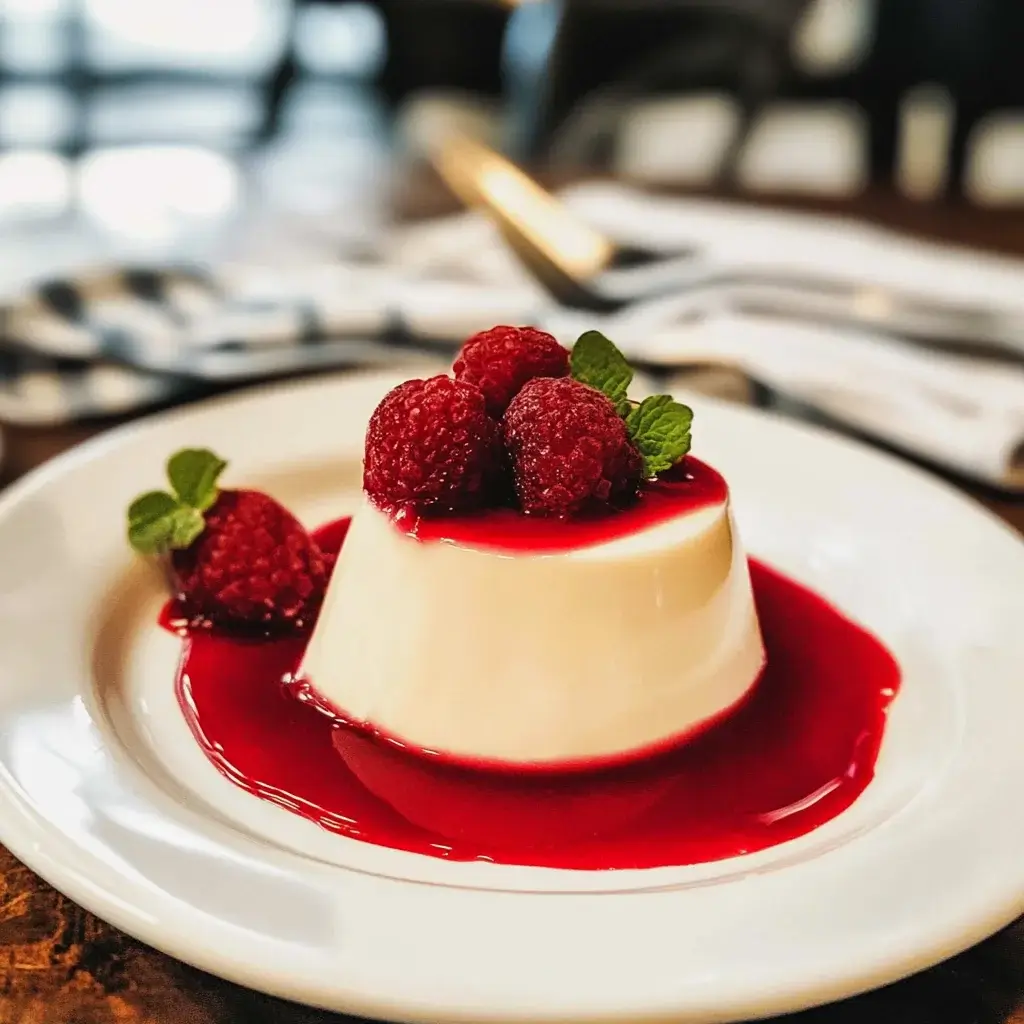
- Unmolded on Plates (Elegant Presentation): For a more refined presentation, unmold the chilled panna cotta onto individual dessert plates. The signature wobble and smooth, creamy surface are beautifully showcased when unmolded.
- Served in Ramekins or Glasses (Casual Elegance): For a more casual yet still elegant presentation, serve panna cotta directly in ramekins, small glasses, or dessert bowls. This is easier and requires no unmolding. Choose attractive serving dishes to enhance the visual appeal.
- Minimalist Garnishes: Emphasize minimalist garnishes that complement the panna cotta without overpowering its delicate flavor. A light dusting of powdered sugar, a few fresh berries, or a drizzle of caramel sauce are classic and elegant choices.
Topping Ideas (Enhancing, Not Overpowering):
- Fresh Berries (Raspberries, Strawberries, Blueberries): Fresh berries are the quintessential garnish for panna cotta, adding a pop of color, freshness, and a touch of tartness that balances the creamy sweetness. Arrange berries artfully on top or alongside the panna cotta.
- Caramel Sauce (Drizzle): A delicate drizzle of caramel sauce adds a touch of sweetness and richness that complements the vanilla and cream flavors. Use homemade or high-quality store-bought caramel sauce.
- Chocolate Sauce (Drizzle): A thin drizzle of dark chocolate sauce or melted dark chocolate adds a slightly bitter and sophisticated chocolate note that pairs well with vanilla.
- Fruit Coulis (Raspberry, Strawberry, or Passion Fruit): Fruit coulis (pureed and strained fruit sauce) adds a light, fruity sauce element and vibrant color. Raspberry coulis, strawberry coulis, or passion fruit coulis are particularly delicious.
- Toasted Nuts (Slivered Almonds, Hazelnuts, Pistachios): A sprinkle of toasted nuts adds a delightful crunch and nutty flavor that contrasts with the smooth creaminess. Slivered almonds, chopped hazelnuts, or chopped pistachios are excellent choices.
- Lemon Zest or Orange Zest (Grated): A very light sprinkle of grated lemon zest or orange zest enhances the citrusy notes and adds a fresh aroma.
- Mint Sprigs (Fresh): Fresh mint sprigs add a refreshing and aromatic garnish and a pop of green color.
Serving Occasions:
- Elegant Dinner Parties: Panna Cotta is a perfect dessert for elegant dinner parties, showcasing sophistication and restraint.
- Romantic Dinners: Its delicate and refined nature makes it a lovely choice for romantic dinners or special occasions.
- Holiday Meals: Panna Cotta can be a sophisticated and lighter dessert option for holiday meals, especially after a heavier feast.
- Summer Desserts: Its chilled and refreshing nature makes it ideal for summer desserts, especially when garnished with fresh berries.
- Afternoon Tea or Coffee: A refined and elegant choice for afternoon tea or coffee, paired with delicate tea or coffee service.
Serving Tips:
- Serve Chilled: Always serve Panna Cotta well-chilled for the best texture and refreshing taste.
- Minimalist Presentation: Emphasize minimalist and elegant presentation to highlight the beauty of the panna cotta itself.
- Use Elegant Serving Dishes: Serve in attractive ramekins, glasses, or dessert plates to enhance the visual appeal.
- Offer Garnishes on the Side (Optional): For a more interactive serving style, offer a small selection of garnishes on the side (berries, sauces, nuts) and let guests customize their own panna cotta.
- Pair with Coffee or Dessert Wine: Panna Cotta pairs beautifully with coffee, espresso, or a dessert wine like Vin Santo or Moscato d’Asti for a more complete dessert experience (for adult gatherings).
By serving Panna Cotta simply and elegantly, with minimalist and complementary garnishes, you allow its inherent beauty, creamy texture, and delicate flavor to shine through, creating a truly refined and memorable dessert experience.
Additional Tips for Panna Cotta Perfection
To truly master the art of Panna Cotta and consistently achieve that signature silken texture and elegant flavor, here are five additional tips honed from years of dessert-making experience and panna cotta expertise:
- Use High-Quality Vanilla – Bean or Pure Extract for Best Flavor: Vanilla is the primary flavoring in classic Panna Cotta, so using high-quality vanilla is crucial for achieving the best flavor.
- Vanilla Bean (Recommended): Using a vanilla bean, split and scraped, is highly recommended for the most intense and nuanced vanilla flavor. The vanilla bean seeds (caviar) add beautiful visual specks and a richer, more complex vanilla aroma and taste.
- Pure Vanilla Extract (Good Alternative): If using vanilla extract, opt for pure vanilla extract (not imitation vanilla flavoring). Pure vanilla extract provides a good vanilla flavor, although it lacks the depth and complexity of a vanilla bean.
- Vanilla Bean Paste (Another Excellent Option): Vanilla bean paste is another excellent option, offering a concentrated vanilla flavor and visual appeal of vanilla bean seeds in a convenient paste form.
- Avoid Imitation Vanilla: Avoid using imitation vanilla flavoring, as it lacks the authentic vanilla flavor and can taste artificial.
- Don’t Overheat the Cream Mixture – Gentle Simmering is Key: Overheating the cream mixture can negatively impact the texture and flavor of Panna Cotta. Gentle simmering is key; avoid boiling the cream mixture.
- Heat Just Until Simmering: Heat the cream mixture over medium heat just until it reaches a gentle simmer around the edges. You should see small bubbles forming around the perimeter of the pan, but the mixture should not be boiling vigorously.
- Avoid Boiling: Boiling can cause the cream to scorch, curdle, or alter the texture of the panna cotta. It can also evaporate too much liquid, potentially making the panna cotta too firm.
- Low and Slow Infusion (Vanilla Bean): If using a vanilla bean, allow it to infuse in the gently simmering cream mixture off the heat for about 15-20 minutes. This slow infusion extracts the vanilla flavor without overheating the cream.
- Strain the Cream Mixture Thoroughly – Silken Smoothness is the Goal: Straining the hot cream mixture through a fine-mesh sieve is a crucial step for achieving that signature silken smooth texture in Panna Cotta.
- Remove Vanilla Bean (if used): Straining removes the vanilla bean pod after infusion (if used).
- Remove Any Lumps: Straining removes any potential lumps from undissolved sugar, gelatin, or cream, ensuring a perfectly smooth and lump-free texture.
- Refine Texture: Straining refines the texture of the cream mixture, resulting in a more elegant and silken mouthfeel.
- Check Gelatin Set Properly – Gentle Wobble, Not Firm: The gelatin should set the panna cotta just enough to hold its shape and have a delicate wobble, but not be overly firm or rubbery. Checking for proper gelatin set is important to avoid under-set or over-set panna cotta.
- Gentle Jiggle Test: To check for proper set, gently jiggle a ramekin or mold of panna cotta. The edges should be set, but the center should still have a slight wobble. It should not be completely liquid, but it should not be stiff like jello either.
- Set Around Edges, Jiggly Center: The panna cotta is done when it is set around the edges and bottom, but the very center still has a slight jiggle. It will continue to set further as it chills in the refrigerator.
- Avoid Over-Set Panna Cotta: Over-set panna cotta will be too firm and rubbery, losing its delicate texture. Avoid adding too much gelatin or chilling for excessively long periods, which can lead to over-setting.
- Unmold Panna Cotta Carefully (If Unmolding) – Preserve Presentation: If you choose to unmold your Panna Cotta for a more elegant presentation, handle the unmolding process carefully to preserve the delicate shape and smooth surface.
- Dip Briefly in Hot Water: Dip the bottom of each mold briefly (for just a few seconds) in hot water to slightly loosen the edges of the panna cotta from the mold. Don’t dip for too long, or the panna cotta will start to melt.
- Invert Gently: Invert the mold onto a serving plate and gently tap the mold to release the panna cotta. Tap gently but firmly if needed.
- Warm Hands (Optional): If the panna cotta is still sticking, you can gently warm the sides of the mold with your hands for a few seconds to help loosen it further.
- Avoid Forcing: Avoid forcing or prying the panna cotta out of the mold, as this can damage its delicate shape. Let gravity and gentle tapping do the work.
By incorporating these additional tips into your Panna Cotta preparation, you’ll be well on your way to creating a truly masterful and consistently perfect Panna Cotta that is the epitome of creamy elegance and delicate flavor!
Frequently Asked Questions (FAQ) about Panna Cotta
Here are five frequently asked questions about making Panna Cotta, along with detailed and helpful answers to guide you through the recipe and address common queries:
Q1: Can I use milk or half-and-half instead of heavy cream for Panna Cotta?
A: While you can technically use milk or half-and-half instead of heavy cream for Panna Cotta, it is highly recommended to use heavy cream (full-fat) for the most authentic and desirable results. Using lower-fat dairy will significantly alter the texture and richness of the dessert. Here’s a breakdown:
- Heavy Cream (Recommended): Heavy cream (full-fat) is the traditional and ideal ingredient for Panna Cotta. It provides the signature rich, decadent, and velvety smooth texture that defines this dessert. Full-fat heavy cream results in the creamiest and most luxurious Panna Cotta.
- Half-and-Half (Lighter Option, Texture Change): You can use half-and-half as a lighter alternative to heavy cream, but be aware that the texture will be noticeably less rich and less creamy. Panna Cotta made with half-and-half will be softer and less intensely flavored. It will still set, but the silken mouthfeel will be diminished.
- Whole Milk (Significantly Lighter, Texture Change): Using whole milk alone will result in a very light and significantly less creamy Panna Cotta. The texture will be much more delicate and less stable, and it might be closer to a milk jelly or pudding than a true Panna Cotta. It may also be more prone to weeping or releasing liquid.
- Skim Milk (Not Recommended): Skim milk is not recommended for Panna Cotta as it lacks sufficient fat to create the rich, creamy texture and may result in a watery and thin dessert that may not set properly.
For the most authentic and classic Panna Cotta experience, using full-fat heavy cream is highly recommended. If you are looking for a lighter dessert, consider portion control or explore other dessert recipes specifically designed to be lower in fat rather than substituting the key ingredient in Panna Cotta, which relies on heavy cream for its signature characteristics.
Q2: How long does Panna Cotta need to chill in the refrigerator?
A: Panna Cotta requires sufficient chilling time in the refrigerator to fully set and develop its signature texture and flavor. The minimum recommended chilling time is 4 hours, but overnight chilling (or at least 6 hours) is highly recommended for the best results.
- Minimum 4 Hours Chilling: At least 4 hours of chilling time is needed for the gelatin to fully set the panna cotta and for it to firm up enough to hold its shape and have a noticeable wobble. However, even after 4 hours, the texture might still be slightly softer and less firm than optimally desired.
- Overnight Chilling (or at least 6 Hours – Recommended): Chilling overnight (or for at least 6 hours) is highly recommended for the best texture, flavor, and stability. Longer chilling allows the gelatin to fully set, the flavors to meld and deepen, and the panna cotta to achieve its signature silken, creamy, and perfectly wobbly texture. Overnight chilling also makes unmolding easier and improves the overall presentation.
While technically set after 4 hours, Panna Cotta benefits significantly from a longer chilling period. Plan ahead and chill your Panna Cotta for at least 6 hours, or ideally overnight, to ensure it reaches its full potential in terms of texture, flavor, and stability. Rushing the chilling process will result in a softer, less firm, and less flavorful dessert.
Q3: Can I make Panna Cotta without vanilla bean?
A: Yes, you can definitely make Panna Cotta without a vanilla bean, and it will still be delicious. While a vanilla bean is highly recommended for the most intense and nuanced vanilla flavor, using pure vanilla extract is a perfectly acceptable and convenient alternative. Here’s how to substitute vanilla extract:
- Omit Vanilla Bean: Skip step 2 in the instructions that involves splitting and scraping a vanilla bean and infusing it in the cream mixture.
- Use Pure Vanilla Extract: In step 4 of the instructions (after straining the cream mixture and removing the vanilla bean pod, if used), stir in 1 teaspoon of pure vanilla extract into the strained cream mixture. Ensure you use pure vanilla extract, not imitation vanilla flavoring, for the best flavor.
- Adjust Vanilla Extract to Taste: You can slightly adjust the amount of vanilla extract to your preference. Some may prefer a more pronounced vanilla flavor and can increase the extract to 1 ½ teaspoons or even 2 teaspoons.
While vanilla bean provides a richer and more complex vanilla flavor, pure vanilla extract is a readily available and excellent substitute that will still impart a delicious vanilla note to your Panna Cotta. Using vanilla extract makes the recipe slightly simpler and more accessible without significantly compromising the overall flavor profile.
Q4: How do I unmold Panna Cotta cleanly?
A: Unmolding Panna Cotta cleanly and preserving its delicate shape can be a bit tricky, but with the right technique, it can be done successfully. Here’s a step-by-step guide to unmolding Panna Cotta:
- Ensure Panna Cotta is Fully Chilled and Set: Make sure the Panna Cotta is fully chilled and firmly set in the refrigerator for at least 4 hours, or preferably overnight. Properly chilled panna cotta is easier to unmold.
- Prepare Serving Plates: Have your serving plates ready and within easy reach.
- Hot Water Dip (Briefly): Fill a bowl or container with hot (not boiling) water that is deep enough to submerge the molds partially. Dip the bottom of each ramekin or mold of panna cotta briefly (for just a few seconds) in the hot water, just until the edges start to loosen. Be careful not to submerge the mold for too long, or the panna cotta will start to melt.
- Run Thin Knife Around Edges (Optional): If needed, run a thin, flexible knife or a small offset spatula around the inside edges of the mold to loosen the panna cotta further from the sides.
- Invert onto Plate: Place a serving plate upside down over the top of the mold. Hold the plate and mold firmly together and quickly invert them so the plate is now on the bottom and the mold is upside down on top of the plate.
- Tap Gently to Release: Gently tap the mold a few times on the plate or countertop to encourage the panna cotta to release. Gravity should help it slide out.
- Lift Mold Carefully: Carefully lift the mold straight up and off the panna cotta. If it doesn’t release easily, repeat the hot water dip for a few more seconds and try again. Avoid forcing or prying, as this can damage the delicate shape.
- Clean Up Plate (If Needed): If any excess water or sauce is on the plate after unmolding, gently wipe it away with a clean paper towel or cloth for a neater presentation.
- Garnish and Serve: Garnish the unmolded Panna Cotta with your desired toppings and serve chilled immediately.
Tips for Easier Unmolding:
- Grease Molds Lightly: Lightly greasing the molds with cooking spray or neutral oil before pouring in the panna cotta mixture can help with easier unmolding.
- Parchment Paper Liners (For Molds): You can line the molds with parchment paper strips, leaving an overhang to use as handles for lifting the panna cotta out.
- Silicone Molds: Silicone molds are generally easier to unmold from compared to ceramic or metal ramekins.
- Practice Makes Perfect: Unmolding Panna Cotta becomes easier with practice. Don’t be discouraged if your first attempt isn’t perfect.
With a little patience and these techniques, you can unmold Panna Cotta cleanly and present it beautifully for an elegant dessert.
Q5: Can I make Panna Cotta in advance and how long does it last in the refrigerator?
A: Yes, Panna Cotta is an excellent make-ahead dessert and can be prepared several days in advance, making it perfect for parties, dinner gatherings, or meal prepping desserts. Properly stored, Panna Cotta can last for a reasonable amount of time in the refrigerator.
- Make Panna Cotta 2-3 Days in Advance: You can prepare Panna Cotta completely (up to step 8 in the instructions, before garnishing) 2-3 days ahead of when you plan to serve it.
- Chill Thoroughly and Store Covered: Ensure the Panna Cotta is fully chilled and set in the refrigerator. Store the ramekins, glasses, or molds covered loosely with plastic wrap to prevent them from drying out or absorbing odors from the refrigerator.
- Store in Refrigerator: Store the chilled Panna Cotta in the refrigerator for up to 3 days. It will maintain its texture and flavor well when properly stored.
- Garnish Just Before Serving: Garnish the Panna Cotta with your desired toppings (berries, sauces, nuts, etc.) just before serving for the best presentation and freshness of the garnishes.
Making Panna Cotta ahead of time is a great advantage, as it allows you to break up the preparation process and have a delicious and elegant dessert ready whenever you need it. It also allows the flavors to meld and deepen over time, making it even more flavorful the next day. Panna Cotta is a perfect make-ahead dessert for stress-free entertaining or convenient dessert planning.
Print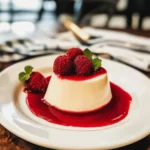
Panna Cotta recipe
Ingredients
- 2 cups Heavy Cream (full-fat, for rich creaminess): Heavy cream is the heart and soul of panna cotta, providing the rich, decadent, and velvety smooth texture that defines this dessert. Full-fat heavy cream is absolutely essential for achieving that signature creamy richness. Lower fat creams or milk will result in a panna cotta that is less decadent and may not set as firmly. Look for heavy cream with a fat content of at least 36% for the best results. The quality of the heavy cream directly impacts the richness and overall flavor of the panna cotta.
- ½ cup Whole Milk: Whole milk adds moisture and helps to lighten the richness of the heavy cream, creating a more balanced and nuanced flavor profile. While heavy cream provides the richness, whole milk prevents the panna cotta from being overly heavy or dense. Whole milk is recommended for its balanced fat content, but you can use 2% milk as a slightly lighter alternative, although the texture might be slightly less creamy. Skim milk is not recommended as it will result in a less rich and less flavorful panna cotta.
- ½ cup Granulated Sugar: Granulated sugar provides the sweetness for the panna cotta, balancing the richness of the cream and enhancing the other flavors. The amount of sugar in this recipe is carefully balanced to provide a subtle sweetness that is not overpowering, allowing the delicate flavors of vanilla and cream to shine through. You can adjust the sugar slightly to your preference, but too much sugar can make the panna cotta overly sweet and potentially affect its set.
- 1 Vanilla Bean, split and scraped (or 1 teaspoon Vanilla Extract): Vanilla is the classic flavoring for panna cotta, adding a warm, aromatic, and subtly sweet note that complements the creamy base beautifully. Using a vanilla bean, split and scraped, is highly recommended for the most intense and authentic vanilla flavor. The vanilla bean seeds (caviar) add beautiful visual specks and a more complex flavor profile. If using vanilla extract, use pure vanilla extract for the best flavor. Vanilla extract is a convenient and readily available alternative, but vanilla bean provides a superior depth of flavor.
- 1 packet (¼ ounce or 7g) Unflavored Gelatin: Unflavored gelatin is the setting agent that gives panna cotta its signature wobble and delicate set. Unflavored gelatin is essential for achieving the right texture; it provides structure without adding any flavor of its own. Use powdered unflavored gelatin. It needs to be bloomed in cold water before being added to the hot cream mixture to ensure it dissolves properly and doesn’t clump. Using the correct amount of gelatin is crucial – too little, and the panna cotta won’t set properly; too much, and it will be too firm and rubbery.
- 3 tablespoons Cold Water (for blooming gelatin): Cold water is used to bloom (hydrate) the unflavored gelatin. Blooming gelatin in cold water is essential for activating its setting properties and ensuring it dissolves smoothly into the hot cream mixture without clumping. Use cold water, as hot water can cause the gelatin to clump or cook improperly.
- Pinch of Salt: A pinch of salt enhances the overall flavor of the panna cotta, balancing the sweetness and richness and bringing out the other flavors. Use a pinch of kosher salt or sea salt. Salt is a crucial flavor enhancer in desserts, even sweet ones.
Optional Ingredients for Variations and Garnishes:
While the above ingredients create a classic and delicious panna cotta, you can explore optional additions to customize your dessert and enhance its presentation:
- Citrus Zest (Lemon, Orange, or Lime): Adding citrus zest (lemon zest, orange zest, or lime zest) to the cream mixture infuses the panna cotta with a bright, zesty aroma and flavor. Use about 1 teaspoon of finely grated citrus zest for a subtle citrus note. Citrus zest pairs beautifully with vanilla and cream.
- Espresso Powder or Strong Coffee: For a coffee-flavored panna cotta, add 1-2 teaspoons of instant espresso powder or strong brewed coffee to the cream mixture. Coffee adds a rich, roasted depth of flavor that complements the creamy base.
- Liqueurs (e.g., Amaretto, Frangelico, or Coffee Liqueur): Adding a tablespoon or two of liqueurs like Amaretto, Frangelico, or coffee liqueur to the cream mixture adds a sophisticated alcoholic note and enhances specific flavor profiles. Liqueurs should be added after the cream mixture is heated and before straining.
- Caramel Sauce or Chocolate Sauce (for drizzling): Drizzling caramel sauce or chocolate sauce over the chilled panna cotta adds a touch of sweetness and visual appeal. Use homemade or high-quality store-bought sauces.
- Fresh Berries (Raspberries, Strawberries, Blueberries): Fresh berries, such as raspberries, strawberries, or blueberries, are a classic and beautiful garnish for panna cotta, adding a pop of color, freshness, and a touch of tartness that balances the creamy sweetness.
- Mint Sprigs (Fresh): Fresh mint sprigs add a refreshing and aromatic garnish and a pop of green color.
- Toasted Nuts (Almonds, Hazelnuts, or Pistachios): Toasted nuts, such as slivered almonds, chopped hazelnuts, or chopped pistachios, add a delightful crunch and nutty flavor as a garnish. Toast nuts lightly in a dry pan or oven to enhance their flavor.
- Fruit Compotes or Coulis: Serving panna cotta with fruit compotes (like berry compote or peach compote) or fruit coulis (pureed and strained fruit sauce) adds a fruity element and sauce component.
Instructions
- Bloom the Gelatin: In a small bowl, sprinkle the unflavored gelatin over the cold water. Let it stand for 5-10 minutes to bloom. Blooming hydrates the gelatin granules, which is essential for proper dissolution and setting. The gelatin will become softened and slightly thickened as it blooms.
- Heat Cream, Milk, Sugar, Vanilla Bean, and Salt: In a medium saucepan, combine the heavy cream, whole milk, granulated sugar, and salt. If using a vanilla bean, split it lengthwise and scrape out the seeds. Add both the vanilla bean pod and seeds to the saucepan. If using vanilla extract, you will add it later. Heating the cream mixture infuses it with vanilla flavor and helps to dissolve the sugar and gelatin properly.
- Heat Gently and Infuse Vanilla: Heat the cream mixture over medium heat, stirring occasionally, until it is just simmering around the edges and the sugar is dissolved. Do not boil. Simmering gently is sufficient to infuse the vanilla flavor and dissolve the sugar. Boiling can cause the cream to scorch or alter the texture. If using a vanilla bean, let it infuse in the hot cream mixture for about 15-20 minutes after simmering, off the heat. Longer infusion time will result in a more intense vanilla flavor.
- Remove Vanilla Bean and Strain Cream Mixture: If using a vanilla bean, remove the vanilla bean pod from the cream mixture. Strain the hot cream mixture through a fine-mesh sieve into a heatproof bowl. Straining removes the vanilla bean pod and any potential lumps, ensuring a smooth and silken panna cotta texture. If using vanilla extract, stir it into the strained cream mixture at this stage.
- Dissolve Bloomed Gelatin: Add the bloomed gelatin to the hot strained cream mixture. Whisk gently until the gelatin is completely dissolved and the mixture is smooth. Whisking gently ensures the gelatin dissolves evenly and prevents clumps. Ensure the gelatin is fully dissolved, as undissolved gelatin can result in a grainy texture.
- Stir in Lemon Juice (Optional): If using lemon juice, stir it into the cream mixture. Lemon juice adds a subtle tang and brightness.
- Pour into Serving Dishes or Molds: Pour the panna cotta mixture evenly into individual serving dishes (ramekins, glasses, small bowls) or molds. If using molds, lightly grease them with cooking spray or neutral oil for easier unmolding later. Pouring into serving dishes or molds allows the panna cotta to set in its final presentation form.
- Chill in Refrigerator: Cover the serving dishes or molds loosely with plastic wrap (to prevent skin from forming on top) and chill in the refrigerator for at least 4 hours, or preferably overnight, until the panna cotta is firmly set. Chilling is essential for the panna cotta to fully set and develop its signature wobble and creamy texture. Chilling overnight is highly recommended for the best results.
- Unmold (Optional) and Serve: If using molds, unmold the panna cotta before serving. To unmold, dip the bottom of each mold briefly in hot water (for a few seconds) to loosen the panna cotta. Invert the mold onto a serving plate and gently tap the mold to release the panna cotta. If serving in dishes, no unmolding is needed.
- Garnish and Serve Chilled: Garnish the chilled panna cotta with your desired toppings, such as fresh berries, caramel sauce, chocolate sauce, toasted nuts, or mint sprigs. Serve chilled and enjoy your elegant and creamy Panna Cotta! Garnish adds visual appeal, flavor complexity, and textural contrast. Serve chilled for the best texture and refreshing taste.
Nutrition
- Serving Size: one normal portion
- Calories: 250-350 kcal
- Sugar: 15-20g
- Sodium: 50-80mg
- Fat: 20-30g
- Saturated Fat: 15-20g
- Unsaturated Fat: 5-10g
- Carbohydrates: 15-20g
- Protein: 3-5g
- Cholesterol: 80-100mg