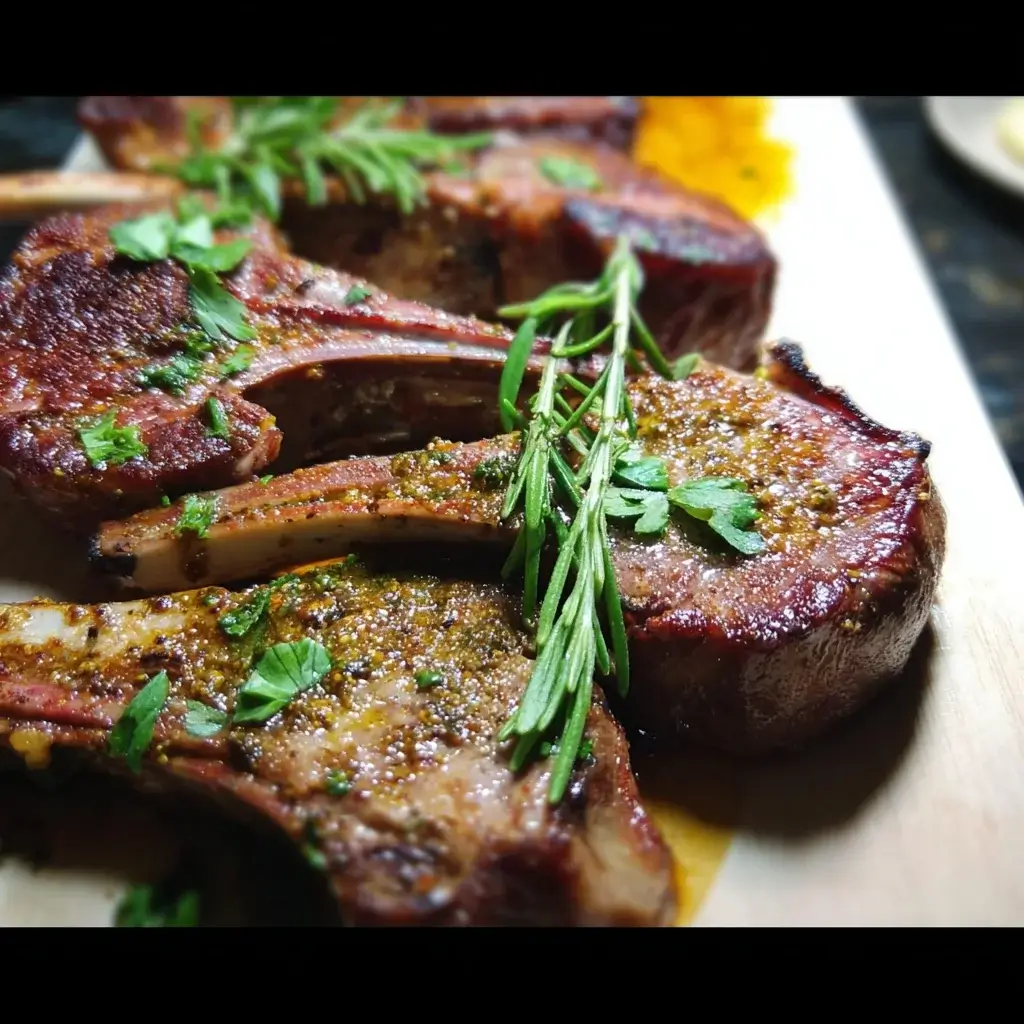
Of all the culinary revelations I’ve had in my kitchen, discovering the sheer, unadulterated joy of a perfectly pan-fried lamb chop ranks among the absolute best. For years, I reserved lamb for special occasions, treating it as a complex, restaurant-only dish that required hours of roasting and careful monitoring. But then, on a busy weeknight with a couple of beautiful loin chops staring at me from the fridge, I decided to take a chance. I bypassed the oven, grabbed my trusty cast-iron skillet, and what happened next transformed our family dinners forever. The sizzle as the lamb hit the hot pan was instantly gratifying, filling the kitchen with an aroma of garlic, rosemary, and rich, savory meat that had my kids wandering in to ask, “What is that amazing smell?” The result was nothing short of spectacular: a deep, golden-brown crust that gave way to the most tender, succulent, and juicy pink meat imaginable. My husband, a notorious lamb skeptic, took one bite and his eyes widened. It was a moment of pure culinary victory. This pan-fried lamb recipe isn’t just about food; it’s about creating an elevated, restaurant-quality experience in under 30 minutes, proving that luxury and simplicity can beautifully coexist on a single plate.
Why This Pan-Fried Lamb Recipe Will Become Your Go-To
Before we dive into the “how,” let’s talk about the “why.” What makes pan-frying such a superior method for cooking certain cuts of lamb, particularly chops?
- Speed and Efficiency: Unlike roasting, which can take the better part of an hour, pan-frying delivers incredibly flavorful lamb in a matter of minutes. This makes it a perfect solution for impressive weeknight meals or last-minute dinner parties.
- The Maillard Reaction: This is the magic word in cooking. Pan-frying in a hot skillet creates the perfect environment for the Maillard reaction, the chemical process between amino acids and reducing sugars that gives browned food its distinctive flavor. This is how you achieve that deeply savory, irresistibly crispy, and golden-brown crust that is the hallmark of a perfectly cooked chop.
- Flavor Infusion: The pan becomes a vessel for flavor. By adding aromatics like garlic cloves, fresh herbs, and a knob of butter towards the end of cooking, you can create an instant pan sauce to baste the lamb. This coats the meat in a final layer of fragrant, buttery goodness that you simply can’t achieve in an oven.
- Ultimate Control: Cooking on the stovetop gives you direct control over the heat. You can see and hear exactly what’s happening, allowing you to adjust the temperature precisely to prevent burning while ensuring a perfect sear. You are the conductor of this culinary orchestra.
This recipe harnesses all these benefits to create a dish that is deceptively simple yet profoundly flavorful. It’s a testament to the idea that with the right technique and quality ingredients, you can create something truly memorable.
Choosing the Perfect Cut: A Guide to Lamb Chops
The success of your pan-fried lamb starts at the butcher counter. While many cuts of lamb exist, not all are suited for the high, fast heat of a skillet. For this recipe, you want a cut that is relatively tender and not too thick (ideally between 1 and 1.5 inches). Here are the best choices:
- Lamb Loin Chops: Often called “mini T-bone steaks,” these are my personal favorite for pan-frying. They contain a portion of the loin and the tenderloin, offering two distinct textures in one cut. They are incredibly tender and cook quickly, making them ideal for this recipe. Their neat shape and beautiful presentation are a bonus.
- Lamb Rib Chops: These are the most elegant-looking chops, often “Frenched” (where the meat is scraped away from the end of the bone) for a stunning presentation. They are exquisitely tender and have a generous cap of fat that becomes wonderfully crisp in the pan. They cook very quickly, so they require a watchful eye.
- Sirloin Chops: These are a larger, more economical cut taken from the leg. They are leaner than loin or rib chops but still pack a fantastic, robust lamb flavor. They can be slightly tougher, so be careful not to overcook them. A good marinade and a perfect medium-rare finish are key for sirloin chops.
For this specific recipe, we will be focusing on lamb loin chops, but feel free to substitute with rib chops, adjusting the cooking time slightly as they are often more delicate.
The Ultimate Pan-Fried Lamb Recipe
This recipe is built on a foundation of classic, complementary flavors that enhance the natural richness of the lamb without overpowering it. The simple garlic and herb marinade tenderizes the meat and builds the first layer of an aromatic flavor profile that will perfume your entire home.
Ingredients
- For the Lamb:
- 4 bone-in lamb loin chops (each about 1 to 1.5 inches thick, approximately 1.5 lbs or 700g total)
- 2 tablespoons high-quality olive oil
- 2 tablespoons unsalted butter
- 4 whole cloves of garlic, lightly smashed
- 2 sprigs of fresh rosemary
- 1 sprig of fresh thyme
- For the Marinade:
- 2 tablespoons olive oil
- 3 cloves garlic, minced
- 1 tablespoon fresh rosemary, finely chopped
- 1 teaspoon fresh thyme leaves
- Zest of 1 small lemon
- 1 teaspoon coarse sea salt
- 1/2 teaspoon freshly cracked black pepper
Mastering the Pan: How to Cook Lamb to Perfection
Follow these step-by-step instructions for a flawless result every time. The key is in the details, from preparing the meat to the crucial resting period.
Step 1: Prepare and Marinate the Lamb
This is the most important preparatory step. Do not skip the marinating time, as it is essential for both flavor and tenderness.
- Pat the Lamb Dry: Remove the lamb chops from their packaging and use paper towels to pat them completely dry on all sides. A dry surface is absolutely critical for achieving a good sear. Moisture on the surface will steam the meat instead of searing it.
- Combine Marinade Ingredients: In a small bowl, whisk together the marinade ingredients: olive oil, minced garlic, chopped rosemary, thyme leaves, lemon zest, salt, and pepper.
- Massage the Marinade: Place the lamb chops in a shallow dish or a zip-top bag. Pour the marinade over the chops and use your hands to rub it evenly into the meat, ensuring every surface is coated.
- Marinate: Cover the dish (or seal the bag) and let the lamb marinate at room temperature for at least 30 minutes. If you have more time, you can marinate it in the refrigerator for up to 4 hours. If marinating in the fridge, be sure to remove the chops and let them sit on the counter for 30 minutes before cooking to bring them to room temperature. Cooking cold meat will result in an unevenly cooked interior.
Step 2: The Searing Process
This is where the magic happens. The goal is to create a deep, brown crust while keeping the inside tender and juicy.
- Heat Your Skillet: Place a heavy-bottomed skillet, preferably cast-iron or stainless steel, over medium-high heat. A cast-iron pan is ideal as it retains heat exceptionally well, ensuring a consistent and powerful sear. Let the pan get very hot. You’ll know it’s ready when a drop of water sizzles and evaporates instantly.
- Add Oil and Lamb: Add the 2 tablespoons of olive oil to the hot skillet. It should shimmer almost immediately. Carefully place the marinated lamb chops in the pan. Be sure not to overcrowd the skillet; cook in two batches if necessary. Overcrowding will lower the pan’s temperature and cause the chops to steam. You should hear a loud, confident sizzle the moment the meat hits the pan.
- Sear Undisturbed: Sear the chops for 3-4 minutes on the first side without moving them. Resisting the temptation to peek or shift the meat is crucial for developing that beautiful crust.
Step 3: Baste with Aromatic Butter
This step elevates the recipe from great to unforgettable, adding a final layer of rich, herbaceous flavor.
- Flip the Chops: Using tongs, flip the lamb chops. They should have a deep, golden-brown crust.
- Add Aromatics: Immediately add the butter, smashed garlic cloves, and whole sprigs of rosemary and thyme to the pan. The butter will melt and foam, picking up the flavors from the garlic and herbs.
- Baste Continuously: Tilt the pan slightly, allowing the melted butter and pan juices to pool on one side. Use a large spoon to continuously scoop up this fragrant butter and pour it over the tops of the lamb chops. Do this for another 3-4 minutes while the second side sears. Basting not only adds incredible flavor but also helps to cook the meat evenly.
Step 4: Check for Doneness and Rest
Overcooking lamb is the biggest mistake you can make. A meat thermometer is your best friend for guaranteed success.
- Check the Temperature: For a perfect medium-rare, you are looking for an internal temperature of 130-135°F (54-57°C). For medium, aim for 135-140°F (57-60°C). Insert an instant-read thermometer into the thickest part of the chop, avoiding the bone.
- Rare: 125°F (52°C) – deep red center
- Medium-Rare: 135°F (57°C) – warm red center
- Medium: 145°F (63°C) – warm pink center
- Medium-Well: 150°F (66°C) – slightly pink center
- Well-Done: 160°F (71°C) – very little or no pink (not recommended for tender cuts)
- Remove and Rest: Once the lamb reaches your desired temperature, immediately remove the chops from the pan and transfer them to a clean cutting board or plate. Tent them loosely with foil.
- Let It Rest: This step is non-negotiable. Let the lamb rest for 5-10 minutes. During cooking, the muscle fibers in the meat tense up and push the juices toward the center. Resting allows the fibers to relax and the juices to redistribute throughout the chop, ensuring every bite is moist and flavorful. If you cut into it too soon, all those delicious juices will spill out onto your cutting board.
Nutrition Facts
- Servings: 2-4 (depending on appetite)
- Calories per serving (approximate for 2 servings): 650 kcal
Disclaimer: The nutritional information provided is an estimate and can vary based on the specific size and fat content of the lamb chops, as well as the exact amounts of oil and butter used.
Preparation Time
- Prep Time: 10 minutes
- Marinating Time: 30 minutes
- Cook Time: 8-10 minutes
- Resting Time: 5-10 minutes
- Total Time: Approximately 1 hour
How to Serve Your Pan-Fried Lamb
The beauty of these lamb chops is their versatility. They can be dressed up for a formal dinner or served simply for a satisfying weeknight meal. Here are some serving suggestions to complete your dish:
- Classic Comfort Pairings:
- Creamy Mashed Potatoes: The ultimate pairing. The fluffy, buttery potatoes are a perfect vehicle for soaking up any leftover pan juices.
- Roasted Asparagus with Lemon: The slight bitterness and fresh crunch of roasted asparagus cut through the richness of the lamb beautifully.
- Garlic Sautéed Green Beans: A simple, vibrant side that adds a pop of color and crisp-tender texture.
- Mediterranean-Inspired Meal:
- Lemon Herb Couscous: Fluffy couscous tossed with fresh parsley, mint, lemon juice, and olive oil is a light and refreshing counterpoint.
- Classic Greek Salad: The combination of crisp lettuce, cucumbers, tomatoes, feta cheese, and a tangy vinaigrette provides a bright, acidic contrast.
- Tzatziki Sauce: A dollop of cool, creamy cucumber and yogurt sauce is absolutely divine with the warm, savory lamb.
- Sauces and Finishing Touches:
- Pan Sauce: After removing the lamb, deglaze the skillet with a splash of red wine or chicken broth, scraping up all the browned bits (the fond). Let it reduce for a minute and pour over the chops.
- Mint Jelly or Mint Sauce: The traditional British pairing. Its sweet and tangy profile is a classic for a reason.
- A Simple Squeeze of Lemon: Don’t underestimate the power of a final squeeze of fresh lemon juice just before serving to brighten all the flavors.
5 Additional Tips for Lamb Perfection
- Insist on Room Temperature Meat: I mentioned it before, but it bears repeating. Placing cold meat in a hot pan is a recipe for disaster. The exterior will cook far too quickly before the interior has a chance to warm up, leaving you with a burnt crust and a raw center. Let it sit on the counter for 30 minutes.
- Use a Heavy-Bottomed Pan (Cast Iron is King): A thin, flimsy pan will have hot and cold spots, leading to an uneven sear. A heavy cast-iron or thick-bottomed stainless steel skillet retains heat incredibly well and distributes it evenly, giving you that perfect wall-to-wall crust.
- Don’t Crowd the Pan: Give your chops space. If they are too close together, they will trap steam, effectively boiling the meat instead of searing it. If your pan isn’t large enough to hold all the chops with at least an inch of space between them, cook them in two separate batches. It’s worth the extra few minutes.
- Render the Fat Cap: Many lamb chops have a “fat cap” on the side. For extra flavor and a delightfully crispy texture, use your tongs to hold the chop on its side for a minute or two at the beginning of the cooking process, allowing that fat to render down into the pan. This liquid gold will then help to cook and flavor the rest of the chop.
- Invest in a Digital Meat Thermometer: It is the single most important tool for consistently cooking meat perfectly. It removes all the guesswork and ensures you never have to suffer through an overcooked, dry, and tough piece of lamb again. It’s a small investment for a huge culinary payoff.
Frequently Asked Questions (FAQ)
1. Can I use dried herbs instead of fresh?
Yes, you can, but the flavor will be different. Fresh herbs provide a bright, vibrant aroma that is hard to replicate. If you must use dried, use about one-third of the amount called for (e.g., 1 teaspoon of dried rosemary for 1 tablespoon of fresh). Rub the dried herbs between your fingers before adding them to the marinade to help release their oils.
2. My lamb came out tough. What did I do wrong?
Tough lamb is almost always the result of one of two things: the wrong cut or overcooking. If you used a tender cut like loin or rib chops, it’s almost certain it was overcooked. Even a minute too long in the pan can take lamb from tender medium-rare to tough medium-well. Use a meat thermometer to pull it at the perfect temperature. The other possibility is that you skipped the resting period, which causes the juices to run out, leaving the meat dry and tough.
3. How do I store and reheat leftover lamb chops?
Store any leftover chops in an airtight container in the refrigerator for up to 3 days. Reheating lamb without overcooking it can be tricky. The best method is to warm it gently. Place the chops in a small, oven-safe dish, add a splash of broth or water to create steam, cover with foil, and heat in a 300°F (150°C) oven for about 10-15 minutes, or until just warmed through. Avoid the microwave, as it tends to make the meat rubbery.
4. Can I prepare this recipe ahead of time?
You can certainly do the prep work ahead. The lamb can be marinated for up to 4 hours in the refrigerator. This makes it a great recipe for entertaining, as you can have the chops ready to go. When your guests arrive, all you need to do is heat the pan and cook them, which takes less than 15 minutes from start to finish.
5. What is the difference between lamb and mutton?
The difference is age. Lamb is meat from a sheep that is under one year old. It is known for its delicate flavor and tender texture. Mutton is meat from an adult sheep (over one year old). It has a much stronger, more gamey flavor and a tougher texture, which is why it’s often used in slow-cooked dishes like stews and curries to break down the connective tissue. For a quick-cooking recipe like this, you must use lamb.
Pan-Fried Lamb recipe
Ingredients
-
For the Lamb:
-
4 bone-in lamb loin chops (each about 1 to 1.5 inches thick, approximately 1.5 lbs or 700g total)
-
2 tablespoons high-quality olive oil
-
2 tablespoons unsalted butter
-
4 whole cloves of garlic, lightly smashed
-
2 sprigs of fresh rosemary
-
1 sprig of fresh thyme
-
-
For the Marinade:
-
2 tablespoons olive oil
-
3 cloves garlic, minced
-
1 tablespoon fresh rosemary, finely chopped
-
1 teaspoon fresh thyme leaves
-
Zest of 1 small lemon
-
1 teaspoon coarse sea salt
-
1/2 teaspoon freshly cracked black pepper
Instructions
Step 1: Prepare and Marinate the Lamb
This is the most important preparatory step. Do not skip the marinating time, as it is essential for both flavor and tenderness.
-
Pat the Lamb Dry: Remove the lamb chops from their packaging and use paper towels to pat them completely dry on all sides. A dry surface is absolutely critical for achieving a good sear. Moisture on the surface will steam the meat instead of searing it.
-
Combine Marinade Ingredients: In a small bowl, whisk together the marinade ingredients: olive oil, minced garlic, chopped rosemary, thyme leaves, lemon zest, salt, and pepper.
-
Massage the Marinade: Place the lamb chops in a shallow dish or a zip-top bag. Pour the marinade over the chops and use your hands to rub it evenly into the meat, ensuring every surface is coated.
-
Marinate: Cover the dish (or seal the bag) and let the lamb marinate at room temperature for at least 30 minutes. If you have more time, you can marinate it in the refrigerator for up to 4 hours. If marinating in the fridge, be sure to remove the chops and let them sit on the counter for 30 minutes before cooking to bring them to room temperature. Cooking cold meat will result in an unevenly cooked interior.
Step 2: The Searing Process
This is where the magic happens. The goal is to create a deep, brown crust while keeping the inside tender and juicy.
-
Heat Your Skillet: Place a heavy-bottomed skillet, preferably cast-iron or stainless steel, over medium-high heat. A cast-iron pan is ideal as it retains heat exceptionally well, ensuring a consistent and powerful sear. Let the pan get very hot. You’ll know it’s ready when a drop of water sizzles and evaporates instantly.
-
Add Oil and Lamb: Add the 2 tablespoons of olive oil to the hot skillet. It should shimmer almost immediately. Carefully place the marinated lamb chops in the pan. Be sure not to overcrowd the skillet; cook in two batches if necessary. Overcrowding will lower the pan’s temperature and cause the chops to steam. You should hear a loud, confident sizzle the moment the meat hits the pan.
-
Sear Undisturbed: Sear the chops for 3-4 minutes on the first side without moving them. Resisting the temptation to peek or shift the meat is crucial for developing that beautiful crust.
Step 3: Baste with Aromatic Butter
This step elevates the recipe from great to unforgettable, adding a final layer of rich, herbaceous flavor.
-
Flip the Chops: Using tongs, flip the lamb chops. They should have a deep, golden-brown crust.
-
Add Aromatics: Immediately add the butter, smashed garlic cloves, and whole sprigs of rosemary and thyme to the pan. The butter will melt and foam, picking up the flavors from the garlic and herbs.
-
Baste Continuously: Tilt the pan slightly, allowing the melted butter and pan juices to pool on one side. Use a large spoon to continuously scoop up this fragrant butter and pour it over the tops of the lamb chops. Do this for another 3-4 minutes while the second side sears. Basting not only adds incredible flavor but also helps to cook the meat evenly.
Step 4: Check for Doneness and Rest
Overcooking lamb is the biggest mistake you can make. A meat thermometer is your best friend for guaranteed success.
-
Check the Temperature: For a perfect medium-rare, you are looking for an internal temperature of 130-135°F (54-57°C). For medium, aim for 135-140°F (57-60°C). Insert an instant-read thermometer into the thickest part of the chop, avoiding the bone.
-
Rare: 125°F (52°C) – deep red center
-
Medium-Rare: 135°F (57°C) – warm red center
-
Medium: 145°F (63°C) – warm pink center
-
Medium-Well: 150°F (66°C) – slightly pink center
-
Well-Done: 160°F (71°C) – very little or no pink (not recommended for tender cuts)
-
-
Remove and Rest: Once the lamb reaches your desired temperature, immediately remove the chops from the pan and transfer them to a clean cutting board or plate. Tent them loosely with foil.
-
Let It Rest: This step is non-negotiable. Let the lamb rest for 5-10 minutes. During cooking, the muscle fibers in the meat tense up and push the juices toward the center. Resting allows the fibers to relax and the juices to redistribute throughout the chop, ensuring every bite is moist and flavorful. If you cut into it too soon, all those delicious juices will spill out onto your cutting board.
Nutrition
- Serving Size: one normal portion
- Calories: 650 kcal