
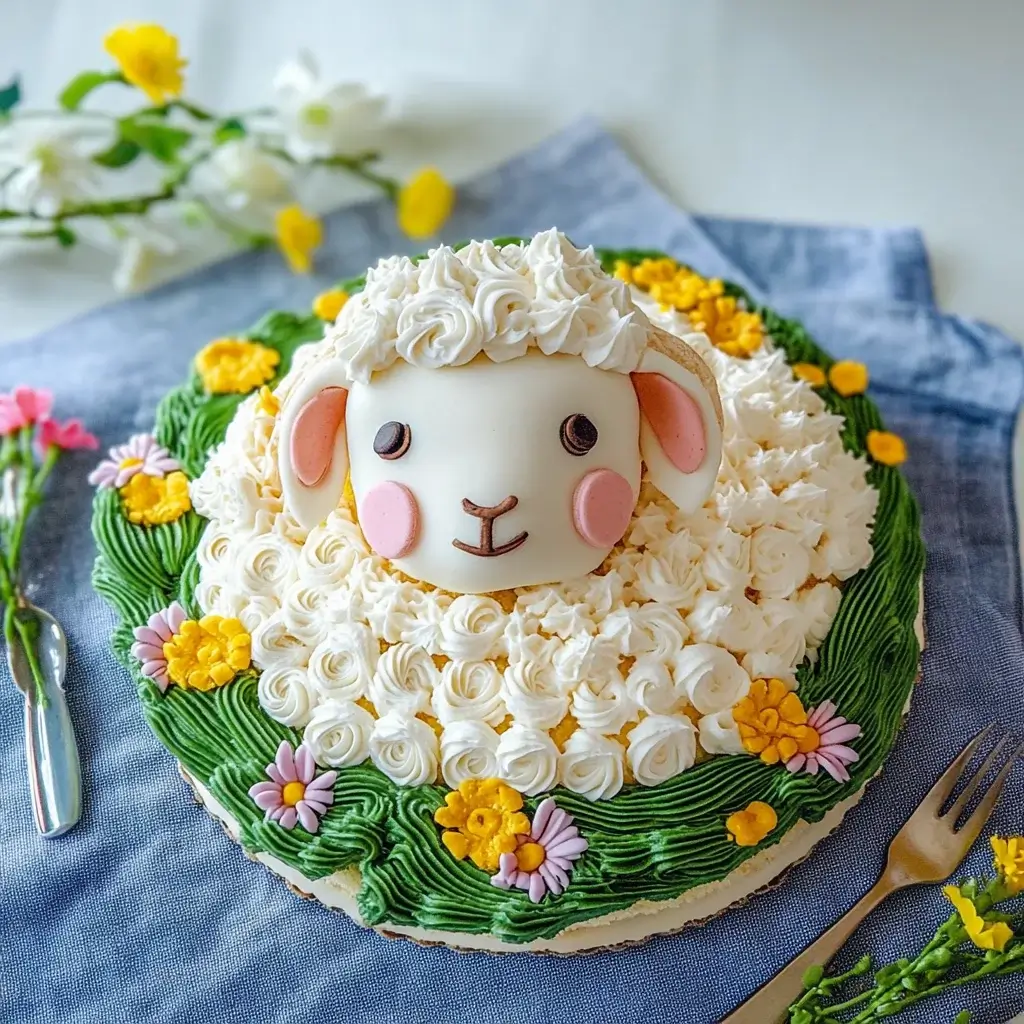
Easter brunch at our home is a delightful mix of tradition and healthy indulgence. While the kids eagerly anticipate their chocolate bunnies and egg hunts, I always look forward to crafting a centerpiece dessert that aligns with our paleo lifestyle but doesn’t compromise on festive charm. This year, it was the Paleo Lamb Cake that truly stole the show. From the moment I unmolded it, revealing its adorable lamb shape, to the last crumb devoured, it was a resounding success. The almond flour cake was moist and tender, delicately sweet, and surprisingly light. The paleo coconut frosting added a touch of creamy decadence without being overly sugary. Even my family members who aren’t strictly paleo couldn’t get enough! It was a beautiful and delicious way to celebrate Easter, proving that you can enjoy a stunning and festive dessert while staying true to your dietary preferences. If you’re searching for a show-stopping, allergy-friendly, and utterly delicious Easter dessert, look no further. This Paleo Lamb Cake is guaranteed to be a crowd-pleaser and a new family tradition in the making.
The Charm of Paleo Lamb Cake: A Guilt-Free Easter Delight
The Lamb Cake is an iconic symbol of Easter, representing springtime, new beginnings, and a touch of whimsical joy. Traditionally made with classic cake recipes laden with gluten and refined sugar, it might seem off-limits for those following a paleo or gluten-free lifestyle. However, with a few clever ingredient swaps, you can absolutely enjoy this beloved Easter tradition in a healthier and equally delicious paleo-friendly way.
Enter the Paleo Lamb Cake – a delightful dessert that captures all the charm and symbolism of the traditional lamb cake, without compromising your dietary principles. This recipe embraces wholesome, natural ingredients like almond flour, coconut flour, and natural sweeteners, creating a cake that is not only guilt-free but also packed with nutrients and flavor.
Why choose a Paleo Lamb Cake for your Easter celebration? Firstly, it’s allergy-friendly. Being gluten-free and often dairy-free (depending on frosting choices), it caters to a wider range of dietary needs and sensitivities, ensuring everyone can partake in the Easter dessert festivities. Secondly, it’s healthier. Made with nutrient-dense almond and coconut flours, it offers more fiber, healthy fats, and vitamins compared to traditional cakes made with refined white flour. Natural sweeteners like maple syrup or honey provide sweetness without the blood sugar spikes associated with refined sugar. Thirdly, it’s incredibly delicious. Paleo baking has come a long way, and this lamb cake is proof that healthy can be incredibly tasty. The almond flour creates a wonderfully moist and tender crumb, and the natural sweeteners enhance the flavors beautifully. Finally, it’s festive and fun. The lamb shape is inherently adorable and celebratory, making it a perfect centerpiece for your Easter dessert table. Decorating your paleo lamb cake is a fun activity for the whole family, adding to the Easter joy.
Embrace the spirit of Easter with this wholesome and delightful Paleo Lamb Cake. It’s a dessert that truly embodies the joy of the season while nourishing your body with wholesome ingredients. Get ready to create a centerpiece that is both beautiful and beneficial, proving that healthy Easter treats can be just as, if not more, satisfying than their traditional counterparts.
Gather Your Paleo Pantry: Ingredients for a Wholesome Lamb Cake
Creating a delicious Paleo Lamb Cake starts with gathering the right ingredients, all carefully chosen to be paleo-friendly and contribute to the cake’s wonderful texture and flavor. Here’s a comprehensive list of what you’ll need:
For the Paleo Lamb Cake:
- 2 ½ cups Almond Flour: The base of our paleo cake, almond flour provides a slightly nutty flavor and creates a moist and tender crumb. Make sure to use finely ground almond flour for the best texture.
- ½ cup Coconut Flour: Coconut flour adds structure and absorbs moisture, complementing the almond flour beautifully. It’s essential for achieving the right cake consistency.
- 1 teaspoon Baking Soda: The leavening agent that helps the cake rise and become light and airy. Ensure your baking soda is fresh for optimal results.
- ½ teaspoon Sea Salt: Enhances the flavors of the other ingredients and balances the sweetness.
- ½ cup Maple Syrup or Honey: Your natural sweetener of choice. Maple syrup offers a richer, caramel-like flavor, while honey provides a more delicate sweetness. Choose pure maple syrup or raw honey for the best paleo compliance.
- ½ cup Coconut Oil, melted: Coconut oil adds moisture and richness to the cake. Ensure it is melted and cooled slightly before adding to the batter. You can also use avocado oil or olive oil as alternatives, though coconut oil imparts a subtle sweetness that works well in this recipe.
- 4 Large Eggs: Eggs bind the ingredients together, add richness, and contribute to the cake’s structure. Use large, fresh eggs for best results.
- 1 teaspoon Vanilla Extract: Vanilla extract enhances the overall flavor profile of the cake, adding warmth and depth. Use pure vanilla extract for the best flavor.
- ½ cup Unsweetened Applesauce: Applesauce adds moisture and a touch of natural sweetness, helping to keep the cake tender. Make sure to use unsweetened applesauce to control the sugar content.
For the Paleo Frosting (Coconut Cream Frosting Recommended):
- 2 cans (13.5 oz each) Full-Fat Coconut Milk, refrigerated overnight: The key to creamy paleo frosting! Refrigerating full-fat coconut milk overnight allows the thick cream to separate from the watery liquid, which is essential for whipping into frosting.
- ¼ cup Maple Syrup or Honey (or to taste): To sweeten the coconut cream frosting. Adjust the amount to your desired sweetness.
- 1 teaspoon Vanilla Extract: Enhances the flavor of the coconut cream frosting.
Optional Decorations:
- Paleo Sprinkles: For a festive touch, look for paleo-friendly sprinkles made with natural colorings.
- Shredded Coconut, unsweetened: To create a woolly “coat” for your lamb cake.
- Fresh Berries: Strawberries, raspberries, blueberries, or blackberries for garnish.
- Edible Flowers: Pansies, violets, or other edible flowers for a spring-like decoration.
- Chocolate Chips (Paleo, if desired): For eyes and nose on the lamb cake.
Equipment:
- Lamb Cake Pan (2-piece, standing or laying down): Essential for creating the lamb shape. Ensure it’s well-greased and floured (with paleo flour).
- Mixing Bowls (Large and Medium): For mixing dry and wet ingredients.
- Whisk: For combining dry ingredients.
- Electric Mixer or Stand Mixer: For beating eggs and making frosting.
- Spatula: For folding batter and frosting cake.
- Measuring Cups and Spoons: For accurate ingredient measurement.
- Piping Bag and Tip (Optional): For decorative frosting.
- Offset Spatula or Butter Knife: For frosting the cake smoothly.
Baking Your Paleo Masterpiece: Step-by-Step Lamb Cake Instructions
Now, let’s bring your Paleo Lamb Cake to life! Follow these detailed, step-by-step instructions to bake and assemble your festive dessert:
Step 1: Prepare for Baking
- Preheat Oven to 350°F (175°C): Preheat your oven to 350°F (175°C). This is the optimal temperature for baking paleo cakes to ensure they cook through evenly without burning.
- Grease and Flour Lamb Cake Pan: Generously grease both halves of your lamb cake pan with coconut oil or paleo-friendly cooking spray. Then, dust the inside of both halves with almond flour or coconut flour, tapping out any excess. This crucial step prevents the cake from sticking to the pan and ensures easy removal. Pay special attention to the intricate details of the lamb mold.
Step 2: Combine Dry Ingredients
- Whisk Dry Ingredients: In a large mixing bowl, whisk together the almond flour, coconut flour, baking soda, and sea salt. Whisk thoroughly to ensure the baking soda and salt are evenly distributed throughout the flours. This helps with even leavening and flavor in the cake. Set aside the dry ingredients.
Step 3: Combine Wet Ingredients
- Beat Eggs: In a separate medium mixing bowl, use an electric mixer or stand mixer to beat the eggs on medium speed for about 2-3 minutes, or until they are light and pale yellow and slightly thickened. Beating the eggs incorporates air, which contributes to a lighter cake texture.
- Add Wet Ingredients: Gradually add the maple syrup (or honey), melted coconut oil, vanilla extract, and unsweetened applesauce to the beaten eggs. Continue to beat on low speed until all wet ingredients are well combined and the mixture is smooth.
Step 4: Combine Wet and Dry Ingredients
- Gradually Add Dry to Wet: Gradually add the dry ingredient mixture to the wet ingredient mixture, in about three additions. Mix on low speed after each addition until just combined. Be careful not to overmix the batter, as this can develop gluten (even in gluten-free flours, overmixing can lead to a tougher texture). Mix until just no streaks of flour remain. The batter will be relatively thick.
Step 5: Bake the Lamb Cake
- Fill Lamb Cake Pan: Pour or spoon the cake batter evenly into both halves of the prepared lamb cake pan. Make sure to fill both halves equally to ensure they bake evenly and fit together properly. Gently tap the pans on the counter a few times to release any air bubbles and ensure the batter settles into all the crevices of the mold.
- Bake: Place both halves of the lamb cake pan on a baking sheet and bake in the preheated oven for 30-40 minutes, or until a toothpick inserted into the center of the cake comes out clean. Baking time may vary depending on your oven and the type of lamb cake pan you are using. Start checking for doneness around 30 minutes.
- Cool in Pan: Once baked, remove the lamb cake pans from the oven and let them cool in the pans for about 10-15 minutes. Cooling in the pan allows the cake to set slightly and makes it easier to unmold without breaking.
Step 6: Unmold and Cool Completely
- Unmold Carefully: After cooling slightly, carefully invert one half of the lamb cake pan onto a wire rack. Gently tap the pan to release the cake. Repeat with the other half. If the cake is sticking, you can gently loosen the edges with a thin knife or spatula before inverting.
- Cool Completely: Let both halves of the lamb cake cool completely on the wire rack before frosting. This is essential, as frosting a warm cake will cause the frosting to melt and slide off. Cooling completely can take 1-2 hours, or you can cool them completely and frost later.
Step 7: Prepare Paleo Coconut Cream Frosting (While Cake Cools)
- Scoop Coconut Cream: Carefully open the refrigerated cans of full-fat coconut milk without shaking them. Scoop out the thick, solidified coconut cream from the top of the cans into a chilled mixing bowl, leaving the watery liquid behind (you can reserve the liquid for smoothies or other recipes). You should aim to get about 1-1.5 cups of thick coconut cream from two cans.
- Whip Coconut Cream: Using an electric mixer or stand mixer with a whisk attachment, beat the coconut cream on medium-high speed until light and fluffy peaks form. This may take a few minutes, and be careful not to overwhip, or it can become grainy.
- Add Sweetener and Vanilla: Gradually add the maple syrup (or honey) and vanilla extract to the whipped coconut cream. Beat on low speed until just combined. Taste and adjust sweetness if needed.
Step 8: Frost and Decorate the Paleo Lamb Cake
- Assemble Cake Halves: Once the cake halves are completely cooled, place the flatter half (usually the bottom half) on a serving plate or cake stand. Carefully place the other half on top, aligning the edges to form the lamb shape.
- Frost the Cake: Frost the entire lamb cake with the paleo coconut cream frosting using an offset spatula or butter knife. You can create a smooth, even frosting layer or create textured swirls for a more rustic look.
- Decorate (Optional): Decorate your Paleo Lamb Cake as desired.
- “Woolly” Coat: Press unsweetened shredded coconut all over the frosting to create a fluffy “woolly” coat for the lamb.
- Paleo Sprinkles: Sprinkle paleo-friendly sprinkles over the frosting for a festive touch.
- Fresh Berries: Arrange fresh berries around the base of the cake or on top for a colorful garnish.
- Edible Flowers: Adorn the cake with edible flowers for a spring-like and elegant decoration.
- Eyes and Nose: Use paleo chocolate chips or small pieces of dark chocolate for the lamb’s eyes and nose.
Step 9: Chill and Serve
- Chill (Optional): Chilling the frosted Paleo Lamb Cake for about 30 minutes to an hour helps the frosting set slightly and makes it easier to serve.
- Serve Chilled or at Room Temperature: Serve your beautifully frosted and decorated Paleo Lamb Cake chilled or at room temperature. Enjoy your delicious and festive paleo Easter dessert!
Congratulations on baking your stunning Paleo Lamb Cake! It’s a true testament to delicious and healthy paleo baking.
Nutritional Nosh: Exploring the Goodness of Paleo Lamb Cake
Paleo Lamb Cake is not only a delightful and festive dessert but also offers some nutritional benefits compared to traditional cakes, thanks to its paleo-friendly ingredients. Here’s an estimated nutritional breakdown:
Servings: Approximately 12-16 servings (depending on slice size)
Estimated Calories per Serving (per slice, unfrosted): 250-350 calories (This is an estimate and can vary based on slice size and specific ingredients used.)
Approximate Nutritional Breakdown per Serving (Estimate – unfrosted slice):
- Fat: 18-25g (Primarily from almond flour, coconut flour, and coconut oil)
- Saturated Fat: 8-12g (Primarily from coconut oil and coconut flour)
- Cholesterol: 70-90mg (Primarily from eggs)
- Sodium: 100-150mg (Primarily from sea salt)
- Carbohydrates: 20-25g (Primarily from almond flour, coconut flour, maple syrup/honey, and applesauce)
- Fiber: 4-6g (Primarily from almond flour and coconut flour)
- Sugar: 10-15g (Primarily from maple syrup/honey and applesauce)
- Protein: 5-7g (Primarily from almond flour and eggs)
Key Nutritional Benefits:
- Gluten-Free and Grain-Free: Suitable for those with gluten sensitivities, celiac disease, or following a paleo or grain-free diet.
- Good Source of Healthy Fats: Almond flour, coconut flour, and coconut oil provide healthy monounsaturated and saturated fats, which are important for satiety and overall health.
- Higher in Fiber: Almond flour and coconut flour are good sources of dietary fiber, promoting digestive health and blood sugar control.
- Moderate in Protein: Provides a moderate amount of protein, contributing to satiety.
- Naturally Sweetened: Sweetened with natural sweeteners like maple syrup or honey, which are less processed than refined white sugar and may have a lower glycemic index.
- Nutrient-Dense Ingredients: Almond flour and coconut flour are good sources of vitamins, minerals, and antioxidants.
Considerations:
- Calorie and Fat Content: While made with healthy fats, Paleo Lamb Cake is still a dessert and can be calorie and fat-dense. Enjoy in moderation as part of a balanced diet.
- Sugar Content: While using natural sweeteners, it still contains sugar. Be mindful of portion sizes, especially if you are watching your sugar intake.
- Saturated Fat: Coconut oil and coconut flour are high in saturated fat. While saturated fat is no longer considered universally harmful, moderation is still recommended for some individuals.
Paleo Lamb Cake offers a healthier and more nutritious alternative to traditional lamb cakes, making it a guilt-free indulgence for your Easter celebration.
Time is of the Essence: Preparation Timeline for Paleo Lamb Cake
Planning your baking timeline is helpful for a stress-free Paleo Lamb Cake experience. Here’s a breakdown of the preparation time:
Prep Time: 30-40 minutes (Preparing pan, measuring ingredients, making batter, preparing frosting)
Bake Time: 30-40 minutes
Cooling Time: 2-3 hours (Cake cooling completely before frosting)
Frosting and Decorating Time: 30-45 minutes
Total Active Time: 1-1.5 hours
Total Inactive Time (Cooling): 2-3 hours
Timeline Breakdown:
- Prep (30-40 minutes): Preheat oven, grease and flour pan, measure dry and wet ingredients, make cake batter, prepare coconut cream frosting base (refrigerate coconut milk overnight – done in advance).
- Bake (30-40 minutes): Bake lamb cake halves for 30-40 minutes.
- Cool (2-3 hours): Cool cake halves completely on wire racks.
- Frost and Decorate (30-45 minutes): Whip coconut cream frosting, frost cake, decorate as desired.
Make-Ahead Tips:
- Refrigerate Coconut Milk: Refrigerate coconut milk cans overnight (or at least 8 hours) in advance – this is essential for making coconut cream frosting.
- Bake Cake Layers Ahead: You can bake the lamb cake halves a day in advance and store them tightly wrapped at room temperature or in the refrigerator.
- Make Frosting Ahead: Coconut cream frosting can be made a day ahead and stored in the refrigerator. You may need to re-whip it briefly before frosting the cake.
- Chop Toppings Ahead: Chop any toppings like berries or chocolate in advance and store them in airtight containers.
This timeline and make-ahead tips allow you to break down the preparation into manageable steps, making baking your Paleo Lamb Cake less daunting and more enjoyable, especially if you are preparing for Easter brunch or dinner.
Presenting Your Paleo Lamb: How to Serve with Style
Serving your Paleo Lamb Cake with style enhances its festive charm and makes it a delightful centerpiece for your Easter celebration. Here are some ideas on how to present and serve your cake:
Serving Suggestions:
- Centerpiece on Dessert Table: Position your beautifully decorated Paleo Lamb Cake as the centerpiece of your Easter dessert table. Surround it with other paleo treats, fresh fruit, and spring-themed decorations.
- Sliced on Plates: Slice the lamb cake into individual servings and arrange them on dessert plates. You can serve it alongside a dollop of extra coconut cream frosting or a scoop of paleo ice cream.
- With Fresh Berries: Garnish each slice or the whole cake platter with fresh berries like strawberries, raspberries, blueberries, or blackberries. The vibrant colors of the berries complement the white frosting and add a touch of freshness.
- With Paleo Ice Cream or Coconut Whipped Cream: Serve slices of Paleo Lamb Cake with a scoop of paleo-friendly ice cream (like coconut milk ice cream or almond milk ice cream) or a dollop of coconut whipped cream for extra decadence.
- With Coffee or Tea: Pair your Paleo Lamb Cake with a cup of freshly brewed coffee, herbal tea, or a latte. The warm beverages complement the sweetness of the cake.
- As Part of an Easter Brunch Buffet: Include Paleo Lamb Cake as part of a larger Easter brunch buffet, offering a variety of paleo-friendly dishes, savory and sweet.
Garnishing Ideas:
- Shredded Coconut “Woolly” Coat: As mentioned, a coating of unsweetened shredded coconut creates a classic “woolly” lamb look.
- Paleo Sprinkles: Use paleo-friendly sprinkles in pastel colors for a festive and playful touch.
- Fresh Berries: Arrange berries in a decorative pattern on top of the cake or around the base.
- Edible Flowers: Use edible flowers like pansies, violets, or roses for a spring-inspired and elegant garnish.
- Mint Sprigs: Fresh mint sprigs add a pop of green color and a refreshing aroma.
- Paleo Chocolate Drizzle: Drizzle melted paleo chocolate over the frosting for a decadent touch.
- Powdered Sweetener “Snow”: Lightly dust the cake with paleo powdered sweetener (like powdered erythritol or powdered maple sugar) for a “snowy” effect.
- Easter Grass (Edible): If you can find edible Easter grass made from natural ingredients, you can use it sparingly around the base of the cake for a festive touch.
Plating Ideas:
- Cake Stand: Display the Paleo Lamb Cake on a beautiful cake stand to elevate its presentation and make it a focal point.
- Pastel Plates: Serve slices of cake on pastel-colored dessert plates to enhance the Easter theme.
- Lace Doilies: Place slices of cake on small lace doilies for an elegant and vintage touch.
- Spring-Themed Napkins: Use spring-themed napkins with floral or Easter designs to complement the cake presentation.
By paying attention to serving style and garnishing details, you can transform your Paleo Lamb Cake into a truly stunning and memorable Easter dessert centerpiece.
Additional Tips for Paleo Lamb Cake Perfection
To ensure your Paleo Lamb Cake is a resounding success and a beautiful Easter creation, here are five additional tips:
- Pan Preparation is Key: Thoroughly greasing and flouring your lamb cake pan is absolutely crucial to prevent sticking and ensure easy unmolding. Don’t skimp on this step! Use a generous amount of coconut oil or paleo cooking spray and dust thoroughly with almond or coconut flour, paying attention to all crevices.
- Don’t Overmix the Batter: Overmixing paleo cake batter can lead to a denser, tougher texture. Mix the dry and wet ingredients until just combined, and no streaks of flour remain. Gentle mixing is key to a tender crumb.
- Cool Cake Completely Before Frosting: Frosting a warm cake will result in melted, runny frosting. Ensure both halves of the lamb cake are completely cooled to room temperature before applying the coconut cream frosting. Patience is key!
- Chill Coconut Cream Frosting if Needed: If your coconut cream frosting becomes too soft to work with during frosting, chill it in the refrigerator for 10-15 minutes to firm it up. You can also re-whip it briefly if it loses its fluffiness after chilling.
- Get Creative with Decorations: Have fun with decorating your Paleo Lamb Cake! Involve kids in the decorating process. Use your imagination with paleo sprinkles, shredded coconut, fresh berries, edible flowers, and other paleo-friendly decorations to make your lamb cake unique and festive.
Paleo Lamb Cake FAQs: Your Burning Questions Answered
Q1: Can I make Paleo Lamb Cake without coconut flour?
A: While coconut flour contributes to the texture and structure of this Paleo Lamb Cake, you can try substituting it with another paleo flour, such as arrowroot starch or tapioca starch. However, coconut flour is highly absorbent, so you may need to adjust the liquid ingredients slightly if you omit it. Start by substituting with ¼ cup of arrowroot or tapioca starch and see how the batter consistency looks. The texture might be slightly different without coconut flour, but it should still be delicious.
Q2: Can I use a different paleo-friendly sweetener instead of maple syrup or honey?
A: Yes, you can substitute other paleo-friendly liquid sweeteners like agave nectar (though agave is debated in paleo circles), or yacon syrup. You can also use granulated paleo sweeteners like erythritol or monk fruit, but you may need to adjust the liquid ratio slightly, as liquid sweeteners contribute to moisture. If using granulated sweeteners, you might consider adding an extra tablespoon or two of applesauce or coconut oil to maintain moisture.
Q3: How do I store Paleo Lamb Cake?
A: Store frosted Paleo Lamb Cake in an airtight container in the refrigerator for up to 3-4 days. Paleo cakes tend to be moister than traditional cakes and can benefit from refrigeration to maintain freshness, especially with coconut cream frosting. Bring the cake to room temperature for about 30 minutes before serving for the best texture.
Q4: Can I freeze Paleo Lamb Cake?
A: Yes, you can freeze Paleo Lamb Cake layers (unfrosted) for up to 2-3 months. Wrap the cooled cake layers tightly in plastic wrap and then in foil. Thaw overnight in the refrigerator before frosting and decorating. Freezing frosted cake is not recommended as the frosting texture may change upon thawing.
Q5: My Paleo Lamb Cake is sticking to the pan, what did I do wrong?
A: Sticking is a common issue with lamb cake pans. Ensure you generously grease and flour the pan, paying extra attention to all crevices and details. Use a good quality non-stick lamb cake pan if possible. Let the cake cool in the pan for the recommended time before attempting to unmold. If it’s still sticking, gently loosen the edges with a thin knife or spatula before inverting. If all else fails, even if the cake breaks slightly upon unmolding, you can often “piece” it back together with frosting!
With these tips and answers, you are now fully equipped to bake a truly delightful and impressive Paleo Lamb Cake for your Easter celebration. Enjoy the process, get creative with your decorations, and savor every delicious and guilt-free bite! Happy Paleo Easter baking!
Print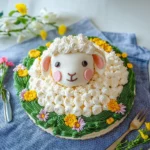
Paleo Lamb Cake recipe
Ingredients
For the Paleo Lamb Cake:
- 2 ½ cups Almond Flour: The base of our paleo cake, almond flour provides a slightly nutty flavor and creates a moist and tender crumb. Make sure to use finely ground almond flour for the best texture.
- ½ cup Coconut Flour: Coconut flour adds structure and absorbs moisture, complementing the almond flour beautifully. It’s essential for achieving the right cake consistency.
- 1 teaspoon Baking Soda: The leavening agent that helps the cake rise and become light and airy. Ensure your baking soda is fresh for optimal results.
- ½ teaspoon Sea Salt: Enhances the flavors of the other ingredients and balances the sweetness.
- ½ cup Maple Syrup or Honey: Your natural sweetener of choice. Maple syrup offers a richer, caramel-like flavor, while honey provides a more delicate sweetness. Choose pure maple syrup or raw honey for the best paleo compliance.
- ½ cup Coconut Oil, melted: Coconut oil adds moisture and richness to the cake. Ensure it is melted and cooled slightly before adding to the batter. You can also use avocado oil or olive oil as alternatives, though coconut oil imparts a subtle sweetness that works well in this recipe.
- 4 Large Eggs: Eggs bind the ingredients together, add richness, and contribute to the cake’s structure. Use large, fresh eggs for best results.
- 1 teaspoon Vanilla Extract: Vanilla extract enhances the overall flavor profile of the cake, adding warmth and depth. Use pure vanilla extract for the best flavor.
- ½ cup Unsweetened Applesauce: Applesauce adds moisture and a touch of natural sweetness, helping to keep the cake tender. Make sure to use unsweetened applesauce to control the sugar content.
For the Paleo Frosting (Coconut Cream Frosting Recommended):
- 2 cans (13.5 oz each) Full-Fat Coconut Milk, refrigerated overnight: The key to creamy paleo frosting! Refrigerating full-fat coconut milk overnight allows the thick cream to separate from the watery liquid, which is essential for whipping into frosting.
- ¼ cup Maple Syrup or Honey (or to taste): To sweeten the coconut cream frosting. Adjust the amount to your desired sweetness.
- 1 teaspoon Vanilla Extract: Enhances the flavor of the coconut cream frosting.
Optional Decorations:
- Paleo Sprinkles: For a festive touch, look for paleo-friendly sprinkles made with natural colorings.
- Shredded Coconut, unsweetened: To create a woolly “coat” for your lamb cake.
- Fresh Berries: Strawberries, raspberries, blueberries, or blackberries for garnish.
- Edible Flowers: Pansies, violets, or other edible flowers for a spring-like decoration.
- Chocolate Chips (Paleo, if desired): For eyes and nose on the lamb cake.
Instructions
Step 1: Prepare for Baking
- Preheat Oven to 350°F (175°C): Preheat your oven to 350°F (175°C). This is the optimal temperature for baking paleo cakes to ensure they cook through evenly without burning.
- Grease and Flour Lamb Cake Pan: Generously grease both halves of your lamb cake pan with coconut oil or paleo-friendly cooking spray. Then, dust the inside of both halves with almond flour or coconut flour, tapping out any excess. This crucial step prevents the cake from sticking to the pan and ensures easy removal. Pay special attention to the intricate details of the lamb mold.
Step 2: Combine Dry Ingredients
- Whisk Dry Ingredients: In a large mixing bowl, whisk together the almond flour, coconut flour, baking soda, and sea salt. Whisk thoroughly to ensure the baking soda and salt are evenly distributed throughout the flours. This helps with even leavening and flavor in the cake. Set aside the dry ingredients.
Step 3: Combine Wet Ingredients
- Beat Eggs: In a separate medium mixing bowl, use an electric mixer or stand mixer to beat the eggs on medium speed for about 2-3 minutes, or until they are light and pale yellow and slightly thickened. Beating the eggs incorporates air, which contributes to a lighter cake texture.
- Add Wet Ingredients: Gradually add the maple syrup (or honey), melted coconut oil, vanilla extract, and unsweetened applesauce to the beaten eggs. Continue to beat on low speed until all wet ingredients are well combined and the mixture is smooth.
Step 4: Combine Wet and Dry Ingredients
- Gradually Add Dry to Wet: Gradually add the dry ingredient mixture to the wet ingredient mixture, in about three additions. Mix on low speed after each addition until just combined. Be careful not to overmix the batter, as this can develop gluten (even in gluten-free flours, overmixing can lead to a tougher texture). Mix until just no streaks of flour remain. The batter will be relatively thick.
Step 5: Bake the Lamb Cake
- Fill Lamb Cake Pan: Pour or spoon the cake batter evenly into both halves of the prepared lamb cake pan. Make sure to fill both halves equally to ensure they bake evenly and fit together properly. Gently tap the pans on the counter a few times to release any air bubbles and ensure the batter settles into all the crevices of the mold.
- Bake: Place both halves of the lamb cake pan on a baking sheet and bake in the preheated oven for 30-40 minutes, or until a toothpick inserted into the center of the cake comes out clean. Baking time may vary depending on your oven and the type of lamb cake pan you are using. Start checking for doneness around 30 minutes.
- Cool in Pan: Once baked, remove the lamb cake pans from the oven and let them cool in the pans for about 10-15 minutes. Cooling in the pan allows the cake to set slightly and makes it easier to unmold without breaking.
Step 6: Unmold and Cool Completely
- Unmold Carefully: After cooling slightly, carefully invert one half of the lamb cake pan onto a wire rack. Gently tap the pan to release the cake. Repeat with the other half. If the cake is sticking, you can gently loosen the edges with a thin knife or spatula before inverting.
- Cool Completely: Let both halves of the lamb cake cool completely on the wire rack before frosting. This is essential, as frosting a warm cake will cause the frosting to melt and slide off. Cooling completely can take 1-2 hours, or you can cool them completely and frost later.
Step 7: Prepare Paleo Coconut Cream Frosting (While Cake Cools)
- Scoop Coconut Cream: Carefully open the refrigerated cans of full-fat coconut milk without shaking them. Scoop out the thick, solidified coconut cream from the top of the cans into a chilled mixing bowl, leaving the watery liquid behind (you can reserve the liquid for smoothies or other recipes). You should aim to get about 1-1.5 cups of thick coconut cream from two cans.
- Whip Coconut Cream: Using an electric mixer or stand mixer with a whisk attachment, beat the coconut cream on medium-high speed until light and fluffy peaks form. This may take a few minutes, and be careful not to overwhip, or it can become grainy.
- Add Sweetener and Vanilla: Gradually add the maple syrup (or honey) and vanilla extract to the whipped coconut cream. Beat on low speed until just combined. Taste and adjust sweetness if needed.
Step 8: Frost and Decorate the Paleo Lamb Cake
- Assemble Cake Halves: Once the cake halves are completely cooled, place the flatter half (usually the bottom half) on a serving plate or cake stand. Carefully place the other half on top, aligning the edges to form the lamb shape.
- Frost the Cake: Frost the entire lamb cake with the paleo coconut cream frosting using an offset spatula or butter knife. You can create a smooth, even frosting layer or create textured swirls for a more rustic look.
- Decorate (Optional): Decorate your Paleo Lamb Cake as desired.
- “Woolly” Coat: Press unsweetened shredded coconut all over the frosting to create a fluffy “woolly” coat for the lamb.
- Paleo Sprinkles: Sprinkle paleo-friendly sprinkles over the frosting for a festive touch.
- Fresh Berries: Arrange fresh berries around the base of the cake or on top for a colorful garnish.
- Edible Flowers: Adorn the cake with edible flowers for a spring-like and elegant decoration.
- Eyes and Nose: Use paleo chocolate chips or small pieces of dark chocolate for the lamb’s eyes and nose.
Step 9: Chill and Serve
- Chill (Optional): Chilling the frosted Paleo Lamb Cake for about 30 minutes to an hour helps the frosting set slightly and makes it easier to serve.
- Serve Chilled or at Room Temperature: Serve your beautifully frosted and decorated Paleo Lamb Cake chilled or at room temperature. Enjoy your delicious and festive paleo Easter dessert!
Nutrition
- Serving Size: one normal portion
- Calories: 250-350
- Sugar: 10-15g
- Sodium: 100-150mg
- Fat: 18-25g
- Saturated Fat: 8-12g
- Carbohydrates: 20-25g
- Fiber: 4-6g
- Protein: 5-7g
- Cholesterol: 70-90mg