
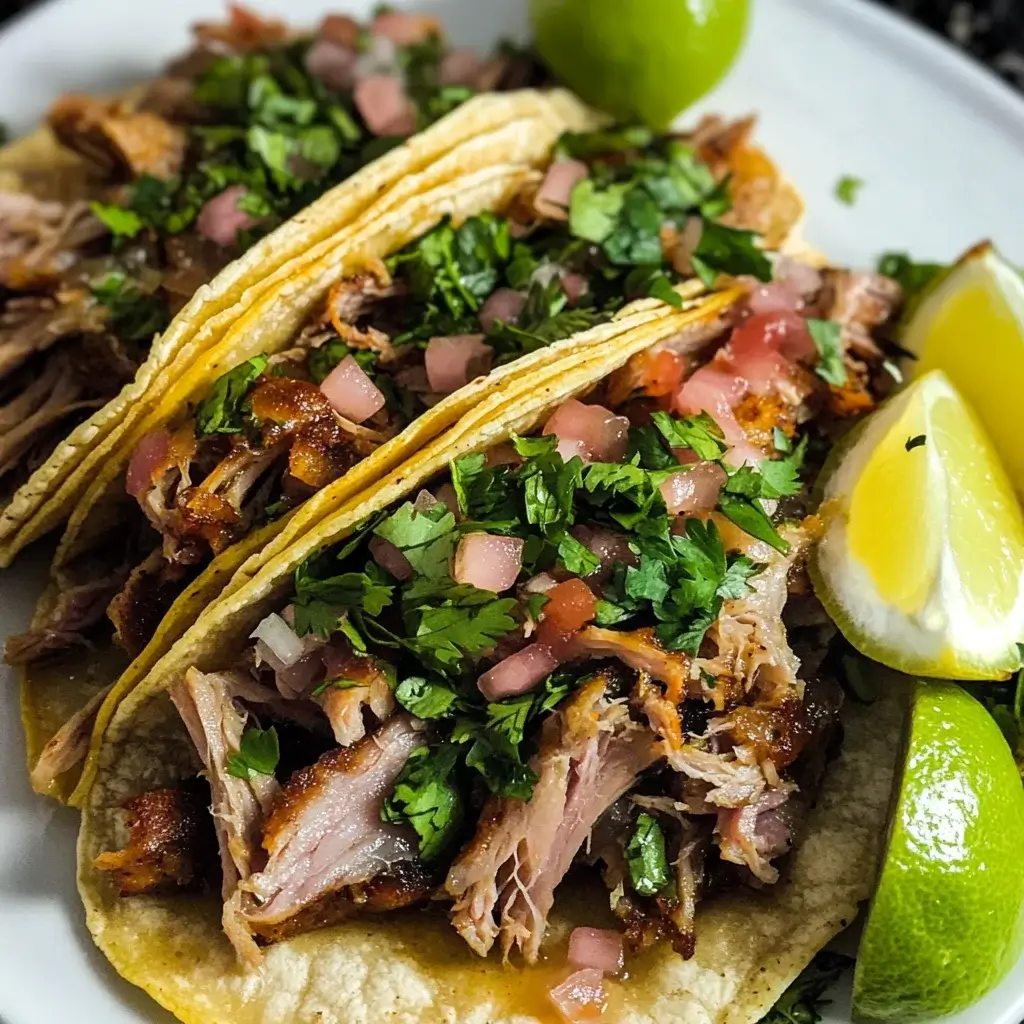
For years, I thought truly exceptional carnitas – those melt-in-your-mouth, crispy-edged morsels of pork perfection – were off-limits on my Paleo and Keto journey. Traditional carnitas, while undeniably delicious, often rely on ingredients and cooking methods that don’t quite align with these dietary approaches. But oh, how wrong I was! It all started with a craving, that deep, primal urge for rich, savory, and satisfying food. I was determined to find a way to enjoy carnitas without compromising my health goals. After countless experiments, tweaking spices, and exploring cooking techniques, I finally cracked the code. This Paleo & Keto Carnitas recipe isn’t just a ‘good enough’ substitute; it’s genuinely outstanding. The pork shoulder, slow-cooked to tender perfection in its own flavorful juices (and a few secret Paleo & Keto-friendly additions!), emerges unbelievably succulent and ready to crisp up into those coveted golden edges. My family, a mix of Paleo enthusiasts and those simply seeking delicious food, absolutely devoured it. Served with fresh cilantro, lime, and a dollop of guacamole (of course, all Paleo & Keto!), it was a feast that satisfied every craving and left us feeling fantastic. If you’ve been missing carnitas on your Paleo or Keto lifestyle, or simply want a healthier, equally delectable version of this classic dish, prepare to be amazed. This recipe is a game-changer – proof that you can have your carnitas and eat them too, deliciously and guilt-free.
Ingredients: Your Paleo & Keto Carnitas Essentials
Creating authentic, flavorful, and diet-compliant Paleo & Keto Carnitas starts with selecting the right ingredients. We’re focusing on whole, unprocessed foods that deliver maximum flavor while adhering to the principles of both Paleo and Keto diets. Here’s a breakdown of what you’ll need and why each ingredient is essential:
- 3-4 lbs Pork Shoulder (Boston Butt), bone-in or boneless: The heart of carnitas! Pork shoulder, often labeled Boston Butt (despite being from the shoulder), is the ideal cut due to its generous marbling of fat. This fat renders down during the slow cooking process, resulting in incredibly tender, juicy, and flavorful carnitas. Bone-in or boneless works equally well; bone-in can impart slightly richer flavor, but boneless is easier to shred. Crucially, pork shoulder is naturally Paleo and Keto-friendly, being a high-fat, moderate-protein meat source.
- 1 large Orange, quartered: Citrus is a cornerstone of authentic carnitas, adding brightness and acidity that beautifully balances the richness of the pork. Orange, in particular, contributes a subtle sweetness and aromatic depth. Quartering the orange allows the juices and oils from the peel to infuse into the pork during cooking. Oranges, while containing natural sugars, are used in moderation here and fit within Keto guidelines, especially when considering the overall carb count per serving. They are also Paleo-compliant as whole fruits.
- 1 Lime, quartered: Lime complements the orange, adding a sharper, more tart citrus note. Lime juice further tenderizes the pork and enhances the overall flavor profile, preventing it from becoming one-dimensional. Like oranges, limes are Paleo and Keto-friendly in this context, contributing minimal net carbs while adding significant flavor.
- 1 large Yellow Onion, quartered: Onion provides a foundational savory flavor base to the carnitas. As it cooks alongside the pork, it softens and sweetens, adding depth and complexity to the braising liquid. Yellow onions are a versatile choice, offering a balanced flavor that isn’t too pungent. Onions are considered acceptable in both Paleo and Keto diets in moderation, especially when cooked as part of a larger dish.
- 6-8 cloves Garlic, smashed: Garlic is another essential aromatic, contributing pungent, savory notes that are crucial for authentic carnitas flavor. Smashed garlic cloves release their flavor more readily than minced garlic during slow cooking. Garlic is a Paleo and Keto-friendly flavor enhancer, adding minimal carbs and significant health benefits.
- 2 tablespoons Sea Salt: Salt is paramount for seasoning and flavor development. Sea salt, or kosher salt, is preferred for its pure flavor and ability to draw out moisture from the pork, aiding in browning and tenderization. Adequate salt is essential for bringing out the best in all the other flavors. Salt is a cornerstone of both Paleo and Keto diets, crucial for electrolyte balance, especially on Keto.
- 1 tablespoon Ground Cumin: Cumin adds a warm, earthy, and slightly smoky flavor that is characteristic of many Mexican dishes, including carnitas. It complements the citrus and garlic beautifully and adds depth to the spice profile. Cumin is a Paleo and Keto-friendly spice, adding minimal carbs and numerous health benefits.
- 1 tablespoon Dried Oregano (Mexican Oregano preferred): Oregano provides a slightly peppery, earthy, and subtly minty flavor that enhances the savory notes of the carnitas. Mexican oregano, if available, offers a more authentic and robust flavor compared to Mediterranean oregano. Oregano is a Paleo and Keto-friendly herb, adding flavor and potential antioxidant benefits.
- 1 teaspoon Black Pepper: Black pepper adds a touch of spice and enhances the overall flavor complexity. Freshly ground black pepper is always preferred for its more vibrant flavor. Black pepper is a Paleo and Keto-friendly spice, adding minimal carbs and potential health benefits.
- 1 cup Lard, Tallow, or Avocado Oil (for crisping): While technically optional for the slow cooking phase, lard, tallow, or avocado oil are crucial for achieving that signature crispy carnitas texture at the end. Lard and tallow (rendered beef fat) are traditional choices and align perfectly with both Paleo and Keto diets, being pure animal fats. Avocado oil is a plant-based Paleo and Keto-friendly alternative with a high smoke point, excellent for crisping. The choice depends on your preference and dietary restrictions, but using one of these fats for crisping is highly recommended for authentic results.
- Optional: Bay Leaves (2-3): Bay leaves add a subtle, herbaceous, and slightly floral aroma to the braising liquid. While optional, they contribute a layer of complexity that elevates the overall flavor. Bay leaves are Paleo and Keto-friendly and are used for flavor infusion, not consumption.
- Optional: Cinnamon Stick (1): A small cinnamon stick can add a subtle warmth and sweetness that complements the savory and citrusy notes. Use it sparingly, as too much cinnamon can overpower the other flavors. Cinnamon is Paleo and Keto-friendly in small amounts and adds a unique depth of flavor.
Ingredient Quality Matters:
Using high-quality ingredients will significantly impact the final flavor. Opt for pastured pork shoulder if possible, and fresh, fragrant spices. The combination of these simple yet flavorful ingredients, when slow-cooked to perfection, is what creates truly exceptional Paleo & Keto Carnitas.
Instructions: Mastering the Art of Slow-Cooked Carnitas (Paleo & Keto Friendly)
Creating truly authentic and melt-in-your-mouth Paleo & Keto Carnitas is all about slow cooking. This gentle, low-temperature method allows the pork shoulder to become incredibly tender and flavorful. You have several options for slow cooking – oven, slow cooker, or Instant Pot. Here’s how to master each method:
Method 1: Oven-Roasted Paleo & Keto Carnitas (The Traditional Approach)
- Step 1: Prepare the Pork Shoulder: Pat the pork shoulder dry with paper towels. This helps with initial browning.
- Step 2: Season the Pork: In a large bowl or directly in a Dutch oven, generously rub the pork shoulder on all sides with sea salt, cumin, oregano, and black pepper. Ensure it’s evenly coated with the spices.
- Step 3: Add Aromatics and Citrus: Place the seasoned pork shoulder in a large Dutch oven or oven-safe pot. Scatter the quartered orange, lime, and onion around the pork. Add the smashed garlic cloves and bay leaves (if using).
- Step 4: Add Liquid (Optional, for extra moisture): While pork shoulder renders plenty of its own juices, you can add ½ cup of water or bone broth to the bottom of the pot to prevent sticking and ensure a moist cooking environment. This is especially helpful if your Dutch oven is very wide.
- Step 5: Slow Roast in the Oven: Cover the Dutch oven tightly with its lid or heavy-duty foil. Place it in a preheated oven at 300°F (150°C). Roast for 3-4 hours, or until the pork is fork-tender and easily shreds. The internal temperature should reach at least 200°F (93°C) for optimal tenderness.
- Step 6: Shred the Pork: Remove the Dutch oven from the oven and let it rest for about 15-20 minutes. This allows the juices to redistribute, making the pork even more tender. Using two forks, shred the pork directly in the Dutch oven, discarding any large pieces of fat, bones (if bone-in), and citrus peels.
- Step 7: Crisp the Carnitas (Crucial Step): This is where the magic happens! Remove the shredded pork from the Dutch oven, reserving the flavorful cooking liquid in a separate bowl. Heat lard, tallow, or avocado oil (about ½ cup to start, add more as needed) in a large skillet over medium-high heat. Add batches of the shredded pork to the hot fat, being careful not to overcrowd the skillet. Crisp the pork, stirring occasionally, until golden brown and crispy on the edges. This may take 5-10 minutes per batch. As the pork crisps, you can drizzle a little of the reserved cooking liquid over it for extra flavor and moisture (be careful as it may splatter).
- Step 8: Serve and Enjoy: Once all the pork is crisped, remove it from the skillet and drain on paper towels. Serve immediately, garnished with fresh cilantro, lime wedges, and your favorite Paleo & Keto-friendly toppings.
Method 2: Slow Cooker Paleo & Keto Carnitas (Hands-Off Convenience)
- Step 1-4: Follow steps 1-4 from the Oven-Roasted method (prepare pork, season, add aromatics and citrus, optional liquid) directly in your slow cooker.
- Step 5: Slow Cook in the Slow Cooker: Cover and cook on LOW for 6-8 hours or on HIGH for 3-4 hours, or until the pork is fork-tender and easily shreds. Cooking times can vary depending on your slow cooker, so check for tenderness after the minimum time.
- Step 6-8: Follow steps 6-8 from the Oven-Roasted method (shred pork, crisp in skillet, serve) to complete the carnitas. Slow cookers excel at tenderizing, but the crisping step in a skillet is still essential for achieving that authentic carnitas texture.
Method 3: Instant Pot Paleo & Keto Carnitas (Speed and Efficiency)
- Step 1-4: Follow steps 1-4 from the Oven-Roasted method (prepare pork, season, add aromatics and citrus, optional liquid) directly in your Instant Pot.
- Step 5: Pressure Cook in the Instant Pot: Secure the Instant Pot lid and set the valve to sealing. Cook on HIGH pressure for 60-75 minutes (depending on the size of your pork shoulder – larger pieces may need longer). Allow for a natural pressure release for 15-20 minutes, then manually release any remaining pressure.
- Step 6-8: Follow steps 6-8 from the Oven-Roasted method (shred pork, crisp in skillet, serve) to complete the carnitas. The Instant Pot significantly reduces cooking time while still achieving incredibly tender pork, but the crisping step in a skillet remains crucial for authentic carnitas.
Choosing Your Method:
- Oven: Most traditional and yields excellent flavor and texture. Requires more time but is largely hands-off during roasting.
- Slow Cooker: Very convenient and hands-off. Great for busy days. Crisp step is still essential for authentic texture.
- Instant Pot: Fastest cooking method, ideal for when you’re short on time. Still requires the skillet crisping step.
No matter which method you choose, the key is to slow cook the pork until it’s incredibly tender and then take the crucial step of crisping it in hot fat to achieve authentic Paleo & Keto Carnitas perfection!
Nutrition Facts: Guilt-Free Indulgence (Paleo & Keto Carnitas)
One of the best things about Paleo & Keto Carnitas is that it’s not only incredibly delicious but also aligns perfectly with both Paleo and Keto dietary principles. It’s a nutrient-dense, satisfying meal that can be enjoyed guilt-free. Here’s an approximate nutritional breakdown per serving (estimated, based on a recipe using 3 lbs pork shoulder and yielding approximately 6-8 servings, and excluding serving suggestions/toppings):
Serving Size: Approximately 4-6 oz of cooked carnitas (about 1 cup shredded)
Approximate Nutritional Information Per Serving:
- Calories: 450-550 kcal
- Calories will vary depending on the fat content of your pork shoulder and the amount of fat used for crisping.
- Total Fat: 35-45g
- Saturated Fat: 15-20g (primarily from pork fat, lard/tallow)
- Monounsaturated Fat: 15-20g (primarily from pork fat, avocado oil)
- Polyunsaturated Fat: 3-5g
- Cholesterol: 150-200mg
- Sodium: 500-700mg (can vary based on salt added)
- Total Carbohydrates: 2-4g
- Dietary Fiber: 0-1g
- Net Carbs: 2-3g
- Carbohydrates are primarily from the onions, oranges, and limes. These are naturally occurring and low in overall quantity per serving.
- Protein: 30-40g
Key Nutritional Highlights (Paleo & Keto Friendly):
- High in Healthy Fats: Carnitas are naturally high in healthy fats, primarily monounsaturated and saturated fats from pork shoulder and added fats like lard, tallow, or avocado oil. These fats are crucial for energy on a Keto diet and are emphasized in Paleo diets as well.
- Moderate to High Protein: Provides a significant amount of protein, essential for satiety, muscle maintenance, and overall health. Protein is a cornerstone of both Paleo and Keto diets.
- Very Low in Net Carbs: With only 2-3 grams of net carbs per serving, Paleo & Keto Carnitas are exceptionally low in carbohydrates, making them ideal for maintaining ketosis and blood sugar stability.
- Nutrient-Dense: Pork shoulder is a good source of various vitamins and minerals, including B vitamins, iron, zinc, and selenium. Combined with the aromatics and citrus, this dish offers a good array of micronutrients within a low-carb framework.
- Paleo & Keto Compliant Ingredients: All primary ingredients (pork shoulder, aromatics, spices, fats) are naturally aligned with both Paleo and Keto dietary guidelines.
Disclaimer:
These nutritional values are estimates. For precise nutritional information, it’s always recommended to use a nutrition calculator and input the specific brands and quantities of ingredients you use. Serving sizes can also vary, impacting the final nutritional values per portion.
Enjoy in Moderation:
While Paleo & Keto Carnitas are a healthy and delicious option, portion control is still important, especially considering the calorie and fat content. Enjoy this dish as part of a balanced Paleo or Keto lifestyle, incorporating plenty of non-starchy vegetables and mindful eating practices.
Preparation Time: Slow Cooked Flavor, Minimal Effort
The beauty of Paleo & Keto Carnitas lies in its incredible flavor payoff with relatively minimal hands-on effort. While the cooking time is long (due to slow cooking), the active preparation time is surprisingly short. Here’s a breakdown:
- Prep Time: 20-30 minutes
- This includes patting the pork shoulder dry, seasoning it, quartering the onions, oranges, and limes, smashing garlic, and gathering spices. Chopping is minimal, making prep quick.
- Cook Time:
- Oven: 3-4 hours
- Slow Cooker: 6-8 hours (LOW), 3-4 hours (HIGH)
- Instant Pot: 60-75 minutes pressure cooking + 20 minutes natural pressure release
- Crisping Time (Skillet): 15-20 minutes (in batches)
- Total Time (Active + Inactive):
- Oven: Approximately 4-5 hours (mostly inactive roasting time)
- Slow Cooker: Approximately 6.5-8.5 hours (mostly inactive slow cooking time)
- Instant Pot: Approximately 1.5-2 hours (including pressure release and crisping)
Hands-On Time vs. Inactive Time:
The key takeaway is that while the total time might seem long, the active time you spend in the kitchen is minimal – mostly during the initial prep and the final crisping stage. The majority of the cooking process is hands-off, whether it’s roasting in the oven, slow cooking, or pressure cooking.
Perfect for Meal Planning and Batch Cooking:
Paleo & Keto Carnitas are ideal for meal planning and batch cooking. You can easily make a large batch on the weekend and enjoy delicious, ready-to-eat carnitas throughout the week. Leftovers reheat beautifully and are incredibly versatile for various meals.
Minimal Effort, Maximum Flavor:
Despite the slow cooking time, the actual effort required to make Paleo & Keto Carnitas is surprisingly low. It’s a “set it and forget it” type of recipe for the majority of the cooking process, allowing you to focus on other tasks while your kitchen fills with the irresistible aroma of slow-cooked pork and citrus. The result is incredibly flavorful and tender carnitas with minimal active work – a true win for busy Paleo and Keto eaters!
How to Serve: Unleash the Versatility of Paleo & Keto Carnitas
Paleo & Keto Carnitas are incredibly versatile and can be served in a multitude of delicious ways, all while staying true to your dietary guidelines. Here are some fantastic serving suggestions to unleash the full potential of your carnitas:
Classic Paleo & Keto Serving Ideas:
- Lettuce Wraps: The quintessential Paleo & Keto-friendly vehicle for carnitas! Spoon generous portions of crispy carnitas into large lettuce cups (butter lettuce, romaine, or iceberg work well). Top with your favorite Paleo & Keto-compliant toppings.
- Salad Bowls: Create vibrant and satisfying salad bowls with a base of mixed greens or shredded cabbage. Top with carnitas, avocado, chopped tomatoes, onions, cilantro, and a drizzle of lime juice or a Paleo & Keto-friendly vinaigrette.
- Cauliflower Rice Bowls: For a heartier bowl, serve carnitas over cauliflower rice. Sautéed or roasted cauliflower rice makes a fantastic low-carb base. Add toppings like salsa, guacamole, sour cream (if dairy-tolerant on Keto), and hot sauce.
- Stuffed Bell Peppers: Halve bell peppers (any color), remove seeds, and roast them until slightly tender. Fill with carnitas and bake until heated through. Top with cheese (if Keto and dairy-tolerant) or guacamole.
- “Chaffles” (Cheese Waffles) Tacos: For a truly innovative and Keto-friendly taco “shell,” try using chaffles! These cheese-based waffles are surprisingly sturdy and make a fantastic low-carb alternative to tortillas. Fill with carnitas and your favorite taco toppings.
Delicious Paleo & Keto Toppings & Sides:
- Guacamole: A must-have! Avocado-based guacamole is naturally Paleo & Keto and adds creamy richness and healthy fats.
- Salsa: Choose fresh tomato salsa, tomatillo salsa, or pico de gallo. Ensure it’s made with Paleo & Keto-friendly ingredients (avoid added sugars).
- Sour Cream or Mexican Crema (Keto, if dairy-tolerant): Adds tanginess and creaminess. Opt for full-fat versions.
- Shredded Cheese (Keto, if dairy-tolerant): Cheddar, Monterey Jack, or cotija cheese are great options.
- Chopped Onions: Red or white onions add a sharp bite.
- Fresh Cilantro: Adds freshness and herbaceousness.
- Lime Wedges: Essential for squeezing over carnitas to brighten the flavors.
- Hot Sauce: Choose your favorite Paleo & Keto-friendly hot sauce for a spicy kick.
- Pickled Onions or Jalapeños: Add tang and heat.
- Radishes: Thinly sliced radishes add a peppery crunch.
- Jicama Slaw: A refreshing and crunchy low-carb slaw made with jicama, cabbage, and a lime-based dressing.
Beyond the Bowl/Wrap:
- Carnitas Omelets or Frittatas: Shredded carnitas make a fantastic protein addition to omelets or frittatas for a hearty breakfast or brunch.
- Carnitas Chili (Paleo & Keto Chili): Incorporate carnitas into a Paleo & Keto-friendly chili recipe for added depth and flavor.
- Carnitas “Nachos” (using pork rinds or veggie chips): Layer carnitas over pork rinds or sturdy veggie chips (like kale chips or zucchini chips) and top with cheese (if Keto), guacamole, and salsa for a low-carb “nacho” experience.
The possibilities are truly endless! Get creative and enjoy exploring the many ways you can serve and savor your delicious Paleo & Keto Carnitas.
Additional Tips for Perfect Paleo & Keto Carnitas
To elevate your Paleo & Keto Carnitas from delicious to truly exceptional, keep these additional tips in mind. These are gleaned from years of carnitas-making experience and will help you achieve consistently perfect results:
- Don’t Skimp on the Salt: Salt is absolutely crucial for flavor development in carnitas. Don’t be afraid to generously season the pork shoulder with sea salt before cooking. Salt not only enhances the savory flavors but also helps to draw out moisture, which aids in browning and tenderization. Taste and adjust seasoning at the end if needed, but start with a good amount of salt upfront.
- Embrace the Fat (It’s Your Friend on Paleo & Keto): Carnitas are traditionally rich and fatty, and that’s part of what makes them so delicious and satisfying, especially on Paleo and Keto diets. Don’t trim too much fat from the pork shoulder before cooking. The fat renders down during the slow cooking process, basting the meat and creating incredible tenderness and flavor. And when crisping the carnitas, using lard, tallow, or avocado oil is essential for achieving that authentic crispy texture and rich flavor.
- Control the Crisp: The crisping step is where you transform tender shredded pork into authentic carnitas. Don’t overcrowd the skillet when crisping. Work in batches to ensure the pork browns and crisps evenly. Also, keep a close eye on the heat. You want medium-high heat to get a good crisp without burning. Stir occasionally to ensure all sides of the pork get crispy edges.
- Use Citrus Generously: Orange and lime are not just flavor enhancers; they also help to tenderize the pork and create a bright, balanced flavor profile. Don’t be shy with the citrus! Use a full orange and a lime as specified in the recipe. Squeezing extra lime juice over the finished carnitas before serving is also highly recommended to brighten and freshen the flavors.
- Save the Cooking Liquid (Liquid Gold!): After slow cooking, don’t discard the flavorful cooking liquid! This liquid is liquid gold and packed with incredible flavor. Reserve it and use it to drizzle over the crisped carnitas for added moisture and flavor. You can also use it to moisten leftover carnitas when reheating. The cooking liquid is a key component of the overall carnitas experience.
By following these tips, you’ll be well-equipped to create Paleo & Keto Carnitas that are truly authentic, flavorful, and satisfying every single time.
FAQ Section: Your Burning Questions Answered (Paleo & Keto Carnitas)
Got questions about making Paleo & Keto Carnitas? We’ve anticipated some common queries and provided answers to help you achieve carnitas perfection!
Q1: Can I make carnitas with a different cut of pork?
A: While pork shoulder (Boston Butt) is the ideal cut for carnitas due to its fat marbling and ability to become incredibly tender when slow-cooked, you can use other cuts in a pinch, but the results may vary. Pork butt (picnic shoulder) is a slightly leaner option that can work. Avoid using leaner cuts like pork loin, as they will likely become dry and tough during the slow cooking process. If using a leaner cut, consider adding more lard or tallow to the cooking process to compensate for the lack of fat and ensure tenderness and flavor. Pork shoulder is truly the gold standard for authentic carnitas.
Q2: Can I make carnitas without citrus?
A: Citrus (orange and lime) is a very traditional and integral part of authentic carnitas flavor. While you can technically make carnitas without citrus, you will be missing a key element of the flavor profile. The citrus adds brightness, acidity, and complexity that balances the richness of the pork. If you must omit citrus due to allergies or personal preference, you can try adding a splash of apple cider vinegar or white wine vinegar at the end of cooking to provide a touch of acidity, but it won’t fully replicate the flavor contribution of fresh citrus. We highly recommend including orange and lime for the best and most authentic carnitas experience.
Q3: How do I store leftover carnitas?
A: Leftover carnitas store beautifully and are perfect for meal prep. Allow the carnitas to cool completely, then store them in an airtight container in the refrigerator for up to 3-4 days. For longer storage, you can freeze carnitas in freezer-safe bags or containers for up to 2-3 months. Thaw frozen carnitas in the refrigerator overnight before reheating.
Q4: How do I reheat carnitas?
A: Reheating carnitas is easy. You have several options:
- Skillet: The best method for maintaining crispiness. Heat a skillet over medium heat with a little lard, tallow, or avocado oil. Add the carnitas and reheat, stirring occasionally, until heated through and crispy edges are revived.
- Oven: Preheat oven to 350°F (175°C). Spread carnitas in a single layer on a baking sheet. Reheat for 10-15 minutes, or until heated through and slightly crispy.
- Microwave: Quick and convenient, but carnitas won’t be crispy. Reheat in microwave-safe dish in short intervals until heated through. Add a splash of the reserved cooking liquid when reheating to prevent drying out, regardless of reheating method.
Q5: Can I add other spices or flavors to carnitas?
A: Yes, absolutely! This recipe provides a classic base, but you can definitely customize it to your liking. Some other Paleo & Keto-friendly spices and flavors you can add include:
- Chipotle powder or adobo seasoning: For smoky heat.
- Ancho chili powder: For mild chili flavor.
- Coriander seeds: Adds a citrusy, warm spice note.
- Juniper berries: For a slightly piney, aromatic complexity (use sparingly).
- A splash of apple cider vinegar or tequila (at the end of cooking): For extra tang or depth.
Feel free to experiment and adjust the spices to create your perfect personalized Paleo & Keto Carnitas flavor profile! Enjoy your delicious and healthy carnitas journey!
Print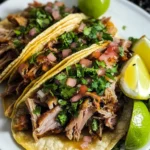
Paleo & Keto Carnitas recipe
Ingredients
- 3–4 lbs Pork Shoulder (Boston Butt), bone-in or boneless: The heart of carnitas! Pork shoulder, often labeled Boston Butt (despite being from the shoulder), is the ideal cut due to its generous marbling of fat. This fat renders down during the slow cooking process, resulting in incredibly tender, juicy, and flavorful carnitas. Bone-in or boneless works equally well; bone-in can impart slightly richer flavor, but boneless is easier to shred. Crucially, pork shoulder is naturally Paleo and Keto-friendly, being a high-fat, moderate-protein meat source.
- 1 large Orange, quartered: Citrus is a cornerstone of authentic carnitas, adding brightness and acidity that beautifully balances the richness of the pork. Orange, in particular, contributes a subtle sweetness and aromatic depth. Quartering the orange allows the juices and oils from the peel to infuse into the pork during cooking. Oranges, while containing natural sugars, are used in moderation here and fit within Keto guidelines, especially when considering the overall carb count per serving. They are also Paleo-compliant as whole fruits.
- 1 Lime, quartered: Lime complements the orange, adding a sharper, more tart citrus note. Lime juice further tenderizes the pork and enhances the overall flavor profile, preventing it from becoming one-dimensional. Like oranges, limes are Paleo and Keto-friendly in this context, contributing minimal net carbs while adding significant flavor.
- 1 large Yellow Onion, quartered: Onion provides a foundational savory flavor base to the carnitas. As it cooks alongside the pork, it softens and sweetens, adding depth and complexity to the braising liquid. Yellow onions are a versatile choice, offering a balanced flavor that isn’t too pungent. Onions are considered acceptable in both Paleo and Keto diets in moderation, especially when cooked as part of a larger dish.
- 6–8 cloves Garlic, smashed: Garlic is another essential aromatic, contributing pungent, savory notes that are crucial for authentic carnitas flavor. Smashed garlic cloves release their flavor more readily than minced garlic during slow cooking. Garlic is a Paleo and Keto-friendly flavor enhancer, adding minimal carbs and significant health benefits.
- 2 tablespoons Sea Salt: Salt is paramount for seasoning and flavor development. Sea salt, or kosher salt, is preferred for its pure flavor and ability to draw out moisture from the pork, aiding in browning and tenderization. Adequate salt is essential for bringing out the best in all the other flavors. Salt is a cornerstone of both Paleo and Keto diets, crucial for electrolyte balance, especially on Keto.
- 1 tablespoon Ground Cumin: Cumin adds a warm, earthy, and slightly smoky flavor that is characteristic of many Mexican dishes, including carnitas. It complements the citrus and garlic beautifully and adds depth to the spice profile. Cumin is a Paleo and Keto-friendly spice, adding minimal carbs and numerous health benefits.
- 1 tablespoon Dried Oregano (Mexican Oregano preferred): Oregano provides a slightly peppery, earthy, and subtly minty flavor that enhances the savory notes of the carnitas. Mexican oregano, if available, offers a more authentic and robust flavor compared to Mediterranean oregano. Oregano is a Paleo and Keto-friendly herb, adding flavor and potential antioxidant benefits.
- 1 teaspoon Black Pepper: Black pepper adds a touch of spice and enhances the overall flavor complexity. Freshly ground black pepper is always preferred for its more vibrant flavor. Black pepper is a Paleo and Keto-friendly spice, adding minimal carbs and potential health benefits.
- 1 cup Lard, Tallow, or Avocado Oil (for crisping): While technically optional for the slow cooking phase, lard, tallow, or avocado oil are crucial for achieving that signature crispy carnitas texture at the end. Lard and tallow (rendered beef fat) are traditional choices and align perfectly with both Paleo and Keto diets, being pure animal fats. Avocado oil is a plant-based Paleo and Keto-friendly alternative with a high smoke point, excellent for crisping. The choice depends on your preference and dietary restrictions, but using one of these fats for crisping is highly recommended for authentic results.
- Optional: Bay Leaves (2-3): Bay leaves add a subtle, herbaceous, and slightly floral aroma to the braising liquid. While optional, they contribute a layer of complexity that elevates the overall flavor. Bay leaves are Paleo and Keto-friendly and are used for flavor infusion, not consumption.
- Optional: Cinnamon Stick (1): A small cinnamon stick can add a subtle warmth and sweetness that complements the savory and citrusy notes. Use it sparingly, as too much cinnamon can overpower the other flavors. Cinnamon is Paleo and Keto-friendly in small amounts and adds a unique depth of flavor.
Instructions
Method 1: Oven-Roasted Paleo & Keto Carnitas (The Traditional Approach)
- Step 1: Prepare the Pork Shoulder: Pat the pork shoulder dry with paper towels. This helps with initial browning.
- Step 2: Season the Pork: In a large bowl or directly in a Dutch oven, generously rub the pork shoulder on all sides with sea salt, cumin, oregano, and black pepper. Ensure it’s evenly coated with the spices.
- Step 3: Add Aromatics and Citrus: Place the seasoned pork shoulder in a large Dutch oven or oven-safe pot. Scatter the quartered orange, lime, and onion around the pork. Add the smashed garlic cloves and bay leaves (if using).
- Step 4: Add Liquid (Optional, for extra moisture): While pork shoulder renders plenty of its own juices, you can add ½ cup of water or bone broth to the bottom of the pot to prevent sticking and ensure a moist cooking environment. This is especially helpful if your Dutch oven is very wide.
- Step 5: Slow Roast in the Oven: Cover the Dutch oven tightly with its lid or heavy-duty foil. Place it in a preheated oven at 300°F (150°C). Roast for 3-4 hours, or until the pork is fork-tender and easily shreds. The internal temperature should reach at least 200°F (93°C) for optimal tenderness.
- Step 6: Shred the Pork: Remove the Dutch oven from the oven and let it rest for about 15-20 minutes. This allows the juices to redistribute, making the pork even more tender. Using two forks, shred the pork directly in the Dutch oven, discarding any large pieces of fat, bones (if bone-in), and citrus peels.
- Step 7: Crisp the Carnitas (Crucial Step): This is where the magic happens! Remove the shredded pork from the Dutch oven, reserving the flavorful cooking liquid in a separate bowl. Heat lard, tallow, or avocado oil (about ½ cup to start, add more as needed) in a large skillet over medium-high heat. Add batches of the shredded pork to the hot fat, being careful not to overcrowd the skillet. Crisp the pork, stirring occasionally, until golden brown and crispy on the edges. This may take 5-10 minutes per batch. As the pork crisps, you can drizzle a little of the reserved cooking liquid over it for extra flavor and moisture (be careful as it may splatter).
- Step 8: Serve and Enjoy: Once all the pork is crisped, remove it from the skillet and drain on paper towels. Serve immediately, garnished with fresh cilantro, lime wedges, and your favorite Paleo & Keto-friendly toppings.
Nutrition
- Serving Size: one normal portion
- Calories: 450-550 kcal
- Sodium: 500-700mg
- Fat: 35-45g
- Saturated Fat: 15-20g
- Carbohydrates: 2-4g
- Fiber: 0-1g
- Protein: 30-40g
- Cholesterol: 150-200mg