
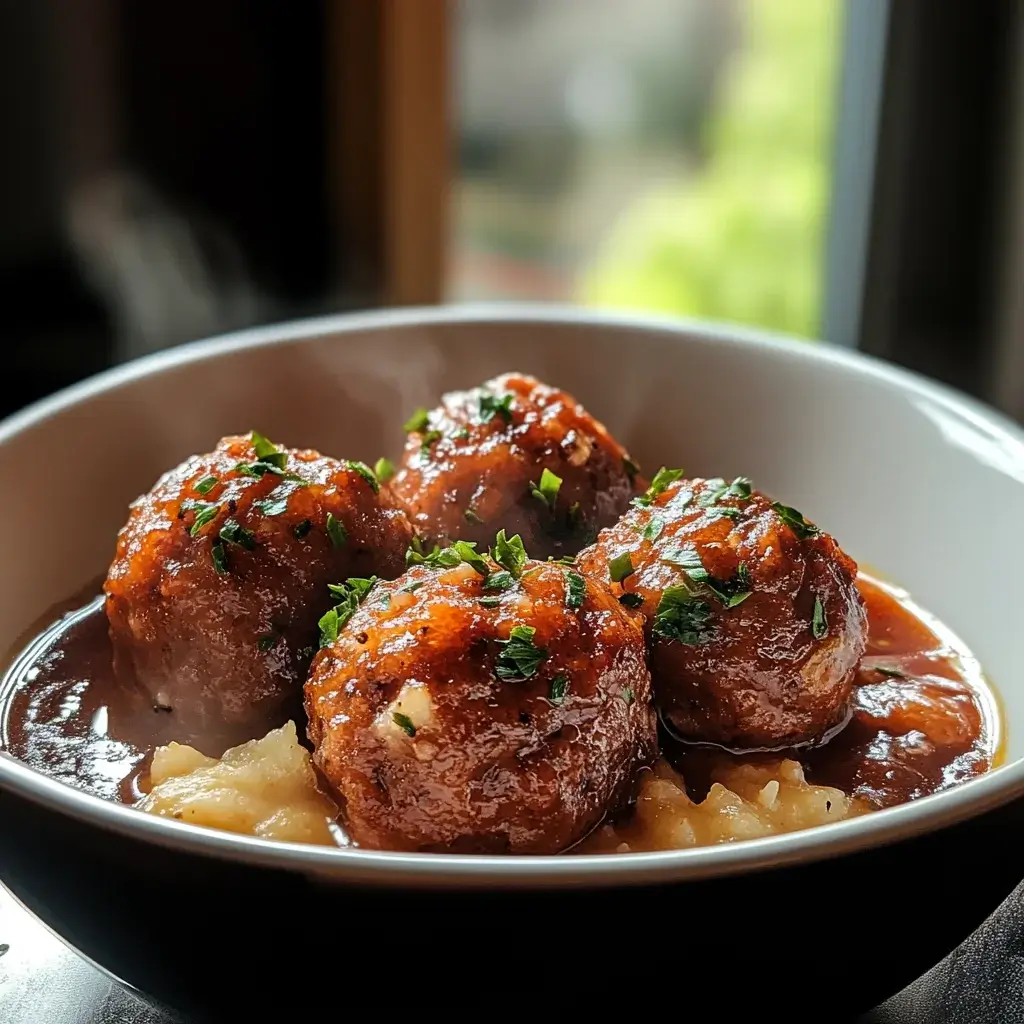

There’s something wonderfully nostalgic about the phrase “Porcupine Meatballs,” isn’t there? It conjures up images of cozy family dinners, the comforting aroma of tomato sauce simmering on the stove, and the delightful surprise of tender rice nestled within savory meatballs. For me, these aren’t just meatballs; they’re a taste of childhood, a recipe passed down through generations with a few modern tweaks to make them even easier and healthier. My family absolutely adores them. Even my picky eaters, who usually scrutinize every dish, gobble these up without complaint. The oven-baked approach is a game-changer – less mess, healthier cooking, and the same incredible flavor. The rice “quills” poking out get wonderfully toasted and slightly crispy, while the meatballs themselves remain juicy and flavorful. If you’re searching for a fuss-free, family-friendly meal that’s both satisfying and a little bit fun, look no further. These Oven-Baked Porcupine Meatballs are destined to become a new weeknight staple in your home!
Ingredients
Crafting exceptional Oven-Baked Porcupine Meatballs starts with selecting the right ingredients. Each component plays a vital role in achieving the perfect texture, flavor, and overall deliciousness of this classic dish. Let’s explore each ingredient in detail, understanding its purpose and offering helpful tips for choosing the best quality.
- 1 pound Ground Beef (80/20 blend recommended): Ground beef forms the hearty base of our meatballs. An 80/20 blend, meaning 80% lean beef and 20% fat, is highly recommended. The fat content is crucial for keeping the meatballs moist and flavorful during oven baking. Using leaner ground beef (like 90/10) can result in drier meatballs unless you compensate with added moisture, such as breadcrumbs soaked in milk or an extra egg. For the best flavor, opt for fresh, high-quality ground beef from your butcher or grocery store. You can also use a combination of ground beef and ground pork (50/50 blend) for a richer, more complex flavor profile.
- ½ cup Uncooked Long-Grain White Rice: Long-grain white rice is the defining ingredient that gives porcupine meatballs their signature “quills.” When baked, the rice partially cooks and protrudes from the meatballs, resembling the quills of a porcupine. Uncooked rice is essential for this effect; cooked rice will not create the same texture. Long-grain rice works best because it remains distinct and doesn’t become mushy during baking. Avoid using short-grain rice or instant rice, as they will not provide the desired texture. Basmati or Jasmine rice can also be used for a slightly different flavor and aroma, but ensure they are long-grain varieties.
- 1 medium Onion, finely chopped: Onion adds a foundational savory flavor to the meatballs. Finely chopping the onion ensures it cooks through evenly and incorporates seamlessly into the meatball mixture. Yellow or white onions are classic choices, providing a mild, slightly sweet onion flavor. You can also use shallots for a more delicate onion taste or even a combination of onion and garlic for added depth of flavor. Sautéing the onion lightly before adding it to the meatball mixture can mellow its flavor and enhance its sweetness, but this is optional for a quicker preparation.
- 1 large Egg: The egg acts as a binder, holding the meatball mixture together. It also adds moisture and richness, contributing to the tender texture of the meatballs. Use a large egg as specified in the recipe. If you are using smaller eggs, you may need to add an extra one to achieve the right consistency. For those with egg allergies or dietary restrictions, flax eggs or chia eggs can be used as substitutes, although they may slightly alter the texture.
- ½ cup Breadcrumbs (plain or Italian seasoned): Breadcrumbs provide additional binding and help to create a lighter, more tender meatball texture. Plain breadcrumbs are a versatile choice, allowing the other flavors to shine through. Italian seasoned breadcrumbs add a boost of herbs and spices, complementing the tomato sauce beautifully. You can use store-bought breadcrumbs or make your own by pulsing day-old bread in a food processor. Panko breadcrumbs can also be used for a slightly coarser texture. For a gluten-free option, use gluten-free breadcrumbs or crushed gluten-free crackers.
- ¼ cup Milk (or water): Milk (or water as a lighter alternative) is used to moisten the breadcrumbs. Soaking the breadcrumbs in liquid before adding them to the meatball mixture helps to keep the meatballs moist and prevents them from becoming dry during baking. Whole milk adds richness, but 2% milk, skim milk, or even water will work just fine. For a dairy-free option, unsweetened almond milk or oat milk can be substituted.
- 1 teaspoon Dried Italian Seasoning: Italian seasoning is a blend of dried herbs like oregano, basil, rosemary, and thyme, which provides a classic Italian flavor profile to the meatballs and complements the tomato sauce perfectly. You can use a pre-made Italian seasoning blend or create your own by combining equal parts of the individual dried herbs. For a fresher flavor, you can also use fresh herbs like chopped parsley, oregano, and basil, adding them in slightly larger quantities (about 1-2 tablespoons of fresh herbs).
- ½ teaspoon Garlic Powder: Garlic powder adds a subtle garlic flavor that enhances the savory notes of the meatballs. Garlic powder is convenient and disperses evenly throughout the mixture. You can also use fresh minced garlic (about 1-2 cloves) for a more pungent garlic flavor. If using fresh garlic, sauté it lightly with the onion before adding it to the meatball mixture to mellow its flavor.
- ½ teaspoon Salt: Salt is essential for seasoning and bringing out the flavors of all the ingredients. Use regular table salt or fine sea salt. Adjust the amount of salt to your taste preference. If using salted breadcrumbs or broth in your sauce, you may need to reduce the amount of added salt.
- ¼ teaspoon Black Pepper: Black pepper adds a touch of spice and enhances the overall flavor of the meatballs. Freshly ground black pepper is always preferred for the best flavor, but pre-ground black pepper works well too. Adjust the amount of pepper to your taste.
- 24-28 ounces Tomato Sauce (or Marinara Sauce): Tomato sauce forms the flavorful base for cooking the porcupine meatballs in the oven. You can use plain tomato sauce, marinara sauce, or your favorite homemade tomato sauce recipe. Marinara sauce often contains added herbs and garlic, which can enhance the flavor of the dish. Choose a good quality tomato sauce for the best results. For a richer flavor, you can use crushed tomatoes or diced tomatoes and simmer them down slightly before using. You can also add tomato paste for a more concentrated tomato flavor.
- Optional: 1 cup Beef Broth (or water): Beef broth (or water) is optional but recommended to thin out the tomato sauce slightly and create a more flavorful cooking liquid. Adding broth helps to prevent the sauce from becoming too thick during baking and ensures the meatballs are moist and simmered in a flavorful liquid. Low-sodium beef broth is a good choice to control the salt level. Water can be used as a lighter alternative.
Instructions
Now that you have all your ingredients prepared, let’s move on to the step-by-step instructions for creating these delightful Oven-Baked Porcupine Meatballs. Follow these directions carefully to ensure success and a batch of meatballs that your family will rave about.
- Preheat Oven to 375°F (190°C): Begin by preheating your oven to 375°F (190°C). This is the ideal temperature for baking the meatballs evenly and ensuring the rice cooks through properly. Make sure your oven is fully preheated before placing the meatballs inside.
- Prepare Meatball Mixture: In a large bowl, combine the ground beef, uncooked rice, finely chopped onion, egg, breadcrumbs, milk (or water), Italian seasoning, garlic powder, salt, and black pepper.
- Gently Mix Ingredients: Using your hands or a large spoon, gently mix all the ingredients together until just combined. Be careful not to overmix. Overmixing can result in tough meatballs. Mix just until everything is evenly distributed. The mixture should be moist but not overly wet.
- Shape into Meatballs: Using your hands, roll the meat mixture into approximately 1.5-inch meatballs. You should get about 18-24 meatballs from this recipe, depending on the size you make them. Try to make them as uniform in size as possible for even cooking.
- Arrange Meatballs in Baking Dish: Pour the tomato sauce (or marinara sauce) into the bottom of a 9×13 inch baking dish. If using, add the beef broth (or water) to the tomato sauce and stir to combine. Arrange the meatballs in a single layer in the baking dish, nestled in the tomato sauce. Make sure the meatballs are partially submerged in the sauce.
- Bake Covered: Cover the baking dish tightly with aluminum foil. This helps to trap steam and moisture, ensuring the rice cooks through and the meatballs remain tender.
- Bake for 45 Minutes: Bake in the preheated oven for 45 minutes, covered. This initial baking time allows the rice to start cooking and the meatballs to cook through partially.
- Uncover and Bake Longer: Remove the aluminum foil and continue to bake for another 20-30 minutes, or until the rice is tender and the meatballs are cooked through and browned slightly on top. The rice “quills” should be protruding and slightly toasted. The internal temperature of the meatballs should reach 160°F (71°C) when measured with a meat thermometer.
- Check for Doneness: To check for doneness, pierce a meatball with a fork. The juices should run clear, and the rice should be tender. You can also cut one meatball in half to ensure it is cooked through and no longer pink in the center.
- Rest Before Serving: Let the meatballs rest in the baking dish for about 5-10 minutes before serving. This allows the flavors to meld and the meatballs to become even more tender.
- Serve Hot: Serve the Oven-Baked Porcupine Meatballs hot, spooning the tomato sauce over them. Garnish with fresh parsley or grated Parmesan cheese, if desired.
Nutrition Facts
Understanding the nutritional content of your meals is important for making informed choices. Please note that the following nutrition information is an estimate and can vary based on specific ingredient brands, portion sizes, and the lean-to-fat ratio of your ground beef. It’s always best to use a nutrition calculator with the exact brands and quantities you use for the most accurate information, especially if you have specific dietary needs.
Serving Size: 2-3 Meatballs with Sauce
Approximate Servings per Recipe: 6-8 Servings (depending on serving size)
Approximate Nutrition Facts per Serving (2-3 Meatballs with Sauce):
- Calories: 300-400 kcal
- Total Fat: 15-25g
- Saturated Fat: 7-12g
- Trans Fat: 0g
- Monounsaturated Fat: 5-8g
- Polyunsaturated Fat: 2-4g
- Cholesterol: 80-120mg
- Sodium: 500-800mg (varies depending on sauce and broth used)
- Total Carbohydrate: 20-30g
- Dietary Fiber: 2-4g
- Total Sugars: 8-15g (includes added sugars in sauce)
- Protein: 20-25g
Important Considerations:
- These values are estimates and can vary.
- Oven-baking is generally a healthier cooking method than frying, as it reduces the need for added fats.
- Using leaner ground beef and low-sodium tomato sauce and broth can help to reduce the fat and sodium content.
- Serving sizes can be adjusted to meet individual dietary needs.
- Consider pairing with whole grains and vegetables to create a balanced meal.
For more precise nutritional information, you can use online nutrition calculators and input the specific brands and quantities of ingredients you use in this recipe. Enjoy your Oven-Baked Porcupine Meatballs as part of a balanced and healthy eating plan!
Preparation Time
Oven-Baked Porcupine Meatballs are a relatively straightforward dish to prepare, making them a great option for weeknight dinners. Here’s a breakdown of the estimated preparation time:
- Prep Time: 25-30 minutes
- This includes chopping the onion, measuring ingredients, mixing the meatball mixture, and shaping the meatballs.
- Having your ingredients prepped and ready to go (“mise en place”) can significantly speed up this process.
- Bake Time (Covered): 45 minutes
- Bake Time (Uncovered): 20-30 minutes
- Total Bake Time: 65-75 minutes
- Resting Time: 5-10 minutes
Total Estimated Time (from start to finish, including resting): Approximately 1 hour and 35 minutes to 1 hour and 55 minutes.
Tips to Speed Up Preparation:
- Use a Food Processor for Onion: A food processor can quickly and finely chop the onion, saving you time and effort.
- Prepare Meatball Mixture Ahead of Time: You can prepare the meatball mixture up to a day in advance and store it covered in the refrigerator. This is a great way to break up the cooking process, especially on busy weeknights.
- Use Pre-Chopped Onion (Optional): If you are really short on time, you can use pre-chopped onion from the grocery store, although freshly chopped onion generally provides better flavor.
- Make a Double Batch and Freeze: Porcupine meatballs freeze beautifully. Consider making a double batch and freezing half for a future meal. This is a great time-saving strategy for busy families.
While the total cooking time is around an hour and a half, most of it is hands-off oven time, allowing you to focus on other tasks or relax while dinner cooks itself. The delicious and comforting results are well worth the time!
How to Serve Oven-Baked Porcupine Meatballs
Oven-Baked Porcupine Meatballs are incredibly versatile and can be served in numerous delicious ways. Their savory flavor and comforting texture make them a welcome addition to any meal. Here are some serving suggestions to inspire your next dinner:
- Classic Pasta Pairings:
- Spaghetti: The quintessential pairing! Serve porcupine meatballs and tomato sauce over a bed of cooked spaghetti for a classic Italian-American meal.
- Penne: Penne pasta with its ridges holds the tomato sauce beautifully, making for a satisfying and flavorful dish.
- Egg Noodles: For a heartier and more comforting option, serve meatballs over egg noodles. The richness of the noodles complements the savory meatballs and sauce.
- Zucchini Noodles (Zoodles): For a lower-carb and healthier option, serve meatballs and sauce over zucchini noodles.
- Grain-Based Sides:
- Mashed Potatoes: Creamy mashed potatoes are a classic side dish that pairs wonderfully with the savory meatballs and tomato sauce.
- Rice: Serve over a bed of fluffy white rice, brown rice, or quinoa for a simple and satisfying meal.
- Polenta: Creamy polenta provides a delicious and comforting base for porcupine meatballs and sauce.
- Vegetable Accompaniments:
- Green Beans: Steamed or roasted green beans provide a fresh and healthy side dish that complements the richness of the meatballs.
- Broccoli: Roasted or steamed broccoli is another excellent vegetable side that pairs well with Italian-inspired flavors.
- Side Salad: A simple green salad with a vinaigrette dressing provides a refreshing contrast to the hearty meatballs.
- Garlic Bread: Serve with crusty garlic bread for dipping into the flavorful tomato sauce.
- Creative Serving Ideas:
- Meatball Subs: Slice crusty rolls and fill them with porcupine meatballs, tomato sauce, and mozzarella cheese for delicious meatball subs. Broil briefly to melt the cheese.
- Meatball Pizza Topping: Slice cooked porcupine meatballs and use them as a topping for homemade or store-bought pizza.
- Meatball Bowls: Create customizable bowls with a base of rice or quinoa, topped with porcupine meatballs, tomato sauce, and your favorite vegetables like roasted bell peppers, onions, or zucchini.
- Appetizer Meatballs: Serve smaller porcupine meatballs (make them smaller during shaping) as appetizers with toothpicks for dipping into the tomato sauce.
- Garnish Options:
- Fresh Parsley: Chopped fresh parsley adds a pop of color and freshness.
- Grated Parmesan Cheese: Sprinkle grated Parmesan cheese over the meatballs for added flavor and a salty finish.
- Red Pepper Flakes: For a touch of heat, sprinkle red pepper flakes over the meatballs before serving.
- Fresh Basil: Chopped fresh basil adds a bright, herbaceous note.
No matter how you choose to serve them, Oven-Baked Porcupine Meatballs are sure to be a hit. Their comforting flavors and versatility make them a perfect meal for any occasion.
Additional Tips for Perfect Oven-Baked Porcupine Meatballs
While this Oven-Baked Porcupine Meatballs recipe is easy to follow, these additional tips will help you achieve meatball mastery and ensure consistently delicious and satisfying results every time.
- Don’t Overwork the Meatball Mixture: Gentle mixing is key to tender meatballs. Overmixing the meatball mixture will develop the gluten in the breadcrumbs and make the meatballs tough and dense. Mix just until all the ingredients are combined and evenly distributed.
- Use Wet Hands When Shaping Meatballs: To prevent the meat mixture from sticking to your hands when shaping the meatballs, lightly wet your hands with cold water. This will make the shaping process much smoother and easier. Re-wet your hands as needed.
- Brown Meatballs Before Baking (Optional for Deeper Flavor): For a richer, more browned flavor, you can quickly brown the meatballs in a skillet with a little olive oil before baking them in the oven. This step is optional but adds an extra layer of flavor complexity. Brown them on all sides for just a few minutes until lightly browned, then transfer them to the baking dish with tomato sauce and proceed with the baking instructions.
- Adjust Sauce Consistency: If you prefer a thicker tomato sauce, you can simmer the sauce in a saucepan on the stovetop for a few minutes before pouring it into the baking dish to reduce it slightly. Conversely, if you prefer a thinner sauce, add a bit more beef broth or water. The consistency of the sauce can be adjusted to your liking.
- Taste and Adjust Seasoning: Before shaping and baking all the meatballs, it’s always a good idea to cook a small test meatball (pan-fry a tiny piece of the mixture) and taste it for seasoning. Adjust the salt, pepper, Italian seasoning, or garlic powder in the remaining mixture as needed to ensure the flavor is to your liking. This step allows you to customize the seasoning to your taste preferences before baking the entire batch.
By incorporating these additional tips into your cooking process, you’ll elevate your Oven-Baked Porcupine Meatballs from good to outstanding, creating a truly memorable and delicious meal for your family and friends.
FAQ About Oven-Baked Porcupine Meatballs
Do you have questions about making Oven-Baked Porcupine Meatballs? You’re not alone! Here are some frequently asked questions to help you bake with confidence and troubleshoot any common issues.
Q1: Can I use brown rice instead of white rice?
A: Yes, you can use brown rice for a slightly nuttier flavor and added fiber. However, brown rice takes longer to cook than white rice. You may need to increase the baking time slightly, perhaps by 15-20 minutes, and ensure there is enough liquid (tomato sauce and broth) in the baking dish to fully cook the brown rice. Check for tenderness of the rice before considering the meatballs done.
Q2: Can I make these meatballs ahead of time?
A: Yes, you can prepare the meatballs in advance in several ways:
- Meatball Mixture: Prepare the meatball mixture up to 24 hours in advance and store it covered in the refrigerator. Shape and bake them just before serving.
- Shaped Meatballs (Unbaked): Shape the meatballs and arrange them in the baking dish with tomato sauce. Cover and refrigerate for up to 24 hours. Bake as directed, adding about 10-15 minutes to the baking time to account for starting from a cold temperature.
- Baked Meatballs: Bake the meatballs completely, then let them cool and store them in an airtight container in the refrigerator for up to 3 days. Reheat them gently in the oven or microwave with the tomato sauce before serving.
Q3: Can I freeze Oven-Baked Porcupine Meatballs?
A: Yes, porcupine meatballs freeze exceptionally well, making them perfect for meal prepping or batch cooking:
- Baked Meatballs with Sauce: Allow the baked meatballs and sauce to cool completely. Portion them into freezer-safe containers or bags. Freeze for up to 2-3 months. Thaw overnight in the refrigerator or reheat directly from frozen in the oven or microwave until heated through.
- Unbaked Meatballs: Shape the meatballs and place them on a baking sheet lined with parchment paper. Freeze until solid, then transfer them to a freezer-safe bag or container. Bake directly from frozen, adding about 20-30 minutes to the baking time, and ensure they are cooked through to an internal temperature of 160°F (71°C).
Q4: My meatballs are falling apart. What did I do wrong?
A: Meatballs falling apart can be due to a few factors:
- Not enough binder: Ensure you are using enough egg and breadcrumbs in the meatball mixture, as these act as binders.
- Overmixing: While it seems counterintuitive, overmixing can actually weaken the structure of the meatballs. Mix gently just until combined.
- Too much liquid: If the meatball mixture is too wet, they may not hold their shape. Ensure you are using the correct amount of milk (or water) and breadcrumbs. If the mixture seems too wet, add a little more breadcrumbs.
- Not baking covered initially: Covering the baking dish with foil for the first part of baking helps to steam the meatballs and set their shape before they brown.
Q5: Can I use a different type of ground meat?
A: Yes, you can experiment with different ground meats:
- Ground Pork: Substitute some or all of the ground beef with ground pork for a richer, more flavorful meatball. A 50/50 blend of beef and pork is a popular choice.
- Ground Turkey or Chicken: For a leaner option, use ground turkey or chicken. These meats tend to be drier than ground beef, so you may need to add a bit more moisture to the meatball mixture, such as an extra egg or a tablespoon or two of olive oil. Ensure poultry meatballs are cooked to an internal temperature of 165°F (74°C).
- Ground Lamb: Ground lamb can be used for a more robust and distinct flavor.
We hope these FAQs have addressed your queries and empowered you to make perfect Oven-Baked Porcupine Meatballs that will become a cherished family favorite. Enjoy the process and the delicious results!
Print
Oven-Baked Porcupine Meatballs recipe
Ingredients
-
- 1 pound Ground Beef (80/20 blend recommended): Ground beef forms the hearty base of our meatballs. An 80/20 blend, meaning 80% lean beef and 20% fat, is highly recommended. The fat content is crucial for keeping the meatballs moist and flavorful during oven baking. Using leaner ground beef (like 90/10) can result in drier meatballs unless you compensate with added moisture, such as breadcrumbs soaked in milk or an extra egg. For the best flavor, opt for fresh, high-quality ground beef from your butcher or grocery store. You can also use a combination of ground beef and ground pork (50/50 blend) for a richer, more complex flavor profile.
-
- ½ cup Uncooked Long-Grain White Rice: Long-grain white rice is the defining ingredient that gives porcupine meatballs their signature “quills.” When baked, the rice partially cooks and protrudes from the meatballs, resembling the quills of a porcupine. Uncooked rice is essential for this effect; cooked rice will not create the same texture. Long-grain rice works best because it remains distinct and doesn’t become mushy during baking. Avoid using short-grain rice or instant rice, as they will not provide the desired texture. Basmati or Jasmine rice can also be used for a slightly different flavor and aroma, but ensure they are long-grain varieties.
-
- 1 medium Onion, finely chopped: Onion adds a foundational savory flavor to the meatballs. Finely chopping the onion ensures it cooks through evenly and incorporates seamlessly into the meatball mixture. Yellow or white onions are classic choices, providing a mild, slightly sweet onion flavor. You can also use shallots for a more delicate onion taste or even a combination of onion and garlic for added depth of flavor. Sautéing the onion lightly before adding it to the meatball mixture can mellow its flavor and enhance its sweetness, but this is optional for a quicker preparation.
-
- 1 large Egg: The egg acts as a binder, holding the meatball mixture together. It also adds moisture and richness, contributing to the tender texture of the meatballs. Use a large egg as specified in the recipe. If you are using smaller eggs, you may need to add an extra one to achieve the right consistency. For those with egg allergies or dietary restrictions, flax eggs or chia eggs can be used as substitutes, although they may slightly alter the texture.
-
- ½ cup Breadcrumbs (plain or Italian seasoned): Breadcrumbs provide additional binding and help to create a lighter, more tender meatball texture. Plain breadcrumbs are a versatile choice, allowing the other flavors to shine through. Italian seasoned breadcrumbs add a boost of herbs and spices, complementing the tomato sauce beautifully. You can use store-bought breadcrumbs or make your own by pulsing day-old bread in a food processor. Panko breadcrumbs can also be used for a slightly coarser texture. For a gluten-free option, use gluten-free breadcrumbs or crushed gluten-free crackers.
-
- ¼ cup Milk (or water): Milk (or water as a lighter alternative) is used to moisten the breadcrumbs. Soaking the breadcrumbs in liquid before adding them to the meatball mixture helps to keep the meatballs moist and prevents them from becoming dry during baking. Whole milk adds richness, but 2% milk, skim milk, or even water will work just fine. For a dairy-free option, unsweetened almond milk or oat milk can be substituted.
-
- 1 teaspoon Dried Italian Seasoning: Italian seasoning is a blend of dried herbs like oregano, basil, rosemary, and thyme, which provides a classic Italian flavor profile to the meatballs and complements the tomato sauce perfectly. You can use a pre-made Italian seasoning blend or create your own by combining equal parts of the individual dried herbs. For a fresher flavor, you can also use fresh herbs like chopped parsley, oregano, and basil, adding them in slightly larger quantities (about 1–2 tablespoons of fresh herbs).
-
- ½ teaspoon Garlic Powder: Garlic powder adds a subtle garlic flavor that enhances the savory notes of the meatballs. Garlic powder is convenient and disperses evenly throughout the mixture. You can also use fresh minced garlic (about 1–2 cloves) for a more pungent garlic flavor. If using fresh garlic, sauté it lightly with the onion before adding it to the meatball mixture to mellow its flavor.
-
- ½ teaspoon Salt: Salt is essential for seasoning and bringing out the flavors of all the ingredients. Use regular table salt or fine sea salt. Adjust the amount of salt to your taste preference. If using salted breadcrumbs or broth in your sauce, you may need to reduce the amount of added salt.
-
- ¼ teaspoon Black Pepper: Black pepper adds a touch of spice and enhances the overall flavor of the meatballs. Freshly ground black pepper is always preferred for the best flavor, but pre-ground black pepper works well too. Adjust the amount of pepper to your taste.
-
- 24–28 ounces Tomato Sauce (or Marinara Sauce): Tomato sauce forms the flavorful base for cooking the porcupine meatballs in the oven. You can use plain tomato sauce, marinara sauce, or your favorite homemade tomato sauce recipe. Marinara sauce often contains added herbs and garlic, which can enhance the flavor of the dish. Choose a good quality tomato sauce for the best results. For a richer flavor, you can use crushed tomatoes or diced tomatoes and simmer them down slightly before using. You can also add tomato paste for a more concentrated tomato flavor.
-
- Optional: 1 cup Beef Broth (or water): Beef broth (or water) is optional but recommended to thin out the tomato sauce slightly and create a more flavorful cooking liquid. Adding broth helps to prevent the sauce from becoming too thick during baking and ensures the meatballs are moist and simmered in a flavorful liquid. Low-sodium beef broth is a good choice to control the salt level. Water can be used as a lighter alternative.
Instructions
-
- Preheat Oven to 375°F (190°C): Begin by preheating your oven to 375°F (190°C). This is the ideal temperature for baking the meatballs evenly and ensuring the rice cooks through properly. Make sure your oven is fully preheated before placing the meatballs inside.
-
- Prepare Meatball Mixture: In a large bowl, combine the ground beef, uncooked rice, finely chopped onion, egg, breadcrumbs, milk (or water), Italian seasoning, garlic powder, salt, and black pepper.
-
- Gently Mix Ingredients: Using your hands or a large spoon, gently mix all the ingredients together until just combined. Be careful not to overmix. Overmixing can result in tough meatballs. Mix just until everything is evenly distributed. The mixture should be moist but not overly wet.
-
- Shape into Meatballs: Using your hands, roll the meat mixture into approximately 1.5-inch meatballs. You should get about 18-24 meatballs from this recipe, depending on the size you make them. Try to make them as uniform in size as possible for even cooking.
-
- Arrange Meatballs in Baking Dish: Pour the tomato sauce (or marinara sauce) into the bottom of a 9×13 inch baking dish. If using, add the beef broth (or water) to the tomato sauce and stir to combine. Arrange the meatballs in a single layer in the baking dish, nestled in the tomato sauce. Make sure the meatballs are partially submerged in the sauce.
-
- Bake Covered: Cover the baking dish tightly with aluminum foil. This helps to trap steam and moisture, ensuring the rice cooks through and the meatballs remain tender.
-
- Bake for 45 Minutes: Bake in the preheated oven for 45 minutes, covered. This initial baking time allows the rice to start cooking and the meatballs to cook through partially.
-
- Uncover and Bake Longer: Remove the aluminum foil and continue to bake for another 20-30 minutes, or until the rice is tender and the meatballs are cooked through and browned slightly on top. The rice “quills” should be protruding and slightly toasted. The internal temperature of the meatballs should reach 160°F (71°C) when measured with a meat thermometer.
-
- Check for Doneness: To check for doneness, pierce a meatball with a fork. The juices should run clear, and the rice should be tender. You can also cut one meatball in half to ensure it is cooked through and no longer pink in the center.
-
- Rest Before Serving: Let the meatballs rest in the baking dish for about 5-10 minutes before serving. This allows the flavors to meld and the meatballs to become even more tender.
-
- Serve Hot: Serve the Oven-Baked Porcupine Meatballs hot, spooning the tomato sauce over them. Garnish with fresh parsley or grated Parmesan cheese, if desired.
Nutrition
- Serving Size: one normal portion
- Calories: 300-400
- Sugar: 8-15g
- Sodium: 500-800mg
- Fat: 15-25g
- Saturated Fat: 7-12g
- Carbohydrates: 20-30g
- Fiber: 2-4g
- Protein: 20-25g
- Cholesterol: 80-120mg