
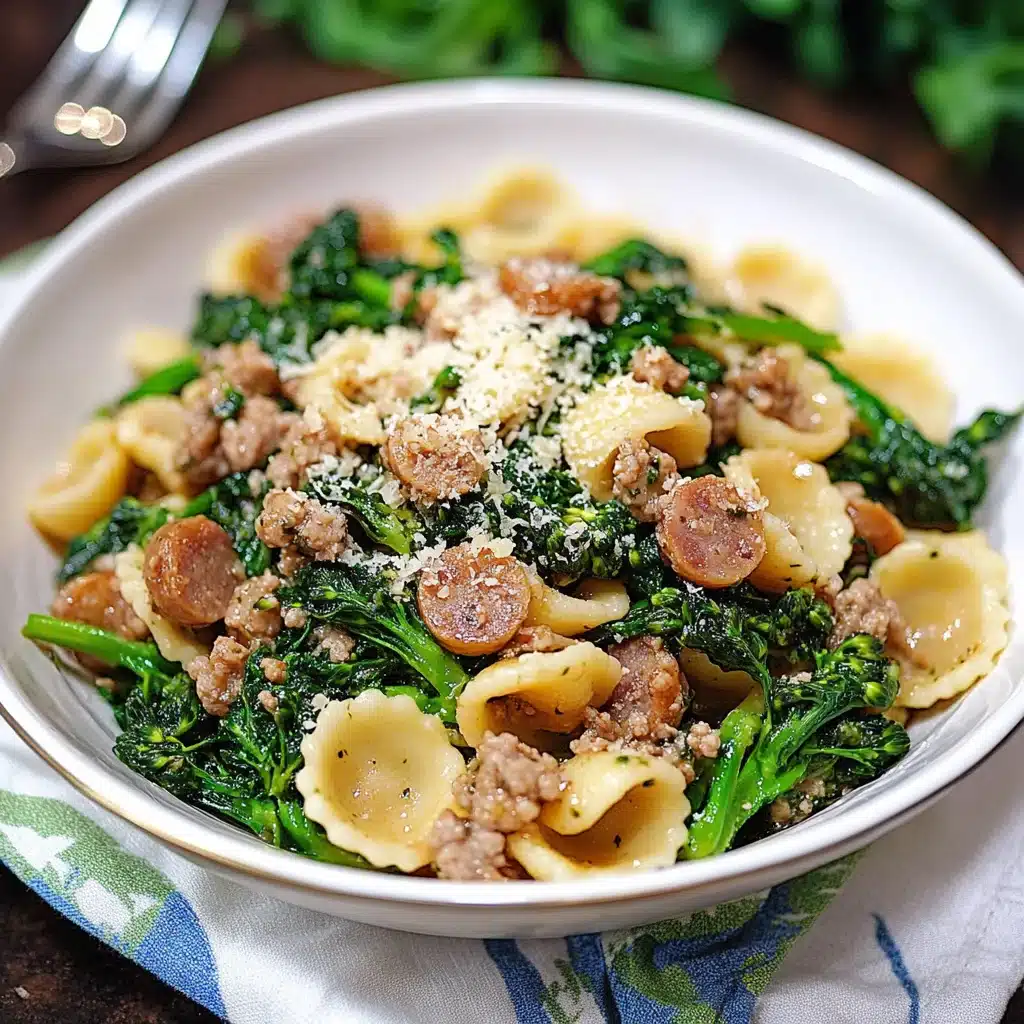

There are some dishes that just feel like a warm hug on a plate, and for me, Orecchiette with Broccoli Rabe and Sausage is definitely one of them. I first tasted this dish at a small, family-run trattoria in Puglia, Italy, and it was love at first bite. The slightly bitter broccoli rabe, perfectly balanced by the savory Italian sausage and the chewy orecchiette pasta, all brought together with garlic, chili flakes, and a generous dusting of Parmesan – it was simple, rustic, and utterly divine. Back home, I was determined to recreate that authentic Italian flavor, and after a few tweaks and experiments, I finally nailed a version that my family adores. It’s become a weeknight staple in our house, especially during the colder months. What I love most about this dish is its incredible depth of flavor despite its relatively short ingredient list and cooking time. It’s satisfying, packed with vibrant green vegetables, and has just the right amount of spice and savory goodness. If you’re looking for a comforting, flavorful, and relatively easy Italian meal that will transport you straight to the Italian countryside, then you absolutely must try this Orecchiette with Broccoli Rabe and Sausage recipe. Prepare to be captivated by the symphony of flavors and textures in every bite!
Ingredients for Authentic Orecchiette with Broccoli Rabe and Sausage
Creating a truly exceptional Orecchiette with Broccoli Rabe and Sausage dish hinges on selecting high-quality ingredients and understanding their specific roles in the final flavor profile. This recipe emphasizes fresh, flavorful components that, when combined, deliver that classic rustic Italian taste. Let’s break down each ingredient:
- Orecchiette Pasta (1 pound): Orecchiette, meaning “little ears” in Italian, is the quintessential pasta shape for this dish. Its unique cup-like shape is perfect for capturing the flavorful sauce and bits of sausage and broccoli rabe.
- Dried Orecchiette: Dried orecchiette is readily available and works perfectly. Look for good quality brands, preferably Italian, for the best texture and cooking properties. Bronze-die pasta is often preferred for its rougher surface, which helps sauces cling better.
- Fresh Orecchiette (Optional): If you can find fresh orecchiette, it will elevate the dish even further with its tender texture. Fresh pasta cooks much quicker than dried pasta, so adjust cooking time accordingly.
- Substitute Pasta Shapes (If necessary): If you can’t find orecchiette, other pasta shapes that work well as substitutes include cavatelli, shells (conchiglie), or even penne. Shapes that can hold the sauce and ingredients are ideal.
- Broccoli Rabe (1.5 pounds): Broccoli rabe, also known as rapini, is the star vegetable in this dish, providing a slightly bitter and nutty flavor that beautifully complements the richness of the sausage.
- Fresh Broccoli Rabe: Fresh broccoli rabe is essential for this recipe. Look for bunches with firm stalks and dark green leaves. Avoid bunches with yellowing or wilted leaves.
- Preparing Broccoli Rabe: Broccoli rabe can be slightly bitter. To mitigate this, it’s typically blanched before being added to the dish. Blanching also helps to tenderize it and retain its vibrant green color. Make sure to trim the tough ends of the stalks before blanching.
- Italian Sausage (1 pound): Italian sausage provides the savory, meaty element of the dish. You have options to choose from based on your preference.
- Sweet Italian Sausage: Sweet Italian sausage is a classic choice and offers a milder, slightly sweet flavor that balances the bitterness of the broccoli rabe.
- Hot Italian Sausage: For a spicier kick, opt for hot Italian sausage. The heat will add another layer of complexity to the dish. You can also mix sweet and hot sausage for a balanced flavor with a hint of spice.
- Sausage Type (Pork or Chicken/Turkey): Traditionally, pork Italian sausage is used. However, for a leaner option, you can use chicken or turkey Italian sausage. The flavor profile might be slightly different, but it can still be delicious.
- Bulk Sausage or Sausage Links: You can use bulk Italian sausage or remove the casings from sausage links. Bulk sausage is often easier to crumble and cook evenly.
- Garlic (4-5 cloves): Garlic is a fundamental aromatic in Italian cooking and is crucial for adding depth and pungent flavor to this dish. Fresh garlic cloves are always preferred for their superior taste over pre-minced garlic. Mince or thinly slice the garlic, depending on your preference.
- Red Pepper Flakes (½ – 1 teaspoon, or to taste): Red pepper flakes (also known as chili flakes) add a touch of heat and spice that complements the savory sausage and bitter greens. Adjust the amount to your spice preference. For a milder dish, use ½ teaspoon; for a noticeable kick, use 1 teaspoon or slightly more.
- Dry White Wine (½ cup): Dry white wine, such as Pinot Grigio, Sauvignon Blanc, or dry Vermouth, adds acidity and complexity to the sauce, deglazing the pan and enhancing the flavors. If you don’t have white wine, you can substitute with chicken broth or vegetable broth, though wine adds a distinct depth.
- Chicken Broth (½ cup): Chicken broth adds moisture and savory depth to the sauce, helping to create a flavorful base for the pasta and other ingredients. Low-sodium chicken broth is recommended to control the salt level.
- Parmesan Cheese (½ cup, grated, plus extra for serving): Parmesan cheese adds a salty, nutty, and umami-rich flavor that ties all the elements of the dish together. Use freshly grated Parmesan cheese for the best flavor and melting quality. Pre-grated Parmesan often contains cellulose and doesn’t melt as smoothly. Pecorino Romano cheese can also be used for a sharper, saltier flavor.
- Olive Oil (¼ cup, plus extra for drizzling): Olive oil is the primary cooking fat and adds a fruity flavor. Extra virgin olive oil is recommended for its richer flavor and health benefits.
- Salt and Black Pepper: Salt and black pepper are essential for seasoning and enhancing all the flavors. Adjust the amount to your taste. Kosher salt is often preferred for cooking, and freshly ground black pepper offers a more vibrant flavor.
Instructions: Cooking Orecchiette with Broccoli Rabe and Sausage
Now that we’ve gathered our high-quality ingredients, let’s walk through the step-by-step instructions to create this delicious and authentic Orecchiette with Broccoli Rabe and Sausage dish. Follow these directions carefully for the best results:
Step 1: Prepare the Broccoli Rabe (Blanching)
- Prepare Broccoli Rabe: Wash the broccoli rabe thoroughly under cold running water. Trim off the tough, thick ends of the stalks (about 1-2 inches from the bottom). Roughly chop the remaining broccoli rabe into bite-sized pieces.
- Blanch Broccoli Rabe: Bring a large pot of salted water to a rolling boil. Add the chopped broccoli rabe to the boiling water and blanch for 2-3 minutes, until it turns bright green and is slightly tender. Blanching helps to reduce bitterness and pre-cooks the broccoli rabe.
- Shock in Ice Water: Immediately drain the blanched broccoli rabe and plunge it into a bowl of ice water to stop the cooking process and preserve its vibrant green color. Let it sit in the ice water for a few minutes.
- Drain and Set Aside: Drain the broccoli rabe thoroughly. You can gently squeeze out excess water if desired, but be careful not to crush it. Set aside.
Step 2: Cook the Sausage
- Heat Olive Oil: In a large, heavy-bottomed skillet or Dutch oven, heat 2 tablespoons of olive oil over medium heat.
- Brown the Sausage: If using sausage links, remove the casings and crumble the sausage. Add the sausage to the hot skillet and cook, breaking it up with a spoon, until browned and cooked through. This will take about 8-10 minutes. Browning the sausage is crucial for developing flavor.
- Remove Sausage (Optional): For extra crispy sausage, you can remove the cooked sausage from the skillet and set it aside. This prevents it from becoming soggy later and allows you to use the rendered sausage fat for sautéing the garlic and broccoli rabe. Leave about 1-2 tablespoons of sausage fat in the skillet. If you prefer a simpler approach, you can keep the sausage in the skillet and proceed to the next step.
Step 3: Sauté Garlic and Broccoli Rabe
- Add Garlic and Red Pepper Flakes: Add the remaining 2 tablespoons of olive oil (if you removed the sausage fat) or just add directly to the rendered sausage fat in the skillet. Add the minced garlic and red pepper flakes to the skillet. Sauté over medium-low heat for about 1 minute, until fragrant, being careful not to burn the garlic.
- Add Broccoli Rabe: Add the blanched and drained broccoli rabe to the skillet with the garlic and red pepper flakes. Sauté for 5-7 minutes, stirring occasionally, until the broccoli rabe is tender and has absorbed some of the flavors. If you removed the sausage earlier, add it back to the skillet now and stir to combine.
Step 4: Deglaze with White Wine and Add Broth
- Deglaze with White Wine: Pour in the dry white wine into the skillet. Increase the heat to medium-high and scrape up any browned bits from the bottom of the pan (this is called deglazing and adds flavor). Let the wine reduce slightly for a minute or two.
- Add Chicken Broth: Pour in the chicken broth and bring the mixture to a simmer. Simmer for about 5 minutes, allowing the flavors to meld together and the sauce to slightly thicken.
Step 5: Cook the Orecchiette Pasta
- Cook Pasta: While the sauce is simmering, cook the orecchiette pasta according to package directions in a large pot of salted boiling water until al dente. “Al dente” means “to the tooth,” so the pasta should be cooked through but still have a slight bite to it.
- Reserve Pasta Water: Before draining the pasta, reserve about 1 cup of the pasta cooking water. Pasta water is starchy and can be used to adjust the sauce’s consistency and make it silky smooth.
- Drain Pasta: Drain the cooked orecchiette pasta and add it immediately to the skillet with the broccoli rabe and sausage sauce.
Step 6: Combine and Finish
- Toss Pasta with Sauce: Toss the pasta, sauce, sausage, and broccoli rabe together in the skillet, ensuring the pasta is well coated with the sauce.
- Add Parmesan Cheese: Stir in the grated Parmesan cheese. The heat from the pasta and sauce will melt the cheese, creating a creamy and flavorful coating.
- Adjust Consistency with Pasta Water (If needed): If the sauce seems too dry, add a little of the reserved pasta water, a tablespoon at a time, tossing until the desired consistency is reached. Pasta water helps to create a luscious, emulsified sauce that clings beautifully to the pasta.
- Season to Taste: Taste the dish and adjust seasoning as needed. Add more salt, black pepper, or red pepper flakes to your preference.
Step 7: Serve and Enjoy!
- Serve Immediately: Orecchiette with Broccoli Rabe and Sausage is best served immediately while it’s hot and the pasta is perfectly al dente.
- Garnish (Optional): Serve in bowls and garnish with extra grated Parmesan cheese and a drizzle of olive oil, if desired. A sprinkle of fresh parsley or a lemon wedge can also be a nice addition.
Nutrition Facts for Orecchiette with Broccoli Rabe and Sausage
(Note: Nutritional information is an estimate and can vary based on specific ingredients, portion sizes, and type of sausage used.)
- Serving Size: Approximately 1.5-2 cups
- Servings per Recipe: Approximately 6 servings
Approximate Nutritional Value per Serving (Estimated, using Sweet Italian Pork Sausage):
- Calories: 450-550 kcal
- Protein: 25-30g
- Fat: 20-25g (can vary depending on sausage fat content)
- Saturated Fat: 8-10g
- Cholesterol: 80-100mg
- Sodium: 600-800mg (can vary based on broth and sausage salt content)
- Carbohydrates: 50-60g
- Fiber: 5-7g
- Sugar: 3-5g (naturally occurring from vegetables and sausage)
Key Nutritional Highlights:
- Good Source of Protein: Italian sausage and Parmesan cheese provide a significant amount of protein.
- Source of Fiber: Broccoli rabe and whole wheat pasta (if used) contribute to fiber content.
- Vitamins and Minerals: Broccoli rabe is rich in vitamins A, C, and K, as well as folate and calcium.
- Satisfying and Energy-Providing: The combination of carbohydrates, protein, and fats makes this a satisfying and energy-rich meal.
Preparation Time for Orecchiette with Broccoli Rabe and Sausage
- Prep Time: 25-30 minutes (preparing broccoli rabe, chopping garlic, grating cheese, etc.)
- Cook Time: 30-35 minutes (blanching broccoli rabe, cooking sausage, sautéing, simmering sauce, cooking pasta)
- Total Time: Approximately 55-65 minutes
How to Serve Orecchiette with Broccoli Rabe and Sausage
Orecchiette with Broccoli Rabe and Sausage is a versatile dish that can be enjoyed in various ways. Here are some serving suggestions:
- Classic Main Course:
- Serve generous portions of Orecchiette with Broccoli Rabe and Sausage as a hearty and satisfying main course for dinner or lunch.
- It’s a complete meal on its own, providing protein, vegetables, and carbohydrates.
- Family-Style Platter:
- Present the dish on a large serving platter for a family-style meal.
- Let everyone serve themselves, creating a communal and inviting dining experience.
- With Crusty Bread:
- Serve with crusty Italian bread, garlic bread, or focaccia for soaking up the delicious sauce.
- Bread adds another textural element and makes the meal even more satisfying.
- Side Salad:
- Pair with a simple side salad to add freshness and lightness to the meal.
- A mixed green salad with a lemon vinaigrette or a Caprese salad would be excellent choices.
- Wine Pairing:
- Pair with a dry Italian white wine like Pinot Grigio or Verdicchio, which complement the flavors of the dish.
- A light-bodied Italian red wine like Chianti or Barbera can also be a good pairing.
- Cheese Board Appetizer (Before the Meal):
- Start the meal with a cheese board featuring Italian cheeses like Parmesan, Pecorino Romano, and Provolone, along with olives and cured meats.
- This sets a nice Italian tone for the meal before serving the Orecchiette with Broccoli Rabe and Sausage.
Additional Tips for Perfect Orecchiette with Broccoli Rabe and Sausage
To ensure your Orecchiette with Broccoli Rabe and Sausage is truly exceptional, keep these helpful tips in mind:
- Don’t Overcook the Broccoli Rabe: Blanching and then sautéing the broccoli rabe is key to achieving the right texture – tender but not mushy. Overcooking will make it lose its pleasant bite and become too soft. Blanch for just 2-3 minutes and sauté until just tender.
- Use Quality Sausage: The flavor of the sausage is central to this dish. Invest in good quality Italian sausage from a reputable butcher or grocery store. The better the sausage, the more flavorful your dish will be.
- Reserve Enough Pasta Water: Pasta water is your secret weapon for creating a silky, emulsified sauce. Don’t forget to reserve at least 1 cup before draining the pasta. You may not use it all, but it’s better to have it on hand to adjust the sauce consistency as needed.
- Taste and Season Throughout Cooking: Seasoning in layers is crucial for flavorful cooking. Season the blanching water for the broccoli rabe, season the sausage as it cooks, and season the final dish after combining all ingredients. Taste and adjust salt, pepper, and red pepper flakes at each stage to build depth of flavor.
- Add a Touch of Lemon (Optional): A squeeze of fresh lemon juice at the very end, just before serving, can brighten the dish and add a touch of acidity that cuts through the richness. This is especially nice if you find the dish slightly heavy or want to enhance the freshness.
Frequently Asked Questions (FAQ) About Orecchiette with Broccoli Rabe and Sausage
Here are some common questions people have when making Orecchiette with Broccoli Rabe and Sausage:
Q1: Can I make this dish vegetarian or vegan?
A: Making it vegetarian is relatively straightforward. Simply omit the Italian sausage. To enhance the savory flavor, you can add a pinch of smoked paprika or a splash of soy sauce or tamari to the sauce. For a vegan version, omit the sausage and Parmesan cheese. You can use a plant-based Parmesan alternative or nutritional yeast for a cheesy flavor. Ensure your broth is vegetable broth for a vegan version.
Q2: Can I use frozen broccoli rabe?
A: While fresh broccoli rabe is preferred for the best flavor and texture, you can use frozen broccoli rabe in a pinch. Thaw it completely and squeeze out excess water before adding it to the skillet. Frozen broccoli rabe may have a slightly softer texture compared to fresh.
Q3: Can I make this dish ahead of time?
A: It’s best to serve Orecchiette with Broccoli Rabe and Sausage fresh for optimal texture, especially of the pasta. However, you can prepare components ahead of time. You can blanch the broccoli rabe and cook the sausage a day in advance and store them separately in the refrigerator. When ready to serve, cook the pasta and then combine all components in the skillet to finish the dish.
Q4: My broccoli rabe is too bitter. How can I reduce the bitterness?
A: Broccoli rabe naturally has a slightly bitter flavor, which is part of its characteristic taste. Blanching helps to reduce some of the bitterness. You can also add a pinch of sugar or a splash of balsamic vinegar to the sauce to balance the bitterness. Some people also suggest soaking broccoli rabe in cold water for 30 minutes before blanching to further reduce bitterness.
Q5: What if I don’t have white wine? Can I skip it?
A: Dry white wine adds a layer of acidity and complexity to the sauce that enhances the overall flavor. If you don’t have white wine, you can substitute with chicken broth or vegetable broth. Adding a tablespoon of lemon juice or white wine vinegar along with the broth can help to mimic some of the acidity that wine provides. However, using white wine will result in a more authentic and flavorful dish.
Orecchiette with Broccoli Rabe and Sausage is a truly satisfying and flavorful Italian dish that brings together simple ingredients in a harmonious way. It’s rustic, hearty, and packed with deliciousness – perfect for a comforting weeknight meal or a casual gathering with friends and family. Once you try this recipe, you’ll understand why it’s such a beloved classic in Italian cuisine. So, gather your ingredients, follow these steps, and prepare to enjoy a taste of Italy right in your own kitchen!
Print
Orecchiette with Broccoli Rabe and Sausage recipe
Ingredients
- Orecchiette Pasta (1 pound): Orecchiette, meaning “little ears” in Italian, is the quintessential pasta shape for this dish. Its unique cup-like shape is perfect for capturing the flavorful sauce and bits of sausage and broccoli rabe.
- Dried Orecchiette: Dried orecchiette is readily available and works perfectly. Look for good quality brands, preferably Italian, for the best texture and cooking properties. Bronze-die pasta is often preferred for its rougher surface, which helps sauces cling better.
- Fresh Orecchiette (Optional): If you can find fresh orecchiette, it will elevate the dish even further with its tender texture. Fresh pasta cooks much quicker than dried pasta, so adjust cooking time accordingly.
- Substitute Pasta Shapes (If necessary): If you can’t find orecchiette, other pasta shapes that work well as substitutes include cavatelli, shells (conchiglie), or even penne. Shapes that can hold the sauce and ingredients are ideal.
- Broccoli Rabe (1.5 pounds): Broccoli rabe, also known as rapini, is the star vegetable in this dish, providing a slightly bitter and nutty flavor that beautifully complements the richness of the sausage.
- Fresh Broccoli Rabe: Fresh broccoli rabe is essential for this recipe. Look for bunches with firm stalks and dark green leaves. Avoid bunches with yellowing or wilted leaves.
- Preparing Broccoli Rabe: Broccoli rabe can be slightly bitter. To mitigate this, it’s typically blanched before being added to the dish. Blanching also helps to tenderize it and retain its vibrant green color. Make sure to trim the tough ends of the stalks before blanching.
- Italian Sausage (1 pound): Italian sausage provides the savory, meaty element of the dish. You have options to choose from based on your preference.
- Sweet Italian Sausage: Sweet Italian sausage is a classic choice and offers a milder, slightly sweet flavor that balances the bitterness of the broccoli rabe.
- Hot Italian Sausage: For a spicier kick, opt for hot Italian sausage. The heat will add another layer of complexity to the dish. You can also mix sweet and hot sausage for a balanced flavor with a hint of spice.
- Sausage Type (Pork or Chicken/Turkey): Traditionally, pork Italian sausage is used. However, for a leaner option, you can use chicken or turkey Italian sausage. The flavor profile might be slightly different, but it can still be delicious.
- Bulk Sausage or Sausage Links: You can use bulk Italian sausage or remove the casings from sausage links. Bulk sausage is often easier to crumble and cook evenly.
- Garlic (4-5 cloves): Garlic is a fundamental aromatic in Italian cooking and is crucial for adding depth and pungent flavor to this dish. Fresh garlic cloves are always preferred for their superior taste over pre-minced garlic. Mince or thinly slice the garlic, depending on your preference.
- Red Pepper Flakes (½ – 1 teaspoon, or to taste): Red pepper flakes (also known as chili flakes) add a touch of heat and spice that complements the savory sausage and bitter greens. Adjust the amount to your spice preference. For a milder dish, use ½ teaspoon; for a noticeable kick, use 1 teaspoon or slightly more.
- Dry White Wine (½ cup): Dry white wine, such as Pinot Grigio, Sauvignon Blanc, or dry Vermouth, adds acidity and complexity to the sauce, deglazing the pan and enhancing the flavors. If you don’t have white wine, you can substitute with chicken broth or vegetable broth, though wine adds a distinct depth.
- Chicken Broth (½ cup): Chicken broth adds moisture and savory depth to the sauce, helping to create a flavorful base for the pasta and other ingredients. Low-sodium chicken broth is recommended to control the salt level.
- Parmesan Cheese (½ cup, grated, plus extra for serving): Parmesan cheese adds a salty, nutty, and umami-rich flavor that ties all the elements of the dish together. Use freshly grated Parmesan cheese for the best flavor and melting quality. Pre-grated Parmesan often contains cellulose and doesn’t melt as smoothly. Pecorino Romano cheese can also be used for a sharper, saltier flavor.
- Olive Oil (¼ cup, plus extra for drizzling): Olive oil is the primary cooking fat and adds a fruity flavor. Extra virgin olive oil is recommended for its richer flavor and health benefits.
- Salt and Black Pepper: Salt and black pepper are essential for seasoning and enhancing all the flavors. Adjust the amount to your taste. Kosher salt is often preferred for cooking, and freshly ground black pepper offers a more vibrant flavor.
Instructions
Step 1: Prepare the Broccoli Rabe (Blanching)
- Prepare Broccoli Rabe: Wash the broccoli rabe thoroughly under cold running water. Trim off the tough, thick ends of the stalks (about 1-2 inches from the bottom). Roughly chop the remaining broccoli rabe into bite-sized pieces.
- Blanch Broccoli Rabe: Bring a large pot of salted water to a rolling boil. Add the chopped broccoli rabe to the boiling water and blanch for 2-3 minutes, until it turns bright green and is slightly tender. Blanching helps to reduce bitterness and pre-cooks the broccoli rabe.
- Shock in Ice Water: Immediately drain the blanched broccoli rabe and plunge it into a bowl of ice water to stop the cooking process and preserve its vibrant green color. Let it sit in the ice water for a few minutes.
- Drain and Set Aside: Drain the broccoli rabe thoroughly. You can gently squeeze out excess water if desired, but be careful not to crush it. Set aside.
Step 2: Cook the Sausage
- Heat Olive Oil: In a large, heavy-bottomed skillet or Dutch oven, heat 2 tablespoons of olive oil over medium heat.
- Brown the Sausage: If using sausage links, remove the casings and crumble the sausage. Add the sausage to the hot skillet and cook, breaking it up with a spoon, until browned and cooked through. This will take about 8-10 minutes. Browning the sausage is crucial for developing flavor.
- Remove Sausage (Optional): For extra crispy sausage, you can remove the cooked sausage from the skillet and set it aside. This prevents it from becoming soggy later and allows you to use the rendered sausage fat for sautéing the garlic and broccoli rabe. Leave about 1-2 tablespoons of sausage fat in the skillet. If you prefer a simpler approach, you can keep the sausage in the skillet and proceed to the next step.
Step 3: Sauté Garlic and Broccoli Rabe
- Add Garlic and Red Pepper Flakes: Add the remaining 2 tablespoons of olive oil (if you removed the sausage fat) or just add directly to the rendered sausage fat in the skillet. Add the minced garlic and red pepper flakes to the skillet. Sauté over medium-low heat for about 1 minute, until fragrant, being careful not to burn the garlic.
- Add Broccoli Rabe: Add the blanched and drained broccoli rabe to the skillet with the garlic and red pepper flakes. Sauté for 5-7 minutes, stirring occasionally, until the broccoli rabe is tender and has absorbed some of the flavors. If you removed the sausage earlier, add it back to the skillet now and stir to combine.
Step 4: Deglaze with White Wine and Add Broth
- Deglaze with White Wine: Pour in the dry white wine into the skillet. Increase the heat to medium-high and scrape up any browned bits from the bottom of the pan (this is called deglazing and adds flavor). Let the wine reduce slightly for a minute or two.
- Add Chicken Broth: Pour in the chicken broth and bring the mixture to a simmer. Simmer for about 5 minutes, allowing the flavors to meld together and the sauce to slightly thicken.
Step 5: Cook the Orecchiette Pasta
- Cook Pasta: While the sauce is simmering, cook the orecchiette pasta according to package directions in a large pot of salted boiling water until al dente. “Al dente” means “to the tooth,” so the pasta should be cooked through but still have a slight bite to it.
- Reserve Pasta Water: Before draining the pasta, reserve about 1 cup of the pasta cooking water. Pasta water is starchy and can be used to adjust the sauce’s consistency and make it silky smooth.
- Drain Pasta: Drain the cooked orecchiette pasta and add it immediately to the skillet with the broccoli rabe and sausage sauce.
Step 6: Combine and Finish
- Toss Pasta with Sauce: Toss the pasta, sauce, sausage, and broccoli rabe together in the skillet, ensuring the pasta is well coated with the sauce.
- Add Parmesan Cheese: Stir in the grated Parmesan cheese. The heat from the pasta and sauce will melt the cheese, creating a creamy and flavorful coating.
- Adjust Consistency with Pasta Water (If needed): If the sauce seems too dry, add a little of the reserved pasta water, a tablespoon at a time, tossing until the desired consistency is reached. Pasta water helps to create a luscious, emulsified sauce that clings beautifully to the pasta.
- Season to Taste: Taste the dish and adjust seasoning as needed. Add more salt, black pepper, or red pepper flakes to your preference.
Step 7: Serve and Enjoy!
- Serve Immediately: Orecchiette with Broccoli Rabe and Sausage is best served immediately while it’s hot and the pasta is perfectly al dente.
- Garnish (Optional): Serve in bowls and garnish with extra grated Parmesan cheese and a drizzle of olive oil, if desired. A sprinkle of fresh parsley or a lemon wedge can also be a nice addition.
Nutrition
- Serving Size: one normal portion
- Calories: 450-550 kcal
- Sugar: 3-5g
- Sodium: 600-800mg
- Fat: 20-25g
- Saturated Fat: 8-10g
- Carbohydrates: 50-60g
- Fiber: 5-7g
- Protein: 25-30g
- Cholesterol: 80-100mg