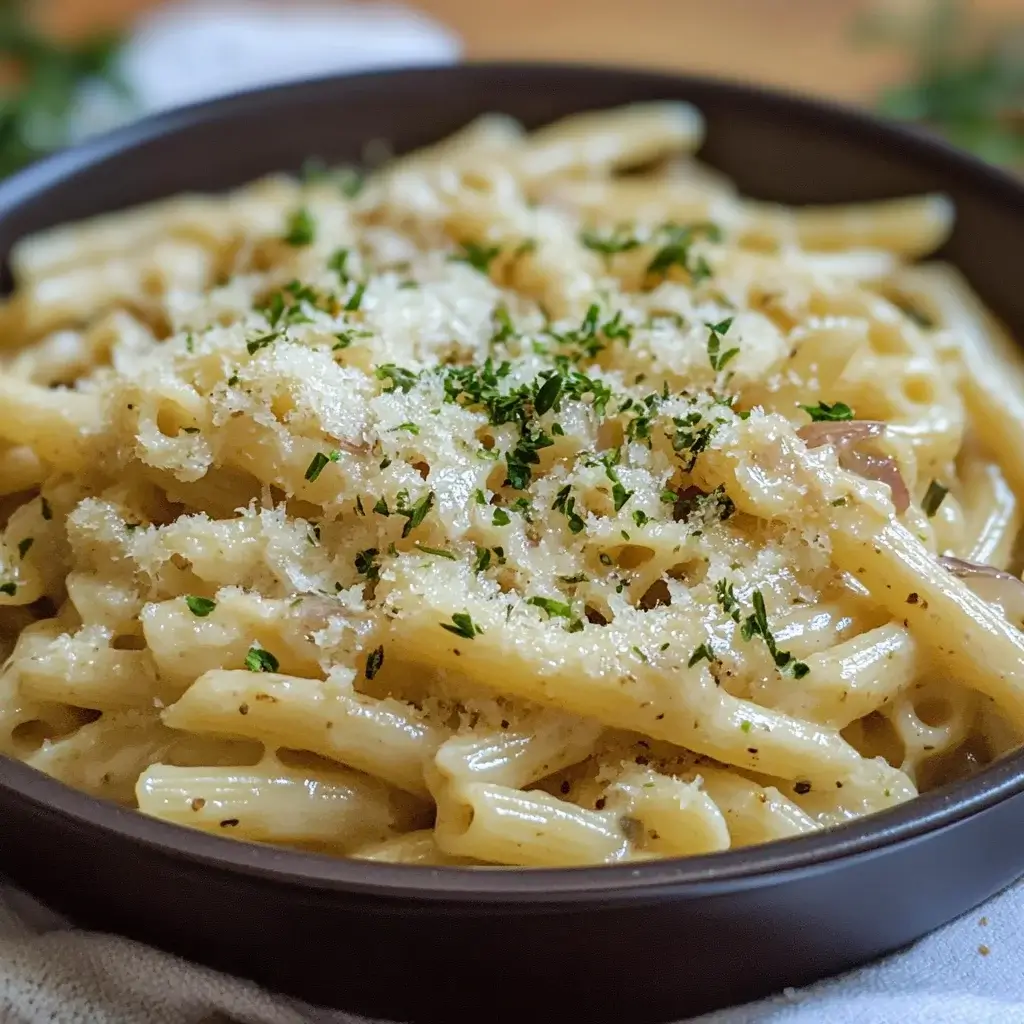
French onion soup is, in my humble opinion, one of the most perfect foods ever created. That deep, umami-rich broth, the impossible sweetness of onions coaxed into jammy submission over a low, slow heat, and that glorious, non-negotiable cap of crusty bread and bubbly, browned Gruyère cheese—it’s pure culinary magic. For years, I reserved it for special occasions, a dish I’d order at a bistro but rarely attempt at home, intimidated by the hours of simmering and the special crocks. But the craving for that flavor profile—that savory, sweet, cheesy trifecta—is not a special-occasion feeling. It’s a Tuesday night, I’m-tired-and-I-need-comfort-food feeling. That’s when the idea for this One-Pot French Onion Pasta was born. I wondered: could I capture the very soul of that classic soup in a hearty, weeknight-friendly pasta dish? The answer, I discovered, was a resounding, glorious yes. By caramelizing the onions in the same pot I’d use to build the sauce and cook the pasta, I created a dish that is an absolute flavor bomb. The pasta cooks directly in the rich, beefy broth, releasing its starches to create a silky, luscious sauce that clings to every noodle. Topped with a generous layer of Gruyère and broiled until golden and bubbly, the final result is a masterpiece of comfort food. It’s the best of both worlds—the elegant, profound flavor of French onion soup and the satisfying, carb-loaded bliss of a perfect pasta dish, all made in a single pot. My family now requests this more often than any other meal; it’s our celebration dish and our cozy-night-in dish, all rolled into one.
The Ultimate One-Pot French Onion Pasta
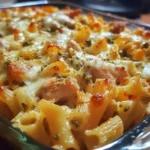
Welcome to your new favorite comfort food recipe. This One-Pot French Onion Pasta is a brilliant fusion of two beloved classics, designed for maximum flavor with minimal cleanup. It delivers all the rich, complex notes of a slow-simmered French onion soup—the deeply caramelized sweet onions, the savory beef broth, the nutty, melted Gruyère cheese—in the form of a hearty, satisfying pasta dish.
The magic of this recipe lies in its one-pot method. Everything, from caramelizing the onions to cooking the pasta, happens in a single skillet. This isn’t just for convenience; it’s for flavor. As the onions cook down, they leave behind a “fond”—a layer of browned, caramelized sugars on the bottom of the pan. By deglazing the pan and cooking the pasta directly in the broth, you lift all of that concentrated flavor and infuse it into every single bite. The starch from the pasta is released into the broth as it cooks, creating a naturally creamy, perfectly emulsified sauce without the need for heavy cream. It’s a smart, efficient, and incredibly delicious way to get a gourmet-tasting meal on the table any night of the week.
Ingredients for a Perfect One-Pot Meal
This recipe uses a short list of high-impact ingredients to create its signature flavor. Quality matters here, especially with the cheese and broth.
- 2 tablespoons Unsalted Butter
- 1 tablespoon Olive Oil
- 3 large Yellow Onions, thinly sliced
- 2 cloves Garlic, minced
- ½ cup Dry White Wine (like Sauvignon Blanc or Pinot Grigio) or Dry Vermouth
- 4 cups Low-Sodium Beef Broth
- 1 tablespoon Worcestershire Sauce
- 1 teaspoon Dried Thyme (or 1 tablespoon fresh thyme leaves)
- 1 pound Short Pasta (such as Rigatoni, Penne, or Shells)
- Salt and freshly ground Black Pepper, to taste
- 1 ½ cups Shredded Gruyère Cheese
- Fresh Parsley or Thyme, for garnish (optional)
Ingredient Deep Dive: Why These Components Work
To understand the magic of this dish, it helps to know the role each ingredient plays.
The Star: Yellow Onions
While you could use other onions, yellow onions are the gold standard for caramelizing. They have a high sugar content and a balanced flavor that transforms into a deep, complex sweetness when cooked low and slow. Slicing them thinly (about 1/8-inch thick) is key to ensuring they break down evenly and become meltingly tender.
The Savory Base: Beef Broth
Traditional French onion soup is built on a rich beef broth, and our pasta is no different. Using a high-quality, low-sodium beef broth is essential. This allows you to control the final saltiness of the dish while providing the deep, savory, umami-rich foundation that is the hallmark of the soup. A vegetarian version can be made using a robust mushroom or vegetable broth.
The Deglazing Liquid: Dry White Wine
That ½ cup of wine does more than just sound fancy—it’s a critical flavor-building step. As the onions caramelize, they leave browned bits of concentrated flavor (the fond) stuck to the bottom of the pan. The acidity in the wine helps to release, or “deglaze,” this fond, dissolving it back into the sauce. This adds an incredible depth and a bright, acidic note that cuts through the richness of the dish.
- Best Wine Choices: A crisp, dry white wine like Sauvignon Blanc, Pinot Grigio, or an unoaked Chardonnay is perfect. Dry vermouth is also an excellent, shelf-stable option.
- Non-Alcoholic Substitute: If you prefer to cook without alcohol, you can skip it. To deglaze, simply use a splash of the beef broth or add 1 tablespoon of balsamic or apple cider vinegar along with the broth to provide a touch of acidity.
The Perfect Pasta Shape
The type of pasta you choose can make a difference.
- Recommended: Short, sturdy pasta shapes with ridges or hollows are ideal. Rigatoni, penne, cavatappi, and medium shells are perfect because their shapes are designed to capture and hold onto the rich, silky sauce, ensuring a perfect bite every time.
- What to Avoid: Long, thin pasta like spaghetti or angel hair is not recommended for this one-pot method, as it can clump together and cook unevenly.
The Crown Jewel: Gruyère Cheese
This is non-negotiable for an authentic French onion flavor. Gruyère is a hard Swiss cheese that is famous for its exceptional melting properties and its complex flavor profile—it’s nutty, slightly sweet, earthy, and just salty enough. It melts into a beautiful, bubbly, golden-brown crust under the broiler that is simply irresistible.
- Substitution: If you can’t find Gruyère, a combination of Swiss cheese and a little Parmesan can work in a pinch, but the unique flavor of Gruyère is highly recommended for the most authentic experience.
Step-by-Step Instructions for French Onion Pasta
Follow these detailed steps to achieve a flawless, deeply flavorful one-pot meal. Patience during the caramelization process is the key to success.
Step 1: Caramelize the Onions (The Most Important Step)
- Action: In a large, oven-safe skillet or Dutch oven, melt the butter and olive oil over medium-low heat. Add the thinly sliced onions and a pinch of salt. Stir to coat the onions in the fat. Cook, stirring occasionally, for 30-40 minutes.
- The Process: For the first 10-15 minutes, the onions will just soften and become translucent. After that, they will slowly start to turn a pale golden color. Continue cooking, stirring more frequently as they darken, until they are a deep, uniform amber brown and have a sweet, jam-like consistency. Do not rush this step! This is where all the flavor is developed. If the onions start to burn or stick excessively, reduce the heat and add a tablespoon of water to the pan.
- Why this step is important: True caramelization is a chemical process that breaks down the natural sugars in the onions, transforming them from pungent and sharp to incredibly sweet and complex. Rushing this with high heat will just burn them. Patience is your greatest tool here.
Step 2: Add Aromatics and Deglaze
- Action: Once the onions are deeply caramelized, add the minced garlic and dried thyme. Stir and cook for 1 minute until fragrant. Pour in the ½ cup of dry white wine. Increase the heat to medium-high and use a wooden spoon to scrape up any browned bits (the fond) from the bottom of the pan as the wine bubbles. Let the wine cook down until it has mostly evaporated.
- Why this step is important: This deglazing step is crucial for capturing all the concentrated flavor you just spent 40 minutes developing. The garlic and thyme are added now, not earlier, to prevent them from burning during the long caramelization process.
Step 3: Build the Sauce and Cook the Pasta
- Action: Pour in the 4 cups of beef broth and the 1 tablespoon of Worcestershire sauce. Stir everything together and bring the mixture to a rolling boil. Add the 1 pound of uncooked pasta directly to the skillet. Stir well to ensure the pasta is submerged.
- Why this step is important: The pasta will now cook directly in this intensely flavorful liquid, absorbing all the savory, sweet onion notes.
Step 4: Simmer and Thicken
- Action: Once the pasta is added and the liquid returns to a simmer, reduce the heat to medium-low. Let the pasta cook, stirring occasionally to prevent sticking, for about 12-15 minutes, or until it is al dente and has absorbed most of the liquid. The starches from the pasta will thicken the broth into a silky sauce.
- Why this step is important: Don’t drain the pasta! The starch released during cooking is what creates the creamy sauce. The final consistency should be saucy, not soupy or dry. If it looks too dry, add another splash of broth. Season with salt and pepper to taste.
Step 5: The “Gratinée” – Melt the Cheese
- Action: Preheat your oven’s broiler to high. Remove the skillet from the heat. Sprinkle the 1 ½ cups of shredded Gruyère cheese evenly over the top of the pasta.
- Why this step is important: This step mimics the classic cheesy crust of French onion soup. Using freshly shredded cheese (not pre-shredded) will result in a much better melt, as pre-shredded cheeses often contain anti-caking agents.
Step 6: Broil to Golden Perfection
- Action: Carefully place the oven-safe skillet under the preheated broiler. Broil for 2-4 minutes, watching it like a hawk, until the cheese is completely melted, bubbly, and beautifully golden brown in spots.
- Why this step is important: The broiler provides intense, direct heat that creates that signature browned, bubbly crust. Do not walk away during this step, as the cheese can go from perfect to burnt in a matter of seconds.
Step 7: Rest and Garnish
- Action: Carefully remove the skillet from the oven using oven mitts (the handle will be extremely hot!). Let the pasta rest for 5 minutes before serving. This allows the sauce to set up slightly. Garnish with fresh parsley or thyme, if desired.
- Why this step is important: Resting allows the molten cheese and sauce to cool just enough to be scoopable without being runny.
Nutrition Facts
This is an estimate for a hearty comfort food dish. The nutritional information will vary based on the specific ingredients used. This recipe yields about 6 servings.
- Servings: 6
- Calories per serving: Approximately 550-650 kcal
Estimated Nutritional Breakdown per Serving:
- Protein: 25g
- Carbohydrates: 65g
- Fat: 20g
This is a substantial meal, rich in carbohydrates for energy and protein from the cheese and broth.
Preparation and Cook Time
The majority of the time for this recipe is hands-off or requires only occasional stirring.
- Preparation Time: 10 minutes (slicing onions, measuring ingredients)
- Cook Time: Approximately 60 minutes (40 minutes for caramelizing, 20 minutes for the rest)
- Total Time: Approximately 1 hour and 10 minutes
How to Serve Your French Onion Pasta
This dish is a showstopper served straight from the skillet, but here are a few ideas to round out the meal.
Serving Style
- Family-Style: The best way to serve this dish is to place the hot skillet (on a trivet to protect your table!) in the center of the table and let everyone scoop their own portion, making sure to get a bit of that cheesy crust with every serving.
- Individual Portions: For a more elegant presentation, you can divide the pasta into individual oven-safe bowls before topping with cheese and broiling each one separately.
Perfect Side Dishes to Complement the Richness
The pasta is very rich and savory, so it pairs best with simple, fresh, and acidic sides that can cut through the richness.
- A Simple Green Salad: A crisp salad of arugula or mixed greens with a sharp lemon vinaigrette is the perfect counterpoint.
- Steamed or Roasted Green Beans: A simple side of steamed green beans with a squeeze of lemon provides a fresh, green crunch.
- Crusty Bread: While there’s already pasta, you can’t go wrong with a side of crusty baguette for scooping up any leftover sauce.
- Roasted Asparagus: A quick roast on some asparagus with a little olive oil and salt is another excellent green vegetable pairing.
5 Pro Tips for Flawless French Onion Pasta
Master this recipe with these five essential tips.
- Embrace the Low and Slow: The single most important factor for success is giving the onions the time they need to caramelize properly. Do not be tempted to crank up the heat to speed up the process. High heat will scorch the onions, making them bitter, not sweet. True caramelization is a gentle art, and your patience will be rewarded with an incredible depth of flavor.
- Use an Oven-Safe Skillet: To truly make this a one-pot meal, you must use a skillet that can go from the stovetop directly into the oven for the broiling step. A well-seasoned cast-iron skillet, a stainless-steel skillet with an oven-safe handle, or a Dutch oven are all perfect choices.
- Shred Your Own Cheese: Pre-shredded cheese is convenient, but it’s coated in starches like potato starch or cellulose to prevent it from clumping in the bag. These anti-caking agents inhibit melting and can result in a greasy or grainy texture. For the smoothest, gooiest, most perfect cheese pull, buy a block of Gruyère and shred it yourself just before using.
- Don’t Overcook the Pasta: Remember that the pasta will continue to cook from the residual heat in the skillet even after you’ve taken it off the heat. Cook it until it is just al dente (still has a slight bite). This will ensure that by the time you serve it, the pasta is perfectly cooked and not mushy.
- Let it Rest Before Serving: It will be incredibly tempting to dig in the second it comes out from under the broiler, but letting the pasta rest for a solid 5 minutes is crucial. This short rest allows the sauce to cool slightly and thicken up, ensuring it clings beautifully to the pasta instead of pooling at the bottom of the bowl.
Frequently Asked Questions (FAQ)
Here are the answers to some common questions about this recipe.
1. Can I make this recipe vegetarian?
Yes, absolutely! To make a vegetarian version, simply swap the beef broth for a high-quality, flavorful vegetable broth or, even better, a mushroom broth. Mushroom broth has a deep, earthy, umami flavor that beautifully mimics the richness of beef broth. Ensure your Worcestershire sauce is a vegan version as well (some contain anchovies). The result will be a delicious vegetarian French onion pasta.
2. I don’t have an oven-safe skillet. What can I do?
If you don’t have an oven-safe skillet, you can still make this recipe with one extra step. After the pasta is cooked and saucy, simply transfer it from your skillet into a casserole dish or other oven-safe baking dish. Top it with the shredded Gruyère cheese and then place the baking dish under the broiler.
3. Can I prepare this meal ahead of time?
You can do most of the prep ahead of time. The longest part of the recipe is caramelizing the onions. You can do this step up to 3 days in advance. Simply caramelize the onions as directed, let them cool, and store them in an airtight container in the refrigerator. When you’re ready to make dinner, you can start the recipe from Step 2, which will cut your total cook time down to about 20-25 minutes.
4. What if my sauce seems too thin or too thick?
The one-pot method is generally reliable, but pasta absorption rates can vary. If your sauce seems too thin after the pasta is cooked, simply let it simmer for a few more minutes, stirring, and it will continue to thicken. If your sauce seems too thick or the pasta has absorbed all the liquid before it’s fully cooked, simply add another splash of beef broth (about ¼ to ½ cup) and continue to simmer until the pasta is done.
5. What is the best way to reheat leftovers?
Leftovers are fantastic! The best way to reheat this pasta is in a skillet over medium-low heat. Add a splash of beef broth or water to the skillet to help loosen the sauce as it heats up. Stir gently until it’s warmed through. You can also reheat individual portions in the microwave, but the stovetop method does a better job of reviving the sauce’s silky texture.
One Pot French Onion Pasta recipe
Ingredients
- 2 tablespoons Unsalted Butter
- 1 tablespoon Olive Oil
- 3 large Yellow Onions, thinly sliced
- 2 cloves Garlic, minced
- ½ cup Dry White Wine (like Sauvignon Blanc or Pinot Grigio) or Dry Vermouth
- 4 cups Low-Sodium Beef Broth
- 1 tablespoon Worcestershire Sauce
- 1 teaspoon Dried Thyme (or 1 tablespoon fresh thyme leaves)
- 1 pound Short Pasta (such as Rigatoni, Penne, or Shells)
- Salt and freshly ground Black Pepper, to taste
- 1 ½ cups Shredded Gruyère Cheese
- Fresh Parsley or Thyme, for garnish (optional)
Instructions
Step 1: Caramelize the Onions (The Most Important Step)
- Action: In a large, oven-safe skillet or Dutch oven, melt the butter and olive oil over medium-low heat. Add the thinly sliced onions and a pinch of salt. Stir to coat the onions in the fat. Cook, stirring occasionally, for 30-40 minutes.
- The Process: For the first 10-15 minutes, the onions will just soften and become translucent. After that, they will slowly start to turn a pale golden color. Continue cooking, stirring more frequently as they darken, until they are a deep, uniform amber brown and have a sweet, jam-like consistency. Do not rush this step! This is where all the flavor is developed. If the onions start to burn or stick excessively, reduce the heat and add a tablespoon of water to the pan.
- Why this step is important: True caramelization is a chemical process that breaks down the natural sugars in the onions, transforming them from pungent and sharp to incredibly sweet and complex. Rushing this with high heat will just burn them. Patience is your greatest tool here.
Step 2: Add Aromatics and Deglaze
- Action: Once the onions are deeply caramelized, add the minced garlic and dried thyme. Stir and cook for 1 minute until fragrant. Pour in the ½ cup of dry white wine. Increase the heat to medium-high and use a wooden spoon to scrape up any browned bits (the fond) from the bottom of the pan as the wine bubbles. Let the wine cook down until it has mostly evaporated.
- Why this step is important: This deglazing step is crucial for capturing all the concentrated flavor you just spent 40 minutes developing. The garlic and thyme are added now, not earlier, to prevent them from burning during the long caramelization process.
Step 3: Build the Sauce and Cook the Pasta
- Action: Pour in the 4 cups of beef broth and the 1 tablespoon of Worcestershire sauce. Stir everything together and bring the mixture to a rolling boil. Add the 1 pound of uncooked pasta directly to the skillet. Stir well to ensure the pasta is submerged.
- Why this step is important: The pasta will now cook directly in this intensely flavorful liquid, absorbing all the savory, sweet onion notes.
Step 4: Simmer and Thicken
- Action: Once the pasta is added and the liquid returns to a simmer, reduce the heat to medium-low. Let the pasta cook, stirring occasionally to prevent sticking, for about 12-15 minutes, or until it is al dente and has absorbed most of the liquid. The starches from the pasta will thicken the broth into a silky sauce.
- Why this step is important: Don’t drain the pasta! The starch released during cooking is what creates the creamy sauce. The final consistency should be saucy, not soupy or dry. If it looks too dry, add another splash of broth. Season with salt and pepper to taste.
Step 5: The “Gratinée” – Melt the Cheese
- Action: Preheat your oven’s broiler to high. Remove the skillet from the heat. Sprinkle the 1 ½ cups of shredded Gruyère cheese evenly over the top of the pasta.
- Why this step is important: This step mimics the classic cheesy crust of French onion soup. Using freshly shredded cheese (not pre-shredded) will result in a much better melt, as pre-shredded cheeses often contain anti-caking agents.
Step 6: Broil to Golden Perfection
- Action: Carefully place the oven-safe skillet under the preheated broiler. Broil for 2-4 minutes, watching it like a hawk, until the cheese is completely melted, bubbly, and beautifully golden brown in spots.
- Why this step is important: The broiler provides intense, direct heat that creates that signature browned, bubbly crust. Do not walk away during this step, as the cheese can go from perfect to burnt in a matter of seconds.
Step 7: Rest and Garnish
- Action: Carefully remove the skillet from the oven using oven mitts (the handle will be extremely hot!). Let the pasta rest for 5 minutes before serving. This allows the sauce to set up slightly. Garnish with fresh parsley or thyme, if desired.
- Why this step is important: Resting allows the molten cheese and sauce to cool just enough to be scoopable without being runny.
Nutrition
- Serving Size: one normal portion
- Calories: 550-650 kcal
- Fat: 20g
- Carbohydrates: 65g
- Protein: 25g