
As a busy mom and food blogger, Easter dinner used to feel like a marathon in the kitchen. Hours spent prepping, cooking, and cleaning often left me exhausted and missing out on precious family time. That was until I cracked the code to a delicious and quick Easter feast! This One-Hour Easter Dinner menu has been a game-changer for our family. Last year, we enjoyed a vibrant, flavorful meal, and I was actually relaxed and present for the entire afternoon. My kids loved the lemon-herb chicken, and even my picky teenager devoured the asparagus. The quinoa salad was a fresh and healthy counterpoint to the richness of the chicken. This isn’t about sacrificing flavor for speed; it’s about smart cooking and streamlined recipes that deliver a truly celebratory Easter dinner in just one hour. If you’re looking to reclaim your Easter Sunday and still impress your loved ones with a wonderful meal, this is the menu for you!
Ingredients for a One-Hour Easter Dinner
This streamlined menu focuses on efficiency and fresh spring flavors, ensuring you can get a delicious Easter dinner on the table in just one hour. Here’s a detailed ingredient list for each component of the meal:
For the Lemon-Herb Roasted Chicken (Main Course):
- Whole Chicken: 1 (3-4 pound) chicken. Opt for a chicken of this size for quick roasting. Ensure it’s thawed completely if frozen. Smaller chickens cook faster, aligning with our one-hour goal. Look for air-chilled chicken if possible for crispier skin.
- Lemons: 2 lemons. One for stuffing the cavity and one for slicing and roasting around the chicken. Choose lemons that are firm and heavy for their size, indicating juiciness. Organic lemons are a good choice if you plan to use the zest.
- Fresh Rosemary: 2 sprigs. Rosemary adds a fragrant, piney aroma that complements lemon and chicken beautifully. Fresh rosemary is preferred for its robust flavor. If using dried, reduce the amount significantly.
- Fresh Thyme: 2 sprigs. Thyme provides an earthy, slightly minty flavor that enhances the overall herb profile. Fresh thyme is recommended for its delicate aroma. If using dried, reduce the quantity.
- Garlic: 3 cloves, minced. Garlic adds a savory depth to the chicken. Freshly minced garlic is best for flavor. Pre-minced garlic can be used for convenience but may lack the same intensity.
- Olive Oil: 2 tablespoons. Olive oil helps the chicken skin crisp up and adds moisture. Extra virgin olive oil is a good choice for its flavor and health benefits.
- Salt: 2 teaspoons, or to taste. Salt is essential for seasoning the chicken and bringing out its natural flavors. Kosher salt or sea salt are preferred for their clean taste.
- Black Pepper: 1 teaspoon, freshly ground, or to taste. Freshly ground black pepper adds a pungent, aromatic element. Adjust the amount to your preference.
For the Roasted Asparagus with Parmesan (Side Dish):
- Asparagus: 1 pound, trimmed. Choose asparagus spears that are firm and bright green. Snap off the tough ends of the asparagus – they will naturally break where they become tender. Thicker spears may require slightly longer roasting time.
- Olive Oil: 1 tablespoon. Olive oil helps the asparagus roast evenly and become tender-crisp.
- Grated Parmesan Cheese: ¼ cup. Parmesan cheese adds a salty, savory, and nutty flavor that complements asparagus perfectly. Freshly grated Parmesan is preferred for its superior taste and texture. Pre-grated can be used for convenience.
- Salt: ½ teaspoon, or to taste. Salt enhances the flavors of the asparagus and Parmesan.
- Black Pepper: ¼ teaspoon, freshly ground, or to taste. Freshly ground black pepper adds a subtle spice.
- Lemon Juice (optional): 1 tablespoon, fresh. A squeeze of fresh lemon juice brightens the flavors of the roasted asparagus.
For the Quick Quinoa Salad with Spring Vegetables (Side Dish):
- Quinoa: 1 cup, uncooked. Quinoa is a quick-cooking grain that’s packed with protein and nutrients. Rinse quinoa thoroughly before cooking to remove any bitterness.
- Vegetable Broth or Water: 2 cups. Using vegetable broth adds more flavor to the quinoa than water. Low-sodium broth is a healthier option.
- Frozen Peas: 1 cup. Frozen peas are a convenient and readily available spring vegetable. Thaw them slightly before adding to the salad.
- Cherry Tomatoes: 1 pint, halved. Cherry tomatoes add sweetness and acidity to the salad. Choose ripe and firm cherry tomatoes.
- Cucumber: ½ cucumber, diced. Cucumber provides a refreshing coolness and crunch. English cucumbers or Persian cucumbers are good choices as they have fewer seeds.
- Red Onion: ¼ red onion, finely diced. Red onion adds a sharp, pungent flavor. Finely dicing it mellows the intensity. You can soak diced red onion in cold water for a few minutes to reduce its sharpness if desired.
- Fresh Parsley: ¼ cup, chopped. Fresh parsley adds a bright, herbaceous flavor. Italian flat-leaf parsley is preferred for its stronger flavor.
- Lemon Juice: 2 tablespoons, fresh. Fresh lemon juice provides acidity and brightness to the salad dressing.
- Olive Oil: 3 tablespoons. Olive oil forms the base of the salad dressing and adds richness. Extra virgin olive oil is recommended.
- Dijon Mustard: 1 teaspoon. Dijon mustard adds a tangy and slightly spicy note to the dressing.
- Salt: ½ teaspoon, or to taste. Salt seasons the salad and dressing.
- Black Pepper: ¼ teaspoon, freshly ground, or to taste. Freshly ground black pepper adds a touch of spice.
Optional for Serving:
- Quick Dinner Rolls or Bread: Store-bought or pre-made rolls to serve alongside the meal.
- Fresh Herbs for Garnish: Extra rosemary or thyme sprigs for garnishing the chicken and asparagus.
- Lemon Wedges: For serving with chicken and asparagus.
Having all these ingredients on hand will ensure a smooth and efficient cooking process for your one-hour Easter dinner!
Instructions for a One-Hour Easter Dinner
Follow these step-by-step instructions to prepare a delicious and complete Easter dinner in just one hour. Timing is key, so read through the steps before you begin to familiarize yourself with the process.
- Preheat Oven and Prep Chicken (0:00 – 0:05 minutes): Preheat your oven to 425°F (220°C). While the oven preheats, prepare the chicken. Remove the giblets from the cavity of the chicken and pat the chicken dry with paper towels. Drying the skin is crucial for crispy skin.
- Stuff and Season Chicken (0:05 – 0:10 minutes): Cut one lemon in half and stuff the cavity of the chicken with the lemon halves, rosemary sprigs, and thyme sprigs. Mince the garlic. In a small bowl, combine olive oil, minced garlic, salt, and pepper. Rub this mixture all over the outside of the chicken, ensuring even coverage. This will season the chicken and help the skin brown beautifully.
- Roast Chicken and Prepare Asparagus (0:10 – 0:20 minutes): Place the remaining lemon (cut into slices) around the chicken in a roasting pan. Roast the chicken in the preheated oven for 20 minutes. While the chicken is roasting, prepare the asparagus. Trim the tough ends of the asparagus. Toss the asparagus with olive oil, salt, and pepper in a bowl. Prepare a baking sheet by lining it with parchment paper for easy cleanup.
- Add Asparagus to Oven and Start Quinoa (0:20 – 0:25 minutes): After the chicken has roasted for 20 minutes, add the asparagus to the baking sheet and place it in the oven alongside the chicken. Reduce the oven temperature to 400°F (200°C). Simultaneously, start cooking the quinoa. Rinse the quinoa in a fine-mesh sieve under cold water. In a medium saucepan, combine the rinsed quinoa and vegetable broth (or water). Bring to a boil, then reduce heat to low, cover, and simmer for 15 minutes, or until all the liquid is absorbed and the quinoa is fluffy.
- Finish Chicken and Roast Asparagus (0:25 – 0:40 minutes): Continue roasting the chicken and asparagus for another 15-20 minutes. The chicken is done when a meat thermometer inserted into the thickest part of the thigh registers 165°F (74°C) and the juices run clear when pierced with a fork. The asparagus should be tender-crisp and slightly browned. During the last 5 minutes of roasting, sprinkle the Parmesan cheese over the asparagus to melt and lightly brown.
- Prepare Quinoa Salad (0:40 – 0:50 minutes): While the chicken and asparagus are finishing up, prepare the quinoa salad. Once the quinoa is cooked, fluff it with a fork and let it cool slightly. In a large bowl, combine the cooked quinoa, thawed frozen peas, halved cherry tomatoes, diced cucumber, and finely diced red onion. In a small bowl, whisk together lemon juice, olive oil, Dijon mustard, salt, and pepper to make the dressing. Pour the dressing over the quinoa salad and toss gently to combine. Stir in the chopped fresh parsley.
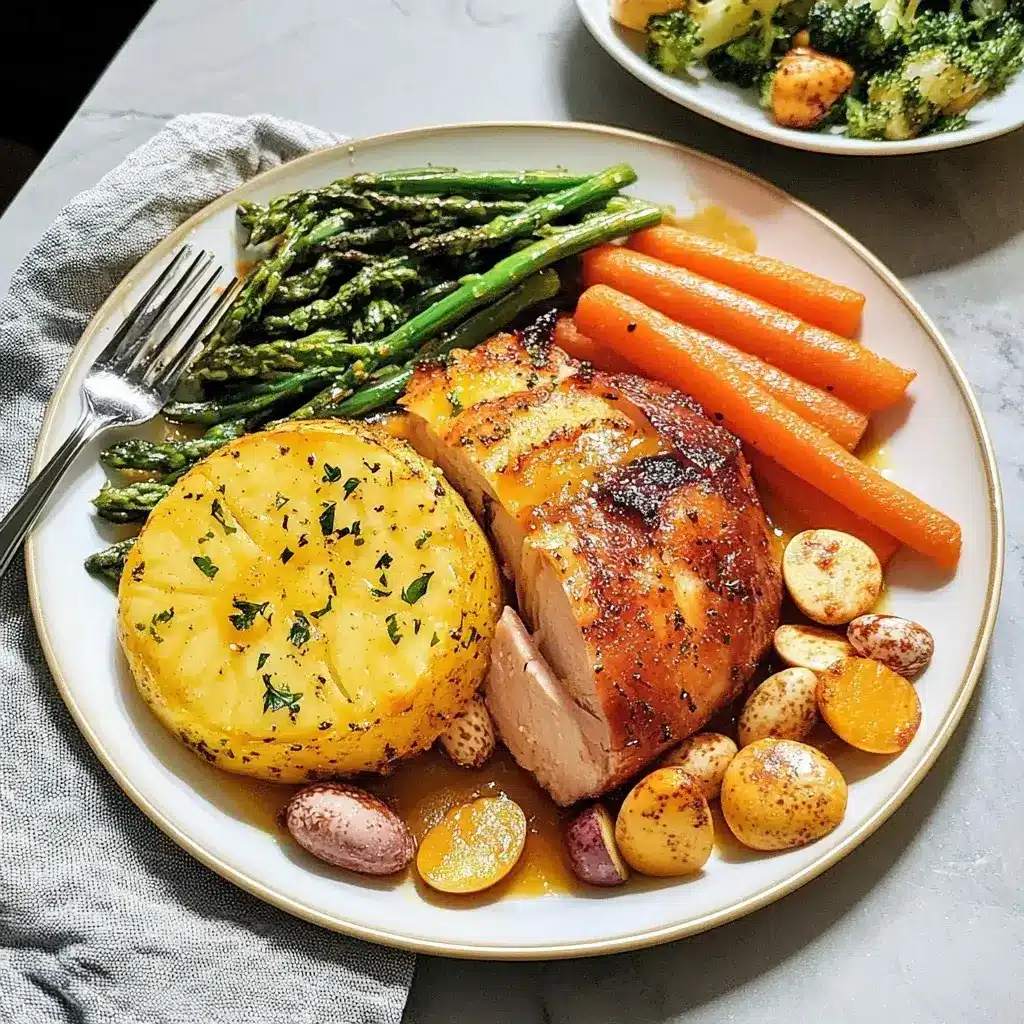
- Rest Chicken and Serve (0:50 – 1:00 hour): Once the chicken is cooked, remove it from the oven and let it rest for 10 minutes before carving. This resting time is crucial for juicy chicken. Remove the asparagus from the oven. Carve the chicken and arrange it on a serving platter with the roasted asparagus and lemon slices. Serve the quinoa salad alongside. Warm up any dinner rolls or bread if desired and place them on the table. Garnish the chicken and asparagus with fresh herb sprigs if you like.
One Hour is Up! Your delicious and impressive Easter dinner is ready to be served and enjoyed! By following these timed steps, you’ve created a balanced and flavorful meal in just 60 minutes, leaving you plenty of time to relax and celebrate Easter.
Nutrition Facts for a One-Hour Easter Dinner
(Please note: Nutritional information is an estimate and can vary based on specific ingredient brands, portion sizes, and cooking methods. The following is an approximate guide per serving, assuming 6 servings from this menu.)
Servings: Approximately 6
Calories Per Serving: Around 600-750 calories
Approximate Nutritional Breakdown Per Serving:
- Protein: 40-50g
- Excellent source of protein from chicken and quinoa, essential for muscle building and satiety.
- Fat: 30-40g
- Healthy fats from olive oil, chicken skin, and quinoa.
- Saturated Fat: Approximately 8-12g (primarily from chicken skin and Parmesan cheese)
- Unsaturated Fat: Approximately 20-28g (from olive oil, chicken, and quinoa)
- Carbohydrates: 40-50g
- Complex carbohydrates from quinoa and vegetables, providing sustained energy.
- Fiber: 8-10g (from quinoa and vegetables), promoting digestive health.
- Sodium: 400-600mg (can vary based on broth and salt usage)
- Moderate sodium content, can be further reduced by using low-sodium broth and controlling added salt.
- Vitamins and Minerals:
- Excellent source of Vitamin C, Vitamin K, Folate, and Potassium (from asparagus and vegetables)
- Good source of B Vitamins, Iron, Magnesium, and Zinc (from chicken and quinoa)
- Source of antioxidants and phytonutrients from herbs, lemons, and colorful vegetables.
Important Considerations:
- Portion Sizes: These values are based on reasonable serving sizes. Adjust portion sizes to manage calorie intake.
- Skin on Chicken: Removing the chicken skin will significantly reduce fat and calorie content but will also affect flavor and crispiness.
- Added Salt: Adjust salt according to your dietary needs and preferences. Using herbs and lemon enhances flavor naturally and can reduce the need for excessive salt.
- Dinner Rolls/Bread: Adding dinner rolls or bread will increase carbohydrate and calorie content. Choose whole grain options for added fiber.
This One-Hour Easter Dinner offers a balanced and nutritious meal with a good source of protein, healthy fats, complex carbohydrates, and essential vitamins and minerals. It’s a wholesome and satisfying way to celebrate Easter.
Preparation Time for a One-Hour Easter Dinner
This entire Easter dinner menu is designed to be prepared and cooked within one hour. Here’s a breakdown of the estimated preparation times:
- Active Prep Time (Chopping Vegetables, Preparing Chicken, Mixing Salad): 30 minutes
- This includes washing and chopping vegetables (lemons, garlic, asparagus, tomatoes, cucumber, red onion, parsley), preparing the chicken (patting dry, stuffing, seasoning), and mixing the quinoa salad dressing. Efficient knife skills and organized workflow will help keep this within 30 minutes.
- Cook Time (Roasting Chicken and Asparagus, Cooking Quinoa): 30 minutes
- This includes the 20-minute initial roast of the chicken, followed by the additional 20-minute roast with asparagus (with oven temperature adjustment), and the 15-minute simmer time for quinoa (which overlaps with the chicken roasting).
- Resting Time (Chicken): 10 minutes (occurs after cooking, before carving)
- The chicken rests while you can finish setting the table or preparing any optional serving items.
Total Time (Prep + Cook + Rest – Overlapping Tasks): Approximately 1 Hour
Key Time-Saving Strategies Integrated into this Menu:
- Quick-Roasting Chicken: Using a smaller chicken and roasting at a higher initial temperature speeds up cooking.
- Simultaneous Cooking: Roasting chicken and asparagus together in the oven, and cooking quinoa on the stovetop at the same time maximizes efficiency.
- Simple Salad: The quinoa salad is quick to assemble with minimal cooking required beyond the quinoa itself.
- Pre-Prepared Elements (Optional): Using pre-minced garlic, pre-grated Parmesan, or store-bought dinner rolls can further reduce prep time if needed.
This menu is designed for speed and efficiency, ensuring you can enjoy a delicious and festive Easter dinner without spending hours in the kitchen. The timed instructions are crucial for staying on track and achieving the one-hour goal.
How to Serve Your One-Hour Easter Dinner
Serving your One-Hour Easter Dinner beautifully enhances the celebratory feel of the meal. Here are some suggestions for presentation and serving:
Plating and Presentation:
- Chicken as Centerpiece: Present the whole roasted chicken on a large platter as the centerpiece of your table. Garnish the platter with the roasted lemon slices and fresh rosemary and thyme sprigs for visual appeal and aroma.
- Asparagus Elegantly Arranged: Arrange the roasted Parmesan asparagus on a serving dish. You can bundle the spears loosely or lay them out in a single layer. Garnish with extra grated Parmesan or a sprinkle of red pepper flakes for color.
- Vibrant Quinoa Salad: Serve the quinoa salad in a decorative bowl. The colorful vegetables (peas, tomatoes, cucumber) and fresh parsley make it visually appealing. You can garnish the salad with extra parsley or a lemon wedge.
- Warm Dinner Rolls in a Basket: Place warm dinner rolls or bread in a pretty basket lined with a cloth napkin. Offer butter alongside in a small dish.
- Lemon Wedges for Brightness: Provide lemon wedges on a small plate or in a bowl so guests can add a squeeze of fresh lemon juice to their chicken and asparagus as desired.
Table Setting:
- Easter Theme: Incorporate Easter-themed decorations into your table setting. Use pastel-colored tablecloths or placemats, Easter-themed napkins, and spring flowers as a centerpiece.
- Spring Colors: Use spring-inspired colors like pastel yellows, greens, pinks, and blues for your tableware and decorations to create a festive and cheerful atmosphere.
- Candles or Centerpiece: Add candles or a spring-themed centerpiece to your table to create a warm and inviting ambiance. A simple vase of tulips or daffodils can be very effective.
- Place Cards (Optional): If you are having guests, consider using place cards for a more formal touch. You can make them Easter-themed by adding small decorative elements like bunny cutouts or spring flowers.
Serving Style:
- Family Style: For a relaxed and communal atmosphere, serve the meal family-style. Place serving dishes of chicken, asparagus, and quinoa salad on the table and let everyone help themselves. This is ideal for casual Easter gatherings.
- Plated Meals (More Formal): For a more formal Easter dinner, you can plate each guest’s meal individually. Carve the chicken and arrange slices on plates along with portions of asparagus and quinoa salad. This is more elegant and controlled portion-wise.
- Buffet Style (Larger Gatherings): If you are hosting a larger Easter gathering, consider setting up a buffet. Arrange the dishes attractively on a buffet table and let guests serve themselves. This is efficient for larger groups and allows guests to customize their plates.
Beverage Pairings:
- Wine: A crisp white wine like Sauvignon Blanc or Pinot Grigio pairs well with the lemon-herb chicken and asparagus. A light-bodied rosé wine is also a lovely spring option.
- Non-Alcoholic: Sparkling cider, lemonade, iced tea, or flavored sparkling water are refreshing non-alcoholic choices that complement the meal.
- Water with Lemon and Herbs: Offer a pitcher of water infused with lemon slices and fresh herbs like mint or cucumber for a refreshing and hydrating option.
By paying attention to presentation and serving style, you can elevate your One-Hour Easter Dinner from a quick meal to a truly special and memorable Easter celebration for your family and guests.
Additional Tips for a Successful One-Hour Easter Dinner
To ensure your One-Hour Easter Dinner is stress-free and delicious, here are five additional tips to help you streamline the process and enjoy your Easter Sunday:
- Read the Recipe Thoroughly Before Starting: Before you even preheat the oven, read through the entire recipe and instructions carefully. Understand the timing and steps involved. This will help you anticipate what’s coming next and avoid any surprises or last-minute scrambles. Knowing the flow of the recipe in advance is key to efficient cooking.
- Mise en Place is Your Best Friend: “Mise en place” (French for “everything in its place”) is crucial for fast cooking. Before you start cooking, chop all your vegetables (lemons, garlic, asparagus, tomatoes, cucumber, red onion, parsley), measure out your spices and oils, and have all your ingredients prepped and ready to go. Having everything prepped in advance significantly speeds up the cooking process and keeps you organized.
- Utilize Overlapping Tasks Efficiently: This recipe is designed with overlapping tasks in mind. Make sure you are efficiently using your time while things are cooking. For example, while the chicken is roasting, prepare the asparagus and then start the quinoa. While the chicken and asparagus finish roasting, assemble the quinoa salad. This multitasking approach is essential for staying within the one-hour timeframe.
- Don’t Be Afraid of Store-Bought Shortcuts: For a truly stress-free one-hour dinner, don’t hesitate to utilize store-bought shortcuts where appropriate. Pre-washed and trimmed asparagus, pre-grated Parmesan cheese, pre-made dinner rolls, or even pre-cooked quinoa (if you can find it) can save valuable time. The goal is to enjoy Easter, not to spend all day in the kitchen, so embrace convenience where it makes sense.
- Delegate Tasks if Possible: If you have family members or guests who are willing to help, don’t be shy about delegating tasks. Someone can be in charge of setting the table, making the salad dressing, warming the dinner rolls, or even just keeping an eye on the oven timer. Teamwork makes the dream work, and involving others makes the cooking process more fun and less overwhelming for you.
By implementing these tips, you’ll be well-equipped to conquer your One-Hour Easter Dinner with ease, grace, and most importantly, plenty of time to relax and enjoy the holiday with your loved ones.
Frequently Asked Questions (FAQ) about a One-Hour Easter Dinner
Here are five frequently asked questions about preparing a One-Hour Easter Dinner, along with helpful answers to ensure your meal is a success:
Q1: Can I substitute any of the vegetables in the quinoa salad?
A: Absolutely! The quinoa salad is very versatile, and you can easily substitute vegetables based on your preferences or what you have on hand. Good substitutions include:
* Instead of Peas: Use edamame, green beans (blanched and chopped), or fresh fava beans (shelled and blanched).
* Instead of Cherry Tomatoes: Use diced bell peppers (red, yellow, or orange), sun-dried tomatoes (oil-packed, drained), or roasted red peppers (jarred, drained and chopped).
* Instead of Cucumber: Use zucchini (diced), celery (diced), or radish (thinly sliced).
* For Added Spring Vegetables: Consider adding chopped asparagus (raw or lightly blanched), sugar snap peas (halved), or thinly sliced scallions.
Feel free to get creative and use a mix of spring vegetables that you enjoy. Just ensure they are cut into similar sizes for even distribution in the salad.
Q2: What if I want to serve a traditional Easter ham instead of chicken in one hour?
A: While roasting a whole ham from scratch in one hour is not feasible, you can still incorporate ham into a one-hour Easter dinner with some smart strategies:
* Pre-Cooked Ham: Purchase a pre-cooked ham (spiral-sliced or boneless). These are already fully cooked and just need to be heated through. You can glaze it quickly in the oven or even heat it in the microwave for speed.
* Ham Steak: Cook ham steaks quickly in a skillet or grill pan. They cook in just minutes per side and can be served with a quick pan sauce or glaze.
* Ham in Side Dishes: Incorporate ham into side dishes to get the Easter ham flavor without the long cooking time. Add diced ham to the quinoa salad, make a quick ham and asparagus frittata, or serve ham and cheese biscuits as a side.
While a whole roasted ham is traditional, these quicker ham options allow you to enjoy the flavor of ham in your One-Hour Easter Dinner without sacrificing time.
Q3: Can I make any part of this meal ahead of time to save even more time on Easter Day?
A: Yes, absolutely! Prepping elements ahead is a great way to further streamline your One-Hour Easter Dinner. You can:
* Prepare the Quinoa Salad: The quinoa salad can be made up to a day ahead of time. Store it covered in the refrigerator. The flavors often meld even better overnight. Add the fresh parsley just before serving to keep it vibrant.
* Chop Vegetables: Chop the vegetables for the quinoa salad (cucumber, red onion, cherry tomatoes) and store them separately in airtight containers in the refrigerator up to a day ahead.
* Make the Salad Dressing: Whisk together the quinoa salad dressing and store it in an airtight container in the refrigerator up to 2 days ahead.
* Prepare Chicken for Roasting: You can stuff and season the chicken earlier in the day or even the night before. Keep it covered in the refrigerator until you are ready to roast it. However, for optimal crisp skin, pat it dry again just before roasting.
By doing some prep work in advance, you can significantly reduce your active cooking time on Easter Day and make the one-hour goal even easier to achieve.
Q4: What about dessert for a One-Hour Easter Dinner?
A: For a quick dessert to complement your One-Hour Easter Dinner, consider these easy and delicious options:
* Fresh Fruit Salad: A simple and refreshing fruit salad with seasonal spring fruits like strawberries, blueberries, melon, and kiwi.
* Store-Bought Easter Treats: Opt for store-bought Easter treats like cookies, chocolates, or cupcakes. Arrange them attractively on a platter.
* Quick Berry Parfaits: Layer yogurt or whipped cream with berries and granola in glasses or bowls.
* Lemon Bars or Brownies (Pre-made or Box Mix): Lemon bars or brownies are relatively quick to bake or can be purchased pre-made.
* Ice Cream or Sorbet: Serve a scoop of ice cream or sorbet topped with fresh berries or a drizzle of chocolate sauce.
Keep dessert simple and quick to maintain the one-hour timeframe for your overall Easter meal. Focus on fresh, light options that complement the spring flavors of the dinner.
Q5: Can I scale this recipe up or down for more or fewer servings?
A: Yes, you can easily adjust this recipe to serve more or fewer people.
* Scaling Up: To serve more, use a larger chicken (or two smaller chickens), increase the amount of asparagus and quinoa salad ingredients proportionally. You may need to use larger roasting pans and adjust cooking times slightly for a larger chicken – use a meat thermometer to ensure doneness.
* Scaling Down: To serve fewer, use a smaller chicken (or chicken pieces like bone-in, skin-on chicken breasts or thighs), and reduce the quantities of asparagus and quinoa salad ingredients accordingly. Cooking times may be slightly shorter for smaller chicken pieces.
When scaling, it’s generally best to adjust ingredient quantities proportionally to maintain the balance of flavors in the meal. For significant changes in serving size, you might need to adjust cooking times and pan sizes to ensure everything cooks evenly.
These FAQs should address common questions and concerns about preparing a delicious and efficient One-Hour Easter Dinner, empowering you to create a wonderful holiday meal with ease and joy!
Print
One Hour Easter Dinner recipe
Ingredients
For the Lemon-Herb Roasted Chicken (Main Course):
- Whole Chicken: 1 (3-4 pound) chicken. Opt for a chicken of this size for quick roasting. Ensure it’s thawed completely if frozen. Smaller chickens cook faster, aligning with our one-hour goal. Look for air-chilled chicken if possible for crispier skin.
- Lemons: 2 lemons. One for stuffing the cavity and one for slicing and roasting around the chicken. Choose lemons that are firm and heavy for their size, indicating juiciness. Organic lemons are a good choice if you plan to use the zest.
- Fresh Rosemary: 2 sprigs. Rosemary adds a fragrant, piney aroma that complements lemon and chicken beautifully. Fresh rosemary is preferred for its robust flavor. If using dried, reduce the amount significantly.
- Fresh Thyme: 2 sprigs. Thyme provides an earthy, slightly minty flavor that enhances the overall herb profile. Fresh thyme is recommended for its delicate aroma. If using dried, reduce the quantity.
- Garlic: 3 cloves, minced. Garlic adds a savory depth to the chicken. Freshly minced garlic is best for flavor. Pre-minced garlic can be used for convenience but may lack the same intensity.
- Olive Oil: 2 tablespoons. Olive oil helps the chicken skin crisp up and adds moisture. Extra virgin olive oil is a good choice for its flavor and health benefits.
- Salt: 2 teaspoons, or to taste. Salt is essential for seasoning the chicken and bringing out its natural flavors. Kosher salt or sea salt are preferred for their clean taste.
- Black Pepper: 1 teaspoon, freshly ground, or to taste. Freshly ground black pepper adds a pungent, aromatic element. Adjust the amount to your preference.
For the Roasted Asparagus with Parmesan (Side Dish):
- Asparagus: 1 pound, trimmed. Choose asparagus spears that are firm and bright green. Snap off the tough ends of the asparagus – they will naturally break where they become tender. Thicker spears may require slightly longer roasting time.
- Olive Oil: 1 tablespoon. Olive oil helps the asparagus roast evenly and become tender-crisp.
- Grated Parmesan Cheese: ¼ cup. Parmesan cheese adds a salty, savory, and nutty flavor that complements asparagus perfectly. Freshly grated Parmesan is preferred for its superior taste and texture. Pre-grated can be used for convenience.
- Salt: ½ teaspoon, or to taste. Salt enhances the flavors of the asparagus and Parmesan.
- Black Pepper: ¼ teaspoon, freshly ground, or to taste. Freshly ground black pepper adds a subtle spice.
- Lemon Juice (optional): 1 tablespoon, fresh. A squeeze of fresh lemon juice brightens the flavors of the roasted asparagus.
For the Quick Quinoa Salad with Spring Vegetables (Side Dish):
- Quinoa: 1 cup, uncooked. Quinoa is a quick-cooking grain that’s packed with protein and nutrients. Rinse quinoa thoroughly before cooking to remove any bitterness.
- Vegetable Broth or Water: 2 cups. Using vegetable broth adds more flavor to the quinoa than water. Low-sodium broth is a healthier option.
- Frozen Peas: 1 cup. Frozen peas are a convenient and readily available spring vegetable. Thaw them slightly before adding to the salad.
- Cherry Tomatoes: 1 pint, halved. Cherry tomatoes add sweetness and acidity to the salad. Choose ripe and firm cherry tomatoes.
- Cucumber: ½ cucumber, diced. Cucumber provides a refreshing coolness and crunch. English cucumbers or Persian cucumbers are good choices as they have fewer seeds.
- Red Onion: ¼ red onion, finely diced. Red onion adds a sharp, pungent flavor. Finely dicing it mellows the intensity. You can soak diced red onion in cold water for a few minutes to reduce its sharpness if desired.
- Fresh Parsley: ¼ cup, chopped. Fresh parsley adds a bright, herbaceous flavor. Italian flat-leaf parsley is preferred for its stronger flavor.
- Lemon Juice: 2 tablespoons, fresh. Fresh lemon juice provides acidity and brightness to the salad dressing.
- Olive Oil: 3 tablespoons. Olive oil forms the base of the salad dressing and adds richness. Extra virgin olive oil is recommended.
- Dijon Mustard: 1 teaspoon. Dijon mustard adds a tangy and slightly spicy note to the dressing.
- Salt: ½ teaspoon, or to taste. Salt seasons the salad and dressing.
- Black Pepper: ¼ teaspoon, freshly ground, or to taste. Freshly ground black pepper adds a touch of spice.
Instructions
- Preheat Oven and Prep Chicken (0:00 – 0:05 minutes): Preheat your oven to 425°F (220°C). While the oven preheats, prepare the chicken. Remove the giblets from the cavity of the chicken and pat the chicken dry with paper towels. Drying the skin is crucial for crispy skin.
- Stuff and Season Chicken (0:05 – 0:10 minutes): Cut one lemon in half and stuff the cavity of the chicken with the lemon halves, rosemary sprigs, and thyme sprigs. Mince the garlic. In a small bowl, combine olive oil, minced garlic, salt, and pepper. Rub this mixture all over the outside of the chicken, ensuring even coverage. This will season the chicken and help the skin brown beautifully.
- Roast Chicken and Prepare Asparagus (0:10 – 0:20 minutes): Place the remaining lemon (cut into slices) around the chicken in a roasting pan. Roast the chicken in the preheated oven for 20 minutes. While the chicken is roasting, prepare the asparagus. Trim the tough ends of the asparagus. Toss the asparagus with olive oil, salt, and pepper in a bowl. Prepare a baking sheet by lining it with parchment paper for easy cleanup.
- Add Asparagus to Oven and Start Quinoa (0:20 – 0:25 minutes): After the chicken has roasted for 20 minutes, add the asparagus to the baking sheet and place it in the oven alongside the chicken. Reduce the oven temperature to 400°F (200°C). Simultaneously, start cooking the quinoa. Rinse the quinoa in a fine-mesh sieve under cold water. In a medium saucepan, combine the rinsed quinoa and vegetable broth (or water). Bring to a boil, then reduce heat to low, cover, and simmer for 15 minutes, or until all the liquid is absorbed and the quinoa is fluffy.
- Finish Chicken and Roast Asparagus (0:25 – 0:40 minutes): Continue roasting the chicken and asparagus for another 15-20 minutes. The chicken is done when a meat thermometer inserted into the thickest part of the thigh registers 165°F (74°C) and the juices run clear when pierced with a fork. The asparagus should be tender-crisp and slightly browned. During the last 5 minutes of roasting, sprinkle the Parmesan cheese over the asparagus to melt and lightly brown.
- Prepare Quinoa Salad (0:40 – 0:50 minutes): While the chicken and asparagus are finishing up, prepare the quinoa salad. Once the quinoa is cooked, fluff it with a fork and let it cool slightly. In a large bowl, combine the cooked quinoa, thawed frozen peas, halved cherry tomatoes, diced cucumber, and finely diced red onion. In a small bowl, whisk together lemon juice, olive oil, Dijon mustard, salt, and pepper to make the dressing. Pour the dressing over the quinoa salad and toss gently to combine. Stir in the chopped fresh parsley.
- Rest Chicken and Serve (0:50 – 1:00 hour): Once the chicken is cooked, remove it from the oven and let it rest for 10 minutes before carving. This resting time is crucial for juicy chicken. Remove the asparagus from the oven. Carve the chicken and arrange it on a serving platter with the roasted asparagus and lemon slices. Serve the quinoa salad alongside. Warm up any dinner rolls or bread if desired and place them on the table. Garnish the chicken and asparagus with fresh herb sprigs if you like.
Nutrition
- Serving Size: one normal portion
- Calories: 600-750
- Sodium: 400-600mg
- Fat: 30-40g
- Saturated Fat: 8-12g
- Unsaturated Fat: 20-28g
- Carbohydrates: 40-50g
- Fiber: 8-10g
- Protein: 40-50g