

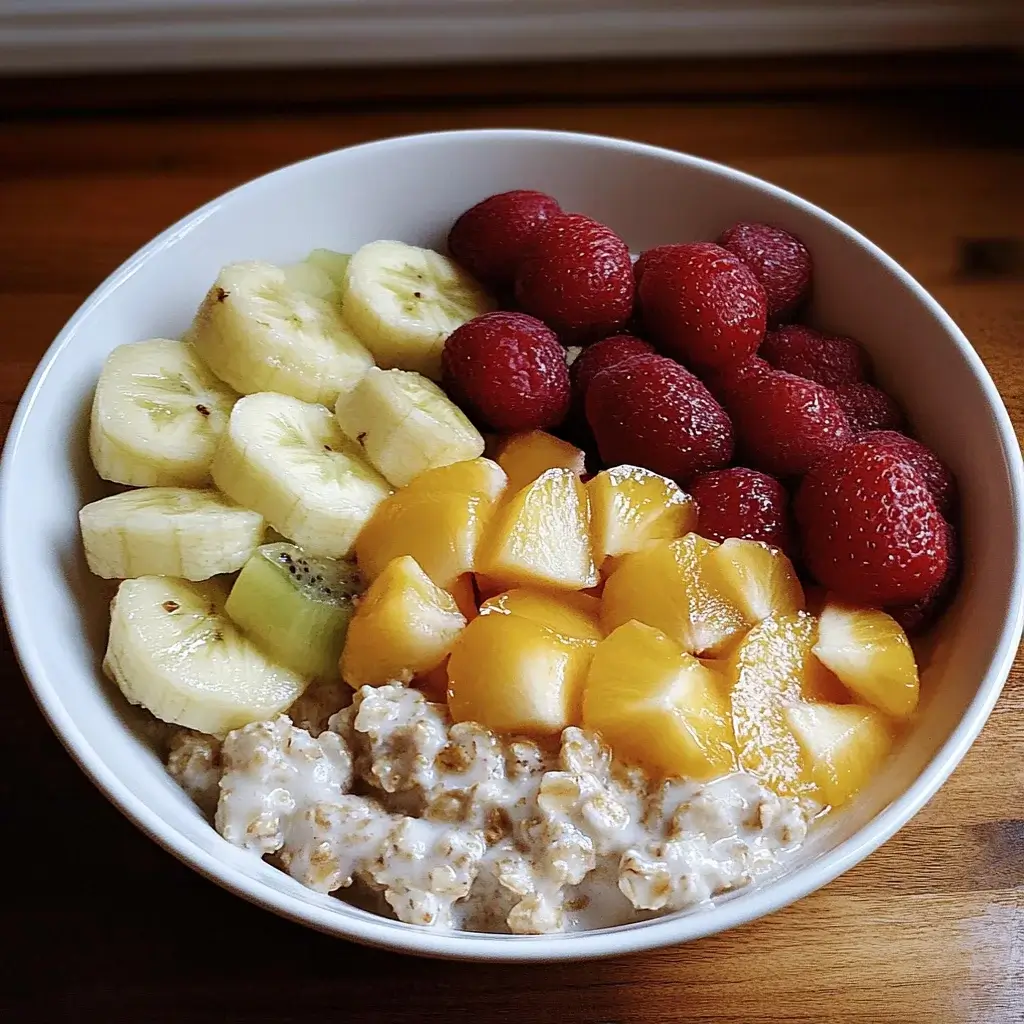

For years, oatmeal was, to me, a rather bland and utilitarian breakfast choice – something you ate because it was “good for you,” not necessarily because you craved it. That was until I stumbled upon the simple yet transformative addition of fresh fruit. It wasn’t just about adding sweetness; it was about vibrancy, texture, and a burst of natural flavor that completely revitalized my perception of this humble grain. Suddenly, oatmeal wasn’t just a breakfast; it became an exciting morning ritual. My kids, initially skeptical of anything that wasn’t sugary cereal, were quickly won over by the colorful array of berries, sliced bananas, and juicy peaches adorning their bowls. What started as a way to sneak in more fruit has evolved into a daily family tradition. From cozy winter mornings with warm spiced apple oatmeal to bright summer days with refreshing berry-topped bowls, oatmeal with fresh fruit has become our go-to breakfast, snack, and even a surprisingly satisfying light dessert. It’s versatile, customizable, and undeniably delicious. If you’re looking to elevate your breakfast game and embrace a nourishing and flavorful start to your day, prepare to be enchanted by the simple magic of oatmeal and fresh fruit – a combination that’s as good for your body as it is for your taste buds.
The Essential Ingredients for Delicious Oatmeal with Fresh Fruit
The beauty of oatmeal with fresh fruit lies in its simplicity and the incredible versatility it offers with just a few key ingredients. While the base is straightforward, understanding each component allows you to tailor your oatmeal to your exact preferences and create endless variations. Let’s explore the core ingredients that form the foundation of this wholesome and flavorful dish:
1. The Heart of the Bowl: Oats
- Rolled Oats (Old-Fashioned Oats): These are the most common type and a fantastic all-rounder. Rolled oats are steamed and flattened oat groats, offering a balance of texture and cooking time. They cook in about 5-7 minutes on the stovetop, resulting in a creamy yet slightly chewy oatmeal. They are perfect for everyday breakfasts and retain their shape well, making them ideal for overnight oats too.
- Steel-Cut Oats (Irish Oats): These are the least processed type, made by chopping oat groats into smaller pieces. Steel-cut oats have a distinctively chewy and nutty texture, requiring a longer cooking time of around 20-30 minutes on the stovetop. They are known for their robust flavor and satisfyingly hearty consistency, making them a wonderful choice for a more substantial and warming breakfast.
- Quick Oats (Instant Oats): These are the most processed oats, pre-cooked, dried, and rolled very thinly. Quick oats cook in just 1-2 minutes, making them incredibly convenient for busy mornings. However, they tend to have a softer, less textured consistency compared to rolled or steel-cut oats. While convenient, they are often lower in fiber and can become mushier if overcooked.
- Oat Groats: These are the whole, unbroken oat kernels and the least processed form of oats. Oat groats have a very chewy texture and require the longest cooking time, often around 40-50 minutes on the stovetop or in a slow cooker. They offer the most robust oat flavor and are packed with nutrients, but their longer cooking time makes them less common for daily breakfasts.
- Gluten-Free Oats: Oats are naturally gluten-free, but they are often processed in facilities that also handle wheat, barley, and rye. For those with celiac disease or gluten sensitivity, it’s crucial to choose certified gluten-free oats to ensure they are free from cross-contamination.
2. The Liquid Base: Water or Milk (or Both!)
- Water: Using water as the liquid base allows the pure oat flavor to shine through and keeps the calorie count lower. Water-based oatmeal is a great option for those watching their calorie intake or who prefer a lighter taste. It also allows the sweetness and flavors of the fruit and toppings to stand out more prominently.
- Dairy Milk: Milk (whole milk, 2%, 1%, or skim) adds creaminess, richness, and protein to your oatmeal. Dairy milk also contributes calcium and other essential nutrients. Whole milk will create the richest and creamiest oatmeal, while lower-fat milk options offer a lighter texture and fewer calories.
- Non-Dairy Milk: A wide variety of non-dairy milk alternatives can be used to make delicious oatmeal, catering to dietary preferences and allergies.
- Almond Milk: Adds a slightly nutty flavor and is lower in calories than dairy milk. Unsweetened almond milk is a good option for controlling sugar intake.
- Soy Milk: Offers a creamy texture and is a good source of protein, similar to dairy milk.
- Oat Milk: Creates extra creamy oatmeal and enhances the oat flavor. Oat milk is naturally slightly sweet and creamy.
- Coconut Milk (Canned or Cartoned): Adds a rich, tropical flavor. Cartoned coconut milk is lighter in texture, while canned coconut milk (especially full-fat) will create a very decadent and creamy oatmeal.
- Cashew Milk: Similar to almond milk but often even creamier and milder in flavor.
- Rice Milk: A lighter and naturally sweeter option, good for those with nut or soy allergies.
3. The Star of the Show: Fresh Fruit
- Berries: Strawberries, blueberries, raspberries, blackberries – berries are nutritional powerhouses packed with antioxidants, vitamins, and fiber. They add vibrant color, sweetness, and a delightful burst of flavor to oatmeal. Mixed berries are always a crowd-pleaser, and each type offers unique benefits.
- Bananas: Sliced bananas add natural sweetness, creaminess, and potassium to your oatmeal. They are readily available year-round and provide a satisfyingly soft texture. Ripe bananas mash slightly into the oatmeal, adding a natural thickening effect.
- Apples: Diced or sliced apples, especially varieties like Honeycrisp or Fuji, offer a crisp texture and natural sweetness. Sautéing apples with cinnamon before adding them to oatmeal brings out their warmth and flavor even more.
- Peaches and Nectarines: Sliced peaches and nectarines bring a juicy sweetness and summery flavor to oatmeal. They soften beautifully when added to warm oatmeal and pair wonderfully with cinnamon and vanilla.
- Pears: Diced or sliced pears offer a delicate sweetness and slightly grainy texture that complements oatmeal. Similar to apples, sautéing pears with spices enhances their flavor.
- Citrus Fruits (Oranges, Grapefruit, Mandarins): Segments of oranges, grapefruit, or mandarins add a refreshing tang and Vitamin C boost to oatmeal. They are particularly delicious in overnight oats or paired with tropical flavors.
- Tropical Fruits (Mango, Pineapple, Kiwi): Diced mango, pineapple, and kiwi bring a vibrant tropical sweetness and unique textures to oatmeal. They are especially delicious in overnight oats or cold oatmeal bowls.
- Seasonal Fruits: Embrace the seasons and use fruits that are fresh and in season for the best flavor and nutritional value. Think berries in summer, apples and pears in fall, citrus in winter, and stone fruits in spring.
4. Optional Sweeteners: Natural is Best
- Maple Syrup: A natural sweetener with a distinctive flavor that pairs beautifully with oatmeal. Choose pure maple syrup for the best taste and avoid artificial syrups.
- Honey: Another natural sweetener with a floral note and antioxidants. Local honey can add unique flavor nuances.
- Dates (Medjool Dates): Dates, especially Medjool dates, are incredibly sweet and can be blended into oatmeal for natural sweetness and added fiber. Date syrup is another option.
- Stevia: A plant-based, zero-calorie sweetener that can be used sparingly to add sweetness without calories or impacting blood sugar.
- Monk Fruit Sweetener: Another natural, zero-calorie sweetener similar to stevia, offering sweetness without calories or blood sugar impact.
- Brown Sugar or Coconut Sugar: For a richer sweetness, brown sugar or coconut sugar can be used in moderation. Coconut sugar has a slightly lower glycemic index than refined sugar.
5. Enhancing Toppings: Texture and Flavor Boosters
- Nuts and Seeds: Almonds, walnuts, pecans, chia seeds, flax seeds, pumpkin seeds, sunflower seeds – nuts and seeds add healthy fats, protein, fiber, and satisfying crunch to oatmeal. Toasted nuts and seeds offer enhanced flavor and texture.
- Spices: Cinnamon, nutmeg, ginger, cardamom – spices add warmth, aroma, and depth of flavor to oatmeal. Cinnamon is a classic pairing, while nutmeg and ginger add a cozy, warming touch.
- Vanilla Extract or Almond Extract: A splash of vanilla extract or almond extract enhances the sweetness and aroma of oatmeal.
- Nut Butters (Peanut Butter, Almond Butter, Cashew Butter): Nut butters add creaminess, protein, healthy fats, and a rich, nutty flavor. Drizzling nut butter over warm oatmeal creates a decadent and satisfying topping.
- Coconut Flakes (Toasted or Unsweetened): Toasted coconut flakes add a tropical flavor and crunchy texture. Unsweetened coconut flakes are a healthier option.
- Granola: A sprinkle of granola adds extra crunch and sweetness. Choose granola with whole grains and lower sugar content.
- Yogurt (Greek Yogurt, Regular Yogurt, Plant-Based Yogurt): A dollop of yogurt adds creaminess, protein, and probiotics. Greek yogurt offers extra protein and tanginess. Plant-based yogurts cater to vegan diets and lactose intolerance.
- Dried Fruit (Raisins, Cranberries, Chopped Apricots): Dried fruit adds sweetness and chewiness, but use in moderation as they are concentrated in sugar.
6. A Pinch of Salt: Essential Flavor Enhancer
- Salt: A pinch of salt might seem counterintuitive in oatmeal, but it is crucial for enhancing the flavors of the oats, sweeteners, and toppings. Salt balances the sweetness and prevents the oatmeal from tasting bland. Just a small pinch is enough to make a noticeable difference.
By thoughtfully combining these ingredients, you can create endless variations of oatmeal with fresh fruit, catering to your taste preferences, dietary needs, and the seasonal bounty of fresh produce.
Crafting the Perfect Bowl: Step-by-Step Instructions for Oatmeal with Fresh Fruit
Making delicious oatmeal with fresh fruit is remarkably simple, whether you prefer the stovetop, microwave, or a more hands-off approach. Here are detailed instructions for various cooking methods to suit your time and preferences:
1. Classic Stovetop Oatmeal (Creamy and Chewy):
- Ingredients:
- ½ cup rolled oats or steel-cut oats
- 1 cup liquid (water, milk, or a combination)
- Pinch of salt
- Fresh fruit and toppings of your choice
- Instructions:
- Combine Oats, Liquid, and Salt: In a small saucepan, combine the oats, liquid, and salt.
- Bring to a Boil: Bring the mixture to a boil over medium-high heat, stirring occasionally to prevent sticking.
- Reduce Heat and Simmer: Once boiling, reduce the heat to low and simmer gently, uncovered, for the recommended cooking time based on the type of oats:
- Rolled Oats: 5-7 minutes, stirring occasionally until creamy and thickened.
- Steel-Cut Oats: 20-30 minutes, stirring frequently until creamy and tender.
- Quick Oats: 1-2 minutes, stirring until desired consistency is reached.
- Remove from Heat and Let Stand: Once cooked to your desired consistency, remove the saucepan from the heat and let the oatmeal stand for a minute or two to thicken further.
- Serve and Top: Pour the oatmeal into a bowl and top generously with fresh fruit and your favorite toppings (sweetener, nuts, seeds, spices, yogurt, etc.).
2. Quick Microwave Oatmeal (Fast and Convenient):
- Ingredients:
- ½ cup quick oats or rolled oats
- 1 cup liquid (water or milk)
- Pinch of salt
- Fresh fruit and toppings of your choice
- Instructions:
- Combine Oats, Liquid, and Salt in Microwave-Safe Bowl: In a microwave-safe bowl (large enough to prevent boil-over), combine the oats, liquid, and salt.
- Microwave on High: Microwave on high power for 1-2 minutes for quick oats, or 2-3 minutes for rolled oats. Cooking time may vary depending on your microwave wattage.
- Stir and Check Consistency: Carefully remove the bowl from the microwave (it will be hot!). Stir the oatmeal and check the consistency. If needed, microwave for another 30 seconds to 1 minute until desired thickness is reached.
- Let Stand and Top: Let the oatmeal stand for a minute to cool slightly and thicken. Top with fresh fruit and your favorite toppings.
3. Effortless Overnight Oats (Cold and Creamy):
- Ingredients (per serving):
- ½ cup rolled oats
- ½ cup liquid (milk or non-dairy milk)
- 1 tablespoon chia seeds (optional, for extra creaminess and thickness)
- Pinch of salt (optional)
- Sweetener of choice to taste (maple syrup, honey, etc., optional)
- Fresh fruit and toppings of your choice
- Instructions:
- Combine Ingredients in Jar or Container: In a jar or airtight container, combine the rolled oats, liquid, chia seeds (if using), salt (if using), and sweetener (if using).
- Stir Well: Stir all ingredients together to ensure everything is well combined.
- Refrigerate Overnight: Cover the jar or container and refrigerate overnight or for at least 4 hours.
- Enjoy Cold or Warm (Optional): In the morning, your overnight oats will be thickened and creamy. Enjoy them cold straight from the refrigerator. Alternatively, you can warm them up slightly in the microwave or on the stovetop if you prefer warm oatmeal.
- Top with Fresh Fruit: Top with fresh fruit and your favorite toppings just before serving.
4. Hands-Off Slow Cooker Oatmeal (Perfect for Meal Prep):
- Ingredients (for a larger batch, adjust as needed):
- 1 cup steel-cut oats
- 4 cups liquid (water or milk, or a combination)
- Pinch of salt
- Optional: Cinnamon stick, vanilla extract
- Fresh fruit and toppings of your choice
- Instructions:
- Combine Ingredients in Slow Cooker: In a slow cooker, combine the steel-cut oats, liquid, salt, and optional cinnamon stick or vanilla extract.
- Cook on Low: Cook on low heat for 6-8 hours or on high heat for 2-3 hours. Cooking times may vary depending on your slow cooker model.
- Stir and Serve: Once cooked, stir the oatmeal to break up any clumps and create a creamy consistency.
- Serve Hot and Top: Serve hot, topped with fresh fruit and your favorite toppings.
5. Speedy Instant Pot Oatmeal (Quick Pressure Cooking):
- Ingredients:
- ½ cup rolled oats or steel-cut oats
- 1 cup liquid (water or milk)
- Pinch of salt
- Fresh fruit and toppings of your choice
- Instructions:
- Combine Ingredients in Instant Pot: In the Instant Pot, combine the oats, liquid, and salt.
- Pressure Cook: Secure the lid and set the valve to sealing. Cook on high pressure for:
- Rolled Oats: 1 minute
- Steel-Cut Oats: 3-5 minutes
- Natural Pressure Release: Allow for a natural pressure release for 10-15 minutes, then quick release any remaining pressure.
- Stir and Serve: Carefully remove the lid. Stir the oatmeal until creamy.
- Serve Hot and Top: Serve hot, topped with fresh fruit and your favorite toppings.
Tips for Perfect Oatmeal Texture:
- Liquid Ratio: Adjust the liquid-to-oats ratio to achieve your desired consistency. For creamier oatmeal, use slightly more liquid. For thicker oatmeal, use less liquid.
- Stirring: Stirring regularly during cooking helps release starches and creates a creamier texture.
- Cooking Time: Don’t overcook oatmeal, especially quick oats, as it can become mushy. Cook until just thickened to your liking.
- Let it Rest: Allowing oatmeal to stand for a minute or two after cooking helps it thicken further.
- Add Milk/Cream at the End (Optional): For extra creaminess, stir in a splash of milk, cream, or non-dairy creamer at the very end of cooking.
With these detailed instructions and tips, you can confidently create delicious oatmeal with fresh fruit using your preferred cooking method, ensuring a perfect bowl every time.
Nutritional Powerhouse: Oatmeal with Fresh Fruit Nutrition Facts
Oatmeal with fresh fruit is not just a delicious and versatile breakfast, but also a nutritional powerhouse packed with benefits for your health and well-being. It provides a balanced combination of carbohydrates, fiber, vitamins, and minerals, making it an excellent choice for starting your day or enjoying as a wholesome snack.
Serving Size & Calories (Estimates):
- Serving Size: A typical serving size is 1 cup of cooked oatmeal.
- Calories Per Serving (Estimated): The calorie count will vary depending on the type of oats, liquid used, sweeteners, and toppings. However, a general estimate for a 1-cup serving of plain oatmeal (made with water) is approximately 150-200 calories. Adding milk, sweeteners, and toppings will increase the calorie count.
Key Nutritional Benefits (per serving, approximate and varies based on ingredients):
- Excellent Source of Fiber: Oats are renowned for their high fiber content, particularly soluble fiber called beta-glucan. Fiber is crucial for:
- Digestive Health: Promotes regular bowel movements and prevents constipation.
- Heart Health: Beta-glucan fiber helps lower LDL (“bad”) cholesterol levels, reducing the risk of heart disease.
- Blood Sugar Control: Soluble fiber slows down glucose absorption, helping to stabilize blood sugar levels and improve insulin sensitivity.
- Satiety and Weight Management: Fiber promotes feelings of fullness, helping to control appetite and support weight management.
- Whole Grains for Sustained Energy: Oats are a whole grain, providing complex carbohydrates that are digested slowly, offering a sustained release of energy throughout the morning. This helps prevent energy crashes and keeps you feeling full and satisfied for longer.
- Vitamins and Minerals: Oatmeal and fresh fruit contribute a range of essential vitamins and minerals:
- Oats: Provide manganese, phosphorus, magnesium, iron, zinc, and B vitamins.
- Fresh Fruit: Varying fruits offer different vitamins and antioxidants. Berries are rich in Vitamin C and antioxidants. Bananas provide potassium. Apples offer Vitamin C and fiber. And so on.
- Antioxidant Rich: Fresh fruits, especially berries, are packed with antioxidants, which protect your cells from damage caused by free radicals. Antioxidants are linked to reduced risk of chronic diseases and improved overall health.
- Protein Source (Moderate): Oats contain a moderate amount of protein, which can be enhanced by adding milk, nuts, seeds, or yogurt as toppings. Protein is essential for building and repairing tissues, supporting muscle mass, and promoting satiety.
- Healthy Fats (from Toppings): Adding nuts, seeds, and nut butter to your oatmeal provides healthy fats, including monounsaturated and polyunsaturated fats, which are beneficial for heart health, brain function, and hormone production.
- Low in Sodium and Cholesterol (Naturally): Plain oatmeal is naturally low in sodium and cholesterol. Using water as the liquid base and controlling added salt and sweeteners keeps it a heart-healthy choice.
Breakdown of Approximate Nutritional Values per 1-cup Serving of Plain Oatmeal (made with water, no toppings):
- Calories: 150-200 kcal
- Protein: 5-7 grams
- Fat: 2-4 grams
- Saturated Fat: Less than 1 gram
- Cholesterol: 0 mg
- Sodium: Very low (depending on salt added)
- Carbohydrates: 30-40 grams
- Fiber: 4-5 grams
- Sugar: Less than 1 gram (naturally occurring in oats)
Adding Fresh Fruit and Toppings:
Adding fresh fruit and toppings will increase the nutritional value further, providing more vitamins, minerals, antioxidants, healthy fats, and potentially more protein (depending on toppings). Be mindful of portion sizes and added sweeteners to manage calorie intake and maintain a healthy balance.
Health Benefits of Oatmeal with Fresh Fruit:
- Supports Heart Health: The soluble fiber in oatmeal and antioxidants in fresh fruit contribute to lowering cholesterol levels and reducing the risk of heart disease.
- Promotes Digestive Health: High fiber content aids in digestion, prevents constipation, and supports a healthy gut microbiome.
- Helps Regulate Blood Sugar: Soluble fiber helps stabilize blood sugar levels, making it a good choice for people with diabetes or those at risk.
- Boosts Energy Levels: Whole grains provide sustained energy release, preventing energy crashes and keeping you feeling energized throughout the morning.
- Supports Weight Management: High fiber and protein content promote satiety, helping to control appetite and support healthy weight management.
- Rich in Antioxidants: Fresh fruit provides antioxidants that protect against cell damage and may reduce the risk of chronic diseases.
Oatmeal with fresh fruit is a truly nutritious and versatile meal that offers a wide range of health benefits. By choosing whole grain oats, incorporating plenty of fresh fruit, and being mindful of toppings and sweeteners, you can create a delicious and nourishing meal that supports your overall well-being.
Prep Time Efficiency: Getting Oatmeal with Fresh Fruit Ready Quickly
One of the many advantages of oatmeal with fresh fruit is its quick preparation time, making it an ideal choice for busy mornings or when you need a fast and healthy meal. Depending on the cooking method and type of oats, you can have a delicious bowl ready in just minutes.
Breakdown of Prep Time:
- Stovetop Oatmeal (Rolled Oats): Approximately 10-15 minutes (including cooking time).
- Measuring ingredients: 2 minutes
- Cooking time: 5-7 minutes
- Topping with fruit and garnishes: 3-5 minutes
- Stovetop Oatmeal (Steel-Cut Oats): Approximately 30-35 minutes (including cooking time).
- Measuring ingredients: 2 minutes
- Cooking time: 20-30 minutes
- Topping with fruit and garnishes: 3-5 minutes
- Microwave Oatmeal: Approximately 5-7 minutes (including cooking time).
- Measuring ingredients: 2 minutes
- Cooking time: 1-3 minutes
- Topping with fruit and garnishes: 2 minutes
- Overnight Oats: Approximately 5 minutes prep time (plus overnight chilling).
- Measuring ingredients: 3 minutes
- Mixing ingredients: 2 minutes
- Topping with fruit and garnishes (in the morning): 2 minutes
- Slow Cooker Oatmeal (Steel-Cut): Approximately 10 minutes prep time (plus cooking time).
- Measuring ingredients: 5 minutes
- Adding ingredients to slow cooker: 5 minutes
- Topping with fruit and garnishes (after cooking): 3-5 minutes
- Instant Pot Oatmeal: Approximately 10-15 minutes (including pressure building and release time).
- Measuring ingredients: 5 minutes
- Adding ingredients to Instant Pot: 2 minutes
- Cooking time and pressure release: 5-8 minutes
- Topping with fruit and garnishes: 2 minutes
Fastest Methods:
- Microwave Oatmeal: The quickest method, ready in just a few minutes. Ideal for super busy mornings.
- Quick Oats on Stovetop: Quick oats cook in just 1-2 minutes on the stovetop, making it a very fast option.
- Overnight Oats: While requiring overnight chilling, the active prep time is minimal (just a few minutes).
Slower Methods (for different benefits):
- Steel-Cut Oats on Stovetop: Longer cooking time yields a chewier texture and more robust flavor.
- Slow Cooker Oatmeal: Hands-off cooking, great for meal prep and waking up to a warm breakfast.
- Instant Pot Steel-Cut Oats: Faster than stovetop steel-cut oats while still retaining a good texture.
Tips to Speed Up Prep Time:
- Measure Ingredients in Advance: Measure out your oats and liquid the night before and store them in airtight containers or jars for quick assembly in the morning.
- Pre-chop Fruit: Wash and chop your fruits in advance and store them in airtight containers in the refrigerator. Berries can be washed and stored whole.
- Overnight Oats Prep: Prepare overnight oats the night before for a grab-and-go breakfast.
- Utilize Quick Oats: If speed is your priority, quick oats are the fastest option.
- Microwave Cooking: Microwave cooking is the fastest method for cooking oatmeal.
Make-Ahead Options:
- Overnight Oats: Prepared entirely the night before and ready to eat cold or warmed up.
- Slow Cooker Oatmeal: Can be made in large batches and stored in the refrigerator for several days. Reheat individual portions as needed.
- Cooked Oatmeal (Stovetop or Microwave): Cooked oatmeal can be stored in an airtight container in the refrigerator for up to 3-4 days. Reheat on the stovetop or in the microwave with a little extra liquid to restore creaminess.
Oatmeal with fresh fruit is a remarkably time-efficient meal, perfect for busy lifestyles. Whether you opt for a lightning-fast microwave version or a make-ahead overnight option, you can enjoy a healthy and delicious breakfast without spending a lot of time in the kitchen.
How to Serve Oatmeal with Fresh Fruit: From Simple to Stunning
Oatmeal with fresh fruit is a versatile dish that can be served in countless ways, from a simple everyday breakfast to a more elegant brunch offering or even a healthy dessert. Presentation and creative toppings can elevate this humble dish to a culinary delight. Here are various serving suggestions:
Serving Styles:
- Classic Warm Bowl: The most common and comforting way to serve oatmeal. Ladle warm oatmeal into a bowl and top with fresh fruit and desired toppings.
- Cold Overnight Oats Jar: Perfect for grab-and-go breakfasts or warmer weather. Serve overnight oats directly from the jar or transfer to a bowl.
- Oatmeal Smoothie Bowl: Blend cooked oatmeal with liquid, fruit, and other smoothie ingredients for a thicker, spoonable smoothie bowl. Top with fresh fruit, granola, and seeds.
- Baked Oatmeal: Bake oatmeal with fruit and toppings for a casserole-style breakfast or brunch dish. Serve warm slices of baked oatmeal.
- Oatmeal Parfait: Layer cooked oatmeal with yogurt, fresh fruit, granola, and other toppings in a glass or parfait dish for a visually appealing and textured breakfast or dessert.
Garnish & Topping Ideas (Beyond Basic Fruit):
- Fresh Fruit Arrangements: Arrange fresh fruit attractively on top of the oatmeal. Create patterns, use different colors and textures of fruit for visual appeal.
- Nut and Seed Streusel: Make a simple streusel topping with toasted nuts, seeds, oats, and a touch of sweetener. Sprinkle over oatmeal for added crunch and flavor.
- Fruit Compotes or Sauces: Top with homemade fruit compotes (berries, apples, peaches) or fruit sauces (apple sauce, berry sauce). Warm compotes add extra warmth and sweetness.
- Whipped Cream or Coconut Cream: A dollop of whipped cream or coconut cream adds a touch of indulgence and creaminess, especially for dessert oatmeal.
- Chocolate Shavings or Cacao Nibs: Dark chocolate shavings or cacao nibs add a slightly bitter and sophisticated touch, especially with berry or banana oatmeal.
- Caramel Sauce or Maple Syrup Drizzle: A drizzle of caramel sauce or maple syrup (beyond just sweetener) adds extra sweetness and richness.
- Edible Flowers: For a truly elegant presentation, garnish with edible flowers like pansies or violets, especially for brunch or special occasions.
- Spice Dusting: Dust the top of oatmeal with cinnamon, nutmeg, or cocoa powder for added aroma and visual appeal.
Serving Occasions & Pairings:
- Everyday Breakfast: Quick and simple warm oatmeal with fruit and a sprinkle of cinnamon for a nourishing daily start.
- Weekend Brunch: Elevate oatmeal for brunch by serving baked oatmeal, oatmeal parfaits, or beautifully garnished warm bowls with a variety of toppings for guests to customize.
- Healthy Snack: Cold overnight oats or a small bowl of warm oatmeal with fruit makes a satisfying and energy-boosting afternoon snack.
- Light Dessert: Warm oatmeal with fruit compote, whipped cream, and a drizzle of caramel sauce can be a healthy and comforting dessert option.
- Post-Workout Meal: Oatmeal with fruit and protein-rich toppings like nuts, seeds, and yogurt is an excellent post-workout meal to replenish glycogen and aid in muscle recovery.
Creative Serving Vessels:
- Bowls: Use beautiful ceramic bowls, colorful bowls, or rustic wooden bowls to enhance the presentation.
- Jars (for Overnight Oats): Serve overnight oats in mason jars, Weck jars, or other decorative jars for a portable and stylish option.
- Parfait Glasses: Use tall parfait glasses or wine glasses for layered oatmeal parfaits.
- Shallow Dishes: Serve baked oatmeal in shallow baking dishes or gratin dishes for a family-style brunch offering.
By paying attention to presentation, incorporating creative toppings, and considering the serving occasion, you can transform simple oatmeal with fresh fruit into a visually appealing and delicious dish that’s perfect for any time of day.
Additional Tips for Oatmeal with Fresh Fruit Perfection
Want to take your oatmeal with fresh fruit to the next level? Here are five additional tips to elevate your bowls from good to gourmet and ensure oatmeal perfection every time:
1. Toast Your Oats for Enhanced Nutty Flavor: Before cooking, try toasting your oats briefly in a dry skillet over medium heat. Stir constantly for 3-5 minutes until they become fragrant and lightly golden brown. Toasting brings out the natural nutty flavor of the oats, adding an extra layer of depth and complexity to your oatmeal. This simple step makes a noticeable difference in the overall taste.
2. Infuse Your Liquid for Flavor Depth: Instead of just using water or plain milk, infuse your cooking liquid with flavor. Try using:
* Tea: Brew a strong cup of chai tea, Earl Grey tea, or herbal tea and use it as the liquid base for your oatmeal. The tea will impart its aroma and flavor to the oats.
* Fruit Juice: Use apple juice, orange juice, or pomegranate juice as part or all of the liquid for a fruity twist.
* Coffee: For a mocha oatmeal, use brewed coffee or espresso as part of the liquid.
* Coconut Water: Coconut water adds a subtle sweetness and electrolytes, especially delicious with tropical fruits.
* Spiced Milk: Warm milk with cinnamon sticks, cardamom pods, or star anise before using it to cook oatmeal for a fragrant and spiced oatmeal base.
3. Elevate with Spices and Extracts: Don’t just rely on cinnamon! Experiment with a variety of spices and extracts to create different flavor profiles:
* Warm Spices: Cinnamon, nutmeg, ginger, cardamom, cloves, allspice – these spices add warmth and coziness, perfect for fall and winter oatmeal.
* Citrus Zest: Lemon zest, orange zest, or lime zest adds brightness and freshness, especially delicious with berry or tropical fruit oatmeal.
* Extracts: Vanilla extract, almond extract, maple extract, coconut extract – a few drops of extract can enhance the sweetness and aroma and complement different fruit pairings.
* Cocoa Powder: Unsweetened cocoa powder adds a rich chocolate flavor, especially delicious with banana or berry oatmeal.
4. Transform Fruit with Compotes and Roasting: Instead of just adding raw fresh fruit, consider enhancing the fruit flavor by:
* Fruit Compotes: Simmer fresh or frozen fruit with a touch of sweetener, spices, and liquid to create a warm and flavorful compote. Berry compote, apple compote, and peach compote are all delicious toppings for oatmeal.
* Roasted Fruit: Roast fruits like apples, pears, peaches, or plums with cinnamon and a drizzle of maple syrup until they are tender and caramelized. Roasted fruit has a deeper, sweeter flavor and softer texture that complements oatmeal beautifully.
5. Make a Large Batch for Effortless Meal Prepping: Oatmeal is excellent for meal prepping. Make a large batch of plain oatmeal (stovetop, slow cooker, or Instant Pot) at the beginning of the week. Store it in airtight containers in the refrigerator for up to 4 days. Reheat individual portions in the microwave or on the stovetop with a little extra liquid. In the morning, simply top with fresh fruit and your favorite toppings for a quick and healthy breakfast all week long.
By incorporating these additional tips, you can transform simple oatmeal with fresh fruit into a truly gourmet and exciting meal, experimenting with flavors, textures, and presentation to create your own signature oatmeal bowls.
Frequently Asked Questions About Oatmeal with Fresh Fruit (FAQ)
Still have questions about making the perfect oatmeal with fresh fruit? Here are answers to some frequently asked questions to help you become an oatmeal expert:
Q1: What is the best type of oats to use for oatmeal with fresh fruit?
A: The “best” type depends on your preference for texture and cooking time:
* Rolled Oats (Old-Fashioned Oats): A great all-around choice, offering a balance of creaminess and chewiness with a moderate cooking time. Perfect for everyday oatmeal.
* Steel-Cut Oats (Irish Oats): For a chewier and nuttier oatmeal with a longer cooking time. Best for a hearty and substantial breakfast.
* Quick Oats (Instant Oats): For convenience and speed. Quick oats cook in minutes but have a softer texture and may be less nutritious than less processed oats.
* Overnight Oats: Rolled oats are typically used for overnight oats as they soften well in cold liquid.
Q2: Can I use frozen fruit in oatmeal with fresh fruit?
A: Yes, frozen fruit is a convenient and nutritious option for oatmeal. You can add frozen fruit directly to the oatmeal while it’s cooking or after it’s cooked. Frozen berries, bananas, peaches, and mangoes work particularly well. Frozen fruit will cool down the oatmeal slightly and may release some liquid, so adjust liquid levels accordingly if needed. You can also thaw frozen fruit before adding it if desired.
Q3: How do I make oatmeal creamy and not gluey?
A: To achieve creamy oatmeal and avoid a gluey texture:
* Use the Right Liquid Ratio: Follow recommended liquid-to-oats ratios for your chosen type of oats. Using too little liquid can result in gluey oatmeal.
* Cook at Low Simmer: Cook oatmeal at a gentle simmer, not a rapid boil. High heat can make it gluey.
* Stir Regularly: Stirring frequently releases starches and creates a creamier texture.
* Don’t Overcook: Overcooking oatmeal can make it gluey. Cook until just thickened to your desired consistency.
* Add Milk/Cream at the End (Optional): Stir in a splash of milk, cream, or non-dairy creamer at the very end of cooking for extra creaminess.
Q4: How should I store leftover cooked oatmeal?
A: Store leftover cooked oatmeal in an airtight container in the refrigerator for up to 3-4 days. To reheat, add a splash of liquid (water or milk) to the oatmeal and reheat on the stovetop or in the microwave, stirring occasionally until heated through and creamy again.
Q5: Is oatmeal with fresh fruit good for weight loss?
A: Yes, oatmeal with fresh fruit can be a great addition to a weight loss diet due to:
* High Fiber Content: Fiber promotes satiety, helping you feel full for longer and reducing overall calorie intake.
* Whole Grains: Provides sustained energy release, preventing energy crashes and cravings.
* Nutrient-Dense: Packed with vitamins, minerals, and antioxidants, providing essential nutrients while being relatively low in calories.
* Low in Added Sugar (if made properly): By using natural sweeteners sparingly and focusing on the sweetness of fruit, you can keep added sugar low.
* Customizable and Versatile: Allows for healthy toppings like nuts, seeds, and yogurt to boost protein and healthy fats, further promoting satiety.
However, portion control is still important, even with healthy foods. Be mindful of portion sizes and choose healthy toppings in moderation to support your weight loss goals.
We hope these FAQs have answered your questions and equipped you with all the knowledge you need to create countless delicious and nutritious bowls of oatmeal with fresh fruit. Enjoy your oaty adventures!
Print
Oatmeal with Fresh Fruit recipe
Ingredients
- For the Cookies:
- 1 cup (2 sticks) Unsalted Butter, softened: Butter is the foundation of these cookies, providing richness, flavor, and that signature soft texture. Make sure your butter is properly softened to room temperature – it should be pliable but not melted. Softened butter creams beautifully with sugar, creating a light and airy base for the cookies. Unsalted butter allows you to control the salt level in the recipe.
- 1 cup Granulated Sugar: Granulated sugar adds sweetness and structure to the cookies. It also helps with browning and contributes to the slightly crisp edges while maintaining a soft center.
- 2 large Eggs: Eggs bind the ingredients together, add moisture, and contribute to the cookie’s tender texture. Use large eggs for consistency in baking.
- 1 teaspoon Vanilla Extract: Vanilla extract enhances the overall flavor profile, adding warmth and depth to the cookies. Use pure vanilla extract for the best flavor, or vanilla bean paste for an even more intense vanilla note.
- ½ teaspoon Rum Extract (or 1 tablespoon Dark Rum, optional): Rum extract (or dark rum) is key to capturing the authentic eggnog flavor in these cookies. It adds a warm, slightly boozy note that perfectly complements the spices. If you prefer a non-alcoholic version, you can omit the rum extract and increase the vanilla extract slightly, or use a rum flavoring instead of extract. For a richer flavor, use dark rum, especially if baking for adults.
- ½ cup Eggnog: Real eggnog is the star ingredient, infusing the cookies with its signature creamy, spiced flavor. Use your favorite store-bought eggnog, or even homemade eggnog if you’re feeling ambitious! Full-fat eggnog will provide the richest flavor and texture.
- 3 cups All-Purpose Flour: All-purpose flour provides the structure for the cookies. Measure your flour correctly – spoon it into your measuring cup and level it off with a knife, rather than scooping it directly from the bag, which can lead to using too much flour and resulting in drier cookies.
- 1 teaspoon Baking Powder: Baking powder is a leavening agent that helps the cookies rise and become light and airy. Make sure your baking powder is fresh for optimal results.
- ½ teaspoon Ground Nutmeg: Ground nutmeg is a quintessential eggnog spice, adding warmth and a slightly peppery note. Freshly grated nutmeg is even better if you have it on hand, but ground nutmeg works perfectly well.
- ½ teaspoon Ground Cinnamon: Ground cinnamon adds a sweet and warm spice that complements the nutmeg and enhances the overall holiday flavor. Use good quality ground cinnamon for the best aroma and taste.
- ¼ teaspoon Salt: Salt balances the sweetness and enhances all the other flavors in the cookies. Use fine sea salt or kosher salt.
- For the Eggnog Frosting:
- ½ cup (1 stick) Unsalted Butter, softened: Softened butter is the base of the frosting, providing richness and a smooth, creamy texture. Again, ensure it is properly softened.
- 3 cups Powdered Sugar: Powdered sugar (also known as confectioners’ sugar) provides sweetness and structure to the frosting. Sifting it before measuring can help to prevent lumps in your frosting.
- ¼ cup Eggnog: Eggnog infuses the frosting with its signature flavor, creating a creamy, spiced topping that perfectly complements the cookies. Use the same eggnog you used in the cookie batter for consistency.
- 1 teaspoon Rum Extract (or ½ tablespoon Dark Rum, optional): Rum extract (or dark rum) enhances the eggnog flavor in the frosting and adds a touch of festive warmth. Adjust the amount to your preference, or omit for a non-alcoholic frosting.
- ¼ teaspoon Ground Nutmeg: A touch of ground nutmeg in the frosting echoes the spices in the cookies and intensifies the eggnog flavor.
- Pinch of Salt: A pinch of salt balances the sweetness of the frosting and enhances the other flavors.
- For Decoration (Optional):
- Sprinkles, Colored Sugar, or Extra Ground Nutmeg: For festive decoration, you can use holiday sprinkles, colored sugar crystals, or simply a dusting of extra ground nutmeg on top of the frosted cookies.
Instructions
- Preheat Oven and Prepare Baking Sheets: Preheat your oven to 350°F (175°C). Line baking sheets with parchment paper or silicone baking mats. Parchment paper or silicone mats prevent the cookies from sticking and make for easy cleanup.
- Cream Butter and Sugar: In a large mixing bowl, using an electric mixer (hand mixer or stand mixer), cream together the softened butter and granulated sugar until light and fluffy. This usually takes 2-3 minutes. Creaming butter and sugar incorporates air into the mixture, which is essential for creating soft and tender cookies.
- Beat in Eggs and Extracts: Beat in the eggs one at a time, mixing well after each addition. Then, stir in the vanilla extract and rum extract (or dark rum, if using). Mix until everything is fully incorporated and the mixture is smooth.
- Combine Wet and Dry Ingredients: In a separate medium bowl, whisk together the all-purpose flour, baking powder, ground nutmeg, ground cinnamon, and salt. Whisking ensures that the dry ingredients are evenly distributed and prevents clumps of baking powder or spices.
- Gradually Add Dry Ingredients to Wet Ingredients: Gradually add the dry ingredients to the wet ingredients, mixing on low speed until just combined. Be careful not to overmix. Overmixing can develop the gluten in the flour, resulting in tougher cookies.
- Stir in Eggnog: Gently stir in the eggnog until just incorporated. The batter will be soft and slightly wet, which is normal.
- Drop Dough onto Baking Sheets: Drop rounded tablespoons of cookie dough onto the prepared baking sheets, leaving about 2 inches of space between each cookie to allow for spreading. You can use a cookie scoop for uniform cookies, or simply use a spoon.
- Bake Cookies: Bake for 10-12 minutes, or until the edges are lightly golden brown and the centers are set. The cookies should be soft and slightly puffy. Be careful not to overbake them, as they will continue to set as they cool.
- Cool Cookies: Let the cookies cool on the baking sheets for a few minutes before transferring them to a wire rack to cool completely. Cooling them slightly on the baking sheet helps them to firm up before transferring, preventing breakage.
- Make Eggnog Frosting: While the cookies are cooling, prepare the eggnog frosting. In a large mixing bowl, using an electric mixer, cream together the softened butter until smooth and creamy. Gradually add the powdered sugar, alternating with the eggnog, and beat until light and fluffy. Stir in the rum extract (or dark rum, if using), ground nutmeg, and a pinch of salt. Continue beating until the frosting is smooth and well combined.
- Frost and Decorate Cookies: Once the cookies are completely cooled, frost them generously with the eggnog frosting. You can use a knife, spatula, or piping bag for frosting. Decorate with sprinkles, colored sugar, or a dusting of extra ground nutmeg, if desired.
- Let Frosting Set: Allow the frosting to set for about 30 minutes before serving or storing the cookies. This will help the frosting to firm up slightly and prevent it from being too sticky.
- Enjoy! Serve these delightful Eggnog Cookies and enjoy the taste of holiday cheer!
Nutrition
- Serving Size: one normal portion
- Calories: 200-250
- Sugar: 15-20g
- Sodium: 50-70mg
- Fat: 10-12g
- Saturated Fat: 6-8g
- Carbohydrates: 25-30g
- Fiber: <1g
- Protein: 2-3g
- Cholesterol: 40-50mg