
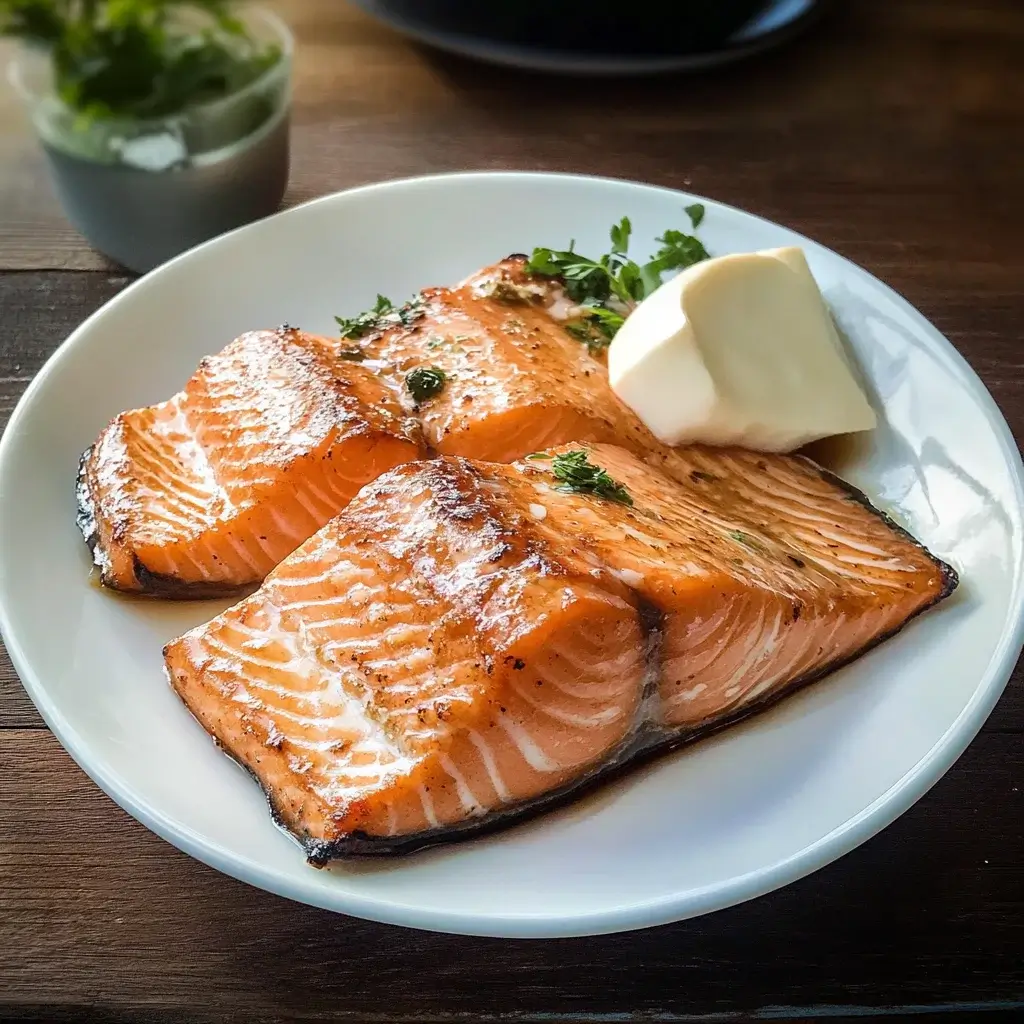
There’s something primal and deeply satisfying about cooking over an open flame, especially when it involves a beautiful piece of fresh salmon. My first taste of truly exceptional fire-grilled salmon was during a trip exploring the coastal regions of Scandinavia. It wasn’t overly complicated; in fact, its magic lay in its simplicity – the clean taste of high-quality fish, kissed by smoke and flame, brightened with just a touch of lemon and dill. Recreating that experience back home became a culinary mission. This Nordic Fire-Grilled Salmon recipe is the culmination of that quest. It captures that essence of fresh, clean flavors and the rustic elegance of fire cooking. It’s become a staple for summer gatherings and even chilly evenings when we bundle up and fire up the grill. The flaky, moist fish with its slightly charred exterior is always a crowd-pleaser, proving that simple, healthy ingredients prepared well can be incredibly delicious.
Nordic Fire-Grilled Salmon: Ingredients You’ll Need
This recipe focuses on highlighting the natural flavour of the salmon, complemented by classic Nordic aromatics. Quality ingredients are key.
- Fresh Salmon Fillets: 4 portions, approximately 6-8 ounces (170-225g) each, preferably skin-on. Wild-caught (like Sockeye or Coho) offers robust flavour, while farmed Atlantic salmon is milder and fattier. Skin helps hold the fillet together and gets wonderfully crispy.
- High Smoke Point Oil: 2-3 tablespoons (30-45ml) – Avocado oil, grapeseed oil, or light olive oil work well. Needed for oiling the fish and potentially the grill grates.
- Coarse Sea Salt: 1 – 1 ½ teaspoons, or to taste. Enhances flavour and helps draw out a little moisture for better searing.
- Freshly Ground Black Pepper: ½ – 1 teaspoon, or to taste. Provides a gentle warmth.
- Fresh Dill: ¼ cup, finely chopped. This is a hallmark flavour in Nordic cuisine; don’t substitute dried if possible.
- Lemon: 1 whole lemon. You’ll use zest from half and cut the other half into wedges for serving.
- Optional – Juniper Berries: 4-6 berries, lightly crushed (if available, adds an authentic Nordic forest aroma).
- Optional – Dijon Mustard: 1 tablespoon (for a simple marinade variation, whisked with oil and lemon juice).
Why These Ingredients?
- Salmon: The star. Its natural oils make it perfect for grilling, rich in Omega-3 fatty acids. Skin-on provides a barrier against direct heat and adds texture.
- High Smoke Point Oil: Prevents the oil from burning and smoking excessively on the hot grill, which can impart bitter flavours.
- Salt & Pepper: Fundamental seasonings that enhance the salmon’s natural taste.
- Fresh Dill: Provides bright, grassy, slightly anise-like notes quintessential to Nordic dishes.
- Lemon: Acidity cuts through the richness of the salmon, brightens the overall flavour profile. Zest adds aroma without excess liquid.
- Juniper Berries (Optional): Offer a piney, slightly peppery note reminiscent of Scandinavian forests. Use sparingly.
- Dijon Mustard (Optional): Adds a tangy counterpoint and helps emulsify a simple marinade if desired.
Step-by-Step Grilling Instructions
Grilling salmon perfectly requires attention to heat and timing. Follow these steps for moist, flaky, flavourful results.
1. Prepare the Salmon
- Pat Dry: Remove the salmon fillets from their packaging. Thoroughly pat them dry on all sides with paper towels. This is crucial for achieving a good sear and preventing sticking. Moisture steams rather than sears.
- Season: Place the fillets on a plate or baking sheet. Drizzle generously with your chosen high smoke point oil, coating all sides. Season liberally with coarse sea salt and freshly ground black pepper. If using crushed juniper berries, sprinkle them on now.
- Add Aromatics: Sprinkle the finely chopped fresh dill and the zest of half a lemon evenly over the flesh side of the salmon fillets. Gently press the seasonings onto the fish.
- Rest (Optional Marinate): Let the salmon sit at room temperature for 15-20 minutes while you prepare the grill. This helps it cook more evenly. If using the optional Dijon mustard, whisk it with the oil, juice from the zested lemon half, salt, pepper, and dill, then coat the salmon and let it marinate for this time (don’t marinate acidic mixtures for too long, or it can start to “cook” the fish).
2. Prepare the Grill
- Clean: Ensure your grill grates are clean. Use a stiff grill brush to remove any residue from previous cooking sessions. Dirty grates are a primary cause of sticking.
- Preheat: Preheat your grill (charcoal, gas, or wood-fired) to medium-high heat, around 400-450°F (200-230°C). You want it hot enough to sear the fish but not so scorching that it burns before cooking through.
- Gas Grill: Turn burners to medium-high and close the lid for 10-15 minutes.
- Charcoal Grill: Arrange coals for direct heat, allowing them to ash over until glowing red with a layer of grey ash.
- Oil the Grates (Optional but Recommended): Once hot, carefully oil the grill grates. Fold a paper towel, dip it lightly in high smoke point oil using long tongs, and quickly wipe the grates where you’ll place the salmon. This provides an extra layer of non-stick insurance.
3. Grill the Salmon
- Skin-Side Down First: Carefully place the salmon fillets on the hot, oiled grill grates, skin-side down. The skin provides a protective layer and will crisp up nicely. Place them at a slight angle to the grates if you want diagonal grill marks.
- Cook Undisturbed: Let the salmon cook undisturbed for approximately 4-6 minutes (depending on thickness and heat). Resist the urge to move it immediately. The skin needs time to sear and release naturally from the grates. You should see the flesh becoming opaque about halfway up the side of the fillet.
- Flip Carefully: Using a wide, thin metal spatula (a fish spatula is ideal), carefully slide it under the salmon. If it doesn’t release easily, give it another 30-60 seconds. Gently flip the fillets over to the flesh side.
- Cook Flesh Side: Grill for another 2-5 minutes on the flesh side. The total grilling time will typically be 6-12 minutes, depending on the thickness of the fillets and your desired level of doneness. Salmon cooks quickly!
- Check for Doneness: There are a few ways to check:
- Flake Test: Gently insert the tip of a fork or paring knife into the thickest part of the fillet and twist slightly. The fish should flake easily. If it resists, it needs more time.
- Visual: The flesh should be opaque throughout, but still moist. Cut into one piece discreetly if unsure.
- Temperature: The most accurate method. Use an instant-read thermometer inserted into the thickest part, avoiding bone if present. Aim for an internal temperature of 130-135°F (54-57°C) for medium (still slightly translucent in the center, very moist) or 140-145°F (60-63°C) for medium-well to well-done (fully opaque). Remember, the fish will continue to cook slightly after being removed from the heat (carryover cooking). Avoid overcooking, as it leads to dry salmon.
4. Rest the Salmon
- Remove from Grill: Once cooked to your liking, carefully remove the salmon fillets from the grill using your spatula. Transfer them to a clean platter or cutting board.
- Rest: Tent the salmon loosely with foil and let it rest for 5-10 minutes before serving. This allows the juices to redistribute throughout the fillet, resulting in a moister, more flavourful piece of fish.
Nutritional Information (Approximate)
Nutritional values depend on the type of salmon (wild vs. farmed) and exact portion size. These are estimates per 6-ounce (170g) serving:
- Servings Per Recipe: 4
- Calories Per Serving: Approximately 350-450 calories
Key Nutritional Highlights:
- Omega-3 Fatty Acids: Salmon is one of the best sources of EPA and DHA, healthy fats crucial for heart health, brain function, and reducing inflammation.
- High-Quality Protein: Excellent source of complete protein, essential for muscle building, repair, and overall body function.
- Vitamin D: One of the few food sources naturally rich in Vitamin D, important for bone health and immune function.
- B Vitamins: Provides significant amounts of B vitamins (especially B12, niacin, B6), vital for energy metabolism.
- Selenium: A potent antioxidant mineral found abundantly in salmon.
This Nordic Fire-Grilled Salmon is a powerhouse of nutrition, making it a delicious and incredibly healthy meal choice.
Preparation and Grilling Time
Knowing the time involved helps you plan your meal perfectly.
- Active Preparation Time: 10-15 minutes (patting dry, seasoning, chopping dill/zesting lemon)
- Resting/Marinating Time (Optional): 15-20 minutes
- Grill Preheat Time: 10-15 minutes
- Grilling Time: 6-12 minutes (depending on thickness and desired doneness)
- Resting Time: 5-10 minutes
Total Time: Approximately 45 minutes to 1 hour 10 minutes (including preheating and resting).
Serving Suggestions: Completing Your Nordic Feast
Serve this beautiful grilled salmon with sides that complement its fresh, clean flavours. Think simple, seasonal, and rooted in Nordic tradition or modern healthy pairings:
- Classic Nordic Pairings:
- Boiled New Potatoes: Tossed simply with butter, salt, and more fresh dill.
- Cucumber Salad: Thinly sliced cucumbers in a light vinaigrette with dill (Gurkensalat variation).
- Rye Bread: Dark, dense rye bread or crispbread on the side.
- Mustard-Dill Sauce: A creamy sauce made with Greek yogurt or sour cream, Dijon mustard, fresh dill, lemon juice, salt, and pepper.
- Fresh Vegetable Sides:
- Grilled Asparagus: Grill alongside the salmon, tossed with olive oil, salt, and pepper.
- Steamed Green Beans: Served with a lemon wedge.
- Simple Green Salad: Mixed greens with a light lemon vinaigrette.
- Roasted Root Vegetables: Carrots, parsnips, potatoes roasted until tender.
- Grain Options:
- Quinoa Salad: With lemon, herbs, and perhaps some feta cheese.
- Barley Pilaf: Nutty and satisfying.
- Garnish:
- Always serve with fresh lemon wedges for squeezing over the fish just before eating.
- A sprinkle of extra fresh dill.
Pro Tips for Perfect Fire-Grilled Salmon
Elevate your grilling game with these essential tips:
- Choose Quality Salmon & Keep it Cold: Start with the freshest salmon possible. Look for firm flesh, vibrant colour, and a mild sea scent. Keep it well-chilled until just before prepping (about 15-20 mins before grilling) to ensure it stays firm and cooks evenly. Skin-on is highly recommended for grilling as it protects the delicate flesh and crisps up beautifully.
- Master Grill Temperature & Cleanliness: Medium-high heat (400-450°F / 200-230°C) is the sweet spot. Too low, and it steams; too high, and it burns before cooking through. Crucially, always start with spotlessly clean grill grates. Built-up residue is the #1 cause of sticking.
- Oil Fish AND Grates (The Double Barrier): Patting the salmon thoroughly dry before oiling is step one against sticking. Step two is oiling the fish itself. Step three (highly recommended) is oiling the hot grates just before placing the fish down. This creates multiple barriers against sticking.
- Don’t Move It Too Soon (Skin Side Down): When you place the salmon skin-side down, let it cook undisturbed for several minutes. The skin will initially stick, but as it cooks and crisps, it will naturally release from the grates. Trying to force it too early will tear the skin and potentially the fillet.
- Trust the Thermometer & Resting: While visual cues and the flake test work, an instant-read thermometer is the most foolproof way to guarantee perfectly cooked salmon (aim for 130-140°F / 54-60°C in the thickest part, depending on preference). Equally important is resting the salmon off the heat for 5-10 minutes; this allows carryover cooking to finish the job gently and ensures the juices redistribute for maximum moisture.
Frequently Asked Questions (FAQ) about Nordic Fire-Grilled Salmon
Addressing common queries about grilling this delicious fish:
- Q: Do I have to use skin-on salmon?
- A: While you can grill skinless salmon, skin-on is highly recommended for this method. The skin acts as a natural barrier, protecting the delicate flesh from the intense heat, preventing it from drying out, and helping it hold together. It also gets wonderfully crispy! If using skinless, be extra diligent with oiling the grates and handle the fish very gently, potentially using a grill basket or grilling on a cedar plank for easier handling. Cooking time might be slightly shorter.
- Q: What kind of wood chips are best for smoking salmon on the grill?
- A: For a Nordic feel, Alder is the traditional choice for smoking salmon, imparting a delicate, slightly sweet smoke. Fruitwoods like apple or cherry also work beautifully, offering a mild smokiness. Avoid strong woods like hickory or mesquite, which can easily overpower the salmon’s flavour. Soak wood chips for about 30 minutes, drain, and add them to a smoker box or directly onto charcoal just before grilling.
- Q: Can I bake this recipe in the oven instead of grilling?
- A: Yes, absolutely. Preheat your oven to 400°F (200°C). Prepare the salmon as directed (pat dry, oil, season, add dill/zest). Place the fillets skin-side down on a parchment-lined baking sheet. Bake for 12-18 minutes, depending on thickness and desired doneness, until the fish flakes easily or reaches the target internal temperature (130-140°F / 54-60°C). You won’t get the smoky flavour or char, but it will still be delicious. You can broil for the last 1-2 minutes (watch carefully!) to crisp the top slightly.
- Q: I don’t have an outdoor grill. Can I use a grill pan on the stovetop?
- A: Yes, a cast iron grill pan is a good alternative. Preheat the pan over medium-high heat until very hot (a drop of water should sizzle instantly). Add a little high smoke point oil to the pan. Place the salmon skin-side down and cook following similar timings as the grill method (4-6 minutes skin side, 2-5 minutes flesh side). Ensure good ventilation, as it can get smoky indoors!
- Q: How should I store and reheat leftover grilled salmon?
- A: Store leftover salmon in an airtight container in the refrigerator for up to 2 days. Reheat gently to avoid drying it out. You can reheat it in a low oven (around 275°F / 135°C) until warmed through, briefly in a microwave on low power, or flaked into salads or pasta dishes cold or at room temperature (often the best way to enjoy leftovers!). Avoid aggressive reheating, which makes it tough and dry.
Enjoy this taste of the Nordics – a simple, healthy, and incredibly flavourful way to prepare salmon that celebrates the beauty of fire cooking and fresh ingredients!thumb_upthumb_down
Print
Nordic Fire-Grilled Salmon recipe
Ingredients
- Fresh Salmon Fillets: 4 portions, approximately 6-8 ounces (170-225g) each, preferably skin-on. Wild-caught (like Sockeye or Coho) offers robust flavour, while farmed Atlantic salmon is milder and fattier. Skin helps hold the fillet together and gets wonderfully crispy.
- High Smoke Point Oil: 2-3 tablespoons (30-45ml) – Avocado oil, grapeseed oil, or light olive oil work well. Needed for oiling the fish and potentially the grill grates.
- Coarse Sea Salt: 1 – 1 ½ teaspoons, or to taste. Enhances flavour and helps draw out a little moisture for better searing.
- Freshly Ground Black Pepper: ½ – 1 teaspoon, or to taste. Provides a gentle warmth.
- Fresh Dill: ¼ cup, finely chopped. This is a hallmark flavour in Nordic cuisine; don’t substitute dried if possible.
- Lemon: 1 whole lemon. You’ll use zest from half and cut the other half into wedges for serving.
- Optional – Juniper Berries: 4-6 berries, lightly crushed (if available, adds an authentic Nordic forest aroma).
- Optional – Dijon Mustard: 1 tablespoon (for a simple marinade variation, whisked with oil and lemon juice).
Instructions
1. Prepare the Salmon
- Pat Dry: Remove the salmon fillets from their packaging. Thoroughly pat them dry on all sides with paper towels. This is crucial for achieving a good sear and preventing sticking. Moisture steams rather than sears.
- Season: Place the fillets on a plate or baking sheet. Drizzle generously with your chosen high smoke point oil, coating all sides. Season liberally with coarse sea salt and freshly ground black pepper. If using crushed juniper berries, sprinkle them on now.
- Add Aromatics: Sprinkle the finely chopped fresh dill and the zest of half a lemon evenly over the flesh side of the salmon fillets. Gently press the seasonings onto the fish.
- Rest (Optional Marinate): Let the salmon sit at room temperature for 15-20 minutes while you prepare the grill. This helps it cook more evenly. If using the optional Dijon mustard, whisk it with the oil, juice from the zested lemon half, salt, pepper, and dill, then coat the salmon and let it marinate for this time (don’t marinate acidic mixtures for too long, or it can start to “cook” the fish).
2. Prepare the Grill
- Clean: Ensure your grill grates are clean. Use a stiff grill brush to remove any residue from previous cooking sessions. Dirty grates are a primary cause of sticking.
- Preheat: Preheat your grill (charcoal, gas, or wood-fired) to medium-high heat, around 400-450°F (200-230°C). You want it hot enough to sear the fish but not so scorching that it burns before cooking through.
- Gas Grill: Turn burners to medium-high and close the lid for 10-15 minutes.
- Charcoal Grill: Arrange coals for direct heat, allowing them to ash over until glowing red with a layer of grey ash.
- Oil the Grates (Optional but Recommended): Once hot, carefully oil the grill grates. Fold a paper towel, dip it lightly in high smoke point oil using long tongs, and quickly wipe the grates where you’ll place the salmon. This provides an extra layer of non-stick insurance.
3. Grill the Salmon
- Skin-Side Down First: Carefully place the salmon fillets on the hot, oiled grill grates, skin-side down. The skin provides a protective layer and will crisp up nicely. Place them at a slight angle to the grates if you want diagonal grill marks.
- Cook Undisturbed: Let the salmon cook undisturbed for approximately 4-6 minutes (depending on thickness and heat). Resist the urge to move it immediately. The skin needs time to sear and release naturally from the grates. You should see the flesh becoming opaque about halfway up the side of the fillet.
- Flip Carefully: Using a wide, thin metal spatula (a fish spatula is ideal), carefully slide it under the salmon. If it doesn’t release easily, give it another 30-60 seconds. Gently flip the fillets over to the flesh side.
- Cook Flesh Side: Grill for another 2-5 minutes on the flesh side. The total grilling time will typically be 6-12 minutes, depending on the thickness of the fillets and your desired level of doneness. Salmon cooks quickly!
- Check for Doneness: There are a few ways to check:
- Flake Test: Gently insert the tip of a fork or paring knife into the thickest part of the fillet and twist slightly. The fish should flake easily. If it resists, it needs more time.
- Visual: The flesh should be opaque throughout, but still moist. Cut into one piece discreetly if unsure.
- Temperature: The most accurate method. Use an instant-read thermometer inserted into the thickest part, avoiding bone if present. Aim for an internal temperature of 130-135°F (54-57°C) for medium (still slightly translucent in the center, very moist) or 140-145°F (60-63°C) for medium-well to well-done (fully opaque). Remember, the fish will continue to cook slightly after being removed from the heat (carryover cooking). Avoid overcooking, as it leads to dry salmon.
4. Rest the Salmon
- Remove from Grill: Once cooked to your liking, carefully remove the salmon fillets from the grill using your spatula. Transfer them to a clean platter or cutting board.
- Rest: Tent the salmon loosely with foil and let it rest for 5-10 minutes before serving. This allows the juices to redistribute throughout the fillet, resulting in a moister, more flavourful piece of fish.
Nutrition
- Serving Size: one normal portion
- Calories: 350-450