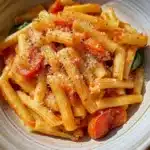
Ingredients
Scale
For the Pasta:
-
- 1 pound Dried Pasta: While technically this is a “no-cook sauce” pasta, you’ll still need to cook the pasta itself. The best pasta shapes for this recipe are those that hold the sauce well.
-
- Spaghetti: A classic choice, spaghetti strands twirl beautifully with the chunky tomato sauce.
-
- Linguine: Slightly wider than spaghetti, linguine also works wonderfully.
-
- Penne: The ridges of penne pasta are perfect for capturing the sauce.
-
- Rotini (Spirals): Rotini’s spirals are excellent at holding onto the sauce and its flavorful bits.
-
- Farfalle (Bow Ties): Farfalle adds a playful shape and texture to the dish.
-
- Orecchiette (Little Ears): Orecchiette’s cup-like shape is ideal for cradling the chunky tomato sauce.
-
- 1 pound Dried Pasta: While technically this is a “no-cook sauce” pasta, you’ll still need to cook the pasta itself. The best pasta shapes for this recipe are those that hold the sauce well.
-
- Salt: Essential for seasoning the pasta water, which in turn seasons the pasta itself. Use kosher salt or sea salt.
For the No-Cook Tomato Basil Sauce:
-
- 2 pounds Ripe Tomatoes: The star of the show! Use the ripest, juiciest, and most flavorful tomatoes you can find. Summer tomatoes at their peak are ideal.
-
- Heirloom Tomatoes: Heirloom tomatoes, with their diverse colors, shapes, and intense flavors, are fantastic for this recipe. Their sweetness and acidity will shine through.
-
- Roma Tomatoes: Roma tomatoes, while less juicy than some heirlooms, are still a good choice, especially if you prefer a slightly less watery sauce. Make sure they are fully ripe.
-
- Cherry or Grape Tomatoes: Cherry or grape tomatoes are incredibly sweet and flavorful, and their smaller size makes them easy to chop or halve. They work exceptionally well in no-cook sauces.
-
- 2 pounds Ripe Tomatoes: The star of the show! Use the ripest, juiciest, and most flavorful tomatoes you can find. Summer tomatoes at their peak are ideal.
-
- 1 cup Fresh Basil Leaves: Fresh basil is essential for the signature aroma and flavor of this dish. Use sweet basil (Genovese basil) for the most classic flavor. Look for vibrant green leaves without any wilting or browning.
-
- 3–4 Cloves Garlic: Garlic adds a pungent and savory depth to the sauce. Use fresh garlic cloves for the best flavor. Adjust the amount to your preference – use less for a milder garlic flavor, more for a bolder one.
-
- ½ cup Extra Virgin Olive Oil: High-quality extra virgin olive oil is crucial for richness and flavor. It emulsifies with the tomato juices to create a luscious sauce. Choose a fruity and flavorful olive oil.
-
- ¼ cup Balsamic Vinegar (Optional, but Recommended): Balsamic vinegar adds a touch of sweetness and acidity that balances the flavors and enhances the tomato’s natural sweetness. Use good quality balsamic vinegar for the best results.
-
- Salt and Freshly Ground Black Pepper: Essential for seasoning the sauce. Use kosher salt or sea salt and freshly ground black pepper for the best flavor.
-
- Red Pepper Flakes (Optional, for a touch of heat): If you like a little heat, a pinch of red pepper flakes adds a subtle kick to the sauce.
Instructions
Step 1: Cook the Pasta
-
- Bring Water to a Boil: Fill a large pot with salted water (use about 1-2 tablespoons of salt per gallon of water). Bring the water to a rolling boil over high heat. Salting the water is crucial for seasoning the pasta as it cooks.
-
- Cook Pasta According to Package Directions: Add the pasta to the boiling water. Cook according to package directions for al dente, usually around 8-12 minutes, depending on the pasta shape and brand. Al dente pasta has a slight bite to it and is not mushy.
-
- Reserve Pasta Water (Important!): Before draining the pasta, reserve about 1 cup of the pasta water. Pasta water is starchy and will be used to help emulsify the sauce and create a creamy texture.
-
- Drain Pasta: Drain the cooked pasta in a colander. Do not rinse the pasta, as rinsing removes the starch that helps the sauce adhere.
Step 2: Prepare the No-Cook Tomato Basil Sauce
-
- Chop the Tomatoes: Core and roughly chop the tomatoes. The size of the chop is up to your preference – you can dice them finely for a smoother sauce or leave them in larger chunks for a more rustic texture. If using cherry or grape tomatoes, you can simply halve or quarter them.
-
- Mince the Garlic: Peel and mince the garlic cloves. Mincing ensures that the garlic flavor is evenly distributed throughout the sauce. You can use a garlic press or finely chop the garlic with a knife.
-
- Chiffonade the Basil: Stack the basil leaves, roll them up tightly like a cigar, and thinly slice them crosswise to create chiffonade (thin ribbons of basil). This releases the basil’s fragrant oils. You can also simply tear the basil leaves into smaller pieces if you prefer a more rustic look.
-
- Combine Sauce Ingredients: In a large bowl, combine the chopped tomatoes, minced garlic, basil chiffonade, extra virgin olive oil, balsamic vinegar (if using), salt, black pepper, and red pepper flakes (if using).
-
- Season and Let Macerate: Toss all the ingredients together gently to combine. Taste and adjust seasoning as needed, adding more salt, pepper, or balsamic vinegar to your preference. Let the sauce sit at room temperature for at least 15-20 minutes, or up to 30 minutes. This maceration time allows the flavors to meld and deepen, and the salt helps to draw out the juices from the tomatoes, creating a naturally delicious sauce.
Step 3: Combine Pasta and Sauce
-
- Add Pasta to Sauce: Add the drained, hot pasta to the bowl with the tomato basil sauce.
-
- Toss to Combine: Toss the pasta and sauce together thoroughly to coat every strand of pasta with the vibrant sauce.
-
- Add Pasta Water (if needed): If the sauce seems too thick or dry, gradually add a little of the reserved pasta water, a tablespoon at a time, while tossing, until the sauce reaches your desired consistency. The starchy pasta water will help to emulsify the sauce and create a creamy, clinging texture. You may not need to use all the pasta water.
-
- Taste and Adjust Seasoning (Again): Taste the pasta and sauce mixture one final time. Adjust seasoning as needed, adding more salt, pepper, balsamic vinegar, or olive oil to your preference.
Step 4: Serve and Garnish
-
- Serve Immediately: No-Cook Tomato Basil Pasta is best served immediately at room temperature or slightly warm. Serving it right away ensures the pasta is perfectly al dente and the sauce is fresh and vibrant.
-
- Garnish (Optional): Garnish with extra fresh basil leaves (chiffonade or whole), grated Parmesan cheese, pine nuts or toasted breadcrumbs, and a final drizzle of extra virgin olive oil, if desired.
-
- Enjoy! Serve and enjoy this refreshing and flavorful No-Cook Tomato Basil Pasta!
Nutrition
- Serving Size: one normal portion
- Calories: 400-500
- Sugar: 10-15g
- Sodium: 400-600mg
- Fat: 20-25g
- Saturated Fat: 3-4g
- Unsaturated Fat: 15-20g
- Carbohydrates: 60-70g
- Fiber: 5-7g
- Protein: 15-20g
- Cholesterol: 0-5mg