
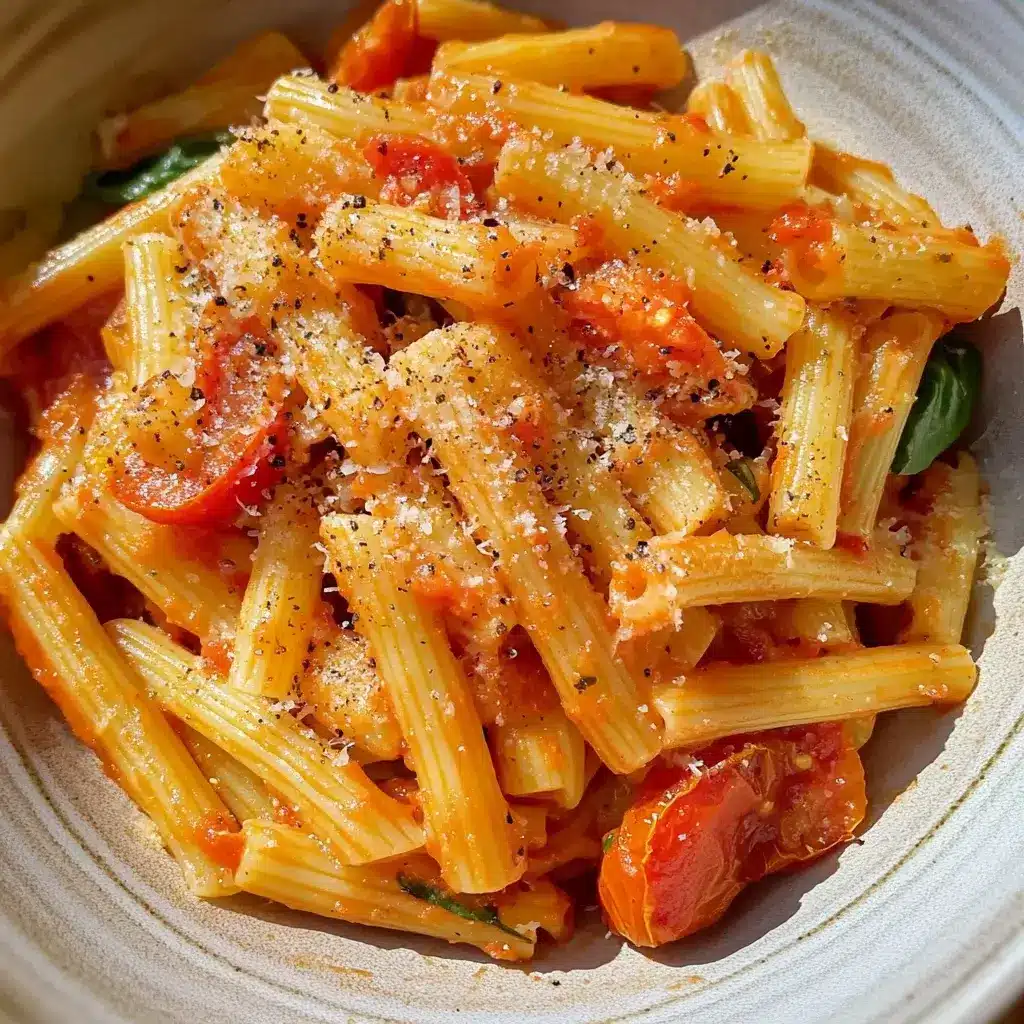
There are days, especially during the sweltering heat of summer, when the mere thought of turning on the stove sends shivers down my spine – and not in a good way. On those days, my kitchen becomes a no-cook zone, and my culinary creativity shifts to finding dishes that are as refreshing and effortless as they are delicious. That’s when No-Cook Tomato Basil Pasta truly shines. I first stumbled upon this recipe years ago, during a particularly sweltering August. Intrigued by the promise of a flavorful pasta dish without any cooking, I decided to give it a try. And oh, what a revelation it was! The vibrant flavors of ripe, juicy tomatoes, fragrant basil, and garlic, all mingling together with perfectly al dente pasta, were simply divine. It was like capturing the essence of summer in a bowl. Since then, No-Cook Tomato Basil Pasta has become a summer staple in my household. It’s my go-to lunch on hot days, a perfect light dinner, and a crowd-pleasing dish for summer gatherings. It’s incredibly versatile, endlessly adaptable, and unbelievably easy to make. If you’re looking for a recipe that embodies summer freshness and requires minimal effort, look no further. This No-Cook Tomato Basil Pasta is not just a meal; it’s a celebration of summer’s bounty, and I can’t wait to share the joy of it with you.
Ingredients: The Freshest Flavors for No-Cook Tomato Basil Pasta
The magic of No-Cook Tomato Basil Pasta lies in the quality and freshness of its ingredients. Since there’s no cooking involved for the sauce, the flavors of each component truly shine through. Choosing the best possible tomatoes, basil, and other ingredients will make all the difference in creating a vibrant and flavorful dish. Here’s what you’ll need to gather to bring this summer pasta dream to life:
For the Pasta:
- 1 pound Dried Pasta: While technically this is a “no-cook sauce” pasta, you’ll still need to cook the pasta itself. The best pasta shapes for this recipe are those that hold the sauce well.
- Spaghetti: A classic choice, spaghetti strands twirl beautifully with the chunky tomato sauce.
- Linguine: Slightly wider than spaghetti, linguine also works wonderfully.
- Penne: The ridges of penne pasta are perfect for capturing the sauce.
- Rotini (Spirals): Rotini’s spirals are excellent at holding onto the sauce and its flavorful bits.
- Farfalle (Bow Ties): Farfalle adds a playful shape and texture to the dish.
- Orecchiette (Little Ears): Orecchiette’s cup-like shape is ideal for cradling the chunky tomato sauce.
- Salt: Essential for seasoning the pasta water, which in turn seasons the pasta itself. Use kosher salt or sea salt.
For the No-Cook Tomato Basil Sauce:
- 2 pounds Ripe Tomatoes: The star of the show! Use the ripest, juiciest, and most flavorful tomatoes you can find. Summer tomatoes at their peak are ideal.
- Heirloom Tomatoes: Heirloom tomatoes, with their diverse colors, shapes, and intense flavors, are fantastic for this recipe. Their sweetness and acidity will shine through.
- Roma Tomatoes: Roma tomatoes, while less juicy than some heirlooms, are still a good choice, especially if you prefer a slightly less watery sauce. Make sure they are fully ripe.
- Cherry or Grape Tomatoes: Cherry or grape tomatoes are incredibly sweet and flavorful, and their smaller size makes them easy to chop or halve. They work exceptionally well in no-cook sauces.
- 1 cup Fresh Basil Leaves: Fresh basil is essential for the signature aroma and flavor of this dish. Use sweet basil (Genovese basil) for the most classic flavor. Look for vibrant green leaves without any wilting or browning.
- 3-4 Cloves Garlic: Garlic adds a pungent and savory depth to the sauce. Use fresh garlic cloves for the best flavor. Adjust the amount to your preference – use less for a milder garlic flavor, more for a bolder one.
- ½ cup Extra Virgin Olive Oil: High-quality extra virgin olive oil is crucial for richness and flavor. It emulsifies with the tomato juices to create a luscious sauce. Choose a fruity and flavorful olive oil.
- ¼ cup Balsamic Vinegar (Optional, but Recommended): Balsamic vinegar adds a touch of sweetness and acidity that balances the flavors and enhances the tomato’s natural sweetness. Use good quality balsamic vinegar for the best results.
- Salt and Freshly Ground Black Pepper: Essential for seasoning the sauce. Use kosher salt or sea salt and freshly ground black pepper for the best flavor.
- Red Pepper Flakes (Optional, for a touch of heat): If you like a little heat, a pinch of red pepper flakes adds a subtle kick to the sauce.
Optional Garnishes (for serving):
- Fresh Basil Leaves (for garnish): Extra fresh basil leaves, chiffonade or whole, for garnishing the finished pasta.
- Grated Parmesan Cheese: Freshly grated Parmesan cheese adds a salty and savory topping. Pecorino Romano is another flavorful hard cheese option.
- Pine Nuts or Toasted Breadcrumbs: Adds texture and crunch. Toasted pine nuts or seasoned breadcrumbs provide a delightful contrast to the soft pasta and sauce.
- Extra Virgin Olive Oil (for drizzling): A final drizzle of high-quality extra virgin olive oil enhances the flavor and adds a beautiful sheen.
Ingredient Notes and Substitutions:
- Pasta Type: Feel free to experiment with different pasta shapes based on your preference. Gluten-free pasta options work well too.
- Tomato Variety: Mix and match different types of tomatoes for a more complex flavor profile. Consider adding sun-dried tomatoes (oil-packed, drained and chopped) for an intense umami boost.
- Basil Variations: While sweet basil is classic, you can try other basil varieties like Thai basil or lemon basil for different flavor nuances.
- Garlic Preference: If you prefer a milder garlic flavor, you can use roasted garlic or sauté the garlic lightly in olive oil before adding it to the sauce (though this would technically make it slightly less “no-cook”).
- Vinegar Alternatives: If you don’t have balsamic vinegar, you can use red wine vinegar or a squeeze of fresh lemon juice for acidity.
- Vegan Parmesan Alternative: For a vegan option, nutritional yeast can provide a cheesy, umami flavor. Toasted breadcrumbs with garlic powder and nutritional yeast can mimic the texture and flavor of Parmesan.
Instructions: Effortless Steps to No-Cook Tomato Basil Pasta Perfection
Making No-Cook Tomato Basil Pasta is incredibly simple and quick, making it a perfect recipe for busy weeknights or hot summer days. The minimal effort yields maximum flavor, thanks to the fresh and vibrant ingredients. Here’s a step-by-step guide to creating this effortless pasta dish:
Step 1: Cook the Pasta
- Bring Water to a Boil: Fill a large pot with salted water (use about 1-2 tablespoons of salt per gallon of water). Bring the water to a rolling boil over high heat. Salting the water is crucial for seasoning the pasta as it cooks.
- Cook Pasta According to Package Directions: Add the pasta to the boiling water. Cook according to package directions for al dente, usually around 8-12 minutes, depending on the pasta shape and brand. Al dente pasta has a slight bite to it and is not mushy.
- Reserve Pasta Water (Important!): Before draining the pasta, reserve about 1 cup of the pasta water. Pasta water is starchy and will be used to help emulsify the sauce and create a creamy texture.
- Drain Pasta: Drain the cooked pasta in a colander. Do not rinse the pasta, as rinsing removes the starch that helps the sauce adhere.
Step 2: Prepare the No-Cook Tomato Basil Sauce
- Chop the Tomatoes: Core and roughly chop the tomatoes. The size of the chop is up to your preference – you can dice them finely for a smoother sauce or leave them in larger chunks for a more rustic texture. If using cherry or grape tomatoes, you can simply halve or quarter them.
- Mince the Garlic: Peel and mince the garlic cloves. Mincing ensures that the garlic flavor is evenly distributed throughout the sauce. You can use a garlic press or finely chop the garlic with a knife.
- Chiffonade the Basil: Stack the basil leaves, roll them up tightly like a cigar, and thinly slice them crosswise to create chiffonade (thin ribbons of basil). This releases the basil’s fragrant oils. You can also simply tear the basil leaves into smaller pieces if you prefer a more rustic look.
- Combine Sauce Ingredients: In a large bowl, combine the chopped tomatoes, minced garlic, basil chiffonade, extra virgin olive oil, balsamic vinegar (if using), salt, black pepper, and red pepper flakes (if using).
- Season and Let Macerate: Toss all the ingredients together gently to combine. Taste and adjust seasoning as needed, adding more salt, pepper, or balsamic vinegar to your preference. Let the sauce sit at room temperature for at least 15-20 minutes, or up to 30 minutes. This maceration time allows the flavors to meld and deepen, and the salt helps to draw out the juices from the tomatoes, creating a naturally delicious sauce.
Step 3: Combine Pasta and Sauce
- Add Pasta to Sauce: Add the drained, hot pasta to the bowl with the tomato basil sauce.
- Toss to Combine: Toss the pasta and sauce together thoroughly to coat every strand of pasta with the vibrant sauce.
- Add Pasta Water (if needed): If the sauce seems too thick or dry, gradually add a little of the reserved pasta water, a tablespoon at a time, while tossing, until the sauce reaches your desired consistency. The starchy pasta water will help to emulsify the sauce and create a creamy, clinging texture. You may not need to use all the pasta water.
- Taste and Adjust Seasoning (Again): Taste the pasta and sauce mixture one final time. Adjust seasoning as needed, adding more salt, pepper, balsamic vinegar, or olive oil to your preference.
Step 4: Serve and Garnish
- Serve Immediately: No-Cook Tomato Basil Pasta is best served immediately at room temperature or slightly warm. Serving it right away ensures the pasta is perfectly al dente and the sauce is fresh and vibrant.
- Garnish (Optional): Garnish with extra fresh basil leaves (chiffonade or whole), grated Parmesan cheese, pine nuts or toasted breadcrumbs, and a final drizzle of extra virgin olive oil, if desired.
- Enjoy! Serve and enjoy this refreshing and flavorful No-Cook Tomato Basil Pasta!
Nutrition Facts: Light, Fresh, and Flavorful
No-Cook Tomato Basil Pasta is a relatively light and healthy pasta dish, especially when compared to cream-based or meat-heavy pasta sauces. It’s packed with fresh vegetables and healthy fats from olive oil. Here’s an estimated nutritional breakdown per serving. Please note that these are estimations and can vary depending on specific ingredients, portion sizes, and pasta type used.
Servings: Approximately 4-6 servings
Serving Size: About 1.5-2 cups of pasta
Estimated Nutrition Facts Per Serving (Approximate Values):
- Calories: 400-500 kcal
- Protein: 15-20g
- Fat: 20-25g
- Saturated Fat: 3-4g
- Unsaturated Fat: 15-20g (mostly from olive oil, healthy fats)
- Cholesterol: 0-5mg
- Sodium: 400-600mg (can vary depending on salt added and pasta type)
- Carbohydrates: 60-70g
- Fiber: 5-7g
- Sugar: 10-15g (naturally occurring sugars from tomatoes)
Important Considerations:
- Healthy Fats: The olive oil provides healthy monounsaturated fats, which are beneficial for heart health.
- Fiber Rich: Tomatoes and whole wheat pasta (if used) contribute to dietary fiber, which aids in digestion and promotes satiety.
- Vitamins and Antioxidants: Tomatoes are a good source of vitamins A and C, and antioxidants like lycopene. Basil also contains vitamins and antioxidants.
- Moderate Calorie Count: While not extremely low-calorie, it’s a moderate calorie dish, especially when portion sizes are kept in check.
- Sodium Awareness: Be mindful of added salt, especially if using regular pasta and adding extra salt to taste. Using low-sodium pasta and controlling salt additions can help reduce sodium intake.
Disclaimer: These nutrition facts are estimates only and should be used as a general guide. For precise nutritional information, you can use a nutrition calculator app or website, inputting the specific ingredients and quantities you used.
Preparation Time: Speedy Summer Pasta in Minutes
One of the biggest advantages of No-Cook Tomato Basil Pasta is its incredibly quick preparation time. It’s perfect for those days when you need a delicious and satisfying meal on the table in a hurry. Here’s a breakdown of the estimated preparation and cooking times:
- Prep Time: 15-20 minutes (This includes chopping tomatoes, mincing garlic, chiffonading basil, and preparing the sauce ingredients)
- Cook Time: 8-12 minutes (Pasta cooking time, simultaneous with sauce maceration)
- Total Time: 25-30 minutes (From start to finish, ready to serve)
Time-Saving Tips:
- Pre-chop Vegetables (Partially): You can chop the tomatoes and garlic a little ahead of time, but for the freshest flavor, it’s best to chop them closer to serving time. Basil should always be chiffonaded just before using to prevent browning.
- Use Pre-minced Garlic (in a jar, if necessary): While fresh garlic is always preferred, using pre-minced garlic from a jar can save a few minutes of prep time in a pinch.
- Efficient Workflow: Start boiling the water for pasta while you are chopping the vegetables for the sauce. By the time the pasta is cooked, the sauce will have macerated sufficiently.
No-Cook Tomato Basil Pasta is truly a weeknight wonder. The active prep time is minimal, and while the pasta cooks, the no-cook sauce is practically making itself. It’s a fantastic option for a quick and healthy lunch, dinner, or even a last-minute potluck contribution.
How to Serve: Simple and Stylish Ways to Enjoy No-Cook Tomato Basil Pasta
No-Cook Tomato Basil Pasta is wonderfully versatile and can be served in various ways, from casual weeknight meals to more elegant summer gatherings. Its fresh and vibrant flavors make it a crowd-pleaser, and its simplicity makes it incredibly adaptable. Here are some delicious ways to serve and enhance your No-Cook Tomato Basil Pasta:
Serving Styles:
- Casual Family Dinner: Serve it family-style in a large bowl in the center of the table, allowing everyone to help themselves.
- Individual Portions: Plate individual portions for a more refined presentation, especially for guests.
- Buffet or Potluck: Perfect for buffets and potlucks, as it can be made ahead (though best served soon after tossing) and holds well at room temperature for a short period.
Serving Temperature:
- Room Temperature: Traditionally served at room temperature, which highlights the fresh flavors of the tomatoes and basil.
- Slightly Warm: If you prefer a slightly warmer dish, you can toss the hot, drained pasta with the sauce immediately and serve while still gently warm. Avoid heating the sauce directly, as it’s intended to be no-cook.
Garnish Ideas (Beyond the Basics):
- Fresh Mozzarella Balls (Bocconcini): Add small fresh mozzarella balls (bocconcini) for creamy texture and mild flavor. They complement the tomatoes and basil beautifully.
- Burrata Cheese: For an extra decadent touch, top each serving with a spoonful of creamy burrata cheese. The creamy interior of burrata melts slightly into the pasta and sauce, creating a luxurious experience.
- Ricotta Cheese: A dollop of fresh ricotta cheese adds a creamy and slightly tangy element.
- Pesto Drizzle: A swirl of fresh pesto (basil pesto or sun-dried tomato pesto) adds an extra layer of basil flavor and richness.
- Toasted Pine Nuts or Walnuts: Adds a nutty crunch and flavor. Toasting them enhances their aroma and texture. Walnuts offer a slightly earthier flavor.
- Toasted Breadcrumbs (Pangrattato): Seasoned and toasted breadcrumbs provide a satisfying crispy texture and savory flavor. You can season them with garlic powder, herbs, or Parmesan cheese before toasting.
- Sun-dried Tomatoes (Oil-Packed, Drained and Chopped): If you want to intensify the tomato flavor, add some oil-packed sun-dried tomatoes, drained and finely chopped, as a garnish.
- Olives (Kalamata or Castelvetrano): Sliced Kalamata olives or Castelvetrano olives add a salty and briny element that complements the sweetness of the tomatoes.
- Capers: A sprinkle of capers provides a salty and tangy burst of flavor.
- Artichoke Hearts (Marinated or Grilled): Quartered marinated artichoke hearts or grilled artichoke hearts add a tender and slightly tangy element.
- Grilled Vegetables (Alongside): Serve No-Cook Tomato Basil Pasta alongside grilled vegetables like zucchini, bell peppers, or eggplant for a more substantial meal.
- Grilled Chicken or Fish (Alongside): Pair it with grilled chicken breast, grilled fish (like salmon or tuna), or shrimp for added protein and a complete meal.
- Prosciutto Crisps: For a savory and crunchy garnish (non-vegetarian), top with crispy prosciutto crisps.
Serving Suggestions for Different Occasions:
- Quick Weeknight Dinner: Serve simply with a side salad and some crusty bread.
- Summer Lunch: Enjoy it as a light and refreshing lunch on its own or with a side of melon or fresh fruit.
- Summer BBQ or Potluck: Bring a large bowl to a summer BBQ or potluck. It’s always a hit and travels well (though best tossed shortly before serving).
- Elegant Summer Dinner Party: Serve individual portions garnished with burrata cheese, pesto drizzle, and toasted pine nuts for a more sophisticated presentation.
No matter how you choose to serve it, No-Cook Tomato Basil Pasta is a guaranteed crowd-pleaser. Its fresh, vibrant flavors and effortless preparation make it a summer staple that you’ll return to again and again.
Additional Tips: Elevating Your No-Cook Tomato Basil Pasta
While No-Cook Tomato Basil Pasta is incredibly simple to make, a few extra tips and tricks can take it from delicious to truly exceptional. Here are five additional tips to help you master this summer pasta classic:
- Use the Best Quality Tomatoes and Basil: Since the sauce is no-cook, the quality of your tomatoes and basil is paramount. Seek out the ripest, most flavorful tomatoes you can find – farmers markets and local produce stands are your best bet during tomato season. Use fresh, fragrant basil – avoid basil that is wilted or browning. The better the quality of these two key ingredients, the more vibrant and flavorful your pasta will be.
- Don’t Skip the Maceration Time: Allowing the tomato sauce to macerate (sit at room temperature) for at least 15-20 minutes, or up to 30 minutes, is crucial for developing the flavors. During this time, the salt draws out the juices from the tomatoes, creating a natural sauce, and the flavors of the garlic, basil, balsamic vinegar, and olive oil meld together beautifully. This step significantly enhances the overall flavor of the dish.
- Reserve Enough Pasta Water: Don’t underestimate the importance of pasta water! Reserving at least 1 cup of pasta water before draining is essential for creating a creamy and emulsified sauce. The starch in the pasta water helps to bind the olive oil and tomato juices together, creating a sauce that clings beautifully to the pasta. Add it gradually, a tablespoon at a time, while tossing, until you reach your desired sauce consistency.
- Season Generously and Taste as You Go: Seasoning is key to any delicious dish, and No-Cook Tomato Basil Pasta is no exception. Don’t be shy with the salt, especially in the pasta water and in the sauce. Taste the sauce after maceration and adjust seasoning as needed. Taste again after tossing the pasta with the sauce and adjust seasoning one final time. Seasoning at each stage ensures that the flavors are perfectly balanced and vibrant.
- Serve Immediately for the Best Texture: No-Cook Tomato Basil Pasta is best enjoyed immediately after tossing the pasta with the sauce. Serving it right away ensures that the pasta is perfectly al dente and the sauce is fresh and vibrant. While it can be made slightly ahead, the pasta can absorb some of the sauce over time, and the basil can start to wilt slightly. For optimal texture and flavor, aim to serve it within 30 minutes of tossing.
FAQ: Your Questions About No-Cook Tomato Basil Pasta Answered
Still have questions about making No-Cook Tomato Basil Pasta? You’re not alone! Here are answers to some frequently asked questions to help you master this effortless summer dish:
Q1: Can I make No-Cook Tomato Basil Pasta ahead of time?
A1: While the sauce can be prepared a few hours ahead of time and stored at room temperature (or refrigerated if making it further in advance, but bring back to room temperature before using), the pasta is best cooked and tossed with the sauce just before serving. If you need to make it slightly ahead, you can cook the pasta and prepare the sauce separately, and then toss them together about 30 minutes before serving. However, for the absolute best texture and flavor, it’s ideal to serve it immediately after tossing. The longer it sits, the more the pasta will absorb the sauce, and the basil may start to wilt slightly.
Q2: Can I use dried basil instead of fresh basil?
A2: Fresh basil is highly recommended for No-Cook Tomato Basil Pasta, as it provides the signature fresh and fragrant flavor that is central to the dish. Dried basil will not provide the same vibrant flavor and aroma. If you absolutely must use dried basil, use it sparingly (about 1 teaspoon of dried basil for 1 cup of fresh basil) and let the sauce macerate for a longer period to help rehydrate the dried basil and release its flavor. However, fresh basil truly makes this dish shine.
Q3: My sauce is too watery. How can I thicken it?
A3: If your sauce is too watery, here are a few things you can try:
- Macerate Longer: Allow the sauce to macerate for a longer period (up to 30 minutes). The salt will draw out more juices from the tomatoes, which will naturally thicken slightly as they meld with the olive oil.
- Add More Pasta Water: While pasta water is used to thin the sauce if it’s too thick, in this case, adding a very small amount of pasta water (a tablespoon at a time) while tossing and continuing to toss vigorously can help emulsify the sauce and create a slightly thicker consistency.
- Pulse a Portion of the Sauce: You can carefully remove about ¼ cup of the sauce and pulse it briefly in a food processor or blender to create a slightly thicker, more pureed texture. Then, stir it back into the rest of the sauce. Be careful not to over-process, as you still want some chunks of tomato.
- Use Less Juicy Tomatoes: If you are using very juicy tomatoes, you can remove some of the seeds and watery pulp before chopping them. Roma tomatoes tend to be less watery than heirloom tomatoes.
Q4: Can I add protein to No-Cook Tomato Basil Pasta?
A4: Yes, you can easily add protein to make it a more substantial meal. Some great protein additions include:
- Grilled Chicken or Shrimp: Serve grilled chicken breast or shrimp alongside or tossed with the pasta.
- Canned Tuna or Salmon (Oil-Packed): Flaked oil-packed tuna or salmon can be added directly to the pasta and sauce.
- White Beans (Cannellini or Great Northern): Canned and rinsed white beans add plant-based protein and a creamy texture.
- Fresh Mozzarella or Burrata: These cheeses add protein along with creamy texture.
- Prosciutto Crisps: Crispy prosciutto adds savory protein and crunch (non-vegetarian).
Q5: Can I make this recipe vegan?
A5: Yes, No-Cook Tomato Basil Pasta is naturally vegetarian and can easily be made vegan by ensuring you omit or substitute any non-vegan garnishes, such as Parmesan cheese.
- Skip Parmesan: Simply omit the Parmesan cheese garnish.
- Vegan Parmesan Alternative: You can use a vegan Parmesan alternative, such as nutritional yeast or a store-bought vegan Parmesan cheese.
- Vegan Cheese Alternatives: Consider adding vegan mozzarella balls or crumbled vegan feta cheese for a creamy and cheesy element while keeping it vegan.
With its fresh flavors, effortless preparation, and endless adaptability, No-Cook Tomato Basil Pasta is a summer recipe that you’ll want to make again and again. Enjoy the taste of summer on a plate!
Print
No-Cook Tomato Basil Pasta recipe
Ingredients
For the Pasta:
-
- 1 pound Dried Pasta: While technically this is a “no-cook sauce” pasta, you’ll still need to cook the pasta itself. The best pasta shapes for this recipe are those that hold the sauce well.
-
- Spaghetti: A classic choice, spaghetti strands twirl beautifully with the chunky tomato sauce.
-
- Linguine: Slightly wider than spaghetti, linguine also works wonderfully.
-
- Penne: The ridges of penne pasta are perfect for capturing the sauce.
-
- Rotini (Spirals): Rotini’s spirals are excellent at holding onto the sauce and its flavorful bits.
-
- Farfalle (Bow Ties): Farfalle adds a playful shape and texture to the dish.
-
- Orecchiette (Little Ears): Orecchiette’s cup-like shape is ideal for cradling the chunky tomato sauce.
-
- 1 pound Dried Pasta: While technically this is a “no-cook sauce” pasta, you’ll still need to cook the pasta itself. The best pasta shapes for this recipe are those that hold the sauce well.
-
- Salt: Essential for seasoning the pasta water, which in turn seasons the pasta itself. Use kosher salt or sea salt.
For the No-Cook Tomato Basil Sauce:
-
- 2 pounds Ripe Tomatoes: The star of the show! Use the ripest, juiciest, and most flavorful tomatoes you can find. Summer tomatoes at their peak are ideal.
-
- Heirloom Tomatoes: Heirloom tomatoes, with their diverse colors, shapes, and intense flavors, are fantastic for this recipe. Their sweetness and acidity will shine through.
-
- Roma Tomatoes: Roma tomatoes, while less juicy than some heirlooms, are still a good choice, especially if you prefer a slightly less watery sauce. Make sure they are fully ripe.
-
- Cherry or Grape Tomatoes: Cherry or grape tomatoes are incredibly sweet and flavorful, and their smaller size makes them easy to chop or halve. They work exceptionally well in no-cook sauces.
-
- 2 pounds Ripe Tomatoes: The star of the show! Use the ripest, juiciest, and most flavorful tomatoes you can find. Summer tomatoes at their peak are ideal.
-
- 1 cup Fresh Basil Leaves: Fresh basil is essential for the signature aroma and flavor of this dish. Use sweet basil (Genovese basil) for the most classic flavor. Look for vibrant green leaves without any wilting or browning.
-
- 3–4 Cloves Garlic: Garlic adds a pungent and savory depth to the sauce. Use fresh garlic cloves for the best flavor. Adjust the amount to your preference – use less for a milder garlic flavor, more for a bolder one.
-
- ½ cup Extra Virgin Olive Oil: High-quality extra virgin olive oil is crucial for richness and flavor. It emulsifies with the tomato juices to create a luscious sauce. Choose a fruity and flavorful olive oil.
-
- ¼ cup Balsamic Vinegar (Optional, but Recommended): Balsamic vinegar adds a touch of sweetness and acidity that balances the flavors and enhances the tomato’s natural sweetness. Use good quality balsamic vinegar for the best results.
-
- Salt and Freshly Ground Black Pepper: Essential for seasoning the sauce. Use kosher salt or sea salt and freshly ground black pepper for the best flavor.
-
- Red Pepper Flakes (Optional, for a touch of heat): If you like a little heat, a pinch of red pepper flakes adds a subtle kick to the sauce.
Instructions
Step 1: Cook the Pasta
-
- Bring Water to a Boil: Fill a large pot with salted water (use about 1-2 tablespoons of salt per gallon of water). Bring the water to a rolling boil over high heat. Salting the water is crucial for seasoning the pasta as it cooks.
-
- Cook Pasta According to Package Directions: Add the pasta to the boiling water. Cook according to package directions for al dente, usually around 8-12 minutes, depending on the pasta shape and brand. Al dente pasta has a slight bite to it and is not mushy.
-
- Reserve Pasta Water (Important!): Before draining the pasta, reserve about 1 cup of the pasta water. Pasta water is starchy and will be used to help emulsify the sauce and create a creamy texture.
-
- Drain Pasta: Drain the cooked pasta in a colander. Do not rinse the pasta, as rinsing removes the starch that helps the sauce adhere.
Step 2: Prepare the No-Cook Tomato Basil Sauce
-
- Chop the Tomatoes: Core and roughly chop the tomatoes. The size of the chop is up to your preference – you can dice them finely for a smoother sauce or leave them in larger chunks for a more rustic texture. If using cherry or grape tomatoes, you can simply halve or quarter them.
-
- Mince the Garlic: Peel and mince the garlic cloves. Mincing ensures that the garlic flavor is evenly distributed throughout the sauce. You can use a garlic press or finely chop the garlic with a knife.
-
- Chiffonade the Basil: Stack the basil leaves, roll them up tightly like a cigar, and thinly slice them crosswise to create chiffonade (thin ribbons of basil). This releases the basil’s fragrant oils. You can also simply tear the basil leaves into smaller pieces if you prefer a more rustic look.
-
- Combine Sauce Ingredients: In a large bowl, combine the chopped tomatoes, minced garlic, basil chiffonade, extra virgin olive oil, balsamic vinegar (if using), salt, black pepper, and red pepper flakes (if using).
-
- Season and Let Macerate: Toss all the ingredients together gently to combine. Taste and adjust seasoning as needed, adding more salt, pepper, or balsamic vinegar to your preference. Let the sauce sit at room temperature for at least 15-20 minutes, or up to 30 minutes. This maceration time allows the flavors to meld and deepen, and the salt helps to draw out the juices from the tomatoes, creating a naturally delicious sauce.
Step 3: Combine Pasta and Sauce
-
- Add Pasta to Sauce: Add the drained, hot pasta to the bowl with the tomato basil sauce.
-
- Toss to Combine: Toss the pasta and sauce together thoroughly to coat every strand of pasta with the vibrant sauce.
-
- Add Pasta Water (if needed): If the sauce seems too thick or dry, gradually add a little of the reserved pasta water, a tablespoon at a time, while tossing, until the sauce reaches your desired consistency. The starchy pasta water will help to emulsify the sauce and create a creamy, clinging texture. You may not need to use all the pasta water.
-
- Taste and Adjust Seasoning (Again): Taste the pasta and sauce mixture one final time. Adjust seasoning as needed, adding more salt, pepper, balsamic vinegar, or olive oil to your preference.
Step 4: Serve and Garnish
-
- Serve Immediately: No-Cook Tomato Basil Pasta is best served immediately at room temperature or slightly warm. Serving it right away ensures the pasta is perfectly al dente and the sauce is fresh and vibrant.
-
- Garnish (Optional): Garnish with extra fresh basil leaves (chiffonade or whole), grated Parmesan cheese, pine nuts or toasted breadcrumbs, and a final drizzle of extra virgin olive oil, if desired.
-
- Enjoy! Serve and enjoy this refreshing and flavorful No-Cook Tomato Basil Pasta!
Nutrition
- Serving Size: one normal portion
- Calories: 400-500
- Sugar: 10-15g
- Sodium: 400-600mg
- Fat: 20-25g
- Saturated Fat: 3-4g
- Unsaturated Fat: 15-20g
- Carbohydrates: 60-70g
- Fiber: 5-7g
- Protein: 15-20g
- Cholesterol: 0-5mg