
Introduction
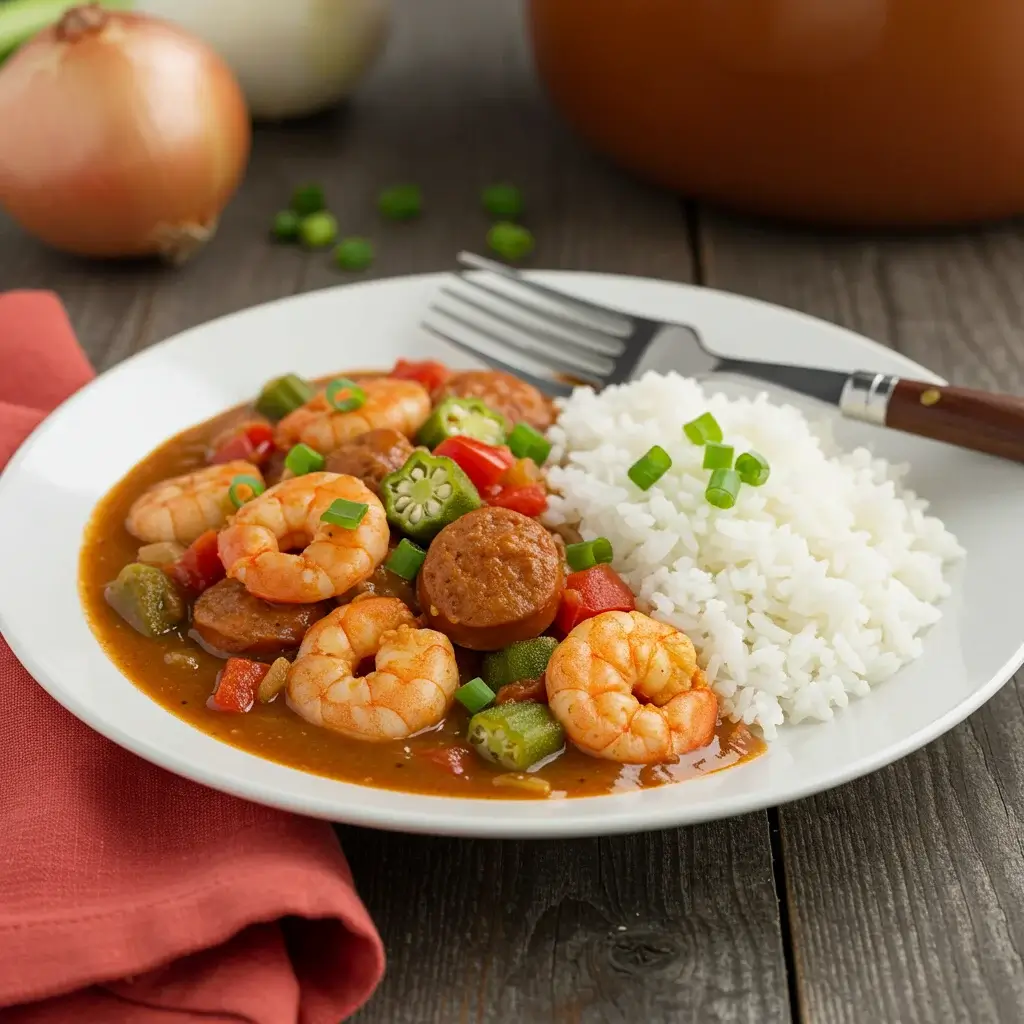
New Orleans is a city renowned for its vibrant culture, jazz music, and, most importantly, its diverse and flavorful cuisine. At the heart of this rich culinary tradition is gumbo, a dish that embodies the melting pot of cultures that defines the city. Gumbo is a beloved staple in New Orleans, offering a delightful medley of flavors that come together in a thick, savory stew. Today, we’ll explore a classic recipe for New Orleans Gumbo with Shrimp and Sausage. This dish is not only delicious but also easy to make, bringing a taste of the Big Easy to your kitchen.
In this article, we’ll walk you through the ingredients, preparation steps, and nutritional information. We’ll also provide tips on how to serve this gumbo, answer some frequently asked questions, and offer additional tips to enhance your cooking experience. Let’s dive into the world of New Orleans gumbo and create a dish that will impress your family and friends!
Ingredients
To create this mouthwatering gumbo, you’ll need the following ingredients:
- 1 lb shrimp, peeled and deveined
- 1 lb turkey sausage, sliced
- 1 cup onion, chopped
- 1 cup bell pepper, chopped
- 1 cup celery, chopped
- 4 cloves garlic, minced
- 1 can (14 oz) diced tomatoes
- 4 cups vegetable broth
- 2 tbsp Cajun seasoning
- 1 bay leaf
- 3 cups okra, sliced (fresh or frozen)
- 2 cups cooked rice
- Salt and pepper to taste
- 2 tbsp olive oil
- Green onions for garnish (optional)
Instructions
Creating this flavorful gumbo is straightforward, and it can be completed in under an hour. Follow these steps:
- Preparation and Sautéing:
- In a large pot, heat the olive oil over medium heat.
- Add the chopped onion, bell pepper, celery, and minced garlic to the pot.
- Sauté until the vegetables soften, releasing their aromatic flavors.
- Adding the Sausage:
- Stir in the sliced turkey sausage.
- Cook until the sausage is browned, infusing the dish with its rich, smoky flavor.
- Building the Base:
- Add the diced tomatoes, vegetable broth, Cajun seasoning, and bay leaf to the pot.
- Stir well to combine all the ingredients.
- Bring the mixture to a simmer, allowing the flavors to meld together.
- Incorporating the Okra:
- Stir in the sliced okra.
- Cook for about 10 minutes until the okra is tender, adding a slightly thickened texture to the gumbo.
- Cooking the Shrimp:
- Add the shrimp to the pot.
- Cook until the shrimp turn pink, which should take around 5 minutes.
- Season with salt and pepper to taste.
- Serving:
- Serve the gumbo over cooked rice.
- Garnish with chopped green onions for an added burst of freshness if desired.
Nutrition Facts
Understanding the nutritional value of your meals is essential for maintaining a balanced diet. Here’s the nutritional breakdown per serving of our New Orleans Gumbo with Shrimp and Sausage (serves 6):
- Calories: 320
- Protein: 22g
- Carbohydrates: 40g
- Fat: 10g
- Fiber: 5g
- Sodium: 800mg
This gumbo is not only rich in flavor but also offers a good balance of nutrients, making it a great choice for a hearty and satisfying meal.
How to Serve Gumbo
Gumbo, a beloved dish from Louisiana’s Creole and Cajun cultures, is as much about its presentation as it is about its rich, complex flavors. Traditionally served over rice, this hearty stew not only delights the palate but also offers a comforting experience with every bite. Here are some detailed serving suggestions to elevate your gumbo experience:
Rice Options
- Classic White Rice: The most traditional accompaniment to gumbo is long-grain white rice. It has a neutral flavor that absorbs the rich, savory broth perfectly, allowing the spices and ingredients of the gumbo to shine. To prepare, rinse the rice thoroughly to remove excess starch, then cook it according to the package instructions until fluffy.
- Brown Rice: For a healthier alternative, consider serving gumbo over brown rice. This whole grain option provides additional fiber and nutrients, offering a nuttier flavor and chewier texture that can complement the dish beautifully. Cooking brown rice does take longer, so plan accordingly.
- Quinoa: For a gluten-free and protein-rich option, quinoa is an excellent choice. Its slightly nutty flavor and fluffy texture create a delightful contrast to the thick, savory gumbo. To prepare quinoa, rinse it well, then cook it in a 2:1 water-to-quinoa ratio until the grains are tender and the water is absorbed.
- Cauliflower Rice: For those looking to lower their carbohydrate intake, cauliflower rice is an innovative option. Simply pulse fresh cauliflower florets in a food processor until they resemble rice grains, then sauté briefly with a touch of olive oil and seasonings. It serves as a light and nutritious base for your gumbo.
Garnishes
- Fresh Green Onions: Chopped green onions not only add a pop of vibrant color but also provide a mild, fresh onion flavor that complements the rich gumbo. Scatter them generously over your serving for an appealing presentation and added freshness.
- Chopped Parsley: A sprinkle of fresh chopped parsley introduces a subtle herbal note that balances the dish’s richness. It also enhances the visual appeal with its bright green hue.
- Filé Powder: For an authentic touch, consider offering filé powder (ground sassafras leaves) as a garnish. This traditional Cajun ingredient thickens the gumbo slightly and adds a unique flavor profile. Serve it on the side, allowing guests to add it according to their taste.
- Hot Sauce: Many gumbo enthusiasts enjoy a splash of hot sauce to amplify the dish’s heat and flavor. Offer a selection of different hot sauces, so guests can customize their bowls to their liking.
Sides
- Crusty French Bread: A loaf of freshly baked French bread is the perfect accompaniment to gumbo. Its crusty exterior and soft interior make it ideal for dipping into the savory broth. Serve it warm, sliced, and perhaps with a bit of butter for an indulgent touch.
- Cornbread: Southern cornbread, with its slightly sweet and crumbly texture, pairs beautifully with the spicy, savory notes of gumbo. You can make it from scratch or purchase it from a local bakery. For a twist, consider jalapeño cornbread for an extra kick.
- Rice Cakes: For a unique and light side, consider serving crispy rice cakes. They add a delightful crunch and can be enjoyed alone or topped with a spoonful of gumbo.
- Pickles or Relishes: A side of pickled vegetables or relishes can add a tangy contrast to the rich gumbo, cleansing the palate and enhancing the overall meal experience.
Beverage Pairing
- Beer: A cold, light beer complements the robust flavors of gumbo exceptionally well. Look for a pilsner or a pale ale, which can enhance the spices without overpowering the dish. For those who prefer a darker brew, a stout can offer a rich, roasted flavor that pairs nicely with the hearty stew.
- Iced Tea: A classic Southern beverage, sweetened or unsweetened iced tea adds a refreshing counterbalance to the warmth of gumbo. Consider infusing it with lemon or mint for a bright, flavorful twist.
- Sangria: For a festive touch, serve a fruity sangria. The sweetness of the fruit and the acidity of the wine can cut through the richness of the gumbo, creating a well-rounded dining experience.
- Sparkling Water: For a non-alcoholic option, sparkling water with a slice of lemon or lime offers a refreshing palate cleanser that enhances the meal without overshadowing the flavors of the gumbo.
In conclusion, serving gumbo is more than just placing a bowl on the table; it’s about creating a complete dining experience that celebrates the dish’s rich heritage and flavors. By choosing the right rice, garnishes, sides, and beverages, you can elevate your gumbo experience and delight your guests. Whether you’re enjoying a casual family meal or hosting a lively gathering, these serving suggestions will ensure that your gumbo is a true crowd-pleaser.
Additional Tips for a Perfect Gumbo
To ensure your gumbo turns out perfectly every time, consider these additional tips that will enhance both the flavor and texture of your dish, making it a memorable culinary experience.
Roux: The Flavor Foundation
Starting your gumbo with a roux is essential for creating a rich, complex flavor profile. A roux is a mixture of equal parts flour and fat (usually oil or butter) that is cooked together over low to medium heat. For gumbo, you can use vegetable oil, canola oil, or even lard for a more authentic taste.
- Cooking the Roux: Slowly cook the roux until it reaches a deep, golden brown color—this can take anywhere from 15 to 30 minutes. Stir continuously to prevent burning, as even a momentary lapse can lead to a bitter taste. The goal is to achieve a nutty aroma which adds depth to your gumbo.
- Types of Roux: Depending on your preference, you can experiment with different types of roux. A darker roux will provide a more intense flavor, while a lighter roux will yield a milder taste. Each variation can dramatically change the overall character of your gumbo.
Spice Level: Customizing Heat
Adjusting the spice level of your gumbo allows you to tailor the dish to your palate. Cajun seasoning is a staple, but you can easily modify the heat:
- Cayenne Pepper: Add cayenne pepper in small increments, tasting as you go. This way, you can gradually build up the heat without overwhelming the dish. A pinch may elevate the flavor without making it too spicy.
- Hot Sauce: Incorporate a splash of your favorite hot sauce at the end of cooking for an additional kick. Some popular choices include Tabasco or Crystal hot sauce, which complement the flavors of gumbo beautifully.
- Consider Your Guests: If you’re serving a crowd, consider providing hot sauce on the side, allowing each person to adjust the spice level to their liking.
Seafood Variations: Expanding Your Seafood Medley
While shrimp and sausage are classic ingredients in gumbo, adding other seafood can introduce delightful new flavors and textures:
- Crab: Fresh or lump crab meat can elevate your gumbo with its sweet, succulent flavor. Add it towards the end of cooking to prevent it from overcooking.
- Crawfish: Incorporating crawfish tails for a more authentic Louisiana flair is highly recommended. These small crustaceans pack a punch of flavor and are a beloved addition.
- Fish Options: Consider adding firm white fish, like catfish or tilapia, cut into chunks. Add these towards the end of the cooking process to ensure they remain tender.
Vegetable Broth Substitute: Versatile Base Options
If you’re looking for a non-vegetarian base or want to experiment with different flavors:
- Chicken Broth: Using chicken broth instead of vegetable broth can provide a richer, heartier backdrop for your gumbo. It complements the spices and proteins, enhancing the overall flavor.
- Seafood Stock: For a seafood gumbo, opt for a homemade or store-bought seafood stock. This can intensify the seafood flavors and tie the dish together.
- Homemade Broth: If time permits, making your own broth from scratch can vastly improve the taste. Use leftover shells from shrimp or crabs simmered with aromatics for a deeply flavored stock.
Thickness: Achieving Your Desired Consistency
The thickness of your gumbo can significantly impact its mouthfeel and overall presentation:
- Simmering: If you prefer a thicker gumbo, allow it to simmer longer, uncovered, which will reduce the liquid and concentrate the flavors. Stir occasionally to prevent sticking.
- Cornstarch Slurry: For a quick thickening solution, mix equal parts cornstarch and cold water to create a slurry. Gradually add this to your simmering gumbo, stirring continuously until the desired thickness is achieved. Keep in mind that adding too much can result in an overly thick consistency.
- File Powder: Another traditional thickening agent is file powder (ground sassafras leaves). This not only thickens but also adds a unique flavor. Add it towards the end of cooking, as prolonged heat can diminish its flavor.
By incorporating these tips into your gumbo preparation, you will elevate your dish to new heights. Each adjustment allows for personal preference, ensuring that your gumbo is not only delicious but also uniquely yours. Happy cooking!
FAQs
1. Can I make gumbo in advance?
Yes, gumbo can be made in advance. In fact, it often tastes better the next day as the flavors continue to develop. Store it in the refrigerator and reheat gently on the stovetop.
2. Can I freeze gumbo?
Absolutely! Gumbo freezes well. Allow it to cool completely before transferring it to airtight containers. It can be frozen for up to three months. Thaw in the refrigerator overnight before reheating.
3. What can I substitute for okra?
If you don’t have okra, you can use filé powder (ground sassafras leaves) to thicken the gumbo and add a similar flavor profile. Add it at the end of cooking, once the gumbo is off the heat.
4. Is there a vegetarian version of gumbo?
Yes, you can make a vegetarian gumbo by omitting the shrimp and sausage. Add more vegetables like mushrooms, zucchini, or eggplant for a hearty vegetarian version.
5. How do I store leftovers?
Store leftover gumbo in airtight containers in the refrigerator for up to three days. Reheat gently on the stovetop or in the microwave before serving.
Conclusion
New Orleans Gumbo with Shrimp and Sausage is a dish that captures the essence of the city’s culinary heritage. Its rich flavors and hearty ingredients make it a perfect meal for any occasion. Whether you’re cooking for a family dinner or hosting a gathering with friends, this gumbo is sure to impress.
By following this recipe, you’ll bring a piece of New Orleans into your home, delighting your taste buds with every bite. Don’t forget to personalize your gumbo with your favorite ingredients and flavors, making it your own unique creation. Enjoy the process of cooking and savor the delicious result—a true taste of New Orleans right in your kitchen. Bon appétit!
Print
New Orleans Gumbo with Shrimp and Sausage recipe
Ingredients
- 1 lb shrimp, peeled and deveined
- 1 lb turkey sausage, sliced
- 1 cup onion, chopped
- 1 cup bell pepper, chopped
- 1 cup celery, chopped
- 4 cloves garlic, minced
- 1 can (14 oz) diced tomatoes
- 4 cups vegetable broth
- 2 tbsp Cajun seasoning
- 1 bay leaf
- 3 cups okra, sliced (fresh or frozen)
- 2 cups cooked rice
- Salt and pepper to taste
- 2 tbsp olive oil
- Green onions for garnish (optional)
Instructions
- Preparation and Sautéing:
- In a large pot, heat the olive oil over medium heat.
- Add the chopped onion, bell pepper, celery, and minced garlic to the pot.
- Sauté until the vegetables soften, releasing their aromatic flavors.
- Adding the Sausage:
- Stir in the sliced turkey sausage.
- Cook until the sausage is browned, infusing the dish with its rich, smoky flavor.
- Building the Base:
- Add the diced tomatoes, vegetable broth, Cajun seasoning, and bay leaf to the pot.
- Stir well to combine all the ingredients.
- Bring the mixture to a simmer, allowing the flavors to meld together.
- Incorporating the Okra:
- Stir in the sliced okra.
- Cook for about 10 minutes until the okra is tender, adding a slightly thickened texture to the gumbo.
- Cooking the Shrimp:
- Add the shrimp to the pot.
- Cook until the shrimp turn pink, which should take around 5 minutes.
- Season with salt and pepper to taste.
- Serving:
- Serve the gumbo over cooked rice.
- Garnish with chopped green onions for an added burst of freshness if desired.
Nutrition
- Serving Size: one normal portion
- Calories: 320
- Sodium: 800mg
- Fat: 10g
- Carbohydrates: 40g
- Fiber: 5g
- Protein: 22g