
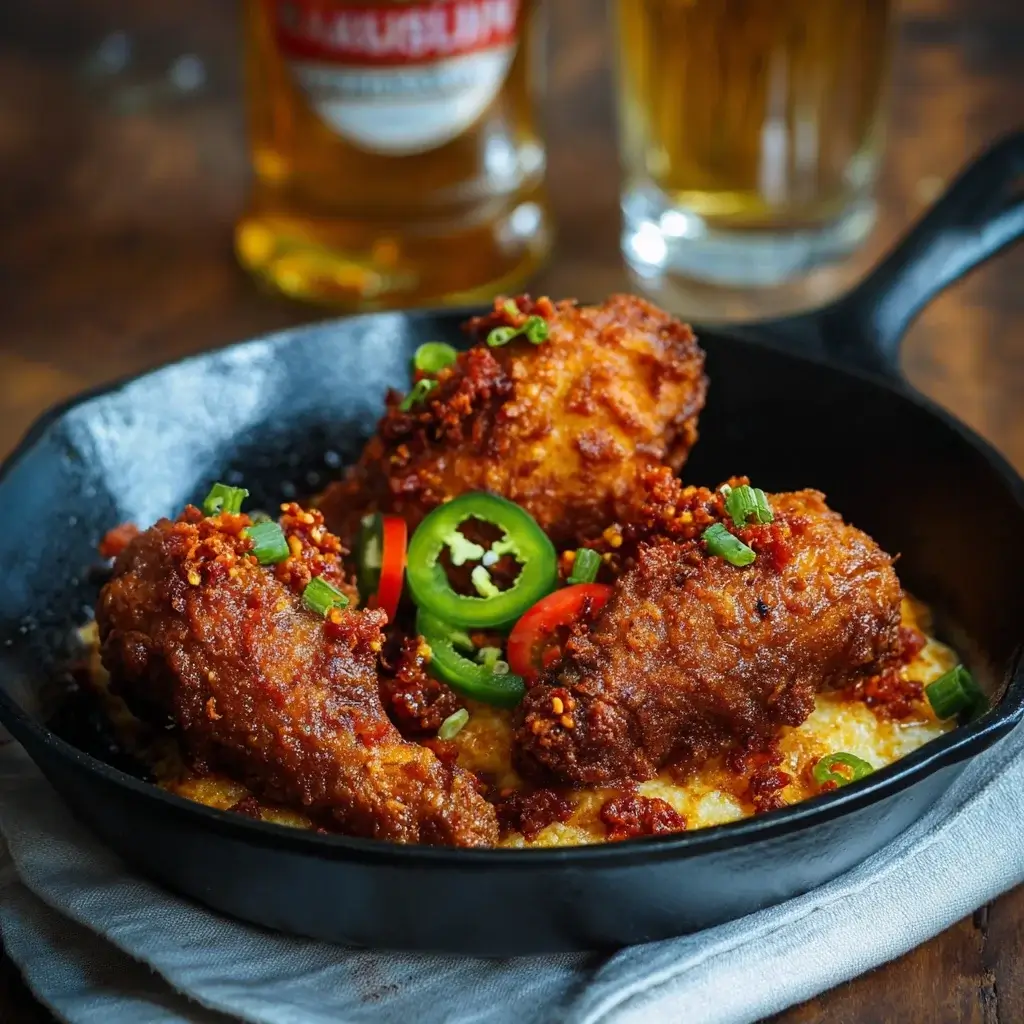

There are certain culinary experiences that are less a meal and more a rite of passage. Making a perfect sourdough starter, shucking your first oyster, and, for those who worship at the altar of spice, conquering homemade Nashville Hot Chicken. I will never, ever forget my first encounter with the real deal in a small, unassuming shack just outside of Nashville. The chicken arrived on a piece of plain white bread, glowing with a menacing, fiery red sheen. It wasn’t just hot; it was a complex, smoky, slightly sweet, and utterly addictive inferno. The first bite was a moment of pure, unadulterated panic, followed by a wave of profound flavor that made the pain worth it. The heat built, my brow started to sweat, and the cooling crunch of the dill pickle chip became the most important thing in the world. I was hooked. For years, I was too intimidated to try and replicate that experience at home. Frying chicken is a project, and creating that signature hot oil seemed like a form of dangerous alchemy. But when I finally dedicated a weekend to it, the process was a revelation. The secret wasn’t magic; it was a method. It was about the salty, tangy buttermilk brine that makes the chicken impossibly juicy. It was about the craggy, super-crispy crust from a perfect double dredge. And most importantly, it was about that “baptism by fire”—brushing the freshly fried chicken with its own spicy, seasoned oil. When I served my first homemade batch to friends, the reaction was exactly like my own in that Nashville shack: wide eyes, a moment of silence, and then the inevitable, “Wow… can I have another piece?” This isn’t just a recipe; it’s a project, an achievement, and the most delicious, exhilarating culinary adventure you can have in your own kitchen.
The Anatomy of Fire: A Complete Ingredient Breakdown
Authentic Nashville Hot Chicken is a multi-stage process, and each stage has its own crucial set of ingredients. Don’t be intimidated by the list; it’s the layering of these components that creates the legendary flavor.
For the Chicken:
- Whole Chicken: 1 (about 3-4 lbs), cut into 8 pieces (2 breasts, 2 thighs, 2 drumsticks, 2 wings), or your preferred bone-in, skin-on pieces.
For the Buttermilk Brine (The Secret to Juicy Chicken):
- Buttermilk: 4 cups
- Hot Sauce: ¼ cup (like Frank’s RedHot or Texas Pete)
- Kosher Salt: 2 tablespoons
- Black Pepper: 1 tablespoon, freshly ground
For the Spicy Flour Dredge (The Crispy Coating):
- All-Purpose Flour: 3 cups
- Cornstarch: ½ cup (for extra crispiness)
- Kosher Salt: 2 tablespoons
- Black Pepper: 1 tablespoon
- Cayenne Pepper: 2 tablespoons
- Garlic Powder: 1 tablespoon
- Smoked Paprika: 1 tablespoon
For Frying:
- Neutral, High-Smoke-Point Oil: 48 oz (about 6 cups), such as peanut, canola, or vegetable oil.
For the Nashville Hot Oil (The Defining Element):
- Cayenne Pepper: ⅓ cup (this is for classic “hot”; adjust up or down for your tolerance)
- Brown Sugar: 1 tablespoon, packed (to balance the heat)
- Smoked Paprika: 1 teaspoon
- Garlic Powder: 1 teaspoon
- Chili Powder: 1 teaspoon
- Salt: ½ teaspoon
The Path to Legendary Chicken: Step-by-Step Instructions
This is a journey. Embrace the process, and you’ll be rewarded with the best fried chicken of your life. We will break it down into four distinct, manageable stages.
Stage 1: The Buttermilk Brine (Minimum 4 Hours, Preferably Overnight)
This stage is non-negotiable. It tenderizes the chicken, seasons it from the inside out, and ensures it stays incredibly juicy through the frying process.
- Create the Brine: In a large bowl or a large zip-top bag, whisk together the 4 cups of buttermilk, ¼ cup of hot sauce, 2 tablespoons of kosher salt, and 1 tablespoon of black pepper until the salt is fully dissolved.
- Submerge the Chicken: Add your chicken pieces to the brine, ensuring every piece is fully submerged.
- Refrigerate: Cover the bowl with plastic wrap or seal the bag and place it in the refrigerator. Let the chicken brine for at least 4 hours. For the absolute best results, let it brine overnight (up to 24 hours).
Stage 2: The Dredge (Creating the Crispy Crust)
This double-dredging technique is the key to a thick, craggy crust that will hold onto the hot oil beautifully.
- Prepare the Dredging Station: In a large, shallow dish (like a casserole dish or pie plate), whisk together the 3 cups of all-purpose flour, ½ cup of cornstarch, 2 tablespoons of salt, 1 tablespoon of pepper, 2 tablespoons of cayenne, 1 tablespoon of garlic powder, and 1 tablespoon of smoked paprika.
- Remove Chicken from Brine: Take the chicken pieces out of the buttermilk brine one at a time, allowing the excess brine to drip off. Do not pat them dry! The wet surface is what the flour will cling to. Place the chicken on a wire rack set over a baking sheet.
- The First Dredge: Working with one piece of chicken at a time, press it firmly into the flour mixture, ensuring it is completely coated on all sides. Shake off the excess flour and place it back on the wire rack. Repeat with all the chicken pieces.
- Let it Rest: Let the coated chicken rest on the wire rack for 15-20 minutes. This allows the flour to hydrate and form a “paste,” which is crucial for a crust that won’t fall off during frying.
- The Second Dredge: After the rest, repeat the dredging process. Take each piece of chicken and press it firmly into the flour mixture once more. This second coat is what creates those desirable extra-crispy nooks and crannies. Place the double-dredged chicken back on the wire rack.
Stage 3: The Fry (Achieving Golden, Crispy Perfection)
This is the most active and important cooking stage. Safety and temperature control are paramount.
- Heat the Oil: Pour the oil into a large, heavy-bottomed pot, Dutch oven, or deep cast-iron skillet. The oil should be at least 2-3 inches deep. Attach a deep-fry thermometer to the side of the pot. Heat the oil over medium-high heat until it reaches a steady temperature of 325°F (163°C).
- Fry in Batches: Carefully place a few pieces of chicken into the hot oil, skin-side down. Do not overcrowd the pan! This will cause the oil temperature to drop dramatically, resulting in greasy, soggy chicken. Fry 3-4 pieces at a time.
- Maintain Temperature: Adjust your stove’s heat as needed to keep the oil temperature between 300°F and 325°F.
- Cook Thoroughly: Fry the chicken for about 6-8 minutes per side, turning once, until it is a deep golden brown and cooked through. The internal temperature of the thickest part of the chicken should register 165°F (74°C) on an instant-read thermometer. Thighs and drumsticks will take longer than breasts and wings.
- Drain and Rest: Once cooked, use tongs to remove the chicken from the oil and place it on a clean wire rack set over a baking sheet to drain. Let the oil come back up to 325°F before adding the next batch.
Stage 4: The Baptism by Fire (Making and Applying the Hot Oil)
This final step transforms your perfect fried chicken into true Nashville Hot Chicken.
- Create the Spice Paste: In a medium, heat-proof bowl, whisk together the ⅓ cup of cayenne pepper, 1 tablespoon of brown sugar, and the remaining spices (paprika, garlic powder, chili powder, salt).
- Temper the Spices: Once all the chicken is fried, very carefully ladle about 1 cup of the hot frying oil directly from the pot into the bowl with the spice mixture. It will sizzle and bubble dramatically. Whisk vigorously until the mixture forms a smooth, dark red, glistening paste.
- Anoint the Chicken: While the chicken is still hot, use a pastry brush to liberally brush the fiery oil over all sides of each piece of fried chicken. Be as generous as you dare.
- Serve Immediately: The chicken is now ready. Serve it immediately while it’s hot, crispy, and at its peak.
Nutrition Facts
- Servings: 4-6
- Calories per serving: Approximately 900-1200 kcal
Disclaimer: This is a highly indulgent dish. The nutritional information is a broad estimate and will vary greatly based on the size of the chicken pieces, the amount of oil absorbed during frying, and the amount of hot oil brushed on top. This is a special occasion feast, not everyday fare.
Preparation Time
- Prep Time: 40 minutes (includes making brine and dredge)
- Inactive Brining Time: 4 to 24 hours
- Cook Time: 30-40 minutes
- Total Time (excluding brining): Approximately 1 hour 20 minutes
How to Serve Nashville Hot Chicken: The Authentic Experience
Serving this chicken correctly is part of the tradition and enhances the overall experience by providing crucial cooling counterpoints to the intense heat.
- The Holy Trinity (Non-Negotiable):
The authentic Nashville way to serve hot chicken is simple and functional.- White Bread: A slice of simple, soft white bread is placed underneath the chicken pieces. It’s not for making a sandwich; it’s there to soak up the delicious, spicy oil that drips off the chicken. Eating this “hot chicken-soaked” bread at the end is a reward in itself.
- Dill Pickle Chips: Several thick-cut dill pickle chips are served on top or on the side. The cool, acidic, briny crunch is the perfect foil to the rich, spicy, fatty chicken. They are essential for cleansing your palate between fiery bites.
- As a Nashville Hot Chicken Sandwich:
This has become a hugely popular modern way to enjoy the dish.- The Bun: Use a soft, sturdy brioche bun, toasted with butter.
- The Chicken: A boneless, skinless chicken breast or thigh is typically used for sandwiches.
- The Toppings:
- A generous smear of mayonnaise or a creamy comeback sauce.
- A pile of crisp, creamy coleslaw.
- Plenty of dill pickle chips.
- Essential Cooling Side Dishes:
Because the main dish is so intensely flavored, your side dishes should be designed to cool the palate and provide creamy, mellow relief.- Creamy Coleslaw: A simple, classic slaw with a mayonnaise-based dressing.
- Southern Macaroni and Cheese: The ultimate cooling comfort food.
- Potato Salad: A classic, creamy potato salad.
- Collard Greens: Simmered with bacon or a ham hock, they provide a savory, less-spicy counterpoint.
- A Tall Glass of Sweet Tea or Cold Beer: Essential for taming the flame.
5 Essential Tips for Hot Chicken Dominance
- Respect the Cayenne (Know Your Limits): Not all cayenne pepper is created equal. Some brands are significantly hotter than others. The amount in this recipe (⅓ cup) creates a genuinely “hot” chicken. If you are new to this dish or sensitive to spice, start with half that amount (3 tablespoons) and add more to taste. You can always make it hotter; you can’t make it less hot once it’s on the chicken.
- Temperature Control is Everything: The single biggest key to crispy, not greasy, fried chicken is maintaining the proper oil temperature. Use a deep-fry or candy thermometer. If the oil is too hot, the crust will burn before the chicken is cooked. If the oil is too cool, the chicken will absorb too much oil and become greasy. Let the temperature recover between batches.
- The Double Dredge is Worth the Effort: It might seem like a small, fussy step, but resting the chicken after the first dredge and then dredging it again is what creates the super-craggy, ultra-crispy crust that is the hallmark of great fried chicken. This textured surface provides countless nooks and crannies for the hot oil to cling to.
- Don’t Drown the Chicken in Oil: The final step is to brush the hot oil onto the chicken, not to dunk or soak it. You are applying a glistening, flavorful, spicy coating. The goal is a perfect marriage of the crispy crust and the spicy oil, not a soggy piece of chicken swimming in a pool of grease.
- Safety First, Flavor Second: Deep frying involves a large amount of very hot oil. Be extremely careful. Use a heavy, stable pot and never fill it more than halfway with oil. Keep a lid nearby; in the unlikely event of a grease fire, slide the lid over the pot to smother the flames. Never use water to put out a grease fire. Keep children and pets away from the stove while you are frying.
Frequently Asked Questions (FAQ)
1. Can I make this recipe with boneless, skinless chicken?
Yes, absolutely. Boneless, skinless chicken thighs are a fantastic choice as they stay very juicy. Boneless, skinless breasts also work well, especially for making sandwiches. The brining step is even more important for boneless breasts to keep them from drying out. The cooking time will be shorter, so be sure to use a meat thermometer and pull them from the oil once they reach 165°F.
2. Can I bake Nashville Hot Chicken instead of frying it?
You can make a baked version, but it’s important to manage expectations—it will not have the same crispy texture as classic fried chicken. To do it, follow the brining and dredging steps. Place the chicken on a wire rack set on a baking sheet. Spray the chicken generously with cooking spray. Bake at 425°F (218°C) for 25-40 minutes, depending on the pieces, until cooked through and golden. To make the hot oil, you’ll need to heat some neutral oil in a separate pan before mixing it with the spices, then brush it on the baked chicken.
3. My crust fell off in the fryer! What did I do wrong?
This is a common fried chicken problem. It’s usually caused by one of a few things: 1) You didn’t let the dredged chicken rest long enough for the flour to hydrate and form a paste. 2) The oil temperature was too low. 3) You overcrowded the pan. 4) You moved the chicken around too much in the first few minutes of frying. When you first place the chicken in the oil, let it sit and form a solid crust before you try to move or flip it.
4. How do I store and reheat leftovers?
Store leftover chicken in an airtight container in the refrigerator for up to 3 days. The worst way to reheat it is in the microwave, which will make the skin soggy. The best way is in an oven or an air fryer. Place the chicken on a wire rack and heat it at 375°F (190°C) for 10-15 minutes, or until it is heated through and the skin has re-crisped.
5. Is there a way to make the hot oil without using the frying oil?
Yes. If you prefer, you can make the oil separately. In a small saucepan, heat 1 cup of a neutral oil (like canola) until it is very hot but not smoking (around 325-350°F). Then, very carefully pour it over the spice mixture in a heat-proof bowl and whisk as directed. This is a good option if you want to make the spice oil ahead of time.

Nashville Hot Chicken recipe
Ingredients
For the Chicken:
-
Whole Chicken: 1 (about 3-4 lbs), cut into 8 pieces (2 breasts, 2 thighs, 2 drumsticks, 2 wings), or your preferred bone-in, skin-on pieces.
For the Buttermilk Brine (The Secret to Juicy Chicken):
-
Buttermilk: 4 cups
-
Hot Sauce: ¼ cup (like Frank’s RedHot or Texas Pete)
-
Kosher Salt: 2 tablespoons
-
Black Pepper: 1 tablespoon, freshly ground
For the Spicy Flour Dredge (The Crispy Coating):
-
All-Purpose Flour: 3 cups
-
Cornstarch: ½ cup (for extra crispiness)
-
Kosher Salt: 2 tablespoons
-
Black Pepper: 1 tablespoon
-
Cayenne Pepper: 2 tablespoons
-
Garlic Powder: 1 tablespoon
-
Smoked Paprika: 1 tablespoon
For Frying:
-
Neutral, High-Smoke-Point Oil: 48 oz (about 6 cups), such as peanut, canola, or vegetable oil.
For the Nashville Hot Oil (The Defining Element):
-
Cayenne Pepper: ⅓ cup (this is for classic “hot”; adjust up or down for your tolerance)
-
Brown Sugar: 1 tablespoon, packed (to balance the heat)
-
Smoked Paprika: 1 teaspoon
-
Garlic Powder: 1 teaspoon
-
Chili Powder: 1 teaspoon
-
Salt: ½ teaspoon
Instructions
Stage 1: The Buttermilk Brine (Minimum 4 Hours, Preferably Overnight)
This stage is non-negotiable. It tenderizes the chicken, seasons it from the inside out, and ensures it stays incredibly juicy through the frying process.
-
Create the Brine: In a large bowl or a large zip-top bag, whisk together the 4 cups of buttermilk, ¼ cup of hot sauce, 2 tablespoons of kosher salt, and 1 tablespoon of black pepper until the salt is fully dissolved.
-
Submerge the Chicken: Add your chicken pieces to the brine, ensuring every piece is fully submerged.
-
Refrigerate: Cover the bowl with plastic wrap or seal the bag and place it in the refrigerator. Let the chicken brine for at least 4 hours. For the absolute best results, let it brine overnight (up to 24 hours).
Stage 2: The Dredge (Creating the Crispy Crust)
This double-dredging technique is the key to a thick, craggy crust that will hold onto the hot oil beautifully.
-
Prepare the Dredging Station: In a large, shallow dish (like a casserole dish or pie plate), whisk together the 3 cups of all-purpose flour, ½ cup of cornstarch, 2 tablespoons of salt, 1 tablespoon of pepper, 2 tablespoons of cayenne, 1 tablespoon of garlic powder, and 1 tablespoon of smoked paprika.
-
Remove Chicken from Brine: Take the chicken pieces out of the buttermilk brine one at a time, allowing the excess brine to drip off. Do not pat them dry! The wet surface is what the flour will cling to. Place the chicken on a wire rack set over a baking sheet.
-
The First Dredge: Working with one piece of chicken at a time, press it firmly into the flour mixture, ensuring it is completely coated on all sides. Shake off the excess flour and place it back on the wire rack. Repeat with all the chicken pieces.
-
Let it Rest: Let the coated chicken rest on the wire rack for 15-20 minutes. This allows the flour to hydrate and form a “paste,” which is crucial for a crust that won’t fall off during frying.
-
The Second Dredge: After the rest, repeat the dredging process. Take each piece of chicken and press it firmly into the flour mixture once more. This second coat is what creates those desirable extra-crispy nooks and crannies. Place the double-dredged chicken back on the wire rack.
Stage 3: The Fry (Achieving Golden, Crispy Perfection)
This is the most active and important cooking stage. Safety and temperature control are paramount.
-
Heat the Oil: Pour the oil into a large, heavy-bottomed pot, Dutch oven, or deep cast-iron skillet. The oil should be at least 2-3 inches deep. Attach a deep-fry thermometer to the side of the pot. Heat the oil over medium-high heat until it reaches a steady temperature of 325°F (163°C).
-
Fry in Batches: Carefully place a few pieces of chicken into the hot oil, skin-side down. Do not overcrowd the pan! This will cause the oil temperature to drop dramatically, resulting in greasy, soggy chicken. Fry 3-4 pieces at a time.
-
Maintain Temperature: Adjust your stove’s heat as needed to keep the oil temperature between 300°F and 325°F.
-
Cook Thoroughly: Fry the chicken for about 6-8 minutes per side, turning once, until it is a deep golden brown and cooked through. The internal temperature of the thickest part of the chicken should register 165°F (74°C) on an instant-read thermometer. Thighs and drumsticks will take longer than breasts and wings.
-
Drain and Rest: Once cooked, use tongs to remove the chicken from the oil and place it on a clean wire rack set over a baking sheet to drain. Let the oil come back up to 325°F before adding the next batch.
Stage 4: The Baptism by Fire (Making and Applying the Hot Oil)
This final step transforms your perfect fried chicken into true Nashville Hot Chicken.
-
Create the Spice Paste: In a medium, heat-proof bowl, whisk together the ⅓ cup of cayenne pepper, 1 tablespoon of brown sugar, and the remaining spices (paprika, garlic powder, chili powder, salt).
-
Temper the Spices: Once all the chicken is fried, very carefully ladle about 1 cup of the hot frying oil directly from the pot into the bowl with the spice mixture. It will sizzle and bubble dramatically. Whisk vigorously until the mixture forms a smooth, dark red, glistening paste.
-
Anoint the Chicken: While the chicken is still hot, use a pastry brush to liberally brush the fiery oil over all sides of each piece of fried chicken. Be as generous as you dare.
-
Serve Immediately: The chicken is now ready. Serve it immediately while it’s hot, crispy, and at its peak.
Nutrition
- Serving Size: one normal portion
- Calories: 900-1200 kcal