
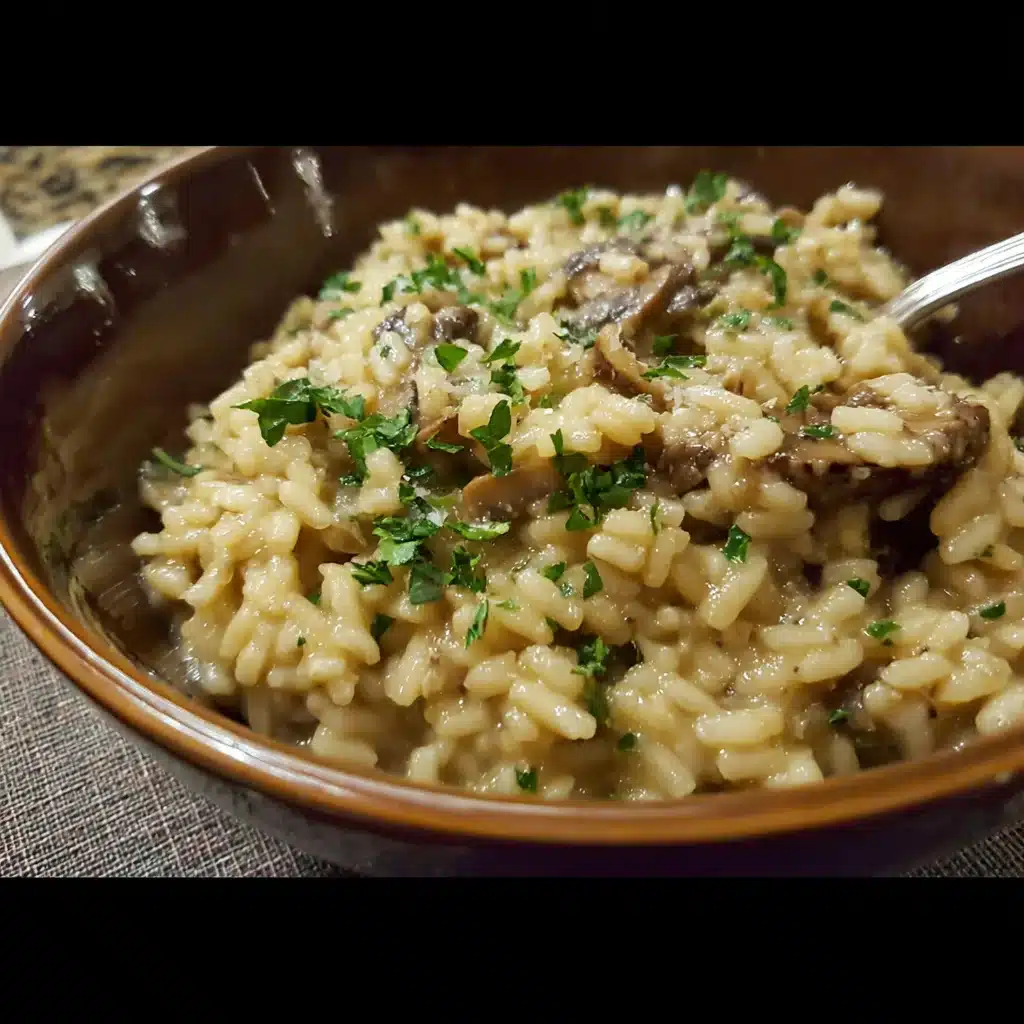
Of all the dishes that feel like a five-star restaurant experience, a perfectly executed Mushroom Truffle Risotto sits at the very top of my list. For years, I was too intimidated to even attempt it. I’d heard the stories: the constant stirring, the precise timing, the unforgiving nature of the Arborio rice. It seemed like culinary magic reserved for chefs in tall hats. But one chilly autumn evening, armed with a beautiful selection of wild mushrooms and a small, precious bottle of white truffle oil, I decided to face my fears. The result was nothing short of a revelation. The aroma alone—that intoxicating blend of earthy mushrooms, savory parmesan, and the ethereal scent of truffle—filled the entire house and had my family drifting into the kitchen, asking what smelled so incredible. The first bite was pure bliss: unbelievably creamy, each grain of rice distinct yet tender, all wrapped in a rich, savory sauce. It wasn’t just food; it was an event. That night, I realized risotto isn’t about magic; it’s about a method and a little bit of love. It’s a dish that asks for your attention but rewards you tenfold with a luxuriousness that comforts and impresses in equal measure. This recipe is the culmination of that journey, perfected through trial and error, and it has become my go-to for special occasions, cozy nights in, and any time I want to make a meal that truly feels like a hug in a bowl.
The Ultimate Creamy Mushroom Truffle Risotto
This recipe is designed to guide you step-by-step to creating a restaurant-quality risotto in your own kitchen. We will delve into not just the “how” but the “why” behind each step, demystifying the process and ensuring your final dish is rich, perfectly textured, and bursting with the sophisticated flavors of mushroom and truffle.
A Note on Ingredients: The Foundation of Flavor
The quality of your risotto is directly tied to the quality of your ingredients. While the list might seem simple, each component plays a crucial role.
- For the Risotto Base:
- Arborio Rice: 1.5 cups (approx. 300g). This is the star of the show. Its high starch content is essential for creating the signature creamy texture. Do not rinse the rice; you need that starchy coating.
- High-Quality Broth: 6-7 cups (approx. 1.5 – 1.7 liters) of vegetable or chicken broth. It is absolutely critical that you keep the broth warm in a separate saucepan throughout the cooking process. Adding cold broth will shock the rice and halt the cooking process.
- Dry White Wine: ½ cup. Choose a crisp, dry wine you would enjoy drinking, like a Pinot Grigio or Sauvignon Blanc. This adds a crucial layer of acidity to cut through the richness.
- Shallots: 2 large, finely minced. Shallots offer a more delicate and sweet flavor than onions, which can sometimes overpower the dish.
- Garlic: 3 cloves, finely minced.
- Unsalted Butter: 4 tablespoons, divided. Using unsalted butter allows you to control the final seasoning of the dish.
- Olive Oil: 2 tablespoons. A combination of butter and olive oil for sautéing prevents the butter from burning.
- For the Mushroom & Truffle Element:
- Fresh Mushrooms: 1 pound (approx. 450g) of mixed mushrooms. A combination of cremini (baby bella) mushrooms for a meaty base and a wild mushroom mix (like shiitake, oyster, or chanterelle) for complex, earthy flavor works best.
- Dried Porcini Mushrooms (Optional but Recommended): ½ ounce (approx. 15g). These are a secret weapon. Rehydrating them creates an intensely flavorful mushroom “tea” that will be added to your main broth for an incredible depth of flavor.
- High-Quality White Truffle Oil: 1-2 tablespoons. This is a finishing oil, not a cooking oil. Its flavor is delicate and volatile. Invest in a good quality oil infused with real truffles, not one with synthetic “truffle aroma.” A little goes a long way.
- Parmigiano-Reggiano Cheese: 1 cup, freshly grated, plus more for serving. Please, grate your own. Pre-shredded cheese contains anti-caking agents that can make your risotto grainy.
- Fresh Parsley or Chives: ¼ cup, finely chopped, for garnish.
- Salt and Freshly Ground Black Pepper: To taste.
Step-by-Step Instructions to Risotto Perfection
Patience is the most important tool in making risotto. Think of the process as a relaxing, mindful 30 minutes at the stove. Put on some music, pour yourself a glass of that white wine, and enjoy the transformation.
Step 1: Prepare Your Ingredients (Mise en Place)
- Broth Preparation: If using dried porcini mushrooms, place them in a small bowl and cover them with 1 cup of boiling water. Let them steep for 20-30 minutes. Once softened, remove the porcinis with a slotted spoon (reserve the liquid!), chop them finely, and set aside. Strain the reserved porcini liquid through a fine-mesh sieve or cheesecloth to remove any grit, and add this intensely flavorful liquid to your main pot of vegetable or chicken broth.
- Warm the Broth: Pour your main broth (now fortified with the porcini liquid) into a medium saucepan and place it on a burner next to your risotto pot. Bring it to a simmer over low heat. It must remain warm throughout the entire cooking process. This is non-negotiable for a creamy result.
- Prep the Veggies & Cheese: Finely mince your shallots and garlic. Wipe your fresh mushrooms clean with a damp paper towel (avoid washing them, as they absorb water) and slice them. Finely chop your rehydrated porcinis. Grate your Parmesan cheese. Chop your fresh herbs. Having everything ready before you start is the key to a stress-free experience.
Step 2: Sauté the Mushrooms
- In a large, heavy-bottomed pot or Dutch oven (the wide base is ideal for risotto), melt 2 tablespoons of butter with 2 tablespoons of olive oil over medium-high heat.
- Add the sliced fresh mushrooms in a single layer (cook in batches if necessary to avoid overcrowding the pan). Don’t stir them too much at first. Allow them to get a nice golden-brown sear on one side before tossing. This caramelization builds immense flavor.
- Once browned and their moisture has cooked off (about 5-7 minutes), add the chopped rehydrated porcini mushrooms and the minced garlic. Sauté for another minute until the garlic is fragrant.
- Season the mushrooms with a pinch of salt and pepper. Remove them from the pot and set them aside in a bowl.
Step 3: Toast the Rice (The “Tostatura”)
- In the same pot (don’t wipe it out!), melt the remaining 2 tablespoons of butter over medium heat.
- Add the finely minced shallots and cook, stirring frequently, until they are soft and translucent, about 3-4 minutes.
- Add the Arborio rice to the pot. Stir constantly for about 2 minutes. You are “toasting” the grains. You’ll see the edges of the rice become translucent while the center remains an opaque white. This step is crucial; it helps the grains absorb the broth evenly and prevents them from turning to mush.
Step 4: Deglaze with Wine
- Pour in the ½ cup of white wine. It will sizzle and steam immediately. Stir continuously, scraping up any browned bits from the bottom of the pot (this is called deglazing, and it adds flavor).
- Continue stirring until the wine has been almost completely absorbed by the rice and the smell of alcohol has cooked off.
Step 5: The Stirring Process – Building the Cream
- Now, the main event begins. Add one ladleful (about ½ to ¾ cup) of the warm broth to the rice.
- Stir the rice constantly but gently with a wooden spoon or spatula. The motion is key: the friction of the rice grains rubbing against each other is what releases their starches, which in turn creates the creamy sauce.
- Continue stirring until the broth is almost completely absorbed. You’ll know it’s time to add more when your spoon leaves a clear trail on the bottom of the pot for a second or two.
- Repeat this process, adding one ladleful of warm broth at a time and stirring until it’s absorbed before adding the next. This entire process should take about 18-25 minutes. It cannot be rushed.
- After about 15 minutes, start tasting the rice. You’re looking for a texture that is “al dente” – tender and creamy on the outside, but with a slight bite or chew right in the center.
Step 6: The Finish (The “Mantecatura”)
- Once the rice is perfectly al dente and you have a creamy, slightly soupy consistency (it should flow gently, like a “wave,” not be a stiff block), it’s time for the final, magical step.
- Stir in the cooked mushrooms you set aside earlier.
- Turn off the heat completely. This is very important.
- Vigorously stir in the 1 cup of freshly grated Parmesan cheese and the 1-2 tablespoons of high-quality truffle oil. The residual heat will melt the cheese into a luscious, glossy sauce. This step, called the “mantecatura,” is what gives risotto its final, signature creaminess and shine.
- Taste the risotto and season generously with salt and freshly ground black pepper. Risotto often needs more salt than you think.
Step 7: Serve Immediately
- Risotto waits for no one! It’s at its peak texture and temperature the moment it’s finished. Ladle it into warm, shallow bowls. Garnish with a sprinkle of extra Parmesan cheese, fresh parsley or chives, and if you’re feeling extra decadent, a tiny extra drizzle of truffle oil or fresh truffle shavings.
Nutrition Facts
- Servings: 4 main course servings or 6-8 appetizer servings
- Calories per Serving (approximate): 550-650 kcal (based on 4 main course servings). This can vary based on the specific type and amount of broth, wine, and cheese used.
Preparation & Cooking Time
- Preparation Time: 25 minutes (includes steeping porcinis, chopping vegetables)
- Cooking Time: 30-35 minutes
- Total Time: Approximately 1 hour
How to Serve Your Mushroom Truffle Risotto
Presentation elevates this dish from a simple meal to a sophisticated experience. Here’s how to serve it like a pro.
- The Classic Plating:
- Spoon a generous amount of risotto into the center of a warm, shallow pasta bowl.
- Gently shake the bowl or tap the bottom of it firmly on your counter. This will cause the risotto to spread out evenly in a perfect circle, showcasing its creamy, flowing consistency (known in Italy as risotto all’onda, or “wavy risotto”).
- Garnishes that Pop:
- Herbs: A sprinkle of bright green from fresh, finely chopped parsley or chives adds freshness and color contrast.
- Cheese: Always offer extra freshly grated Parmigiano-Reggiano at the table. A few delicate shavings from a vegetable peeler also look beautiful.
- Truffle: For a truly luxurious touch, a few paper-thin shavings of fresh black or white truffle, or a final, light drizzle of your best truffle oil, is spectacular.
- Pepper: A final grind of coarse black pepper adds a touch of spice and visual texture.
- Perfect Pairings:
- Wine: The most natural pairing is the crisp white wine you used in the recipe, like a Pinot Grigio. An oaked Chardonnay or a light-bodied, earthy Pinot Noir also complements the mushroom flavors wonderfully.
- As a Main Course: Serve with a simple, crisp side salad dressed in a sharp lemon vinaigrette. The acidity of the dressing will cut through the richness of the risotto and cleanse the palate.
- As a First Course (Primo Piatto): Serve a smaller portion, followed by a simple main course that won’t compete with its rich flavor, such as:
- Pan-Seared Scallops
- A perfectly grilled steak (Filet Mignon)
- Simple Roasted Chicken
- Sautéed Asparagus or Green Beans
Additional Tips for Risotto Success
Mastering risotto is about understanding a few key principles. Keep these tips in mind, and you’ll succeed every time.
- The Right Pot Matters: Use a wide, heavy-bottomed pot, like a Dutch oven or a sturdy sauté pan. The wide surface area helps the rice cook in an even layer, promoting more consistent cooking and evaporation. A heavy bottom ensures even heat distribution and prevents scorching.
- Don’t Abandon Your Post: The constant stirring is not a myth. It’s the physical action required to knock the starch molecules off the surface of the rice, which then dissolve into the broth and create that signature creamy sauce. You don’t need to stir frantically, but a consistent, gentle, back-and-forth motion is essential. This is not a dish you can walk away from.
- Taste as You Go: Don’t wait until the end to taste. Start tasting the rice after about 15 minutes of cooking. This is the only way to know when it’s perfectly al dente. Also, remember that your broth and Parmesan cheese both contain salt, so be cautious with your seasoning until the very end.
- Embrace the “Mantecatura”: Do not skip the final step of taking the pot off the heat and vigorously stirring in the cheese and truffle oil. This emulsifies the fats and starches into a final, velvety sauce. Using cold butter (a common variation) at this stage can make it even creamier.
- Use Leftovers Creatively – Make Arancini!: Leftover risotto, once refrigerated, becomes firm and starchy. While it’s not great when reheated as-is, it’s the perfect consistency for making Arancini (fried risotto balls). Simply roll the cold risotto into balls, stuff a small piece of mozzarella cheese in the center, coat them in flour, then egg, then breadcrumbs, and fry until golden brown. It’s one of the best uses for leftovers in all of Italian cuisine.
Frequently Asked Questions (FAQ)
Q1: My risotto turned out gummy and sticky. What did I do wrong?
A: This is a common issue with a few possible causes. First, you may have overcooked the rice. The moment it goes past al dente, it releases too much starch and becomes gluey. Second, you might have added the broth too quickly or all at once, essentially boiling the rice instead of allowing for gradual absorption. Finally, ensure you used the right kind of rice (Arborio, Carnaroli, or Vialone Nano) and that you did not rinse it before cooking.
Q2: Can I make this Mushroom Truffle Risotto vegan?
A: Absolutely! The conversion is quite simple. Use a high-quality, flavorful vegetable broth. Sauté the vegetables in olive oil instead of a butter/oil combination. For the final “mantecatura,” use a high-quality vegan parmesan alternative (many nut-based versions are excellent) and a dollop of vegan butter or a swirl of extra virgin olive oil to add richness and create that creamy emulsion.
Q3: Is there a non-alcoholic substitute for the white wine?
A: Yes. The purpose of the wine is to add acidity and depth. To replicate this, you can deglaze the pan with an equal amount of your warm broth that has been mixed with a teaspoon or two of white wine vinegar or fresh lemon juice. This will provide the necessary acidic note to balance the richness of the final dish.
Q4: Can I prepare the risotto in advance for a dinner party?
A: Risotto is notoriously best when served immediately. However, you can use a chef’s trick to get most of the work done ahead of time. Cook the risotto about 75% of the way through (about 12-15 minutes), until the rice is still quite firm in the center. Spread it out on a baking sheet to cool down quickly. When your guests arrive, return the partially cooked risotto to the pot, bring it back up to temperature with more warm broth, and finish the cooking process for the final 5-7 minutes, proceeding with the mushroom and “mantecatura” steps as normal.
Q5: The truffle flavor in my risotto is overwhelming/artificial. How do I prevent this?
A: This comes down to the quality and application of your truffle oil. Many cheaper “truffle” oils are made with a synthetic chemical compound (2,4-dithiapentane) and can have a harsh, gasoline-like flavor. Invest in a small bottle of oil that is genuinely infused with real truffles. More importantly, always add the truffle oil at the very end, off the heat. The delicate aromatic compounds in real truffle oil are volatile and will be destroyed by high heat, leaving behind only a muted or unpleasant taste. Use it as a finishing touch, not a cooking ingredient.
Print
Mushroom Truffle Risotto recipe
Ingredients
-
For the Risotto Base:
-
Arborio Rice: 1.5 cups (approx. 300g). This is the star of the show. Its high starch content is essential for creating the signature creamy texture. Do not rinse the rice; you need that starchy coating.
-
High-Quality Broth: 6-7 cups (approx. 1.5 – 1.7 liters) of vegetable or chicken broth. It is absolutely critical that you keep the broth warm in a separate saucepan throughout the cooking process. Adding cold broth will shock the rice and halt the cooking process.
-
Dry White Wine: ½ cup. Choose a crisp, dry wine you would enjoy drinking, like a Pinot Grigio or Sauvignon Blanc. This adds a crucial layer of acidity to cut through the richness.
-
Shallots: 2 large, finely minced. Shallots offer a more delicate and sweet flavor than onions, which can sometimes overpower the dish.
-
Garlic: 3 cloves, finely minced.
-
Unsalted Butter: 4 tablespoons, divided. Using unsalted butter allows you to control the final seasoning of the dish.
-
Olive Oil: 2 tablespoons. A combination of butter and olive oil for sautéing prevents the butter from burning.
-
-
For the Mushroom & Truffle Element:
-
Fresh Mushrooms: 1 pound (approx. 450g) of mixed mushrooms. A combination of cremini (baby bella) mushrooms for a meaty base and a wild mushroom mix (like shiitake, oyster, or chanterelle) for complex, earthy flavor works best.
-
Dried Porcini Mushrooms (Optional but Recommended): ½ ounce (approx. 15g). These are a secret weapon. Rehydrating them creates an intensely flavorful mushroom “tea” that will be added to your main broth for an incredible depth of flavor.
-
High-Quality White Truffle Oil: 1-2 tablespoons. This is a finishing oil, not a cooking oil. Its flavor is delicate and volatile. Invest in a good quality oil infused with real truffles, not one with synthetic “truffle aroma.” A little goes a long way.
-
Parmigiano-Reggiano Cheese: 1 cup, freshly grated, plus more for serving. Please, grate your own. Pre-shredded cheese contains anti-caking agents that can make your risotto grainy.
-
Fresh Parsley or Chives: ¼ cup, finely chopped, for garnish.
-
Salt and Freshly Ground Black Pepper: To taste.
-
Instructions
Step 1: Prepare Your Ingredients (Mise en Place)
-
Broth Preparation: If using dried porcini mushrooms, place them in a small bowl and cover them with 1 cup of boiling water. Let them steep for 20-30 minutes. Once softened, remove the porcinis with a slotted spoon (reserve the liquid!), chop them finely, and set aside. Strain the reserved porcini liquid through a fine-mesh sieve or cheesecloth to remove any grit, and add this intensely flavorful liquid to your main pot of vegetable or chicken broth.
-
Warm the Broth: Pour your main broth (now fortified with the porcini liquid) into a medium saucepan and place it on a burner next to your risotto pot. Bring it to a simmer over low heat. It must remain warm throughout the entire cooking process. This is non-negotiable for a creamy result.
-
Prep the Veggies & Cheese: Finely mince your shallots and garlic. Wipe your fresh mushrooms clean with a damp paper towel (avoid washing them, as they absorb water) and slice them. Finely chop your rehydrated porcinis. Grate your Parmesan cheese. Chop your fresh herbs. Having everything ready before you start is the key to a stress-free experience.
Step 2: Sauté the Mushrooms
-
In a large, heavy-bottomed pot or Dutch oven (the wide base is ideal for risotto), melt 2 tablespoons of butter with 2 tablespoons of olive oil over medium-high heat.
-
Add the sliced fresh mushrooms in a single layer (cook in batches if necessary to avoid overcrowding the pan). Don’t stir them too much at first. Allow them to get a nice golden-brown sear on one side before tossing. This caramelization builds immense flavor.
-
Once browned and their moisture has cooked off (about 5-7 minutes), add the chopped rehydrated porcini mushrooms and the minced garlic. Sauté for another minute until the garlic is fragrant.
-
Season the mushrooms with a pinch of salt and pepper. Remove them from the pot and set them aside in a bowl.
Step 3: Toast the Rice (The “Tostatura”)
-
In the same pot (don’t wipe it out!), melt the remaining 2 tablespoons of butter over medium heat.
-
Add the finely minced shallots and cook, stirring frequently, until they are soft and translucent, about 3-4 minutes.
-
Add the Arborio rice to the pot. Stir constantly for about 2 minutes. You are “toasting” the grains. You’ll see the edges of the rice become translucent while the center remains an opaque white. This step is crucial; it helps the grains absorb the broth evenly and prevents them from turning to mush.
Step 4: Deglaze with Wine
-
Pour in the ½ cup of white wine. It will sizzle and steam immediately. Stir continuously, scraping up any browned bits from the bottom of the pot (this is called deglazing, and it adds flavor).
-
Continue stirring until the wine has been almost completely absorbed by the rice and the smell of alcohol has cooked off.
Step 5: The Stirring Process – Building the Cream
-
Now, the main event begins. Add one ladleful (about ½ to ¾ cup) of the warm broth to the rice.
-
Stir the rice constantly but gently with a wooden spoon or spatula. The motion is key: the friction of the rice grains rubbing against each other is what releases their starches, which in turn creates the creamy sauce.
-
Continue stirring until the broth is almost completely absorbed. You’ll know it’s time to add more when your spoon leaves a clear trail on the bottom of the pot for a second or two.
-
Repeat this process, adding one ladleful of warm broth at a time and stirring until it’s absorbed before adding the next. This entire process should take about 18-25 minutes. It cannot be rushed.
-
After about 15 minutes, start tasting the rice. You’re looking for a texture that is “al dente” – tender and creamy on the outside, but with a slight bite or chew right in the center.
Step 6: The Finish (The “Mantecatura”)
-
Once the rice is perfectly al dente and you have a creamy, slightly soupy consistency (it should flow gently, like a “wave,” not be a stiff block), it’s time for the final, magical step.
-
Stir in the cooked mushrooms you set aside earlier.
-
Turn off the heat completely. This is very important.
-
Vigorously stir in the 1 cup of freshly grated Parmesan cheese and the 1-2 tablespoons of high-quality truffle oil. The residual heat will melt the cheese into a luscious, glossy sauce. This step, called the “mantecatura,” is what gives risotto its final, signature creaminess and shine.
-
Taste the risotto and season generously with salt and freshly ground black pepper. Risotto often needs more salt than you think.
Step 7: Serve Immediately
-
Risotto waits for no one! It’s at its peak texture and temperature the moment it’s finished. Ladle it into warm, shallow bowls. Garnish with a sprinkle of extra Parmesan cheese, fresh parsley or chives, and if you’re feeling extra decadent, a tiny extra drizzle of truffle oil or fresh truffle shavings.
Nutrition
- Serving Size: one normal portion
- Calories: 550-650 kcal