
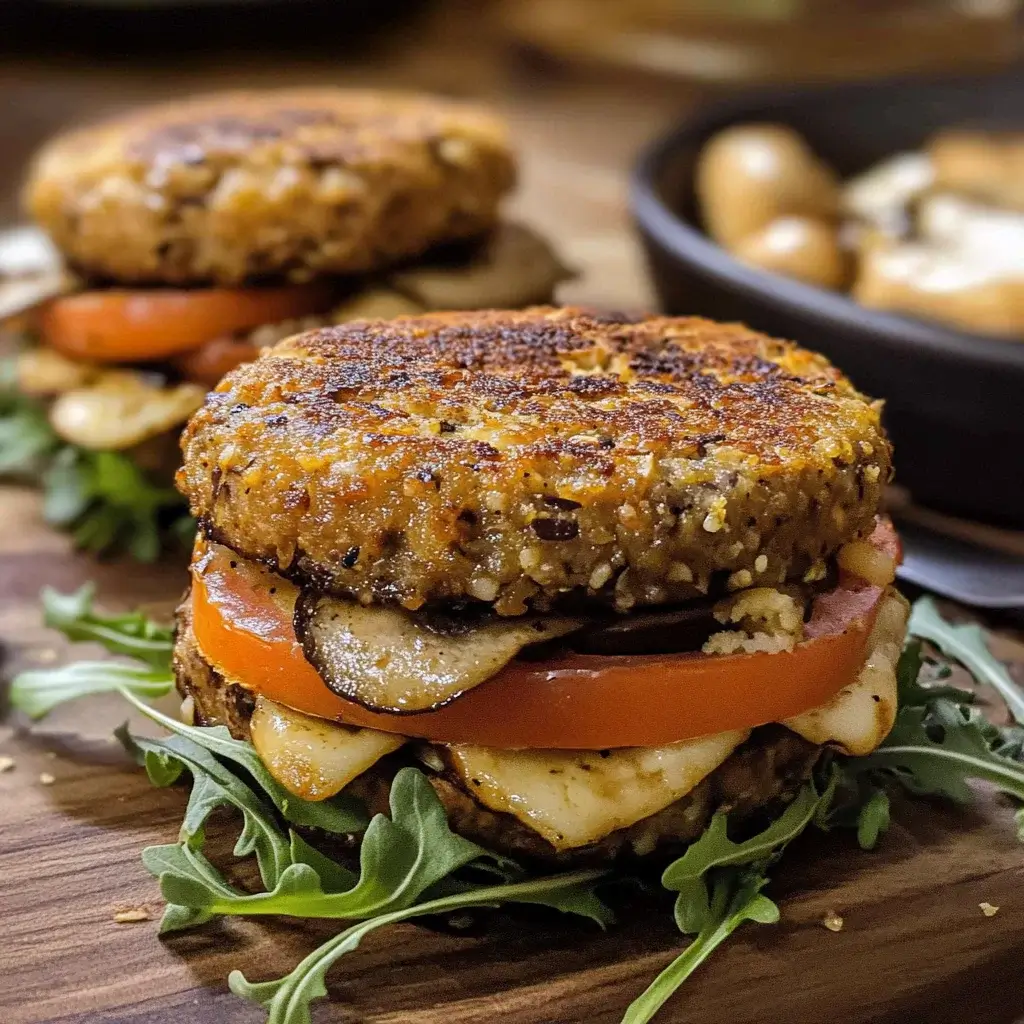

Let’s be honest, the world of veggie burgers can be a bit hit-or-miss. I’ve certainly had my share of dry, crumbly disappointments and patties that tasted vaguely of cardboard. For a long time, I was convinced that a truly satisfying, “meaty” veggie burger experience at home was just a myth. Then came the mushroom and eggplant experiment. I was intrigued by the combination – eggplant’s potential for creamy texture and mushroom’s deep, umami richness seemed promising. The first time I developed and made these, the aroma alone was captivating – earthy, savory, with hints of garlic and herbs. Sautéing the mushrooms until deeply browned and roasting the eggplant until tender proved to be the magic combination. When I finally bit into the finished burger, nestled in a toasted bun with all the fixings, I was genuinely blown away. It was substantial, moist, incredibly flavourful, and held together beautifully! My family, usually lukewarm on my veggie burger attempts, were instant converts. They loved the texture and the savoury depth, not even missing the meat. These Mushroom and Eggplant Veggie Burgers have since become a regular feature, proving that plant-based burgers can be truly crave-worthy and robust.
Ingredients for Hearty Mushroom and Eggplant Veggie Burgers
This recipe focuses on building deep, savoury flavours and achieving a satisfying, non-mushy texture. Yields approximately 4-6 burgers depending on size.
The Veggie Base:
- 1 medium globe eggplant (about 1 lb / 450g), cut into 1-inch cubes
- 1 lb (about 450g) cremini (baby bella) mushrooms, finely chopped (or pulsed in a food processor until coarse, not puréed)
- 1 tablespoon olive oil (for eggplant) + 1 tablespoon olive oil (for mushrooms)
- 1 medium yellow onion, finely chopped
- 3-4 cloves garlic, minced
Binders and Flavour Enhancers:
- 1 large egg, lightly beaten (or 1 flax egg for vegan: 1 tbsp flaxseed meal + 3 tbsp water, let sit 5 mins)
- 3/4 cup (about 75g) Panko breadcrumbs (or gluten-free breadcrumbs/rolled oats pulsed briefly)
- 1/2 cup cooked brown rice or quinoa (optional, adds texture and binding)
- 1/4 cup chopped fresh parsley or cilantro
- 2 tablespoons soy sauce or tamari (for gluten-free)
- 1 tablespoon Worcestershire sauce (ensure vegan if needed) – optional but adds depth
- 1 teaspoon smoked paprika
- 1 teaspoon dried oregano or Italian seasoning blend
- 1/2 teaspoon salt (adjust to taste, considering soy/Worcestershire)
- 1/2 teaspoon black pepper
- Optional Texture Boost: 1/2 cup toasted walnuts or pecans, finely chopped
For Cooking:
- 1-2 tablespoons olive oil or other neutral oil for pan-frying (if not baking)
Serving Suggestions (See detailed section below):
- Burger buns (brioche, whole wheat, sesame, etc.)
- Lettuce, tomato slices, onion slices (raw or caramelized)
- Pickles, avocado, sprouts
- Cheese (cheddar, provolone, Swiss, vegan cheese)
- Sauces (mayonnaise, aioli, ketchup, mustard, BBQ sauce)
Step-by-Step Instructions: Building Your Best Veggie Burger
Patience in prepping the vegetables is key to avoiding a soggy burger. Follow these steps for delicious success:
- Roast the Eggplant: Preheat your oven to 400°F (200°C). Line a large baking sheet with parchment paper. Toss the cubed eggplant with 1 tablespoon of olive oil and spread it in a single layer on the prepared baking sheet. Roast for 25-30 minutes, flipping halfway through, until the eggplant is very tender, slightly collapsed, and starting to brown. Roasting concentrates the flavour and, crucially, removes excess moisture. Let the roasted eggplant cool completely on the baking sheet. Once cool, you can roughly mash it with a fork or pulse it a few times in a food processor – you want texture, not a smooth purée.
- Cook Mushrooms and Aromatics: While the eggplant is roasting or cooling, heat the remaining 1 tablespoon of olive oil in a large skillet over medium heat. Add the finely chopped onion and sauté for 5-7 minutes until softened and translucent. Add the minced garlic and cook for another minute until fragrant.
- Brown the Mushrooms: Increase the heat slightly to medium-high. Add the finely chopped (or pulsed) mushrooms to the skillet with the onions and garlic. Spread them out as much as possible. Cook, stirring occasionally, for about 10-15 minutes. Initially, the mushrooms will release a lot of liquid. Keep cooking until all the liquid has evaporated and the mushrooms become deeply browned and significantly reduced in volume. This step is vital for developing rich, umami flavour and preventing a watery burger mix. Remove the skillet from the heat and let the mushroom mixture cool slightly.
- Combine Burger Mixture: In a large bowl, combine the cooled, mashed roasted eggplant and the cooled mushroom-onion mixture. Add the lightly beaten egg (or flax egg), Panko breadcrumbs, optional cooked rice/quinoa, chopped fresh parsley, soy sauce/tamari, optional Worcestershire sauce, smoked paprika, dried oregano, salt, and pepper. If using, stir in the toasted chopped walnuts now.
- Mix Gently: Gently mix all the ingredients together with a spoon or your hands until just combined. Be careful not to overmix, which can make the burgers tough or dense. The mixture should hold together when pressed, but it will likely be softer than a ground meat mixture.
- Chill the Mixture: This step is highly recommended for veggie burgers. Cover the bowl tightly with plastic wrap and refrigerate the mixture for at least 30 minutes, or up to several hours (or even overnight). Chilling allows the flavours to meld and, more importantly, helps the binders (egg/flax, breadcrumbs) absorb moisture and firm up the mixture, making the patties easier to form and handle.
- Form the Patties: Once chilled, divide the mixture into 4-6 equal portions (depending on desired burger size). Gently form each portion into a patty, about 3/4 to 1 inch thick. If the mixture feels slightly sticky, you can lightly dampen your hands with water or oil them slightly. Place the formed patties on a plate or parchment-lined tray.
- Cook the Burgers (Choose your method):
- Pan-Frying (Recommended for best crust): Heat 1-2 tablespoons of olive oil in a large skillet (cast iron works well) over medium heat. Carefully place the patties in the hot skillet, ensuring not to overcrowd the pan (cook in batches if necessary). Cook for about 5-7 minutes per side, until deeply browned, heated through, and a nice crust has formed. Adjust heat as needed to prevent burning. Be gentle when flipping, using a wide spatula.
- Baking: Preheat oven to 375°F (190°C). Place the patties on a lightly oiled baking sheet or one lined with parchment paper. You can lightly brush or spray the tops of the patties with oil for better browning. Bake for 20-25 minutes, carefully flipping halfway through, until heated through and lightly browned. Baking yields a slightly less crispy exterior but is a good hands-off option.
- Rest and Serve: Let the cooked burgers rest for a minute or two before serving. Assemble on toasted buns with your favourite toppings and sauces.
Nutritional Snapshot: A Healthier Burger Choice
These Mushroom and Eggplant Veggie Burgers offer a nutritious alternative to traditional meat burgers, packed with vegetables and fiber. Remember that these are estimates and will vary based on exact ingredients, patty size, optional additions (like nuts or grains), and cooking method (pan-frying adds more fat than baking).
- Servings: 4 to 6 burgers
- Calories Per Serving (Approximate, patty only): Expect around 250-380 calories per patty, assuming 6 patties and including oil for cooking and optional nuts. Baking will generally be at the lower end of this range, while pan-frying and adding nuts will be higher.
Key Nutritional Highlights:
- Fiber Powerhouse: Eggplant, mushrooms, onions, optional grains (brown rice/quinoa), and nuts contribute significant dietary fiber, promoting digestive health and satiety.
- Rich in Vegetables: This recipe is packed with nutrient-dense vegetables, offering vitamins, minerals, and antioxidants. Mushrooms are a good source of B vitamins (like riboflavin and niacin) and selenium, while eggplant provides antioxidants like nasunin.
- Plant-Based Protein: While not as high in protein as meat burgers, they provide a decent amount from the mushrooms, egg/flax egg, optional grains, and nuts.
- Lower Saturated Fat: Compared to typical beef burgers, these veggie burgers are significantly lower in saturated fat, especially if baked or pan-fried with minimal oil.
- Umami Satisfaction: The combination of well-browned mushrooms, roasted eggplant, soy sauce, and optional Worcestershire provides a deep, savory flavour often associated with meat, making them very satisfying.
- Customizable: Easily adapted for vegan (use flax egg, vegan Worcestershire) and gluten-free (use GF breadcrumbs/oats, tamari) diets.
Pairing with a whole-wheat bun and loading up on fresh veggie toppings further boosts the nutritional value of your meal.
Timing Your Burger Build: Prep and Cook Time
Understanding the time involved helps you plan when to make these delicious burgers.
- Active Preparation Time: Approximately 30-40 minutes. This includes:
- Chopping vegetables (10-15 mins)
- Cooking mushrooms/aromatics (15-20 mins)
- Mixing the burger ingredients (5 mins)
- Forming patties (5 mins)
- Passive Time: Approximately 55 minutes to 1 hour 35 minutes (or longer). This includes:
- Roasting eggplant (25-30 mins) + Cooling time (~15-20 mins)
- Chilling the mixture (minimum 30 mins, can be much longer)
- Cook Time: Approximately 10-25 minutes, depending on the cooking method:
- Pan-Frying: ~10-14 minutes total
- Baking: ~20-25 minutes total
- Total Time: Roughly 1 hour 35 minutes to 2 hours 40 minutes (depending heavily on chilling time chosen).
Breaking it Down for Planning:
- The hands-on time is relatively manageable, broken into stages.
- Roasting the eggplant and chilling the mixture are crucial steps that require passive time but are essential for the best result. You can do other things during these periods.
- Make-Ahead Strategy: You can roast the eggplant and cook the mushroom mixture a day ahead. Mix everything together and chill overnight. Form and cook the patties the next day. This breaks the process into smaller chunks.
While not an instant meal, the process is straightforward, and the delicious result is well worth the planned effort.
Serving Sensations: How to Enjoy Your Veggie Burgers
These Mushroom and Eggplant burgers are versatile and pair well with a wide range of accompaniments. Here’s how to build your ultimate burger experience:
- The Foundation (Buns):
- Classic Brioche: Soft, slightly sweet, and buttery – a luxurious choice.
- Whole Wheat Buns: A healthier option with a nuttier flavour.
- Sesame Seed Buns: The traditional burger bun.
- Pretzel Buns: Offer a unique chewy texture and salty flavour.
- Ciabatta Rolls or Kaiser Rolls: Sturdy options that hold up well.
- Gluten-Free Buns: Plenty of great options are available now.
- Lettuce Wraps: For a low-carb, fresh alternative.
- Pro Tip: Always toast your buns lightly (on the grill, under the broiler, or in the pan) for better texture and flavour!
- Say Cheese! (Optional):
- Provolone or Swiss: Melts beautifully and complements the earthy mushroom flavour.
- Sharp Cheddar: Adds a tangy kick.
- Smoked Gouda: Enhances the smoky notes from the paprika.
- Feta or Goat Cheese: Offer a tangy, creamy contrast (crumble on top after cooking).
- Vegan Cheese Slices/Shreds: Choose a brand known for good melting qualities.
- Sauce it Up:
- Classic Mayo/Ketchup/Mustard: Can’t go wrong with the basics.
- Garlic Aioli: Homemade or store-bought adds richness.
- Pesto Mayo: Adds herbaceous brightness.
- Spicy Sriracha Mayo: For those who like heat.
- BBQ Sauce: Adds smoky sweetness.
- Tzatziki Sauce: A cool, creamy cucumber-yogurt sauce (great contrast).
- Relish: Sweet or dill.
- Top it Off (Veggies & More):
- Crisp Lettuce: Iceberg, romaine, butter lettuce.
- Ripe Tomato Slices: A juicy classic.
- Onion: Thinly sliced red onion (raw), sweet white onion, or deeply flavourful caramelized onions.
- Pickles: Dill pickle slices or bread-and-butter pickles.
- Avocado: Sliced or mashed for creamy richness.
- Sprouts: Alfalfa or broccoli sprouts for freshness and texture.
- Sautéed Mushrooms: Double down on the mushroom flavour!
- Crispy Fried Onions: For extra crunch.
- Perfect Sides:
- French Fries: Regular or sweet potato fries are classic partners.
- Onion Rings: Another crispy favourite.
- Simple Green Salad: With a light vinaigrette to balance the richness.
- Coleslaw: Creamy or vinegar-based slaw adds crunch and tang.
- Roasted Vegetables: Continue the roasted theme with potatoes, carrots, or broccoli.
- Potato Chips: A simple, crunchy side.
Extra Tips for Veggie Burger Perfection
Elevate your Mushroom and Eggplant burgers from good to great with these additional tips:
- Don’t Skimp on Browning the Mushrooms: This is arguably the most critical step for flavour. Cook the finely chopped mushrooms until they release all their water and then continue cooking until they are deeply browned and caramelized. This concentrates their flavour intensely, creating a rich, meaty, umami base that makes a huge difference in the final burger. Don’t rush this stage!
- Roast, Don’t Boil or Steam Eggplant: Roasting the eggplant until tender and slightly collapsed is key to both flavour development and moisture reduction. Boiling or steaming eggplant will result in a waterlogged texture that can lead to soggy burgers. Letting the roasted eggplant cool fully also helps prevent excess steam from making the mixture too wet.
- Embrace the Chill Time: While tempting to skip, chilling the burger mixture for at least 30 minutes (and preferably longer) makes a significant difference. It allows the binders (egg/flax, breadcrumbs) to fully hydrate and firm up the mixture, making the patties much easier to form, handle, and flip without falling apart. It also lets the flavours meld.
- Gentle Handling is Key: Remember, these are not dense meat patties. While this recipe is designed to hold together well, veggie burgers are inherently more delicate. Form the patties gently without compacting them too much. When cooking, use a wide, thin spatula for flipping and do it carefully and confidently. Avoid pressing down on them while cooking, as this can squeeze out moisture.
- Taste and Adjust Seasoning Before Chilling: Once you’ve combined all the burger mixture ingredients (but before adding the raw egg if you’re concerned), take a tiny amount, cook it quickly in a small pan, and taste it for seasoning. Adjust salt, pepper, herbs, or spices as needed before you chill the entire batch. It’s much harder to adjust seasoning after the patties are formed or cooked. Consider the saltiness of your soy sauce/tamari and Worcestershire when adding extra salt.
Frequently Asked Questions (FAQ) About Mushroom Eggplant Burgers
Here are answers to common questions you might have about making these veggie burgers:
- Q: Can I make these Mushroom and Eggplant Burgers vegan?
- A: Yes, absolutely! It’s a very easy substitution. Instead of the chicken egg, use a “flax egg.” To make one flax egg, whisk together 1 tablespoon of flaxseed meal (ground flaxseeds) with 3 tablespoons of water. Let it sit for about 5-10 minutes until it becomes gelatinous and resembles the consistency of a beaten egg. Use this in place of the regular egg. Also, ensure the Worcestershire sauce you use is a vegan variety (traditional versions contain anchovies) or simply omit it. All other core ingredients are typically vegan, but always check labels if needed.
- Q: How can I make this recipe gluten-free?
- A: This recipe is also easily adapted for a gluten-free diet. Use certified gluten-free Panko breadcrumbs, gluten-free regular breadcrumbs, or substitute with gluten-free rolled oats (pulse them briefly in a food processor first for a better texture). Instead of soy sauce, use tamari, which is typically brewed without wheat, or use a certified gluten-free soy sauce. Ensure your Worcestershire sauce is gluten-free if using. If adding optional cooked grains, make sure quinoa or rice is used, as they are naturally gluten-free.
- Q: Can I grill these veggie burgers?
- A: Grilling veggie burgers can be tricky as they are often softer and more prone to sticking or falling through the grates than meat burgers. While possible with this recipe (especially after proper chilling), it requires care. For best results:
- Chill Thoroughly: Ensure the mixture is very well chilled (several hours is best) and the patties are firm.
- Oil the Grates Well: Clean and generously oil your grill grates just before placing the patties down.
- Use Medium Heat: Avoid very high heat, which can scorch the outside before the inside is heated through. Aim for medium, steady heat.
- Handle Gently: Use a wide spatula and flip only once if possible.
- Consider a Grill Mat/Basket: A solid grill mat or a grill basket can provide a stable surface and prevent sticking or crumbling.
- Alternative: Pan-fry or bake the patties first until mostly cooked and firm, then finish them on the grill for just a minute or two per side to get those char marks and smoky flavour.
- A: Grilling veggie burgers can be tricky as they are often softer and more prone to sticking or falling through the grates than meat burgers. While possible with this recipe (especially after proper chilling), it requires care. For best results:
- Q: My veggie burgers are falling apart or are too mushy. What went wrong?
- A: This is a common veggie burger issue, usually due to excess moisture or insufficient binding. Here are the likely culprits for this recipe:
- Inadequate Mushroom Cooking: You didn’t cook the mushrooms long enough to evaporate all their released liquid and get them nicely browned.
- Eggplant Not Roasted Enough: The eggplant retained too much water. Ensure it’s roasted until tender and slightly collapsed.
- Skipping/Shortening Chill Time: Chilling is crucial for allowing the binders to work and firming up the mixture.
- Not Enough Binder: Your eggplant or mushrooms might have been particularly large/watery, potentially requiring a bit more breadcrumbs (add 1-2 tbsp at a time if the mixture feels overly wet before chilling).
- Over-Mixing: Overworking the mixture can sometimes break down the structure. Mix until just combined.
- Handling: Being too rough when forming or flipping the patties.
- A: This is a common veggie burger issue, usually due to excess moisture or insufficient binding. Here are the likely culprits for this recipe:
- Q: Can I make these burgers ahead of time and freeze them?
- A: Yes, these burgers freeze well both cooked and uncooked.
- Freezing Uncooked Patties: Form the patties as directed. Place them in a single layer on a parchment-lined baking sheet and freeze until solid (about 1-2 hours). Once frozen, transfer the patties to a freezer bag or airtight container, separating layers with parchment paper to prevent sticking. They can be stored for up to 3 months. Cook directly from frozen (pan-fry or bake), adding a few extra minutes to the cooking time.
- Freezing Cooked Patties: Cook the burgers completely and let them cool thoroughly. Wrap individual patties tightly in plastic wrap or foil, then place them in a freezer bag or airtight container. Store for up to 3 months. Reheat gently in a skillet, oven, or microwave until heated through. Note that the texture might be slightly softer after freezing and reheating compared to freshly cooked.
- A: Yes, these burgers freeze well both cooked and uncooked.
Mushroom and Eggplant Veggie Burgers recipe
Ingredients
The Veggie Base:
- 1 medium globe eggplant (about 1 lb / 450g), cut into 1-inch cubes
- 1 lb (about 450g) cremini (baby bella) mushrooms, finely chopped (or pulsed in a food processor until coarse, not puréed)
- 1 tablespoon olive oil (for eggplant) + 1 tablespoon olive oil (for mushrooms)
- 1 medium yellow onion, finely chopped
- 3–4 cloves garlic, minced
Binders and Flavour Enhancers:
- 1 large egg, lightly beaten (or 1 flax egg for vegan: 1 tbsp flaxseed meal + 3 tbsp water, let sit 5 mins)
- 3/4 cup (about 75g) Panko breadcrumbs (or gluten-free breadcrumbs/rolled oats pulsed briefly)
- 1/2 cup cooked brown rice or quinoa (optional, adds texture and binding)
- 1/4 cup chopped fresh parsley or cilantro
- 2 tablespoons soy sauce or tamari (for gluten-free)
- 1 tablespoon Worcestershire sauce (ensure vegan if needed) – optional but adds depth
- 1 teaspoon smoked paprika
- 1 teaspoon dried oregano or Italian seasoning blend
- 1/2 teaspoon salt (adjust to taste, considering soy/Worcestershire)
- 1/2 teaspoon black pepper
- Optional Texture Boost: 1/2 cup toasted walnuts or pecans, finely chopped
For Cooking:
- 1–2 tablespoons olive oil or other neutral oil for pan-frying (if not baking)
Serving Suggestions (See detailed section below):
- Burger buns (brioche, whole wheat, sesame, etc.)
- Lettuce, tomato slices, onion slices (raw or caramelized)
- Pickles, avocado, sprouts
- Cheese (cheddar, provolone, Swiss, vegan cheese)
- Sauces (mayonnaise, aioli, ketchup, mustard, BBQ sauce)
Instructions
- Roast the Eggplant: Preheat your oven to 400°F (200°C). Line a large baking sheet with parchment paper. Toss the cubed eggplant with 1 tablespoon of olive oil and spread it in a single layer on the prepared baking sheet. Roast for 25-30 minutes, flipping halfway through, until the eggplant is very tender, slightly collapsed, and starting to brown. Roasting concentrates the flavour and, crucially, removes excess moisture. Let the roasted eggplant cool completely on the baking sheet. Once cool, you can roughly mash it with a fork or pulse it a few times in a food processor – you want texture, not a smooth purée.
- Cook Mushrooms and Aromatics: While the eggplant is roasting or cooling, heat the remaining 1 tablespoon of olive oil in a large skillet over medium heat. Add the finely chopped onion and sauté for 5-7 minutes until softened and translucent. Add the minced garlic and cook for another minute until fragrant.
- Brown the Mushrooms: Increase the heat slightly to medium-high. Add the finely chopped (or pulsed) mushrooms to the skillet with the onions and garlic. Spread them out as much as possible. Cook, stirring occasionally, for about 10-15 minutes. Initially, the mushrooms will release a lot of liquid. Keep cooking until all the liquid has evaporated and the mushrooms become deeply browned and significantly reduced in volume. This step is vital for developing rich, umami flavour and preventing a watery burger mix. Remove the skillet from the heat and let the mushroom mixture cool slightly.
- Combine Burger Mixture: In a large bowl, combine the cooled, mashed roasted eggplant and the cooled mushroom-onion mixture. Add the lightly beaten egg (or flax egg), Panko breadcrumbs, optional cooked rice/quinoa, chopped fresh parsley, soy sauce/tamari, optional Worcestershire sauce, smoked paprika, dried oregano, salt, and pepper. If using, stir in the toasted chopped walnuts now.
- Mix Gently: Gently mix all the ingredients together with a spoon or your hands until just combined. Be careful not to overmix, which can make the burgers tough or dense. The mixture should hold together when pressed, but it will likely be softer than a ground meat mixture.
- Chill the Mixture: This step is highly recommended for veggie burgers. Cover the bowl tightly with plastic wrap and refrigerate the mixture for at least 30 minutes, or up to several hours (or even overnight). Chilling allows the flavours to meld and, more importantly, helps the binders (egg/flax, breadcrumbs) absorb moisture and firm up the mixture, making the patties easier to form and handle.
- Form the Patties: Once chilled, divide the mixture into 4-6 equal portions (depending on desired burger size). Gently form each portion into a patty, about 3/4 to 1 inch thick. If the mixture feels slightly sticky, you can lightly dampen your hands with water or oil them slightly. Place the formed patties on a plate or parchment-lined tray.
- Cook the Burgers (Choose your method):
- Pan-Frying (Recommended for best crust): Heat 1-2 tablespoons of olive oil in a large skillet (cast iron works well) over medium heat. Carefully place the patties in the hot skillet, ensuring not to overcrowd the pan (cook in batches if necessary). Cook for about 5-7 minutes per side, until deeply browned, heated through, and a nice crust has formed. Adjust heat as needed to prevent burning. Be gentle when flipping, using a wide spatula.
- Baking: Preheat oven to 375°F (190°C). Place the patties on a lightly oiled baking sheet or one lined with parchment paper. You can lightly brush or spray the tops of the patties with oil for better browning. Bake for 20-25 minutes, carefully flipping halfway through, until heated through and lightly browned. Baking yields a slightly less crispy exterior but is a good hands-off option.
- Rest and Serve: Let the cooked burgers rest for a minute or two before serving. Assemble on toasted buns with your favourite toppings and sauces.
Nutrition
- Serving Size: one normal portion
- Calories: 250-380