

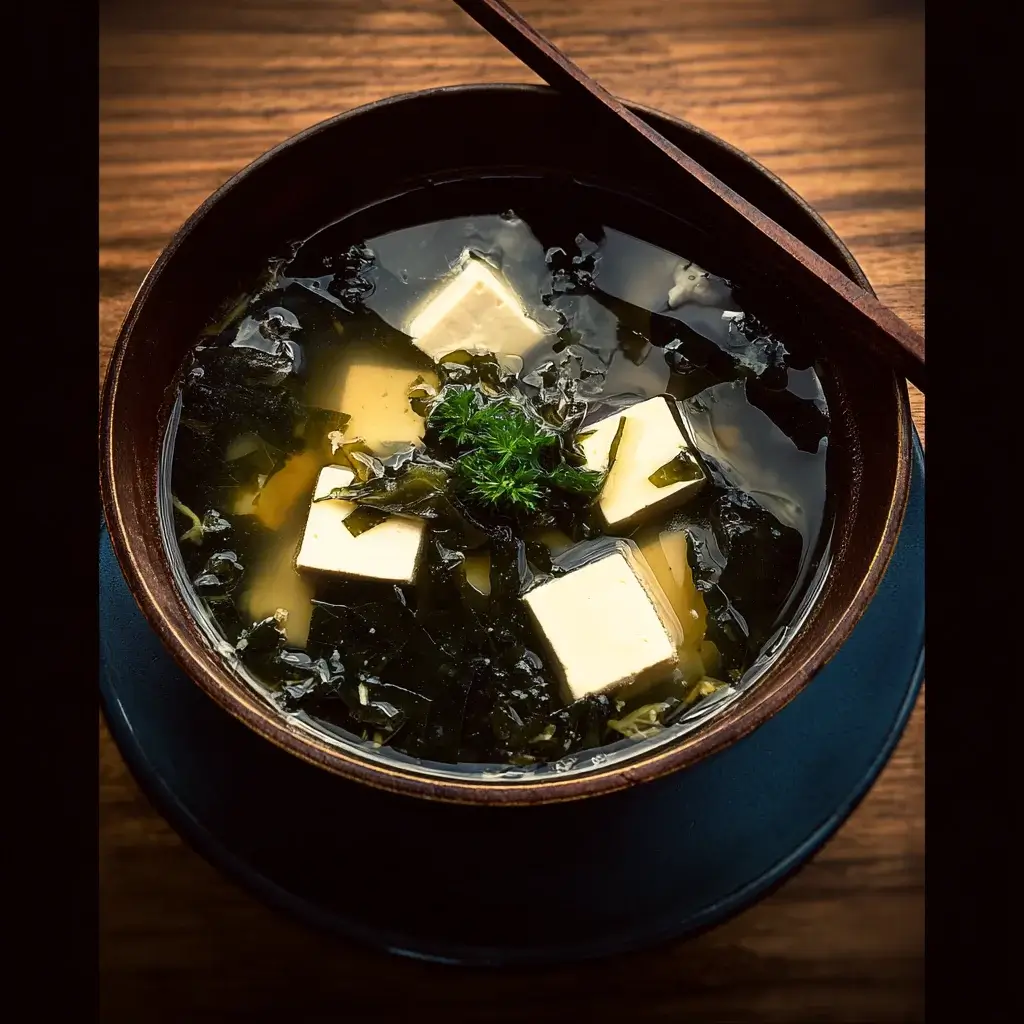

There are few culinary experiences as simultaneously simple and profound as a well-made bowl of Miso Soup. For years, I relegated it to the small, complimentary bowl I’d get at Japanese restaurants, never imagining I could replicate that delicate, savory, and soul-soothing flavor at home. My attempts usually involved a sad-looking packet of instant mix that was invariably too salty and lacked any real depth. Then, on a trip to a local Asian market, I was inspired. I bought a tub of real miso paste, some kombu, and a block of silken tofu. That evening, I made my first bowl from scratch. The process was a revelation—it was faster than I ever imagined and the result was worlds apart from the instant versions. The kitchen filled with the steamy, umami-rich aroma of the dashi broth. The miso dissolved into a cloudy, flavorful elixir. The silken tofu was like a soft cloud, and the rehydrated seaweed added a subtle brininess. I served it to my family, and the quiet, appreciative slurps were all the feedback I needed. Now, it’s a weekly ritual in our home. It’s our go-to light lunch, our comforting first course for dinner, and my personal remedy for a stressful day. This recipe is more than just instructions; it’s an invitation to bring a cornerstone of Japanese cuisine into your own kitchen, and I promise, you’ll be amazed at how easy and rewarding it is.
Understanding the Soul of Miso Soup
Before we gather our ingredients, it’s worth taking a moment to understand what makes Miso Soup so special. This isn’t just a random assortment of items in a broth; it’s a carefully balanced composition where each ingredient plays a critical role. The beauty of this recipe lies in its elegant simplicity and the deep, complex flavor known as umami.
The Three Pillars of Flavor
A perfect bowl of Miso Soup with Tofu and Seaweed is built on three fundamental components:
- Dashi: This is the foundational broth of Japanese cuisine. Unlike heavy Western stocks made from bones, dashi is a light, clear broth infused with a deep savory flavor. It’s traditionally made from kombu (dried kelp) and katsuobushi (dried, fermented, and smoked bonito flakes). This broth is the source of the soup’s primary umami and its clean, oceanic aroma. We’ll explore how to make a simple version from scratch, as well as quicker alternatives.
- Miso Paste: This is the heart and soul of the soup. Miso is a traditional Japanese seasoning produced by fermenting soybeans with salt and kōji (a type of fungus) and sometimes rice, barley, or other ingredients. The result is a thick paste that provides the soup’s signature salty, savory, and deeply complex flavor. It’s also a powerhouse of probiotics and enzymes, making it wonderfully beneficial for gut health.
- The Add-ins (Gu): These are the solid ingredients that give the soup texture and substance. In this classic recipe, we use soft tofu and wakame seaweed, but the possibilities are endless. These ingredients are not meant to overpower the delicate dashi and miso but to complement them.
By understanding these three pillars, you can move beyond simply following a recipe and begin to cook intuitively, adjusting the components to suit your personal taste.
The Ultimate Miso Soup with Tofu and Seaweed Recipe
This recipe will guide you through creating a classic, restaurant-quality miso soup that is both authentic in flavor and incredibly simple to execute.
Ingredients
For the Dashi (Japanese Soup Stock):
- 4 cups filtered water
- 1 piece (4×4 inch) kombu (dried kelp)
- 1 cup katsuobushi (bonito flakes)
- For a Vegan/Vegetarian Alternative: Use 4-5 dried shiitake mushrooms in place of the bonito flakes.
For the Miso Soup:
- 1 tablespoon dried wakame seaweed
- 3-4 tablespoons miso paste (white/shiro miso recommended for a milder, sweeter flavor)
- 7 ounces (½ block) silken or soft tofu, drained and cut into ½-inch cubes
- 2 green onions (scallions), thinly sliced
Step-by-Step Instructions
- Prepare the Dashi Broth: This is the most important step for authentic flavor.
- Gently wipe the piece of kombu with a damp cloth to remove any grit. Do not wash off the white powdery substance on the surface, as it is a source of umami.
- Place the kombu and 4 cups of filtered water in a medium saucepan. Let it soak for at least 30 minutes, or up to a few hours if you have time. This cold-steeping process gently extracts the kombu’s flavor.
- Place the saucepan over medium heat. Slowly bring the water to a near-simmer. Just as small bubbles begin to form around the edge of the pot (around 140°F or 60°C), remove the kombu. Do not let it boil, as this can make the broth bitter and slimy.
- Bring the water to a full boil, then turn off the heat completely. Add the cup of katsuobushi (bonito flakes). Let the flakes steep for 1-2 minutes, until they have absorbed the water and sunk to the bottom of the pot.
- Strain the broth through a fine-mesh sieve lined with cheesecloth or a paper towel into a clean pot or bowl. Gently press on the flakes to extract all the liquid. Your dashi is now ready.
- Vegan Dashi Note: If using shiitake mushrooms, simply soak them with the kombu and remove them at the same time. The resulting broth will be darker and have a wonderful, earthy aroma.
- Rehydrate the Wakame: While the dashi is being prepared, place the dried wakame seaweed in a small bowl and cover it with warm water. Let it sit for 5-10 minutes. You will see it expand dramatically in size and turn a vibrant green. Once rehydrated, drain the excess water and gently squeeze it out. If the pieces are large, you can roughly chop them.
- Dissolve the Miso Paste: This technique is crucial for a smooth, clump-free soup.
- Bring your prepared dashi to a gentle simmer over medium-low heat.
- Ladle about ½ cup of the warm dashi into a small bowl. Add the miso paste to this bowl.
- Use a whisk or a fork to stir the miso paste into the warm dashi until it is completely dissolved and you have a smooth, uniform liquid.
- Pour this miso-dashi slurry back into the main pot of dashi. Stir gently to combine.
- Important: Do Not Boil! Once the miso is added to the pot, keep the heat on low. Never let the soup come to a boil. Boiling miso can destroy its delicate flavor and aromatic qualities, as well as kill the beneficial probiotic bacteria. You just want to keep it hot enough to serve.
- Add the Tofu and Seaweed: Gently add the cubed silken tofu and the rehydrated wakame to the pot. Let them heat through for 1-2 minutes. The tofu is delicate, so stir gently to avoid breaking it up.
- Serve Immediately: Turn off the heat. Ladle the soup into individual serving bowls, making sure each bowl gets a good amount of tofu and seaweed. Garnish generously with the freshly sliced green onions and serve immediately while hot.
Nutrition Facts
- Servings: 4 (as a starter)
- Calories per serving: Approximately 60-80 kcal (This is a low-calorie soup. The final count depends on the type and amount of miso paste used).
This soup is an excellent source of minerals like iodine from the seaweed, plant-based protein from the tofu, and gut-healthy probiotics from the unpasteurized miso.
Preparation and Cooking Time
- Preparation Time: 10 minutes (plus 30 minutes optional kombu soaking time)
- Cooking Time: 15 minutes
- Total Time: Approximately 25 minutes (without soaking)
How to Serve Authentic Miso Soup
Miso soup is incredibly versatile and can be enjoyed in several traditional and modern ways. Presentation is key in Japanese cuisine, so take a moment to serve it thoughtfully.
- As a Traditional Part of a Japanese Meal (Ichiju Sansai):
- Miso soup is a cornerstone of the traditional Japanese meal structure, which translates to “one soup, three sides.”
- Serve it alongside a bowl of steamed rice, a main dish like grilled fish (yakizakana) or teriyaki chicken, and a couple of small side dishes like pickled vegetables (tsukemono) and a seaweed salad.
- As a Restorative Breakfast:
- In Japan, a warm bowl of miso soup is a common breakfast item. It’s a wonderfully gentle and nourishing way to start the day.
- Pair it with a bowl of rice and a piece of salted salmon for a complete, traditional Japanese breakfast.
- As a Light and Healthy Lunch:
- A larger bowl of miso soup can make a perfect light lunch on its own.
- To make it more substantial, serve it with a side of onigiri (Japanese rice balls) or a fresh salad with a ginger dressing.
- Serving Etiquette and Garnishes:
- Serve in small, traditional lacquer or ceramic bowls.
- It is customary to drink the broth directly from the bowl, using chopsticks to eat the solid ingredients like tofu and seaweed.
- Beyond scallions, consider other garnishes like a sprinkle of shichimi togarashi (Japanese seven-spice blend) for a little heat, a few drops of sesame oil for nutty aroma, or some toasted sesame seeds for texture.
5 Additional Tips for Perfecting Your Miso Soup
- Choose Your Miso Wisely: The world of miso is vast. For this classic soup, Shiro Miso (White Miso) is the best starting point. It’s fermented for a shorter period, is lighter in color, and has a milder, slightly sweet flavor that won’t overwhelm the delicate dashi. Aka Miso (Red Miso) is fermented longer, is darker, and has a much deeper, saltier, and more pungent flavor. You can also use Awase Miso, which is a blend of red and white for a balanced flavor.
- Instant Dashi is a Great Shortcut: While making dashi from scratch provides the best flavor, sometimes you need a quicker option. Hondashi (instant dashi granules) is a fantastic pantry staple. Simply dissolve the granules in hot water according to the package directions to create an instant, flavorful broth. It’s a perfectly acceptable and widely used shortcut in Japanese homes.
- Expand Your “Gu” (Add-ins): The tofu and wakame combination is classic, but feel free to customize your soup with other ingredients. Add them to the dashi and cook until tender before you add the miso. Great additions include:
- Mushrooms: Thinly sliced shiitake, enoki, or shimeji mushrooms.
- Root Vegetables: Thinly sliced daikon radish or carrots.
- Leafy Greens: Add spinach or bok choy at the end, just like you would the wakame.
- Seafood: Small clams (asari) or shrimp can be added for a heartier soup.
- Proper Storage and Reheating: Miso soup is best enjoyed fresh. However, if you have leftovers, store them in an airtight container in the refrigerator for up to 2 days. To reheat, warm it gently on the stovetop over low heat. Again, do not let it boil. The texture of the tofu may change slightly upon reheating, but the flavor will still be delicious.
- The Miso Strainer Trick: For the smoothest possible soup, use a miso strainer (a small, fine-mesh sieve with a pestle-like tool). You can submerge the strainer with the miso paste directly into the pot of dashi and use a spoon or the pestle to push the paste through the mesh, ensuring it dissolves perfectly without any lumps.
Frequently Asked Questions (FAQ)
1. Is Miso Soup with Tofu and Seaweed vegan?
This recipe as written is not vegan because katsuobushi (bonito flakes) are made from fish. However, it is incredibly easy to make a delicious vegan version. Simply substitute the bonito flakes with 4-5 dried shiitake mushrooms when making the dashi. This creates a “shiitake kombu dashi” that is 100% plant-based and has a wonderful, earthy umami flavor.
2. Where can I find ingredients like kombu, bonito flakes, and miso paste?
These ingredients are becoming increasingly common. You can find them at most Asian grocery stores, in the international aisle of larger supermarkets, at health food stores like Whole Foods, or easily online from various retailers. Look for unpasteurized, refrigerated miso paste for the most health benefits.
3. What is the difference between silken, soft, and firm tofu?
The difference lies in the water content. Silken tofu has the highest water content and a very delicate, custard-like texture that falls apart easily. Firm tofu has much of the water pressed out, making it solid and easy to cube or pan-fry. For this soup, silken or soft tofu is traditional and highly recommended. Its smooth, cloud-like texture is a perfect contrast to the savory broth. Firm tofu can be used, but it will result in a chewier, more substantial texture.
4. My miso soup tastes too salty. What did I do wrong and how can I fix it?
This is a common issue. Miso pastes vary greatly in salt content. The solution is simple: start with less miso than the recipe calls for (e.g., 2 tablespoons), dissolve it, and taste. You can always add more until you reach your desired flavor. If you’ve already made it too salty, you can dilute the soup by adding a bit more plain dashi or hot water. Adding more tofu can also help absorb some of the saltiness.
5. Can I prepare the dashi in advance?
Yes! Making a larger batch of dashi is a great way to save time. It will keep in an airtight container in the refrigerator for 3-5 days or can be frozen for up to 3 months. Having pre-made dashi on hand means you can whip up a fresh bowl of miso soup in under 5 minutes whenever the craving strikes.
Miso Soup with Tofu and Seaweed Recipe
Ingredients
For the Dashi (Japanese Soup Stock):
-
4 cups filtered water
-
1 piece (4×4 inch) kombu (dried kelp)
-
1 cup katsuobushi (bonito flakes)
-
For a Vegan/Vegetarian Alternative: Use 4-5 dried shiitake mushrooms in place of the bonito flakes.
For the Miso Soup:
-
1 tablespoon dried wakame seaweed
-
3-4 tablespoons miso paste (white/shiro miso recommended for a milder, sweeter flavor)
-
7 ounces (½ block) silken or soft tofu, drained and cut into ½-inch cubes
-
2 green onions (scallions), thinly sliced
Instructions
-
Prepare the Dashi Broth: This is the most important step for authentic flavor.
-
Gently wipe the piece of kombu with a damp cloth to remove any grit. Do not wash off the white powdery substance on the surface, as it is a source of umami.
-
Place the kombu and 4 cups of filtered water in a medium saucepan. Let it soak for at least 30 minutes, or up to a few hours if you have time. This cold-steeping process gently extracts the kombu’s flavor.
-
Place the saucepan over medium heat. Slowly bring the water to a near-simmer. Just as small bubbles begin to form around the edge of the pot (around 140°F or 60°C), remove the kombu. Do not let it boil, as this can make the broth bitter and slimy.
-
Bring the water to a full boil, then turn off the heat completely. Add the cup of katsuobushi (bonito flakes). Let the flakes steep for 1-2 minutes, until they have absorbed the water and sunk to the bottom of the pot.
-
Strain the broth through a fine-mesh sieve lined with cheesecloth or a paper towel into a clean pot or bowl. Gently press on the flakes to extract all the liquid. Your dashi is now ready.
-
Vegan Dashi Note: If using shiitake mushrooms, simply soak them with the kombu and remove them at the same time. The resulting broth will be darker and have a wonderful, earthy aroma.
-
-
Rehydrate the Wakame: While the dashi is being prepared, place the dried wakame seaweed in a small bowl and cover it with warm water. Let it sit for 5-10 minutes. You will see it expand dramatically in size and turn a vibrant green. Once rehydrated, drain the excess water and gently squeeze it out. If the pieces are large, you can roughly chop them.
-
Dissolve the Miso Paste: This technique is crucial for a smooth, clump-free soup.
-
Bring your prepared dashi to a gentle simmer over medium-low heat.
-
Ladle about ½ cup of the warm dashi into a small bowl. Add the miso paste to this bowl.
-
Use a whisk or a fork to stir the miso paste into the warm dashi until it is completely dissolved and you have a smooth, uniform liquid.
-
Pour this miso-dashi slurry back into the main pot of dashi. Stir gently to combine.
-
-
Important: Do Not Boil! Once the miso is added to the pot, keep the heat on low. Never let the soup come to a boil. Boiling miso can destroy its delicate flavor and aromatic qualities, as well as kill the beneficial probiotic bacteria. You just want to keep it hot enough to serve.
-
Add the Tofu and Seaweed: Gently add the cubed silken tofu and the rehydrated wakame to the pot. Let them heat through for 1-2 minutes. The tofu is delicate, so stir gently to avoid breaking it up.
-
Serve Immediately: Turn off the heat. Ladle the soup into individual serving bowls, making sure each bowl gets a good amount of tofu and seaweed. Garnish generously with the freshly sliced green onions and serve immediately while hot.
Nutrition
- Serving Size: one normal portion
- Calories: 60-80